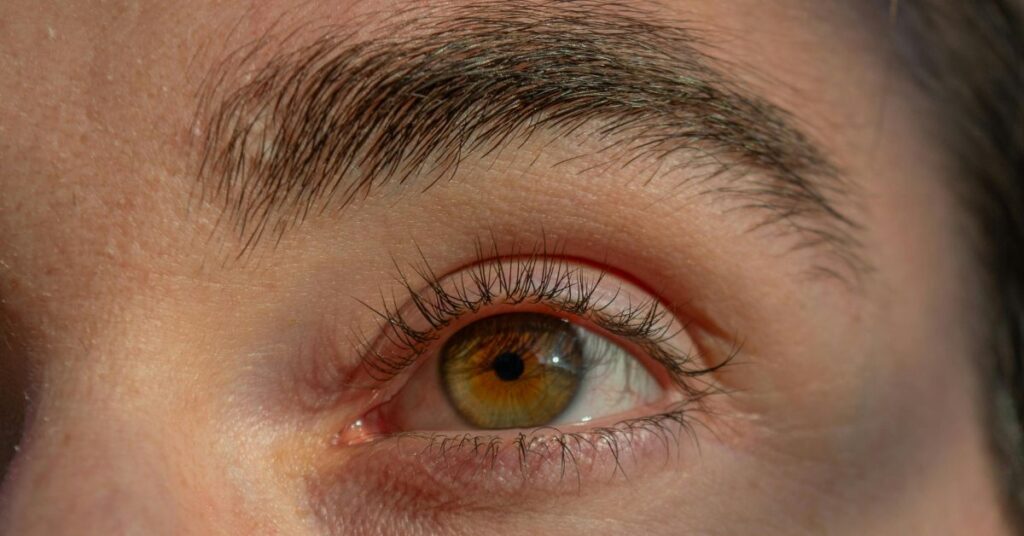
Thicker-looking lashes come from gentle cleansing, light conditioning, and breakage control so more hairs stay along the lash line.
When lashes look thin, it’s often a mix of breakage and normal shedding. The good news is that thickness is one of the easiest things to change with habits. You don’t need a new drawer of products. You need fewer rough moments with your eyes.
This article gives a routine you can keep up with, plus the little details that stop lashes from snapping, sticking together, or dropping out early. If you wear makeup, you’ll get a safer way to use it. If you don’t, you’ll still get fuller-looking lashes by keeping the lash line calm and clean.
| Action | How To Do It | Notes |
|---|---|---|
| Clean the lash line nightly | Use a mild cleanser and rinse well; keep product out of the eye | Build-up at the roots can make lashes feel stiff and shed sooner |
| Remove mascara with slip | Soak a pad, press 15–20 seconds, then wipe down and out | No scrubbing; friction is a common breakage trigger |
| Choose mascara you can remove | Pick formulas that rinse off cleanly; keep waterproof for rare days | Hard-to-remove mascara invites tugging |
| Replace old eye makeup | Write the open date on the tube and toss on schedule | Old mascara can irritate lids and change texture |
| Keep tools clean | Wash lash combs and curlers; let them dry fully | Gunked tools snag lashes and glue them together |
| Condition for less drag | Use a pinhead of ointment or plain oil on a clean spoolie | Goal is slip, not a promised growth rate |
| Stop picking and rubbing | Tap itch with a clean finger; treat flakes at the lid margin | Rubbing pulls lashes out at the root |
| Sleep without lash smash | Try back sleeping or a side-sleep pillow that reduces face pressure | Nightly bending can thin outer corners |
| Protect lashes from heat | Keep hair dryers and steam away from freshly curled lashes | Heat plus mascara can make lashes brittle |
How To Get Thicker Lashes Naturally
If you want a clear plan, use this order. It builds thickness by keeping more lashes on the lid, then making each lash show up better.
- Night: cleanse, then remove makeup with a soak-and-slide method.
- Night: if lashes feel dry or crunchy, add a thin conditioning layer on clean lashes.
- Morning: brush through lashes and curl before mascara.
- Weekly: clean tools and check product age.
- Always: reduce rubbing and picking at the lid margin.
Clean The Lash Line Each Night
Lashes grow out of skin that collects oil, sunscreen, sweat, and tiny bits of makeup. When that film sits at the roots, lashes can clump, feel stiff, and shed faster. A clean base makes everything else easier.
Use a mild face cleanser and lukewarm water. Work the cleanser through your fingertips, then gently sweep along the lid margin with eyes closed. Rinse until the skin feels clean, not slick. Pat dry with a soft towel.
If you deal with flakes at the lash roots, add a warm compress for 3–5 minutes first. Warmth loosens waxy build-up so it rinses away without scratching.
Remove Makeup Without Tugging
The biggest lash thief is rough removal. If you yank a mascara wand off stiff lashes, some lashes come with it. The fix is time and slip.
- Soak a cotton pad with micellar water or a gentle oil-based remover.
- Press it on closed lashes for 15–20 seconds.
- Wipe down and out, following the lash direction.
- Repeat with a fresh pad until the pad comes away clean.
If you wear waterproof mascara, keep the soak time longer and switch pads more often. When you feel the urge to rub, pause and re-soak. That one pause saves more lashes than any serum claim.
Use Mascara And Tools With Fresh Rules
Mascara can help lashes look thicker in one swipe, yet it can also cause clumps that snap off. Most problems come from old product and dirty tools.
The U.S. Food and Drug Administration shares practical eye-makeup hygiene tips, including tossing mascara after about three months and never adding water or saliva to thin it out. See the FDA’s Eye Cosmetic Safety page for the full list.
To keep things simple:
- Replace mascara on a calendar, not by memory.
- Wipe the wand neck clean so the tube doesn’t cake up.
- Don’t pump the wand; that pulls air in and dries the formula.
- Wash lash combs and curlers with soap and warm water, then air-dry.
Condition For Slip, Not Growth Promises
When people say a natural approach helped, the real win is often less breakage. Conditioning can help lashes stay flexible so they bend instead of snapping. You can do this with bland products you may already own.
Options that work for many people include plain petroleum jelly, mineral oil, or a simple fragrance-free eye ointment. Use a clean spoolie. Dip once, wipe most of it off, then brush a whisper-thin layer through clean lashes at night. If you can see shine, you used too much.
Patch test on the skin near your ear or jawline first. Stop if you get burning, swelling, or persistent redness. If you wear contact lenses, keep conditioning products away from the eye itself.
Guard Against Breakage While You Sleep
If your outer corners look thin, sleep pressure is a sneaky cause. Side and stomach sleeping can bend lashes the same way, night after night. The lashes don’t break in one night. They fray and split, then vanish.
Try back sleeping a few nights a week. If that’s not happening, choose a pillow that keeps your face from pressing hard into the fabric. A smoother pillowcase can also cut friction.
Getting Thicker Lashes Naturally With Daily Habits
Thickness isn’t only about what you put on your lashes. Daily choices can change how many lashes you keep, and how calm the lid margin stays.
Eat Steady Meals For Lash Strength
Lashes are hair, so the same basics that keep scalp hair steady help here too. Aim for regular meals with a protein source, plus foods with iron and zinc such as beans, lentils, eggs, seafood, nuts, or seeds. No supplement beats food, and megadoses can backfire. If you’ve had rapid shedding after illness, high stress, or a big diet change, a licensed clinician can run labs and check for treatable causes.
Keep Lid Irritation From Turning Into Lash Loss
Itchy lids often lead to rubbing. Rubbing leads to fallout. So the goal is to calm the itch before your hands take over.
- Rinse off eye makeup each night, even if it’s just liner.
- Use fragrance-free products near the eyes.
- Keep face oils and hair products off the lid margin.
- Use warm compresses when flakes build up at the roots.
If you notice crusting, burning, or a gritty feeling that sticks around, get checked. Lid inflammation and infections can damage follicles when they go untreated.
Use Curlers And Liner With Care
A lash curler can boost the “thick” look because curled lashes cast less shadow on the lid. The trick is to curl before mascara, not after.
Place the curler near the base, squeeze gently for 5 seconds, then release and move a few millimeters upward for a second squeeze. Replace worn rubber pads. A torn pad can pinch and cut lashes.
If you tightline, keep the pencil sharp and the line thin. Don’t drag the tip along the roots. A soft stamp motion works better and keeps lashes from getting scraped.
When Thin Lashes Need A Clinician
Most lash thinning is simple breakage and irritation. Still, sudden lash loss, bald patches, or lash loss with lid pain can point to a medical issue. Don’t wait months on home care if your lashes are dropping in clumps.
The American Academy of Ophthalmology lists common reasons lashes fall out and notes that lash loss can sometimes signal an underlying eye or health problem. Read their Why Are My Eyelashes Falling Out? overview for warning signs.
Book a visit soon if you notice any of these:
- One-sided lash loss or a clear patch along the lid
- Swelling, pain, or discharge at the lid margin
- New lash loss after starting a new medication
- Lash loss with eyebrow or scalp hair loss
Four-Week Lash-Thickening Routine
This is the part many people miss. Lashes grow in cycles. So you’re not chasing a one-night miracle. You’re stacking small habits until the lash line keeps more hairs week after week. If you’ve been searching “how to get thicker lashes naturally” and bouncing between tips, stick to this plan for a month.
| Week | Night Routine | Morning Routine |
|---|---|---|
| 1 | Cleanse + soak-and-slide removal; no rubbing | Brush through lashes; curl before mascara |
| 2 | Add a whisper-thin conditioning layer 3 nights | One coat mascara; comb clumps while wet |
| 3 | Warm compress 2 nights if flakes show up | Skip waterproof; keep product off the roots |
| 4 | Clean tools; check mascara open date | Review fallout count; keep what works |
What Progress Looks Like In Real Life
With lash care, the earliest win is fewer “random” lashes on your cheeks and pillow. Next, lashes start to fan out more evenly, so mascara looks better with less product. After a few weeks, gaps along the line often fill in because you’re keeping lashes that would have snapped or shed early.
Take a close photo of each eye in the same lighting once a week. Don’t hunt for daily change. Watch for steadier density along the lash line and less breakage at the tips. That’s the pattern you want.
If you want to keep going, keep the basics and keep them simple. Clean lashes at night. Remove makeup with time and slip. Keep products fresh. That routine is the quiet version of how to get thicker lashes naturally, and it keeps paying off as long as you stick with it.
References & Sources
- U.S. Food and Drug Administration (FDA).“Cosmetics Safety Q&A: Eye Cosmetic Safety.”Hygiene tips for eye makeup, including when to discard mascara and how to lower infection risk.
- American Academy of Ophthalmology (AAO).“Why Are My Eyelashes Falling Out?”Common causes of lash loss and warning signs that merit a clinical eye check.

Mo Maruf
I created WellFizz to bridge the gap between vague wellness advice and actionable solutions. My mission is simple: to decode the research and give you practical tools you can actually use.
Beyond the data, I am a passionate traveler. I believe that stepping away from the screen to explore new environments is essential for mental clarity and physical vitality.