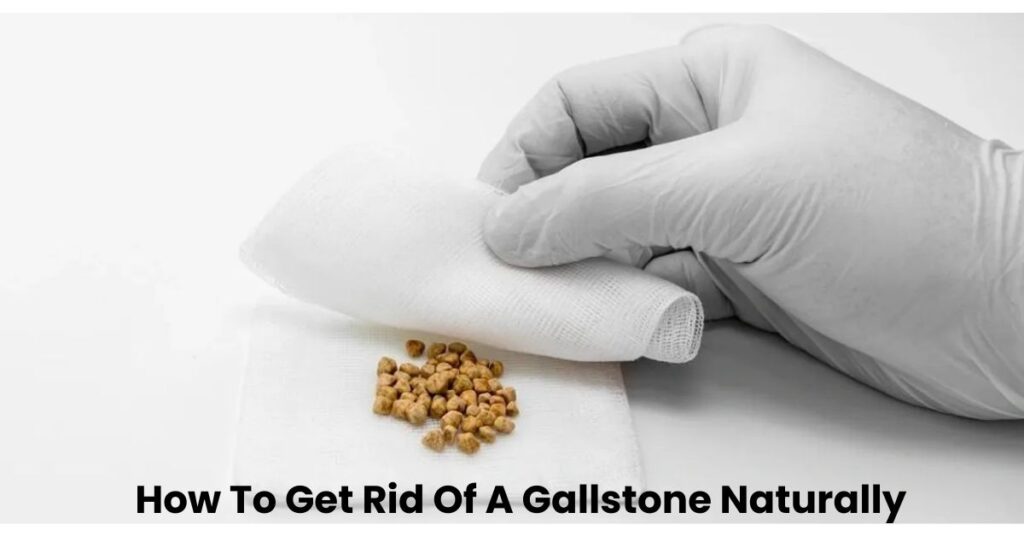
Most gallstones don’t clear at home; the safest “natural” approach is easing attacks, lowering new-stone odds, and getting evaluated for stones that need removal.
Gallstones can feel sudden. One day you eat dinner, the next you’re dealing with a tight, gripping pain under the right ribs, nausea, or an ache that runs into your back. If you’re searching for how to get rid of a gallstone naturally, you’re probably hoping for something you can start tonight without guessing.
Here’s the straight version: home steps can calm symptom weeks and can lower the odds that new stones form. They rarely make an existing stone vanish. A stone that blocks a bile duct can lead to infection or inflammation, so safety comes first. This guide lays out low-risk actions at home, what to skip, and when you should get checked the same day.
| Home Step | What It Helps With | Watch Outs |
|---|---|---|
| Eat on a steady schedule | Regular bile flow; fewer big swings at meals | Long fasting can trigger attacks in some people |
| Go lower-fat during flare-ups | Less squeezing after eating | Don’t cut fat to zero long term |
| Build meals around fiber-rich foods | Fullness with steadier portions | Add fiber gradually to limit gas |
| Lose weight slowly if you’re cutting calories | Lower risk of forming new stones during weight loss | Crash diets can raise stone risk |
| Move most days | Helps weight stability and digestion | During an attack, rest first |
| Hydrate through the day | Helps digestion and regular meals | Hydration won’t dissolve stones |
| Track triggers for two weeks | Spots patterns after meals | Don’t blame one food without a pattern |
| Use safe comfort moves | Makes attacks easier to ride out | Red flags mean urgent care |
What A Gallstone Is And Why Home Removal Is Hard
Your gallbladder stores bile, a fluid made by the liver that helps digest fats. Gallstones form when parts of bile clump into hard pieces, often cholesterol-based. Some people have “silent” stones and never feel them. Pain usually starts when a stone blocks a duct and bile backs up.
That blockage matters. The gallbladder squeezes against it, and the squeeze can hurt. If the bile duct is blocked, bacteria can grow and inflammation can spread. That’s why “flush” drinks are risky. They can add nausea, they don’t reliably move stones, and they can delay care when time matters.
How To Get Rid Of A Gallstone Naturally
At home, the safe target is relief and prevention while you arrange proper evaluation. If imaging shows a stone in a duct, home care isn’t enough. If stones sit in the gallbladder and you’re stable between attacks, steady habits can reduce repeat flare-ups for some people.
Start With Red-Flag Sorting
Gallstone pain often comes in waves and can last from minutes to hours. Treat these as urgent:
- Fever or shaking chills
- Yellow skin or eyes
- Dark urine or pale stools
- Pain that stays strong for more than a few hours
- Repeated vomiting or fainting
If any show up, seek same-day urgent care or an ER. Don’t wait to see if a flush “works.”
Use Low-Risk Comfort Moves
If symptoms are mild and you’re not seeing red flags, comfort steps can help you get through the window:
- Small sips first. Water, clear broth, or oral rehydration can help if nausea is lingering.
- Small, low-fat meals. Once your stomach settles, keep portions modest.
- Warmth. A warm pack on the upper right belly may ease muscle tension.
If pain is new, severe, or keeps returning, arrange imaging. Reflux, ulcers, kidney stones, and heart issues can mimic similar pain.
Run A Two-Week Trigger Log
A quick log gives you clues without turning meals into a science project. Note meal times, portion size, fat level (low, medium, high), and symptoms within six hours. Patterns often show up: fried foods, heavy cream sauces, big late-night meals, or long gaps followed by huge portions.
Getting Rid Of Gallstones Naturally With Food Choices
Food can’t guarantee stone removal, yet it can make symptom weeks calmer and can cut repeat attacks for some people. Aim for steady meals and moderate fat.
During Symptom Weeks
When attacks are active, pick gentle, lower-fat foods that don’t push the gallbladder hard:
- Broth-based soups with rice or potatoes
- Oatmeal, toast, bananas, applesauce
- Lean proteins like chicken breast, white fish, tofu
- Cooked vegetables in small portions
Skip greasy takeout, fatty meats, full-fat dairy, and big desserts during this window. Smaller meals spaced out through the day often feel better than one big dinner.
Between Attacks
Between episodes, go for balance. You want enough healthy fat to keep bile moving, paired with fiber-rich foods that help with weight stability.
- Portion fats on purpose. A measured drizzle of olive oil, a small handful of nuts, or a few slices of avocado can work better than hidden fats from fried foods.
- Choose high-fiber carbs. Beans, lentils, oats, brown rice, and whole grains can help with steadier appetite.
- Keep vegetables frequent. They add volume without a big fat load.
Portion And Prep Tricks That Help
Gallstone eating isn’t only about what’s on the plate. It’s how it’s cooked and how much lands in front of you. Bake, grill, steam, or air-fry instead of deep frying. When you use oil, measure it with a teaspoon or tablespoon so fat stays predictable. If you eat out, pick grilled proteins or bean-based bowls, ask for sauces on the side, and swap fries for rice or vegetables. If you like dairy, try lower-fat yogurt or milk and see how you feel; some people tolerate it, some don’t. Read labels for total fat per serving, then compare the serving size to what you’ll eat. If you’re hungry, add volume with fruit, soup, or extra vegetables instead of doubling the fat.
Weight Loss Without Making Stones More Likely
If you’re trying to lose weight, pace matters. Fast weight loss can raise gallstone risk. Slow, steady loss tends to be safer. The NIDDK Treatment for Gallstones page notes that safe weight loss and diet patterns can help reduce risk.
Ways To Keep Loss Steady
- Eat at consistent times. Skipping meals can lead to rebound portions.
- Keep protein in each meal. It helps keep portions in check.
- Use gentle calorie cuts. A small deficit that lasts beats a crash plan that ends fast.
- Walk after meals when you can. Ten minutes counts.
If you’re on a medically supervised low-calorie plan or you’ve had bariatric surgery, ask your clinician about gallstone prevention strategies. Those cases need closer direction.
Myths That Waste Time And Can Make You Sicker
You’ll see “flush” recipes online that mix oil, citrus, herbs, and fasting. People often report passing green “stones” afterward. In many cases, that’s congealed oil and digestive material, not gallstones. The bigger risk is delaying care while a duct stays blocked.
- Oil and citrus flushes can trigger vomiting or diarrhea.
- Vinegar shots can irritate the stomach.
- Herbal blends vary in quality and can interact with medicines.
Medical Care That Removes Stones
If your symptoms point to gallstones, imaging such as ultrasound can confirm it. If stones are causing attacks, the most common long-term fix is gallbladder removal surgery. It sounds like a big step, yet it’s a standard procedure and many people get back on their feet well. Some duct stones are removed with an endoscopic procedure.
In a smaller set of cases, doctors may use bile acid medicines to dissolve certain cholesterol stones, usually when surgery isn’t an option. This takes time and stones can return. The point stands: true removal is usually medical, not a home remedy. The NHS gallstones page gives a plain overview of common treatments.
| Red Flag Sign | What It Can Mean | What To Do |
|---|---|---|
| Fever or shaking chills | Infection in the gallbladder or bile ducts | Same-day urgent care or ER |
| Yellow skin or eyes | Bile duct blockage | Same-day urgent care or ER |
| Dark urine or pale stools | Bile flow blockage | Same-day urgent care |
| Pain lasting more than 4–6 hours | Ongoing blockage or inflammation | Get evaluated promptly |
| Repeated vomiting | Dehydration risk | Care if you can’t keep fluids down |
| Severe belly tenderness | Inflammation needing treatment | ER evaluation |
| New confusion or fainting | Serious illness | Call emergency services |
Planning Your Next Step After An Attack
If you’ve had one classic attack, plan your next move while you feel okay. Book imaging, keep meals steady, and set a routine that reduces repeat pain. This is the safest way to use home steps as you line up care.
Use A Simple Week Plan
- Breakfast: Oatmeal with fruit, or toast with eggs.
- Lunch: Rice with chicken or tofu, cooked vegetables, and a small drizzle of olive oil.
- Dinner: Soup, baked fish, or beans with vegetables; stop eating two to three hours before bed.
- Movement: A daily walk, split into shorter blocks if needed.
If you’re still getting attacks with steady meals and lower-fat choices, treat that as a signal that you need more than home care. In that moment, how to get rid of a gallstone naturally means symptom control and prevention, not forcing a stone out.
What To Bring To A Clinician Visit
You don’t need a perfect diary, yet a few details can speed up care:
- When the pain starts, how long it lasts, and where it spreads
- Any fever, chills, yellowing, dark urine, or pale stools
- Your trigger notes and what you ate before the last two attacks
- All medicines and supplements you take
- Any rapid weight change
Ask what kind of stones you likely have, what imaging you need, and what options fit your case. If surgery is suggested, ask what eating looks like in the first week after the procedure. If symptoms change suddenly, don’t tough it out at home.
Between visits, keep a kit: a heat pack, clear broth, and a simple meal list. If symptoms change, write down the timing. Those notes help you and your clinician act faster each time.
References & Sources
- National Institute of Diabetes and Digestive and Kidney Diseases (NIDDK).“Treatment for Gallstones.”Explains typical treatments and lists prevention steps such as safe weight loss and diet patterns.
- National Health Service (NHS).“Gallstones.”Describes symptoms and outlines standard treatment options for symptomatic gallstone disease.

Mo Maruf
I created WellFizz to bridge the gap between vague wellness advice and actionable solutions. My mission is simple: to decode the research and give you practical tools you can actually use.
Beyond the data, I am a passionate traveler. I believe that stepping away from the screen to explore new environments is essential for mental clarity and physical vitality.