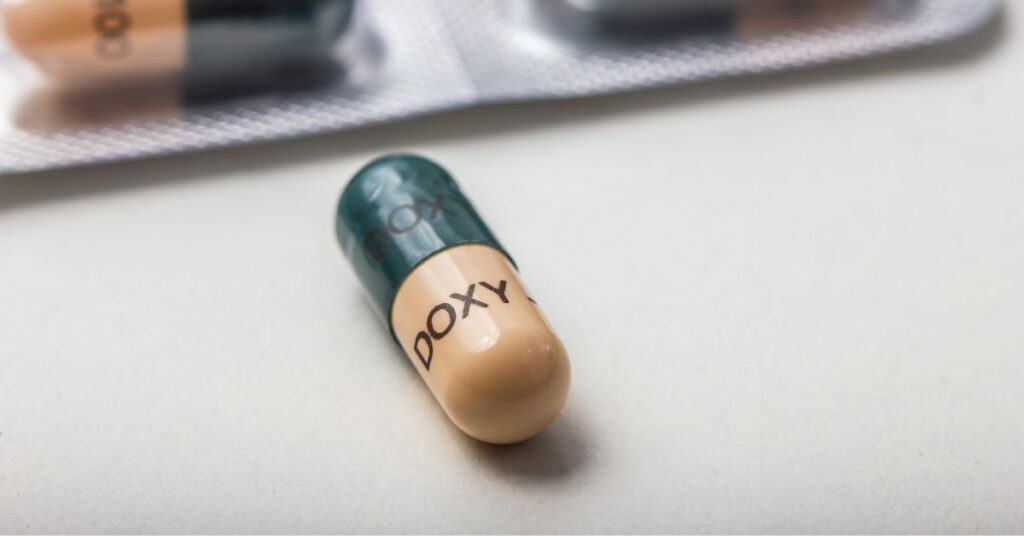
Most doxycycline courses last 5–14 days, but only your prescriber can tell you how many days to take doxycycline for your specific infection.
Doxycycline is a widely used antibiotic for chest and sinus infections, skin problems, some sexually transmitted infections, and Lyme disease. The number of days you stay on it shapes how well your infection clears and how likely it is to return. This guide explains common course lengths and helps you talk with your doctor about the plan written on your own prescription.
Why Course Length Matters With Doxycycline
Doxycycline slows the growth of bacteria so that your immune system can clear the infection. If you stop the course too soon, some bacteria can survive. Those leftover germs may flare again later or pass on resistance traits that make treatment tougher in the future.
Staying on an antibiotic longer than you need can raise the chance of side effects such as gut upset, thrush, or sun sensitivity. The art is getting the course long enough to clear the infection, but no longer than needed for your situation.
Guidance from sources such as NHS doxycycline guidance explains that dose and duration depend on the type of infection, how severe it is, and your general health. Most adults take one or two doses a day for a few days to a few weeks.
| Condition | Typical Adult Dose | Usual Course Length* |
|---|---|---|
| Chest or sinus infection | 100 mg twice daily | 5–7 days |
| Uncomplicated chlamydia | 100 mg twice daily | 7 days |
| Lyme disease skin rash | 100 mg twice daily | 10 days |
| Lyme carditis or nerve involvement | 100 mg twice daily | 14–21 days |
| Lymphogranuloma venereum | 100 mg twice daily | 21 days |
| Acne and skin inflammation | 50–100 mg once or twice daily | Weeks or months with reviews |
| Malaria prevention in risk areas | 100 mg once daily | During stay and 4 weeks after |
*These are common ranges from clinical references. Your prescriber may adjust the length for your case.
How Long To Take Doxycycline For Different Infections
When you look at your prescription label, the part that tells you how many days to stay on doxycycline is based on the infection being treated. Here are the broad patterns your clinic is likely to follow, based on national and international guidance.
Chest And Sinus Infections
For many chest and sinus infections, adults are given doxycycline 100 mg once or twice daily for at least 5 days. Some guides suggest 5 to 7 days, and long standing or severe infections may stretch to about 10 days, depending on how unwell you are and other risks.
Sexually Transmitted Infections
Doxycycline is now the main choice for uncomplicated genital chlamydia in many guidelines. The standard adult course is 100 mg twice a day for 7 days, as set out in the CDC chlamydia treatment guidelines. During those 7 days you keep taking each dose even if symptoms fade earlier.
Your clinic may also treat sex partners and ask you to avoid sex until 7 days after you both finish the course. Stopping early or skipping doses can leave chlamydia smoldering in the background and makes re infection more likely.
Skin Problems And Acne
Doxycycline is often used for acne, rosacea, and other skin problems because it calms inflammation as well as bacterial growth. Courses can run for several weeks or months, with regular reviews to check that benefits still outweigh side effects and to adjust dose when spots improve.
Lyme Disease And Tick Bites
In early Lyme disease with a bullseye type rash, many adults take 100 mg twice a day for about 10 days, and some doctors extend courses up to 14 days. For Lyme carditis or nervous system involvement, specialist groups suggest 14 to 21 days. After a high risk tick bite in a Lyme area, some people receive a single dose of doxycycline for prevention.
Malaria Prevention
Doxycycline can protect against malaria for travelers heading to certain regions. You usually start 1 or 2 days before you enter the high risk area, take one dose each day while you are there, and carry on for 4 weeks after you leave. The total number of days depends on your travel dates.
How Your Doctor Decides Course Length
When your doctor picks a course length, they are not guessing. They match your situation against guideline tables, medicine leaflets, and their own experience. Several factors shape that final number of days on doxycycline.
Type And Site Of Infection
Infections in blood, lungs, bones, or the nervous system usually call for longer treatment than mild skin or throat infections. Some bacteria are harder to treat and need a longer hit from antibiotics, while others clear with a shorter course.
Severity And Overall Health
If you have high fever, severe pain, breathing trouble, or you look unwell, the course is often longer and may start in hospital. Long term illnesses such as diabetes, chronic lung disease, or immune problems can also lead your doctor to pick a longer course or add another antibiotic.
Other Medicines And Risks
Doxycycline can interact with iron tablets, some antacids, and strong retinoid drugs for acne, so your prescriber may adjust timing or choose another antibiotic. They also weigh pregnancy, breastfeeding, and age, because young children under 8 years tend to receive different medicines.
How You Are Responding
The course length on day one is a starting plan based on common patterns. If you respond slowly, switch antibiotics, or develop complications, your doctor may change the length after a review in person or by phone.
Making Sense Of Your Doxycycline Course Length
How Many Days Should I Take Doxycycline?
The honest answer is that you should take doxycycline for exactly the number of days written on your prescription label, unless the same prescriber shortens or extends it. The answer to “how many days should i take doxycycline?” is personal to you, not a fixed number from an article.
There are still a few simple steps that work for almost everyone. First, read the instructions on the box and leaflet. Second, check whether it says to finish the course even if you feel better. Third, if anything is unclear, ring the clinic or pharmacy that issued the prescription and ask them to read the directions with you.
What Happens If You Stop Doxycycline Too Early
Stopping doxycycline before the planned end date can leave small pockets of infection behind. You might feel fine for a short time, then notice symptoms creeping back. In some cases the new flare is harder to treat than the first one.
Short courses taken off schedule can also disturb the balance of bacteria in your gut, which can lead to diarrhoea or allow other bugs to overgrow. This is one reason why doctors watch antibiotic use closely and try to match dose and course length to each infection.
What To Do If You Miss Doses Or Feel Worse
If You Miss A Dose
If you miss a dose and remember within a few hours, take it when you remember, then take the next one at the usual time. If it is close to the next dose, skip the forgotten one and move on. Do not double up doses, and if you miss more than one dose, call your clinic or pharmacist to ask whether the course needs to change.
If Side Effects Appear
Mild nausea, soft stools, or slight tummy pain are common on doxycycline, and taking the capsule with food if allowed, sipping water, and staying upright for 30 minutes often helps. Vomiting that will not stop, severe diarrhoea, blood in the stool, a red rash with swelling, or any trouble breathing needs urgent medical care and a stop to further doses.
If You Still Feel Unwell After The Course
If you reach the last planned day of doxycycline and still feel unwell, contact your doctor instead of extending the course on your own, even if you have spare tablets at home. You may need a new examination, tests, or a switch to another antibiotic.
Simple Checklist For A Safe Doxycycline Course
Course length matters, but so does how you take each dose. This quick checklist helps you always stay on track while you work through your prescribed days in your case.
| Situation | General Tip | Urgency |
|---|---|---|
| Missed one dose by a few hours | Take it when you remember, then return to schedule | Low |
| Missed more than one dose | Call clinic or pharmacist for advice | Medium |
| Vomited within an hour of a dose | Ask prescriber if you need another capsule | Medium |
| Mild nausea or tummy upset | Take with food if allowed, sip water, stay upright | Low |
| Severe diarrhoea or blood in stool | Stop medicine and seek urgent care | High |
| Rash with swelling or breathing trouble | Call emergency services | High |
| Still unwell after planned last day | Speak to your doctor before extra doses | Medium |
When that question nags at you again, “how many days should i take doxycycline?”, come back to three simple points. The right course length depends on the infection and your health, expert guidelines give your prescriber a starting point, and only the clinician who knows you can decide when your last tablet should be for you.

Mo Maruf
I created WellFizz to bridge the gap between vague wellness advice and actionable solutions. My mission is simple: to decode the research and give you practical tools you can actually use.
Beyond the data, I am a passionate traveler. I believe that stepping away from the screen to explore new environments is essential for mental clarity and physical vitality.