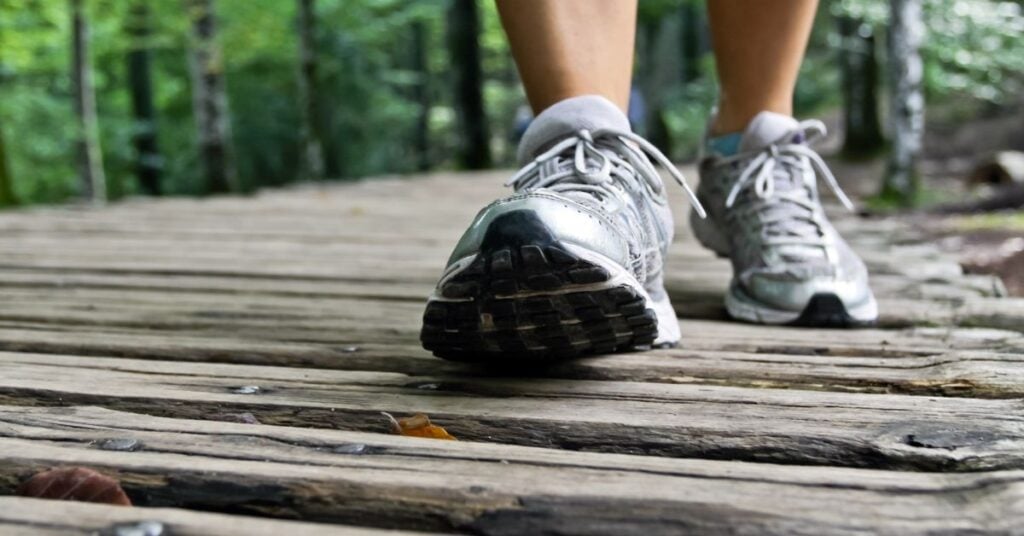
Walking can soften the look of cellulite over time by trimming body fat and building leg tone, yet it rarely erases it on its own.
Cellulite can feel unfair. You move your body, you drink water, you keep showing up, and those dimples still stare back at you. You’re not alone, and you’re not doing anything wrong.
If you typed “can walking get rid of cellulite?” into search, you want a plain answer and a plan that fits real life. You’ll get both here, with clear expectations and steps you can stick with.
No miracle promises. Just steady habits, simple checks, and a timeline that matches how bodies adapt.
What Cellulite Is And Why It Sticks Around
Cellulite is a common skin change that shows up as dimples or a rippled surface, most often on thighs and buttocks. It’s not a disease, and it can show up at many sizes and fitness levels.
The dimpled look comes from a push-pull setup under the skin. Fat presses upward while fibrous bands tug downward, so the surface gets that “peaks and valleys” look you see in the mirror.
Age, body-fat shifts, skin stretch, and genetics can all change how clear the dimples look. That mix is why a single habit rarely flips the switch.
| Change Driver | What Walking Can Do | What To Watch |
|---|---|---|
| Body fat under the skin | Helps burn calories and chip away at fat with steady eating | Fat loss is slow; track trend lines over weeks |
| Leg and glute muscle tone | Builds endurance and light muscle shape that can smooth contours | Flat routes can stall; hills and pace changes help |
| Blood flow during movement | Raises circulation during and after a walk | The boost fades; repeatable habits matter more |
| Fluid and “puffy” days | Movement can reduce the heavy, tight feeling in legs | Salt, long sitting, and heat can bring puffiness back |
| Posture and gait | Regular walking can improve how you stand and step | Worn shoes can change stride; swap them when they feel flat |
| Fibrous bands under the skin | Walking won’t break bands that pull the skin down | Some in-office options target bands instead |
| Skin thickness and elasticity | Walking can’t directly thicken skin | Sun exposure and smoking can thin skin over time |
| Genetics and hormones | Walking can’t change genetics | You can still change how noticeable it looks |
| Time frame | Many people notice first shifts after 6 to 12 weeks | Same lighting photos beat day-to-day mirror checks |
Can Walking Get Rid Of Cellulite?
Here’s the straight deal: walking can make cellulite less noticeable, and it can do it in a way that’s kind to your joints. Still, the word “rid” sets a high bar. Many people see smoothing, not a total wipeout.
When people ask can walking get rid of cellulite?, they’re usually asking for a change they can spot in shorts. Walking helps most when it trims some body fat, firms the muscles under the skin, and keeps the legs from feeling heavy after long sitting.
If your cellulite is mild, changes in tone and body fat can show up sooner. If it’s deeper, you can still see progress, but the finish line may look more like “better” than “gone.”
Where Walking Helps
Walking is steady, repeatable, and easy to build into a week. That matters, because the look of cellulite tends to shift with habits you can repeat for months, not days.
- Calorie burn: Regular walks raise daily movement, which helps with fat loss when food intake stays steady.
- Muscle shape: Quads, hamstrings, calves, and glutes work every step. Over time, that can smooth the surface.
- Leg feel: If your legs get puffy after sitting, a walk can help fluid move along and ease that tight feeling.
Where Walking Hits A Wall
Some parts of cellulite come from structure under the skin. Walking can’t snap fibrous bands or change genetics. It also can’t pick where fat leaves first, so one thigh may change before the other.
That doesn’t mean walking is a waste. It means you’ll get a better payoff by pairing walking with a few add-ons that take only minutes.
Walking To Reduce Cellulite With Stronger Legs
If your walks are slow and flat every day, you’ll still get health wins, but the look of your thighs may change at a crawl. A small nudge in pace or terrain can wake up more muscle and raise the work per minute.
Think of it as seasoning, not punishment. You’re not chasing misery. You’re giving your legs a reason to adapt.
How Much Walking Tends To Work Best
A simple target is 4 to 6 walking sessions a week. Mix shorter days with one longer stroll, and keep at least two days where your breathing picks up. If you’re new to walking, start lower and add time in 5-minute bumps.
Use this easy check: on a brisk walk you can still talk, but you won’t want to sing. On an easy walk you can chat without thinking about it.
Easy Pace Days
Easy walks keep you consistent. They’re the glue that holds the week together, and they’re friendly on tired knees.
- 20 to 40 minutes on level ground
- Light arm swing and tall posture
- Finish feeling like you could do another 10 minutes
Brisk Pace Days
Brisk days are where tone often starts to show. Your glutes and calves work harder, which can help smooth contours.
- 25 to 45 minutes at a pace that raises your breathing
- Shorten your stride a touch and quicken your steps
- Add 5 minutes of easy walking at the start and end
Hills And Stairs
Incline is a shortcut for your backside. It asks more from your glutes without you having to jog.
- Pick a hill and walk up with purpose, then stroll down
- Start with 4 to 6 climbs, then build to 8 to 10
- On stairs, keep your whole foot on each step for control
Intervals Without Running
Intervals keep things fresh and raise the overall work while staying low impact.
- Warm up for 8 minutes
- Walk fast for 60 seconds, then easy for 90 seconds
- Repeat 6 to 10 rounds, then cool down for 5 minutes
Strength Moves That Pair Well With Walking
Walking shapes endurance. Strength work shapes the “firm underlayer” that can make skin look smoother. You don’t need a gym membership to get started.
Aim for two short sessions a week. Keep them simple and repeat them long enough to feel progress.
A 12-Minute Lower-Body Circuit
Do the moves below in order. Rest 30 to 60 seconds between moves, then repeat the round once more. If you feel joint pain, shorten range of motion or swap the move.
- Chair squats (10 to 15 reps): Sit back to a chair, tap it, then stand tall. Keep knees tracking over toes.
- Reverse lunges (8 to 12 each side): Step back, lower with control, push through the front heel to stand.
- Glute bridges (12 to 20 reps): Lie on your back, feet planted, lift hips and squeeze at the top for one second.
- Step-ups (8 to 12 each side): Use a stair. Drive through the whole foot on the step, then step down slowly.
- Calf raises (15 to 25 reps): Rise onto the balls of your feet, pause, then lower slow.
Keep the first week easy enough that you could do one extra round. By week three, add reps, slow the lowering phase, or add a backpack with a few books.
Food, Skin Care, And Daily Habits That Shift The Look
Walking is the base layer. What you do the other 23 hours can change how the surface looks from day to day.
Keep Weight Changes Slow And Steady
Fast weight swings can leave skin looking looser, which can make dimples stand out more. A slow loss, paired with strength work, tends to keep the underlayer firmer.
If you’re not trying to lose weight, steady eating still helps. Big weekend swings can show up as “puffy” legs by Monday morning.
Build Meals Around Protein And Plants
Protein at meals helps keep muscle while you get leaner. Pair it with fiber-rich foods like beans, fruit, and vegetables to stay full without chasing snacks all day.
You don’t need perfection. You need repeatable meals that fit your life and keep you from bouncing between strict days and snack storms.
Watch The Salt-Water See-Saw
Salt isn’t the villain, but a salty day can make legs feel tight and look more swollen. If you notice that pattern, drink water across the day and add potassium-rich foods like bananas, potatoes, or yogurt.
Try a simple rule: if dinner is salty, keep breakfast and lunch plain and protein-forward the next day.
Use Skin Care With Realistic Expectations
Topicals won’t rebuild what’s under the skin, but some people like the smoother feel they get from consistent moisturizing and massage. Retinol is one ingredient that medical sources mention for improving the look of cellulite over months, not days, as noted on Mayo Clinic’s cellulite diagnosis and treatment page.
If you try a cream, patch-test it first. Keep it boring: the best routine is the one you’ll still be doing in eight weeks.
Four Weeks Of Walking And Strength You Can Repeat
This is a simple month you can run again and again. Each week has easy days, brisk work, and a little strength. Adjust the minutes to match your starting point.
| Week | Walking Plan | Strength Plan |
|---|---|---|
| Week 1 | 3 easy walks (20–30 min) + 1 brisk walk (20–25 min) | 1 circuit day, one round only |
| Week 2 | 2 easy walks (25–35 min) + 2 brisk walks (25–30 min) | 2 circuit days, one round each |
| Week 3 | 2 easy walks (30–40 min) + 1 hill session + 1 brisk walk | 2 circuit days, two rounds if you feel good |
| Week 4 | 1 long easy walk (45–60 min) + 1 interval walk + 2 easy walks | 2 circuit days, add reps or slow lowering |
Tracking Progress Without Losing Your Mind
Cellulite changes can be sneaky. Your brain forgets last month’s baseline and judges today’s mirror under harsh bathroom lighting.
Pick one simple check and stick with it. Two options work well: photos and a “how clothes fit” note.
- Photos: Same spot, same time of day, same lighting, same stance. Take front, side, and back shots once every two weeks.
- Fit note: Write one sentence after a walk day: “Shorts feel looser at the thigh,” or “No change.” That’s it.
- Leg feel: If your legs feel less heavy after sitting, that’s progress you can feel even before you can see it.
Give yourself at least 6 to 12 weeks before judging. Bodies don’t hand out visible change receipts every Friday.
When In-Office Options Make Sense
If you’ve built a steady walking habit, added strength work, and still want more smoothing, it may be time to think about dermatologist-led treatments. Some options target the fibrous bands under the skin, which walking can’t change.
A solid starting point is the American Academy of Dermatology’s review of cellulite treatments, which breaks down what has evidence and what tends to disappoint.
If you’re considering a procedure, ask about downtime, how long results tend to last, and what the price covers. Bring photos of your own skin in your normal lighting so expectations stay grounded.
A Simple Checklist For Your Next Walk
This is your no-drama plan. Print it, save it, or stick it in your notes app.
- Choose today’s walk type: easy, brisk, hill, or intervals
- Warm up for 5 to 8 minutes at an easy pace
- Stand tall, keep ribs down, and swing arms back
- On hills, lean slightly forward from the ankles, not the waist
- After the walk, drink water and eat a protein-forward meal
- Twice a week, do the 12-minute strength circuit
- Every two weeks, take the same photos and move on with your day
Walking won’t rewrite your genetics, and it won’t erase every dimple on command. Still, it can change your legs in ways you can see and feel: better tone, less puffiness, and a smoother look that builds with time. Keep it steady, keep it repeatable, and let the small wins stack up.
References & Sources
- Mayo Clinic.“Cellulite – Diagnosis and treatment.”Notes treatment options and time frames, including retinol use and lifestyle steps.
- American Academy of Dermatology (AAD).“Cellulite treatments: What really works?”Summarizes dermatologist-reviewed evidence for in-office cellulite treatments and expected results.

Mo Maruf
I created WellFizz to bridge the gap between vague wellness advice and actionable solutions. My mission is simple: to decode the research and give you practical tools you can actually use.
Beyond the data, I am a passionate traveler. I believe that stepping away from the screen to explore new environments is essential for mental clarity and physical vitality.