Our readers keep the lights on and my smoothie glass nicely filled. As an Amazon Associate, I earn from qualifying purchases.
A women’s down vest solves a specific problem: you need core warmth without restricting your arms for movement. Whether you are hiking a chilly trail, layering under a shell for skiing, or just want to keep your torso warm during a cold commute without sweating in a heavy jacket, this is the piece that bridges the gap between a sweater and a full winter coat.
I’m Mohammad Maruf — the founder and writer behind WellFizz. For this guide, I analyzed fill power ratings, shell fabric durability, zipper quality, and real-world user feedback on fit and warmth retention across seven of the most popular models on the market.
After comparing over two hundred customer reviews and cross-referencing technical specs, I am confident that this breakdown will help you find the right best women’s down vest for your specific layering needs and budget.
How To Choose The Best Women’s Down Vest
Choosing the right down vest means balancing warmth, weight, fit, and durability for your specific climate and activity. A vest that works for a windy winter hike will differ from one you pack for a cool fall evening out. Focus on three primary factors: the down insulation quality, the outer shell fabric, and the length/cut of the vest.
Fill Power and Insulation Type
Fill power measures the fluffiness and insulating efficiency of the down. A 600-fill vest provides solid warmth at a budget-friendly price point, while 650 or 700-fill down offers more warmth per ounce, making the vest lighter and more compressible. Some vests blend down with synthetic insulation for better performance when damp—consider this if you live in a wet climate.
Shell Fabric and Weather Protection
A down vest is only as good as its shell. Look for wind-resistant fabrics like WindWall or a durable water-repellent (DWR) finish to shed light snow and drizzle. For rougher use—think tool belts or brambles—a tougher outer fabric like the Carhartt cotton-canvas blend is wise. For lightweight packability, a thin ripstop nylon shell works best.
Fit, Length, and Features
Do you plan to layer the vest over a fleece or hoodie, or wear it over just a base layer? Sizing differs significantly across brands. Some vests run slim (North Face) while others run generous (Lands’ End). Length is another key factor: a long vest covers your hips and lower back for extra warmth, while a standard length stays above the hip for better mobility and a sleeker look.
Quick Comparison
On smaller screens, swipe sideways to see the full table.
| Model | Category | Best For | Key Spec | Amazon |
|---|---|---|---|---|
| North Face Aconcagua 3 | Insulated Vest | Cold weather layering | 600-fill recycled down & synthetic blend | Amazon |
| Carhartt Gilliam Vest | Workwear Vest | Durable outdoor use | Cotton canvas shell, longer back tail | Amazon |
| Columbia Powder Lite II | Lightweight Down | Everyday casual wear | Thermarator synthetic down insulation | Amazon |
| Columbia Heavenly II Long | Long Vest | Hip-length coverage | Heat reflective lining, long cut | Amazon |
| Columbia Heavenly II | Plus Size | Curvier fits | Plus size range, mid-weight insulation | Amazon |
| Lands’ End Wanderweight | Packable Vest | Travel & variable temps | Ultralight, scrunches into purse | Amazon |
| Columbia Sienna Hill | Quilted Vest | Budget-friendly layering | Quilted construction, thin & warm | Amazon |
In‑Depth Reviews
1. THE NORTH FACE Women’s Aconcagua 3 Insulated Vest
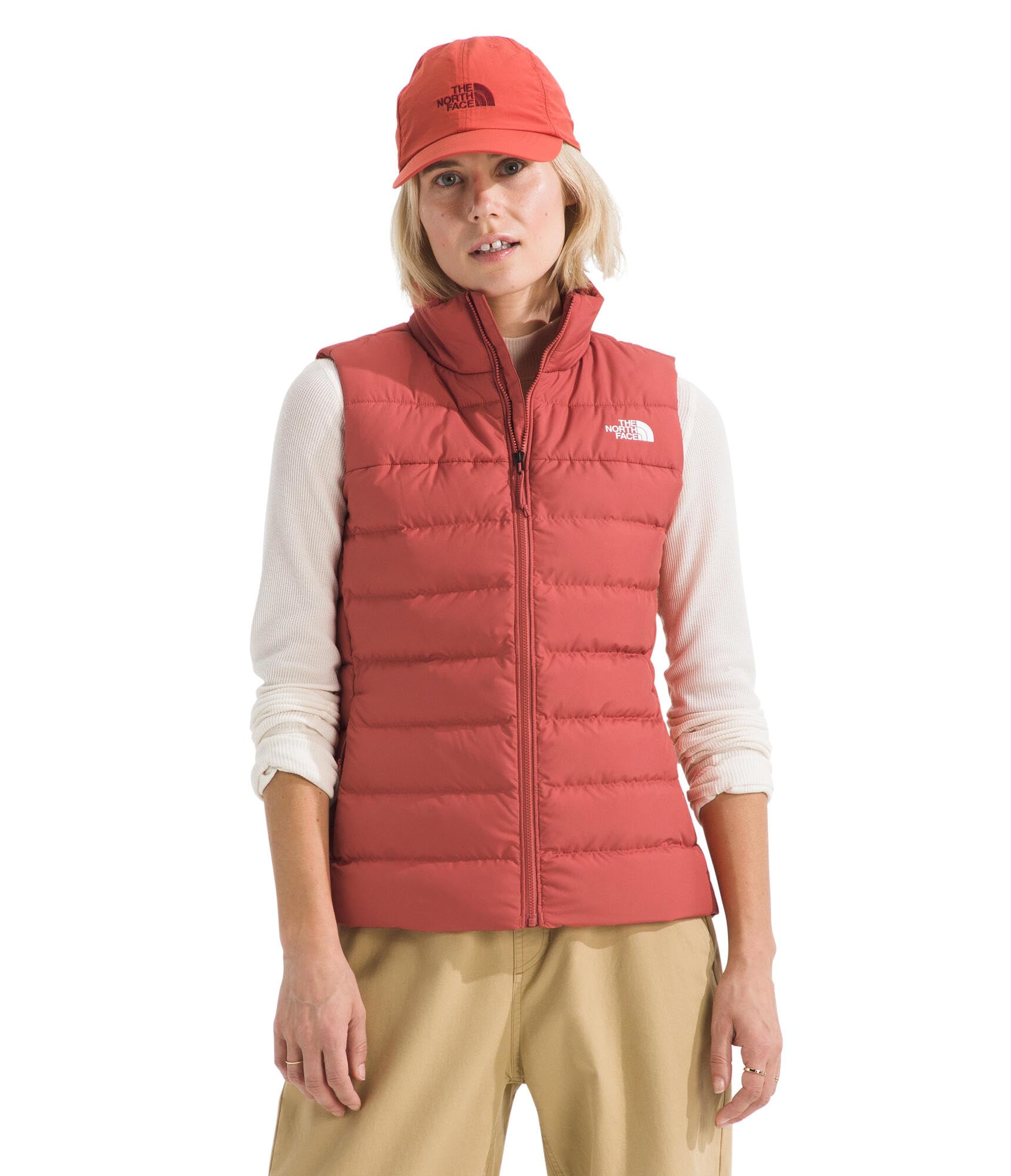
The North Face Aconcagua 3 is a premium jacket with intentional insulation zoning. It uses a 50/50 blend of 600-fill recycled waterfowl down and recycled polyester sheet insulation, which means you get the loft of down where you need it most, with synthetic insulation in areas prone to getting damp. The WindWall outer shell is wind-resistant and coated with a non-PFC durable water repellent finish, making this vest ready for cold, windy days in northwest PA or a morning hike in the Rockies.
Fit is true to size with a regular cut that accommodates a mid-layer hoodie or fleece underneath. The zippered hand pockets are well-positioned and secure, and the overall weight is light enough that you forget you are wearing it. Multiple reviewers reported wearing this vest as their primary winter layer over a hoodie and never reaching for a full coat—that is the core warmth promise delivered.
The shell has minimal stretch, so if you are between sizes or plan to layer thickly, sizing up is a common recommendation. At this price tier, you are paying for durability, responsible material sourcing, and a refined fit that works in both casual and outdoor settings. It is the vest that does everything well.
Why it’s great
- Warm enough to replace a winter coat when layered
- Wind-resistant and water-repellent shell with recycled materials
- Flattering regular fit with room for a mid-layer
Good to know
- Runs slightly small for layering—order up if you want a hoodie underneath
- Premium price point means it is an investment piece
2. Carhartt Women’s Gilliam Vest

Carhartt built the Gilliam vest for real-world abuse. The cotton canvas outer shell is significantly tougher than the ripstop nylon used on ultralight vests, and the attached interior pocket on the left chest is a rare and welcome feature for safely storing a phone. The vest also has a longer back tail that covers the lower back when you bend or reach—a detail tradespeople and active outdoor users will appreciate immediately.
Despite the rugged exterior, the insulation is lightweight enough for active wear without overheating. It is a medium-weight vest that works perfectly as an outer layer for fall chores or as a mid-layer under a Carhartt coat in deep winter. The fit is flattering and not boxy, with a slight waist cinch that avoids the sack-like silhouette of traditional workwear.
The sizing is where attention is needed. Multiple customer measurements show the vest runs larger than the size chart suggests. If you are between sizes, going down yields a more fitted look. The longer back tail and phone pocket make this the most functional vest for anyone who needs pockets that actually work.
Why it’s great
- Durable cotton canvas shell withstands tough use
- Phone chest pocket is perfectly placed and secure
- Longer back tail prevents gapping when reaching
Good to know
- Size chart is inaccurate—check real measurements before ordering
- Heavier than synthetic down vests
3. Columbia Women’s Powder Lite II Vest
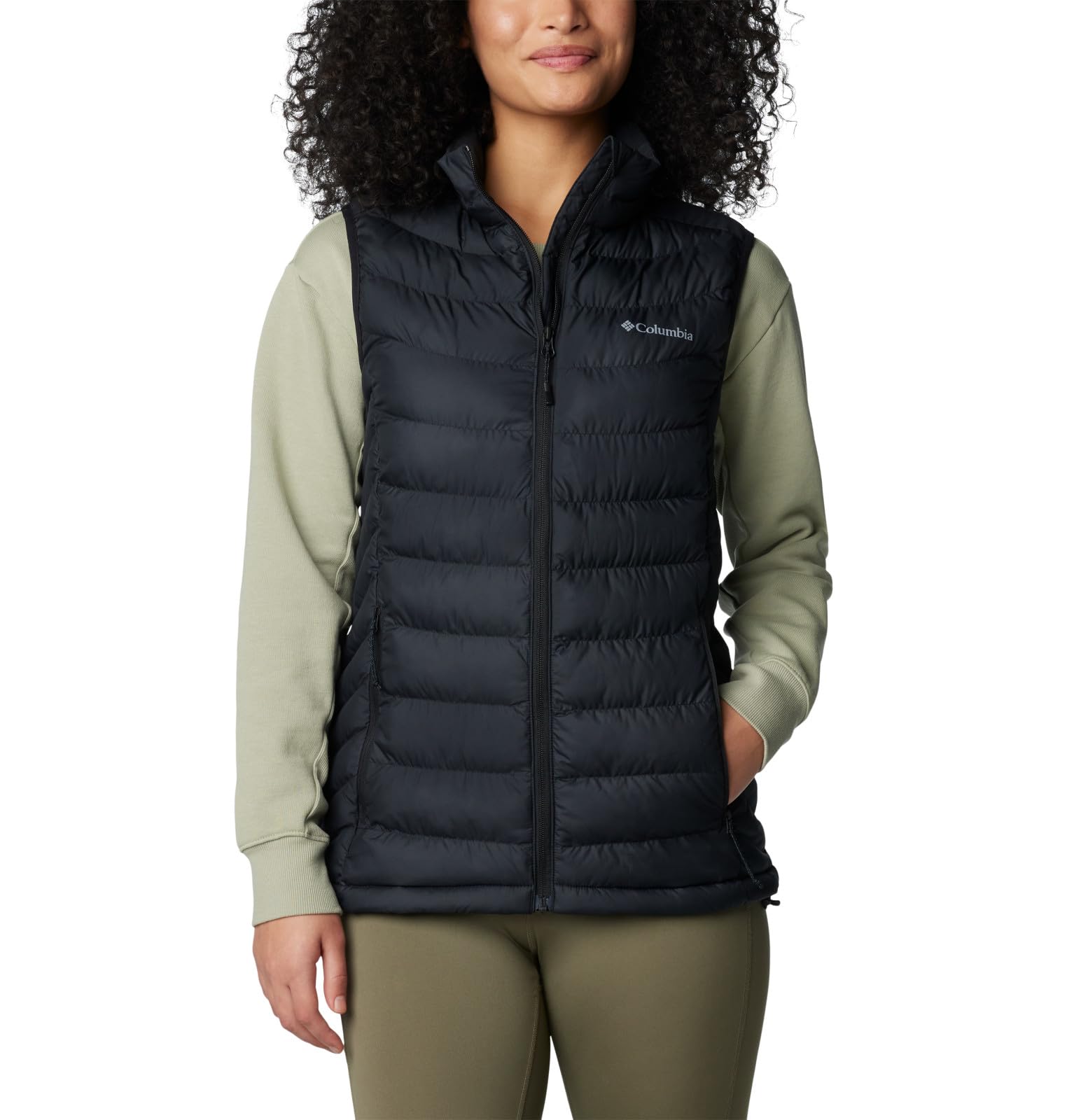
Columbia’s Powder Lite II vest proves you do not need to spend triple digits to get a quality down vest. It uses Thermarator synthetic down—Columbia’s proprietary microfiber insulation that mimics the loft and warmth of down while retaining performance when wet. This vest is thin, compressible, and hits at the perfect length for wearing under a jacket or as a standalone outer layer on a crisp spring morning.
Fit feedback is consistent: the vest runs slightly large, which works in your favor if you plan to layer a heavy sweater underneath. The elastic-bound armholes seal in warmth and the zippered pockets are deep enough for gloves. Multiple reviewers called it their favorite spring piece because it is comfortable, warm without overheating, and versatile across occasions—from a walk in the park to running errands.
The outer shell is a lightweight polyester that lacks a rugged DWR coating, so this is not a vest for heavy rain or wet snow. But for dry-cold conditions and everyday casual wear at a very accessible price, it delivers warmth and style that punches well above its price tier.
Why it’s great
- Excellent warmth-to-price value
- Thin profile layers easily under a shell
- Runs slightly large, perfect for layering
Good to know
- No DWR coating—not ideal for wet conditions
- Shell fabric feels less premium than higher-end vests
4. Columbia Women’s Heavenly II Long Vest
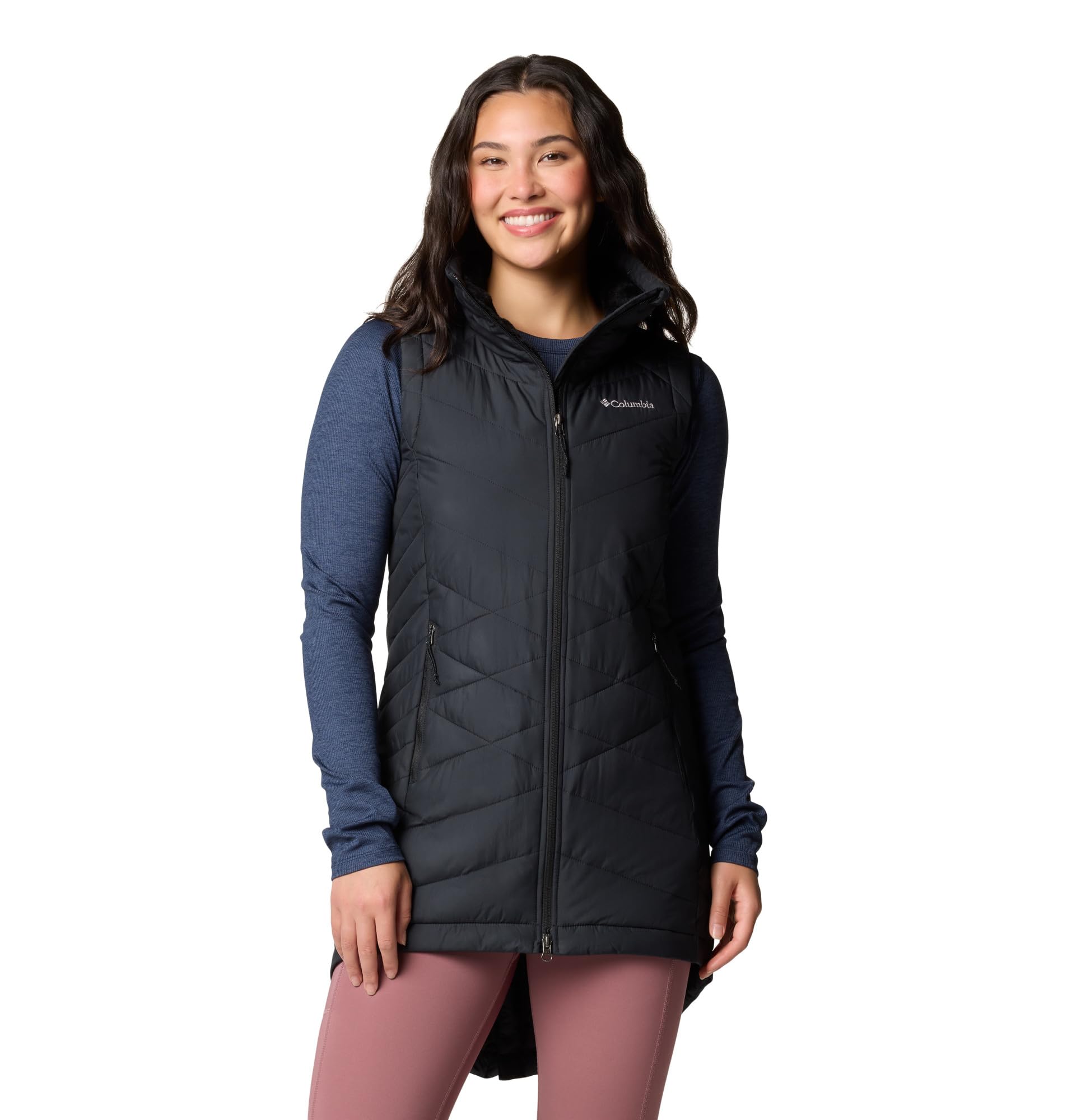
The Heavenly II Long Vest is designed for women who want extra coverage without sacrificing style. The extended length covers the hips and lower back, providing warmth where standard vests leave you exposed. Columbia’s signature Omni-Heat reflective lining dots the interior, reflecting body heat back to you. The shell fabric is soft and quiet, and the quilted pattern adds a refined, fashionable look that earned multiple compliments from reviewers.
The fit runs generous, which is a common theme with this Columbia line. Reviewers reported sizing down to achieve a body-skimming fit. The armholes are cut wide enough to accommodate a sweater underneath, but the larger cut means the heat-reflective lining may not trap heat as effectively if the vest is too loose against your body.
The interior fabric is noticeably soft, making it comfortable against a long-sleeve shirt. The long cut is the defining feature here—whether you are wearing it over leggings with boots or layering it under a long coat, the coverage difference is tangible and rightly praised by those who tried both this and the standard-length version.
Why it’s great
- Longer cut provides warm hip and lower back coverage
- Omni-Heat reflective lining boosts warmth retention
- Soft interior fabric is comfortable against skin
Good to know
- Runs large—sizing down is often necessary
- Large arm gap can defeat the reflective lining’s purpose
5. Columbia Plus Size Heavenly™ II Vest
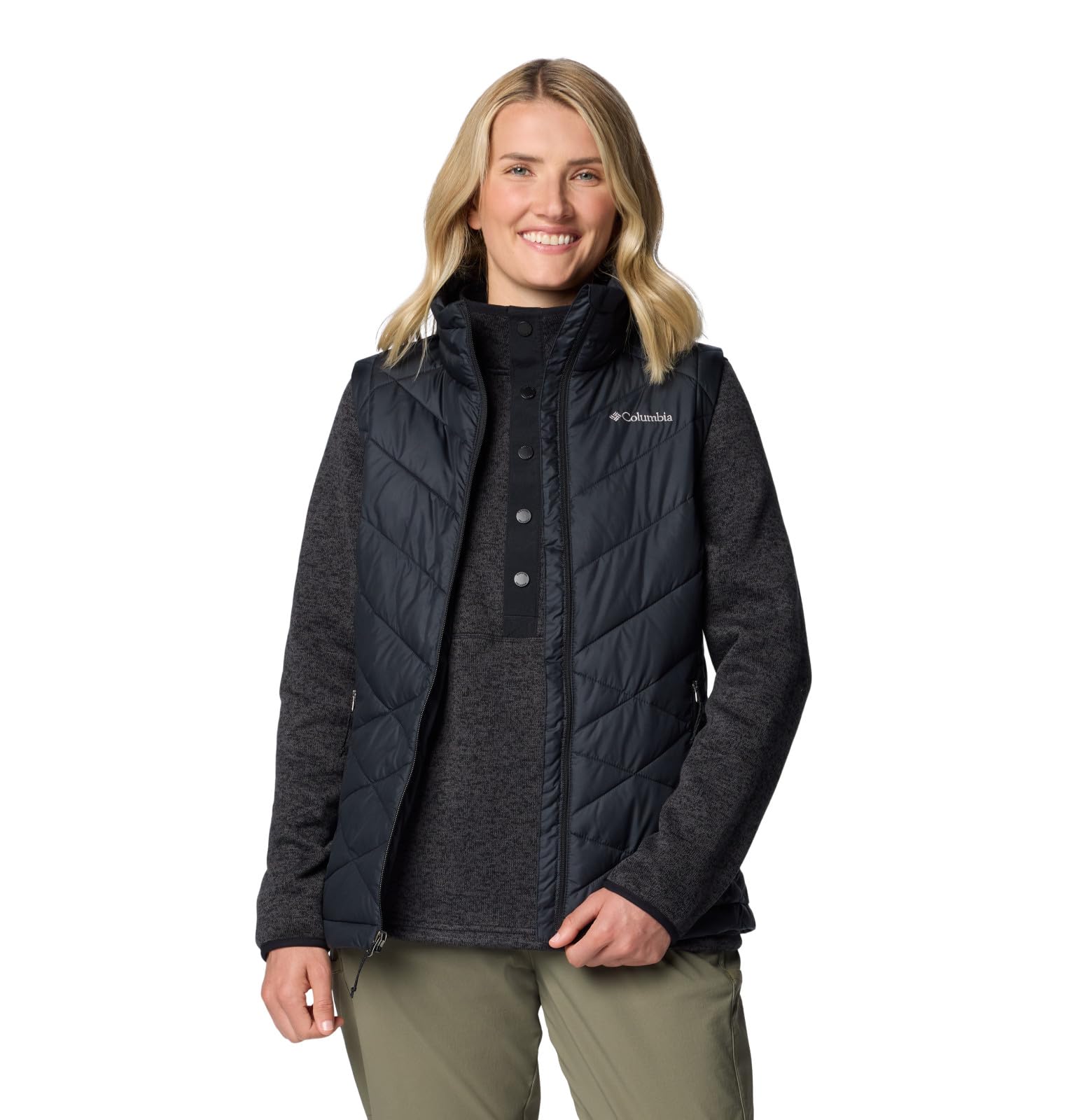
This plus-size version of the Heavenly II vest shares the same mid-weight thermal construction and reflective lining but is cut specifically for pear and apple body shapes. The fit accommodates wider hips and fuller busts without pulling at the zipper or riding up. Reviewers noted the vest fits well over the hips and does not restrict movement when hiking or doing casual outdoor tasks. The zipper is smooth and the pockets are spacious enough for gloves or a phone.
The warmth rating is solid for shoulder seasons and mild winters. One reviewer in Minnesota uses it for evening walks without overheating, while another called it a lifetime investment. The vest works as a standalone piece and layers comfortably under a larger shell coat. The fabric is soft, the quilting is neat, and the embroidered logo confirms it is authentic.
Sizing runs slightly small in this specific cut. A size 10 in standard vests may need a large in the plus line to pair with a sweater. The mid-weight construction means it is not as packable as ultralight alternatives, but the trade-off is a sturdier feel that stands up to frequent wear.
Why it’s great
- Specifically cut for plus-size frames—fits hips well
- Smooth zipper and functional hand pockets
- Durable enough for regular wear and light hikes
Good to know
- Runs slightly small—size up for layering
- Not as compressible as ultralight down vests
6. Lands’ End Women’s Wanderweight Packable Ultralight Down Vest
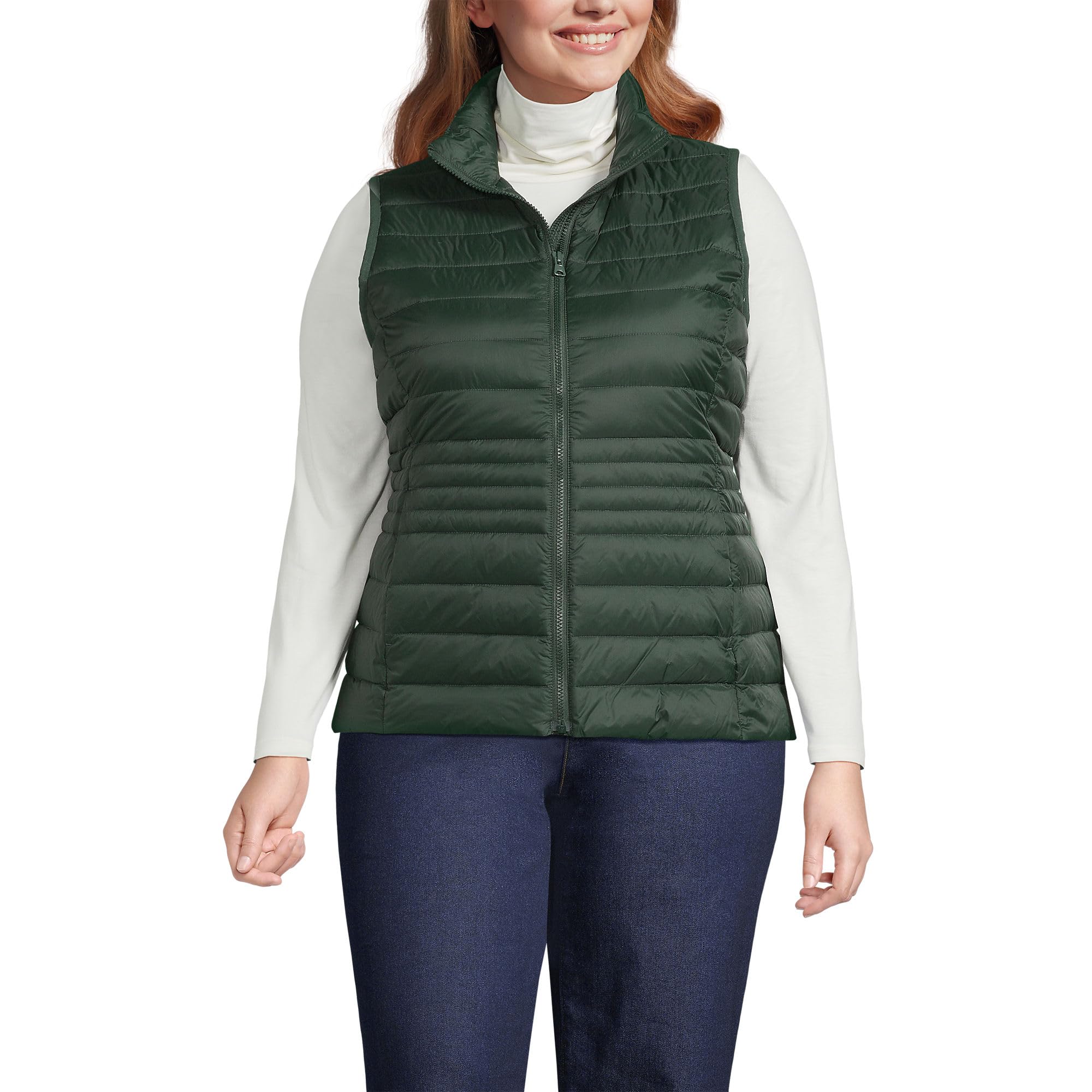
The Lands’ End Wanderweight vest earns its name: at just 0.16 ounces, it is so light and compressible that it scrunches down into a small pouch that fits in a purse or backpack. This is the vest you carry for unpredictable temperature swings—wear it over a t-shirt on a cool evening, or stuff it into a jacket pocket when the sun comes out. The stretchy fabric moves with your body and does not restrict arm movement.
Warmth is surprising for the weight. Reviewers praised it as a genius layering piece worn under a rain jacket for extra warmth on damp days or over a button-down shirt for a polished casual look. The fit runs generous, so sizing down yields a more streamlined silhouette. The ultralight build means there are no inside pockets, which is the main trade-off for the packability.
This is not a vest for heavy-duty winter insulation or rough conditions. The thin shell is more delicate than a Carhartt canvas or a North Face WindWall fabric. But for travelers, commuters, and anyone who hates being cold but also hates carrying a bulky jacket, this vest solves a very specific problem with an elegant product.
Why it’s great
- Extremely lightweight and packs down to purse size
- Stretchy fabric moves with your body
- Versatile across seasons—works under shells or over shirts
Good to know
- No inside pockets for storing valuables
- Thin shell is less durable than heavier vests
7. Columbia Women’s Sienna Hill Quilted Vest
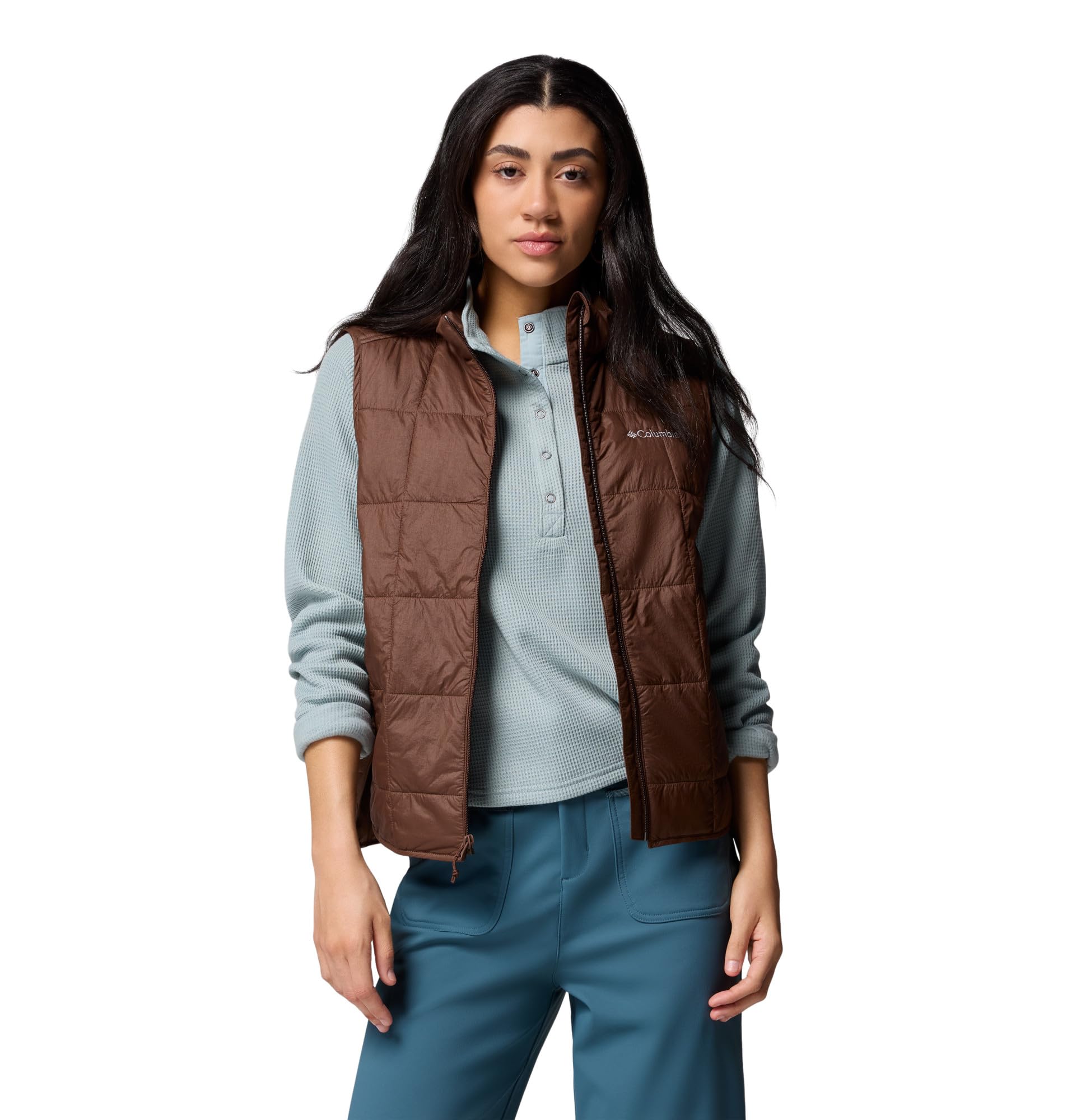
The Sienna Hill vest is the entry-level champion in this lineup. It offers a quilted polyester shell with synthetic insulation that is thin enough to disappear under a jacket but warm enough to be your sole outer layer on a 50-degree day. The slim profile is its greatest strength—it adds core warmth without adding bulk, making it ideal for layering under a rain shell or wool coat.
Fit is where this vest demands attention. Multiple reviewers reported it runs large, so sizing down is the common advice. The construction quality is solid for the price, with even stitching and a smooth front zipper. The quilted pattern is understated and matches well with casual and business-casual outfits. A reviewer called it the perfect go-to layer, and another praised its beautiful construction.
There are no technical bells and whistles here—no DWR coating, no reflective lining, no premium down fill. It is a straightforward quilted vest that does one thing well: provide warm, thin insulation without breaking the budget. It is the right choice for someone who wants a reliable layer for cool mornings without over-investing in high-end outdoor gear.
Why it’s great
- Very thin profile layers easily under any coat
- Solid construction and attractive quilted appearance
- Budget-friendly price for everyday use
Good to know
- Runs large—most buyers need to size down
- No weather protection like DWR or windproofing
FAQ
Should I choose a mid-weight or ultralight down vest for hiking?
How should a women’s down vest fit for layering?
What is better for wet climates: down or synthetic insulation in a vest?
Final Thoughts: The Verdict
For most users, the best women’s down vest winner is the North Face Aconcagua 3 because it combines a premium insulation blend with a wind-resistant shell and a flattering fit that works for both casual wear and outdoor use. If you want durable construction for active work or rough outdoor conditions, grab the Carhartt Gilliam Vest. And for an ultralight travel companion that packs into your purse, nothing beats the Lands’ End Wanderweight.

Mo Maruf
I created WellFizz to bridge the gap between vague wellness advice and actionable solutions. My mission is simple: to decode the research and give you practical tools you can actually use.
Beyond the data, I am a passionate traveler. I believe that stepping away from the screen to explore new environments is essential for mental clarity and physical vitality.