Our readers keep the lights on and my smoothie glass nicely filled. As an Amazon Associate, I earn from qualifying purchases.
Cold air rushing past your face at 30 mph while trying to see through a fogged-up goggle lens is the fastest way to ruin a powder day. The difference between a great day on the mountain and a miserable one often comes down to the gear layered against your body and strapped to your head — specifically, how well your jacket, pants, goggles, and helmet manage moisture, temperature, and impact protection without weighing you down. Choosing the right setup means balancing insulation weight, lens clarity, breathability ratings, and safety certifications against your typical terrain and climate, and that balance shifts dramatically between a sunny spring groomer and a storm-choked tree run.
I’m Mohammad Maruf — the founder and writer behind WellFizz. I’ve spent thousands of hours analyzing winter sports hardware, from goggle lens coatings that filter glare to the insulation density that separates a resort jacket from a backcountry shell.
After reviewing dozens of models across price tiers, I’ve narrowed down the field to nine essential pieces that cover every slope scenario. This guide breaks down what actually matters so you can confidently choose your next best ski gear without wasting money on marketing fluff or buying insulation you don’t need.
How To Choose The Best Ski Gear
Buying ski gear isn’t about picking the most expensive jacket or the goggle with the most vents. It’s about matching three variables — your local climate, your typical exertion level, and the fit geometry of your face and head — to specific material and safety properties. Ignore any one of those and you end up sweating on a chairlift or freezing in a wind tunnel.
Lens Technology and Light Transmission
Your goggles are your windows into the mountain, so lens clarity defines your safety and enjoyment. Look for polarized or color-enhancing lenses like Smith’s ChromaPop, which filter specific wavelengths to boost contrast between snow texture and shadows. For variable light, a photochromic lens that adjusts tint automatically is ideal, but a swappable dual-lens system with one high-VLT (visible light transmission) lens for storm days and one low-VLT lens for bright sun covers all conditions without needing to buy a second pair.
Insulation Weight and Breathability
Jacket and pants insulation is measured in grams per square meter (e.g., 80g Heatseeker in The North Face Freedom jacket). Heavier insulation (120g+) suits resort skiers who stand still on long chairlifts in subzero temps, while lighter insulation (40-60g) or uninsulated shells fit skiers who generate body heat on aggressive runs or backcountry tours. Breathability ratings, usually expressed as a g/m²/24h number, tell you how fast moisture vapor escapes — a mid-range shell around 10,000-15,000g is enough for resort skiing, but touring demands 20,000g or higher.
Helmet Safety Standards and Fit Systems
Every helmet sold for skiing in North America should carry a CPSC or ASTM F2040 certification, but the real differentiator is MIPS (Multi-Directional Impact Protection System), which adds a low-friction layer that allows the helmet to rotate slightly on impact to reduce rotational forces to the brain. Beyond safety, look for a 360-degree fit dial like Boa or Giro’s In Form 2 — these let you micro-adjust circumference and tilt to eliminate pressure points while keeping the helmet snug enough that your goggles don’t slide down.
Waterproof Membrane and Seam Construction
The outer fabric’s waterproof rating, measured in millimeters (e.g., 10,000mm or 20,000mm), determines how much water pressure the fabric can withstand before leaking. Ratings above 10,000mm are sufficient for most resort days, while 20,000mm handles sustained wet snow. Critically, check for fully taped or critically taped seams — untaped seams let water in through stitch holes. A non-PFC DWR (durable water repellent) finish, like the one on The North Face Freedom jacket, keeps the face fabric from wetting out while being more environmentally friendly than traditional PFC-based treatments.
Quick Comparison
On smaller screens, swipe sideways to see the full table.
| Model | Category | Best For | Key Spec | Amazon |
|---|---|---|---|---|
| Smith Vantage MIPS | Helmet | All-day comfort with Koroyd impact foam | 21 vents + Boa 360 fit | Amazon |
| Oakley Men’s Thermonuclear Jacket | Jacket | Insulated warmth with venting options | Helmet-compatible hood | Amazon |
| The North Face Freedom Insulated Jacket | Jacket | 80g insulation with waterproof 2L shell | DryVent 2L + snap powder skirt | Amazon |
| Helly Hansen LIFALOFT Jacket | Jacket | Premium warmth-to-weight ratio | LIFALOFT synthetic insulation | Amazon |
| Giro Jackson MIPS Helmet | Helmet | Low-profile MIPS with seamless goggle integration | In Form 2 fit + 6cm adjustment | Amazon |
| Smith Squad Goggles | Goggles | ChromaPop clarity with swappable lens | Replaceable ChromaPop lens | Amazon |
| The North Face Freedom Pants | Pants | PFAS-free waterproof shell with short inseam | 30-inch short inseam available | Amazon |
| Helly Hansen Insulated Ski Pants | Pants | Breathable insulation for resort skiing | Adjustable waist + 2 front pockets | Amazon |
| Roxy Snow Junior’s Jet Ski Jacket | Jacket | Youth slim fit with standout print | Detachable hood + arm pass pocket | Amazon |
In‑Depth Reviews
1. Smith Vantage MIPS
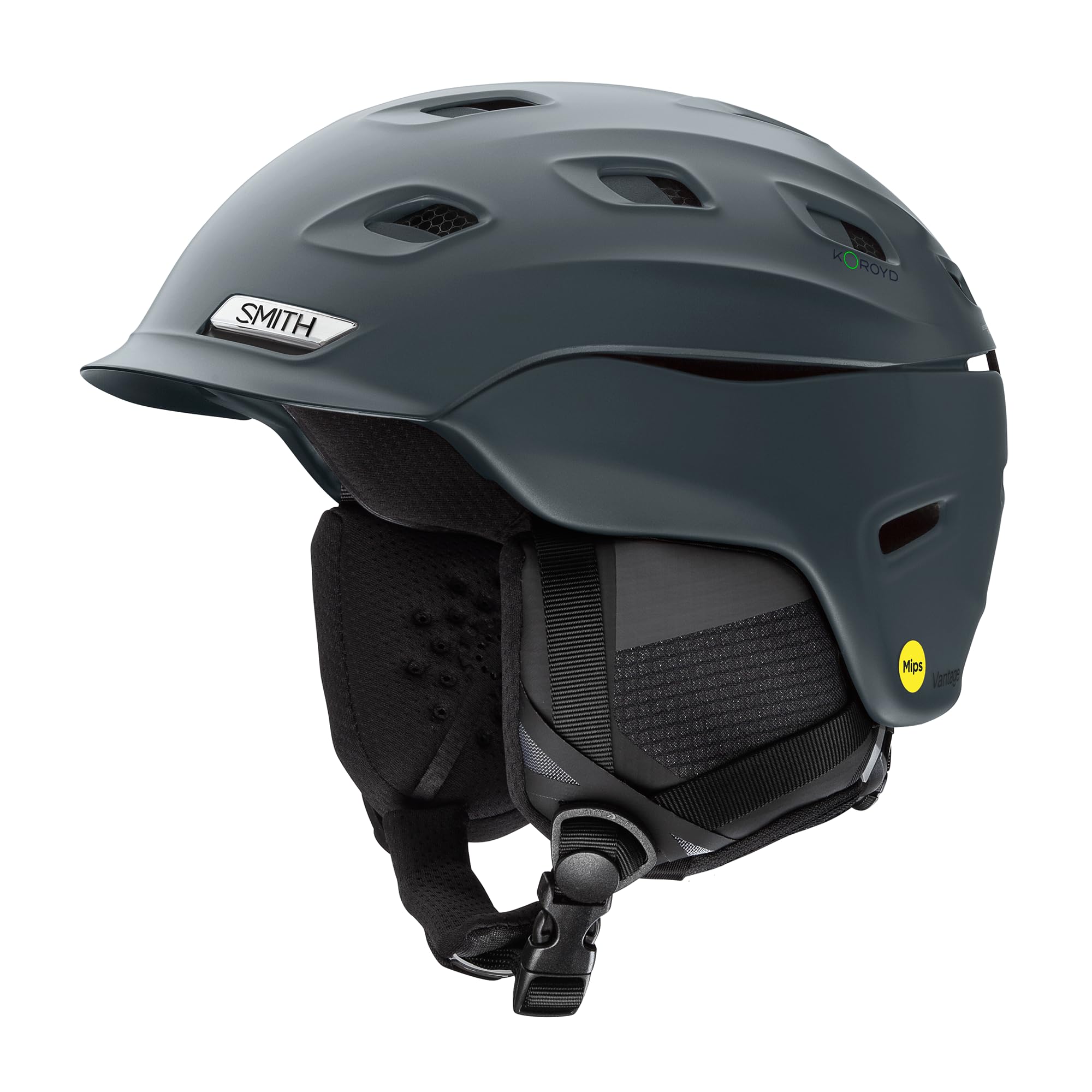
The Smith Vantage remains the benchmark for ski and snowboard helmet design because it doesn’t compromise on ventilation or fit. Its 21 adjustable vents, controlled by a one-handed slider on top, let you dump heat instantly during a hike or seal warmth on a chairlift without removing your gloves. The integrated Koroyd honeycomb structure provides impact absorption that’s lighter and more breathable than standard EPS foam, while the Boa 360 fit system dials in a custom circumference with micro-precision — no pressure points, no rocking.
Real-world feedback from users who compared it against OutdoorMaster and Giro models confirms the Vantage runs small, so measure your head circumference and order one size up from what the Smith sizing guide suggests. At a 60 cm head circumference, the Large barely fits — the XL provides proper coverage. The removable Snapfit SL2 ear pads are audio-chip compatible, so you can integrate your favorite earbuds or aftermarket communication system without losing warmth.
One user noted the Vantage is slightly heavier than the Smith Level, which costs less and uses a similar MIPS setup, but the Vantage’s superior vent density and lower-profile Koroyd construction make it the better choice for skiers who work up a sweat. The matte slate finish hides scratches well, and the goggle retainer on the back keeps your strap secure during aggressive carving.
Why it’s great
- 21 vents with one-handed climate control eliminate fog without sacrificing warmth
- Koroyd + MIPS dual-layer protection absorbs rotational and direct impacts
- Removable ear pads with audio-chip compatibility suit comms users
Good to know
- Runs small — order at least one size larger than your measured circumference
- Heavier than the Smith Level despite similar safety features
2. Oakley Men’s Thermonuclear Protection Tbt Insulated Jacket
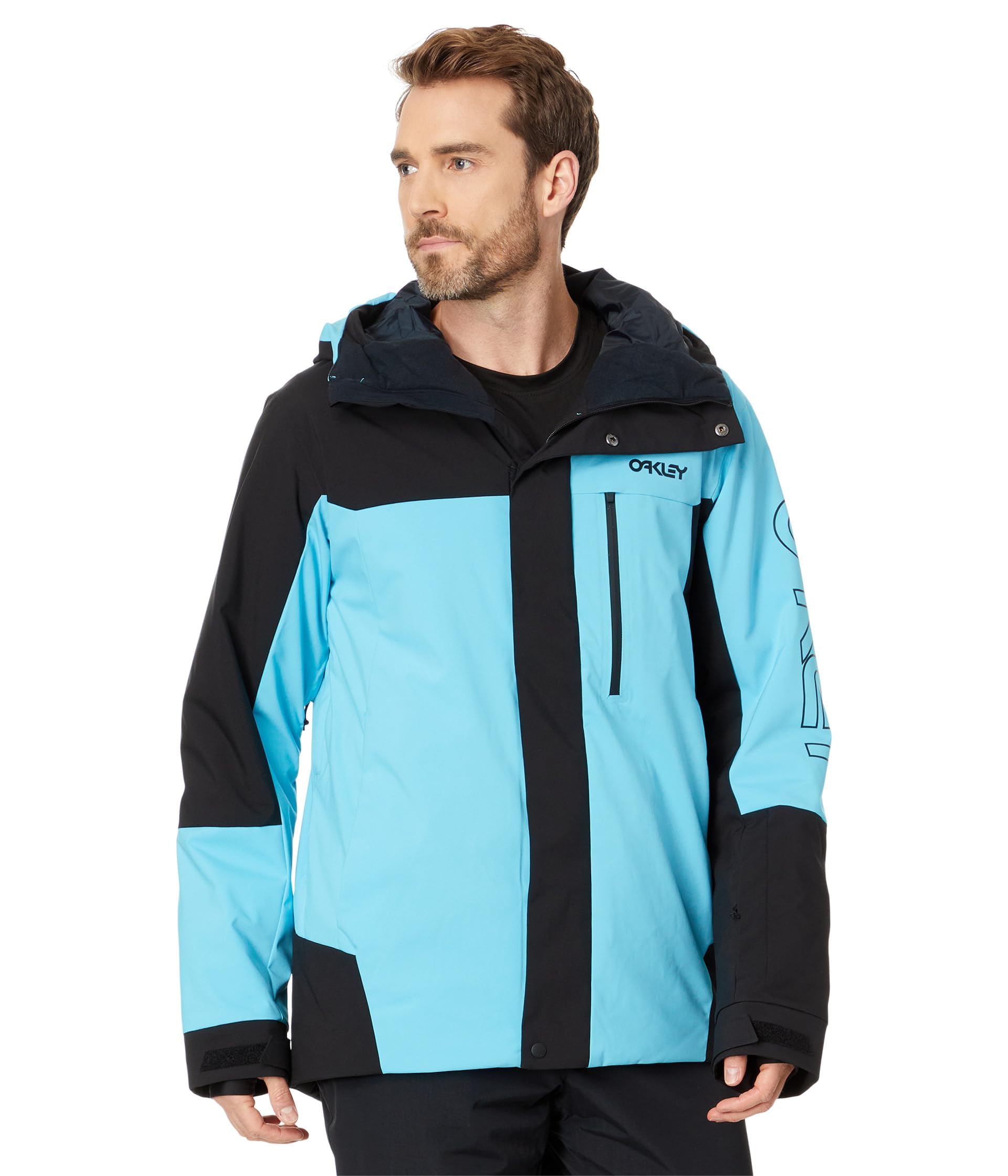
Oakley engineered the Thermonuclear jacket for skiers who want a single piece that handles both cold chairlift rides and active runs without turning into a sweat box. The insulation layer provides reliable warmth down to the low 20s Fahrenheit, while the zippered underarm vents let you dump heat quickly when you start charging. Reviewers consistently praise the low-back cut, which prevents the jacket from riding up during snowboard falls or deep squat positions, and the large helmet-compatible hood fits over most mid-volume helmets without distorting your peripheral view.
Fit is where this jacket stands out — it runs slightly large through the chest and stomach, giving you room for a thick mid-layer without feeling restrictive. A 5’10” 180-lb athletic reviewer found the medium fits perfectly with a base layer and fleece, while the small was too tight in the shoulders. The sleeves are notably long, which is great for reaching forward on poles but may require the Velcro wrist adjusters to be cinched if your arm length is average. The chest and hand pockets include zippered closures, and the interior media pocket routes headphone cables cleanly.
Color accuracy matters: the “Very orange” shade described in one review is accurate for the colorway — not a muted rust, but a bright safety orange that stands out against white snow, which is actually a visibility bonus in flat light or tree runs. The shell fabric doesn’t have a fully taped seam construction, so it’s best for resort conditions rather than full-day storms.
Why it’s great
- Low-back hem prevents ride-up during aggressive skiing or snowboarding falls
- Underarm vents allow quick temperature regulation without removing gloves
- Helmet-compatible hood fits most mid-volume helmets without obstructing view
Good to know
- Sleeves are very long — may need wrist strap adjustment for shorter arms
- Not fully seam-taped, limiting performance in sustained wet conditions
3. The North Face Men’s Freedom Insulated Jacket
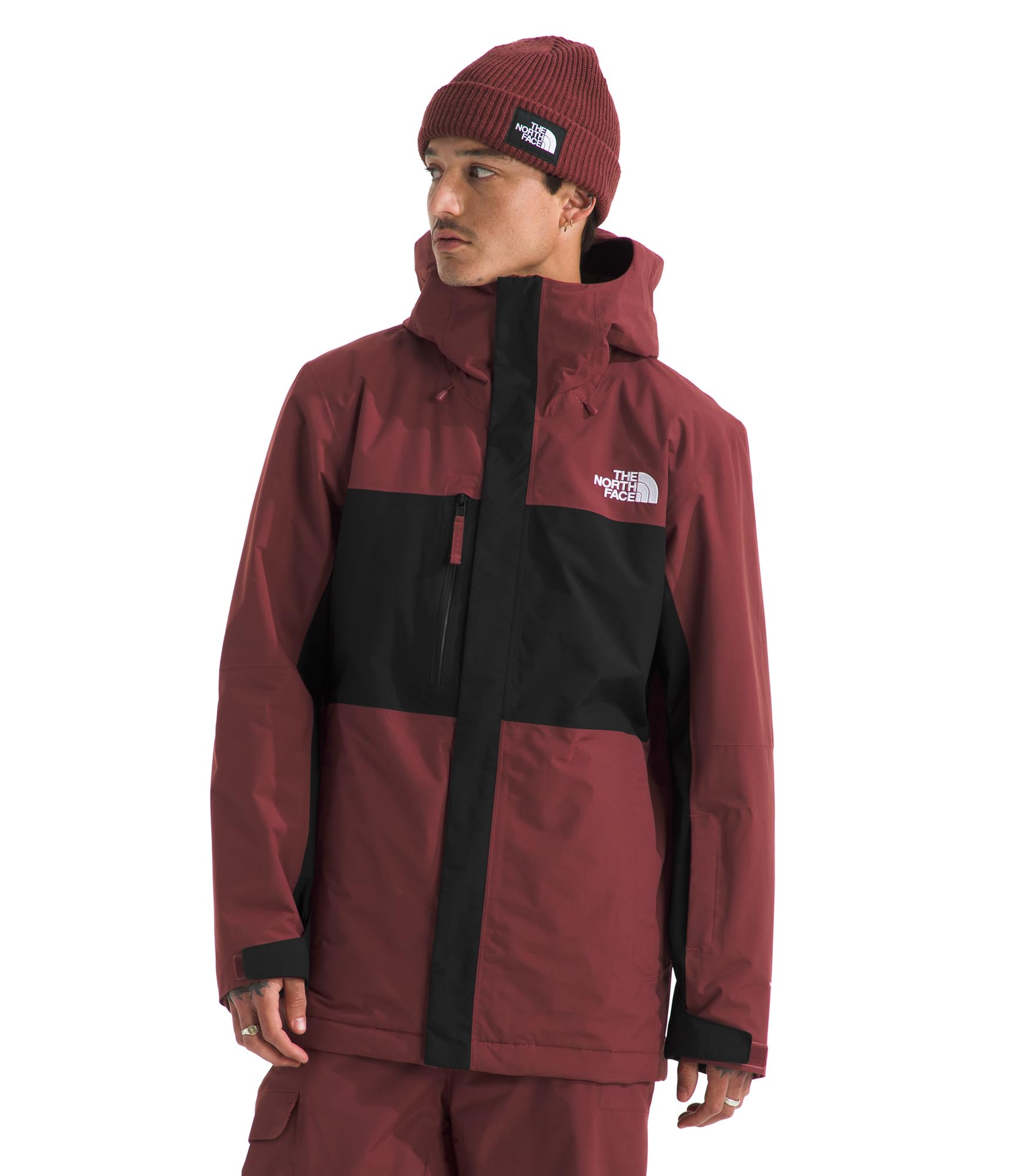
The North Face Freedom Insulated Jacket strikes the most balanced performance-to-value ratio in this lineup thanks to its 80-gram Heatseeker insulation contained within a fully waterproof DryVent 2L shell. Unlike many insulated jackets that use cheap synthetic fill that clumps when wet, Heatseeker retains loft even after compression from a backpack or repeated storage, and the non-PFC DWR finish repels moisture without harmful fluorocarbons. The snap-down powder skirt with gripper elastic locks out snow during deep powder days, and the fixed helmet-compatible hood integrates seamlessly with most ski helmets.
Multiple reviewers noted the jacket runs lighter than expected — holding it in hand feels like a mid-weight shell, yet it performed in -20°F temperatures when layered with a base and mid-layer. The underarm pit zips provide dump ventilation for hard-charging runs, while the large internal mesh pocket and zip wrist pocket with goggle wipe offer practical storage. The zip chest and hand pockets are angled to stay out of the way of a hip belt or backpack waist strap, a small detail that backcountry skiers will appreciate.
The regular fit accommodates a 5’11” 165-lb frame well, but reviewers hunting for a fleece lining should note this jacket uses synthetic insulation directly bonded to the shell, not a removable liner. The lack of stretch in the fabric means arm movement can feel slightly restrictive if you size down, so stick true to your chest measurement. Matching bibs are available for a one-piece feel.
Why it’s great
- 80g Heatseeker insulation retains loft in wet conditions without clumping
- DryVent 2L shell + fully taped seams provide reliable waterproofing
- Integrated goggle wipe and RFID pass pocket add slope-ready convenience
Good to know
- Fabric has no stretch, so true-to-size sizing is critical for shoulder mobility
- Powder skirt is snap-down only — no elastic or zip integration
4. Helly Hansen LIFALOFT Insulated Ski Jacket

Helly Hansen’s LIFALOFT jacket represents the pinnacle of warmth-to-weight engineering for resort skiers who refuse to wear bulky puffers. The proprietary LIFALOFT insulation uses a hollow-core fiber structure that traps air more effectively than standard polyester fills, delivering the same warmth as 120-gram traditional insulation at roughly half the bulk. This means you can wear the jacket under a shell on the coldest days or solo in spring conditions without overheating. The battery-saver pocket, lined with thinsulate, keeps your phone from freezing in single-digit temps — a small feature that cold-climate skiers will consider essential.
User feedback from resort riders who tested it in 10-32°F temperatures confirms the jacket is warm enough for lift-served skiing without being too hot for the hike to a hidden stash. The removable hood fits over a helmet with room to spare, and the interior goggle wipe and RFID sleeve pass pocket eliminate fumbling at the lift line. One 5’8” 160-lb reviewer found the medium fits slim and recommended sizing up if you plan to wear a thick mid-layer, as the athletic cut doesn’t leave much room for bulky fleece.
The primary trade-off is surface wet-out — multiple users reported the face fabric absorbs moisture during heavy wet snow, leaving the shoulders and sleeves saturated even though the insulation stays dry. This isn’t a waterproof shell; it’s an insulated mid-layer with a DWR coating, so pairing it with a hardshell for sustained precipitation is wise. The vent zips under the arms provide adequate airflow during high-output runs.
Why it’s great
- LIFALOFT insulation matches heavier fills for warmth while reducing bulk significantly
- Battery-saver pocket keeps electronics functional in extreme cold
- RFID sleeve pocket and removable helmet-compatible hood add slope convenience
Good to know
- Face fabric absorbs moisture in wet snow — not ideal as a standalone outer layer in storms
- Slim athletic cut requires sizing up for thick mid-layers
5. Giro Jackson MIPS Ski Helmet
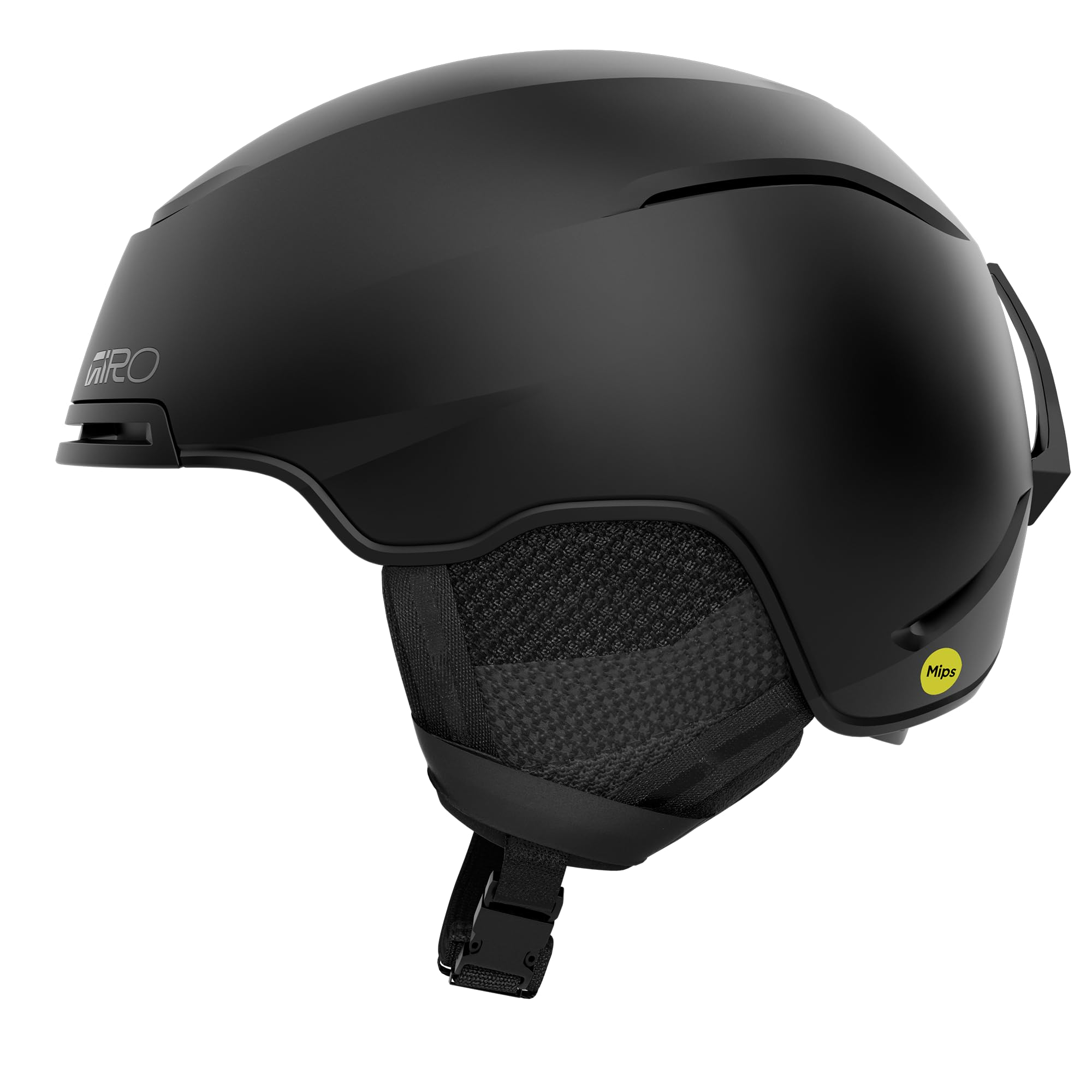
The Giro Jackson MIPS helmet is the most refined low-profile option for skiers who want MIPS protection without the mushroom-head aesthetic. Giro’s In Form 2 fit system provides 6 cm of circumference adjustment plus independent vertical tilt adjustment — so you can fine-tune the helmet’s angle on your head to eliminate gaper gap (that annoying space between goggles and helmet brim) without tilting the goggles. The I.M. construction fuses a tough polycarbonate outer shell directly to the EPS liner, resulting in a helmet that’s noticeably lighter and cooler than traditional two-piece designs.
Reviewers consistently praise the Jackson for its true-to-size fit and lack of pressure points. The Passive Aggressive Venting system uses interior channeling to move airflow without requiring manual vent manipulation — a boon for skiers who forget to open vents on the lift. The removable earpads are compatible with aftermarket audio systems, and the TPU-injected brim resists cracking in extreme cold. One 5-year user reported their Jackson still looks and fits like new after several seasons of weekend use, a testament to the durability of the ABS outer material.
The weak link is the built-in earmuffs. Multiple users noted cold wind penetrates through the earmuff material more than they expected, especially compared to wearing standalone ear warmers under a different helmet. This is likely a design trade-off to keep the ear pads thin for audio compatibility. Pair the Jackson with a thin beanie or neck gaiter on the windiest days to compensate.
Why it’s great
- In Form 2 system provides 6cm adjustment + vertical tilt for perfect goggle fit
- I.M. fusion construction results in a lighter, cooler helmet than traditional shell/liner
- Passive automatic venting eliminates the need to manually adjust vents during runs
Good to know
- Earmuff material allows cold wind penetration on gusty days
- Not compatible with all goggle brands outside of Giro’s ecosystem
6. SMITH Squad Goggles with ChromaPop Lens

Smith’s Squad goggles deliver the brand’s acclaimed ChromaPop lens technology at a mid-range price point that undercuts flagship models while retaining the optical clarity that makes reading choppy snow and icy patches dramatically easier. The ChromaPop lens filters specific light wavelengths to enhance red and green contrast, making terrain features pop — you’ll see bumps and ruts in flat light that would otherwise blend into a white haze. The frame design offers a wide, panoramic field of view with zero blind spots, which is critical for tree skiing and navigating crowded runs.
Users who tested the Squad in both sunny California and Canadian storm conditions confirm the anti-fog coating works reliably across temperature swings. The smoked lens handles bright sun with no glare, while the included low-light lens (VLT around 50-60%) lets you keep skiing when the clouds roll in without swapping frames. Lens interchange is straightforward — the frame uses a simple tab-and-click system that doesn’t require removal from your helmet. The adjustable strap and triple-layer face foam provide a secure, comfortable fit across various head sizes.
The ChromaPop lens is not photochromic, so you’ll still need to carry the second lens for changing conditions. The frame sits close to the face, which works well with medium-volume helmets but can create pressure points with very low-profile helmets if the goggle strap rests low. For the optical performance at this price point, the Squad is the strongest value play for skiers prioritizing vision clarity over fashion.
Why it’s great
- ChromaPop lens boosts contrast in flat light, revealing terrain features invisible to standard lenses
- Panoramic field of view eliminates peripheral blind spots
- Includes a swappable low-light lens for variable conditions
Good to know
- Lens is not photochromic — requires manual swap when conditions change
- Frame may create pressure points with very low-profile helmet designs
7. The North Face Men’s Freedom Pants
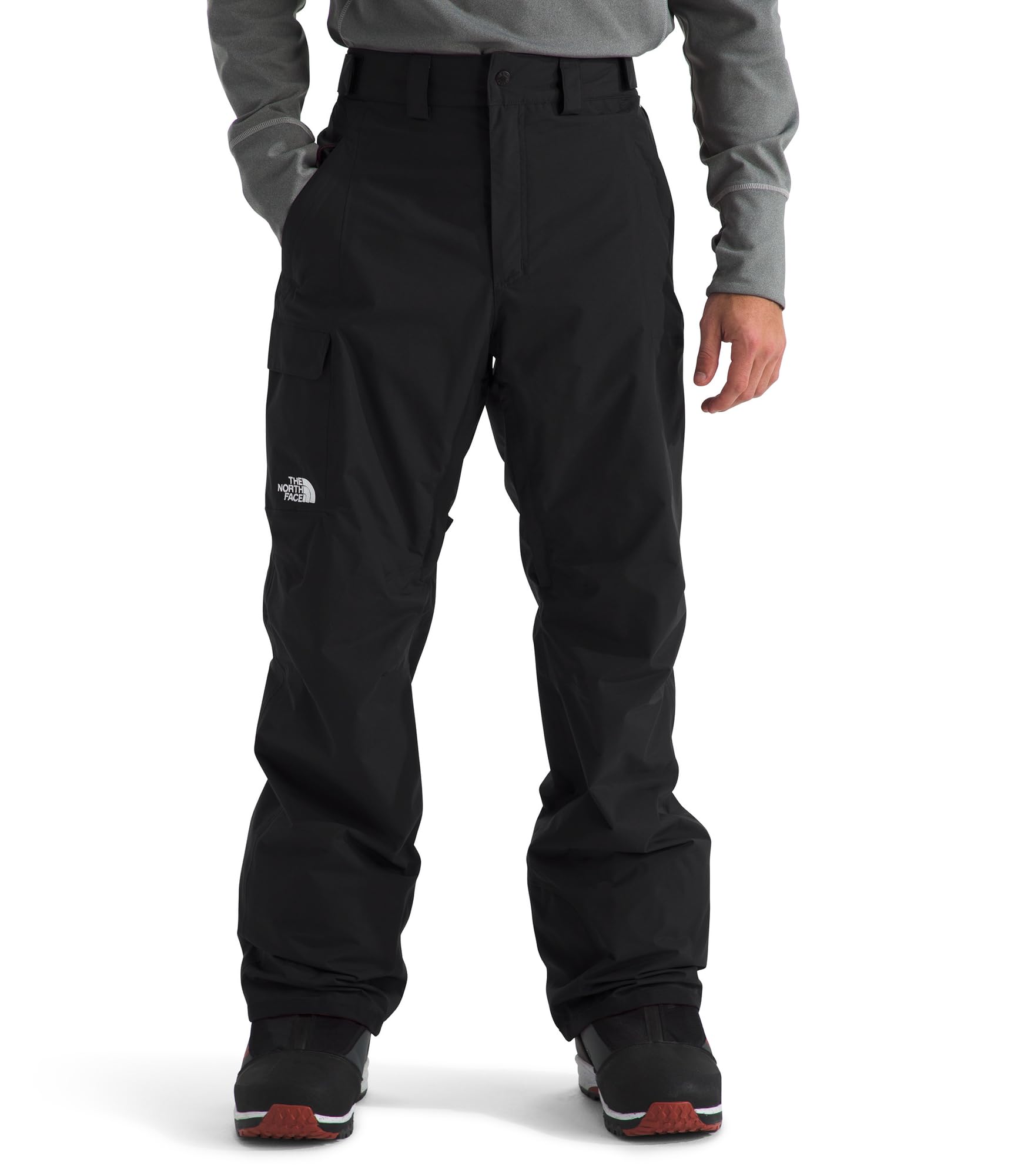
The North Face Freedom Pants stand out in a crowded field of snow pants because of their PFAS-free construction, which uses a polyurethane waterproofing membrane instead of the traditional PFC-based DWR that has raised environmental concerns. This change doesn’t sacrifice performance — the pants remain fully waterproof and windproof in sustained storm conditions while being significantly better for the environment. The vented shell design with side zips allows temperature regulation without removing boots, and the roomy zip pockets provide secure storage for a phone or lift pass without interfering with a hip belt or binder.
The short inseam option (30-inch) is a godsend for shorter skiers who struggle with pants that bunch at the ankle. One 5’7” reviewer who ordered the short length still found them slightly long, but the 30-inch inseam is the shortest standard offering in this category. The fabric has no stretch, but the articulated knees provide good freedom of movement for squatting and bending during boot adjustments or deep carves. The elastic waistband with adjustable tabs allows a customized fit over base layers without requiring a belt.
The lack of a zipper on the cargo pocket — only velcro — is the most frequently cited disappointment, as velcro alone doesn’t secure small items like lip balm or a multitool during active runs. The short inseam may still be too long for skiers under 5’6”, and no extra-short option is currently available. For the build quality and chemical-free construction, these represent a strong choice for environmentally conscious skiers.
Why it’s great
- PFAS-free polyurethane waterproofing eliminates harmful fluorocarbons
- Short inseam option (30”) fits shorter skiers without ankle bunching
- Vented shell with articulated knees allows full freedom of movement
Good to know
- Cargo pocket secures only with velcro — no zipper for small items
- Short inseam still too long for skiers under 5’6” — no extra-short option exists
8. Helly Hansen Insulated Ski Pants

Helly Hansen brings its marine heritage to the slopes with these insulated ski pants, which feature a 100% polyester shell with medium-stretch fabric that moves with you during dynamic skiing. The 2-layer construction with DWR finish handles lift-served and moderate backcountry conditions without overheating, and the adjustable waistband eliminates the need for suspenders or belts. The flat-front design looks sharp enough for apres-ski without screaming “ski gear,” while the 2 front pockets provide enough space for a phone and wallet.
At 5’8” 160 lbs with an athletic build, a Small Regular fit is described as “perfect — not tight, not baggy, with room for a thin base layer.” The 5’11” 230-lb reviewer found the Large length excellent, praising the pants for not being too short or too long. The insulation is moderately warm — adequate for 10-20°F temps with a base layer, but not thick enough for extreme cold below zero. Users praised the comfort of the stretch fabric over traditional stiff snow pants, noting the pants don’t restrict leg movement during deep squats or steep traverses.
The lack of a zippered thigh pocket disappoints skiers who want secure access to a pass or phone without unzipping their jacket. The pants are not stain-resistant — one reviewer reported food stains didn’t fully lift after washing with stain remover, meaning you’ll need to be careful around lodge lunches. These are best suited for resort riders who prioritize comfort and mobility over features like integrated gaiters or reinforced cuffs.
Why it’s great
- Medium-stretch fabric allows unrestricted movement for deep carves and traverses
- Adjustable waistband eliminates need for belts or suspenders
- Comfortable over a wide range of body types from athletic to larger frames
Good to know
- No zippered thigh pocket for secure phone or pass storage
- Fabric shows stains and resists removal — not ideal for lodge lunches
9. Roxy Snow Junior’s Jet Ski Printed Slim Fit Snow Jacket
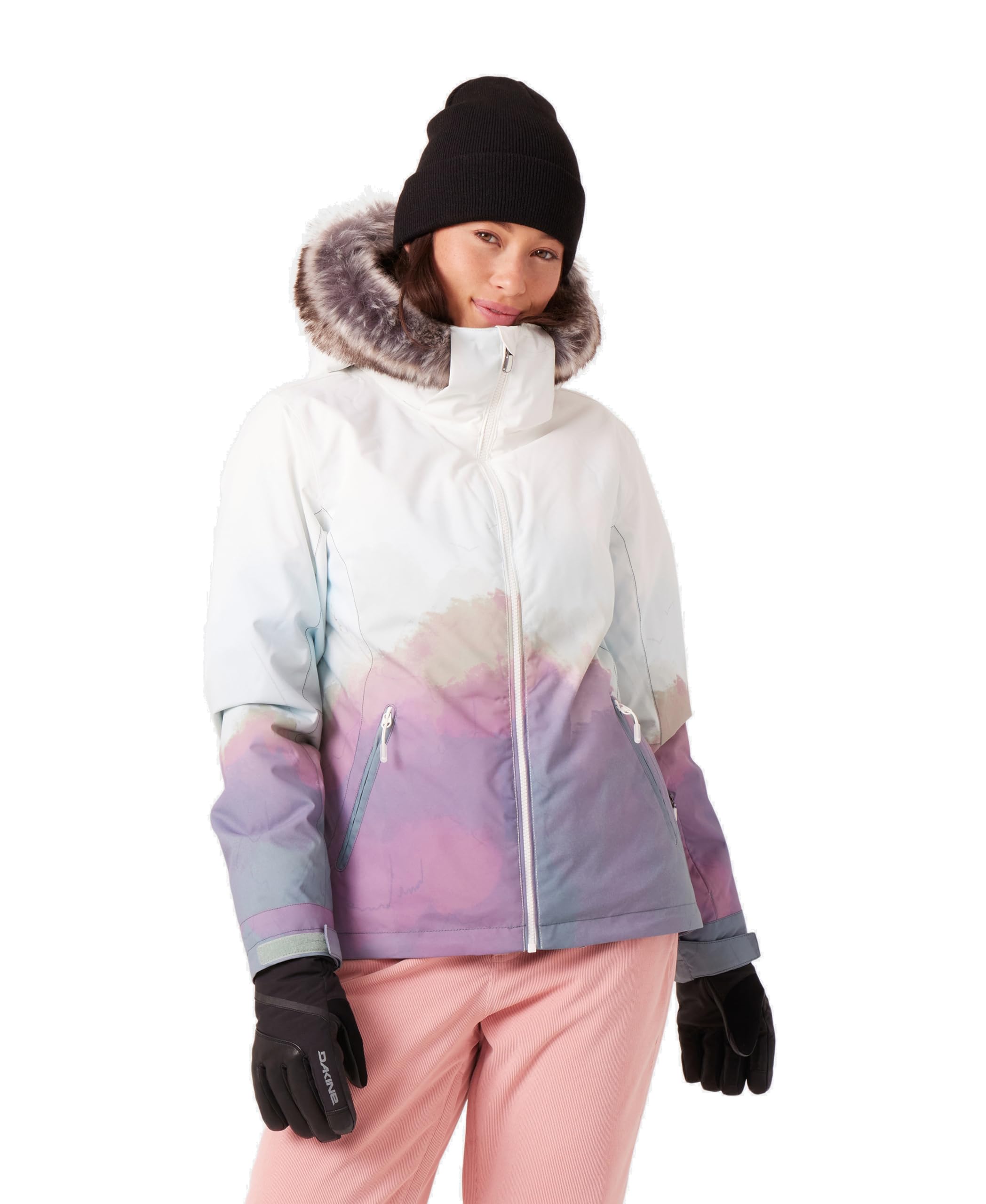
Roxy’s Juniors Jet Ski jacket brings a playful aesthetic — purply-blue and pink tones on a white base with a jet ski print — to a functional snow jacket that punches above its size in warmth and features. The slim fit is designed for growing tweens and teens who want a flattering silhouette without excess bulk, but the sizing runs small enough that a size Large fits a women’s 10/12 snugly with no room for a thick mid-layer. The polyester insulation provides adequate warmth for 20-40°F wet snow conditions, and the detachable hood with fluffy trim adds versatility for days when the weather clears.
Parents who purchased for their children praised the arm pass pocket on the sleeve, which eliminates the need to dig for a lift pass. The many pockets — including hand pockets and a media pocket — keep snacks, phones, and gloves organized. At 5’5” 125 lbs, a Medium fits with a base layer and sweater, though the hand pockets are on the smaller side and may not fit oversized gloves. The slim shoulder cut was too narrow for some users, so sizing up is recommended if the wearer has broad shoulders or plans to layer a fleece underneath.
The visual appeal of the print is a major driver of purchase satisfaction — multiple users described it as “prettier than the picture” — but the insulation is best suited for moderate conditions. On chairlifts in temps below 20°F, the jacket feels slightly cold when stationary. This is a style-forward, climate-appropriate choice for the tweener set hitting groomers in fair weather, not a backcountry shell.
Why it’s great
- Unique jet ski print with purply-blue/pink tones stands out on the slopes
- Arm pass pocket and detachable hood add slope-ready convenience
- Adequate insulation for 20-40°F conditions with a base layer
Good to know
- Runs small — size up for layering or broad shoulders
- Not warm enough for sub-20°F chairlift rides without heavy mid-layer
FAQ
What is ChromaPop lens technology and do I need it for skiing?
How does MIPS (Multi-Directional Impact Protection System) differ from standard helmet padding?
What does DryVent 2L mean on a North Face jacket?
Can I use any goggle brand with a Giro helmet, or do I need to buy Giro goggles?
How important is a powder skirt on a ski jacket?
Final Thoughts: The Verdict
For most skiers building their best ski gear kit, the winner is the Smith Vantage MIPS because it combines the safety of Koroyd + MIPS with 21 adjustable vents and a Boa fit system that eliminates the pressure points common in cheaper helmets. If you want top-tier optical clarity that transforms how you read terrain in flat light, grab the Smith Squad ChromaPop goggles. And for a jacket that balances warmth, waterproofing, and environmental responsibility without breaking the bank, nothing beats the The North Face Freedom Insulated Jacket.

Mo Maruf
I created WellFizz to bridge the gap between vague wellness advice and actionable solutions. My mission is simple: to decode the research and give you practical tools you can actually use.
Beyond the data, I am a passionate traveler. I believe that stepping away from the screen to explore new environments is essential for mental clarity and physical vitality.