Our readers keep the lights on and my smoothie glass nicely filled. As an Amazon Associate, I earn from qualifying purchases.
Specs are compiled from manufacturer listings and verified buyer reviews and can change over time — please confirm the key details on the product page before buying.
Your feet hit the dirt, and within a mile you either smile or regret everything. The right pair of hiking shoes turns a punishing scramble into a day you want to repeat. The wrong pair leaves you with blisters, sore arches, and a nagging wish you had stayed home. This guide uses the manufacturers’ published specs and real patterns across verified customer reviews to find the women’s hiking shoes that actually deliver on comfort, traction, and durability — without requiring weeks of painful break-in.
I’m Mohammad Maruf — the founder and writer behind WellFizz. This guide is built by comparing the manufacturers’ published specifications and the patterns across verified customer reviews, so you get each pick’s real strengths and trade-offs instead of marketing spin.
These are the best female hiking shoes you can buy right now, chosen for their out-of-the-box comfort and reliable grip on any trail. if you want a lightweight shoe for day hikes or a waterproof boot for rainy weekends, one of these fits.
Our Picks at a Glance

How To Choose The Best Female Hiking Shoes
Picking the right hiking shoe is about matching your foot shape and typical terrain to the right construction. Here are the three things to get right before you click buy.
Fit and toe-box shape
Your toes need room to splay on descents to avoid jamming against the front of the shoe. A narrow toe box is the top reason hikers return shoes — look for brands that advertise a wide or foot-shaped toe box if you have ever suffered from black toenails or hiker’s toe.
Outsole traction pattern
The rubber compound and lug pattern decide how confident you feel on loose dirt, wet roots, and slick rock. Deep, multi-directional lugs (like those on a Vibram outsole) give you bite uphill and braking control downhill. Flat, shallow lugs belong on pavement, not trails.
Waterproofing vs breathability
A waterproof membrane (like GORE-TEX or a brand’s own system) keeps puddles and morning dew out, but it also traps heat. If you hike in dry climates or hot summers, a non-waterproof shoe that drains quickly and dries fast is often the smarter, more comfortable choice.
Quick Comparison
| Model | Best For | Weight | Drop | Waterproof | Amazon |
|---|---|---|---|---|---|
| ALTRA Lone Peak 8★ Best Overall | Wide feet & natural stride | 10.7 oz | 0 mm | No | Amazon |
| Columbia Transverse HikeBest Value Waterproof | Budget waterproof performance | — | — | Yes | Amazon |
| Columbia Vertisol TrailVersatile Performer | Versatile all-terrain daily wear | — | — | No | Amazon |
| adidas Terrex AX4 | Wet-weather grip with GORE-TEX | 2.43 lb | — | Yes (GORE-TEX) | Amazon |
| Merrell Moab 3 Waterproof | Proven all-rounder with Vibram grip | 2.09 lb | — | Yes | Amazon |
| KEEN Hightrail Low | Classic leather style with speed | — | — | Yes (water-resistant leather) | Amazon |
| Oboz Sawtooth II Low | Arch support & stability | 15.7 oz | — | Yes (B-DRY) | Amazon |
| Brooks Cascadia 19 | Rock protection & technical terrain | 9.8 oz | 6 mm | No | Amazon |
| Hoka Speedgoat 6 | Max cushion for long miles | — | — | No | Amazon |
In‑Depth Reviews
1. ALTRA Women’s Lone Peak 8 Trail Running Shoe
Our pick — over 4.5★ from 750+ verified ratings; the strongest balance of quality and price.
The trail legend that gives your toes room to breathe and your feet a natural stride.
The FootShape toe box (a wide, foot-shaped front that lets your toes splay naturally) prevents the dreaded “hiker’s toe” — the jamming and blackening that comes from a narrow nose. Buyers report zero pain after steep, rocky hikes of 4 to 5 miles, and many call this their sixth pair because nothing else fits like it. The 0 mm drop (your heel and forefoot sit at the same height) encourages a midfoot strike that reduces lower-back strain over long days.
Underfoot, the MaxTrac outsole gives what owners describe as “stellar grip” on loose dirt and rocky paths, so you stay confident on uneven ground. The 10.7 oz weight keeps things light enough for trail running. The ripstop mesh upper includes a toe guard and Velcro loops for gaiters, making this a versatile pick for thru-hiking or day trips. The only real trade-off is the limited color selection — some owners wish there were more options. This is the shoe to pick if you have wide feet; the Columbia Transverse Hike is better if you need waterproofing.
What wins people over
- Roomy toe box eliminates black toenails and foot fatigue
- Zero-drop platform promotes natural alignment and low-impact landings
- Lightweight enough for both hiking and trail running
The honest caveat
- Fewer color choices than some competitors offer
- Not waterproof — expect wet feet in heavy rain or stream crossings
Best for hikers with wide feet: If you have ever had your toes cramp or nails blacken after a hike, this is the fix — generous room and natural alignment.
Think twice if you need waterproofing: There is no waterproof membrane here, so damp trails or morning dew will soak through.
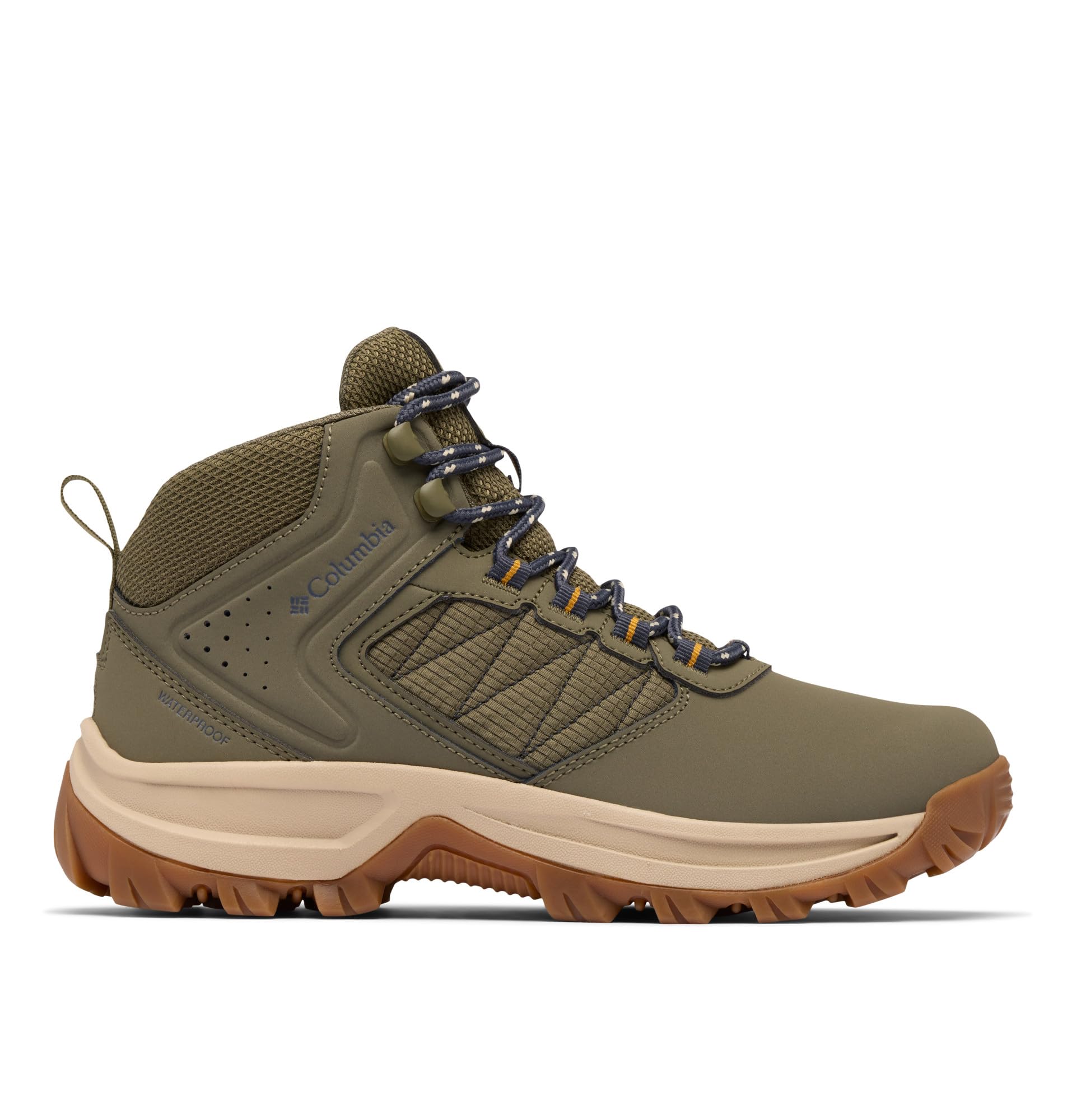
2. Columbia Women’s Transverse Hike Waterproof Hiking Boots
A waterproof boot that skips the break-in and hits the trail ready to go.
Owners consistently say these boots need zero break-in — they come from the start and go straight onto the trail. One reviewer noted wearing them all over Alaska through rain and mud without a single blister. The waterproof-breathable construction keeps feet dry in wet conditions, and the ankle support earns frequent praise from hikers with narrow heels and high arches who struggle to find a snug fit elsewhere.
The lightweight leather build and responsive cushioning make this a boot you can wear for long days without rushing to take it off. Owners do note that arch support is mild, and the boot runs slightly narrow — several buyers recommend going up to a wide width if your feet are on the broader side. For the price, the combination of comfort, waterproofing, and durability is tough to top. If you do not need waterproofing and want more toe room, pick the ALTRA Lone Peak 8 instead.
Out-of-box winner: No break-in required — one owner traversed Ireland and Scotland straight from the box. The grip holds well in mud, and the boot cleans up to look like new after a spot-wipe.
The main limit: Minimal arch support for those who need it, and the standard width can feel tight if your forefoot is wide.
Reach for this if you want waterproof confidence at a low cost: It is comfortable, durable, and works straight from the start for wet hikes.
Look elsewhere if you have wide feet or need strong arch support: The standard width may pinch, and the insole offers little correction.
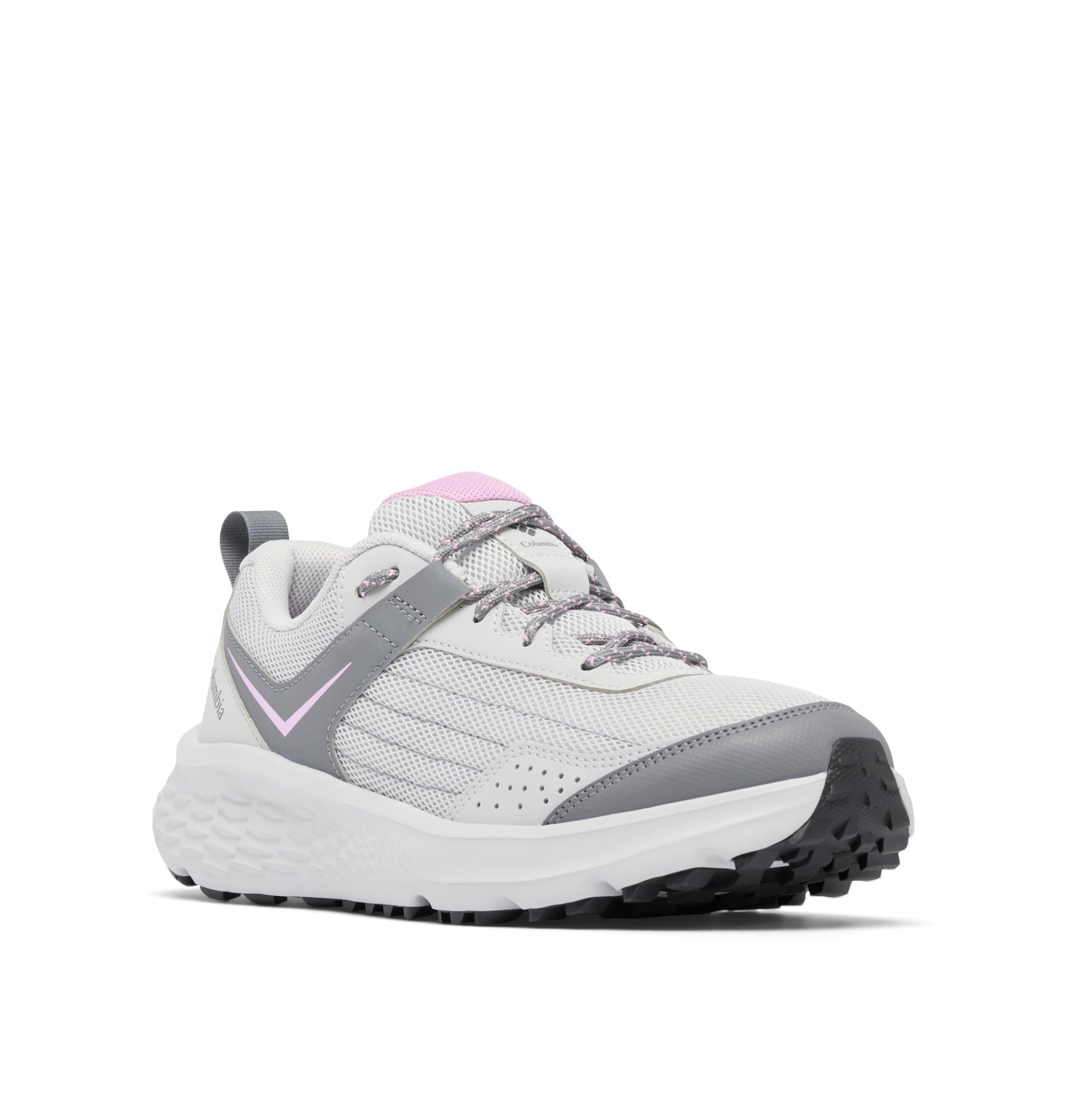
3. Columbia Vertisol Trail
A versatile trail shoe that feels like a sneaker but grips like a proper hiking boot.
Comfort is the headline here — over 140 owners call it out. The OMNI-MAX technology (a foam system that combines stability and rebound) keeps you comfortable on both paved roads and loose, sandy slopes. Owners mention zero break-in time, walking straight from the start onto a 7-mile hike without blisters or soreness. The toe box is roomy enough for wide feet, yet the lacing system cinches tight enough for narrow feet to feel secure.
At a very accessible price, you get a shoe that works for light hikes, daily walks, and travel. The traction rubber sole handles uphill sand and stone trails without slipping, so you feel stable on descents. The removable insole makes room for custom orthotics. The only question mark is long-term durability — some owners note that after many miles the sole may wear faster than heavier-duty boots. Compared to the ALTRA Lone Peak 8, the Vertisol is more affordable and works for narrower feet.
What makes it stand out: It is comfortable immediately with no break-in, and the OMNI-MAX system gives you support and bounce that feels like a running shoe. The roomy toe box works for both narrow and wide feet.
The honest downside: Long-term durability is unproven — heavy backpackers may wear the outsole down faster than a burlier boot.
Best for everyday light hiking and travel: It transitions from trail to town without looking like a boot.
Not ideal for heavy backpacking loads: The softer midsole may compress under a heavy pack on long, rocky descents.
4. adidas Womens Terrex Ax4 Hiking Shoe
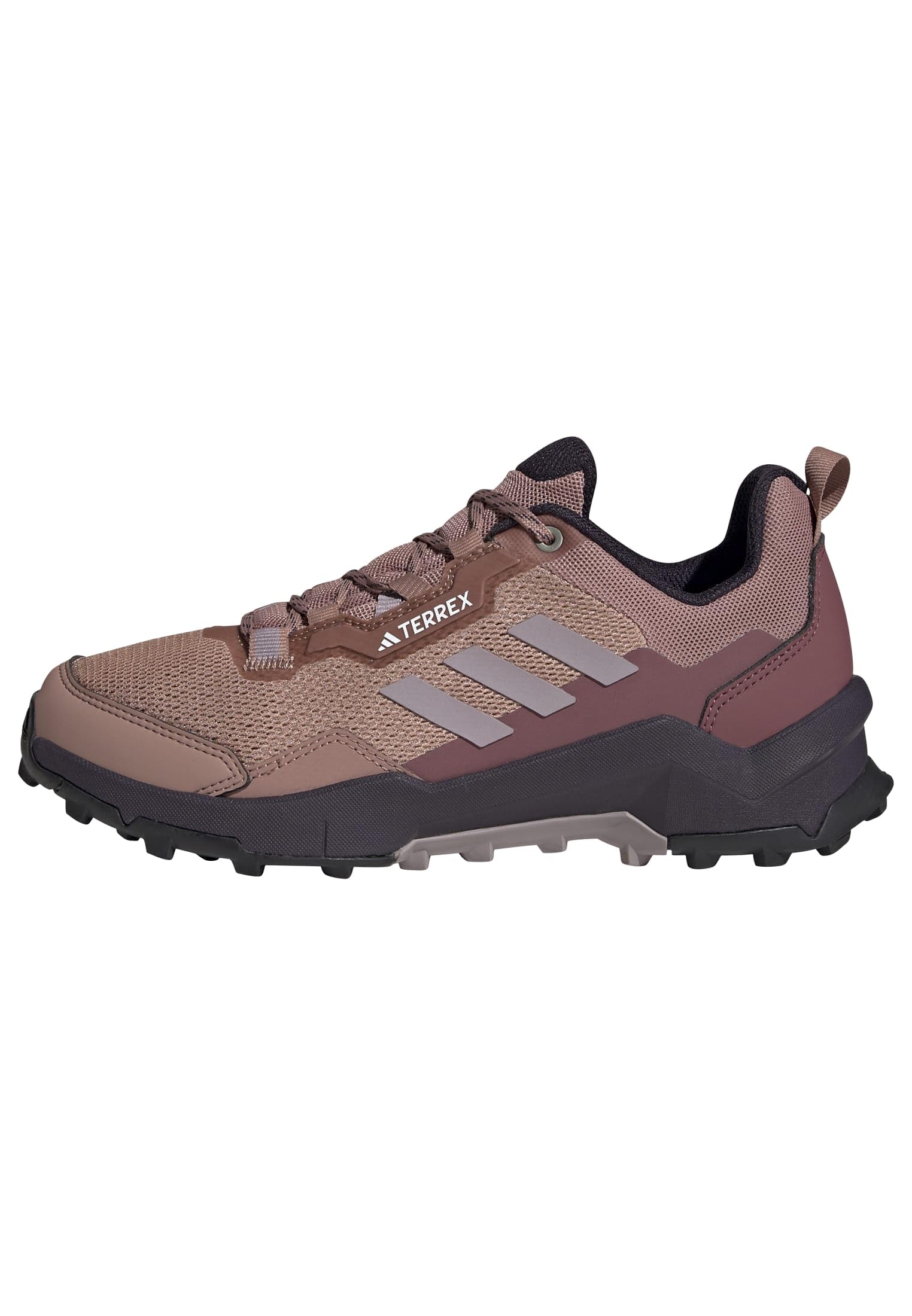
A GORE-TEX shield with Continental Rubber traction for nasty weather and rocky terrain.
The combination here is what makes this shoe special: a GORE-TEX membrane (a thin liner that blocks water while letting sweat vapor escape) seals out puddles and mud, and a Continental Rubber outsole grips confidently on wet roots, loose scree, and dusty trails. One delivery associate reports wearing them for 10-hour days in all weather and getting about 8 months of daily use. The multisport design keeps things light — owners mention no foot pain even after a 10-mile hike with 2 hours of steep climbing.
Where the Terrex AX4 divides opinion is fit. About as many owners call it true-to-size as say it runs small or slightly long. Several buyers recommend sizing up half a step, especially if you plan to wear thicker hiking socks. A few also note heel slippage if your heel is narrow, though tighter lacing solves it. For the price and the premium waterproof membrane, it punches well above its weight. The GORE-TEX here is more effective at keeping feet dry than the Columbia Transverse Hike’s system.
Weather-ready build: GORE-TEX keeps feet dry across stream crossings and rain, and the Continental outsole is described as excellent on wet and dry rock.
Unreliable sizing: Fit varies — expect to either order two sizes and return one or size up half a step.
Best for rainy-weather hikers: The GORE-TEX and sticky rubber make this a reliable partner in wet, technical terrain.
Skip if you dislike fit experiments: Multiple reviews flag inconsistent sizing, so be prepared for a potential exchange.
5. Merrell Women’s Moab 3 Waterproof Hiking Shoe

The world’s bestselling hiker, upgraded with a grippier Vibram sole and softer cushioning.
With over 20 million pairs sold across previous versions, the Moab 3 earns its reputation for out-of-the-box comfort and all-purpose versatility. The Vibram outsole (a high-traction rubber from a specialist maker) gives you excellent grip on rocks and uneven terrain — one owner wore them 90 percent of the time on a two-week trip to Ireland and calls them incredibly comfortable. The partially recycled fabrics in the upper are a nice touch, and the waterproof version handles wet grass and puddles without soaking through.
At 2.09 lb, this is a heavier shoe than many trail runners, and some owners find it too clunky and stiff for their preferences. The water resistance gets mixed reviews — most say it works well, but a few received non-waterproof versions by mistake, so check for the waterproof tab below the ankle when they arrive. If you want a do-everything shoe that is comfortable from day one, this is still the benchmark. It feels heavier than the ALTRA Lone Peak 8 but offers more waterproofing.
Proven comfort: Owners say it prevents hip pain on long hikes and works straight off for travel. The padded tongue and supportive insole add to the all-day feel.
Heavier and bulkier: At over 2 lb, it is noticeably heavier than the ALTRA or Brooks picks — not ideal for speed hikers.
Reach for this as your do-everything travel hiker: It is comfortable on cobblestones, dirt, and city streets.
Not for minimalist or lightweight seekers: The Moab 3 is sturdy and supportive, but it feels like a boot, not a sneaker.
6. KEEN Women’s Hightrail Low Height Waterproof Hiking Shoe
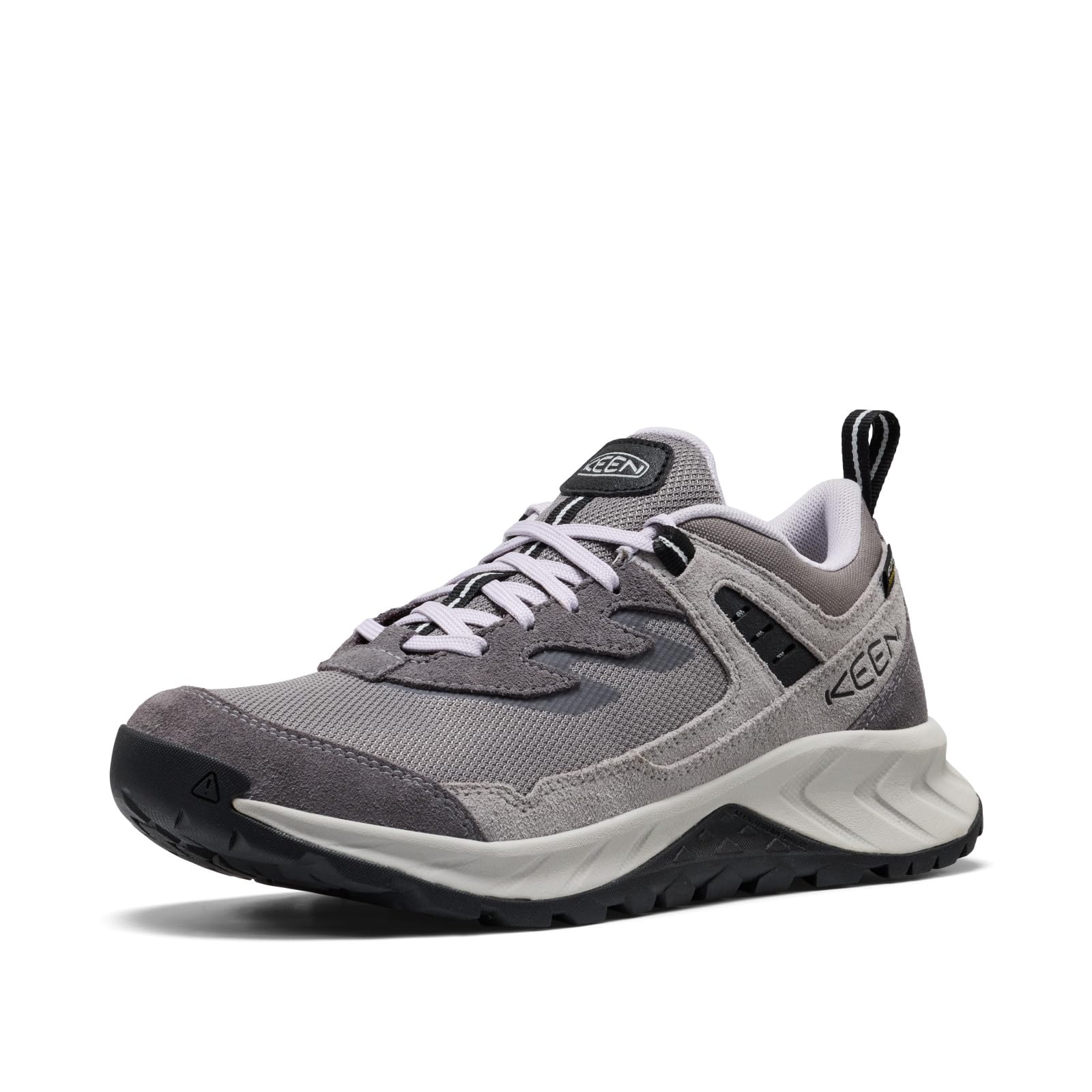
A leather hiker that looks like a sneaker and keeps your feet dry on fast day hikes.
KEEN takes their classic leather boot DNA and trims it into a low-profile sneaker that moves faster. Owners who wore these for 8 to 10 miles a day over three weeks of hiking, rain, and city streets say the shoes are comfortable from day one and clean up beautifully after mud. The water-resistant leather and gusseted tongue keep moisture out, so puddles and drizzle do not soak through. The Contoured Fit curves with the natural shape of your foot for a secure feel.
The toe box is where opinions split — some find it roomy and comfortable with thin socks, but others coming from older KEEN models say it is noticeably narrower. The tongue has a narrow opening that can rub against high arches, so high socks are recommended to avoid blisters. If you need a versatile, stylish, waterproof shoe for fast day hikes and travel, this is a solid contender. The leather here is more durable than the mesh on the Columbia Vertisol.
Looks and feels like a sneaker: Owners love the subtle style — it does not scream “hiking boot” and works for everyday wear.
Narrower than classic KEENs: If you have bunions or wide forefeet, try a half-size up or compare to ALTRA’s generous toe box.
Best for hikers who want waterproof leather in a low, fast package: It works for multi-day trips and daily walks alike.
Skip if you need a wide toe box: This KEEN runs narrower than the brand’s sandals and older boots — size up.
7. Oboz Women’s Sawtooth II Low B-Dry Hiking Shoe
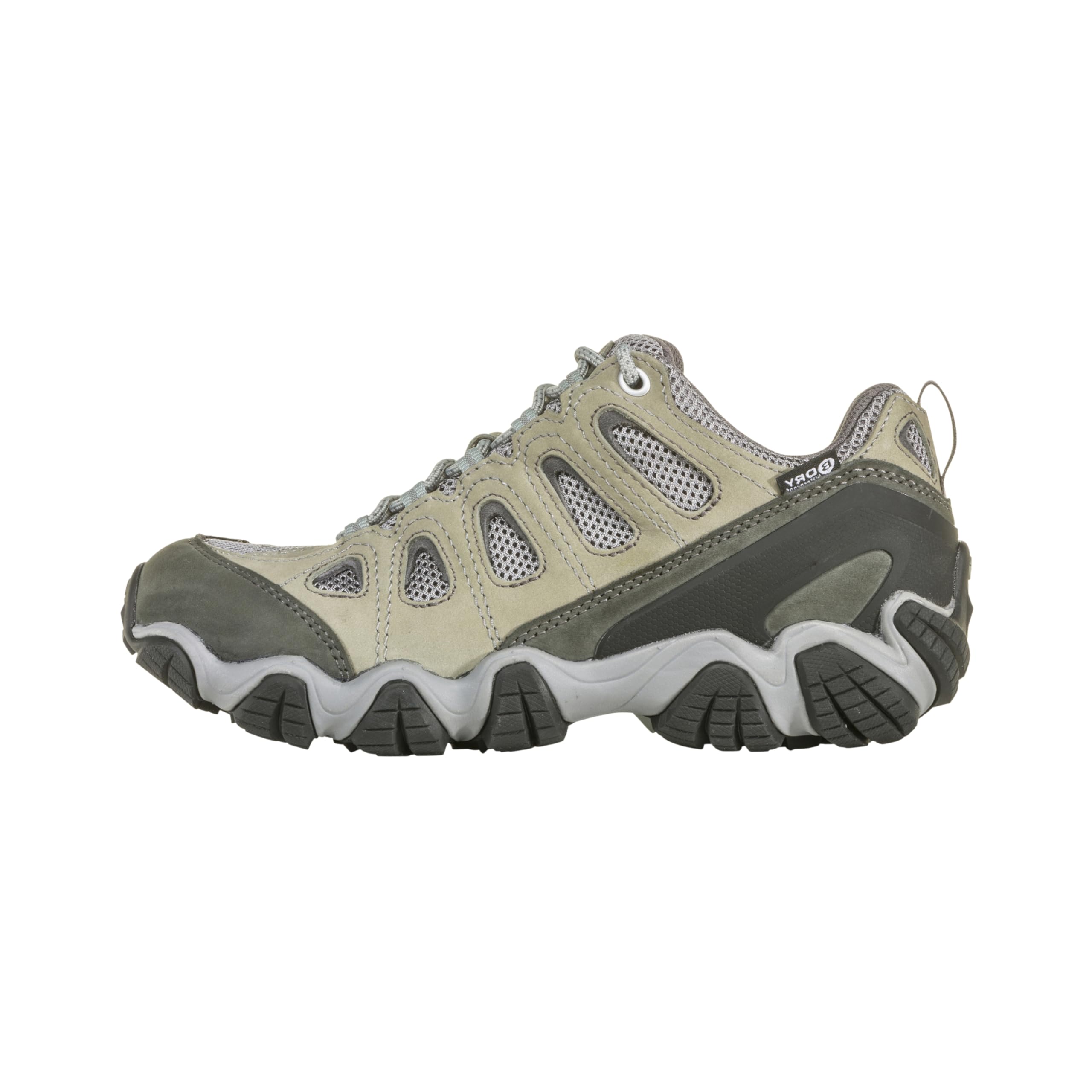
A thru-hiker cult favorite built for support, with an insole that cradles your arch all day.
The O Fit Insole (a layered EVA foam footbed that supports the arch and stabilizes the heel) is the star here. Owners with plantar fasciitis (inflammation of the tissue under the foot arch) and bunions report that this shoe lets them hike pain-free where other brands fall short. The Sawtooth outsole is a beloved design that grips varied terrain well, so you stay confident on loose rock. The B-DRY waterproof membrane keeps sweat out while sealing moisture from puddles.
The stiffness that provides stability is also the shoe’s biggest adjustment. Several owners say it takes 10 to 12 miles to fully break in, and the firm heel and midsole feel noticeably heavier than the lightweight runners on this list. If you value durability and arch support over featherlight weight, the Sawtooth II is the most trusted pick on rugged, long-distance trails. The arch support here is stronger than in the Merrell Moab 3.
Exceptional arch and heel support: The O Fit Insole is designed to put your foot in a neutral position — owners with flat feet or plantar fasciitis specifically praise it.
Stiff from the start: Plan for a break-in period of 10 to 12 miles before the shoe conforms to your foot.
Reach for this if you need serious arch support: It is the best choice on the list for overpronators or hikers with foot conditions.
Not for those who prefer a cushioned, flexible feel: The Sawtooth is built firm and stable — it is not plush like a Hoka.
8. Brooks Women’s Cascadia 19 Mountain Trail Running Shoe
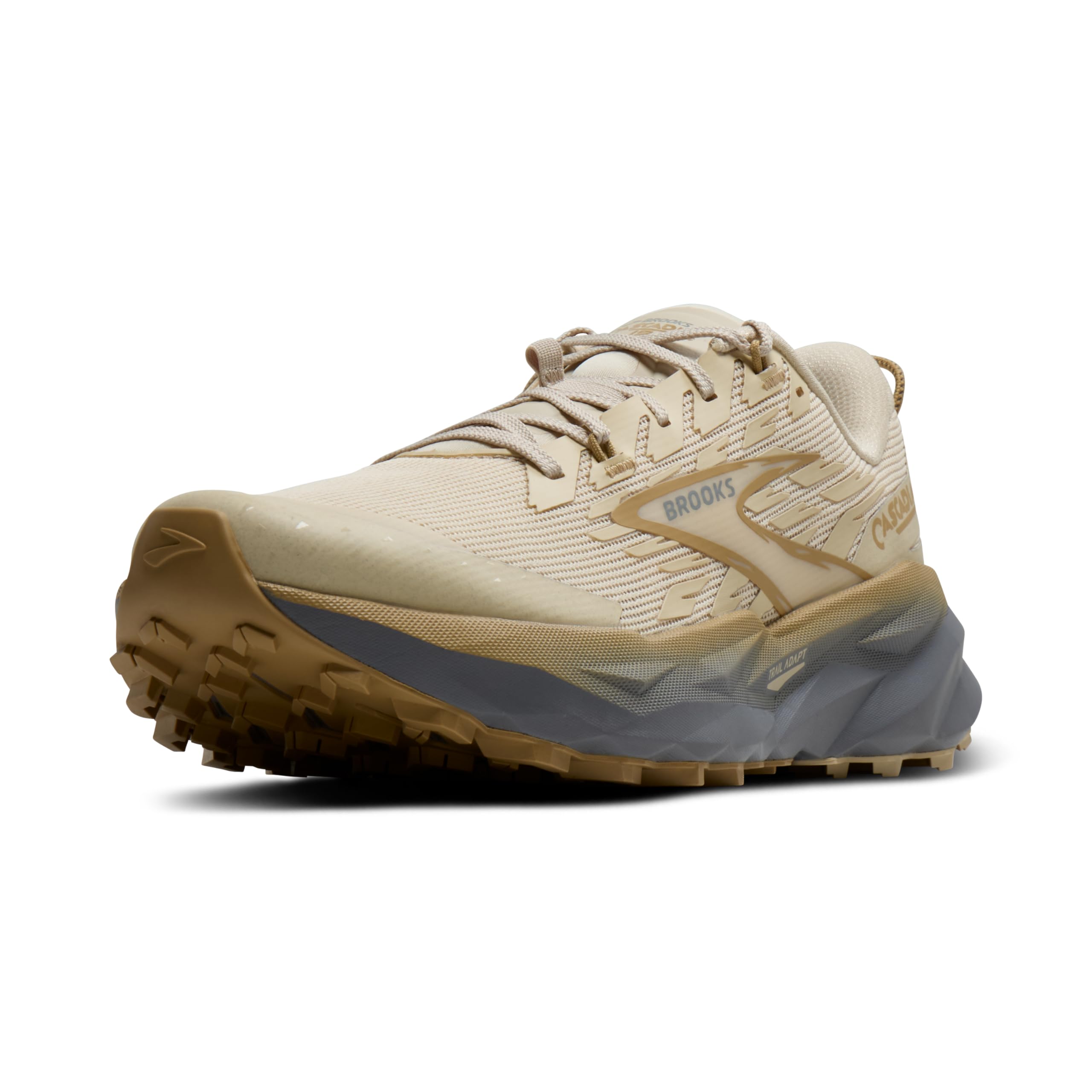
A trail runner with a protective rock plate that shrugs off sharp stones and roots.
The Cascadia 19 is built for technical terrain. A strong rock plate in the midsole protects your feet from sharp rocks and roots, so you can stride over jagged paths without flinching. The 6 mm drop (meaning the heel is 6 mm higher than the forefoot) and raised toe create a natural rocker motion that makes uneven ground feel smoother. Owners call it their go-to shoe for rocky, technical, and wet terrain — stability is so good that one hiker reports no ankle rolling even on sketchy footing. The traction holds up well on dirt, gravel, and smooth rock, though it falters in deep mud.
At 9.8 oz, it is lighter than the Merrell Moab 3, making it a strong choice for hikers who also run trails. The fit runs slightly wider, giving you room to layer socks, and the mesh upper breathes well on hot days. The main durability concern is the heel fabric, which one owner noted began showing wear after 200 miles. For fast hikers and trail runners who want protection without bulk, this is an excellent pick. The rock protection here surpasses the Hoka Speedgoat 6.
Technical terrain specialist: The rock plate and stable platform inspire confidence on loose, uneven trails.
Not for mud or heavy backpacking: Lugs are moderate — they struggle in deep muck, and the shoe is not designed for load-bearing hikes.
Best for fast hikers and trail runners: Lightweight, protective, and stable on rocky ground.
Not ideal for wet, muddy conditions: The outsole lacks deep lugs for thick mud, and there is no waterproofing.
9. Hoka ONE ONE Womens Speedgoat 6
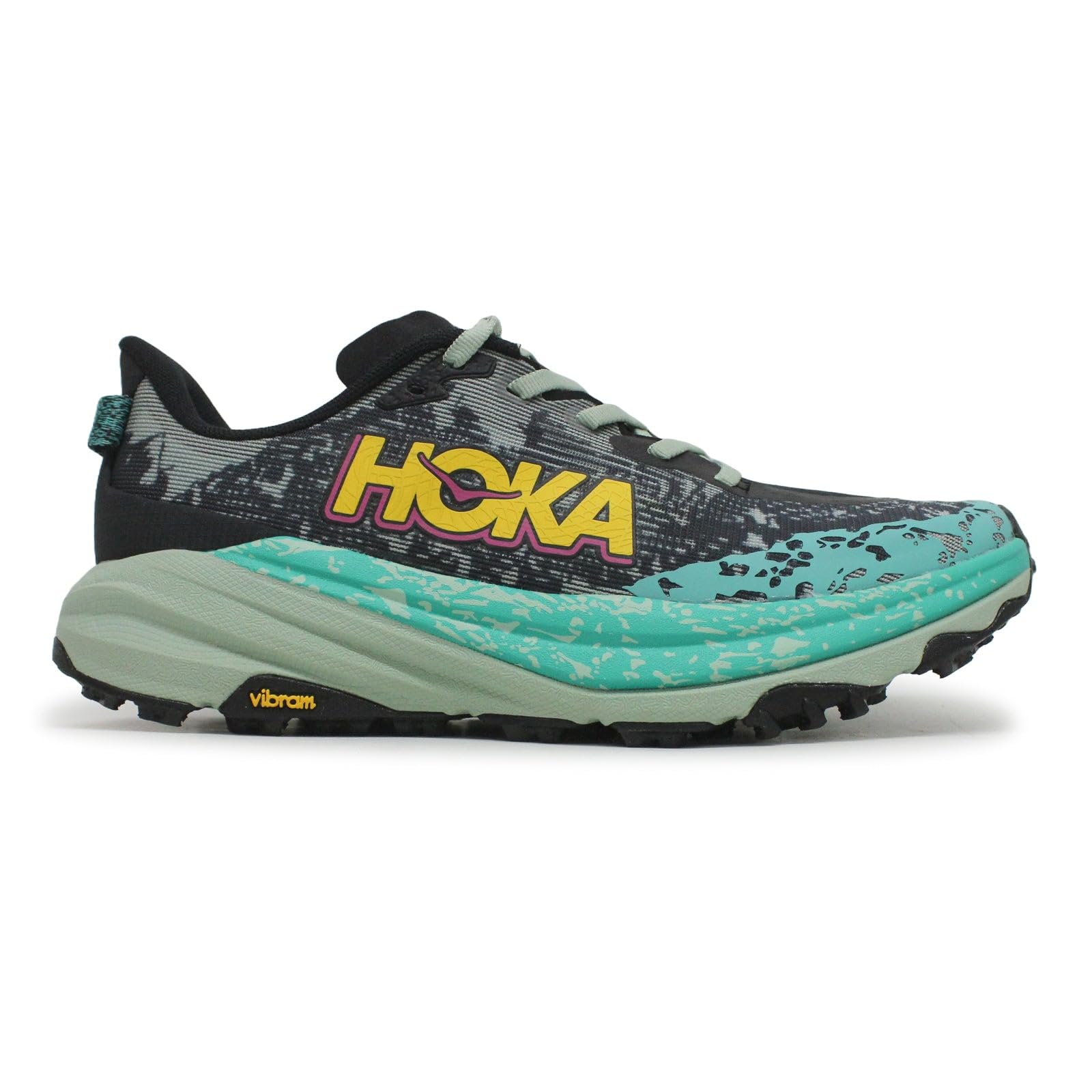
The GOAT of trail shoes, combining Hoka’s signature plush cushion with aggressive goat-inspired lugs.
The Speedgoat 6 is a workhorse for technical terrain. The Vibram outsole features a revised lug orientation inspired by a goat’s hoof, giving you aggressive bite on loose dirt and steep climbs — you feel planted on steep ascents. Owners describe the cushion as “soft and super comfortable” — one runner took them straight from the start and finished a 20-mile trail race without blisters. The breathable woven textile upper and foot-hugging internal chassis lock your foot in place without feeling restrictive.
The biggest headache is sizing. The shoe runs small for many buyers — several customers note ordering a size 8 only to find it fits like a 6.5 or 7, and the stitched-down tongue can make it hard to get your foot in. If you order, plan to size up at least half a step. The highest price on this list buys max cushion and proven trail performance. The plush ride here is more forgiving than the Brooks Cascadia 19.
Plush, protective ride: The cushion absorbs shock on long descents, and the Vibram outsole claws into loose terrain.
Fit is a gamble: Runs small for many, and the tongue is partially stitched — try a half-size up or buy from a store with free returns.
Reach for this if you want the plushest trail shoe available: Great for long days on rocky, technical terrain with high mileage.
Skip if you need reliable sizing: Inconsistent fit and a tight entry make this a risky blind buy without trying on first.
Understanding the Specs
Drop (heel-to-toe offset)
Drop is the height difference between the heel and forefoot, measured in millimeters. A zero-drop shoe (like the ALTRA Lone Peak 8) places your heel and forefoot at the same level, which encourages a natural midfoot strike and can reduce lower-back strain over long distances. A higher drop, like 6 mm or 10 mm, shifts more load toward your heel, which some walkers and runners prefer for a more traditional stride. There is no right or wrong — it depends on what feels natural to your gait.
Waterproof membranes (GORE-TEX, B-DRY, etc.)
Waterproof membranes are thin layers bonded to the inner lining that block liquid water from entering while allowing water vapor from sweat to escape. GORE-TEX is the most famous name, but brands like Columbia and Oboz have their own systems (like B-DRY). The trade-off is breathability — waterproof shoes trap more heat, so they can feel stuffy on warm, dry days. If you hike in hot climates or do not cross streams, a non-waterproof shoe that drains and dries quickly is often the more comfortable choice.
FAQ
How should women’s hiking shoes fit in the toe box?
Can I use trail running shoes for hiking?
Do I need waterproof hiking shoes?
What does zero drop mean in a hiking shoe?
How long should women’s hiking shoes last?
Can I put my own orthotics in hiking shoes?
What is the difference between a hiking shoe and a hiking boot?
How do I know if I need a wide width?
Final Thoughts: The Verdict
For the majority of shoppers, the best female hiking shoes winner is the ALTRA Lone Peak 8 because its zero-drop platform and FootShape toe box solve the most common hiking foot-pain complaints without needing a break-in. If you want waterproof confidence on a budget, grab the Columbia Transverse Hike — it handles wet trails straight from the start. And for max cushion on long, rocky miles, the Hoka Speedgoat 6 is the plushest ride here, though size up to avoid disappointment.
How We Picked
We do not accept paid placement. Every pick is matched to a real buyer and a real use-case; we do not hands-on test units.
Sources & Methodology
Specifications: manufacturer listings and product documentation. Review insights: verified customer reviews, as of July 2026. Pricing: not shown on this page (it changes often); check the current price via the retailer link.
As an Amazon Associate, WellFizz earns from qualifying purchases. This does not affect which products we feature.
Related Guides

Mo Maruf
I created WellFizz to bridge the gap between vague wellness advice and actionable solutions. My mission is simple: to decode the research and give you practical tools you can actually use.
Beyond the data, I am a passionate traveler. I believe that stepping away from the screen to explore new environments is essential for mental clarity and physical vitality.