Our readers keep the lights on and my smoothie glass nicely filled. As an Amazon Associate, I earn from qualifying purchases.
Specs are compiled from manufacturer listings and verified buyer reviews and can change over time — please confirm the key details on the product page before buying.
Choosing the right fabric for a headliner means getting the foam backing thickness right, picking a material that stretches around curves without tearing, and knowing how the yardage matches your roof. This guide cuts through the noise and matches each fabric to the real vehicles and skill levels out there.
I’m Mohammad Maruf — the founder and writer behind WellFizz. This guide is built by comparing the manufacturers’ published specifications and the patterns across verified customer reviews, so you get each pick’s real strengths and trade-offs instead of marketing spin.
You need a fabric for headliner that matches your roof’s exact size, foam thickness, and look — without buying more than you need. That is true whether you are refreshing a classic pickup, patching a sagging daily driver, or tackling a full RV roof.
Our Picks at a Glance

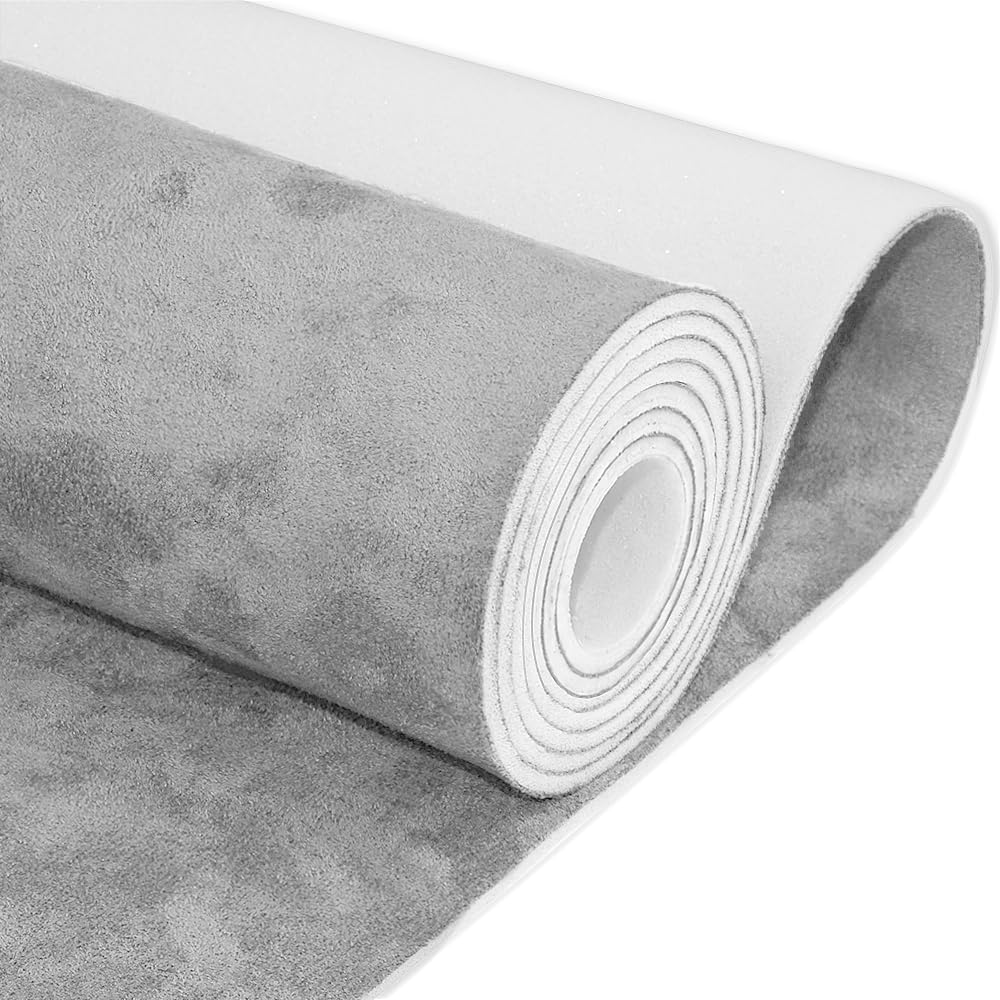

How To Choose The Best Fabric For Headliner
Every headliner fabric comes with a specific foam backing, a surface texture, and a length/width combination that either fits your roof perfectly or forces you to splice seams. The trick is matching all three to your vehicle’s actual dimensions and your tolerance for wrinkles.
Foam Backing Thickness and Density
The foam layer between you and the roof panel is what prevents sagging, muffles road noise, and blocks heat. A 1/8-inch (about 3mm) foam is the standard for most modern cars — it conforms well and resists bulging. A thicker 3/16-inch foam (about 4.7mm) gives more sound absorption and a plusher feel, but it can cause binding near sunroof panels or tight trim gaps. A 4mm foam is a middle ground that works for many large SUV and van roofs.
Dimensions: Length and Width
Most fabric is 60 inches wide, which covers the width of most passenger vehicles. Length is the variable: a compact car roof needs roughly 54 to 60 inches, a full-size pickup cab needs about 75 to 80 inches, and a large SUV or minivan can require 96 to 120 inches. You always want a single uncut piece — splicing leaves visible seams. Measure your roof front to back and add at least 4 inches of overhang on each end for trimming.
Surface Texture and Care
A suede or micro-suede surface cuts glare off the windshield and feels soft to the touch, but it can attract lint and needs gentle spot cleaning. A standard polyester flat-knit (the original factory-looking material) is simpler to clean and tough against wear, but it can look dated. An ultra-fine velvet gives a luxurious, premium-European-car look but scratches more easily — trade the plush feel for a bit more care during installation.
Quick Comparison
| Model | Best For | Dimensions | Foam Thickness | Surface Type | Amazon |
|---|---|---|---|---|---|
| Babnecl Suede Headliner★ Best Overall | Truck cabs & large roofs | 98″ x 60″ | 1/9″ | Suede | Amazon |
| WUJODOR Auto Suede FabricNoise Killer | Noise & heat reduction | 54″ x 60″ | 3mm | Leather Suede | Amazon |
| SARANDAVE Classic FabricColor Match King | OEM color matching | 60″ x 54″ | 3/16″ | Fabric | Amazon |
| Kefly Black Suede Fabric | Budget suede upgrade | 54″ x 60″ | 1/9″ | Suede | Amazon |
| MOTUKA Micro-Suede Fabric | DIY multi-vehicle use | 79″ x 60″ | 3/16″ | Micro-Suede | Amazon |
| Dapuri Kit with Tools | First-time installers | 98″ x 60″ | 4mm | Synthetic Suede | Amazon |
| Garifon Suede Fabric | UV & fade resistance | 96″ x 60″ | 1/8″ | Synthetic Suede | Amazon |
| otoez Polyester Fabric | Large panels & RVs | 144″ x 60″ | 1/8″ | 100% Polyester | Amazon |
| Hiksuky Velvet Fabric | Luxury interior look | 120″ x 60″ | 1/9″ | Ultra-Fine Velvet | Amazon |
In‑Depth Reviews
1. Babnecl Suede Auto Headliner Fabric
Our pick — over 4.5★ from 500+ verified ratings; the strongest balance of quality and price.
The long roll that covers a full pickup cab without splicing a seam
At 98 inches long, this suede fabric skips the splice entirely for most truck cabs, SUVs, and even some van roofs — you lay one continuous piece from windshield to back window. The 1/9-inch foam backing absorbs sound noticeably, which owners describe as a quieter, more comfortable drive. The tube packaging is a genuine advantage over folded competitors: the material arrives flat and ready, so you skip the hours of steaming and ironing that others fight.
The surface is a soft black suede that bends well on medium-to-large radius curves. Buyers report it is “very forgiving in medium to large radius areas but not so much in tight radius areas.” That means a standard roof contour is easy, but the sharp corners of a sun visor or a roof lamp housing need careful patience and a good spray adhesive — oversaturating is the common mistake. The fabric creases if you fold during install, but owners mention that crinkles at cut edges are invisible after glue-down.
Quality and material are what owners praise most — they call it “beautiful suede” that lays down nicely for a headliner swap. Just keep your adhesive application light and even, and let the foam backing do its sound-dampening job. It is a crowd favorite for a reason: the combination of generous length, premium feel, and no-packaging-creases makes this the one to beat.
What wins owners over
- Truly flat delivery — no folding creases to fight
- 98-inch length covers full-size cabs in one run
- Soft suede cuts windshield glare and quiets the cabin
The honest trade-offs
- Foam feels thin on tighter radius bends
- Oversaturating adhesive causes the fabric to lift
- Limited color option — black only
Grab it for: anyone redoing a truck, large SUV, or van roof who wants one smooth piece with zero packaging creases.
Think twice if: your roof has very tight compound curves or you need a color other than black.
2. WUJODOR Auto Suede Headliner Fabric
The 54-inch suede that cuts cabin noise by 3–6 dB and resists 35,000 abrasion cycles
This fabric’s headline claim — 3 to 6 decibels of noise reduction — matters most for off-roaders and daily commuters who want the cabin quieter without heavy sound-deadening mats. The 3mm foam backing uses a high-density microporous structure that soaks up vibration and echo. Owners describe the finish as “professional-grade suede with Alcantara-like look and feel,” a noticeable step up from standard cloth. Weighing 250–400 g/m², it helps fuel efficiency, but the real win is the UV resistance that stops fading over years in the sun.
The 54-inch by 60-inch size works well for compact to midsize cars, but at 54 inches versus the Babnecl 98 inches, you may need to piece two sections together for a crew-cab truck or a long SUV. Owners of a Ford Bronco confirm the four-way stretch contours easily around complex curves, and the 3mm foam hides small imperfections in the old roof panel without bulging. Wrinkles from shipping are common — the material arrives folded — but a light iron over a damp cloth steams them out quickly.
Softness and workability get frequent praise from owners. The fabric bonds cleanly with spray adhesive and resists fraying at the cut edge. The one honest caveat is that the gray color shown on screen may differ slightly from the roll, so order a sample if exact matching matters.
Real-world noise test: at 3–6 dB quieter, the difference is like rolling up a window that was cracked two inches — noticeable immediately on the highway.
Pick it for: compact cars, SUVs, and off-road builds where cabin noise is the main annoyance.
Look elsewhere if: you need a one-piece coverage for a full-size crew cab — the 54-inch length will fall short.
3. SARANDAVE Headliner Fabric with Foam Backing
The beige fabric that matches factory Toyota and Honda headliners better than anything else here
Color matching is the hardest part of a headliner swap — pick the wrong shade and the whole roof screams “replacement.” This beige fabric is the most frequently praised for nailing OEM tones, with owners calling it a “perfect match” to their existing interior. The 3/16-inch foam backing is thicker than most competitors at roughly 4.7mm, which gives a plush feel under the fingers and noticeably better sound absorption. At 60 inches long and 54 inches wide, the dimensions are tailored for compact and midsize sedans — Toyota Corolla, Honda Accord, similar platforms — where the roof panel is wider than it is long.
Creasing is the biggest recurring theme here: the fabric ships folded in a box, and some owners find the deep-set creases stubborn even after ironing. The manufacturer says to lay the material flat and the creases will disappear, but the experience is mixed — some customers note no issues while others describe lines that linger. That makes this fabric a better pick for experienced DIYers who know how to stretch and heat-treat wrinkles out during install. The material itself is strong, with a classic woven finish rather than suede, so it resists snagging and cleans up easily.
Material and color are what owners mention most — 77 buyers single out the quality of the fabric alone. For the price, it is one of the strongest values in the list if your vehicle’s interior is beige and you want a factory-restored look.
Best part
- Beige color is an outstanding match for most OEM interiors
- 3/16-inch foam gives a quiet, cushioned cabin feel
- Classic woven fabric is tough and easy to clean
The catch
- Folded packaging creates creases that some owners cannot fully remove
- Only 54 inches wide — may not cover wider roofs in one piece
Best for: restoring a beige-interior sedan to factory-fresh condition on a budget.
skip it if: you have no experience removing creases from folded fabric — or if your vehicle needs a black or gray roof.
4. Kefly Black Suede Headliner Fabric

The lowest-cost black suede that still gives a factory-like, starlight-reflecting finish
If you want the look of a premium suede roof but need to keep the project budget-conscious, this Kefly fabric delivers the visual transformation for less. The suede surface has a soft, dense nap that owners describe as reflecting starlights beautifully at night — a common mod for those adding fiber-optic headliner lighting. The 1/9-inch foam backing is standard thickness, sufficient for resisting sagging in normal climates but less forgiving in extreme heat. At 54 inches by 60 inches, the Kefly generally covers compact to midsize sedans; owners confirm it fits a 2013 Volkswagen Jetta without issue.
The recurring headache is the folded packaging — the fabric arrives creased into squares, and a number of owners find those lines stubborn despite hair dryers and steam irons. One summary calls it “nice suede” but notes the creases are the dealbreaker if you want a mirror-smooth finish. Stretching during installation helps, but the material is not as forgiving on tight radii as some pricier rolls. Quality and material top the praise list — 32 and 30 mentions respectively — and the flame-retardant construction is a useful safety bonus for anyone covering a roof above heat-prone electronics.
The 3-year warranty from the manufacturer is a confidence boost that you do not always see at this price point. If you can manage the creases with a patient install, the savings are real.
The honest call: the fabric itself is excellent for the money. The folding issue is the trade-off — budget for extra time to steam and stretch.
Reach for this if: you are on a tight budget, want a black suede look, and have the patience to iron out shipping creases.
Look elsewhere if: a wrinkle-free finish on day one is non-negotiable — you would be happier with a tube-delivered product.
5. MOTUKA 79″ x 60″ Micro-Suede Headliner Fabric

The 79-inch middle ground that fits extended cab pickups and smaller SUVs without waste
At 79 inches long, this MOTUKA fabric sits perfectly between a compact 54-inch piece and a full 98-inch truck roll. That makes it the ideal match for extended-cab pickups (Ford F-150 SuperCab, Chevy Silverado Double Cab) and mid-size SUVs where a standard 60-inch piece falls short but a 98-inch roll leaves expensive leftovers. The 3/16-inch foam backing is the thickest in the mid-range group, offering a substantial feel that dampens rattles and road drone effectively. The micro-suede surface has a quality that owners say is “nearly identical to the 2024 Hyundai Santa Fe Calligraphy trim” — a genuine premium texture.
The shipping method is folded, and the fabric arrives with creases. But reviewers point out that simply laying it flat in the sun for a few hours, or applying gentle heat, removes the wrinkles without damaging the foam. Multiple DIYers have used this fabric across three vehicles and report zero sagging after two years, which is a strong durability signal. The material cuts cleanly without fraying and adheres well with standard spray adhesive as long as you give it a proper prep. The only downside is that you need to order enough: the listed size is 79 inches, but expect to cut about half an inch wider than the roof shell on each side to tuck under trim.
This is the pick for the home mechanic who does headliner swaps as a side gig or expects to refresh more than one vehicle over time.
Why it works
- 79-inch length hits the balance for extended-cab pickups
- Thick 3/16-inch foam feels premium and blocks road noise
- Shoppers say no sagging after two years of use
Keep in mind
- Folded packaging — needs sun or heat to remove creases
- One color (black) limits interior matching options
Best for: the person re-skinning an extended-cab truck or planning multiple vehicle projects.
Skip if: your roof is longer than 79 inches (full crew cab) or you hate dealing with folded creases.
6. Dapuri Suede Headliner Fabric Kit
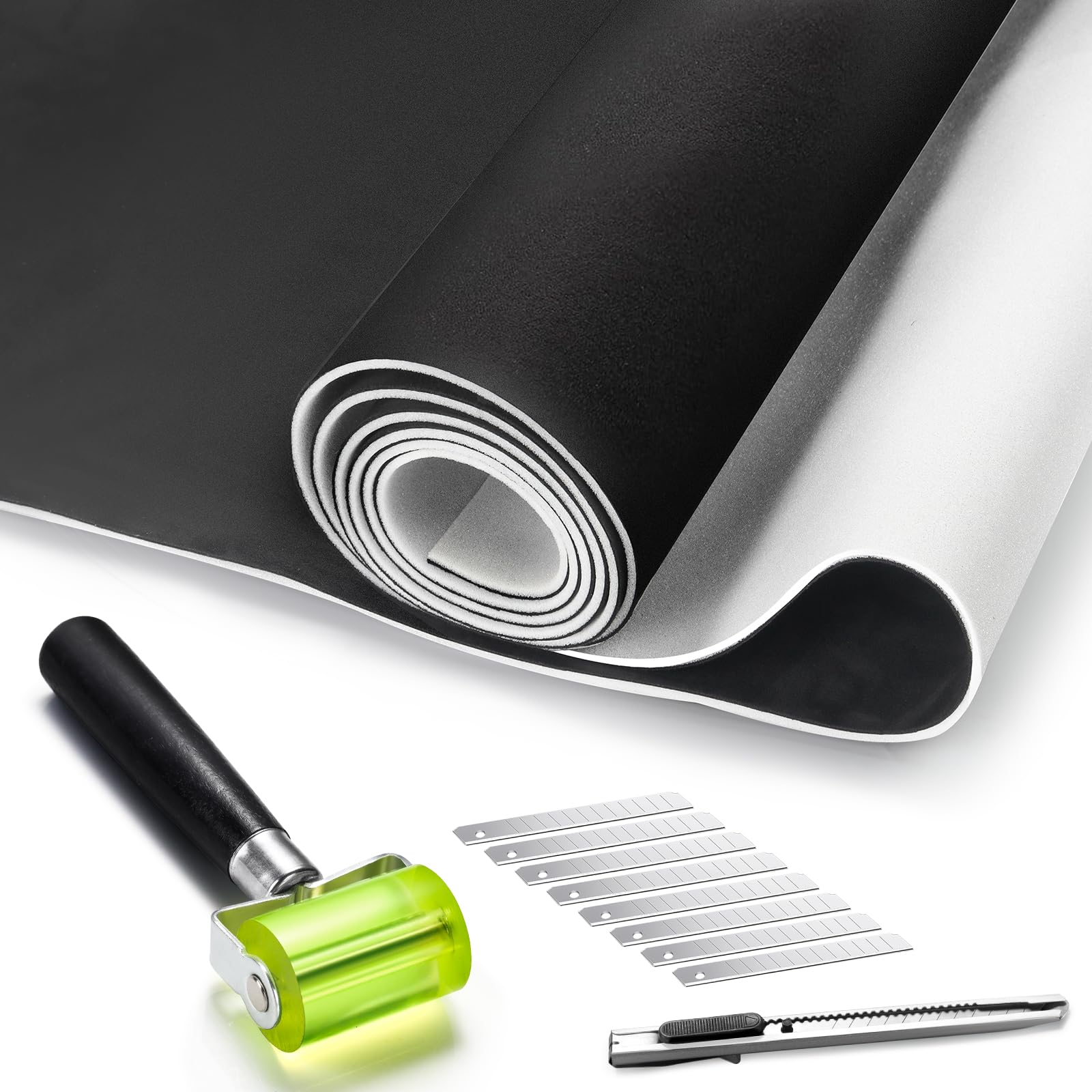
The one that arrives with a roller, knife, and blades so you can start cutting same-day
This is the only product on the list that includes the tools you need — a rubber seam roller, a utility knife, and ten replacement blades — bundled with 98 inches of 4mm foam-backed synthetic suede. For a first-time installer, that means no separate trip to the hardware store. The 4mm foam thickness is slightly thinner than the 3/16-inch options, which helps the material conform to complex headliner contours without bulging. Owners confirm that after installation, the fabric does not shrink or wrinkle, which is exactly what you want when you glue down a single large piece.
The 98-inch by 60-inch size mirrors the Babnecl length, covering full-size truck cabs in one run. A Chevy truck owner (1980s model) used 3M spray adhesive with the included roller and called the result “awesome.” The material feels well-made and handles heat well — no sagging issues reported in summer conditions. The one caution from buyers is to buy extra glue and be patient: “definitely harder than it looks. Glad I had extra.” The fabric does not play well with heavy applications of glue if you peel it back to reposition — the foam can separate if you overwork it.
With a 4.7-star average from a modest but enthusiastic owner base, this kit removes the friction of gathering tools and leaves you with less than half a roll of waste on most cabs.
The beginner-friendly edge: having the roller and knife included means you are not hunting for tools mid-project — just fabric, glue, and patience needed.
Grab it for: your first headliner swap — the included tools and forgiving 4mm foam make the learning curve manageable.
Beware: the foam separates if you peel it back after gluing, so position carefully on the first try.
7. Garifon Suede Headliner Fabric

The UV-blocking 96-inch suede that resists fading and delamination in direct sun
Extreme sunlight destroys headliner foam faster than anything else — it dries out the backing, turns it brittle, and eventually the whole panel sags. This Garifon fabric is engineered with anti-sagging and heat-resistant construction specifically to fight that degradation. The 1/8-inch high-density foam (about 3mm) stays bonded to the suede face even in hot climates. The 96-inch length covers most full-size SUVs and trucks, and the dark gray color (along with black, light gray, brown, and khaki options) gives you more interior-matching flexibility than most competitors.
Owners praise the material as “soft, premium suede” that cuts cleanly, stretches well over curves, and looks professional with basic spray adhesive. The acoustic microfibers in the suede absorb vibration and echo — the same technology that makes it good for headliners also works for door panels and speaker enclosures. A Volkswagen Beetle owner used it as both a headliner replacement and upholstery backing for seats, confirming the fabric’s dual-purpose versatility. The one recurring caution is straightforward: if you need to reposition the fabric after gluing, the foam can rip away from the cloth — so place it carefully the first time.
With quality and material topping the owner praise list (20 and 15 mentions), this is the pick for anyone parking a vehicle in a sun-soaked region or wanting multiple color choices beyond the usual black.
Strongest points
- UV-blocking foam stays intact in high-heat environments
- Five color options for OEM-matching flexibility
- Acoustic suede reduces echo and road noise noticeably
Caveats
- Foam can separate from cloth if repositioned after glue-down
- Shipped folded — needs 24-72 hours of flat lay or a low-heat steamer
Reach for it: if your vehicle lives in a hot climate, sits under direct sun daily, or needs brown/khaki instead of plain black.
Pass on it: if you tend to second-guess placement and need a foam that survives repositioning.
8. otoez 144-Inch Headliner Fabric

The 12-foot single piece that covers an RV, minivan, or boat cabin without any seam
At 144 inches (four full yards) of continuous length, this is the longest single piece on the list — enough to cover the entire roof of a large van, a short RV, or a boat cabin in one smooth stretch. The 1/8-inch foam backing uses 100% polyester flat-knit fabric, which is the same material that came in many factory headliners from the 2000s. That classic woven texture is not as plush as suede, but it is easier to clean, more durable against snags, and less prone to showing dirt. The ivory color is a warmer, lighter alternative to gray and pairs well with tan or cream interiors.
The biggest challenge here is the thickness: multiple owners note that the fabric is “unusually thick” — great for sound deadening but problematic near a sunroof mechanism. On a 2010 Jaguar XF, the extra bulk caused rubbing issues in the sunroof area. If your vehicle has a large glass roof or intricate trim, this thickness may bind. The folded shipping creases are also harder to remove from this dense material; a steamer helps but some buyers report lingering lines. On the positive side, owners of a 2004 Chevy Silverado and a 2006 Honda Accord both describe the final look as “like new” after a careful install.
The 30-day warranty from otoez is shorter than the multi-year promises from suede vendors, reflecting the more utilitarian nature of this fabric. Buy it for the sheer size and durability, not for a luxury feel.
The dimension advantage: at 144 inches, this is the only fabric that covers a long van roof or RV cabin without a seam — a critical factor if you cannot hide a splice under trim.
Grab it for: vans, RVs, boats, or long roofs where a single uncut piece is the only way to go.
Beware: the uncommon thickness can jam a sunroof track — skip this if your vehicle has a large or complex glass roof.
9. Hiksuky Auto Headliner Fabric

The tube-packed ultra-fine velvet that gives a European luxury-car roof feel
Ultra-fine velvet is what you find in high-end German sedans — a surface that is smoother and more tightly woven than suede, with a subtle sheen that catches light without glare. This Hiksuky fabric brings that look to the DIY market in a 120-inch by 60-inch piece that covers full-size SUVs and extended vans. The tube packaging is the same advantage as the Babnecl above: the material arrives flat and smooth, so you skip the crease-removal step entirely. The 1/9-inch foam backing is standard thickness, adequate for sound absorption without adding bulk that interferes with trim.
Owners describe the finish as “premium” and “deep black” that matches any interior — at least in the black variant. The color match feedback is mixed for non-black shades: the “beige” option does not match all factory beige tones, so if you need a specific hue, order a swatch first. Durability gets mixed marks: the velvet scratches more easily than suede or polyester, especially during installation if you drag tools across the surface. One owner who added fiber-optic starlights noted the material was difficult to work with for that specific application because the foam backing is compressed and can delaminate if overworked.
The foam-backing separation issue that a single owner reported — fabric separated from foam within minutes of gluing — appears rare but worth noting. Apply adhesive evenly and do not pull the fabric tight after initial contact. The rolled packaging is a significant quality-of-life improvement that makes this the easiest large-format fabric to work with from the start.
Luxury strengths
- Ultra-fine velvet texture replicates high-end OEM headliners
- Tube packaging means zero creases to remove
- 120-inch length covers the longest SUV and van roofs
Downsides to know
- Velvet surface scratches more easily than suede during install
- Foam can separate from the fabric if adhesive is applied too heavy
Choose this for: the luxury interior look — the velvet finish and flat, crease-free delivery justify the premium.
Think twice if: you are adding starlight fiber optics or have a rough install environment where scratching is likely.
Understanding the Specs
Foam Backing Thickness
The foam layer is the difference between a roof that sags after one summer and one that stays tight for years. A 1/8-inch (3mm) foam is the most common and works for most vehicles without binding trim. A 3/16-inch (4.7mm) foam gives a plusher feel and better sound deadening but can cause trouble near sunroof tracks. A 1/9-inch (2.8mm) foam is on the thinner side and easier to stretch around curves, but it offers less heat insulation. The number you need depends on your climate and whether your roof has a glass panel.
Fabric Surface and Care
Suede and micro-suede surfaces are soft, cut windshield glare, and feel luxurious, but they attract lint and require spot cleaning with a damp white cloth. Polyester flat-knit fabric is tougher, easier to wipe down, and closer to the original factory material in older cars, but it can look utilitarian. Ultra-fine velvet gives the richest visual finish and is often found in modern luxury cars, but it scratches easily during installation and is less forgiving of rough handling. Choose the level of care you are willing to live with based on how you use the vehicle.
FAQ
How do I remove creases from a folded headliner fabric?
Will any headliner fabric fit my 2005 Chevy Silverado extended cab?
What spray adhesive works best with foam-backed headliner fabric?
Can I use the same fabric to re-cover my sun visors and pillars?
How long does a DIY headliner fabric installation last?
Is suede or polyester better for a headliner in a hot climate?
What is the difference between 1/8-inch and 3/16-inch foam backing?
How do I measure my roof length correctly for ordering fabric?
Final Thoughts: The Verdict
For most buyers, the fabric for headliner winner is the Babnecl Suede Headliner because it delivers a 98-inch one-piece coverage in a tube (no creases), a soft suede finish, and a proven track record across hundreds of owners — all at a price that undercuts dealer quotes by hundreds. If you want the quietest cabin and need UV resistance for a sunny climate, grab the Garifon Suede Fabric. And for the best value in a classic woven finish that matches OEM beige interiors, the SARANDAVE Fabric is the one to reach for.
How We Picked
We do not accept paid placement. Every pick is matched to a real buyer and a real use-case; we do not hands-on test units.
Sources & Methodology
Specifications: manufacturer listings and product documentation. Review insights: verified customer reviews, as of July 2026. Pricing: not shown on this page (it changes often); check the current price via the retailer link.
As an Amazon Associate, WellFizz earns from qualifying purchases. This does not affect which products we feature.
Related Guides

Mo Maruf
I created WellFizz to bridge the gap between vague wellness advice and actionable solutions. My mission is simple: to decode the research and give you practical tools you can actually use.
Beyond the data, I am a passionate traveler. I believe that stepping away from the screen to explore new environments is essential for mental clarity and physical vitality.