Our readers keep the lights on and my smoothie glass nicely filled. As an Amazon Associate, I earn from qualifying purchases.
Specs are compiled from manufacturer listings and verified buyer reviews and can change over time — please confirm the key details on the product page before buying.
Your embroidery machine just spent twenty minutes packing thousands of stitches into a patch, and the last thing you want is for the fabric to stretch, pucker, or shred underneath. The right base for a patch needs a tight, stable weave that holds its shape under heavy stitch density and stays firm when you sew it onto a jacket or bag. This guide compares the top cotton canvas, twill, Aida, and felt options by their real-world performance for patch-making, so you can pick the one that won’t let your work down.
I’m Mohammad Maruf — the founder and writer behind WellFizz. This guide is built by comparing the manufacturers’ published specifications and the patterns across verified customer reviews, so you get each pick’s real strengths and trade-offs instead of marketing spin.
Here’s the short version: heavy cotton duck canvas wins for dense machine embroidery, twill is the smoothest for clean edges, and Aida suits counted cross-stitch patches. Keep reading to find the right fabric for embroidery patches for your specific project and stitching style.
Our Picks at a Glance

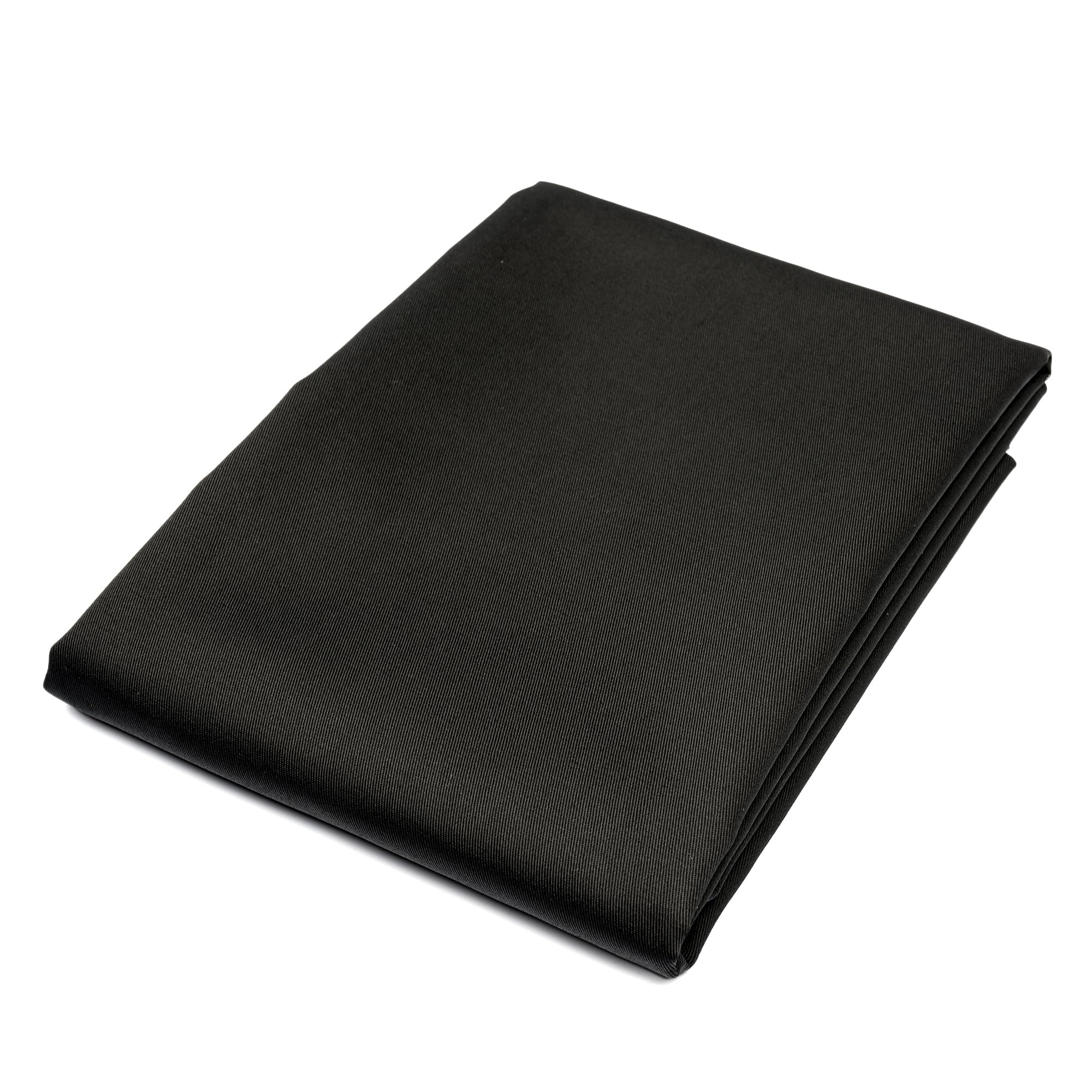

How To Choose The Best Fabric For Embroidery Patches
Patch fabric is different from regular dressmaking fabric because it has to survive thousands of stitches packed into a small area. The most important qualities are a tight weave that won’t distort, a weight that supports the design without being hard to needle, and a surface that holds color well after washing.
Weight and Thickness: The Backbone of a Patch
Fabric weight is measured in ounces per square yard, and heavier canvas (like 10oz or 12oz) gives the stability dense embroidery needs. A thicker fabric resists puckering and holds its shape when you cut around your finished patch. On the flip side, a very thick felt (like 1.8 mm) is soft and easy to cut but may lack the rigidity for sharp patch edges.
Weave Structure: Plain, Twill, or Grid
For a patch that stays flat and holds dense stitching, plain-weave cotton duck is the classic base—its interlocking threads create a sturdy, stable surface. If you want a smoother finish that drapes well, twill weave (with its diagonal pattern) is great for applique patches that need a clean edge. Aida cloth has a visible grid that counts stitches for you, perfect for counted cross-stitch, but less ideal for free-form machine embroidery.
Quick Comparison
| Model | Best For | Weight | Material | Size | Amazon |
|---|---|---|---|---|---|
| Barcelonetta Canvas★ Best Overall | Dense machine patches | 10oz | 100% Cotton | 62″ x 36″ | Amazon |
| Pico TwillSmooth Finish | Smooth applique patches | Medium | 65/35 Poly-Cotton | 60″ x 36″ | Amazon |
| M Mute CanvasHeavy Duty | Heavy-duty sew-on badges | 10oz (330GSM) | 100% Cotton | 60″ x 40″ | Amazon |
| WAFASSZD Twill | Machine embroidery for framing | 9.5 oz/sq m | 100% Cotton | 59″ x 72″ | Amazon |
| Papillon Aida | Counted cross-stitch patches | 14 Count | 100% Cotton | 59″ x 39″ | Amazon |
| iNee Cotton | Hoop embroidery with crisp edges | Heavyweight | 100% Cotton | 60″ x 20″ | Amazon |
| Caydo Cotton Pack | Beginners and color variety | Standard | 100% Cotton | 11.8″ x 11.8″ (6 pcs) | Amazon |
| XSEINO Felt | Soft decorative patches | 1.4 mm thick | Polyester Felt | 72″ x 36″ | Amazon |
| CHENGZHG Felt | Sturdy felt projects | 1.8 mm thick | 100% Polyester Felt | 36″ x 72″ | Amazon |
In-Depth Reviews
1. Barcelonetta Cotton Duck Canvas
Our pick — over 4.5★ from 450+ verified ratings; the strongest balance of quality and price.
This heavy cotton duck takes dense stitching without flinching, trusted by patch makers for its tight, sturdy weave—so your patch stays firm even under heavy embroidery.
For embroidery patches, the standout feature here is the 10oz weight — heavy enough to support thick, dense stitch columns without the fabric warping. The threads are woven so tightly that the fibers stay put, which is exactly what you need when your needle is punching through the same area dozens of times. Buyers confirm it “stitched great and held up” for dense embroidered patches, proving this canvas handles heavy stitch loads.
This is one of the largest rolls on our list at 62″ wide, giving you a generous cutting area for multiple patches from a single yard. The natural color takes dye well if you want custom shades, and it bonds cleanly to fusible backing for iron-on patches. The interlocking weave adds strength, so the edges of your finished patch resist fraying and wear.
Compared to the narrower iNee cotton below (60″ x 20″ vs 62″ x 36″), this Barcelonetta offers a larger cutting surface per piece, making it the better value when you’re producing patches in bulk. Some owners note it needs waterproofing for outdoor DIY uses, but for patches that’s rarely a concern.
Why Patch Makers Love It
- 10oz weight prevents puckering under dense stitching
- Tight weave holds shape and resists fraying
- Large 62″ width boost how many patches you can cut
Consider This First
- Heavier weight means hand-sewing through it takes more effort
- Unbleached natural color may not suit projects needing pure white
Your patch base: This is the crowd favorite for a reason—a sturdy canvas that holds dense embroidery beautifully, so your design stays crisp and doesn’t pucker.
Think twice if: You need a soft, drapey fabric for delicate hand embroidery rather than a stiff, structured base.
2. Pico Textiles Poly Cotton Twill
A medium-weight twill that’s become a secret favorite for machine-embroidered patches, praised for holding its weight with stabilizers.
The defining trait of this twill is its 65% polyester / 35% cotton blend, which gives it a smooth, stable surface that’s ideal for machine embroidery patches. Buyers report the weight suits patches perfectly, with minimal shrink and no black dye bleed after washing. The twill’s diagonal weave helps needle penetration feel smooth while keeping the patch structure firm.
At 60″ wide, this gives you a solid workable area, and the medium weight means it’s easier to sew through than a heavy canvas. The dark colors hold their depth, making it a reliable base for uniform patches where colorfastness matters. Owners also note it stands up to wear and tear, which is crucial for patches that get washed repeatedly.
One honest caveat is that one buyer found it puckered slightly despite a good stabilizer, though most reports praise how well it handles dense embroidery. If you’re making applique patches with clean, smooth edges, this twill’s surface is noticeably smoother than the rougher duck canvas above.
Patch perfection: The smooth twill surface and medium weight make this a top-tier choice for machine embroidery where you want minimal texture.
Fair warning: Available in a variety of bolt sizes.
3. M Mute Touch Heavy Duty Canvas
A precut heavyweight canvas with an ultra-tight weave built to survive years of use, whether on patches or tote bags.
This canvas comes in a standard 10oz (330GSM) weight, giving you a thick, sturdy base that holds its shape perfectly without sagging. The ultra-tight, consistent weave offers exceptional tear resistance, which is exactly what you want for a sew-on badge that gets tugged and pulled. Owners mention it sews easily on a standard household machine, a real plus for a fabric this sturdy.
The precut 60″ x 40″ size means you don’t have to measure and cut from a bolt, so you can start your patch project immediately. It’s also free of harsh chemicals, making it a safe choice for projects around the house. For patches, this heavyweight base gives you a crisp, flat surface that resists the distortion dense stitching can cause.
Compared to the Pico twill above, this canvas is noticeably heavier and stiffer, making it the better pick for patches that need to stand up to rugged use. The main trade-off is the fabric’s stiffness, which some may find harder to hoop tightly for embroidery.
Built to last: A 10oz cotton duck with a tight weave that owners say will last years, perfect for rugged sew-on patches.
One note: Some buyers found the size slightly off from advertised, so measure before cutting your most important pieces.
4. WAFASSZD Twill Cotton Canvas

A 100% cotton twill that’s thicker than muslin, giving machine embroidery a stable base that frames up beautifully.
This fabric weighs about 269 grams per square meter (9.5 oz), putting it in the medium-to-heavy range that works well for machine embroidery. It’s sturdier than a basic muslin, so it holds its structure when you’re stitching dense designs. Customers note it works great for framed machine embroidery, staying flat and true throughout the process.
At 59″ wide by 2 yards long, you get a generous piece for cutting multiple patches or a larger project. It takes dye well if you want a custom color, and it’s easy to iron for a smooth start. The twill weave gives it a softer hand than a duck canvas while still offering good stability.
Compared to the heavier canvas picks, this one is slightly lighter and softer, making it a good middle ground between the stiff 10oz canvas and a flimsy muslin. While it’s praised for machine embroidery framing, those wanting a rigid patch base might prefer the heavier Barcelonetta.
Mid-weight balance: At 9.5oz, this cotton twill balances softness and stability, ideal for machine embroidery projects where you want a flexible but sturdy patch.
Keep in mind: The lighter weight means it’s better for framed embroidery than for hard-wearing sew-on patches.
5. Papillon 14 Count Aida Cloth

The grid-structured Aida cloth that makes counted cross-stitch patches a breeze, with a firm texture that stitches cleanly.
This 14 count Aida cloth has a clear grid structure that guides your stitches into perfect alignment, making it ideal for counted cross-stitch patches and needlepoint. The firm texture means you can stitch with or without a hoop, giving you flexibility in how you work. At 59″ x 39″, there’s plenty of material for multiple projects, and it cuts cleanly into any size you need.
The 100% cotton construction is soft yet durable, and it’s washable and reusable for long-term use. Buyers praise the weave as even, with holes large enough for easy needle passage. Some note the white has a slight blue tinge compared to other brands, but it’s a small quibble for most stitchers.
Unlike the solid canvas options, Aida’s visible grid is its superpower — it counts your stitches for you. However, that grid structure is visible in the finished product, so it’s not the best base for free-form machine embroidery where you want a smooth, solid surface.
Stitch guide: The 14 count grid makes this the go-to for counted cross-stitch patches where precision matters.
Watch for: The slight blue tint in the white color may not match your expected shade of white.
6. iNee 100% Cotton Embroidery Fabric

A heavyweight cotton that’s “nice and thick but not so thick that the needles have any trouble going through it.”
The standout quality of this iNee cotton is its perfect thickness — heavy enough to keep fabric from pulling in the hoop, yet not so dense that your needle struggles. This balance is exactly what you want for clean, consistent embroidery patches. The tight, small weave holds the fabric firm without needing iron-on fusing for many projects.
Owners describe the white as crisp and the texture as soft, with the fabric holding firm in hoops without shifting. The 60″ x 20″ piece is narrow, which is note if you’re planning larger projects. It’s ideal for classes, samples, and standard hoop sizes.
Compared to the larger Barcelonetta canvas, this piece offers a smaller cutting area (60″ x 20″ vs 62″ x 36″), so it’s better suited for a few patches rather than bulk production. One reviewer noted the narrow width prevents its use for larger designs, so consider your patch sizes before committing.
Just right: This cotton hits the balance of thickness for hoop embroidery, with a tight weave that holds firm—so your hoop doesn’t slip and your stitches stay even.
Size note: The narrow 20″ width limits how large a single design you can fit, so plan your patches accordingly.
7. Caydo 6-Color Cotton Embroidery Pack

A six-color cotton starter kit with water-soluble pens, perfect for learning embroidery without the hassle of sourcing multiple supplies.
This set gives you six 11.8″ x 11.8″ cotton squares in black, white, sky blue, navy blue, army green, and beige, plus five water-soluble marking pens. It’s a complete beginner bundle that lets you experiment with color without buying separate materials. The fabric is washable and colorfast, with owners noting “the colorfastness when washed” is a highlight.
The cotton is thick enough to hold a tight hoop, and the fabric quality earns the most consistent praise. The included pens dissolve in water, so you can mark your design and wash it away cleanly. This is a low-commitment way to test different colors and techniques before investing in larger cuts.
Compared to buying single large pieces, this pack trades total area for variety — each square is only 11.8″ x 11.8″, so it’s best for small patches and practice projects. The edges fray easily, so you’ll want to treat them or keep your patches well within the borders.
Perfect starter: A six-color assortment with marking pens makes this the easiest entry point for embroidery beginners.
Small scale: The 11.8″ squares limit you to smaller patches, and the fabric frays if you don’t treat the edges.
8. XSEINO Large Felt Fabric
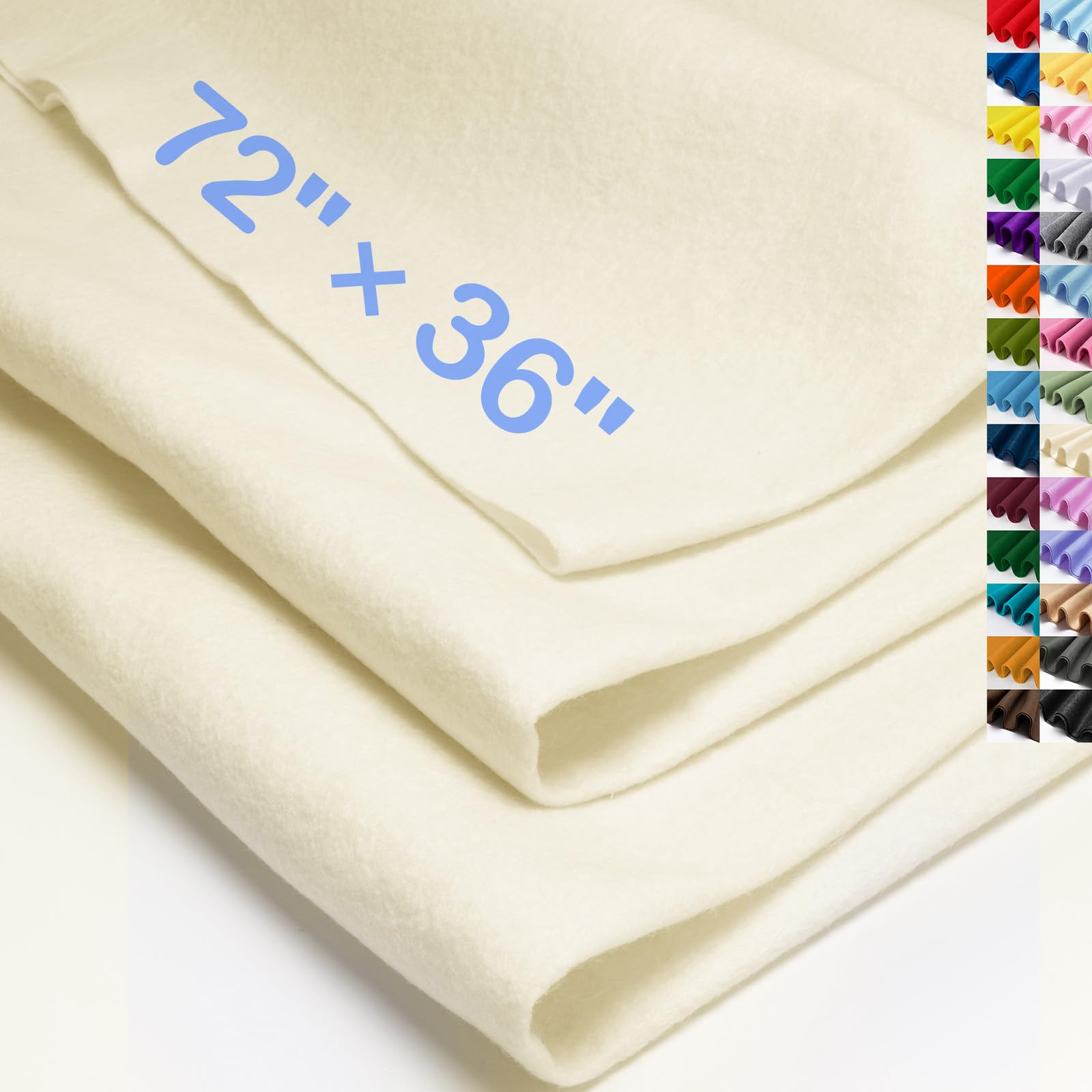
A soft, thick polyester felt that’s a joy to cut and sew, with smooth edges and a gentle hand for decorative patches.
This felt is crafted from high-quality polyester fiber, giving it a soft texture that resists fading and cuts cleanly with standard scissors. The 1.4 mm thickness provides enough body to hold shape while staying easy to work with, making it great for decorative patches and applique. The large 72″ x 36″ single piece covers a lot of ground for its price.
Owners praise its softness and sturdiness, using it for everything from bulletin boards to model railroad displays. Because felt doesn’t fray, it’s an excellent choice for patches that need clean, raw edges without hemming or finishing. The smooth, even edges mean you can cut intricate shapes without the fabric unraveling on you.
Unlike woven canvas, felt has no weave structure, so it’s better suited for applique or glued patches than heavy machine embroidery. The Velcro compatibility is also mixed, with one owner finding patches didn’t stick as well as on other felt, so test your Velcro backing before committing.
Soft and sturdy: This felt is a favorite for its softness and clean-cut edges, perfect for decorative applique patches.
No weave: It’s not built for heavy machine embroidery, and Velcro adhesion can be inconsistent.
9. CHENGZHG 1.8mm Felt Fabric

A thicker-than-usual felt with tightly compressed fibers that resist fraying and hold their shape through any project.
This felt stands out at 1.8 mm thick, notably thicker than standard felt, which makes it sturdy and resistant to fraying. The tightly compressed polyester fibers hold their shape well and conform to project contours without stretching or sagging. Owners find they can get clean cuts with ordinary fabric scissors, yielding professional-looking edges.
The soft, smooth texture is easy to work with, and it’s been praised for everything from Christmas stockings to lining antique cabinet shelves. Because it’s cut by the yard at 36″ x 72″, you get a substantial piece for your money. It’s spot clean or hand wash only, so factor that into your patch care routine.
Compared to the XSEINO felt above, this one is thicker at 1.8 mm versus 1.4 mm, which some might find easier to handle and more durable. It’s a solid choice for felt-based patches and crafts, though the extra thickness means it’s less flexible for intricate folding or shaping.
Thick and reliable: The 1.8mm thickness makes this felt sturdy, fray-resistant, and easy to cut into clean shapes.
Thickness caveat: Heavier than standard felt, so it’s less pliable for projects that need a lot of draping or folding.
Understanding the Specs
Fabric Weight (oz/sq yd)
This number tells you how heavy and sturdy the fabric is. A 10oz canvas is thick and stable, perfect for dense machine embroidery that needs a firm base. Lighter fabrics are easier to needle but may pucker under heavy stitching, so match the weight to your stitch density.
Weave Type
Plain-weave duck canvas has interlocking threads that create a strong, stable surface. Twill has a diagonal pattern that’s smoother and drapes better. Aida has a visible grid for counted stitching. Each weave changes how your needle moves and how the finished patch feels.
FAQ
What is the best fabric weight for machine embroidery patches?
Can I use felt to make embroidered patches?
What is the difference between cotton duck and twill for patches?
Does Aida cloth work for machine embroidery patches?
How do I prevent my fabric from fraying when making patches?
What is a water-soluble pen and how is it used?
Will my fabric shrink after washing?
Can I dye my own patch fabric?
How much fabric do I need for a patch project?
Is iron-on or sew-on better for patches?
Final Thoughts: The Verdict
Across the board, the fabric for embroidery patches winner is the Barcelonetta Cotton Duck Canvas because its 10oz weight and tight weave give you the stable base that dense patch embroidery demands. If you want a smooth finish for applique patches, grab the Pico Textiles Twill. And for counted cross-stitch work, the Papillon Aida Cloth is the one to reach for with its precision grid.
How We Picked
We do not accept paid placement. Every pick is matched to a real buyer and a real use-case; we do not hands-on test units.
Sources & Methodology
Specifications: manufacturer listings and product documentation. Review insights: verified customer reviews, as of August 2026. Pricing: not shown on this page (it changes often); check the current price via the retailer link.
As an Amazon Associate, WellFizz earns from qualifying purchases. This does not affect which products we feature.
Related Guides

Mo Maruf
I created WellFizz to bridge the gap between vague wellness advice and actionable solutions. My mission is simple: to decode the research and give you practical tools you can actually use.
Beyond the data, I am a passionate traveler. I believe that stepping away from the screen to explore new environments is essential for mental clarity and physical vitality.