Our readers keep the lights on and my smoothie glass nicely filled. As an Amazon Associate, I earn from qualifying purchases.
Specs are compiled from manufacturer listings and verified buyer reviews and can change over time — please confirm the key details on the product page before buying.
If a daily run or walk leaves your feet, knees, or hips sore for hours, the shoe—not your conditioning—is the problem.. An easy run shoe uses generous cushioning to soak up impact so you can log mile after mile without feeling beat up.. This guide cuts through the noise to help you find the right balance of squish, support, and weight for your body..
I’m Mohammad Maruf — the founder and writer behind WellFizz. This guide is built by comparing the manufacturers’ published specifications and the patterns across verified customer reviews, so you get each pick’s real strengths and trade-offs instead of marketing spin.
The best easy run shoes deliver soft landings without slowing you down.. easy run shoes should cradle your foot from the first step to the final block.
Our Picks at a Glance
How To Choose The Best Easy Run Shoes
An easy run shoe lives and dies by its midsole. That is the thick layer of foam between your foot and the pavement. You want it soft enough to absorb shock but firm enough to feel stable on each stride. The wrong foam leaves you either bottoming out or pounding the ground.
Stack Height and Drop
Stack height is the total thickness of the sole under your heel. More stack usually means more cushion and protection from hard pavement. Drop — the difference between heel height and toe height — changes how your foot lands. A standard 10mm or 8mm drop suits heel-strikers best, while very low drops like 4mm or zero shift the workload to your calf and Achilles. Pay attention here: A mismatched drop can strain your calves, Achilles, or knees..
Quick Comparison
| Model | Best For | Heel Drop | Weight | Cushion Type | Amazon |
|---|---|---|---|---|---|
| ASICS NOVABLAST 4★ Best Overall | Best Overall | — | 1.44 lbs | Trampoline-inspired | Amazon |
| New Balance Fresh Foam 680 v9Best Value | Best Value | — | — | Fresh Foam | Amazon |
| Saucony Ride 18Top Performer | All-Rounder | 8mm | 9.1 oz | PWRRUN+ | Amazon |
| ASICS Gel-Cumulus 27 | Premium Cushion | — | — | FF BLAST+ / PureGEL | Amazon |
| Brooks Trace 4 | Roomy Toe Box | 12mm | 8.1 oz | Soft Protective | Amazon |
| Saucony Triumph 22 | Long Runs | — | — | PWRRUN+ | Amazon |
| ALTRA Torin 8 | Zero Drop / Wide | 0mm | 8.4 oz | EGO MAX | Amazon |
| New Balance FuelCell Rebel v5 | Bouncy & Fast | — | — | FuelCell | Amazon |
| Brooks Ghost 18 | Premium Stability | 10mm | 10.3 oz | Balanced Soft | Amazon |
In‑Depth Reviews
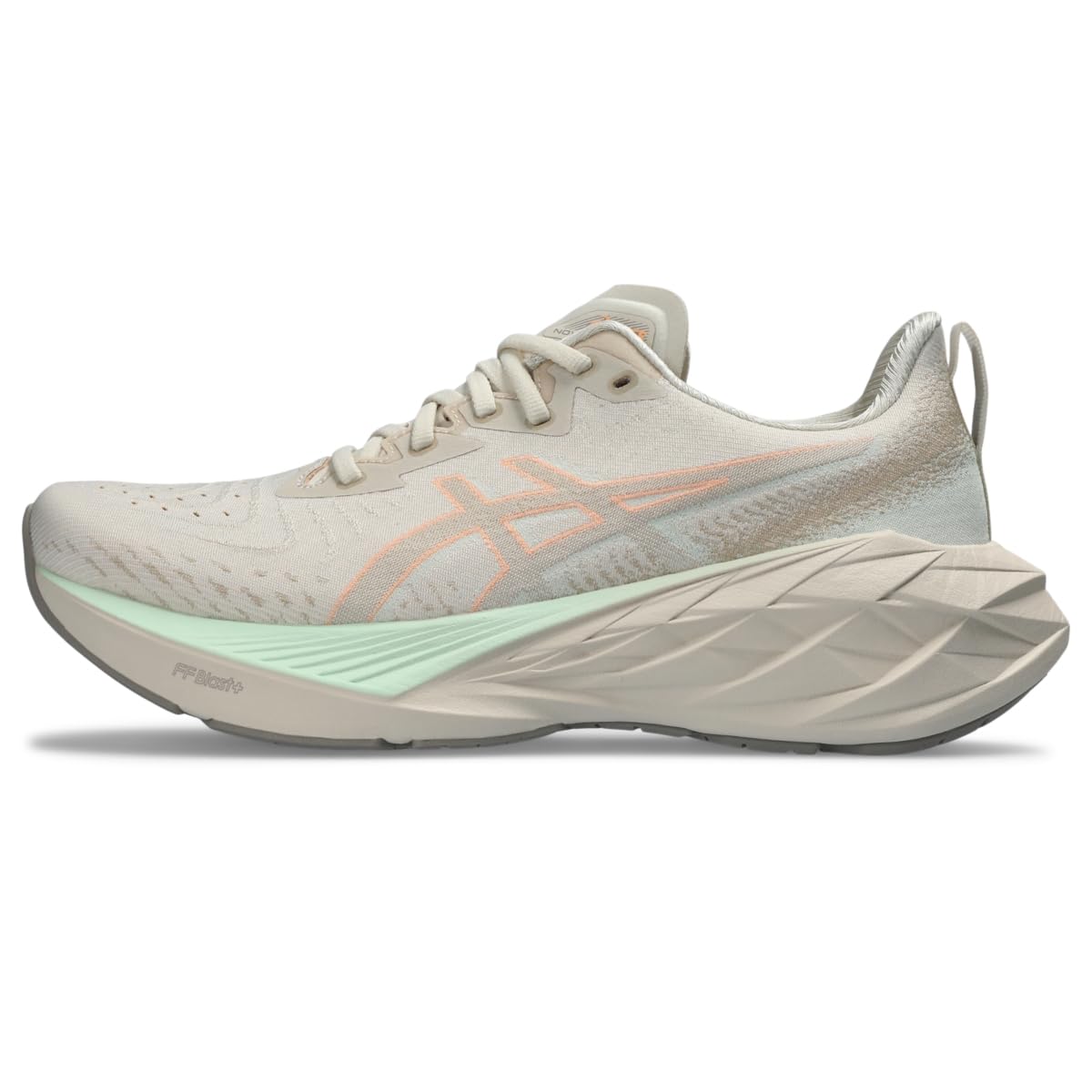
1. ASICS Novablast 4
Our pick — over 4.5★ from 950+ verified ratings; the strongest balance of quality and price.
The everyday trainer that feels like a trampoline underfoot — bouncy, light, and wildly popular.
The NOVABLAST 4 gets the top spot because its trampoline-inspired midsole gives every step a springy pop that no other shoe here matches. At just 1.44 pounds (653g) per pair, it is among the lightest daily trainers you can buy — so light that a 10km (6.2-mile) recovery run feels like half the distance. what separates it from the New Balance Fresh Foam 680 v9 is the pop: the NOVABLAST 4 compresses and rebounds with noticeable energy, while the 680 v9 offers a softer, more plush feel without the bounce. Buyers consistently praise the all-day comfort, with many noting that feet feel fresh even after logging miles in the double digits.
Flat-footed runners and those whose feet roll inward (overpronation) find the support genuinely useful — one buyer working 12-hour hospital shifts reported that the bounce reduced their pain significantly. The trade-off is wet-surface grip: the sole can feel loose on slick pavement, so take corners carefully in rain. It also runs slightly large for some, so consider sizing down if you are between sizes.
The Bounce Factor
- Trampoline-inspired midsole gives each step a springy, energetic feel
- Among the lightest daily trainers at 1.44 lbs — easy to forget you are wearing them
- Ample toe room with no blistering reported even on long runs
The Honest Trade-offs
- Outsole grip is weaker on wet pavement; best avoided in heavy rain
- Light colors show dirt fast, so keep them on road duty only
- Runs slightly large for some; consider sizing down if between sizes
Reach for these if: you want a lightweight, high-energy daily trainer that makes every run feel playful and fast.
Think twice if: most of your runs happen on wet or slippery surfaces — you will want a shoe with more aggressive tread.
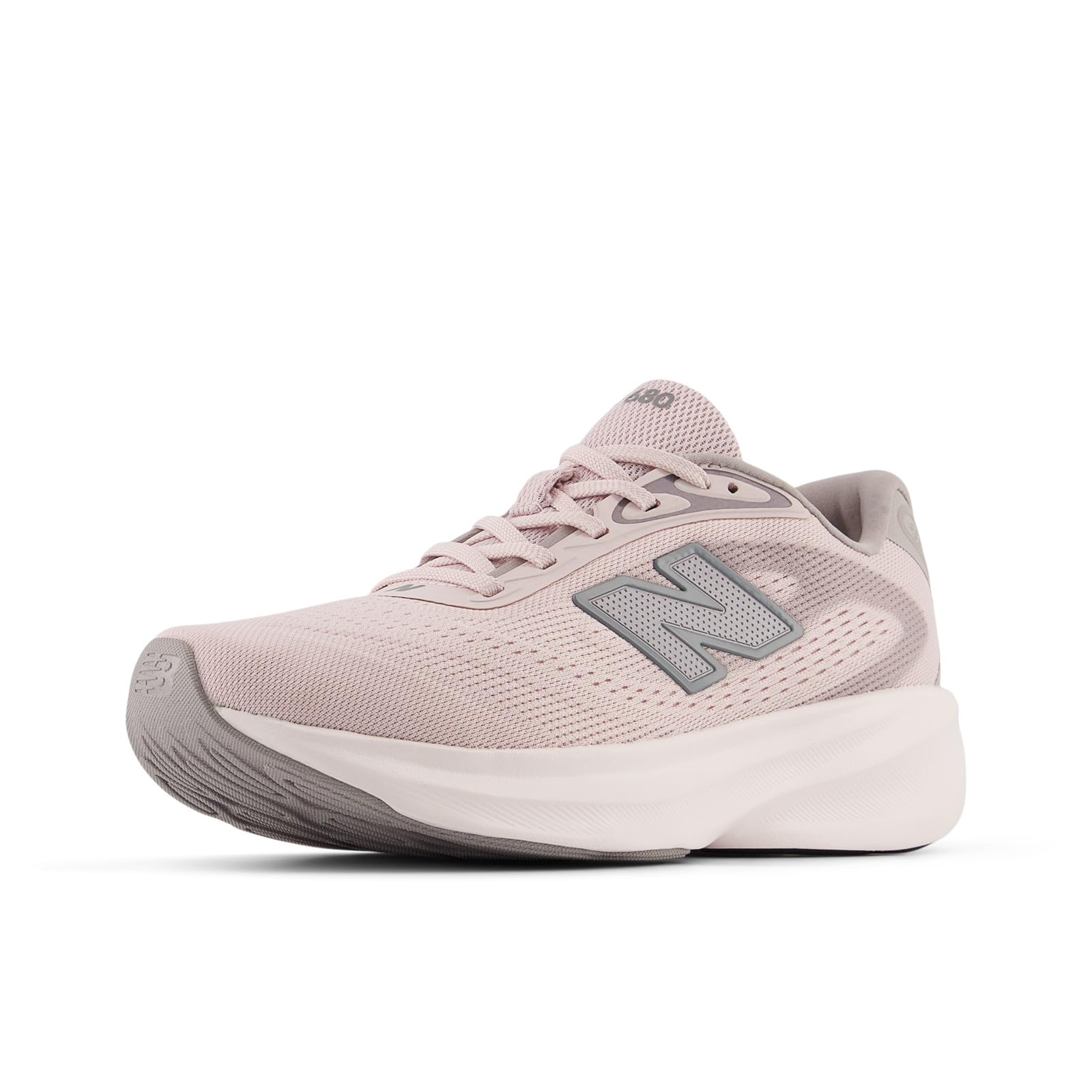
2. New Balance Fresh Foam 680 v9
Plush, no-nonsense daily comfort that costs less than most — and fits narrow feet beautifully.
The 680 v9 delivers what few budget-friendly shoes can: a genuinely soft Fresh Foam midsole that feels plush straight from the start. Buyers report walking about 7 miles a day in these and making them their walking shoe of choice. The mesh upper breathes well so your feet stay cool on warm runs, and the rubber outsole provides reliable grip on pavement and treadmill belts. Owners call the fit “spot on” and note plenty of room for the toes — a contrast to the Saucony Ride 18’s snugger toe box.
It handles high arches well, owners mention, and comes out of the wash looking like new. The main annoyance is the laces: they can slip during a run and require a double knot to stay put. If you want a reliable daily companion without spending for premium foam, this is the pick.
Why it works: The Fresh Foam midsole offers soft, lightweight cushion that feels good from mile one without a break-in period.
The one annoyance: Laces are prone to coming undone during activity — plan on double-knotting or swapping in aftermarket laces.
Best suited for: runners and walkers on a budget who need a reliable, cushioned shoe for daily pavement pounding.
Skip if: you need a super responsive shoe for speed work — this is built for cruising easy miles, not intervals.
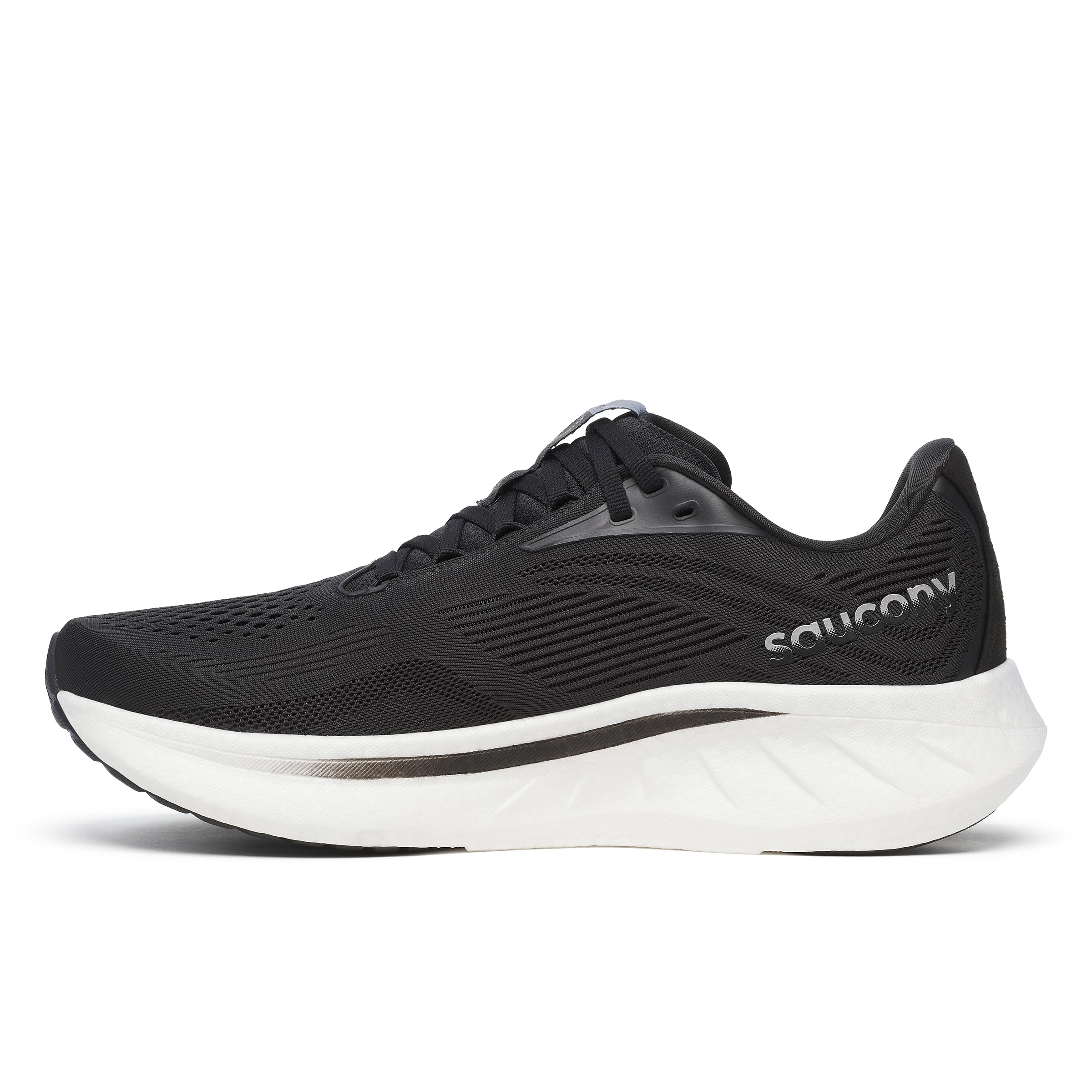
3. Saucony Ride 18
Lighter, softer, and more responsive than its predecessor — a true do-it-all daily runner.
The Ride 18 is calibrated for control. Its reformulated PWRRUN+ foam is lighter and softer than the previous version while returning more energy on push-off, giving you a gentle spring with every stride. It weighs 9.1 ounces (259g) with an 8mm drop (35mm at the heel, 27mm at the toe), a standard platform for neutral daily training. Compared to the ASICS NOVABLAST 4, the Ride 18 is calmer and more stable — it trades some trampoline-like bounce for a smoother, more predictable ride that owners say is excellent for speed work and shorter runs. The toe box has plenty of space, and the engineered mesh upper breathes freely. Several customers note the Ride 18 helped resolve plantar fasciitis pain.
The heel collar can feel tight for those with Achilles issues, and durability gets mixed feedback from owners — outsole wear is typical for a performance foam shoe.
What Stands Out
- Reformulated PWRRUN+ foam is lighter and more responsive than the 17
- 8mm drop and 35/27mm stack provides a neutral, natural stride platform
- Spacious toe box works well for wide feet and those needing room to splay
What to Watch For
- Heel collar can be tight and uncomfortable for runners with Achilles tendonopathy
- Durability gets mixed feedback from owners — expect outsole wear over high mileage
Perfect for: neutral runners who want one shoe for daily easy miles, tempo runs, and gym sessions without swapping pairs.
Not ideal if: you have a history of Achilles or heel pain — the snug heel counter may aggravate it.
4. ASICS Gel-Cumulus 27
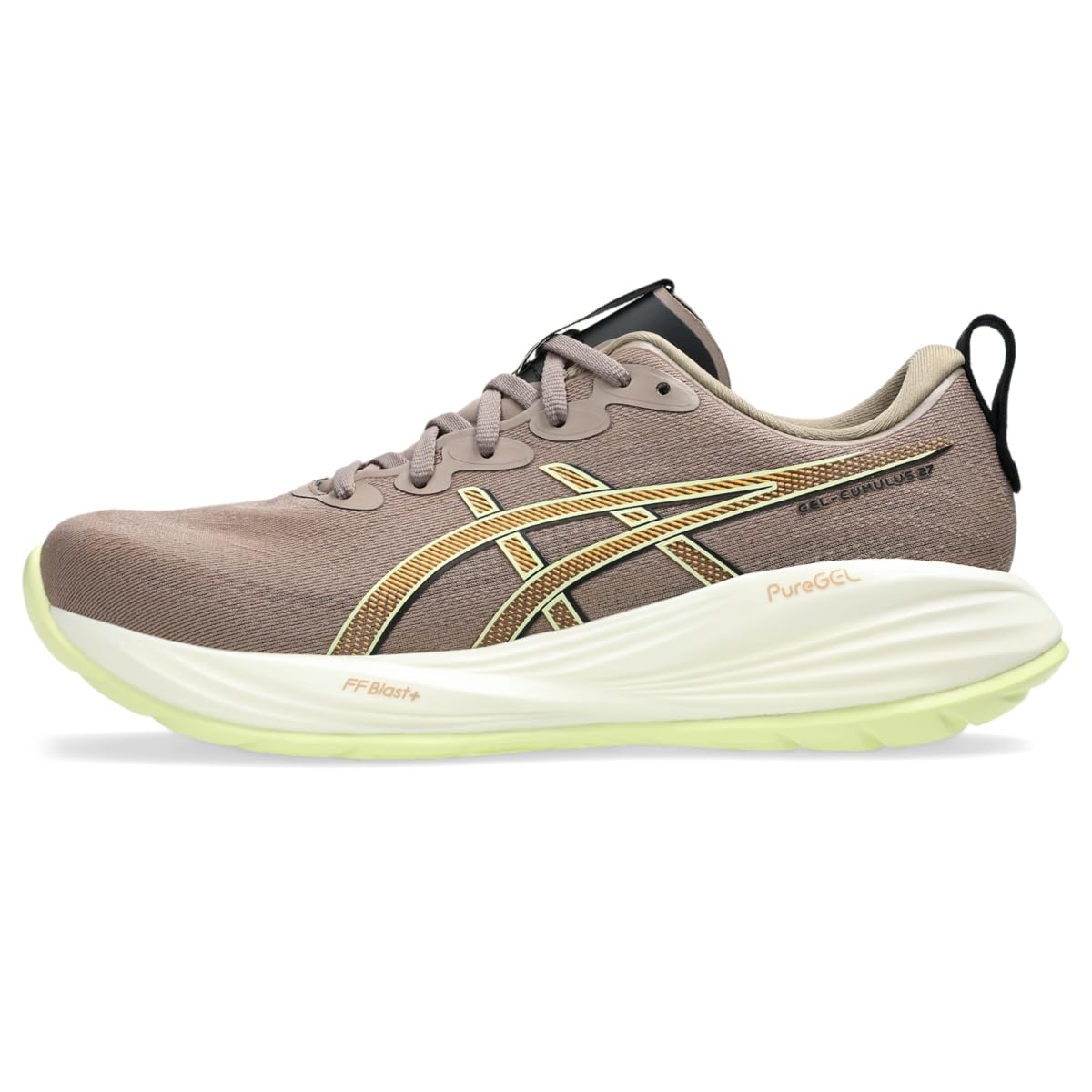
PureGEL technology meets plush FF BLAST+ foam — a joint-friendly ride for recovery and daily miles.
The Gel-Cumulus 27 is the shoe to pick when joint protection is your top priority. ASICS places PureGEL inserts (a soft, shock-absorbing gel) in the heel to absorb impact on every landing, while the FF BLAST+ foam midsole adds a soft, bouncy platform under your entire foot. Over a hundred owners mention comfort as the top trait, with many noting it reduced foot and lower back fatigue. The toe box is slightly larger than average, which prevents toe mashing on downhills — a difference from the Saucony Ride 18’s more tapered fit.
The tongue is thin with little padding, which can create pressure across the top of your foot if you have high arches (looser lacing helps). The outsole uses foam rather than solid rubber in some areas, so heavy heel-strikers may see faster wear.
Joint-saving tech: PureGEL inserts at the heel absorb impact significantly, protecting knees and hips on hard pavement.
Minor fit note: High-arched runners may feel the thin tongue pressing on the top of the foot — lacing loosely resolves it.
Who needs this: runners recovering from joint pain or those who log high weekly mileage on concrete and want maximum shock absorption.
Better to pass if: you prefer a low, ground-hugging feel — this shoe’s stack height lifts you up noticeably.
5. Brooks Trace 4
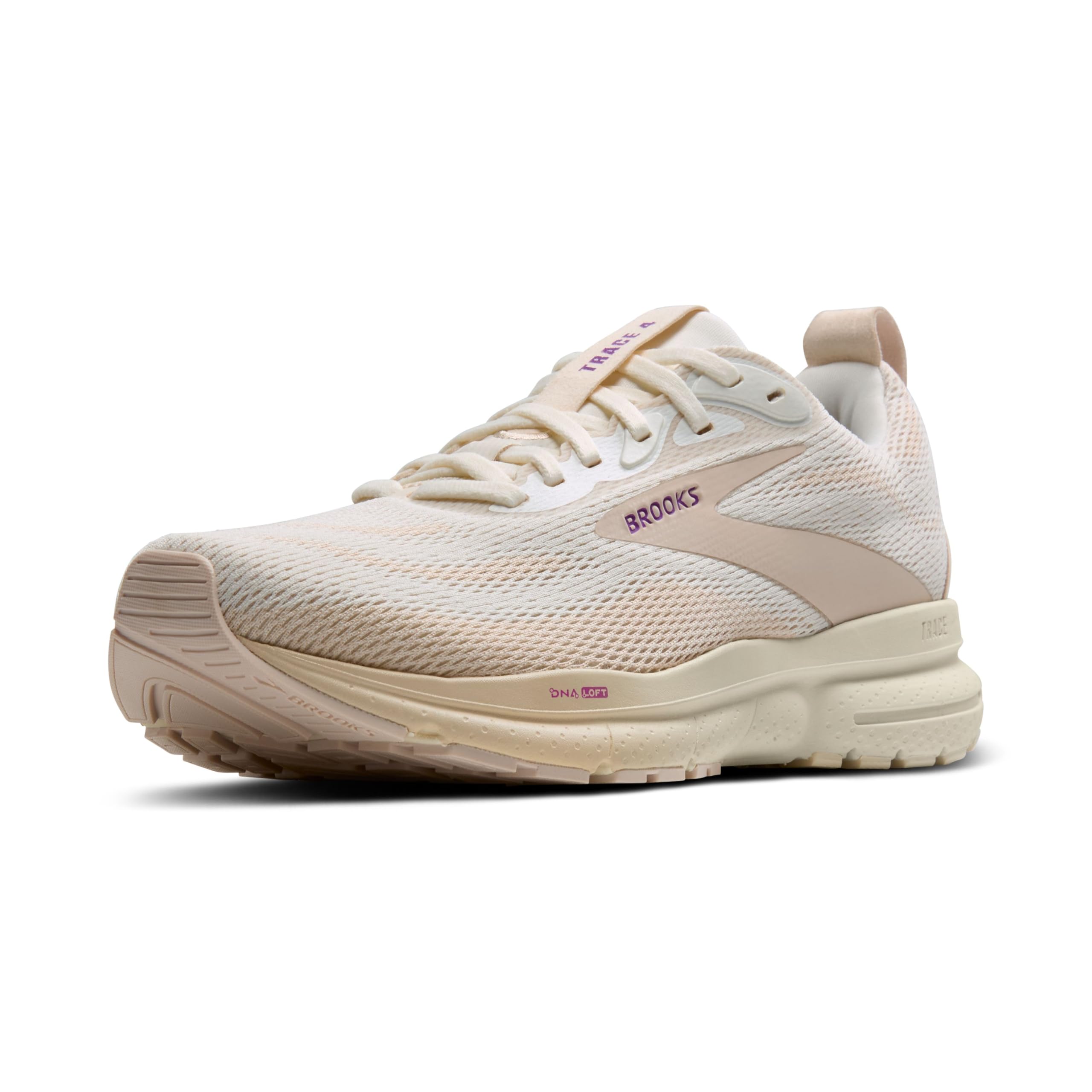
A featherlight Brooks with a generous toe box that lets your toes spread naturally on every stride.
The Trace 4 is the lightest shoe in this lineup at just 8.1 ounces (229.6g) — noticeably lighter than the ASICS NOVABLAST 4’s 1.44 pounds. Its 12mm drop is the highest here, making it a natural fit for heel-strikers who want a pronounced ramp. Buyers with wide feet or a history of cramped toes say this shoe has “plenty of room at the front” and fits great from the start. Comfort earns over 130 mentions from owners, who say they can walk 10 hours without pain.
The 12mm drop is its defining trait — it is not for runners transitioning to low-drop or zero-drop shoes. If you land mid-foot or forefoot, you will feel the ramp. The cushion is standard, not plush; some want more softness underfoot for longer miles.
Why Owners Love It
- Very lightweight at 8.1 oz — easy to forget you are wearing them
- Wide toe box suits runners with broader feet or past toe blisters
- High 12mm drop is excellent for heel-strikers who want heel cushion
The Catch
- Drop is 12mm — not ideal for mid-foot or forefoot strikers
- Cushioning level sits at standard, not plush; some want more underfoot softness
Ideal for: new runners, heel-strikers, or anyone who needs a roomy toe box in a lightweight package.
Pass on these if: you prefer low-drop shoes (8mm or less) or demand max cushion for ultra-long distances.
6. Saucony Triumph 22
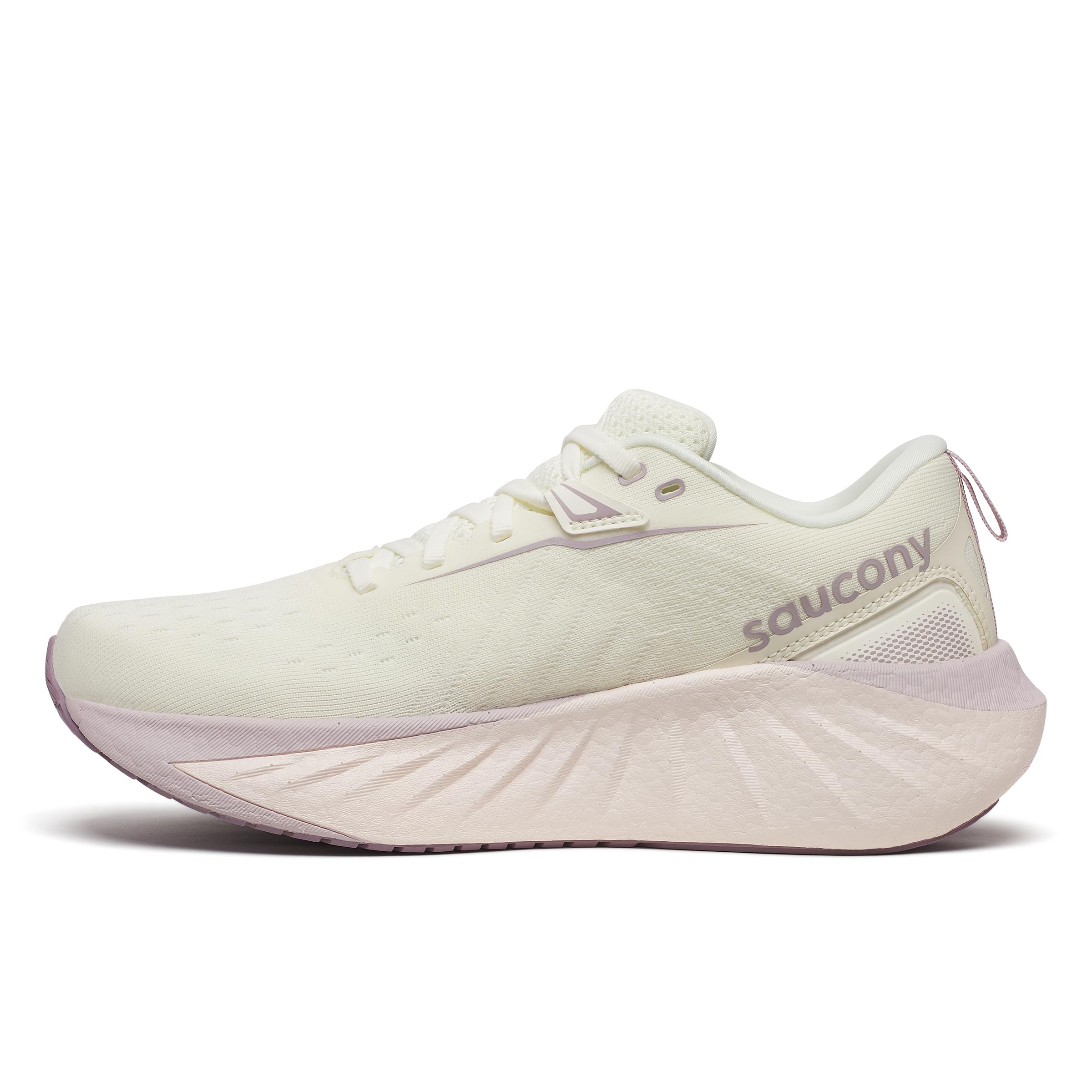
The max-cushion companion for marathon training — plush enough to keep legs fresh beyond mile 20.
The Triumph 22 is the shoe to choose when your only priority is keeping joints happy at high mileage. Its PWRRUN+ foam is denser and more luxurious underfoot than the Ride 18’s, creating a “walking on air” feel that owners describe as springy and bouncy even after heavy leg workouts. One dedicated owner reported putting 300 miles on a pair and said the cushioning stayed intact — outlasting Hoka Cliftons, Bondis, and the Brooks Glycerin. After a marathon, they noted these left their feet feeling the least beat-up of any shoe they had tried. The toe box is generous enough for those with Morton’s neuroma (a nerve condition where narrow toe boxes cause pain).
The outsole struggles on trails, ice, and wet roads — keep these on pavement. Some owners find the midfoot narrower than expected, so choose the wide sizing if needed. The price is premium, but for a shoe that can go 300+ miles without losing its plushness, the per-mile value is strong.
The marathon edge: owners say this shoe leaves legs feeling fresher than any other shoe after a full 26.2-mile race.
The traction downside: the outsole is smooth pavement rubber — avoid wet leaves, ice, and dirt trails to stay upright.
Best for: long-distance runners and marathoners who want maximum cushioning that lasts 300+ miles without breaking down.
Not for: trail runners or anyone who regularly runs in wet conditions — the grip is pavement-only.
7. ALTRA Torin 8
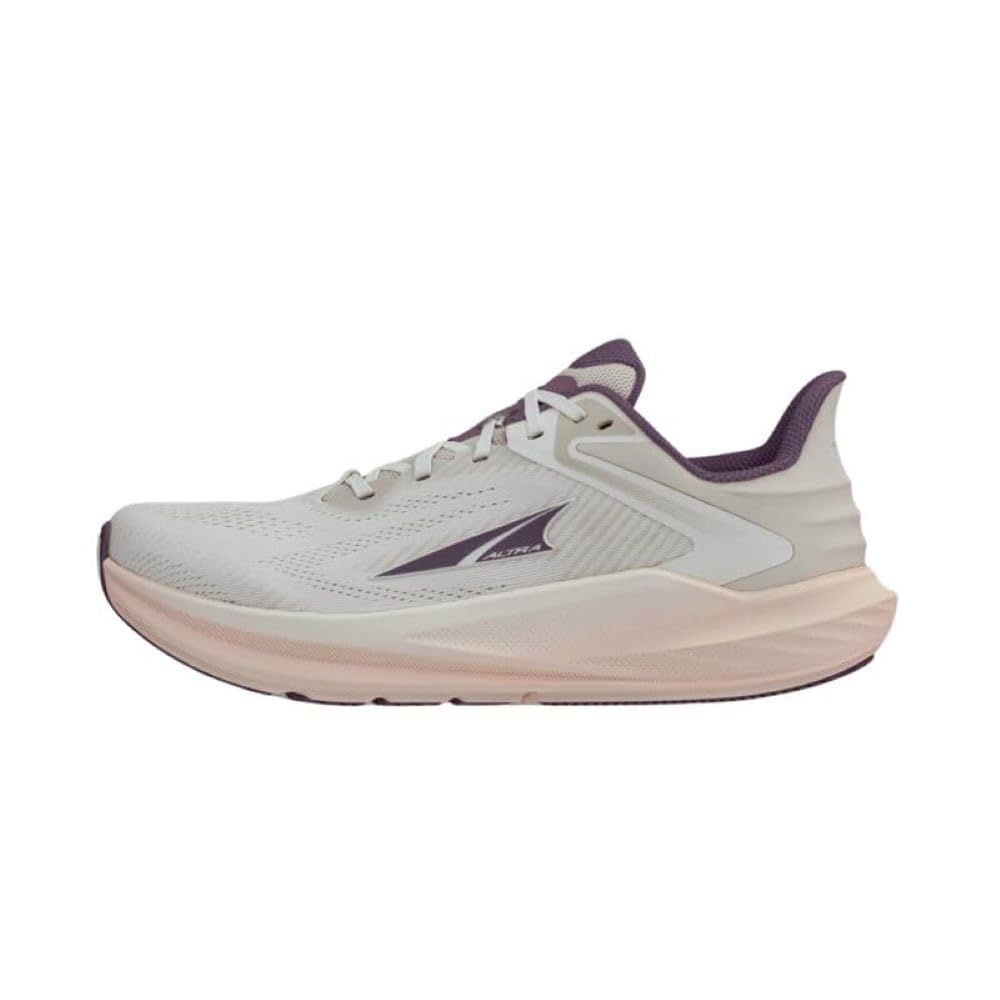
The zero-drop pioneer with a foot-shaped toe box — lets your toes splay naturally for a more grounded stride.
The Torin 8 is for runners who want their feet to move naturally. It has a wide, square FootShape toe box (allowing each toe to spread and grip) and a zero-drop platform — the heel and toe are both at 30mm, so your body stays aligned. Reviewers point out it resolved 18 months of plantar fasciitis after switching. The EGO MAX foam is lightweight and plush without being squishy, giving you a grounded feel with enough cushion for road miles. Comfort earns over 200 mentions — more than any other shoe here.
The adjustment is real: if you have worn standard 8-12mm drop shoes, your calves and Achilles will feel the zero-drop transition for the first week or two. The heel fit is divisive — some find it slips or feels stiff. Sizing runs small, so plan to go up half a size.
What Makes It Special
- Wide FootShape toe box lets your toes spread fully for natural stability
- Zero-drop (30mm/30mm) promotes better posture and may relieve plantar fasciitis
- EGO MAX foam is plush yet responsive — not mushy like some max-cushion foams
The Adjustment Period
- Zero drop requires a transition week — expect calf and Achilles soreness initially
- Heel fit is divisive: some find it slips or feels stiff compared to ASICS/Saucony
Reach for the Torin 8 if: you want a zero-drop shoe with a wide toe box for natural foot mechanics and have dealt with plantar fasciitis or Morton’s neuroma.
Better to skip if: you are happy in a standard 8-10mm drop shoe and do not want to go through a transition period.
8. New Balance FuelCell Rebel v5

A bouncy, propulsive trainer that blurs the line between easy run and speed workout — pure fun on foot.
The FuelCell Rebel v5 is the shoe you pick when “easy” still means “playful.” Its FuelCell foam compresses deeply then rebounds with energy that makes you want to pick up the pace. The FantomFit upper wraps your foot in lightweight bonded support, and a wider midsole platform gives a more stable, cushioned ride than the v4. It is not the lightest, but the bounce makes it feel faster. Owners love the peachy-pink colorway, which is brighter than product photos show.
Sizing is a significant issue: many owners advise going up half a size because the toe box and sides feel tight at true size. The arch support is mild, so those with high arches may need an aftermarket insole. The thin rubber outsole raises durability questions, though one runner logged 15-20 miles per week for 6 months and the shoe held up. Compared to the Hoka Clifton, the Rebel v5 is bouncier and lighter with a wider toe box, but less cushioned overall.
The fun factor: owners describe it as “bouncy,” “squishy,” and “walking on a cloud” — the FuelCell foam delivers genuine pep in each step.
Size up warning: multiple owners confirm the v5 runs short and narrow; order half a size up to avoid tightness in the toe box.
Ideal for: runners who want a lively, bouncy trainer that can handle easy miles and then pick up the pace for strides or fartleks.
Not for: runners who need a roomy, wide fit at true size or those who prioritize maximum outsole durability over ride feel.
9. Brooks Ghost 18
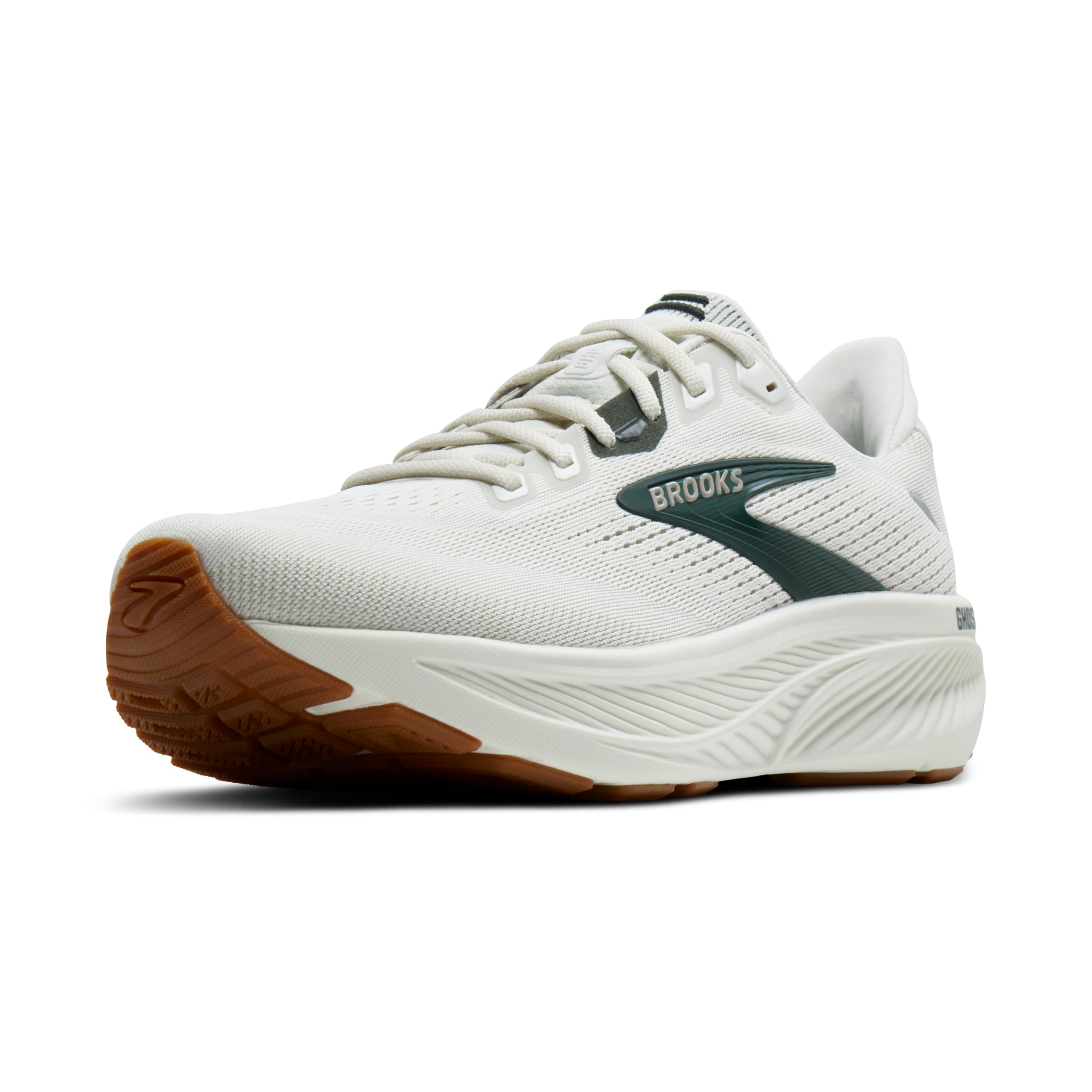
The reliable heavy-hitter of daily trainers — balanced cushion and top-tier support in every stride.
The Ghost 18 is the pick for runners who value rock-solid stability above all else. At 10.3 ounces (292g) with a 10mm drop, it is the heaviest shoe here — but that weight gives it a planted, reassuring feel that owners trust. The midsole uses balanced, soft foam that is dynamic enough for daily miles while staying stable underfoot. Quality earns the most owner praise, and the fit accommodates orthotic inserts without issue. The 18th version now features a wider toe box than previous Ghost models, solving the biggest complaint about earlier versions.
Compared to the plush Saucony Triumph 22, the Ghost 18 is more stable and supportive for daily use, but it does not feel as soft underfoot. The price is premium, but owners say it is worth the money for the support and longevity.
The Foundation
- Balanced soft cushion provides a stable, planted ride that works for orthotic users
- Roomier toe box in the Ghost 18 solves the narrow-fit complaint of past models
- Quality construction earns the most owner praise of any aspect in this pick
What to Note
- At 10.3 oz (292g), it is the heaviest shoe in this lineup — not for weight weenies
- Midsole is balanced, not ultra-plush; if you want maximum softness, the Triumph 22 wins
Best for: runners who want a stable, quality-built daily trainer that works with orthotics and provides reliable support mile after mile.
Pass if: you are optimizing for ultra-light weight or prefer a very soft, sink-in cushion feel over a balanced ride.
Understanding the Specs
Cushioning Foam
This is the soft material between your foot and the road. Different brands use different foam chemistries — ASICS uses FF BLAST+ and PureGEL, Saucony uses PWRRUN+, and New Balance uses Fresh Foam and FuelCell. The foam’s density determines how much impact it absorbs and how much energy it returns. A plush foam like the Triumph 22’s PWRRUN+ gives a luxurious, soft landing perfect for long runs. A more responsive foam like the NOVABLAST 4’s trampoline-inspired midsole returns more energy for a livelier feel during shorter, easy-paced miles. Your choice depends on if you want to sink in and cruise or bounce along with a springier step.
Heel-to-Toe Drop
Drop is the height difference in millimeters between the heel and the toe. An 8mm or 10mm drop is the standard for most daily trainers and works well if you land on your heel first — which most easy-paced runners do. A 12mm drop like the Brooks Trace 4 pushes even more cushion under the heel. A 4mm or 0mm drop like the ALTRA Torin 8 puts your foot closer to the ground and shifts the workload to your calves and Achilles. If you are used to a higher drop, switching to zero drop requires a gradual transition over a week or two to avoid strain.
FAQ
What exactly makes a shoe an “easy run shoe”?
How do I know if I need a neutral or support shoe for easy running?
What is the ideal heel drop for an easy run shoe?
Can I use an easy run shoe for walking?
How long does an easy run shoe typically last?
Should I size up for an easy run shoe?
What is the difference between the Saucony Ride and Triumph models?
Can I use an easy run shoe for speed work or races?
How do I clean my easy run shoes without damaging the foam?
Are easy run shoes suitable for people with plantar fasciitis?
Final Thoughts: The Verdict
For most runners, the easy run shoes winner is the ASICS NOVABLAST 4 because its trampoline-like bounce at just 1.44 pounds pairs with all-day comfort that owners rank as the best in class. If you want the best value and need a reliable daily trainer that fits narrow feet perfectly, grab the New Balance Fresh Foam 680 v9. And for marathon training or anyone who wants the maximum joint-protecting plushness that stays fresh for 300+ miles, the Saucony Triumph 22 is the one to reach for.
How We Picked
We do not accept paid placement. Every pick is matched to a real buyer and a real use-case; we do not hands-on test units.
Sources & Methodology
Specifications: manufacturer listings and product documentation. Review insights: verified customer reviews, as of July 2026. Pricing: not shown on this page (it changes often); check the current price via the retailer link.
As an Amazon Associate, WellFizz earns from qualifying purchases. This does not affect which products we feature.
Related Guides

Mo Maruf
I created WellFizz to bridge the gap between vague wellness advice and actionable solutions. My mission is simple: to decode the research and give you practical tools you can actually use.
Beyond the data, I am a passionate traveler. I believe that stepping away from the screen to explore new environments is essential for mental clarity and physical vitality.