Our readers keep the lights on and my smoothie glass nicely filled. As an Amazon Associate, I earn from qualifying purchases.
Melasma isn’t just another dark spot—it’s a stubborn, hormonally-driven hyperpigmentation pattern that laughs at most over-the-counter treatments. The wrong retinol can destabilize the skin barrier, worsen inflammation, and actually make the discoloration more visible. You need a formula that balances cell turnover with soothing ingredients, specifically targeted at the deeper dermal melanin deposits characteristic of melasma.
I’m Mohammad Maruf — the founder and writer behind WellFizz. This guide is built from hundreds of hours analyzing customer reviews, ingredient concentrations, and formulation technologies to find which drugstore retinol products actually stand a chance against melasma without causing a painful flare-up.
Whether you are new to retinoids or a seasoned user, the right formula can make all the difference. This is the definitive resource for finding the best drugstore retinol for melasma that your skin will actually tolerate.
How To Choose The Best Drugstore Retinol For Melasma
Melasma is notoriously resistant to treatment because it involves overactive melanocytes that respond to hormonal triggers, UV exposure, and heat. Choosing a retinol product for this condition requires looking beyond standard anti-aging claims and focusing on stabilizing ingredients.
Prioritize Encapsulated Retinol Over Free Retinol
Encapsulation technology, often called nano-liposome delivery, wraps retinol molecules in a protective lipid shell. This allows the active ingredient to bypass the upper layers of the skin and release deep into the dermis where melasma originates. It significantly reduces surface irritation, which is critical because inflammation can darken melasma patches.
Look for a Pigmentation-Fighting Support System
Retinol alone rarely breaks down stubborn melasma. The most effective drugstore formulas pair retinol with melanin-inhibiting ingredients like niacinamide, kojic acid, tranexamic acid, or vitamin C. A formulation with 5% niacinamide or 1% kojic acid alongside retinol provides a dual-action attack on discoloration while calming the skin.
Check the Concentration Gradient
For melasma, a retinol concentration between 0.1% and 0.3% is generally the sweet spot for drugstore products. Higher percentages (0.5% or 1%) introduce unnecessary irritation risk without proportional pigment-fading benefits. Encapsulation allows a 0.3% formula to perform like a higher free-retinol dose with fewer side effects.
Quick Comparison
On smaller screens, swipe sideways to see the full table.
| Model | Category | Best For | Key Spec | Amazon |
|---|---|---|---|---|
| Anua Retinol Serum | Mid-Range | Gentle beginner retinol for melasma | 0.3% Retinol + 5% Niacinamide | Amazon |
| Remedy for Dark Spots | Premium | Multi-ingredient melasma attack | 0.1% Retinol + Kojic Acid | Amazon |
| VICHY Liftactiv B3 | Premium | Night cream with low irritation risk | 0.15% Retinol + 4% Niacinamide | Amazon |
| Neutrogena Rapid Tone Repair | Mid-Range | Dark spot correction with vitamin C | Retinol + Vitamin C + HA | Amazon |
| Neutrogena Rapid Wrinkle Repair | Budget | Budget-friendly anti-aging entry | Retinol + Hyaluronic Acid | Amazon |
In‑Depth Reviews
1. Anua Retinol Serum

The Anua Retinol Serum is the most intelligent pick for anyone fighting melasma on a drugstore budget. Its 0.3% retinol is delivered via nano-liposome technology, which allows the active ingredient to penetrate deeper while drastically reducing the surface irritation that can darken melasma patches. The 5% niacinamide is the real star here—it inhibits melanosome transfer, essentially stopping pigment from reaching the skin surface before it becomes visible.
This formula is fragrance-free and loaded with 20+ soothing ingredients including ceramide and centella asiatica. These components actively strengthen the skin barrier, which is often compromised in melasma sufferers. Customer reports consistently note steady improvement in skin texture and brightness without the red, flaking reaction typical of standard retinol products.
It is a maintenance-grade serum—not prescription strength, but highly effective for gradual correction. The lightweight texture absorbs quickly, and the non-sticky finish makes it easy to layer with a moisturizer. Beginners can start at 2-3 times per week and scale up without the fear of a painful purge.
Why it’s great
- Encapsulated retinol minimizes irritation risk for sensitive melasma skin
- 5% niacinamide directly targets pigment transfer mechanisms
- Barrier-supporting ingredients reduce the chance of rebound hyperpigmentation
Good to know
- Results require consistent use over 8+ weeks for visible melasma fading
- Not suitable for those needing high-strength prescription-level results
2. Remedy for Dark Spots
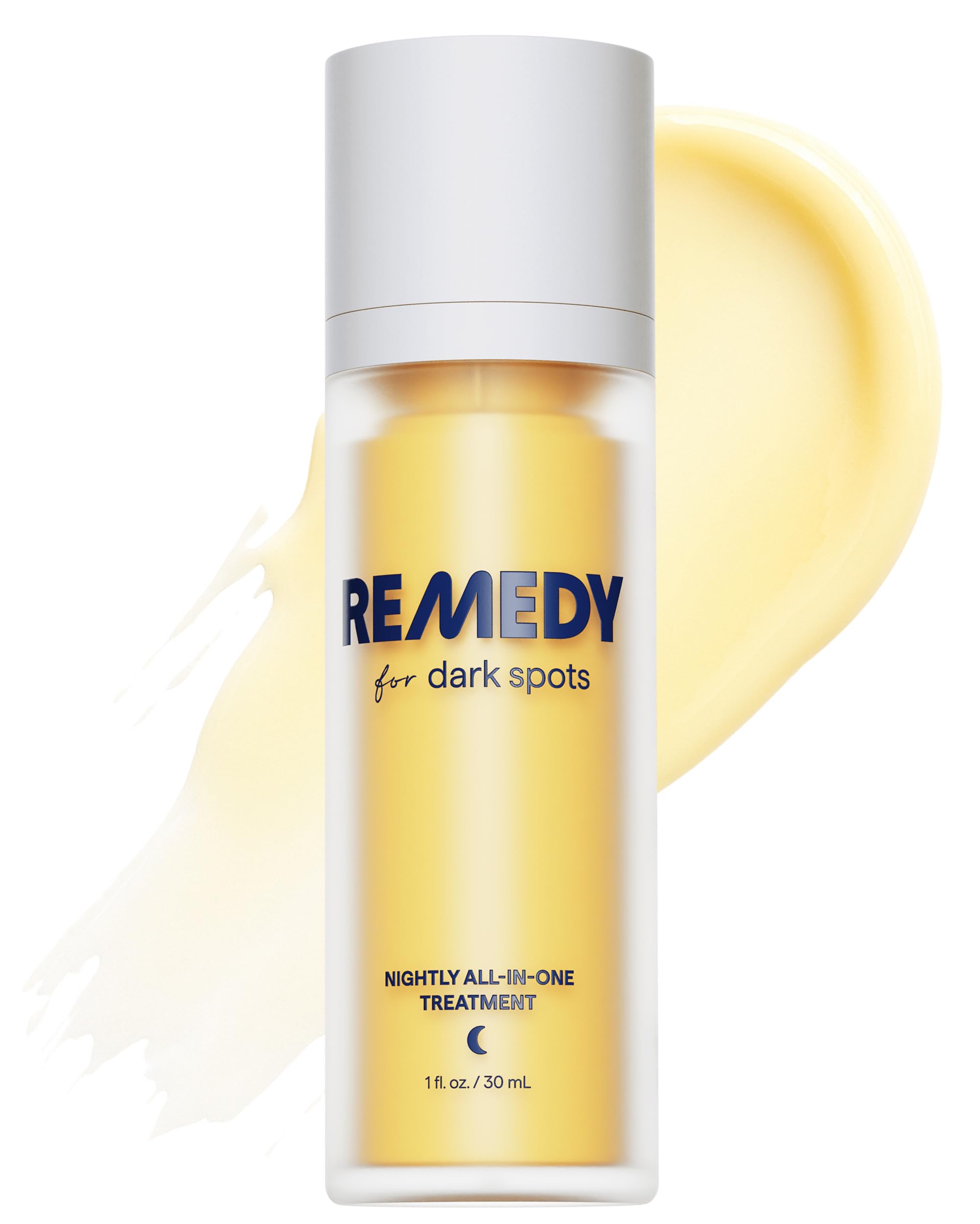
This serum from Remedy Science is engineered by a board-certified dermatologist specifically for stubborn discoloration, making it a premium contender for melasma treatment. It contains 0.1% encapsulated retinol paired with 1% kojic acid, 3% tranexamic acid, 5% niacinamide, mandelic acid, glutathione, and licorice root extract. This is not a single-ingredient approach—it is a coordinated attack on melanin production at every stage.
The lightweight gel-lotion texture absorbs instantly and leaves zero greasy residue. Clinical testing showed 98% of users noticed visible improvement in discoloration within 8 weeks. Reviews highlight that even old acne scars and sun damage respond well, which mirrors the stubborn nature of melasma. The formula is fragrance-free, vegan, and cruelty-free, reducing the chance of a reaction.
Some users report slower-than-expected fading in the first four weeks, which is typical for melasma. The key is the ingredient stack: kojic acid inhibits tyrosinase (the enzyme that produces melanin), tranexamic acid blocks UV-induced pigment signaling, and retinol accelerates cellular turnover. This triple action is what makes it effective where simpler serums fail.
Why it’s great
- Nine active ingredients target every stage of melanin production
- Encapsulated retinol keeps irritation low despite the potent cocktail
- Clinically tested with a 98% positive user result rate
Good to know
- Premium-tier pricing may not fit all drugstore budgets
- Some users need 6-8 weeks to see noticeable dark spot fading
3. VICHY Liftactiv B3 Tone Correcting Night Cream

The VICHY Liftactiv B3 Night Cream is designed with a built-in tolerance schedule: three nights in week one, every other night in week two, and nightly as tolerated by week three. This structured approach makes it ideal for melasma patients whose skin barrier is already stressed. The formula combines 0.15% pure retinol with 4% niacinamide and vitreoscilla ferment, a patented ingredient known to soothe and repair the skin barrier.
User feedback consistently mentions a natural, non-greasy finish that dries down quickly without stickiness. Many report seeing a visible glow within the first week, with static wrinkles around the forehead and eyes smoothing out after three weeks. The tone-correcting effect on dark spots is gradual but noticeable, making it a solid choice for those who want a moisturizer that doubles as a treatment.
The low irritation potential is the defining feature here. VICHY intentionally kept the retinol at 0.15% and paired it with barrier-recovery actives. This makes it less likely to cause the rebound pigmentation that can occur when aggressive retinoids inflame melasma-prone skin. It also includes a gentle light floral scent, though users who prefer unscented products may note this as a minor issue.
Why it’s great
- Low 0.15% retinol reduces the risk of barrier damage and flare-ups
- Vitreoscilla ferment actively repairs the skin barrier during use
- Structured tolerance schedule helps melasma users ease in safely
Good to know
- Premium pricing may be a barrier for some shoppers
- Contains a light floral scent that sensitive noses may dislike
4. Neutrogena Rapid Tone Repair Retinol + Vitamin C

Neutrogena’s Rapid Tone Repair pairs retinol with vitamin C, a classic hyperpigmentation-fighting combination. The vitamin C component helps diffuse the appearance of existing dark spots while retinol smooths texture and fades deeper wrinkles. The formula also includes hyaluronic acid to maintain hydration levels, which is crucial because melasma-prone skin tends to dehydrate faster under retinol treatment.
Clinical claims from the brand state that users can notice more even skin tone within one week of regular use. Real-world feedback supports this, with customers consistently reporting visible fading of sun damage and old acne scars. The cream texture is rich but not greasy, making it suitable for both face and neck application. It is free of parabens, mineral oil, and dyes.
The main caveat for melasma-specific use is the floral scent. While many users find it pleasant, fragrance can be a trigger for some types of pigmentary disorders. If your melasma seems to darken in response to increased inflammation, an unscented formula may be a safer bet. The inclusion of a trial-size Hydro Boost cleanser is a nice bonus for travel.
Why it’s great
- Vitamin C and retinol offer a dual approach to fading dark spots
- Hyaluronic acid prevents dehydration-related skin barrier stress
- Clinically proven to improve evenness within one week
Good to know
- Floral scent may be irritating for fragrance-sensitive melasma skin
- Retinol concentration is not explicitly stated on the packaging
5. Neutrogena Rapid Wrinkle Repair Retinol Face Moisturizer

The classic Neutrogena Rapid Wrinkle Repair cream is the most accessible entry point for retinol newcomers. Its accelerated retinol complex is designed to minimize irritation while still delivering visible smoothing effects. Many long-term users (some spanning over 20 years) swear by it for maintaining a younger-looking complexion without spending on expensive alternatives.
For melasma, this cream offers basic support rather than targeted treatment. The hyaluronic acid provides the hydration needed to buffer the retinol’s drying effects, and the formula is free of parabens, mineral oil, and dyes. Customer reviews frequently mention that it brightens skin and minimizes fine lines, but specific feedback on melasma or stubborn dark spots is less common. It works best as a maintenance cream for those whose melasma is already under control.
A significant practical warning from users: stop using this product several days before any facial waxing. The retinol can make the skin prone to tearing during waxing, a risk that applies to any retinol product but is especially relevant for this one given its wide availability and frequent use as a daily moisturizer.
Why it’s great
- Very affordable entry point for starting retinol use
- Hyaluronic acid helps maintain skin hydration throughout treatment
- Dermatologist-recommended brand with decades of user trust
Good to know
- Not specifically formulated to target melasma pigmentation
- Can cause initial flaking; must be discontinued before waxing appointments
FAQ
Can retinol alone cure melasma?
What retinol concentration is safe for melasma-prone skin?
Should I use a retinol cream or a serum for melasma?
Final Thoughts: The Verdict
For most users, the best drugstore retinol for melasma winner is the Anua Retinol Serum because it delivers a precise 0.3% retinol via nano-liposome technology with a full 5% niacinamide buffer, all in a fragrance-free and barrier-supporting formula. If you want a multi-ingredient stack that attacks pigmentation from every angle, grab the Remedy for Dark Spots. And for a night cream that lowers irritation risk with a built-in tolerance schedule, nothing beats the VICHY Liftactiv B3.

Mo Maruf
I created WellFizz to bridge the gap between vague wellness advice and actionable solutions. My mission is simple: to decode the research and give you practical tools you can actually use.
Beyond the data, I am a passionate traveler. I believe that stepping away from the screen to explore new environments is essential for mental clarity and physical vitality.