Our readers keep the lights on and my smoothie glass nicely filled. As an Amazon Associate, I earn from qualifying purchases.
A landscape built around thirsty plants turns into a constant battle against wilting leaves and sky-high water bills. The smart alternative is choosing species with deep root systems and natural adaptations that let them thrive through long stretches of dry weather, giving you a lush yard without the constant hose work.
I’m Mohammad Maruf — the founder and writer behind WellFizz. This guide comes from many hours analyzing soil adaptation mechanisms, root structure data, USDA hardiness zone maps, and real customer growing reports to find the most reliable performers for low-water conditions.
Whether you are starting fresh or replacing water-hungry specimens, the right choices make all the difference. Here is a curated list of the best drought tolerant trees for creating a resilient and beautiful landscape.
How To Choose The Best Drought Tolerant Trees
Picking the right tree for a low-water landscape begins with matching its natural tolerances to your local climate and soil. A tree labeled as drought tolerant may still need careful first-year watering to build the deep root system it needs to survive later dry spells.
Root Architecture and Establishment
A tree’s root system is its lifeline. Species with a deep taproot or extensive fibrous root network can pull moisture from deeper soil layers during drought. Pay attention to care instructions that emphasize deep, infrequent watering during the first growing season — this technique encourages roots to grow downward rather than spreading out near the surface.
USDA Hardiness Zone Matching
Each tree species thrives within a specific range of hardiness zones. Planting a tree outside its zone puts it under constant temperature stress, making it far more vulnerable to drought damage. Check the zone range on the product data and compare it directly to your local zone before purchasing.
Expected Mature Size
Understanding the mature height and spread of a tree is crucial for placement. A tree that reaches 50 feet at maturity will have vastly different water needs and root spread than a dwarf variety maxing out at 10 feet. Choose a size appropriate for your available space to avoid future conflict with foundations, driveways, or overhead wires.
Quick Comparison
On smaller screens, swipe sideways to see the full table.
| Model | Category | Best For | Key Spec | Amazon |
|---|---|---|---|---|
| Shoal Creek Vitex | Deciduous | Pollinator gardens & long bloom | Mature Height: 15 ft | Amazon |
| Autumn Blaze Maple | Deciduous | Fast shade & fall color | Mature Height: 50 ft | Amazon |
| Dwarf Yaupon Holly | Evergreen | Low hedges & foundations | Mature Height: 2-3 ft | Amazon |
| Juniper Procumbens Nana | Evergreen | Ground cover & bonsai | Mature Spread: 6 ft | Amazon |
| Russian Pomegranate | Fruit | Homegrown fruit & ornament | Cold Hardy to Zone 6 | Amazon |
| Mulberry Dwarf Everbearing | Fruit | Compact fruiting & containers | Mature Height: 6-10 ft | Amazon |
| Nafresh Faux Ficus Tree | Artificial | Zero-maintenance indoor decor | Height: 7 ft | Amazon |
In‑Depth Reviews
1. Shoal Creek Vitex (Chastetree)
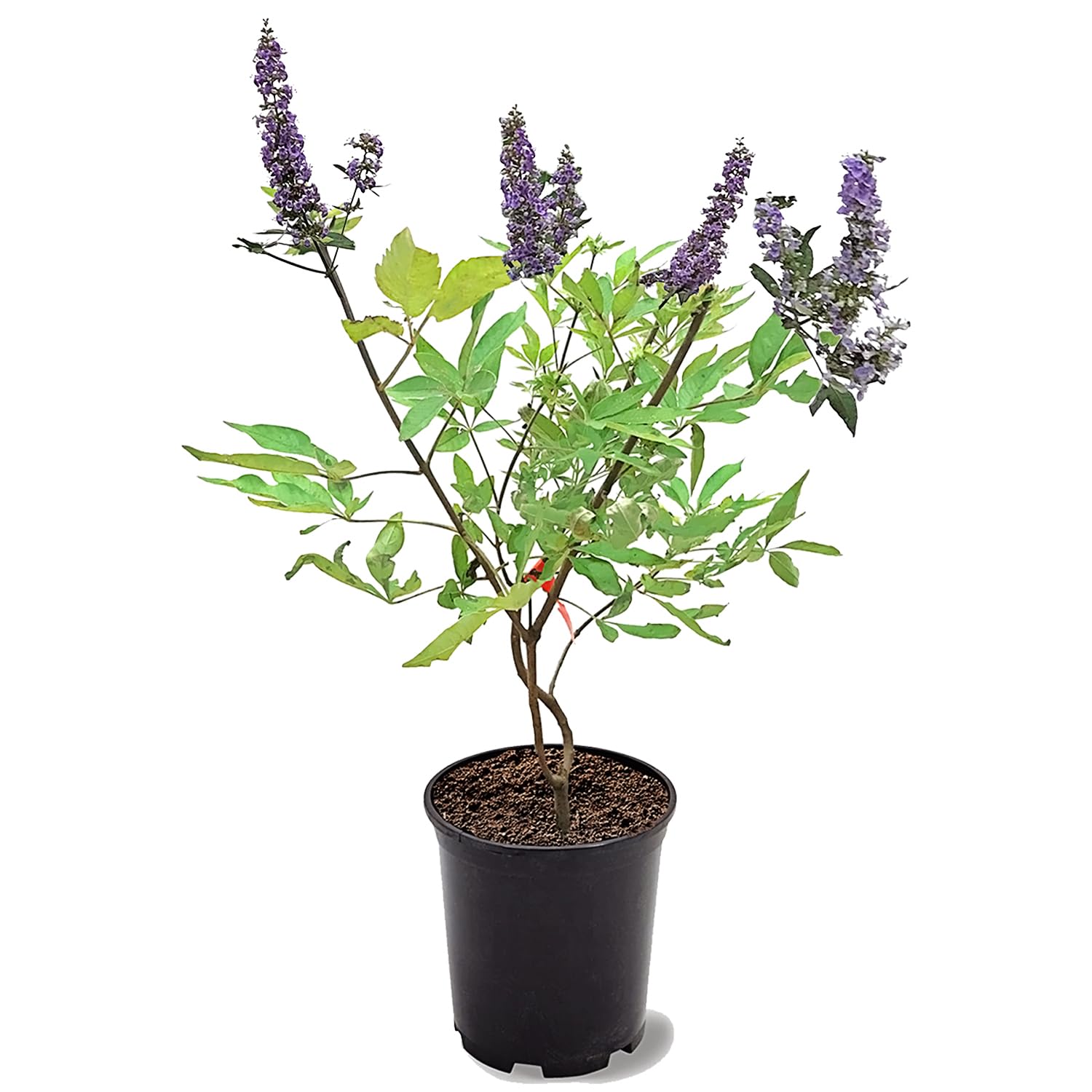
The Shoal Creek Vitex stands out for its exceptionally long blooming period, producing vibrant blue-purple flower spikes from late spring all the way through early fall. This extended display attracts butterflies and pollinators throughout the warmer months, making it a functional choice for gardeners aiming to support local ecosystems. Its gray-green leaves carry a pleasant aromatic quality that adds another layer of sensory appeal to the landscape.
Once established, this tree demonstrates reliable drought tolerance and adapts well to a variety of well-draining soil types. It reaches a manageable mature height of about 15 feet, fitting neatly into spaces where a full-sized shade tree would be too large. Regular watering during the first season is important, but after that the Vitex requires significantly less supplemental irrigation compared to many ornamentals.
Customer reports consistently praise the healthy condition upon arrival and the speed of growth after planting. Many noted the trees arrived with blooms already forming, which is a strong indicator of a vigorous nursery stock. The aromatic foliage and pollinator-friendly flowers make this a versatile choice for anyone wanting color without high water demands.
Why it’s great
- Exceptionally long bloom season from late spring to fall
- Aromatic foliage and strong pollinator attraction
- Reliable drought tolerance once roots are established
Good to know
- Cannot ship to California, Arizona, Alaska, or Hawaii
- Prefers full sun for best flower production
2. Autumn Blaze Maple
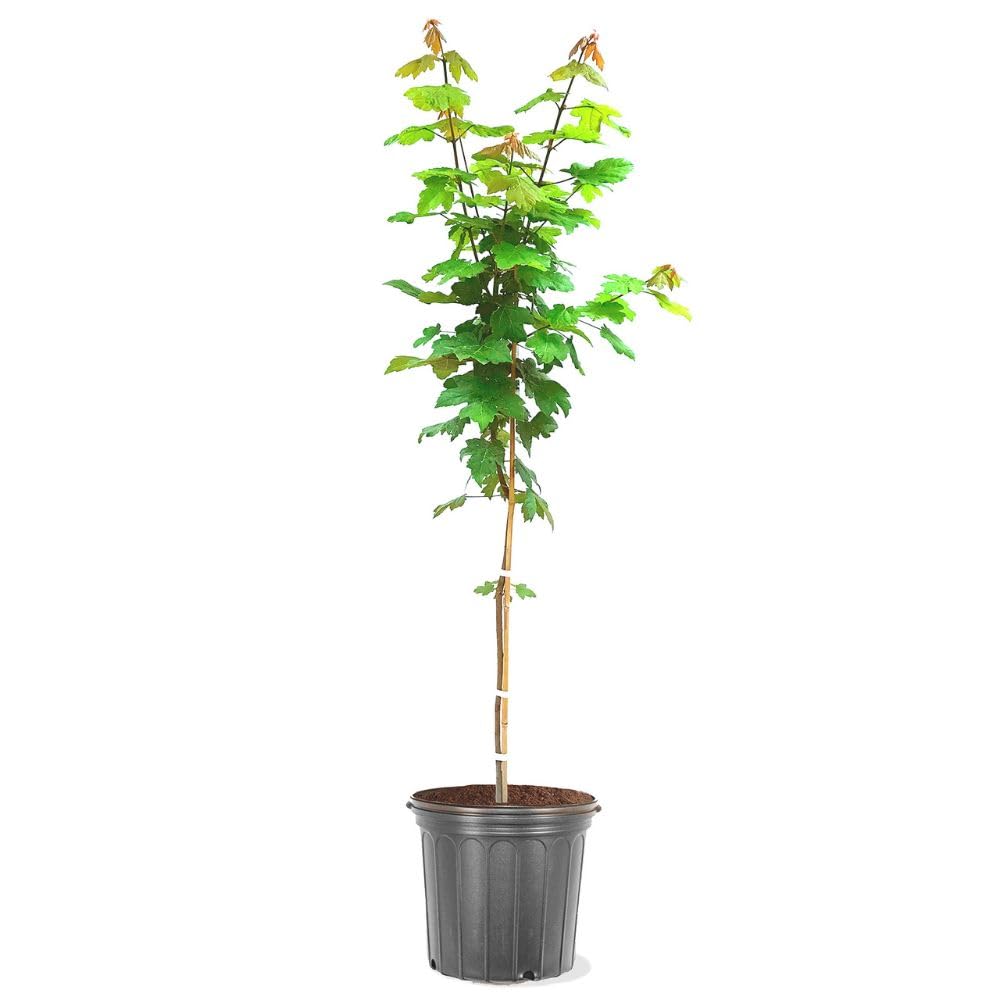
The Autumn Blaze Maple delivers a classic shade-tree silhouette with the added bonus of spectacular fall foliage that transitions through shades of bright orange and red. Its fast growth rate makes it a popular choice for homeowners who want relatively quick landscape impact without waiting decades for canopy coverage. At maturity it reaches 40-50 feet tall with a symmetrical, rounded form.
While this tree requires regular watering during the first few years to establish a strong root system, it becomes moderately drought tolerant once mature. It thrives in USDA zones 3-8 and prefers acidic, well-draining soil with full sun exposure. The key to success with this maple is providing consistent deep waterings during its early life, then gradually reducing frequency as the roots spread deeper.
Buyer feedback highlights the excellent condition of trees upon delivery and the responsive customer service from the nursery. Several customers noted the trees arrived with leaves intact and were already thriving after planting. The combination of rapid growth, brilliant autumn color, and eventual drought resilience makes this a standout choice for larger properties.
Why it’s great
- Fast growth rate for quicker shade and visual impact
- Brilliant orange and red fall foliage display
- Moderate drought tolerance after establishment
Good to know
- Cannot ship to California, Arizona, Alaska, or Hawaii
- Requires consistent watering during the first few years
3. Dwarf Yaupon Holly (3 Plants)
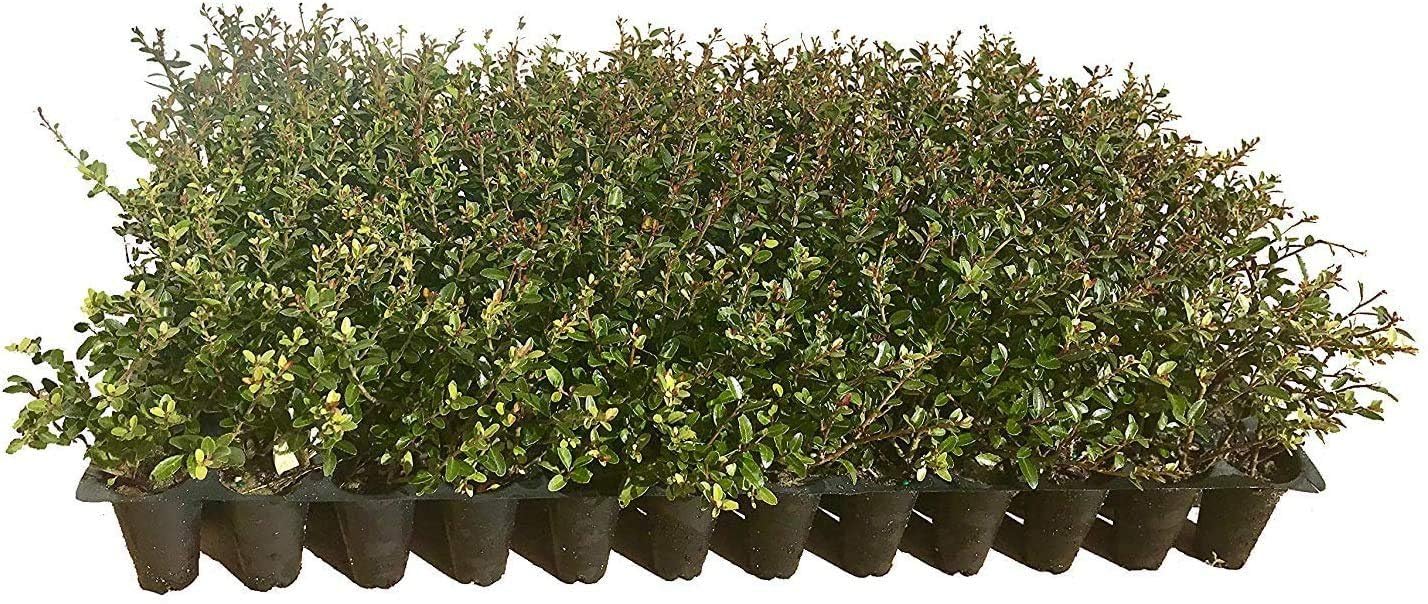
The Dwarf Yaupon Holly is a tough, native evergreen that handles both drought and flooding with equal resilience. Its small, shiny green leaves form a dense mound that responds very well to shearing, making it an excellent candidate for low hedges, borders, or foundation plantings. This selection of the native yaupon holly grows naturally without irrigation on Atlantic dunes, a testament to its extreme hardiness.
It grows well in sun or light shade and tolerates a wide range of soil conditions from dry to wet. Once established, it withstands drought with ease and is highly salt-tolerant, making it uniquely suited for coastal landscapes. With a slow to moderate growth rate and mature height of only 2-3 feet, it stays manageable without constant pruning.
Customer reviews report that the plants arrive in healthy condition with robust root systems, though some noted the starter size is small. The majority of buyers were satisfied with the survival rate and the plant’s ability to thrive in varied conditions. For those wanting a low-maintenance evergreen that truly laughs at dry weather, this is a reliable option.
Why it’s great
- Extremely drought and salt tolerant once established
- Ideal for low hedges and foundation plantings
- Native selection with proven resilience
Good to know
- Starter plants are small but healthy
- Slow to moderate growth rate requires patience
4. Juniper Procumbens Nana (3 Plants)

This dwarf juniper forms a dense, ground-hugging mat of blue-green foliage that turns slightly purple in winter, providing year-round visual interest. It spreads up to 6 feet wide while staying only 8-12 inches tall, making it an excellent living mulch for slopes, rock gardens, or cascading over retaining walls. New growth emerges bright green before maturing to its characteristic blue-green tone.
Juniper Procumbens Nana thrives in full sun and prefers a dryish, sandy soil — conditions that would stress many other plants. It handles hot, dry conditions and city air pollutants without issue, and its adaptability to poor soils makes it a workhorse for difficult spots. For bonsai enthusiasts, the naturally sprawling form and tiny needles offer a fantastic canvas for training.
Buyers report high survival rates even in extreme conditions, with one customer noting 143 of 145 plants survived through 105°F heat and severe freezes. The plants arrive with root systems that fill the starter pots, though some reviews mention smaller-than-expected size at delivery. For covering bare ground with a resilient evergreen carpet, this juniper is hard to beat.
Why it’s great
- Extreme heat and cold tolerance once established
- Excellent ground cover spreading up to 6 feet wide
- Adaptable to poor, sandy, dry soils
Good to know
- Slow growth during the first season
- Some customers reported variable starter size
5. Russian Pomegranate

The Russian Pomegranate combines ornamental beauty with practical fruit production, producing vibrant flowers in mid-spring followed by large, nutrient-rich pomegranates that ripen in late September. This is a self-pollinating variety, meaning a single tree can bear fruit without needing a second pollinator nearby. Its relatively compact mature height of around 10 feet makes it suitable for smaller yard spaces.
This tree is classified as needing little to no watering once established, which aligns well with a low-water landscaping approach. It is cold hardy enough to survive winters in zone 6 and above, which is notable for a fruit tree of its type. However, first-year root establishment is critical — customers report that deep, generous planting holes with premium soil make a significant difference in winter survival.
Feedback from growers indicates that the tree arrives healthy and well-packaged, often measuring 15-18 inches tall in a 1-gallon pot. While some customers noted that it took a full year to double in size and that fruit production should not be expected until year two or three, the long-term payoff of homegrown pomegranates is widely appreciated.
Why it’s great
- Self-pollinating with showy spring flowers and large fruit
- Cold hardy for a fruit tree down to zone 6
- Requires little watering once fully established
Good to know
- First-year root establishment is critical for survival
- Fruit production may take 2-3 growing seasons
6. Mulberry Dwarf Everbearing (4 Plants)

This dwarf mulberry variety stays at a manageable 6-10 feet at maturity, making it a strong candidate for small gardens, container planting, or tight spaces where a full-sized fruit tree would be impractical. It produces sweet, blackberry-like mulberries from late spring through summer and is self-pollinating, so no second tree is required. The berries are rich in vitamins, antioxidants, and fiber.
The tree thrives in USDA zones 5-10 with minimal maintenance, and its modest size means less water demand than a standard fruit tree. The sandy soil preference and partial sun tolerance give it flexibility in placement. Some customers reported that the plants arrived as small starter plugs that required careful acclimation, including gradual introduction to full sun and protection from cool breezes.
Customer experiences with this plant are notably mixed regarding initial size — many were impressed with the healthy root systems and eventual growth after a period of indoor care, while a few were disappointed by the tiny starter size. The key takeaway is that these are young plants requiring attentive first-season care, but those who provided it were rewarded with vigorous growth and fruiting.
Why it’s great
- Compact dwarf size ideal for containers and small gardens
- Produces sweet, nutrient-rich berries in its first seasons
- Self-pollinating and adaptable to zones 5-10
Good to know
- Starter plants are very small upon arrival
- Requires careful acclimation and protection from cold
7. Nafresh Tall UV Resistant Ficus Tree (Artificial)
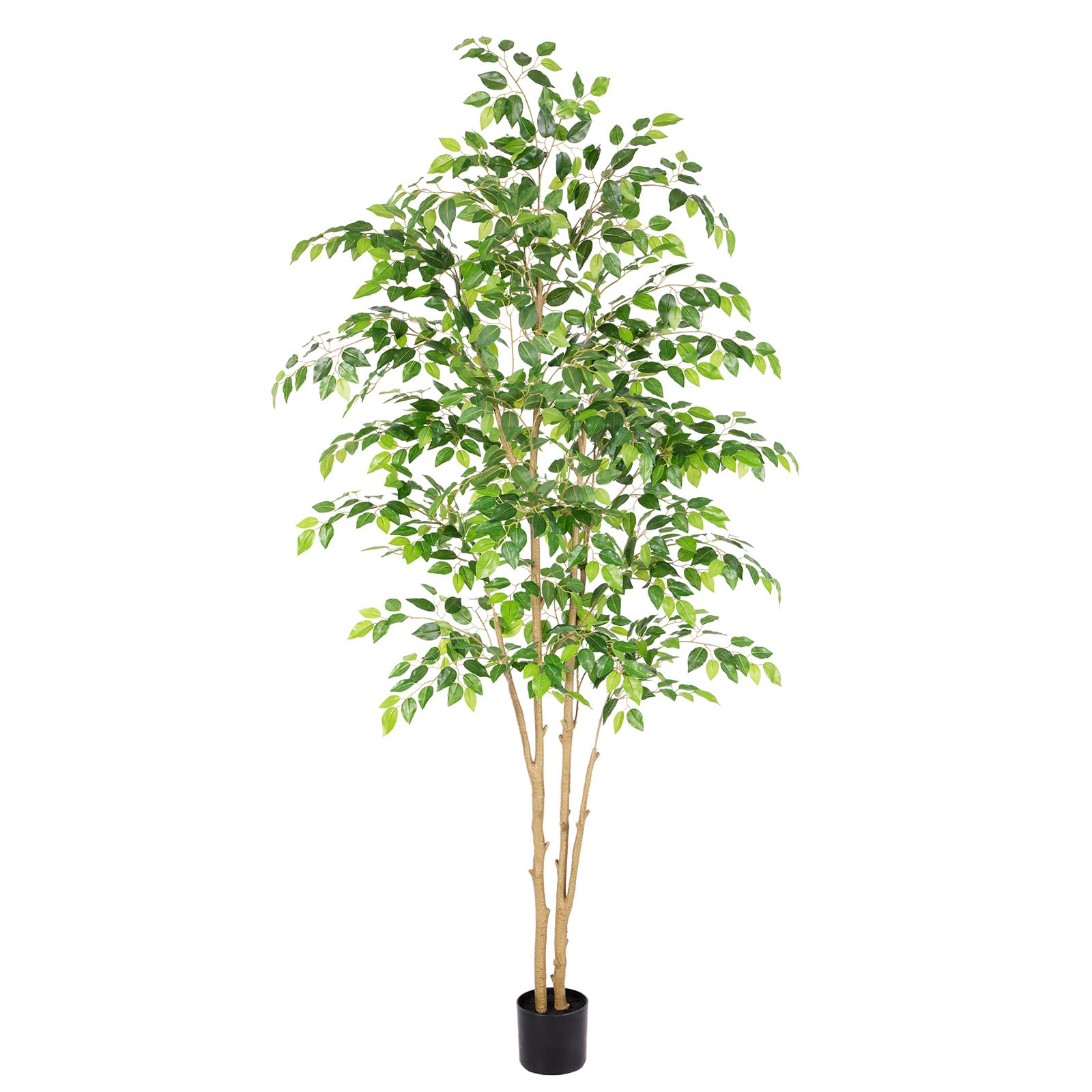
For situations where even a drought-tolerant tree is impractical — such as interior spaces with no natural light, offices, or covered patios — this artificial ficus offers the look of a mature tree without any water requirements whatsoever. Its leaves feature a realistic sheen and texture achieved through a technique that mimics natural ficus leaf surfaces. The trunk and branch interfaces are designed to appear natural.
Standing 7 feet tall in its pot, this tree makes a significant visual statement. The UV-resistant construction means it can be placed in sunlit indoor areas or covered outdoor spaces without fading. Assembly involves spreading the branches around the trunk, a process that takes only a few minutes, and the included pot base is heavy enough to prevent tipping. Maintenance is limited to occasional dusting.
Buyers consistently praise the realistic appearance and the sturdy, well-weighted base. The packaging receives high marks for protecting the tree during shipping, and the assembly process is described as straightforward. While no artificial plant will ever replace the living benefits of a real tree, this option fills a specific niche for those who want the aesthetic without any care routine.
Why it’s great
- Requires zero watering, sunlight, or maintenance
- UV resistant for use in sunlit or covered outdoor areas
- Realistic leaf texture and natural-looking trunk
Good to know
- Artificial — provides no ecological or air-purifying benefits
- Some buyers noted foliage is less full than product photos
FAQ
How long does it take for a drought tolerant tree to become established?
Can drought tolerant trees survive in sandy soil?
Will adding mulch help my new tree survive dry spells?
Final Thoughts: The Verdict
For most users, the best drought tolerant trees winner is the Shoal Creek Vitex because it combines reliable drought tolerance with an exceptionally long blooming season that supports pollinators from late spring through fall. If you want fast shade and dramatic fall color, grab the Autumn Blaze Maple. And for a foolproof evergreen hedge that handles both dry and wet conditions, nothing beats the Dwarf Yaupon Holly.

Mo Maruf
I created WellFizz to bridge the gap between vague wellness advice and actionable solutions. My mission is simple: to decode the research and give you practical tools you can actually use.
Beyond the data, I am a passionate traveler. I believe that stepping away from the screen to explore new environments is essential for mental clarity and physical vitality.