Our readers keep the lights on and my smoothie glass nicely filled. As an Amazon Associate, I earn from qualifying purchases.
A Florida lawn that survives the dry season without guzzling water isn’t a fantasy—it just takes the right genetics. The problem is that most standard grass varieties either crisp up under the summer sun or demand irrigation schedules that clash with water restrictions. The solution lies in choosing warm-season grasses bred specifically to thrive on minimal rainfall and sandy, fast-draining soils. This guide cuts through the marketing noise to highlight the seed and plug options that actually deliver a green lawn through Florida’s toughest droughts.
I’m Mohammad Maruf — the founder and writer behind WellFizz. I’ve spent countless hours cross-referencing seed germination data, drought-tolerance trials, and real Florida homeowner feedback to separate the species that merely claim drought resistance from those that prove it under actual sun and soil stress.
Whether you’re patching bare patches or starting a fresh lawn from scratch, knowing the difference between a species that goes dormant brown and one that stays green is critical. This is your focused guide to the best drought tolerant grass for florida.
How To Choose The Best Drought Tolerant Grass For Florida
Picking the wrong species can mean a full year of patchy coverage and wasted effort. Florida’s unique combination of sandy, nutrient-poor soil, intense UV, and periodic drought means that a grass that thrives in Georgia or Texas may struggle here. The key is matching the grass type to your specific yard conditions—sun exposure, traffic level, and how much brown winter dormancy you can tolerate.
Warm-Season vs. Cool-Season: The Florida Rule
Only warm-season grasses belong in a Florida lawn. Cool-season species like Kentucky bluegrass or tall fescue will fry by July. Warm-season types like Bermuda, Bahia, St. Augustine, and Zoysia are genetically programmed to thrive in high heat and enter dormancy when temperatures drop—exactly the behavior you need for a drought-tolerant Florida lawn.
Seed vs. Sod vs. Plugs
Seed is the most cost-effective route for large areas, but germination can be uneven if soil temps aren’t above 65°F. Sod offers instant coverage and is the safest choice for St. Augustine grasses (which don’t grow true from seed). Plugs are a middle ground—slower to fill in than sod but cheaper and more reliable than seed for varieties like Zoysia and Palmetto. For pure drought tolerance per dollar, seed wins. For speed and uniformity, sod or plugs are better.
Quick Comparison
On smaller screens, swipe sideways to see the full table.
| Model | Category | Best For | Key Spec | Amazon |
|---|---|---|---|---|
| Zoysia Plugs (200 Large) | Plug | Long-term, low-maintenance lawn | 200 plugs per order | Amazon |
| SeedRanch Pensacola Bahia Grass | Seed | Quick coverage on sandy soil | 10 lbs covers 1,000 sq. ft. | Amazon |
| Outsidepride Oasis Bermuda | Seed | Full-sun, high-traffic areas | 5 lbs hybrid Bermuda blend | Amazon |
| St. Augustine Palmetto Plugs | Plug | Shady spots with some drought | 18 live extra-large plugs | Amazon |
| Pennington Bermudagrass Seed | Seed | Budget-friendly Bermuda lawn | 5 lbs, Penkoted coating | Amazon |
| Outsidepride SPF-30 Hybrid Bluegrass | Seed | Transition-zone lawns with partial shade | 5 lbs, OptiGrowth coated | Amazon |
| Southern Ag Atrazine Weed Killer | Herbicide | Weed control for St. Augustine lawns | 1 gallon, liquid concentrate | Amazon |
In‑Depth Reviews
1. Zoysia Plugs – 200 Large Grass Plugs
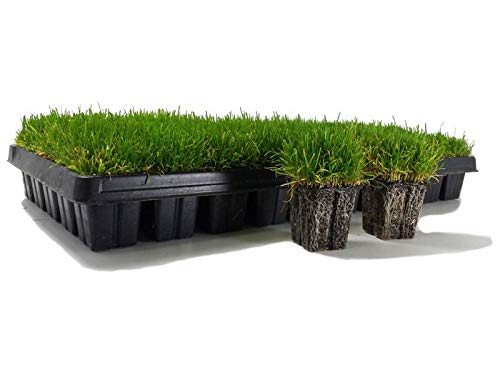
Zoysia is the grass that just won’t quit—once established, its deep root system reaches moisture far below the surface where Bermuda and St. Augustine roots never go. The 200 plugs in this order arrive healthy, moist, and pre-rooted in Terracotta trays, ready for planting in full sun or partial shade. Many Florida users report plugs doubling in size within a few months and forming a dense, plush carpet that shrugs off both drought and foot traffic. The modern tray design makes plug removal simple, and the grass is naturally low-growing, reducing mowing frequency.
The catch is speed—Zoysia plugs are not an instant lawn. Expect a year or two for complete coverage, especially in sandy or clay-heavy soil. Some buyers in a hurry opt for sod instead, but for those willing to wait, the payoff is a nearly self-sustaining turf that requires far less water than St. Augustine. Customer reviews consistently highlight that plugs survived winter dormancy in NC and snapped back green in spring—a promising sign for Florida’s mild winters.
For a long-term, low-maintenance strategy where water restrictions are a reality, Zoysia from plugs is the strongest contender. The initial investment covers a lot of ground, and the grass’s natural drought tolerance means you’ll spend more time enjoying the lawn than watering it. It’s a patient gardener’s best bet for a worry-free Florida yard.
Why it’s great
- Extremely drought tolerant once established with a deep root system
- Plugs arrive fresh, healthy, and easy to separate from tray
- Thrives in full sun and partial shade without extra watering
Good to know
- Slow to fill in—can take 1-2 years for complete coverage
- Not ideal for instant results; sod is faster but costlier
2. SeedRanch Pensacola Bahia Grass Seed – 10 Lbs

Pensacola Bahia grass is a Florida native that evolved in the state’s sandy, low-fertility soils. It requires less fertilizer and water than almost any other turfgrass and still produces a thick, traffic-tolerant lawn. The 10-pound bag covers about 1,000 square feet, making it a cost-effective option for larger properties where irrigation infrastructure is minimal. Buyers report that with proper soil prep—fertilizing the day before and mixing seed with topsoil—germination reaches around 70% within two weeks of daily watering.
The main trade-off is appearance. Bahia has a coarser, more open texture than Bermuda or Zoysia, and it produces seed heads that some homeowners find unsightly. It also goes fully dormant (brown) during Florida’s cool season, which may be a dealbreaker for those wanting year-round green. That said, the grass bounces back quickly with spring warmth and requires less mowing than Bermuda due to its slower vertical growth.
For the budget-conscious Florida homeowner who simply wants a green lawn through the hot, dry months without a high water bill, Bahia is the clear winner. It’s low-maintenance, disease-resistant, and proven to survive on rainfall alone in many parts of the state.
Why it’s great
- Extremely drought and disease resistant, thrives on sandy soil
- Large 10 lb bag covers ~1,000 sq ft at a low cost
- Easy to establish with basic prep and daily watering
Good to know
- Coarse texture and seed heads may not suit manicured lawns
- Goes fully dormant (brown) during cooler Florida winters
3. Outsidepride Oasis Bermuda Grass Seed – 5 lbs

This hybrid Bermuda blend from Outsidepride combines three top-performing Bermuda varieties engineered for rapid establishment and dense coverage. In full sun Florida lawns, users see sprouts in about 10 days with daily moisture, and the aggressive growth habit helps crowd out weeds without chemical intervention. The 5-pound bag is designed for areas up to 2,500 square feet at the recommended 2-3 pounds per 1,000 square feet, making it a versatile option for both new lawns and bare-spot repair.
The Oasis blend’s drought tolerance is its standout feature—Bermuda naturally goes dormant during dry spells but recovers quickly when rain returns. Unlike standard Bermuda, this hybrid holds its color slightly longer under water stress, though it will still turn brown during prolonged drought without any irrigation. Customer feedback highlights that the seed germinated well even when broadcast into hot, hard clay soil in Texas, which is similar to many Florida planting conditions.
For homeowners who want a fast-growing, full-sun lawn that can handle kids and pets, Bermuda is hard to beat. The Oasis blend’s hybrid vigor gives it a leg up on standard Bermuda for heat resistance and density, and the mid-range price point makes it a smart choice for medium-sized yards.
Why it’s great
- Fast germination in ~10 days with consistent moisture
- Hybrid blend offers superior heat and drought resistance
- Aggressive growth crowds out weeds naturally
Good to know
- Goes dormant (brown) if completely dry for extended periods
- Some users report low germination in specific batches
4. St. Augustine Palmetto | 18 Live Extra Large Grass Plugs

Palmetto is a St. Augustine cultivar bred specifically for better drought and shade tolerance than the standard Floratam variety. These 18 live plugs arrive in vibrant green condition, ready to be planted in sandy or loamy soil. Palmetto’s semi-dwarf growth habit gives it a plush, fescue-like appearance when mowed high at 3-4 inches, and its soft blades are a noticeable upgrade over the prickly feel of Floratam. Florida homeowners report that runners spread 6 inches in the first month, quickly knitting together in shaded areas where Bermuda simply won’t grow.
The drought tolerance of Palmetto is good for a St. Augustine grass—better than standard St. Augustine but still less than Bermuda or Zoysia. It remains green longer into the dry season than other St. Augustine types, but it will need occasional watering during extended dry spells to avoid going dormant. The biggest limitation is that Palmetto does not grow true from seed, so plugs or sod are the only planting methods available, making it a pricier upfront investment per square foot.
For Florida yards with significant tree cover or north-facing slopes where full-sun grasses fail, Palmetto plugs are the best solution. They tolerate moderate drought while delivering the lush, wide-bladed look that St. Augustine fans love. Pairing them with a selective herbicide like the Southern Ag Atrazine keeps dollarweed and other broadleaf invaders at bay.
Why it’s great
- Exceptional shade tolerance compared to other St. Augustine cultivars
- Soft, fine-textured blades with plush appearance at 3-4 inch height
- Arrives healthy and ready to plant; establishes runners quickly
Good to know
- Higher upfront cost per sq ft than seed-based grasses
- Needs occasional watering during prolonged drought to stay green
5. Pennington Bermudagrass Grass Seeds for Lawn, 5 lb

Pennington’s Bermuda seed is a solid entry-level option for Florida lawns that won’t break the bank. The 5-pound bag treats roughly 500 to 1,000 square feet depending on desired density, and the exclusive Penkoted coating helps protect the tiny seeds from soil-borne diseases during germination. The seed itself is extremely fine—almost powder-like—so a broadcast spreader set to the smallest opening is essential to avoid clumping. Once established, this low-growing blend produces fewer clippings than standard Bermuda, reducing mowing frequency.
Germination can be slow and uneven, especially if soil temperatures dip below 70°F. Some buyers report excellent results with high germination percentage and a rich green color after consistent twice-daily watering for the first two weeks. Others had complete failure, suggesting batch variability is a real risk. The seed contains cold-tolerant varieties that help it survive Florida’s rare frosty nights, but it goes fully dormant once temperatures drop consistently below 50°F.
For a no-frills Bermuda lawn on a tight budget, Pennington’s offering gets the job done—provided you time the planting right and maintain consistent moisture. It’s not the most drought-tolerant Bermuda on the market, but its deep root system still beats any cool-season grass hands down for Florida conditions.
Why it’s great
- Very affordable price for a 5 lb bag of Bermuda seed
- Penkoted coating protects against early disease
- Low-growing blend reduces mowing and clippings
Good to know
- Germination can be slow and inconsistent between batches
- Extremely fine seed requires careful spreader calibration
6. Outsidepride SPF-30 Hybrid Bluegrass Seeds – 5 lbs
This hybrid mixes Texas bluegrass with Kentucky bluegrass to create a grass that handles southern heat better than traditional bluegrass while maintaining its self-repairing quality. The OptiGrowth coating retains moisture around each seed, improving germination consistency in Florida’s sandy soils. The grass spreads via rhizomes, filling in bare spots on its own—a feature that reduces the need for annual overseeding. For lawns with mixed sun and shade, this blend performs well in both conditions, which is rare for a warm-season grass.
The downside is that this is still a bluegrass at heart, and it demands more water than Bermuda or Bahia to stay green through a Florida summer. While it’s marketed as heat and drought tolerant, several buyers reported low germination rates and sparse coverage, especially compared to Bermuda seed in the same planting window. It’s best suited for the northern part of Florida where temperatures are slightly cooler and rainfall more consistent.
If you want the fine-bladed look of bluegrass but live in a transitional zone like North Florida or the Panhandle, this hybrid is worth trying. For central and southern Florida, stick to pure warm-season species for reliable drought performance.
Why it’s great
- Self-repairs bare spots via rhizomes, reducing reseeding work
- OptiGrowth coating improves moisture retention and germination
- Performs well in both sun and partial shade conditions
Good to know
- Higher water needs than Bermuda or Bahia in summer
- Germination can be inconsistent; some users report low yield
7. Southern Ag Atrazine St. Augustine Grass Weed Killer, 1 Gallon

No drought-tolerant grass can thrive if it’s choked by dollarweed, crabgrass, or broadleaf weeds that compete for the same limited moisture. Southern Ag’s Atrazine concentrate is the go-to selective herbicide for St. Augustine and centipede grass lawns in Florida. Mixed at 8.6 ounces per gallon of water, it kills emerged weeds and suppresses new weed seeds without harming the turf. Users report that it knocks out dollarweed effectively, though reapplication every 2-3 weeks is often needed to prevent regrowth.
The product has been on the market for decades and is trusted by Florida lawn care professionals. The main risk is that Atrazine can temporarily brown Bermuda grass if applied during its green-up phase, so timing is critical—apply when the grass is fully active and growing. One serious safety concern surfaced in reviews: an unlabeled jug shipped without manufacturer instructions, which is unacceptable for a chemical product and represents a quality control failure from the seller, not the manufacturer.
For St. Augustine homeowners battling weeds while trying to reduce watering, this weed killer is a practical companion to the Palmetto plugs or sod. It ensures that the water you do provide goes to the grass, not the weeds. Just verify that your jug arrives properly labeled and follow the timing guidelines for your specific grass type.
Why it’s great
- Selectively kills broadleaf weeds without harming St. Augustine or centipede grass
- Long-standing professional formulation trusted by Florida landscapers
- Suppresses crabgrass and weed seeds, reducing future competition
Good to know
- Can temporarily brown Bermuda if applied during early green-up
- Some users report receiving unlabeled jugs—check packaging on arrival
FAQ
What is the most drought tolerant grass for Florida lawns?
Will St. Augustine grass survive Florida drought without watering?
How long does it take for drought tolerant grass seed to germinate in Florida?
Final Thoughts: The Verdict
For most users, the best drought tolerant grass for florida winner is the Zoysia Plugs (200 Large) because its deep root system provides true drought tolerance that survives Florida’s dry season without constant watering. If you want fast, full-sun coverage at a lower price, grab the Outsidepride Oasis Bermuda. And for shady areas or a soft, lush feel, nothing beats the St. Augustine Palmetto Plugs.

Mo Maruf
I created WellFizz to bridge the gap between vague wellness advice and actionable solutions. My mission is simple: to decode the research and give you practical tools you can actually use.
Beyond the data, I am a passionate traveler. I believe that stepping away from the screen to explore new environments is essential for mental clarity and physical vitality.