Our readers keep the lights on and my smoothie glass nicely filled. As an Amazon Associate, I earn from qualifying purchases.
Keeping a colorful garden alive through a dry summer often feels like a battle against the sun. The traditional annuals that fill nursery shelves wilt the moment the hose is turned off, leaving you with crispy stems and a water bill that climbs by the day. The smarter approach is to work with your climate, not against it, by choosing plants bred or selected to thrive on minimal rainfall.
I’m Mohammad Maruf — the founder and writer behind WellFizz. I’ve spent hundreds of hours analyzing seed mixes, live plant genetics, and customer growing reports to pinpoint which drought-tolerant varieties actually deliver on their promise of low-water beauty.
This guide breaks down the top seed mixes and live succulents built to handle heat and neglect, so you can build a resilient garden without guesswork. Whether you’re starting a meadow or filling patio pots, you’ll find the best drought resistant flowers for your exact setup and skill level.
How To Choose The Best Drought Resistant Flowers
Not every flower labeled “drought tolerant” behaves the same way in your garden. The key is matching the plant’s natural water needs and root structure to your local climate, soil type, and how much effort you want to invest during the establishment phase. A few core decisions separate a thriving dry garden from a disappointing patch of bare dirt.
Annual vs. Perennial: The Long-Term Tradeoff
Annual drought-tolerant flowers bloom in their first season but must be replanted each year. Perennials return for multiple seasons once established, which saves labor and money over time. Mixes that combine both types give you first-year color while the slower perennials build deep root systems for future years. Look for packages that list both categories on the label.
Seed Coverage and Sowing Density
Seed packets vary wildly in coverage area. A 4-ounce packet may cover 375 square feet with a light broadcast, while a 1-pound bag designed for pastures may only cover 500 square feet at the recommended rate. Read the square-foot coverage, not the seed count, to match your garden size. Oversowing wastes seed and leads to weak, spindly plants that compete for limited moisture.
Root Depth and Moisture Needs During Establishment
Even the most xeric flower needs consistent moisture during germination and the first few weeks of root development. A mix labeled “no watering” refers to the mature plant, not the seedling. Check the moisture needs spec — some require “little to no watering” after maturity, while others need “regular watering” until the taproot reaches deep soil. Matching this to your watering habit prevents early failure.
Quick Comparison
On smaller screens, swipe sideways to see the full table.
| Model | Category | Best For | Key Spec | Amazon |
|---|---|---|---|---|
| Outsidepride Texas & Oklahoma Wildflower Mix | Premium Mix | Large-scale arid gardens | 1 lb covers 500–1,000 sq ft | Amazon |
| Outsidepride Chicory Seeds | Perennial Single | Forage and pasture blooms | Grows 48 in. tall | Amazon |
| Beauty Beyond Belief Xeric Mix | Open-Pollinated Mix | Pollinator-heavy gardens | 4 oz covers 375 sq ft | Amazon |
| Organo Republic 16 Perennial Mix | Heirloom Mix | Beginner seed starters | 100,000+ seeds, 16 varieties | Amazon |
| Plants for Pets Kalanchoe 3-Pack | Live Succulent | Indoor or patio containers | 7 in. tall, blooms year-round | Amazon |
In‑Depth Reviews
1. Outsidepride Texas & Oklahoma Wildflower Seed Mix
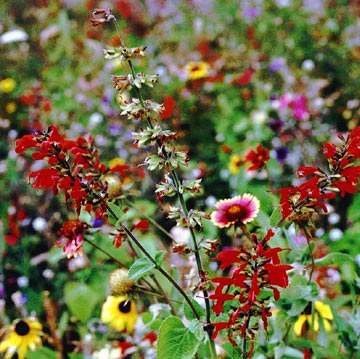
This 1-pound mix is specifically formulated for the growing conditions of USDA zones 6 through 10, making it one of the most regionally adapted options for hot, dry southern gardens. It combines annuals like Baby’s Breath with perennials such as Purple Coneflower, giving you first-season color while the perennials establish deep root systems for next year. The 95–99% purity rating and total viable seed percentages between 70–95% mean you get high germination density without fillers.
Customers in zone 6b reported sowing in fall and seeing continuous blooms from spring through summer with minimal supplemental watering. The mix includes Candytuft and Texas-specific wildflowers that handle full sun and well-drained soil. At a sowing rate of 1/4 lb per 500–1,000 square feet, this bag covers substantial meadow or border areas without needing multiple purchases.
The only notable drawback is the presence of giant ragweed in some batches, as reported by a customer with allergies. If you or family members have ragweed sensitivity, pre-screen the bloom content before broad scattering. Otherwise, this is a high-value, low-effort solution for arid region gardeners.
Why it’s great
- Regional blend tailored for zones 6–10 heat and low rainfall
- High purity and viability specs ensure strong germination
- Annual and perennial mix provides immediate and long-term blooms
Good to know
- Contains giant ragweed in some batches, problematic for allergy sufferers
- Requires consistent moisture until germination despite drought tolerance later
2. Outsidepride Chicory Seeds
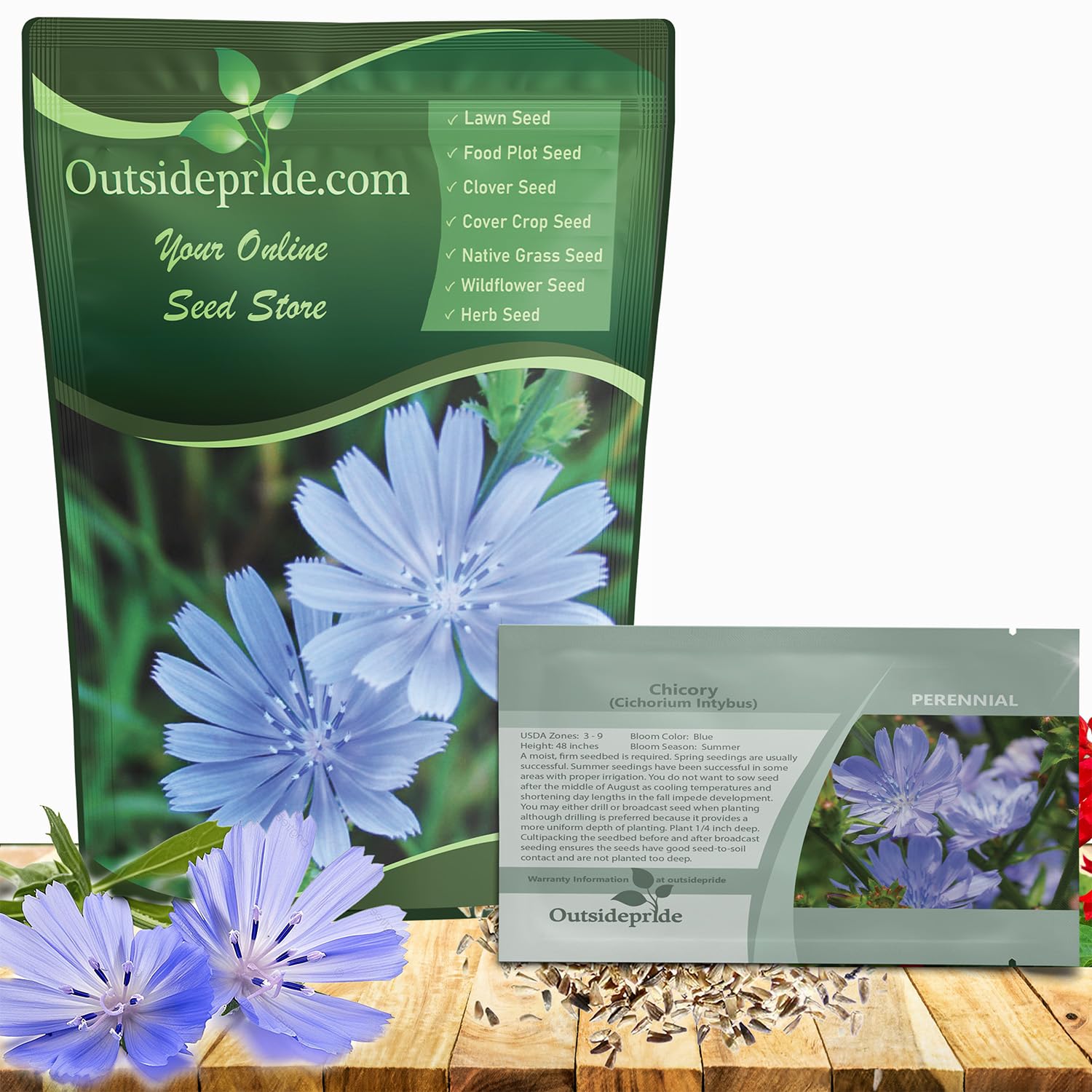
Chicory is a hardy perennial that produces pastel blue, daisy-like flowers on stalks reaching up to 48 inches tall. Its deep taproot makes it one of the most drought-tolerant flowering plants available, earning a “little to no watering” moisture spec after establishment. The 1-pound bag covers 2 ounces per 1,000 square feet, making it cost-effective for pasture, meadow, or border planting across USDA zones 3 through 9.
Customer reports highlight successful germination within 7–21 days when soil temperatures stay between 65–75°F. One grower in upstate New York saw plants thrive with minimal care, while a Virginia customer noted the variety struggled with high humidity but eventually bloomed in its second year. Chicory also serves as nutritious forage for livestock, adding functional value beyond visual appeal.
The main consideration is time to bloom — some plants take two full seasons to produce flowers, especially in challenging climates. If you need instant color, this is not your pick. But for a long-lived, self-seeding perennial that returns year after year with almost no water, chicory is a top contender.
Why it’s great
- Extremely drought tolerant with deep taproot for dry conditions
- 48-inch height adds strong vertical interest to any landscape
- Self-seeding perennial reduces replanting effort year over year
Good to know
- May take two seasons to bloom in humid or marginal climates
- Deer find it highly palatable and may graze plants heavily
3. Beauty Beyond Belief Drought Tolerant Wildflower Seeds

Beauty Beyond Belief, a family-owned seed company operating since 1985, packages a 4-ounce open-pollinated mix that covers 375 square feet. The blend is specifically designed for dryland botanical gardens, containing heat-tolerant xeric perennials and annuals that attract honey bees, native bees, butterflies, and hummingbirds. The non-GMO, natural composition with no fillers ensures every seed in the packet contributes to the final bloom display.
Customer feedback is overwhelmingly positive, with one reviewer in a drought zone reporting that bachelor buttons thrived and produced abundant, high-quality blooms across diverse colors. Another noted that the mix took a full year to establish but then exploded with dense coverage in the second season. The range is suitable for USDA hardiness zones 2 through 9, giving it broad geographic flexibility.
The seed requires the ground to be kept moist through the establishment phase, which contradicts the “drought tolerant” label for the first few weeks. A few customers reported no blooms at all, likely due to insufficient watering during germination. Once established, however, the mix lives up to its xeric reputation and delivers lush, pollinator-friendly color with minimal ongoing water.
Why it’s great
- Open-pollinated, non-GMO, no filler seeds for pure composition
- Crafted specifically for dryland conditions by a 30-year seed specialist
- Attracts a wide range of pollinators including hummingbirds and native bees
Good to know
- Needs consistent moisture during germination despite drought tolerance later
- Some customers experienced zero blooms, possibly from under-watering at start
4. Organo Republic 16 Perennial Wildflower Seeds Mix

This 4-ounce packet packs over 100,000 seeds spanning 16 perennial varieties, including White Yarrow, Columbine, New England Aster, Shasta Daisy, Lupine, and Black-Eyed Susan. The resealable bag and QR-coded label with growing instructions make it particularly beginner-friendly. The heirloom, non-GMO, non-hybrid classification means you can save seeds from mature plants for future seasons without genetic drift.
Growers report fast germination in about one week, with multi-color blooms appearing within three months. A customer documented the progression from bare soil to a dense, bee-and-butterfly-covered patch in just three months of light watering. Another noted the mix produced impressive, changing flower colors every few days once blooming started. The online guides add confidence for first-time seed starters.
The moisture needs are listed as “moderate watering, regular watering,” which is higher than the ultra-xeric mixes. This blend works best if you can provide consistent moisture during the first growing season. In deep drought conditions without any supplemental water, some varieties may not reach full height or bloom density. Choose this for semi-arid gardens where occasional watering is practical.
Why it’s great
- 16 perennial varieties for diverse color and extended bloom season
- Heirloom seeds allow saving and replanting without quality loss
- Resealable bag with QR code guides make it ideal for beginners
Good to know
- Requires moderate-to-regular watering, not suitable for zero-water setups
- Some varieties may underperform in severe drought without any irrigation
5. Plants for Pets Florist Kalanchoe Live Succulent 3-Pack
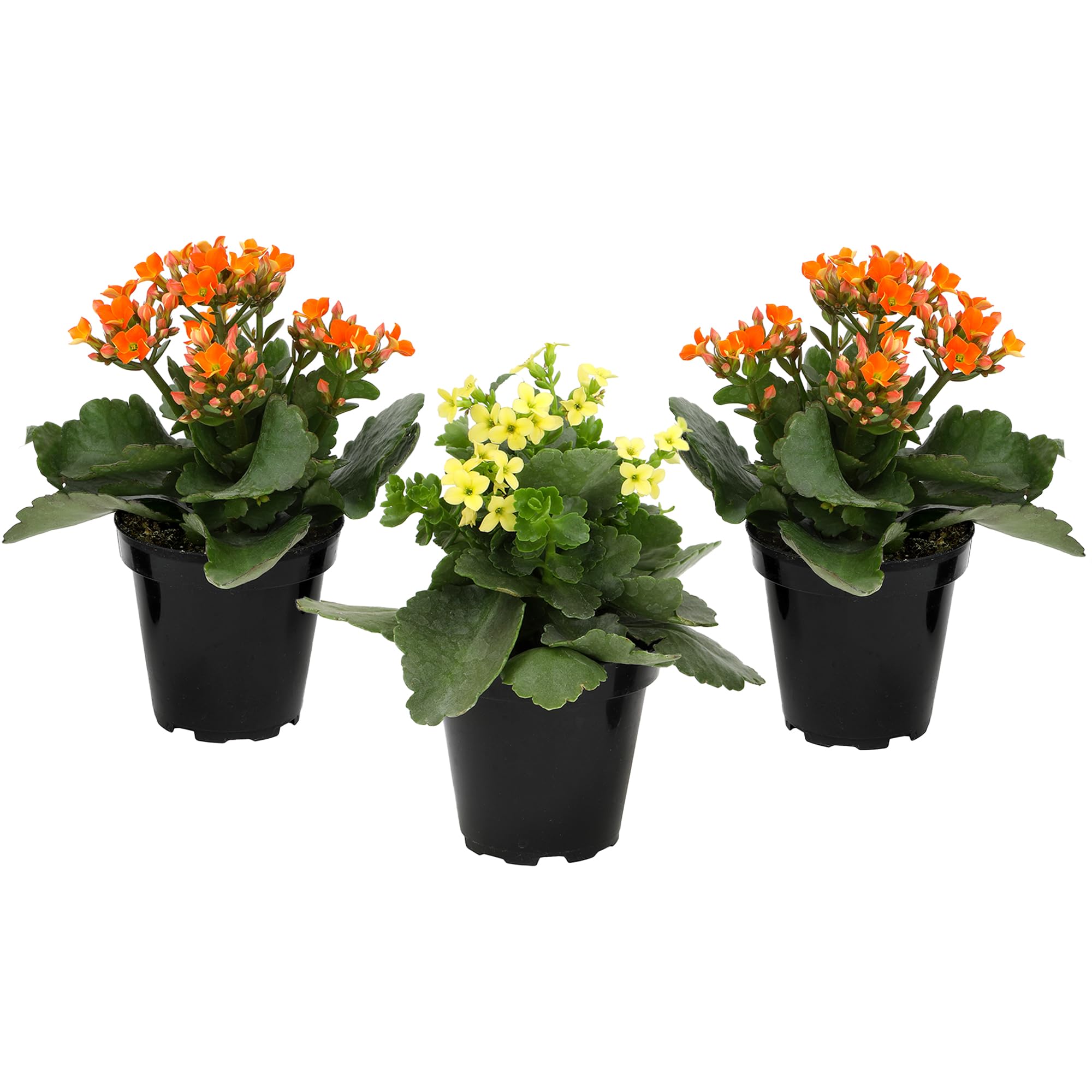
If you want immediate gratification without waiting for seeds to germinate, this 3-pack of live Kalanchoe succulents delivers fully rooted plants with orange, red, and yellow blooms on arrival. Each plant stands approximately 7 inches tall in a 3.5-inch grower pot. Kalanchoes are drought-tolerant by nature — their fleshy leaves store water, allowing them to survive long stretches between watering.
Customers consistently report healthy plants that adapt well to indoor or patio environments. One buyer noted the plants survived cold shipping with a heat pack and bloomed within a week. Another repotted the succulents and found they continued producing new leaves and buds even after the initial flowers faded, thanks to their extended bloom time feature. The company also donates a portion of proceeds to animal shelter placement.
The primary limitation is size — these are compact houseplants, not ground-cover meadow flowers. They thrive indoors near a window with grow lights or on a sheltered patio, but they won’t handle full outdoor winter in colder zones. Additionally, the soil arrived wet in some shipments, and a few flowers were mushy upon arrival. Pinching off damaged blooms resolved the issue within weeks.
Why it’s great
- Live plants with blooms on arrival — no germination wait time
- Fleshy succulent leaves provide genuine drought tolerance for indoor use
- Year-round blooming potential with proper light and infrequent watering
Good to know
- Compact size limits use to containers, not meadow or garden bed planting
- Some shipments arrive with mushy flowers or wet soil requiring cleanup
FAQ
Why did my drought-tolerant seeds not germinate even though I spread them in the sun?
Can I mix drought-resistant wildflower seeds with my existing lawn grass?
Final Thoughts: The Verdict
For most users, the best drought resistant flowers winner is the Outsidepride Texas & Oklahoma Wildflower Mix because it balances regional adaptation, high purity, and a blend of annuals and perennials that cover large areas at a reasonable cost. If you want dramatic vertical height and true zero-water performance, grab the Outsidepride Chicory Seeds. And for instant color on a patio or indoor shelf without any germination effort, nothing beats the Plants for Pets Kalanchoe 3-Pack.

Mo Maruf
I created WellFizz to bridge the gap between vague wellness advice and actionable solutions. My mission is simple: to decode the research and give you practical tools you can actually use.
Beyond the data, I am a passionate traveler. I believe that stepping away from the screen to explore new environments is essential for mental clarity and physical vitality.