Our readers keep the lights on and my smoothie glass nicely filled. As an Amazon Associate, I earn from qualifying purchases.
Managing blood sugar often starts with what you drink, not just what you eat. Sugary sodas and fruit juices can send glucose levels on a rollercoaster, but the right beverage — one low in added sugars and rich in metabolic-supporting ingredients — can be a steadying force in your daily routine.
I’m Mohammad Maruf — the founder and writer behind WellFizz. I’ve combed through dozens of nutrition labels, ingredient decks, and lab-spec sheets to separate the genuinely helpful from the marketing hype in the wellness beverage space.
This guide evaluates five distinct drinks for their sugar content, protein fiber density, prebiotic profile, and overall metabolic impact to help you find the best drink to lower blood sugar that fits your lifestyle and palate.
How To Choose The Best Drink To Lower Blood Sugar
Not all beverages marketed as “healthy” are equally effective for glucose management. The two biggest pitfalls are hidden sugars and a lack of blood-sugar-buffering nutrients like protein or fiber. When evaluating a drink, focus on three core criteria.
Sugar Content and Sweetener Profile
The single most important metric is grams of added sugar per serving. Anything above 5g per 12-ounce serving risks a noticeable glucose spike for many individuals. Also examine what sweeteners are used — natural zero-calorie options like stevia or monk fruit are generally preferable to artificial alternatives like sucralose, which some studies suggest may still influence insulin response.
Protein and Fiber Density
Protein and dietary fiber slow gastric emptying and blunt the rapid absorption of carbohydrates. A drink with at least 10g of protein or 3g of fiber provides a meaningful metabolic cushion, especially when consumed alongside a meal or as a meal replacement. Drinks lacking both should be evaluated strictly on their sugar profile.
Functional Additives and Certifications
Ingredients like prebiotic fiber (inulin, chicory root), cinnamon extract, or green tea catechins have demonstrated modest glucose-lowering effects in clinical contexts. Look for third-party certifications like Non-GMO, Gluten-Free, or Kosher if those align with your dietary needs, and always check that the product list matches the label claims — transparency matters in this category.
Quick Comparison
On smaller screens, swipe sideways to see the full table.
| Model | Category | Best For | Key Spec | Amazon |
|---|---|---|---|---|
| Atkins Creamy Chocolate Coconut Shake | Protein Shake | Meal replacement & midday satiety | 15g protein, 1g sugar per 11 oz | Amazon |
| Bloom Pop Prebiotic Soda Shirley Temple | Prebiotic Soda | Soda craving replacement with gut support | Prebiotic fiber, 0g sugar per can | Amazon |
| Sanpellegrino Zero Sugar Blood Orange | Sparkling Drink | Zero-sugar Italian sparkling refreshment | 0g added sugar, 20 cal per 11.15 oz | Amazon |
| Sanpellegrino CIAO Blood Orange Sparkling Water | Sparkling Water | Light low-calorie daily sipper | 0g added sugar, 10 cal per can | Amazon |
| Bigelow Benefits Cinnamon & Blackberry Herbal Tea | Herbal Tea | Calorie-free evening wind-down | 0g sugar, 0 cal, caffeine-free | Amazon |
In‑Depth Reviews
1. Atkins Creamy Chocolate Coconut Protein Shake
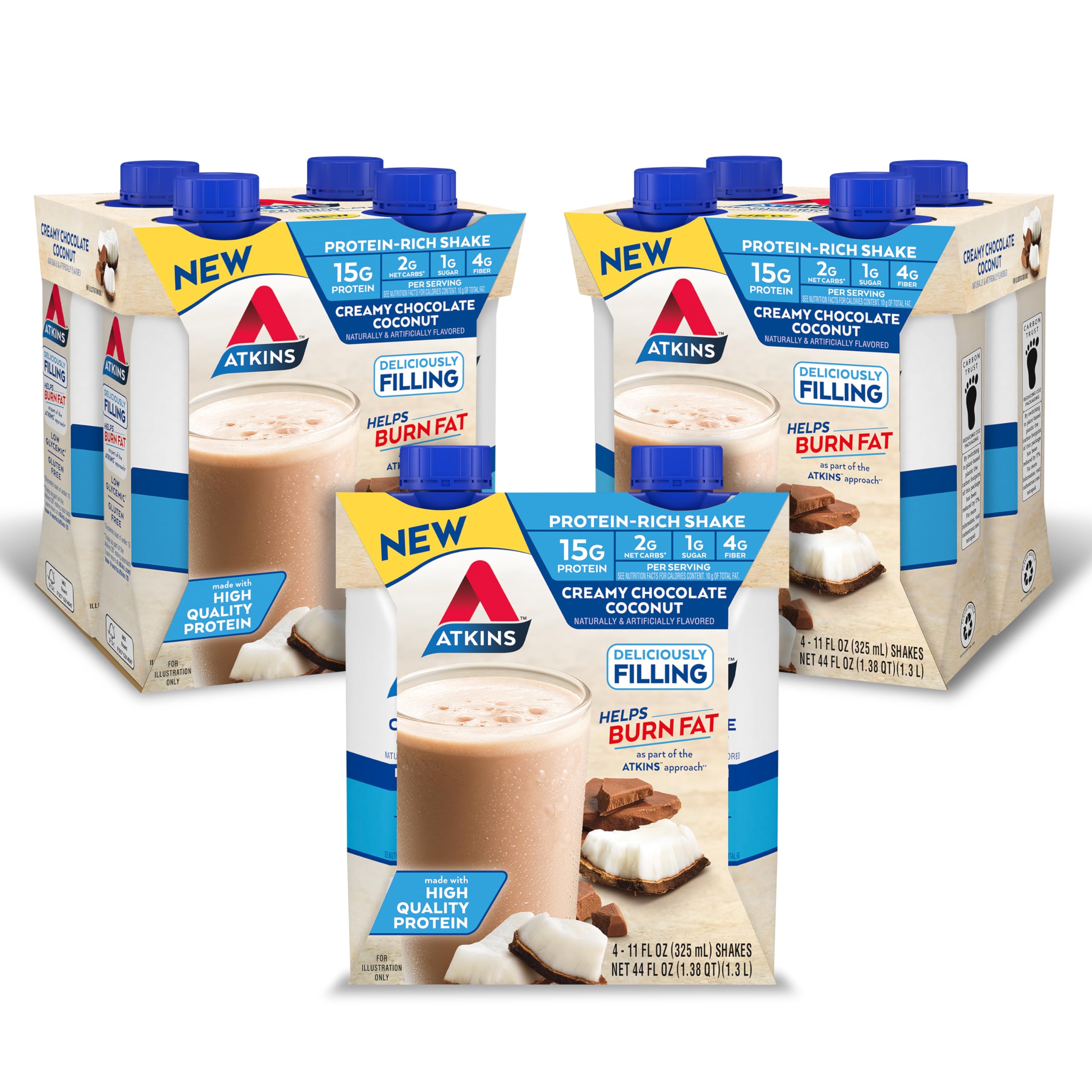
With 15 grams of protein and just 1 gram of sugar per 11-ounce shake, this Atkins offering delivers the highest protein-to-sugar ratio in the roundup. The 4 grams of dietary fiber further slows carbohydrate absorption, making this a strong metabolic ally for anyone looking to stabilize glucose between meals or as a breakfast substitute. The creamy chocolate-coconut profile is notably palatable — one reviewer commented it blends smoothly into coffee like a flavored creamer, expanding its utility beyond a standalone drink.
From a formulation standpoint, the shake is keto-aligned at 2g net carbs, which means it avoids the starch and maltodextrin fillers that plague many mass-market protein shakes. The convenience factor is high: each bottle is shelf-stable until opened and requires no refrigeration for transport, making it practical for office or travel use. This is a functional beverage that earns its mid-range cost by packing a measurable glucose-management punch that goes beyond mere marketing claims.
The main tradeoff involves the ingredient base — vegetable oil appears as the top ingredient after water, which may give pause to those who prioritize whole-food sources over processed oils. Additionally, the 11-ounce size feels slightly smaller than traditional shake canisters, though the nutritional density compensates for the volume. If you prioritize satiety and glycemic stability over ingredient purity, this shake is a calculated winner.
Why it’s great
- Highest protein content in the test group (15g) directly supports glucose control
- Only 1g sugar and 2g net carbs — clean glycemic profile
- Versatile use as shake or coffee creamer; shelf-stable packaging
Good to know
- Vegetable oil is the second ingredient, a processed fat source
- 11-ounce serving size is smaller than some standard shakes
- Sucralose-based sweetener may not suit all preferences
2. Bloom Pop Prebiotic Soda, Shirley Temple Flavor
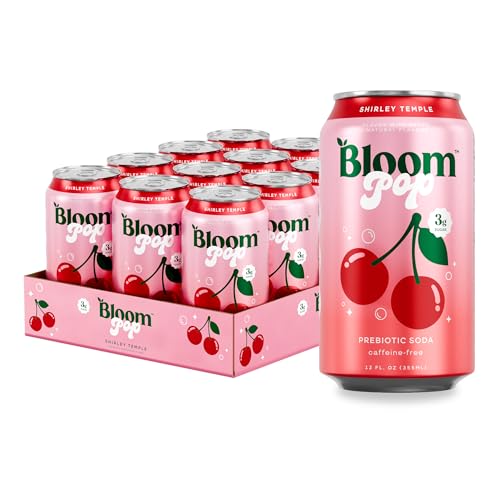
Bloom Pop reimagines the soda experience for a sugar-conscious audience by delivering a Shirley Temple taste with zero grams of added sugar and a clinically referenced dose of prebiotic fiber. The fiber content — derived from chicory root inulin — is the standout feature for glucose management, as prebiotics feed beneficial gut bacteria that can influence insulin sensitivity over time. Reviewers consistently note that it tastes more like a conventional sweet soda than other functional alternatives, with one user reporting it as a weekly staple that even replaced Olipop and Poppi in their household.
The caffeine-free formulation ensures no stimulant interference with sleep or cortisol levels, both of which indirectly affect blood sugar regulation. The 12-ounce can size is standard, but the low calorie count (not explicitly stated in the data but implied by the sugar content) keeps it within a safe daily threshold for those monitoring glucose closely. The Shirley Temple profile leans toward a sweet-tart cherry-vanilla note that masks the earthy aftertaste common to fiber-infused drinks.
One limitation is that the prebiotic fiber content, while beneficial, is not enough to fully blunt a glucose spike on its own — pairing it with a protein-rich snack is recommended for maximal effect. Additionally, the 12-pack format is standard for the category, but the per-can cost is slightly above generic seltzer options. For those who need a daily soda fix without the sugar load and want a small metabolic edge from prebiotics, this is a well-executed choice.
Why it’s great
- Zero added sugar and zero artificial sweeteners listed
- Clinically backed prebiotics support gut microbiome linked to insulin sensitivity
- Strong flavor profile that mimics sugary soda without crashing energy
Good to know
- Prebiotic fiber alone is not enough to prevent glucose spikes
- Higher per-can cost compared to plain sparkling water
- Some users may experience bloating from inulin fiber
3. Sanpellegrino Zero Sugar Blood Orange Sparkling Drink

Sanpellegrino’s Zero Sugar variant elevates the Italian sparkling water concept by removing all added sugar while retaining real blood orange and orange juice for authentic fruit flavor. At zero grams of added sugar and only about 20 calories per 11.15-ounce can, this drink avoids the insulin spike associated with traditional sodas and sweetened juices. Reviewer feedback specifically highlights its diabetic-friendly appeal — one verified purchaser noted it causes no blood sugar spike and praised the sophisticated, elegant packaging as a bonus for social settings.
The inclusion of Acesulfame Potassium and Sucralose as zero-calorie sweeteners provides the sweetness missing from plain sparkling water, but the base of real juice concentrate means there are approximately 3-7 grams of total carbohydrates per can from naturally occurring fruit sugars. This is still within a low-glycemic range, but purists on strict ketogenic or ultra-strict glucose management may want to account for those residual carbs. The gentle carbonation and Sicilian salt finish offer a crisp, non-abrasive fizz that reviewers describe as “elegant” and “refined.”
At this tier, the price per can is higher than a standard seltzer case, but the ingredient quality — real juice, no artificial colors, and zero added sugar — justifies the premium for those who want a genuinely elevated zero-sugar beverage. The 24-pack format provides longevity, and the 11.15-ounce can size is generous enough to satisfy a full serving. This is the best option in the roundup for those who value flavor sophistication and are willing to pay more for a drink that performs well on glycemic metrics without tasting like a compromise.
Why it’s great
- Zero added sugar with real blood orange juice for authentic taste
- Diabetic-friendly with no blood glucose spike reported in reviews
- Elegant packaging and Sicilian salt finish enhance the drinking experience
Good to know
- Sweetened with Acesulfame K and Sucralose, not stevia or monk fruit
- 3-7g total carbs per can from natural fruit sugars
- Higher price point than standard sparkling water brands
4. Sanpellegrino CIAO Blood Orange Sparkling Water

The CIAO line from Sanpellegrino enters as a lighter, lower-cost alternative to the Zero Sugar premium tier. Similar to the Sanpellegrino Zero Sugar drink in the preceding review, it shares the same essential advantage of zero added sugar. It contains just 10 calories per can and features a blend of blood orange and citrus juices with a pinch of Sicilian salt for balanced acidity. Reviewers consistently note its crisp, light profile and tart-sweet balance as highly refreshing, with one calling it a “vacation in a can.” For daily hydration without glucose spikes, this is among the most cost-effective premium options.
At 10 calories per can versus the Zero Sugar variant’s 20, the lower caloric load means less total carbohydrate from fruit juice, which is a subtle but meaningful advantage for strict glucose watchers. The carbonation is described as solid and not overly aggressive, making it a suitable replacement for soda or mixed drinks. The 24-pack size provides a solid per-unit cost, and the cans are compact enough for stacking in standard refrigerator shelves.
One nuance: because the flavor is lighter than the Zero Sugar version, some users who prefer bolder sweetness may find it too tart. It is not intended to mimic soda — it is a flavored sparkling water. For those who want a zero-sugar, low-calorie beverage that can be consumed daily without budget strain, the CIAO line delivers the same Sanpellegrino quality without the premium markup. Pairing it with a high-fiber snack makes it a solid component of a blood-sugar-conscious hydration plan.
Why it’s great
- Only 10 calories per can with zero added sugar — among the lightest options
- Practical 24-pack size at a lower per-unit cost than premium tiers
- Crisp, refreshing flavor profile with real fruit juice content
Good to know
- Lighter flavor may be too tart for those accustomed to sweet drinks
- No protein or fiber to actively buffer glucose spikes
- Sweetness comes from acesulfame potassium and sucralose blend
5. Bigelow Benefits Cinnamon & Blackberry Herbal Tea
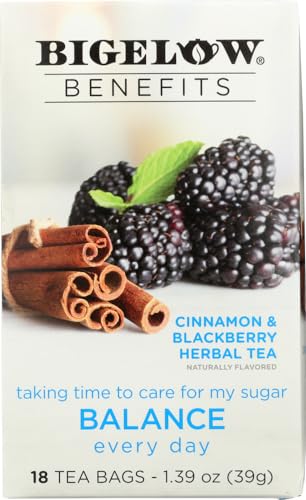
Bigelow’s Cinnamon & Blackberry herbal infusion is among the simplest and most direct options for blood sugar support. Cinnamon has been studied for its potential to improve insulin sensitivity and reduce fasting blood glucose levels, making this tea a functional choice that costs literally nothing on the glycemic register — zero calories, zero sugar, and zero caffeine. The blackberry note adds a fruity depth that balances the warm cinnamon spice, resulting in a flavor that reviewers describe as cozy and naturally sweet without any sweeteners. The individually sealed tea bags ensure freshness and make portion control effortless.
The caffeine-free profile is a significant advantage when used as an evening beverage, as caffeine can disrupt sleep and indirectly elevate cortisol, which in turn may affect morning glucose levels for sensitive individuals. The recommended steeping time allows the cinnamon polyphenols to infuse fully, and the tea can be enjoyed hot or cold with no loss of flavor. At a cost per cup that is among the lowest in this roundup, it offers the best value for someone who wants a zero-stakes beverage that may provide a mild, research-supported glucose benefit over time.
The tradeoff is noticeable: this is not a meal or a nutrient-dense drink. It provides zero protein, zero fiber, and zero calories — it is purely a hydrating herbal infusion with potential metabolic perks. For someone needing a satisfying, structured drink that actively buffers a carb-heavy meal, this tea is too mild. But as a daily hydration staple, a post-dinner wind-down, or a base for adding your own cinnamon and lemon, it is a smart and low-cost addition to a glucose-conscious routine.
Why it’s great
- Contains cinnamon compounds with documented insulin-sensitivity benefits
- Zero calories, zero sugar, zero caffeine — harmless to glucose levels
- Budget-friendly per-cup cost with individually wrapped bags
Good to know
- No protein, fiber, or calories — does not provide satiety or blunt spikes
- Subtle flavor may be too mild for those used to strong sweet beverages
- Cinnamon content is not standardized for therapeutic dosing
FAQ
Can a drink really lower my blood sugar or just prevent it from rising?
Is it safe to drink zero-calorie sweetened beverages every day while managing blood sugar?
Should I drink a protein shake as a meal replacement to lower blood sugar?
Final Thoughts: The Verdict
For most users, the drink to lower blood sugar winner is the Atkins Creamy Chocolate Coconut Protein Shake because its 15 grams of protein and 1 gram of sugar create the most direct and measurable glucose-stabilizing effect in the group. If you want a zero-sugar soda substitute with prebiotic support for gut health, grab the Bloom Pop Shirley Temple. And for a calorie-free and caffeine-free daily staple that may offer a mild cinnamon-based metabolic edge, nothing beats the Bigelow Cinnamon & Blackberry Herbal Tea.

Mo Maruf
I created WellFizz to bridge the gap between vague wellness advice and actionable solutions. My mission is simple: to decode the research and give you practical tools you can actually use.
Beyond the data, I am a passionate traveler. I believe that stepping away from the screen to explore new environments is essential for mental clarity and physical vitality.