Our readers keep the lights on and my smoothie glass nicely filled. As an Amazon Associate, I earn from qualifying purchases.
When the lining of your esophagus is inflamed, every swallow can feel like a reminder of the irritation. Finding a drink for esophagitis that won’t trigger more pain while actually supporting healing is a daily challenge that goes beyond simple hydration.
I’m Mohammad Maruf — the founder and writer behind WellFizz. I’ve spent countless hours researching how specific beverage ingredients interact with sensitive esophageal tissue, analyzing pH levels, and reading through hundreds of user experiences to find what truly provides relief.
This guide breaks down the most effective drinks that can soothe an inflamed esophagus without introducing acidic or spicy triggers. Here is my definitive list of the best options for anyone searching for a best drink for esophagitis that actually works.
How To Choose The Best Drink For Esophagitis
Not all soothing-sounding drinks are safe for an inflamed esophagus. The key is to look beyond marketing claims and focus on measurable properties that directly affect tissue comfort.
Prioritize pH Over Everything
A beverage with a pH below 5.0 can directly irritate already-inflamed tissue. The ideal drink for esophagitis sits at a pH of 6.0 or higher, with neutral or slightly alkaline options providing the most reliable comfort. Skip anything with citric, malic, or phosphoric acid regardless of how gentle the label sounds.
Look for Protective Mucilage
Herbal ingredients like slippery elm, marshmallow root, and licorice root produce a gel-like substance called mucilage when steeped. This forms a temporary coating over the esophageal lining, acting as a physical barrier against stomach acid and further irritation. Teas that contain these herbs offer more than just flavor.
Avoid Temperature Extremes
Any drink consumed very hot or very cold can trigger spasm or worsen sensitivity in an inflamed esophagus. Lukewarm or room-temperature beverages are safer choices regardless of ingredient quality. Let hot tea cool for several minutes before sipping, and avoid swallowing ice-cold liquids quickly.
Check for Hidden Triggers
Mint, caffeine, alcohol, carbonation, and artificial sweeteners are common triggers that appear in drinks marketed as “soothing.” Peppermint can relax the lower esophageal sphincter, while carbonation distends the stomach and increases reflux pressure. Always read the full ingredient list even on herbal blends.
Quick Comparison
On smaller screens, swipe sideways to see the full table.
| Model | Category | Best For | Key Spec | Amazon |
|---|---|---|---|---|
| Essentia Ionized Alkaline Water | Alkaline Water | Neutral pH relief | 9.5 pH until opened | Amazon |
| Traditional Medicinals Spearmint Tea | Herbal Tea | Caffeine-free soothing | 48 compostable tea bags | Amazon |
| Yogi Tea Stomach Ease | Digestive Tea | Stomach calming support | 64 bags with licorice root | Amazon |
| Haioreum Ginger Tea With Honey | Ginger Tea Paste | Warm ginger relief | 2.2 lb jar | Amazon |
| OLIPOP Prebiotic Soda | Functional Soda | Gut-friendly carbonated option | 12 cans, 9g fiber each | Amazon |
In‑Depth Reviews
1. Essentia Ionized Alkaline Water
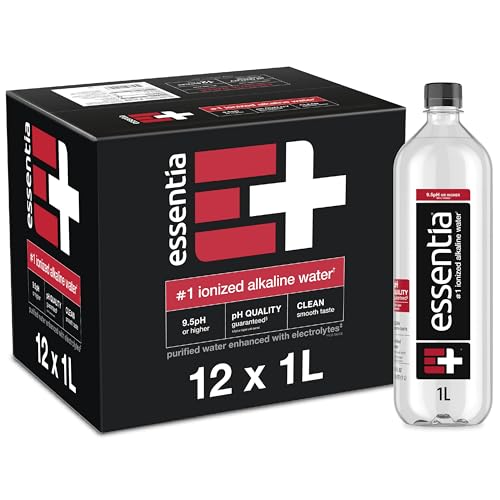
Essentia delivers a remarkably clean-tasting alkaline water with a pH of 9.5 that stays stable until the bottle is opened. For anyone dealing with esophagitis, this eliminates the guesswork around acidity because there simply is none. The ionization process removes bitter-tasting acidic ions, resulting in a smooth mouthfeel that doesn’t provoke the throat.
Multiple users report that switching to this water noticeably reduced heartburn and reflux symptoms over time, with several noting that their children even preferred it over sugary drinks. The 12-pack format makes it easy to keep a steady supply at home or at work, and the bottles are BPA and phthalate-free.
At a mid-range price point, Essentia is an entry-level premium option that outperforms standard bottled water for esophageal comfort. It’s not a treatment, but it’s the most reliable hydration choice for anyone whose esophagus reacts poorly to tap or spring water.
Why it’s great
- Ultra-high 9.5 pH provides a truly neutral experience
- No mineral aftertaste that can trigger sensitivity
- Electrolytes added for taste without acidic additives
Good to know
- Must be stored properly to maintain pH until opening
- Plastic bottles can be less eco-friendly than reusable options
2. Traditional Medicinals Organic Spearmint Tea

Spearmint tea offers a gentler alternative to peppermint, which can relax the lower esophageal sphincter and worsen reflux. Traditional Medicinals’ version is herbally formulated, USDA Organic, and Non-GMO Verified, with a soft minty sweetness that doesn’t bite. The compostable tea bags are a thoughtful sustainability touch.
Users consistently mention enjoying this tea for its calming effects on the stomach and its ability to help with bloating and hormonal symptoms. For esophagitis, the key benefit is that spearmint is less likely than peppermint to aggravate reflux while still providing a soothing, aromatic experience. It’s completely caffeine-free, making it safe for any time of day.
The 48-count box delivers solid value for an mid-range herbal tea. It is not a medicated remedy, but for those who want a hot beverage that doesn’t hurt, this is a reliable everyday choice. Steep it for 10 minutes and let it cool to lukewarm before sipping.
Why it’s great
- Mild mint flavor won’t trigger esophageal sphincter relaxation like peppermint
- Compostable bags and B Corp certification for eco-conscious buyers
- No caffeine, no artificial anything
Good to know
- Some users may still find mint irritating if highly sensitive
- Not formulated specifically for esophagitis relief
3. Yogi Tea Stomach Ease
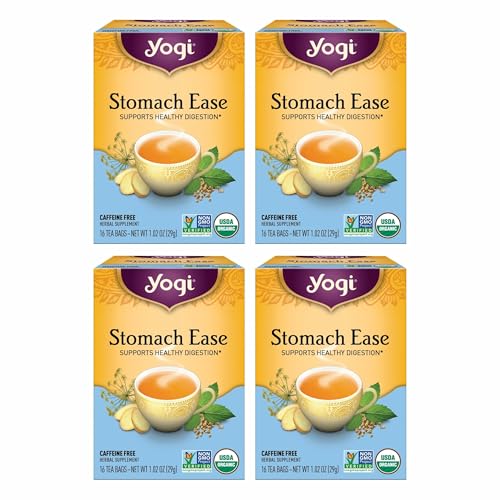
Yogi’s Stomach Ease combines licorice root, fennel, ginger, and peppermint in an Ayurvedic formula designed specifically for digestive comfort. Licorice root is a standout ingredient for esophagitis because it contains glycyrrhizin, which can help soothe mucous membranes and reduce inflammation. The blend also includes warming spices like cardamom and coriander.
User reviews highlight consistent stomach-settling effects, with several people over 80 reporting significant improvement in heartburn and bloating after regular use. The tea has a naturally sweet taste from the licorice and fennel, so no added sugar is needed. Steeping for the recommended 7 minutes extracts the full mucilaginous benefits.
Available in a 4-pack giving 64 total tea bags, this is a budget-friendly option with a premium ingredient profile. The peppermint content is relatively low compared to the licorice and fennel, but those highly reactive to mint should still approach cautiously. It’s USDA Organic and vegan-friendly.
Why it’s great
- Licorice root directly supports mucous membrane soothing
- Naturally sweet without sugar or artificial sweeteners
- Excellent value per serving at 64 bags per purchase
Good to know
- Still contains peppermint which may trigger some users
- Prolonged licorice root use may affect blood pressure in sensitive individuals
4. Haioreum Ginger Tea With Honey
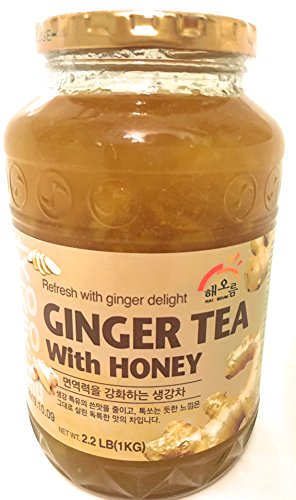
Ginger has well-documented anti-inflammatory properties, and Haioreum’s thick honey-ginger paste makes it easy to prepare a warm, soothing drink by simply mixing a spoonful with hot water. This jar format yields dozens of servings, making it an economical choice for daily use. The ginger pieces are visible and provide a genuine, not artificial, flavor.
Users appreciate the strong ginger character, noting it’s excellent for colds and general stomach upset. For esophagitis, the warmth and ginger content can help reduce nausea and calm digestive inflammation without introducing acidity. The honey adds a natural sweetness that coats the throat slightly.
At a mid-range price per jar, this product excels in value but has a caveat: some users wish the ginger flavor was even stronger relative to the honey. Those with severe esophagitis should also test ginger tolerance individually, as a small percentage of people find ginger slightly irritating. Let the prepared drink cool to lukewarm before sipping.
Why it’s great
- Ginger offers anti-inflammatory benefits relevant to esophagitis
- Concentrated paste provides many servings per jar
- No artificial flavors or preservatives
Good to know
- Honey-to-ginger ratio leans sweeter; some may want extra ginger
- Not all esophagitis patients tolerate ginger well
5. OLIPOP Prebiotic Soda
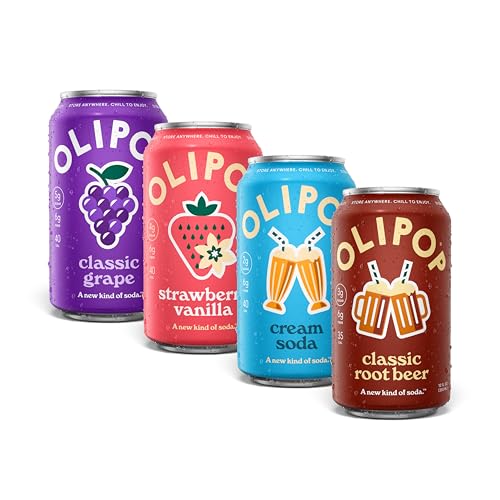
OLIPOP is a functional soda that combines nostalgic flavors with prebiotics, plant fiber, and botanicals to support digestive health. Each can contains 9 grams of fiber and under 50 calories, with no artificial sweeteners. The carbonation is lighter than standard soda, which reduces the distension that can aggravate reflux.
User reviews consistently praise the taste, noting that the root beer and grape flavors come close to the originals without the sugar crash. For esophagitis, the low-acid formulation and gut-friendly prebiotic content may support a healthier digestive environment over time. The variety pack includes Classic Grape, Cream Soda, Classic Root Beer, and Strawberry Vanilla.
OLIPOP sits at a premium price point per can compared to regular soda, but for those who miss carbonated beverages while managing esophagitis, it offers a much safer alternative. The carbonation is still present, so individuals with severe sensitivity should test a small amount first. It’s not a first-line soothing drink, but it’s the best option for soda lovers.
Why it’s great
- Low-acid formula with no citric or phosphoric acid
- Prebiotics and fiber support overall digestive health
- Nostalgic flavors without excessive sugar
Good to know
- Still carbonated, which can be problematic for some
- Higher per-can cost than homemade alternatives
FAQ
Can I drink alkaline water every day with esophagitis?
Is chamomile tea safe for esophagitis?
Why is peppermint tea bad for esophagitis?
Can carbonated drinks ever be safe for esophagitis?
Does ginger tea actually help heal esophagitis?
Final Thoughts: The Verdict
For most users, the best drink for esophagitis winner is the Essentia Ionized Alkaline Water because its guaranteed high pH removes acidity from the equation entirely, making hydration safe and simple. If you want a warm, herbal option with mucilage benefits, grab the Yogi Tea Stomach Ease. And for a gut-friendly carbonated treat that won’t burn, nothing beats the OLIPOP Prebiotic Soda.

Mo Maruf
I created WellFizz to bridge the gap between vague wellness advice and actionable solutions. My mission is simple: to decode the research and give you practical tools you can actually use.
Beyond the data, I am a passionate traveler. I believe that stepping away from the screen to explore new environments is essential for mental clarity and physical vitality.