Our readers keep the lights on and my smoothie glass nicely filled. As an Amazon Associate, I earn from qualifying purchases.
The difference between a crisp, clean seam and a frayed, imprecise edge often comes down to the pair of scissors in your hand. Dressmaking demands tools that glide through silk without snagging, slice through multiple layers of denim in a single pass, and remain comfortable for hours of repetitive cutting. A dull or poorly balanced pair introduces drag, fatigue, and inaccuracy into every project.
I’m Mohammad Maruf — the founder and writer behind WellFizz. I’ve spent countless hours dissecting the blade geometries, pivot tolerances, handle ergonomics, and steel compositions that separate professional-grade dressmaking shears from standard household scissors.
This guide compares seven of the top contenders on the market to help you find the perfect dressmaking scissors for your specific cutting needs and budget.
How To Choose The Best Dressmaking Scissors
Finding the right dressmaking scissors involves more than grabbing the sharpest-looking pair. You need to match blade length, steel type, handle design, and weight to the fabrics you cut most often and the duration of your sewing sessions.
Blade Material and Edge Type
High-carbon stainless steel offers the best balance of edge retention and rust resistance for most home sewists. Japanese carbon steel provides exceptional sharpness but requires more diligent care to prevent corrosion. For gripping slippery fabrics like silk or satin, micro-serrated or knife-edge blades prevent the material from sliding during the cut.
Handle Ergonomics and Weight
Offset or bent handles allow the blades to remain flat against the cutting surface while keeping your wrist in a neutral position—critical for pattern cutting. Scissors weighing between 4 and 12 ounces provide enough heft for clean cuts through multiple layers without causing hand fatigue during extended use. Rubberized or soft-grip touch points improve control and reduce pressure points.
Length and Hand Orientation
Blades between 8 and 10 inches are versatile for most dressmaking tasks. Longer 12-inch blades deliver more leverage for heavy fabrics like upholstery or multiple layers of denim. Right-handed models feature offset handles that angle the top blade for optimal cutting visibility; ambidextrous options exist but may sacrifice some ergonomic advantage.
Quick Comparison
On smaller screens, swipe sideways to see the full table.
| Model | Category | Best For | Key Spec | Amazon |
|---|---|---|---|---|
| Kai 7300 | Premium | Fatigue-free all-day cutting | 12in, 15 oz, high-carbon stainless | Amazon |
| Gingher 8-Inch | Premium | Gripping slippery fabrics | 8in, micro-serrated edge | Amazon |
| SMITH CHU 12″ | Mid-Range | Heavy-duty upholstery & thick layers | 12in, high-carbon steel, 1.2 lb | Amazon |
| KAKURI 9.5″ | Mid-Range | Precision fine work & thick fabrics | 9.5in, Japanese carbon steel | Amazon |
| Fiskars RazorEdge 9″ | Mid-Range | Detailed cuts & tight spaces | 9in, leather grip, 5.6 oz | Amazon |
| SINGER ProSeries 10″ | Mid-Range | Right-handed multi-layer cuts | 10in, forged steel, rubber grip | Amazon |
| Fiskars Heritage 8″ | Budget-Friendly | Light to mid-weight fabrics | 8in, Swedish stainless, 3.04 oz | Amazon |
In‑Depth Reviews
1. Kai 7300 12 Inch Professional Scissors
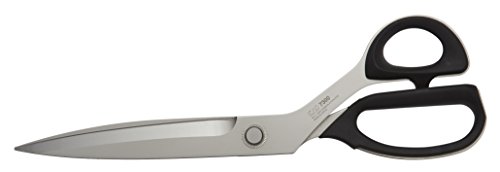
The Kai 7300 is the benchmark for premium dressmaking shears, delivering a level of balance and cutting smoothness that justifies its place at the top of the list. The 12-inch high-carbon stainless steel blades glide through everything from delicate chiffon to heavy denim without hesitation, and the weight distribution is engineered so precisely that extended cutting sessions produce minimal fatigue. Users consistently describe the action as cutting through fabric like butter, with edge retention that withstands frequent commercial use.
The plastic handles might appear utilitarian compared to all-metal competitors, but the ergonomic shape and neutral wrist angle they promote are superior for long workdays. At 427 grams, the 7300 is heavy enough to provide momentum through thick stacks yet balanced so the weight does not pull on your hand. The brushed finish on the blades resists rust and reduces friction during the cut.
Some users with smaller hands report the 12-inch length feels large, but for anyone cutting multiple layers or working on large projects, the extra reach and leverage are distinct advantages. The lack of a padded grip is the only minor ergonomic trade-off, as bare plastic can feel slick after prolonged use.
Why it’s great
- Exceptional balance reduces hand fatigue during all-day cutting
- High-carbon stainless steel holds a sharp edge through heavy commercial use
- Smooth cutting action on all fabric weights
Good to know
- 12-inch size may feel cumbersome for users with smaller hands
- Plastic handles lack cushioned grip found on some competitors
2. Gingher 8-Inch Micro-Serrated Edge Knife Edge Dressmaker’s Shears

Gingher’s micro-serrated edge shears solve one of the most frustrating problems in dressmaking: cutting slippery fabrics like satin, silk, and charmeuse. The tiny serrations along the blade grip the material and prevent it from sliding away from the cut, delivering precise, clean edges without the need for pattern weights or pins. The 8-inch size is ideal for detailed work and small to medium projects, and the high-carbon steel blades arrive exceptionally sharp out of the box.
The double-plated chrome-over-nickel finish provides excellent corrosion resistance, and the slightly blunted tips minimize the risk of snagging delicate fabrics during alignment. Users report cutting through seven-ounce leather and four layers of denim with effortless control, making these shears far more versatile than their compact size suggests.
The plastic handles are functional but lack ergonomic contouring, and the 0.19-kilogram weight, while manageable, does not provide the heft some users prefer for cutting through very thick stacks. These shears excel in precision and fabric grip rather than brute-force layering.
Why it’s great
- Micro-serrated edge grips slippery fabrics for slip-free cutting
- Blunt tips prevent snagging on delicate materials
- Extremely sharp out of the box, cuts leather easily
Good to know
- Plastic handles not as comfortable for very long sessions
- 8-inch length limits leverage on thick, multi-layer stacks
3. SMITH CHU Sewing Scissors 12 Inch

The SMITH CHU 12-inch shears offer premium-tier cutting performance at a mid-range price point, making them a standout choice for sewists who work with heavy fabrics like Cordura, upholstery materials, or multiple layers of duck cloth. The high-carbon steel blades maintain a razor edge through punishing materials, and the slanted, side-bent handle design keeps the blades flat against the cutting surface while your wrist remains in a neutral position.
At 563 grams, these shears have substantial heft, but the high-grade soft rubber grips provide excellent comfort and control even during extended cutting sessions. Users note that the weight and balance make cutting through thick stacks feel almost effortless, and the edge retention has impressed even heavy industrial users who cut 1000-denier Cordura regularly.
This is a dedicated heavy-duty tool—it is overkill for small, delicate projects or quick trims. Home sewists focused primarily on lightweight fabrics may find the 12-inch length and weight more tool than they need, and the blade action, while smooth, lacks the buttery feel of a premium Japanese-made product.
Why it’s great
- High-carbon steel blade stays sharp through tough upholstery materials
- Side-bent handles reduce wrist strain during long cutting sessions
- Comfortable rubber grip for extended use
Good to know
- Heavier weight is excessive for lightweight fabrics only
- 12-inch length may be cumbersome for detailed small-scale cutting
4. KAKURI Japanese Fabric Scissors 9.5 Inch

The KAKURI 9.5-inch shears bring genuine Japanese craftsmanship to the dressmaking scissors category. Handmade in Tsubame-Sanjo by skilled artisans, these scissors use Japanese carbon steel that achieves a level of sharpness that edge-retention charts cannot fully capture. The moderately offset traditional-style handles are comfortable for both fine detail work and cutting through thick fabrics, including carpets, with a clean, crisp action.
The brass screw pivot is both functional and aesthetically pleasing, allowing for tension adjustment as the blades wear in. Users consistently report that these scissors cut through cotton blends folded eight times with no resistance, and the hand-sharpened edge maintains its performance far longer than mass-produced alternatives. The 220-gram weight is light enough for precision tasks yet substantial enough to feel solid in the hand.
The carbon steel requires more maintenance than stainless steel blades—they should be wiped dry after each use and stored in a dry environment to prevent rust. The thin, rougher blade surface can occasionally cling to very fine lightweight fabrics, and the included plastic sleeve is minimal protection for storage.
Why it’s great
- Hand-sharpened Japanese carbon steel delivers exceptional edge sharpness
- Cuts cleanly through thin silk and thick multi-layer stacks alike
- Traditional brass screw pivot allows easy tension adjustment
Good to know
- Carbon steel requires careful drying and rust prevention
- Rougher blade surface can cling to very fine fabrics
5. Fiskars Crafts RazorEdge Softgrip Fabric Shears, 9-Inch

The Fiskars RazorEdge 9-inch shears strike an excellent balance between precision and everyday usability. The ultra-sharp, premium-grade stainless steel blades feature Fiskars’ proprietary grinding technique that ensures clean cuts all the way to the tip—no more stopping mid-cut to re-engage the fabric. The advanced pivot design minimizes friction and delivers the smoothest cutting action in the Fiskars lineup, making short work of silk, oil cloth, polyester, and light leather.
At just 5.6 ounces, these shears are among the lightest in this guide, but the leather Softgrip touch points provide a secure, cushioned hold that feels far more substantial than the weight suggests. Users switching from heavier Gingher shears often report preferring the RazorEdge for daily sewing because it reduces hand fatigue during long projects. The included sheath is a practical bonus for safe storage.
The lightweight construction means these shears do not carry the momentum needed for cutting through very thick stacks of heavy fabric. They excel at detailed cuts and tight spaces but are best paired with a heavier, dedicated pair for upholstery or multiple layers of denim.
Why it’s great
- Lightweight design with cushioned leather grip reduces hand fatigue
- Advanced pivot delivers very smooth cutting action
- Blades cut cleanly to the tip for precise detail work
Good to know
- Light weight lacks momentum for thick, multi-layer stacks
- Not ideal for heavy upholstery or denim layering
6. SINGER ProSeries 10″ Tailor Scissors

The SINGER ProSeries 10-inch tailor scissors offer a no-compromise approach to cutting dressmaking fabrics and heavy cloth. The forged stainless steel blades are engineered for long-lasting sharpness and precise cutting, and the blackened finish reduces glare while working under bright task lighting. Designed specifically for right-handed use, the offset handle geometry provides excellent cutting visibility and a natural wrist angle.
The rubberized ergonomic handle is a standout feature—users consistently praise the pain-free cutting experience and solid, comfortable grip. At 12 ounces, these shears have enough heft to power through multiple fabric layers without strain, and the blade action is smooth and reliable from the first cut. Several users compare them favorably to Gingher scissors at a substantially lower price point, noting only a minor difference in initial sharpness.
The right-handed only design limits their appeal to left-handed sewists, and some users find the 10-inch length slightly heavy for small, detailed trimming. These are robust, workhorse shears best suited for mid-weight to heavy fabric projects where precision meets endurance.
Why it’s great
- Forged stainless steel blades deliver excellent edge retention
- Rubberized handle provides a comfortable, pain-free grip
- Designed for right-handed cutting with good blade visibility
Good to know
- Right-handed only—not suitable for left-handed users
- Heftier feel may be tiring for extended detail work
7. Fiskars Heritage Seamstress Scissors, 8 Inch

The Fiskars Heritage Seamstress 8-inch scissors prove that quality dressmaking shears do not require a premium investment. The specially formulated Swedish stainless steel blades resist rust and dulling far longer than standard stainless, and Fiskars’ proprietary grinding technique delivers a sharp edge that cuts cleanly through silk, denim, and multiple fabric layers. At only 3.04 ounces, these are the lightest scissors in this guide, making them exceptionally comfortable for extended light-duty cutting sessions.
The ergonomic handle design with large, comfortable finger holes accommodates users with larger hands and allows for a relaxed grip. Users who have owned Fiskars scissors for decades report that the Heritage model matches or exceeds the quality of older pairs, delivering the same reliable performance at a fair price. The orange and white color scheme makes them easy to spot among sewing supplies.
The lightweight construction means these scissors are best suited for light to mid-weight fabrics. Users who cut heavy denim or thick stacks regularly prefer heavier shears. Some users also note that the plastic handle and pivot may not withstand the same abuse as all-metal designs, and the shank design has been reported to have a sharp angle that can occasionally pinch skin.
Why it’s great
- Extremely lightweight and comfortable for extended use
- Swedish stainless steel resists rust and stays sharp
- Ergonomic handle with large finger holes fits larger hands
Good to know
- Light weight is less effective on heavy or multi-layer fabrics
- Plastic pivot components may not endure heavy-duty abuse
FAQ
Can I sharpen dressmaking scissors at home?
What length of dressmaking scissors should I buy?
Are ambidextrous scissors as good as right-handed shears?
Final Thoughts: The Verdict
For most users, the dressmaking scissors winner is the Kai 7300 because its exceptional balance, smooth cutting action, and fatigue-free design serve both precision and endurance needs across fabric types. If you want micro-serrated fabric grip for slippery materials, grab the Gingher 8-Inch. And for heavy-duty upholstery and thick multi-layer stacks, nothing beats the SMITH CHU 12-inch.

Mo Maruf
I created WellFizz to bridge the gap between vague wellness advice and actionable solutions. My mission is simple: to decode the research and give you practical tools you can actually use.
Beyond the data, I am a passionate traveler. I believe that stepping away from the screen to explore new environments is essential for mental clarity and physical vitality.