Our readers keep the lights on and my smoothie glass nicely filled. As an Amazon Associate, I earn from qualifying purchases.
A dress lives or dies by its fabric. The wrong cloth turns a carefully sewn pattern into a stiff, unflattering shell that refuses to move with the body. The right one skims the waist, gathers at the hip, and breathes through an afternoon of wear. That is the difference between a garment that hangs on a hanger and one that gets worn until the seams give out.
I’m Mohammad Maruf — the founder and writer behind WellFizz. I’ve spent hundreds of hours analyzing the technical specifications of dress fabrics, comparing fiber blends, weight ratings, drape coefficients, and wash-test results to separate the textiles that perform from those that disappoint.
Real dressmaking demands a cloth that balances structure with movement, breathability with opacity, and washability with color retention. This guide cuts through the marketing to deliver the singular best dress fabrics for every silhouette and skill level.
How To Choose The Best Dress Fabrics
Dress fabric selection comes down to three variables: fiber composition, weight, and weave. Each variable dictates how the fabric behaves on the cutting table and, more importantly, on the body. Ignoring any one of them produces a garment that looks right in the flat but twists, bags, or pulls during wear.
Fiber Composition: Natural vs. Synthetic Blends
Pure polyester drapes cheaply and traps heat. A blend of polyester with cotton or spandex, however, delivers the breathability of natural fibers with the wrinkle resistance and stretch recovery of synthetics. Look for at least 8–10 percent spandex if your dress pattern calls for body-hugging silhouettes; that small percentage provides the four-way stretch that prevents the fabric from distorting at the hips and shoulders.
Fabric Weight (GSM) and Drape
GSM (grams per square meter) is the single most important spec for dress fabric. Fabrics under 120 GSM belong to linings and floaty blouses. Fabrics between 120 and 180 GSM produce the structured but fluid drape necessary for A-line skirts and fitted bodices. Anything over 200 GSM is upholstery territory — suitable for winter coats but a disaster for a flowing dress.
Weave Type and Fray Resistance
Plain weaves offer the simplest construction and the most predictable drape, making them ideal for beginners. A crushed velvet weave introduces depth and shimmer, but the pile creates directional nap that requires pattern layouts. Fray resistance matters enormously for velvet and knit blends: a fray-prone selvedge adds hours of finishing work to seams that should be straight-stitched and done.
Quick Comparison
On smaller screens, swipe sideways to see the full table.
| Model | Category | Best For | Key Spec | Amazon |
|---|---|---|---|---|
| Panne Crushed Velvet Fabric | Velvet | Evening gowns & structured dresses | 220 GSM / 97% Polyester 3% Spandex | Amazon |
| Ice Fabrics Stretch Velvet | Stretch Velvet | Costumes & flared dresses | 60″ wide / 90% Polyester 10% Spandex | Amazon |
| CUCUBIT Cotton Polyester Broadcloth | Broadcloth | Shirt-dresses & lined bodices | 120 GSM / 90% Polyester 8% Cotton 2% Spandex | Amazon |
| ZOMONETI Fusible Interfacing | Interfacing | Adding structure to collars & cuffs | 17″ x 30 yd / Non-woven Polyester | Amazon |
| ANNINGWAX Ankara African Print | Wax Print | Statement dresses & traditional wear | 45″ wide / 100% Polyester Wax Print | Amazon |
In‑Depth Reviews
1. Panne Crushed Velvet Fabric — LITLOOK
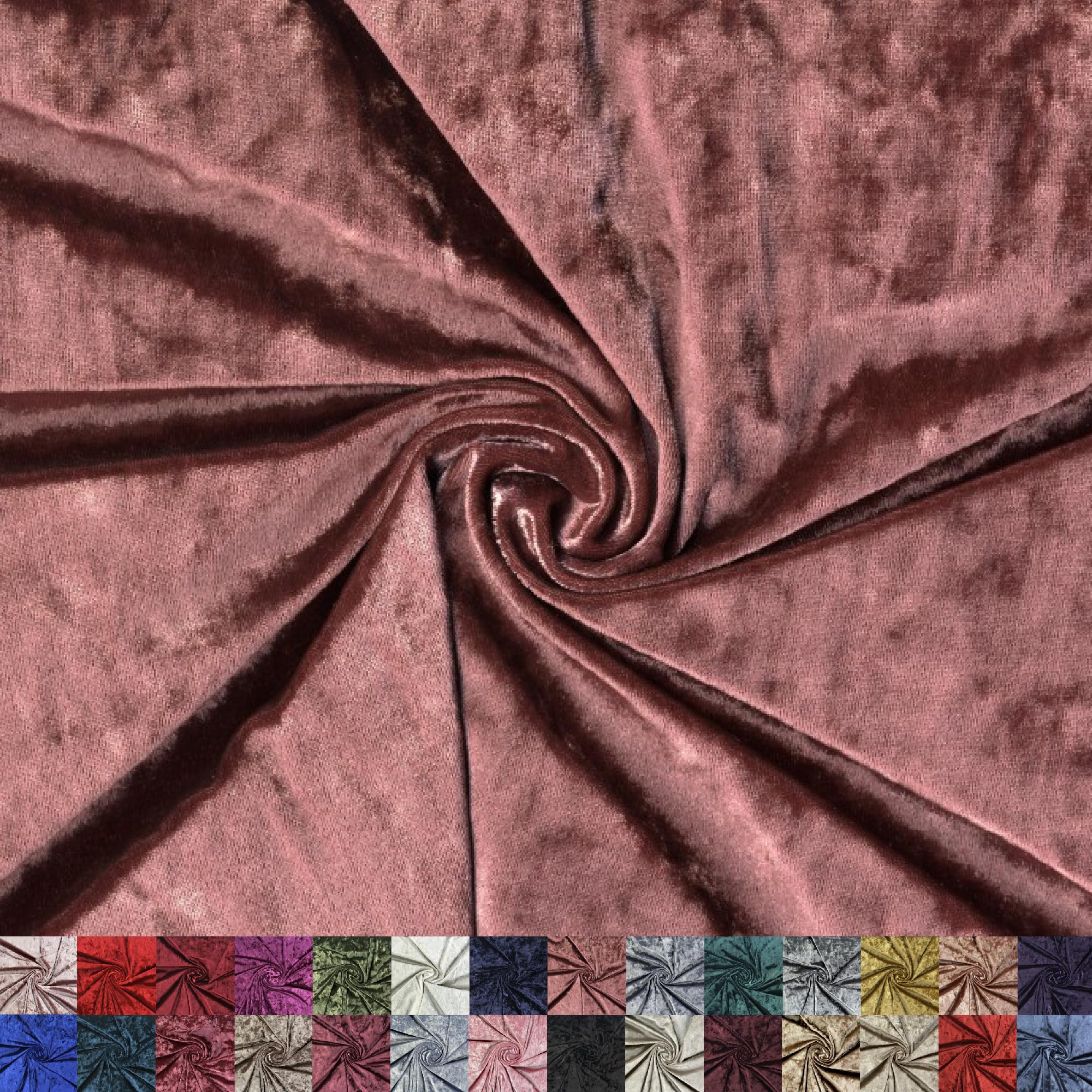
This crushed velvet sits at the intersection of luxury and workability. At 220 GSM, the fabric carries enough density to hold the structure of an A-line gown yet still folds into gathers without buckling at the waist. The 97% polyester and 3% spandex composition gives it a two-way stretch that recovers fully — critical for fitted bodices that should not sag after a single wear.
The crushed texture catches light differently from every angle, producing a shimmer that reads as expensive rather than costume-grade. Customer feedback confirms that the mulberry shade stays true after cold machine washing, and the fray-resistant edge eliminates the need for overlocking on straight seams. Beginners will appreciate how smoothly it feeds through a domestic machine without the pile shifting.
Choose this for prom gowns, bridesmaid dresses, or any occasion where the fabric itself does the heavy stylistic lifting. The continuous-yard ordering system means you can buy exactly the yardage your pattern requires without piecing.
Why it’s great
- Rich, multi-directional shimmer from crushed pile
- Two-way stretch recovers shape after repeated wear
- Fray-resistant edges reduce finishing time
Good to know
- Thinness may require lining for opaque coverage on light colors
- Stretch needs ballpoint needle and serger experience for best results
2. Ice Fabrics Stretch Velvet — 10% Spandex

With 10 percent spandex in the blend, this stretch velvet delivers noticeably more give than the average dress velvet. The extra elastane content makes it ideal for dancewear, leotard-style tops, and bodycon dresses that must stretch across the hips without losing shape. The fabric width at 60 inches gives dressmakers generous layout options for flared skirts that require wide panels.
The wrinkle resistance is genuine — samples held in a crumpled ball for an hour fell out completely with a light steam. Color saturation in the hot pink and royal purple shades is deep and even, with none of the patchy dye absorption that plagues cheaper stretch velvets. Machine washing on cold preserves both the pile texture and the dye intensity across multiple cycles.
Home sewists with intermediate experience will get the best results from this fabric. The stretch makes it harder to cut precisely, so a rotary cutter and self-healing mat are recommended over scissors. Costumers looking for bold colors that photograph vividly will find this hard to beat at the price point.
Why it’s great
- Excellent stretch recovery for fitted silhouettes
- 60-inch width allows generous cutting layouts
- Wrinkle-resistant even after packing in luggage
Good to know
- Thinner hand than luxury velvet — requires lining for opaque bodices
- High spandex content demands walking foot on sewing machine
3. CUCUBIT Cotton Polyester Broadcloth — 120 GSM
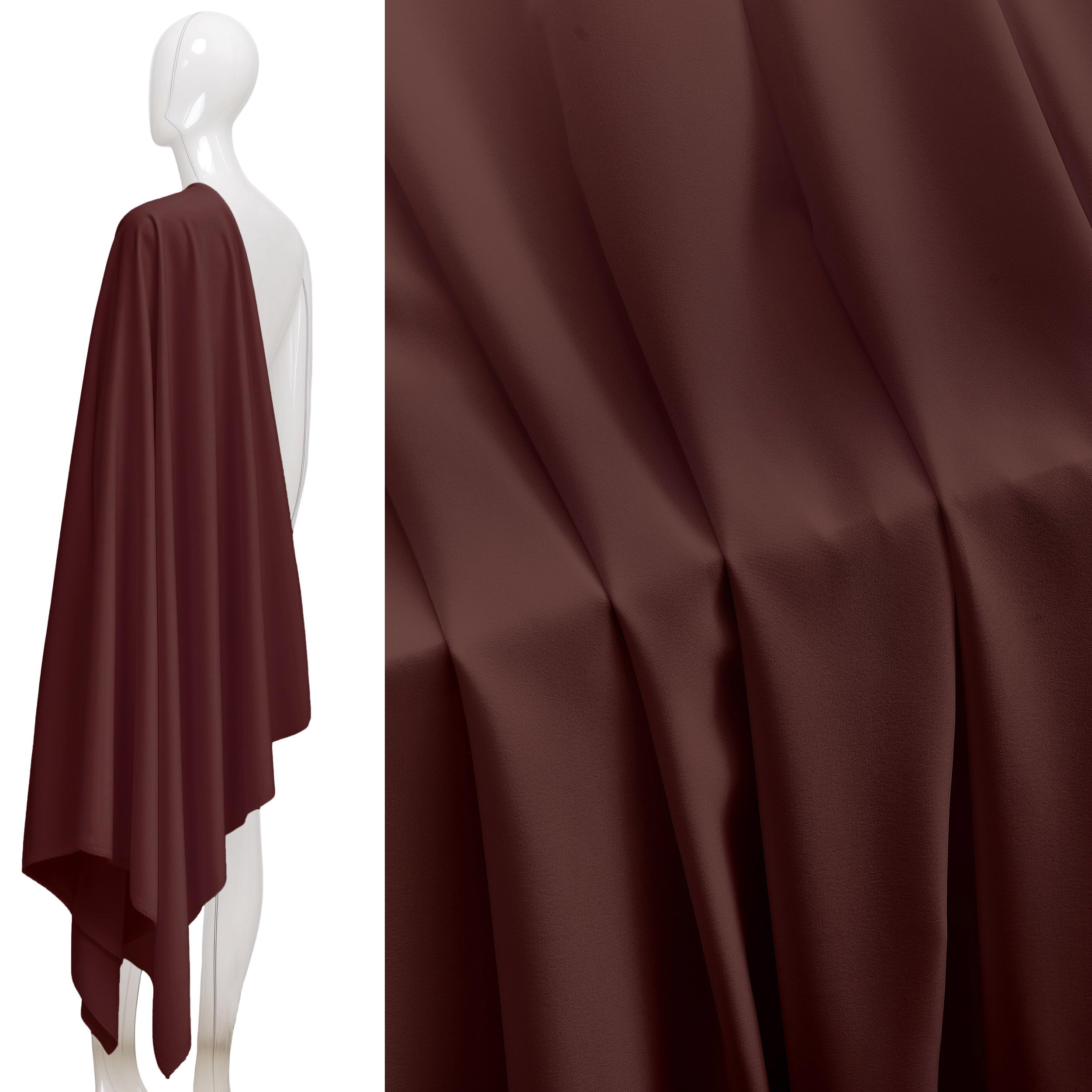
This broadcloth occupies the sweet spot between a shirt-weight poplin and a dress-weight bottomweight. At 120 GSM with a 90% polyester, 8% cotton, and 2% spandex blend, it breathes well enough for summer dresses yet holds a crease without looking crisp. The plain weave gives it a predictable, non-directional hand that makes pattern matching trivial.
The drape is the standout quality here. Customers consistently mention how the fabric falls in soft folds rather than standing away from the body, making it ideal for wrap dresses, gathered skirts, and blouson tops. The cotton component prevents the static cling that plagues pure polyester, while the spandex adds just enough give for ease of movement through the shoulders.
After washing, the fabric emerges without shrinkage or wrinkling — a direct result of the polyester dominance in the blend. The brown shade tested shows even dye absorption with no fading after five cold washes. For sewists looking for a reliable, go-everywhere woven that behaves predictably, this is the fabric to stock in multiple colors.
Why it’s great
- Excellent drape for gathered and wrapped silhouettes
- Cotton content reduces static cling dramatically
- Machine washable with zero shrinkage observed
Good to know
- Lightweight construction may be too sheer for unlined dresses
- Plain weave is prone to wrinkling in high-humidity environments
4. ZOMONETI Fusible Interfacing — 17″ x 30 Yard
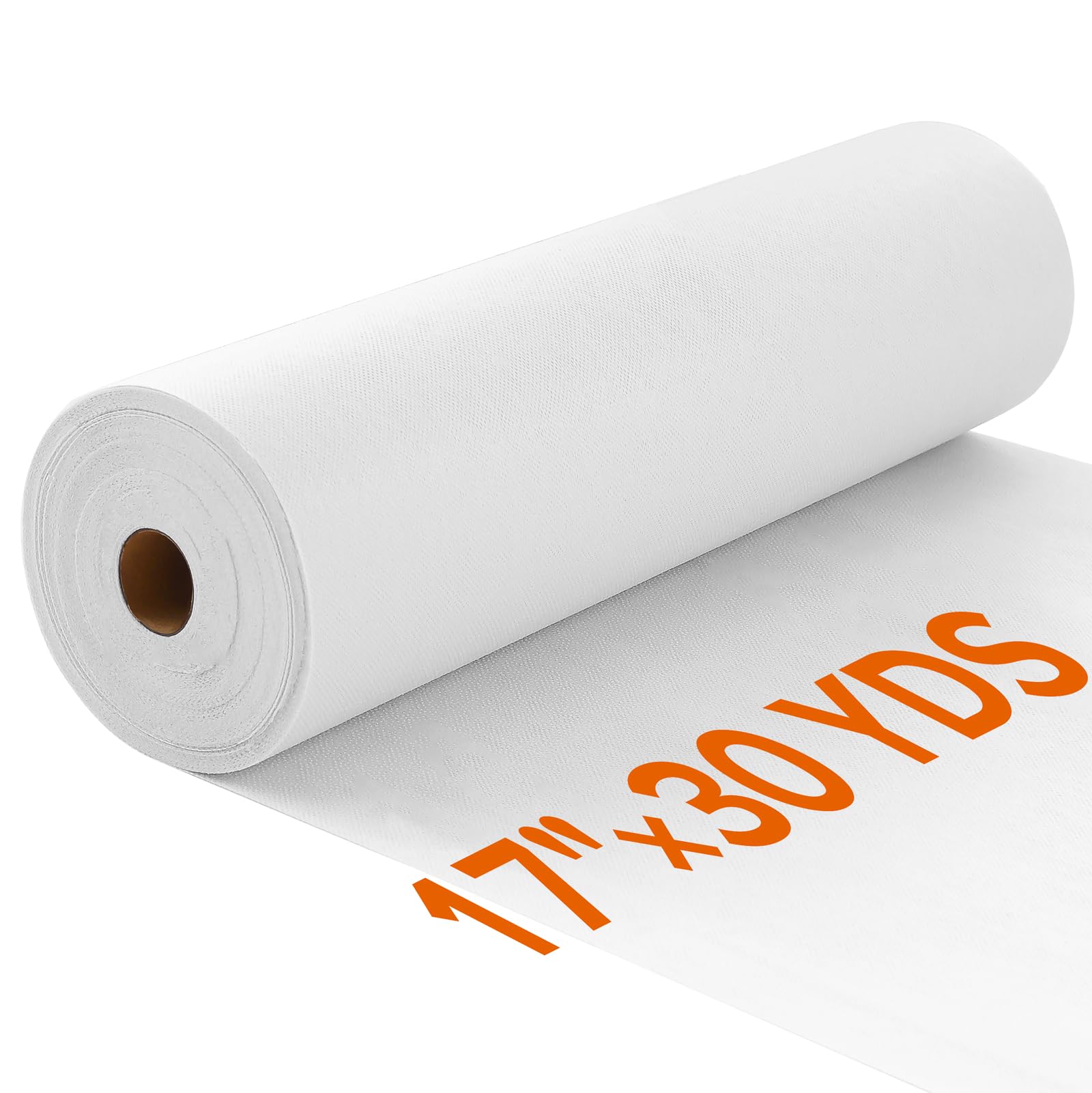
This is not a dress fabric in the traditional sense, but no dress with collars, cuffs, plackets, or waistbands should be sewn without it. The non-woven polyester construction provides targeted stability where the garment demands structure — shirt plackets stay flat, collars hold their points, and facings refuse to roll. The roll format of 17 inches by 30 yards supplies enough interfacing for dozens of projects.
The adhesive dots activate at a moderate iron temperature without scorching, fusing firmly to cotton-poly blends and pure polyester alike. Because it is non-woven, it eliminates the grain-line nightmares that woven interfacing can cause when fused off-angle. Customer feedback from t-shirt quilters confirms it bonds to knit fabrics without creating a stiff, board-like hand — the key trait for dress interfacing.
Apply this to the wrong side of your fashion fabric before cutting dress components that need reinforcement. The thin profile remains invisible in the finished garment, adding support without bulk. Keep a roll on hand for every dress project that includes collar bands, button plackets, or pocket flaps.
Why it’s great
- Non-woven construction avoids grain alignment issues
- Thin profile adds stability without visible bulk
- Adhesive bonds reliably to both wovens and knits
Good to know
- Lightweight may not be sufficient for heavy coat-weight fabrics
- Requires press cloth to prevent adhesive residue on iron soleplate
5. ANNINGWAX Ankara African Print — 6 Yards
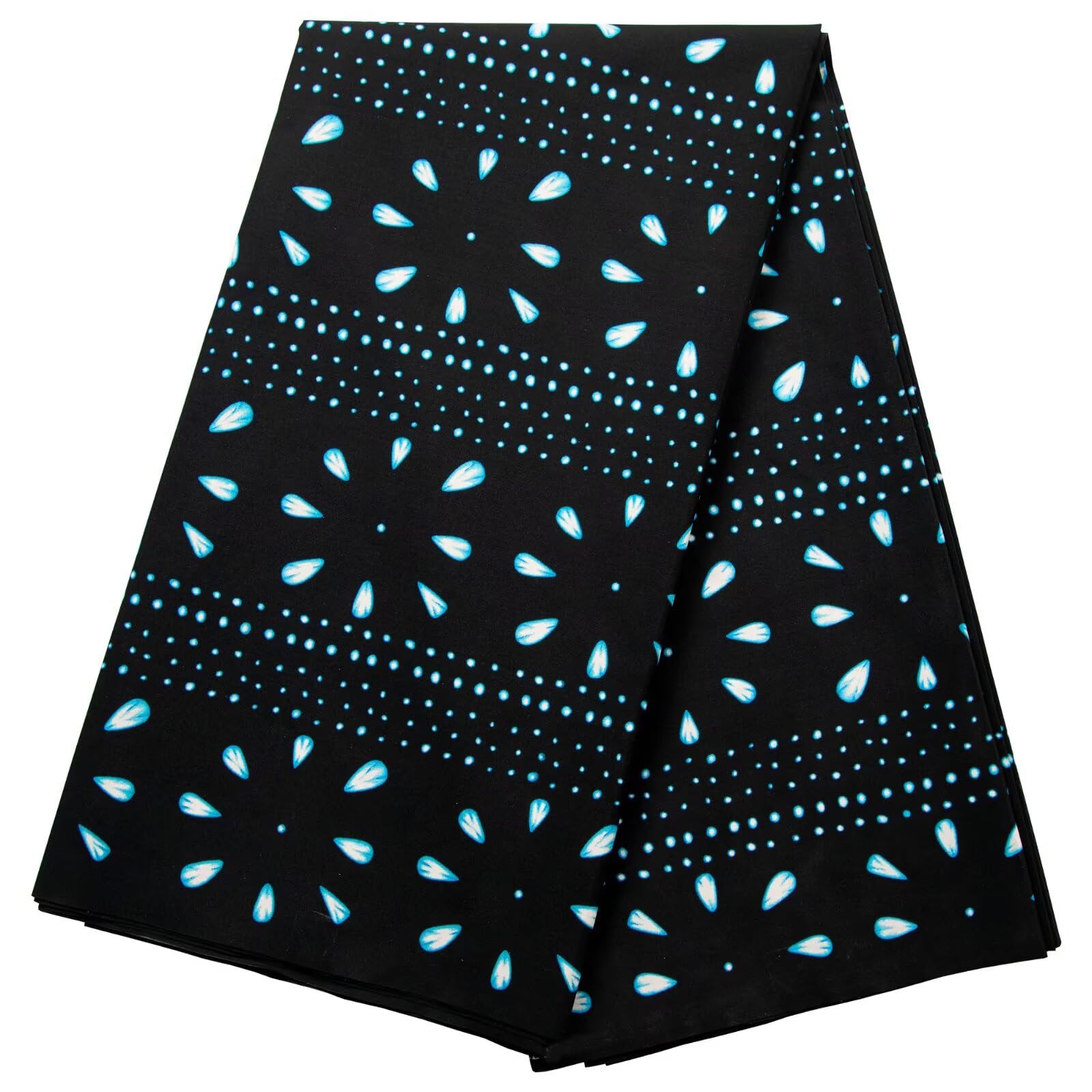
Ankara wax print fabrics distinguish themselves through bold, symmetrical patterns that are screen-printed onto polyester base cloth. This ANNINGWAX offering delivers six continuous yards at 45 inches wide — enough for a full-length dress with long sleeves or a matching headwrap and bag set. The polyester composition means the colors remain vivid after washing, with no bleeding between the saturated print zones.
Customers consistently note that the fabric appears more vibrant in person than in product photos, with sharp pattern edges that hold up during cutting. The plain weave base gives it a crisp hand that works well for fit-and-flare dresses, peplum tops, and skirts that need to stand away from the body. Hand washing preserves the wax-like finish, while machine washing on a gentle cycle with cold water is acceptable for everyday wear.
The 6-yard roll eliminates the stress of matching pattern repeats across separate cuts — a major advantage for Ankara designs where the print alignment is part of the garment’s visual logic. If you are sewing for a wedding, cultural celebration, or any event where the fabric pattern is the centerpiece, this pre-coordinated length saves hours of layout work.
Why it’s great
- Six continuous yards prevent pattern-matching headaches
- Vivid print saturation with zero dye bleeding in wash
- Polyester base resists shrinking and creasing
Good to know
- 45-inch width is narrower than standard dress fabrics — adjust pattern layout
- Stiff hand on first wash softens after repeated laundering
FAQ
What GSM should I choose for a lined A-line dress?
Can I use stretch velvet for a beginner dress sewing project?
How do I prevent rayon and polyester blends from fraying at the seams?
Final Thoughts: The Verdict
For most users, the best dress fabrics winner is the LITLOOK Panne Crushed Velvet because its 220 GSM density and two-way stretch handle both structured bodices and flowing skirts without specialized techniques. If you want a lightweight woven that drapes beautifully for shirt-dresses, grab the CUCUBIT Cotton Polyester Broadcloth. And for bold statement prints that arrive in a single continuous cut, nothing beats the ANNINGWAX Ankara African Print.

Mo Maruf
I created WellFizz to bridge the gap between vague wellness advice and actionable solutions. My mission is simple: to decode the research and give you practical tools you can actually use.
Beyond the data, I am a passionate traveler. I believe that stepping away from the screen to explore new environments is essential for mental clarity and physical vitality.