Our readers keep the lights on and my smoothie glass nicely filled. As an Amazon Associate, I earn from qualifying purchases.
A kitchen sink clog is almost always a mix of grease, food particles, and soap scum that hardens into a stubborn plug over time. You can pour boiling water, try a plunger, or reach for a chemical solution—but the wrong choice can damage pipes or leave you with standing water for days. The real challenge is matching the cleaning formula to the specific type of blockage you’re dealing with.
I’m Mohammad Maruf — the founder and writer behind WellFizz. I’ve spent dozens of hours analyzing chemical formulations, customer use cases, and real-world performance data specifically for kitchen sink drain cleaners to help you make a smart, safe choice.
After reviewing five market-leading options across lye-based powders, heavy-duty gels, enzyme foams, and maintenance tablets, here is a clear breakdown of the best drain cleaners for kitchen sinks and exactly when to use each one.
How To Choose The Best Drain Cleaners For Kitchen Sinks
Not all drain cleaners are created equal when it comes to kitchen sinks. Grease and food sludge require different chemistry than the hair clogs common in bathroom drains. Here are the three critical factors to evaluate before buying.
Chemical Base: Lye vs. Sulfuric Acid vs. Enzyme
Lye (sodium hydroxide) is the most common active ingredient in solid drain openers. It generates heat when mixed with water, which melts grease and dissolves organic matter. Sulfuric acid-based gels are faster but more corrosive and dangerous to handle. Enzyme-based formulas use live bacteria to slowly digest organic buildup without heat or harsh chemicals—they’re safer for pipes but take days to work on severe clogs.
Pipe and Septic Compatibility
Kitchen sinks typically connect to PVC pipes under the sink. Lye and gel cleaners are safe for PVC when used as directed, but repeated use of sulfuric acid can soften plastic joints. If you have a septic system, avoid any product labeled as antibacterial or containing bleach. Enzyme-based cleaners are generally the safest for septic tanks because they add beneficial bacteria rather than killing them.
Contact Time and Water Conditions
Some formulas require standing water to work, while others are designed to cut through standing water. Lye must be added to lukewarm water—cold water causes it to harden, and hot water triggers an aggressive reaction that can damage pipes. Gel-style cleaners can sit in standing water for 15–30 minutes, while enzyme products need 6–12 hours or overnight contact. Always read the specific water temperature instructions on the label.
Quick Comparison
On smaller screens, swipe sideways to see the full table.
| Model | Category | Best For | Key Spec | Amazon |
|---|---|---|---|---|
| Drano Max Gel | Chemical Gel | Fast grease removal | 80 oz per pack | Amazon |
| Quest DIGEST PLUS | Enzyme Foam | Odor & biofilm control | Expanding foam + tube | Amazon |
| Rooto 1030 Lye | Solid Lye | Recurring chronic clogs | 1 lb pure lye crystals | Amazon |
| Black Swan ZAP | Liquid Acid | Emergency frozen lines | 32 oz heavy-duty formula | Amazon |
| Plink Fizzy Tablets | Maintenance Tablet | Odor prevention | 18 lemon-scented tablets | Amazon |
In‑Depth Reviews
1. Drano Max Gel Drain Clog Remover
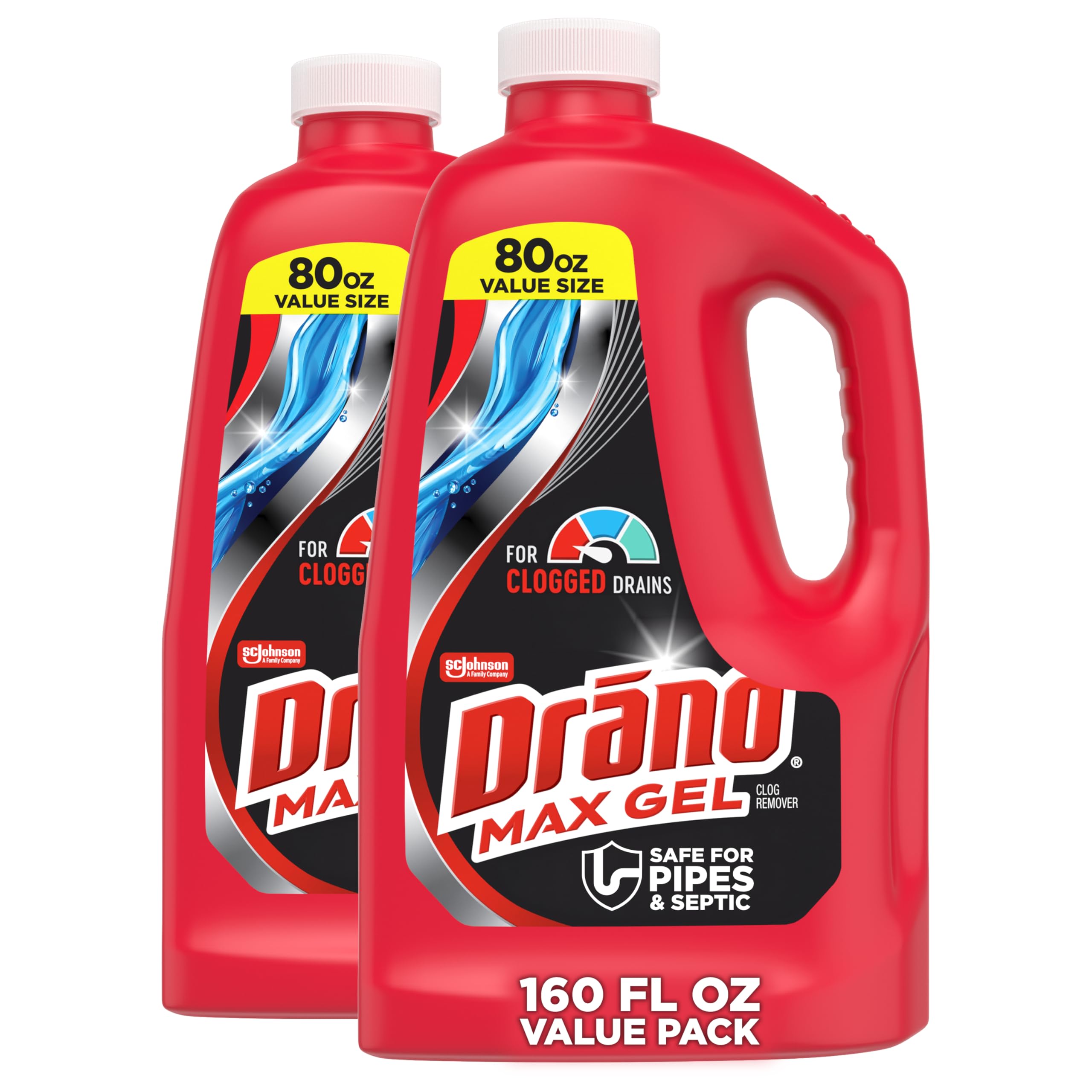
Drano Max Gel is a sodium hypochlorite and sodium hydroxide gel that sinks through standing water to reach the clog directly. Unlike powder formulas that can sit on top of water, this thick gel channels straight to grease and food blockages even when the sink is full. The bottle holds 80 oz in the two-pack, giving you plenty of product for multiple applications or a deep treatment on a fully blocked line.
Users report visible results within 15 to 30 minutes, with the gel dissolving grease and organic sludge without requiring heat or mechanical assistance. The formula includes a pipe-protecting ingredient that reduces corrosion risk over time, making it safe for regular use on PVC, metal, and septic systems. It’s the most straightforward option for kitchen sink clogs that involve standing water.
One drawback is that the gel relies on chemical heat generation, so it may not be ideal for extremely cold pipes where reaction kinetics slow down. Very stubborn clogs occasionally require a second application after 24 hours. Still, for speed and ease of use, this is the most reliable mass-market solution for grease-based kitchen blockages.
Why it’s great
- Pours through standing water without dilution
- Works in 15–30 minutes on grease and food clogs
- Large 80 oz bottle covers multiple drains
Good to know
- Strong chemical odor during use
- May need a second treatment for severe blockages
2. Quest Specialty DIGEST PLUS Foaming Drain Cleaner

DIGEST PLUS uses non-pathogenic bacteria that produce enzymes specifically targeting fats, oils, grease, and food by-products. The foaming action expands into vertical and horizontal pipe sections that liquid cleaners cannot reach. An included 24-inch tube lets you inject foam deep into the drain past the P-trap, reaching the biofilm buildup that causes persistent odors.
Multiple users report completely eliminating rotten egg and mold smells from kitchen sink overflow drains and garbage disposals after repeated treatments. The foam itself is nearly fragrance-free, and the bacterial culture continues to digest organic residue for days after application. It is fully septic-safe and does not rely on heat or acid, making it ideal for delicate plumbing or regular maintenance use.
The main limitation is that enzyme digestion takes time—users describe needing 5 to 10 fill-and-soak cycles over several days to fully clear severe clogs. The foam is also not designed for standing water blockages; it works best on slow drains and smelly pipes. The tube diameter may not fit through all kitchen sink strainer holes without a smaller adapter.
Why it’s great
- Eliminates deep-seated drain odors naturally
- Foam expands into inaccessible pipe sections
- Safe for septic tanks and all pipe materials
Good to know
- Requires multiple treatments for tough clogs
- Tube may need a smaller adapter for some sink grates
3. Rooto 1030 1 Lb. Drain Opener (Lye)

Rooto 1030 is pure sodium hydroxide in crystalline form, with no fillers, surfactants, or fragrances. This is the same chemical used by professional plumbers for decades. When mixed with lukewarm water, it generates an exothermic reaction that melts through years of accumulated grease and organic sludge. Users with recurring 40-year-old clogs report complete clearance after 8 hours, with faster drainage than after mechanical snaking.
The 1 lb bottle provides multiple treatments; a monthly maintenance dose of 2 teaspoons prevents clogs from reforming. Because it is a solid, you control the concentration by measuring the exact amount needed. It also works as a heavy-duty degreaser for steel pans, tile, and oven cleaning when diluted appropriately. Many reviewers note it saved them hundreds of dollars compared to calling a plumber.
The safety considerations are serious: lye reacts violently with aluminum, can generate dangerous heat if mixed with hot water instead of lukewarm, and requires eye protection and gloves. It hardens into a solid mass if added to cold water. The packaging is minimal and industrial, with no measuring scoop included, so you need your own stainless steel or glass container for mixing.
Why it’s great
- Most cost-effective per treatment for chronic clogs
- Can clear decades-old grease blockages that gels miss
- Versatile for soap making and heavy cleaning
Good to know
- Requires careful water temperature control
- Not safe on aluminum, plastic, or glass surfaces
4. Black Swan ZAP Drain Pipe Opener
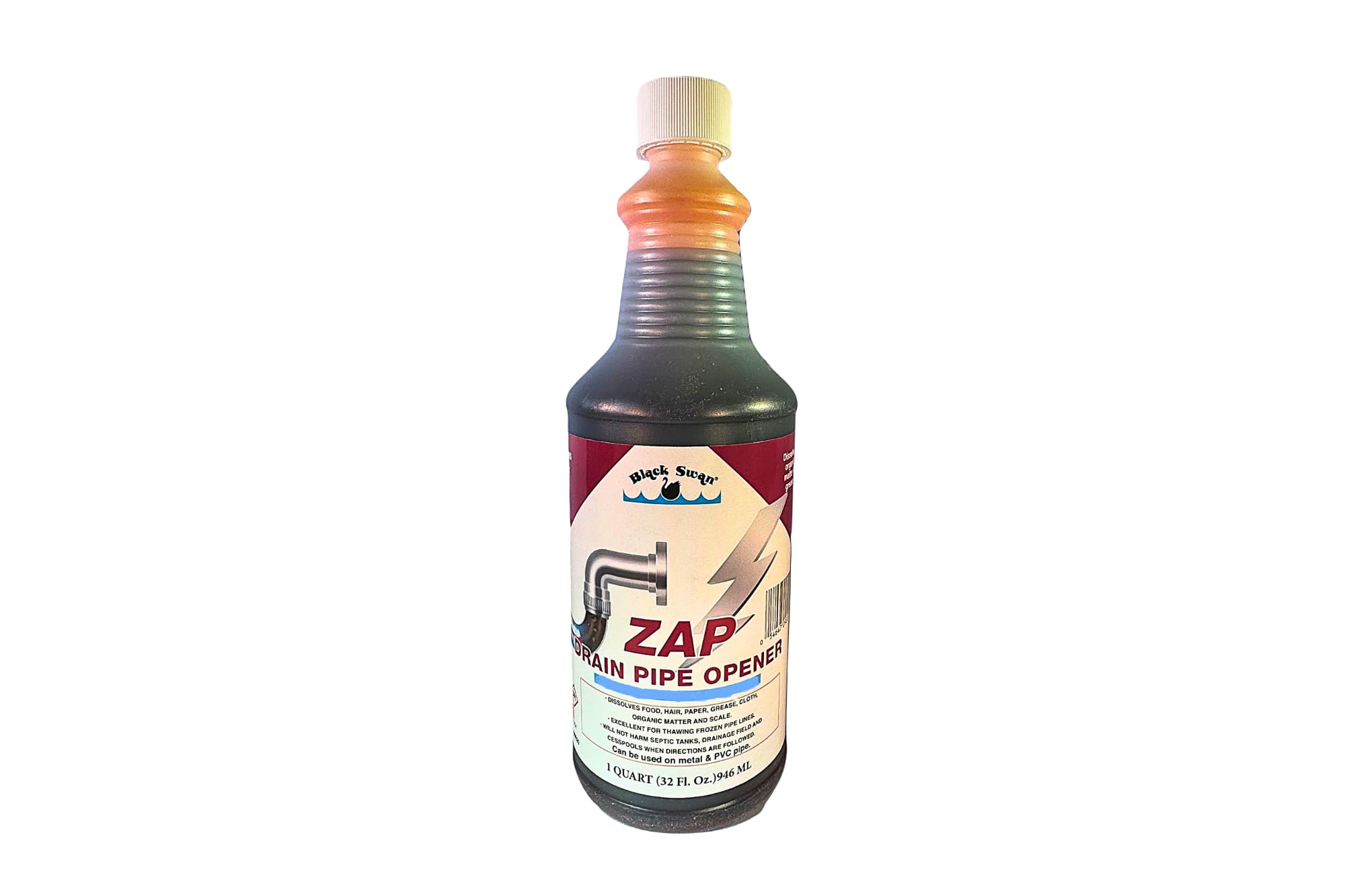
Black Swan ZAP is a professional-grade liquid formula designed for emergency use on completely blocked pipes, frozen waste lines, and organic blockages that have resisted other treatments. It disintegrates organic matter and melts grease on contact, generating enough heat to thaw ice blockages in outdoor or unheated drain lines. The 32 oz bottle is concentrated enough that users report unclogging outdoor drains in 15 minutes after lye had failed.
This product is ideal for kitchen sinks that have drain lines running through uninsulated crawl spaces or exterior walls where winter freezing is a risk. It is also safe for septic tanks and can be used in grease traps, urinals, and drinking fountains. The chemical reaction creates significant bubbling, so users recommend minimal water in the sink before application to avoid overflow.
The formula is caustic and smokes on contact with organic material, requiring gloves and eye protection. Some users found it took multiple applications for very stubborn clogs. The liquid form is less precise than lye crystals for measuring small maintenance doses, and the bottle’s narrow neck can make pouring into tight drain openings awkward without a funnel.
Why it’s great
- Works on frozen drain lines in winter
- Fast reaction—clears outdoor drains in minutes
- Safe for septic systems and multiple drain types
Good to know
- Produces heavy bubbling—watch sink water level
- Requires protective gear during use
5. Plink Fizzy Drain Cleaner and Freshener

Plink tablets are a maintenance-focused product that prevents odor buildup rather than clearing existing clogs. Each lemon-scented tablet fizzes when activated by hot water, releasing a cleaning and deodorizing agent that coats the pipe walls. Users report that a single tablet eliminates foul smells from bathroom and kitchen sinks for weeks, and regular twice-weekly use keeps drains flowing smoothly without harsh chemicals.
The tablets are septic-friendly and made in the USA. They come in a 18-count container with clear instructions to drop one tablet directly into the drain and run hot water. This is the safest option for households with children or pets because there is no pouring, mixing, or caustic handling required. The lemon fragrance is noticeable but not overpowering, and it does not linger in the room after treatment.
The product does not break down solid blockages—users with fully clogged drains should use a different product first. Each tablet dissolves relatively quickly, roughly lasting one sink session, so heavy-use households may burn through the container faster than expected. For odor prevention and light maintenance, however, it is the simplest, mess-free option available.
Why it’s great
- No gloves or measuring required
- Effectively eliminates sink odors for weeks
- Septic-safe and child-friendly tablet form
Good to know
- Not designed for clearing solid clogs
- Tablets dissolve quickly—may need two per sink
FAQ
Can I use lye in a kitchen sink with a garbage disposal?
How do I know if a drain cleaner is safe for my PVC pipes?
Why does my kitchen sink smell like rotten eggs even after using a drain cleaner?
Final Thoughts: The Verdict
For most users, the best drain cleaners for kitchen sinks winner is the Drano Max Gel because it combines speed, ease of use, and pipe safety in a single pour-and-wait application. If you want a chemical-free solution for odor control and regular maintenance, grab the Quest DIGEST PLUS. And for severe recurring grease clogs that no gel can touch, nothing beats the pure lye power of the Rooto 1030.

Mo Maruf
I created WellFizz to bridge the gap between vague wellness advice and actionable solutions. My mission is simple: to decode the research and give you practical tools you can actually use.
Beyond the data, I am a passionate traveler. I believe that stepping away from the screen to explore new environments is essential for mental clarity and physical vitality.