Our readers keep the lights on and my smoothie glass nicely filled. As an Amazon Associate, I earn from qualifying purchases.
A good down jacket delivers a quiet, even heat that synthetic fill struggles to match. But the priciest shells often bury that warmth under logos and retail markups. The real skill is finding a jacket where the insulation does the work and the price tag doesn’t shout louder than the goose down inside.
I’m Mohammad Maruf — the founder and writer behind WellFizz. I’ve spent hundreds of hours parsing fill power ratings, shell fabrics, baffle construction, and real-user temperature reports to separate true winter value from mere hype.
Whether you need a packable layer for morning commutes or a hooded shell for cold-weather weekends, this guide cuts through the noise to find the down jacket on a budget that actually holds its warmth without breaking your bank.
How To Choose The Best Down Jacket On A Budget
Choosing a down jacket on a limited budget forces you to weigh fill quality against shell durability. You don’t need to memorize every spec, but understanding three key areas will help you spot a jacket that punches above its price.
Fill Power and Down Weight
Fill power measures how many cubic inches an ounce of down occupies. A 600-fill jacket traps more air per ounce than a 550-fill, meaning better warmth-to-weight. But on a budget, don’t chase 800-fill unless you find a deep sale. A well-constructed 600-fill jacket with a higher down weight (ounces of actual down inside) will often keep you warmer than a thin 700-fill shell at the same price. Check the product specs for ounces of down fill — if that number isn’t listed, the jacket may be lean on insulation.
Shell Fabric and DWR Coating
A budget down jacket lives or dies by its shell. A thin 10-denier fabric saves weight but tears easily and lets down feathers escape. A 20-denier or 30-denier nylon shell adds durability without turning the jacket into a stiff shell. Durable Water Repellent (DWR) coating is non-negotiable for wet conditions — it makes rain bead off instead of soaking into the down. Without it, wet down loses almost all insulating ability.
Baffle Construction: Sewn-Through vs. Box Baffle
Sewn-through baffles stitch the inner and outer shell together at intervals, creating cold spots along the seams. This construction is lighter and cheaper but less effective in extreme cold. Box baffle construction builds small chambers that keep the down evenly distributed and eliminate cold seams. Budget jackets almost always use sewn-through baffles, which is fine for cool weather down to about 30°F. For below-freezing conditions, look for a jacket with a thicker overall loft or a wind-resistant shell to compensate for those thin seam lines.
Quick Comparison
On smaller screens, swipe sideways to see the full table.
| Model | Category | Best For | Key Spec | Amazon |
|---|---|---|---|---|
| Columbia Men’s Grand Trek II Down Hooded Jacket | Premium | Wet winter conditions | 600-fill down, DWR shell | Amazon |
| THE NORTH FACE Men’s Aconcagua 3 Jacket | Premium | Everyday warmth without bulk | 600-fill down, wind-resistant | Amazon |
| Columbia Men’s Powder Lite II Jacket | Mid-Range | Layering in moderate cold | Omni-Heat reflective lining | Amazon |
| Columbia Women’s Voodoo Falls 590 Turbodown Ii Jacket | Mid-Range | Active outdoor days (40°F range) | 590-fill Turbodown insulation | Amazon |
| Orolay Women’s Lightweight Packable Down Jacket | Mid-Range | Travel and packing | Duck down fill, packable | Amazon |
| Pioneer Camp Mens Winter Coat Warm Winter Puffer Jacket | Budget | Heavy wet snow and rain | Thicken insulation, waterproof shell | Amazon |
| Hurley Mens Puffer Jacket | Budget | Ultra-light everyday wear | Slim insulation, packable | Amazon |
In‑Depth Reviews
1. Columbia Men’s Grand Trek II Down Hooded Jacket
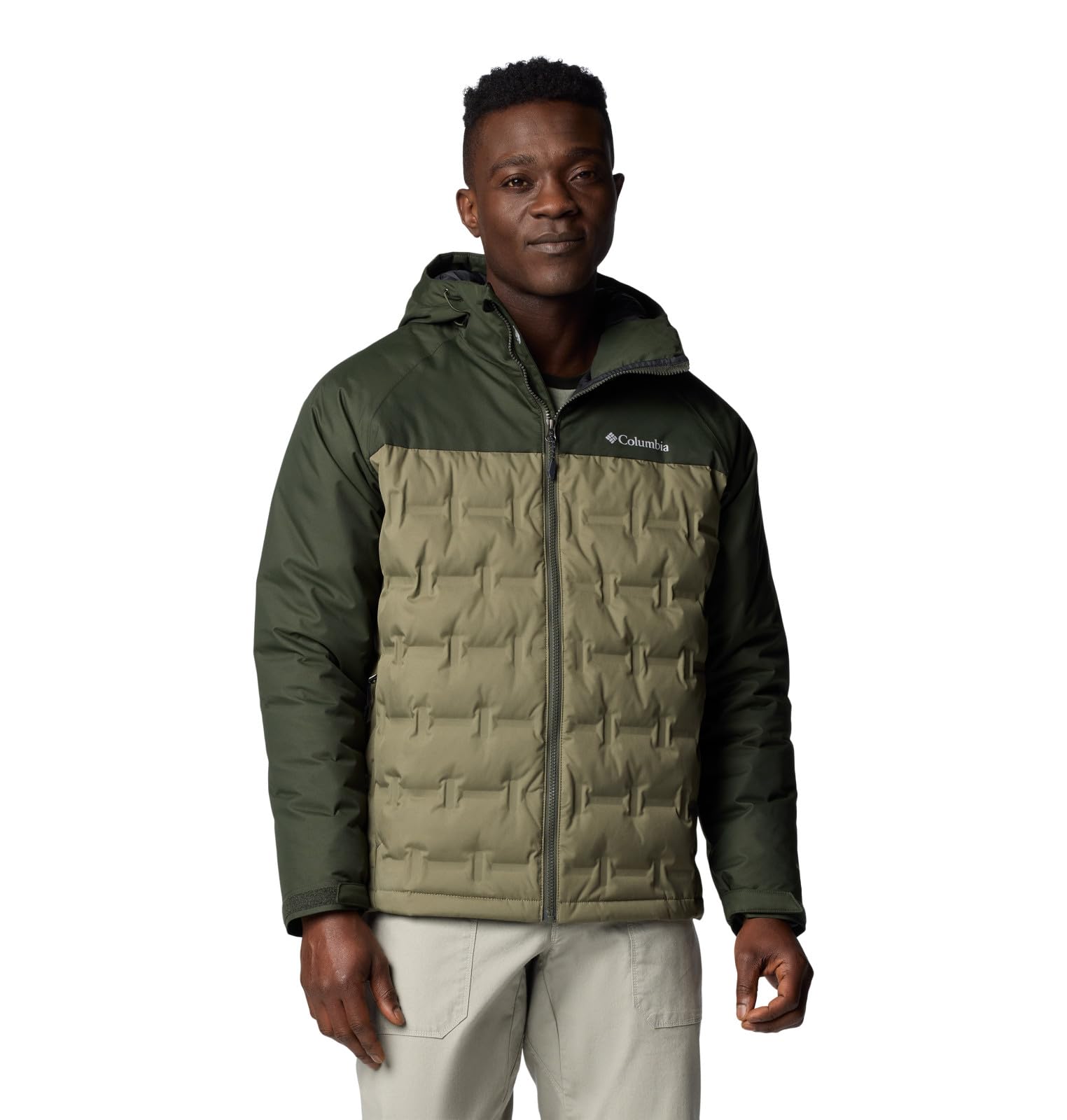
The Grand Trek II sits at the premium end of the budget spectrum because Columbia invested the savings into real down insulation and a robust shell. The 600-fill down provides generous loft without needing to overstuff the baffles, while the DWR coating sheds light rain and snow effectively. Users in Michigan winters report the jacket being almost too warm — a sign that the down weight is substantial enough for genuine cold-weather use, not just crisp fall days.
The heavy-duty zippers and reinforced stitching set it apart from cheaper alternatives that sacrifice durability to hit a lower price. The hood fits well over a beanie without restricting peripheral vision, and the cut accommodates a sweater or mid-layer without turning the jacket into a sausage casing. Breathability is surprisingly good for a down jacket of this thickness, preventing the clammy buildup that plagues budget synthetic shells.
One common note from larger-built users is that the jacket runs wide at the mid-waist. If you’re between sizes, sizing down once can give a trimmer fit. The fabric feels substantial without being stiff, and users who have worn it through actual blizzards confirm the warmth holds up when the wind picks up. For anyone who needs a do-everything winter jacket that won’t disintegrate after a single season, this is the strongest all-around value.
Why it’s great
- Heavy-duty zippers and durable 30D shell fabric
- DWR coating provides serious water resistance
- True warmth for sub-freezing temperatures
Good to know
- Runs slightly wide through the waist for some builds
- Packability is decent but not ultra-compact
2. THE NORTH FACE Men’s Aconcagua 3 Jacket
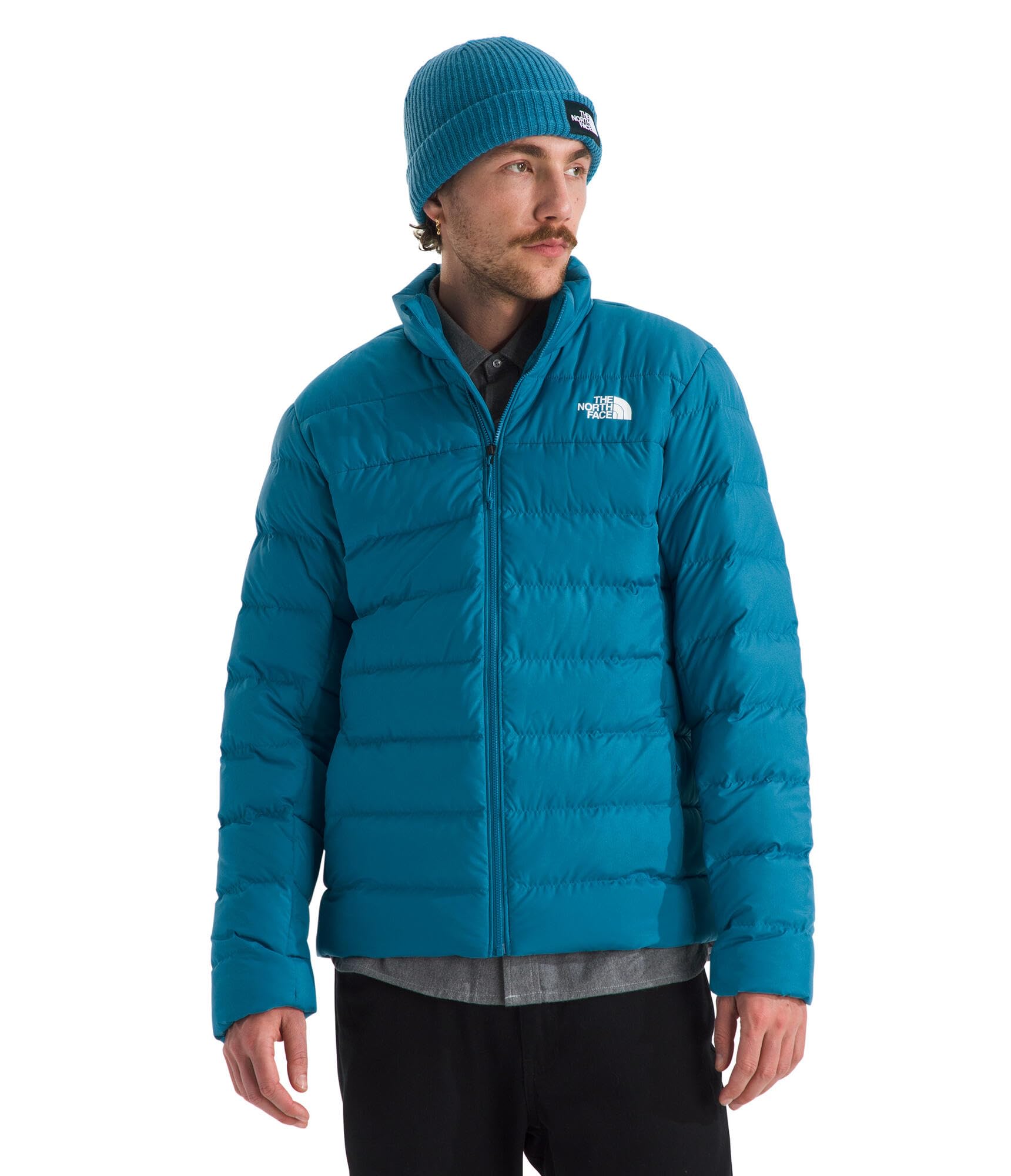
The North Face Aconcagua 3 brings 600-fill waterfowl down insulation into a clean, streamlined shell that looks good at the trailhead or the coffee shop. The wind-resistant fabric cuts down on the chill factor that sewn-through baffle jackets suffer from, making it a solid performer in the 20°F to 40°F range. Users consistently praise the true-to-size fit — it accommodates a thin fleece underneath without feeling restrictive, while still looking tailored enough for daily wear.
One recurring observation from long-term owners is that feathers occasionally poke through the fabric over time. This is a known trade-off with budget down jackets that use a lower-denier shell to keep weight down and compressibility high. Washing the jacket with a gentle cycle and drying it with tennis balls can help redistribute the down and reduce leakage, but it’s something to be aware of if you plan on heavy daily use.
The teal color option gets consistent compliments, and the jacket washes well without losing loft — critical for a down piece that will see regular wear. The weight is light enough at 1.5 pounds that you can carry it in a daypack without noticing it, yet the warmth is genuine enough for a snowy commute. If you want a jacket that bridges the gap between technical outerwear and everyday style without jumping to a price point, this is it.
Why it’s great
- Skinny fit that works under a shell or alone
- Wind-resistant fabric adds real warmth
- Lightweight at 1.5 pounds for the size
Good to know
- Down leakage can worsen after multiple washes
- Not waterproof — wet conditions require a shell
3. Columbia Men’s Powder Lite II Jacket
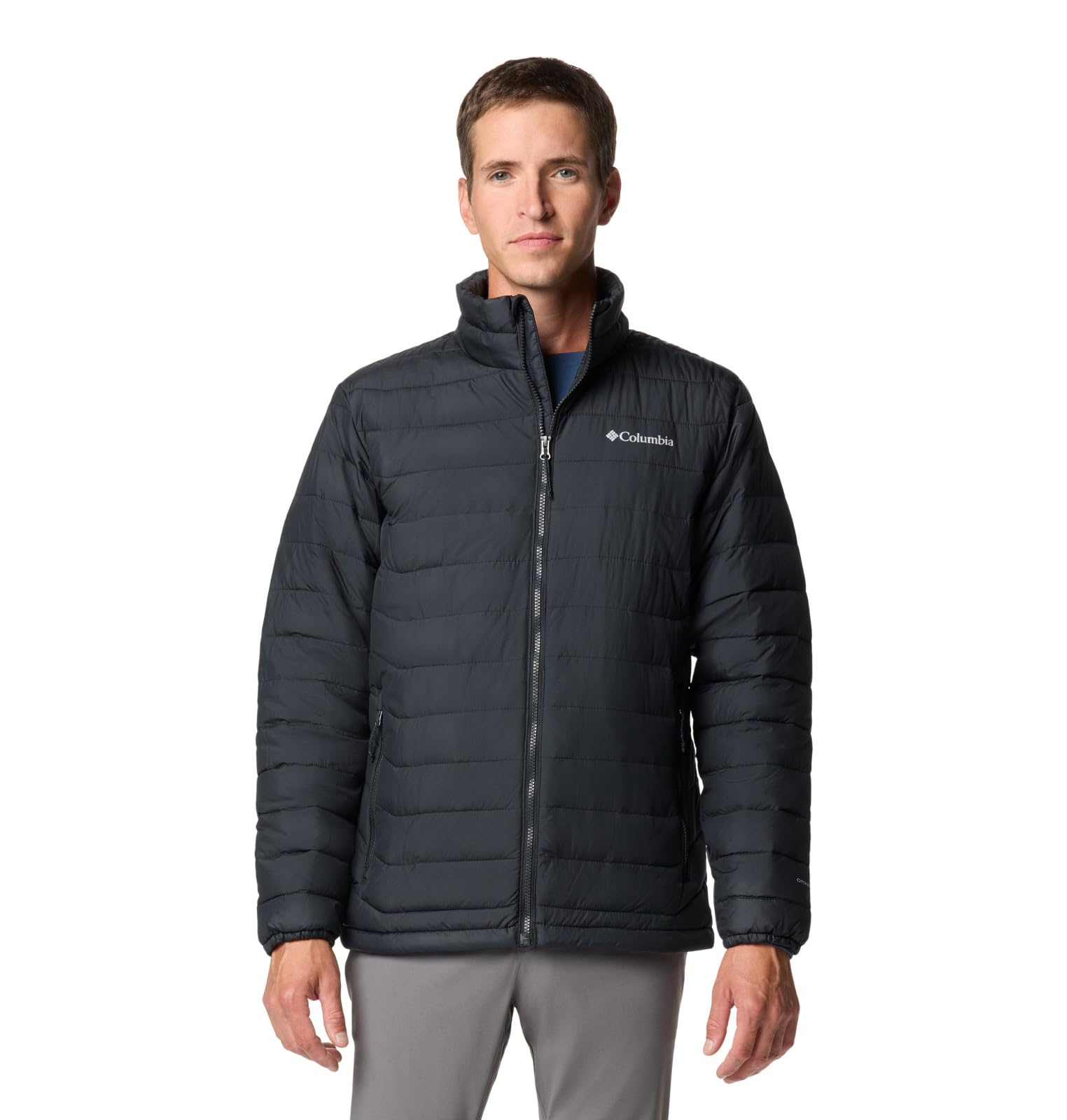
The Powder Lite II combines a 600-fill down insulation with Columbia’s Omni-Heat reflective lining — a metallic dot pattern that reflects body heat back toward you. This dual-layer approach means the jacket can feel warmer than its relatively thin baffles would suggest. It’s not a deep-winter parka, but users in Chicago wind and 8°F conditions report staying comfortable with a good layer underneath.
The sleeve length is a standout feature for tall users — several reviews from men 6’4″ confirm the XL provides adequate arm coverage, which is rare at this price tier. The jacket compresses well for packing and is machine washable without losing its loft or reflective properties. The fit runs slightly trim through the chest, so if you plan on heavy layering, consider sizing up one step.
The lack of a hood is the biggest limitation. The Powder Lite II is a jacket, not a parka, so you’ll need a beanie or a separate hood for serious wind exposure. The neck area also sits fairly open, with no draft flap behind the zipper. These are fair trade-offs for the weight savings and price, but buyers in very windy regions should budget for a scarf or a shell on top.
Why it’s great
- Omni-Heat reflects body heat for extra warmth
- Great sleeve length for tall buyers
- Machine washable without losing performance
Good to know
- No hood or wind flap behind the zipper
- Trim fit limits heavy mid-layer use
4. Columbia Women’s Voodoo Falls 590 Turbodown Ii Jacket
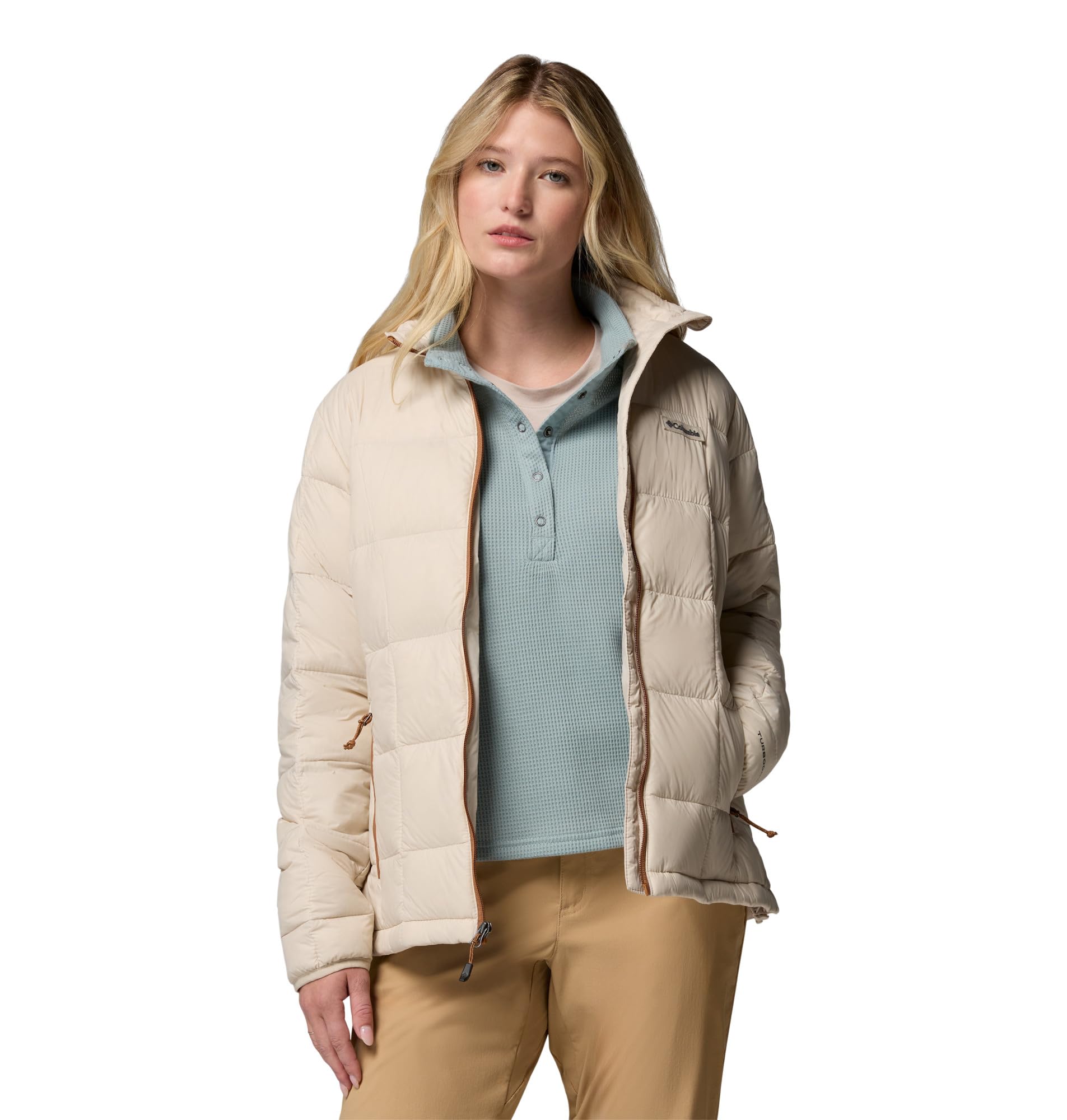
Columbia’s Voodoo Falls uses a 590-fill Turbodown insulation — a hybrid that blends down clusters with a synthetic binding to maintain loft even if the jacket gets slightly damp. This is a practical advantage for active outdoor use where you might encounter light rain or sweat buildup. The jacket is lightweight enough that you can comfortably wear it for a horseback ride or a hike without overheating, yet the elastic toggles at the hem let you seal in warmth when the wind picks up.
The fit is well-tailored for an athletic female frame. Reviewers at 5’7″ with broad shoulders and long arms report the small size provides good shoulder and arm coverage — a common pain point in women’s jackets that this one solves well. The lack of fleece lining means it dries quickly and doesn’t trap pet hair, which horse owners and dog walkers will appreciate enormously.
The darker down feathers sometimes show through the cream color variant, creating small speckled spots on the shell. This is a minor cosmetic issue that doesn’t affect warmth, but buyers who prefer a solid clean look may want to choose a darker color. For temperatures in the 35°F to 50°F range, this jacket is a near-perfect weight — light enough to layer under a rain shell, warm enough to stand alone.
Why it’s great
- Turbodown blend maintains loft when damp
- Great fit for athletic women with longer arms
- No fleece lining — easy to clean and fast-drying
Good to know
- Dark down feathers may show through lighter colors
- Not designed for bitter cold below 25°F
5. Orolay Women’s Lightweight Packable Down Jacket
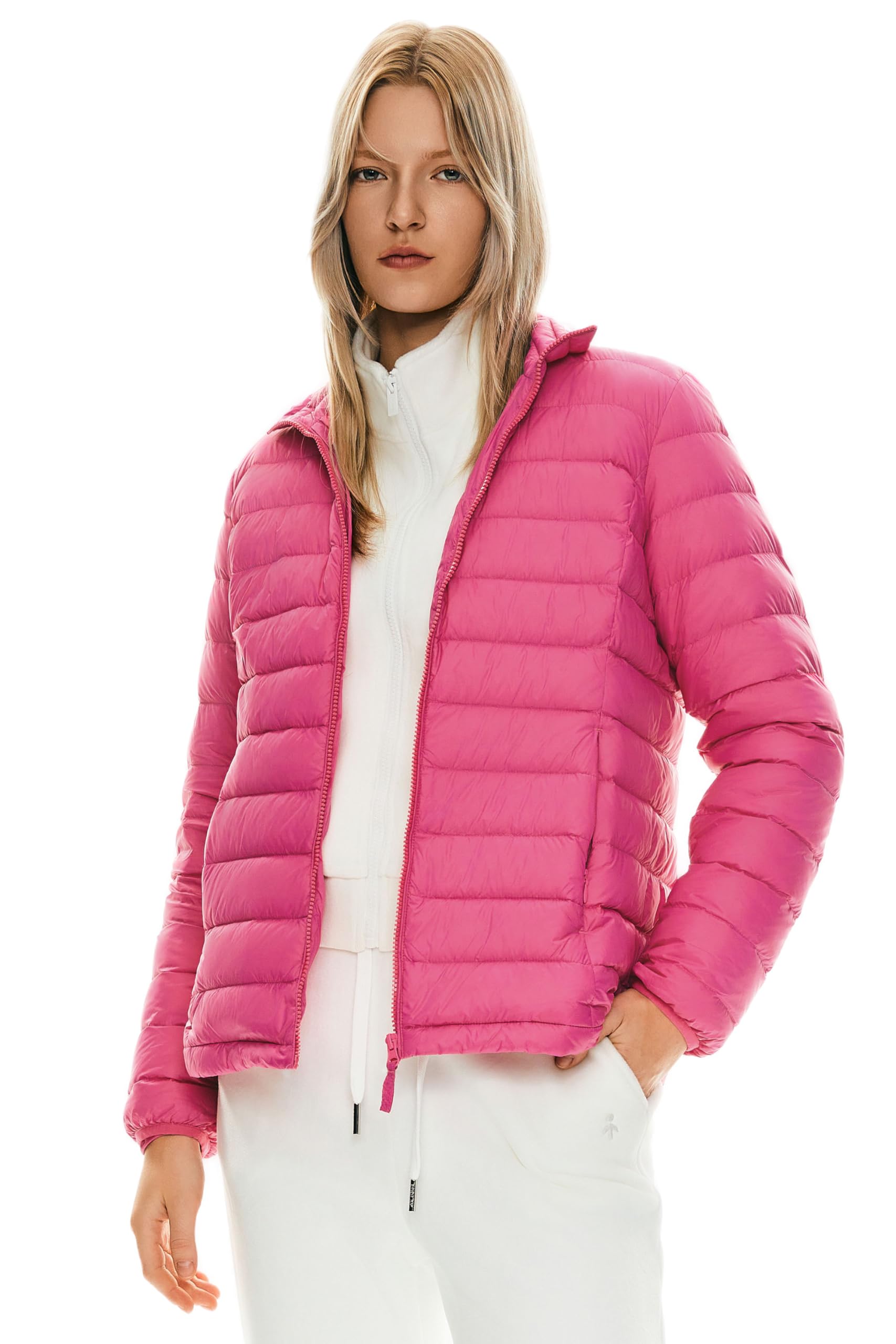
Orolay has built a reputation for delivering surprisingly high-quality down jackets at aggressive price points, and this lightweight packable model continues that trend. The duck down fill is housed in a shell that feels noticeably more refined than the price would suggest — smooth fabric, clean stitching, and a stand collar that blocks drafts without feeling restrictive. At 5’5″ and 142 pounds, the Large fits well with room for a sweater layer underneath.
The jacket is designed for travel first and foremost. It stuffs into a compact bundle that fits into a daypack or carry-on, yet still provides genuine warmth down to about 40°F. The shell has light rain and sun resistance, making it versatile for changing conditions during a trip. Users who have bought multiple Orolay jackets consistently note the quality consistency — the fabric doesn’t pill, the zippers don’t catch, and the down doesn’t slump after repeated packing.
The fit skews narrow in the shoulders and wider through the hips, which suits pear-shaped body types well but may feel restrictive for women with broader shoulders. The packability comes at the cost of a thinner shell, so it’s not a jacket for bushwhacking or heavy abrasion scenarios. As a dedicated travel and everyday light-cold jacket, it punches far above its weight class.
Why it’s great
- Genuinely packable without losing loft
- High-quality fabric and zipper feel
- Good warmth-to-weight ratio for 40°F+
Good to know
- Narrow shoulders may not suit all body types
- Thin shell limits abrasion resistance
6. Pioneer Camp Mens Winter Coat Warm Winter Puffer Jacket
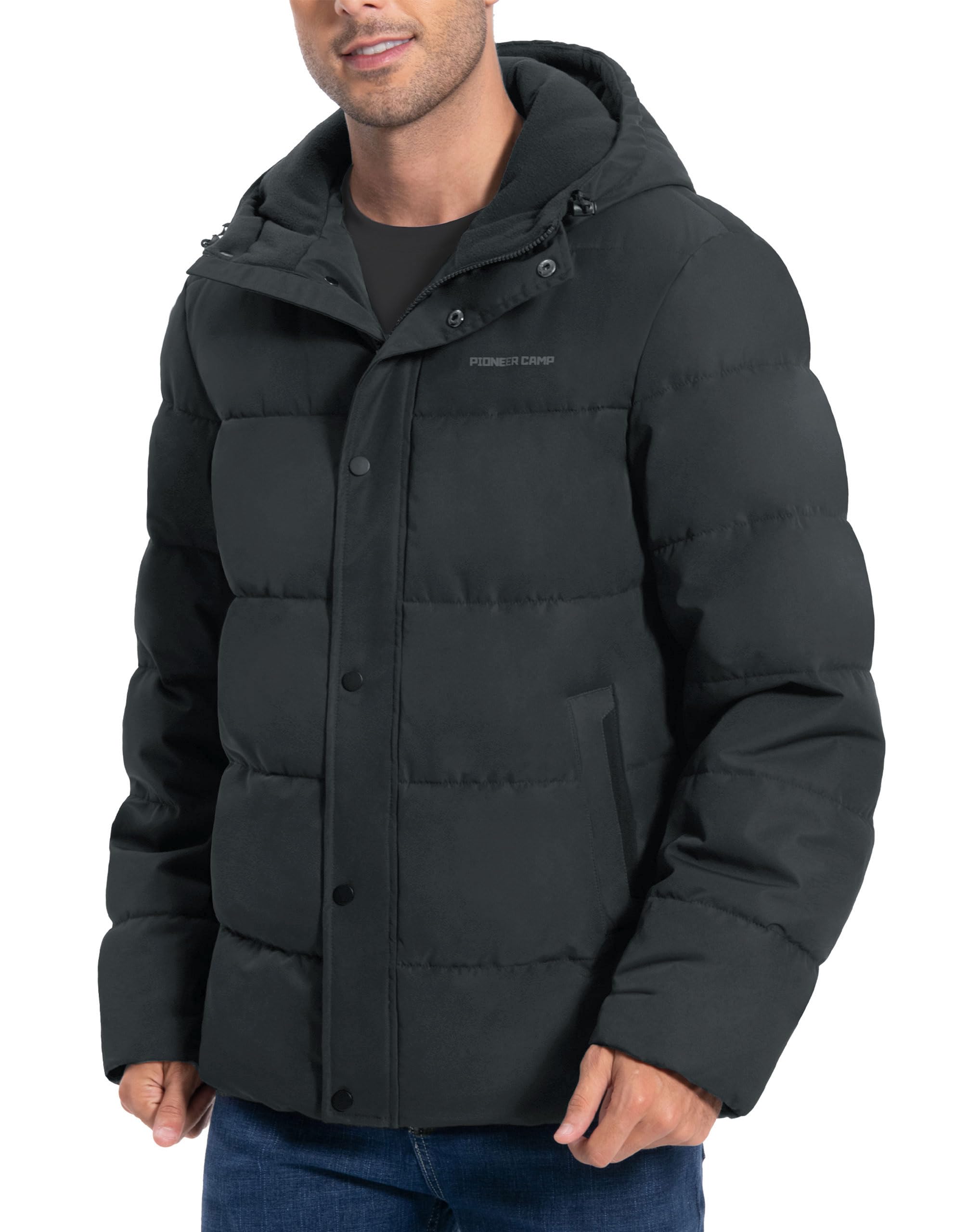
Pioneer Camp’s puffer jacket is the budget-tier champion for wet weather. The shell is genuinely waterproof, not just water-resistant — a rare feature at this price. Users who played in snow all day or wore it through rain showers confirm that the jacket kept them dry. The insulation is thick enough that a 6’3″, 205-pound senior stayed warm at 28°F with only two light shirts underneath, which speaks to the jacket’s serious heat retention.
The adjustable cuffs, hem, and hood allow you to seal the jacket against drafts, which is critical for a budget down jacket that uses synthetic-style insulation rather than high-fill-power down. The fabric is not loud or crinkly — a common complaint with cheap waterproof shells. Reviews consistently describe it as feeling like a high-quality piece that rivals brands costing three times as much.
The biggest difference between this jacket and the premium options above is the breathability. In milder conditions above 40°F, the thick insulation and waterproof membrane can trap heat and cause overheating. This is a jacket for genuine cold and wet weather, not a versatile three-season piece. If you live in a region with real winter — snow, wind, rain — and need a jacket that handles it all without hesitation, the Pioneer Camp is a shockingly strong choice.
Why it’s great
- True waterproof shell, not just DWR
- Adjustable cuffs, hem, and hood for draft sealing
- Very warm for the price point
Good to know
- Can be too warm for temps above 40°F
- Not as packable as lightweight down jackets
7. Hurley Mens Puffer Jacket
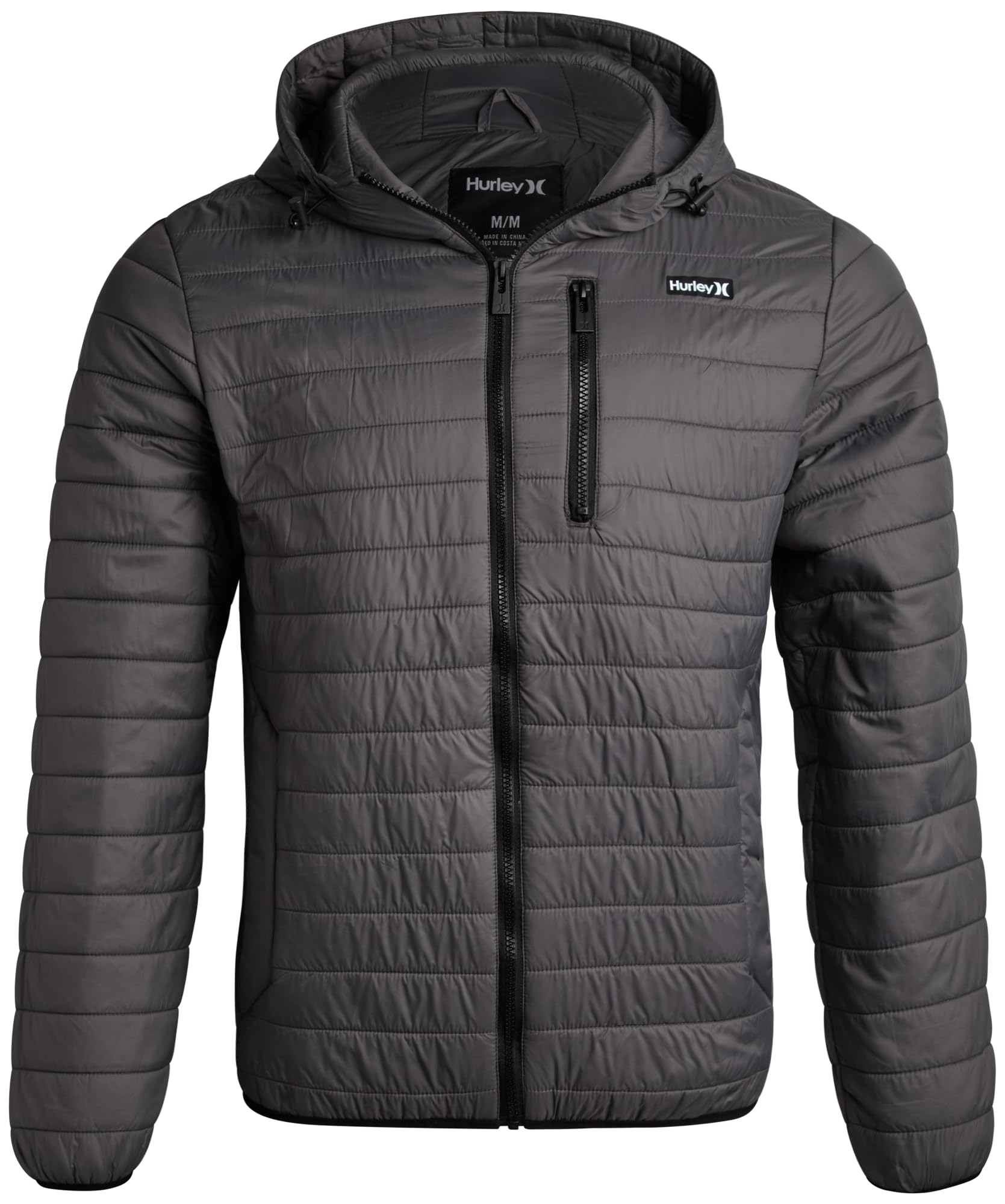
Hurley’s puffer jacket is the lightest option in this lineup, designed for those who want a slim insulating layer without the puffiness that makes many down jackets feel like a marshmallow suit. The slim insulation cut means you can wear it under a rain shell or a softshell without bunching up, and the weather-resistant face fabric handles light drizzle. A men’s small fits a 5’2.5″ woman well, with adequate arm and waist length for biking — showing the unisex versatility of the silhouette.
The jacket is not designed for deep winter. It works best as an active layer for cool weather in the 30°F to 50°F range, especially if you’re generating your own heat through walking or cycling. The hood fits over a bike helmet, which is a rare and thoughtful detail at this price. The bright orange color option is genuinely visible for safety-conscious users who bike or run in low light.
The biggest trade-off is the lack of a compression stuff sack — the jacket doesn’t come with a bag, and it doesn’t pack down as tightly as dedicated travel jackets. The front pockets also don’t have zippers, which can be a dealbreaker for anyone who wants to secure keys or a phone. For its intended use as a slim, affordable, everyday puffer, it delivers exactly what it promises without any wasted material.
Why it’s great
- Slim cut avoids the puffy Michelin Man look
- Hood fits over a bike helmet
- Bright orange option for visibility
Good to know
- No compression sack included
- Pockets lack zippers for securing items
FAQ
Is a budget down jacket actually warm enough for real winter?
How do I stop feathers from poking through the shell?
Can I wear a budget down jacket in the rain?
Final Thoughts: The Verdict
For most users, the down jacket on a budget winner is the Columbia Men’s Grand Trek II Down Hooded Jacket because it combines genuine 600-fill down insulation with a heavy-duty DWR shell and robust zippers that feel like they belong on a jacket. If you want the best warmth-to-weight ratio for travel and daily wear, grab the THE NORTH FACE Men’s Aconcagua 3 Jacket. And for wet and snowy conditions where you need true waterproofing without spending on pricier brands, nothing beats the Pioneer Camp Mens Winter Coat Warm Winter Puffer Jacket.

Mo Maruf
I created WellFizz to bridge the gap between vague wellness advice and actionable solutions. My mission is simple: to decode the research and give you practical tools you can actually use.
Beyond the data, I am a passionate traveler. I believe that stepping away from the screen to explore new environments is essential for mental clarity and physical vitality.