Our readers keep the lights on and my smoothie glass nicely filled. As an Amazon Associate, I earn from qualifying purchases.
A hunting jacket that rustles with every movement alerts game long before you’re in range, making the material’s noise profile as critical as its warmth rating. Hunters need a down jacket that traps heat during long sits while remaining utterly silent when drawing a bow or shouldering a rifle. The wrong fabric choice—crinkly nylon or uncoated polyester—can turn a perfect stalk into a failed outing.
I’m Mohammad Maruf — the founder and writer behind WellFizz. I’ve spent hundreds of hours cross-referencing fill powers, fabric decibel ratings, and camouflage patterns from real user field reports to identify which jackets actually perform under hunting pressure.
Whether you’re sitting motionless in a blind before dawn or still-hunting through thick timber, the right insulation and shell combination keeps you comfortable without compromising your stealth. This guide breaks down the key specs to consider when choosing a down jacket for hunting so you can make a confident purchase.
How To Choose The Best Down Jacket For Hunting
Hunting jackets have different requirements than everyday winter coats. The down filling needs to stay warm when damp, the outer fabric must resist snagging on brush, and the fit must accommodate layering without restricting arm movement during a draw or swing. These four factors will determine whether a jacket works well in the field or ends up hanging in the closet after one season.
Fill Power and Down Quality
Fill power measures the loft per ounce — 600-fill provides solid warmth for stationary sits, while 800-fill offers a better warmth-to-weight ratio for hilly terrain. Waterfowl down, as specified in several flagship models, resists moisture better than standard goose down, which is a real advantage during early morning dew or light rain.
Shell Fabric Noise Profile
The loudest jackets use stiff nylon taffeta or uncoated polyester weaves that rasp when rubbed against itself. Look for brushed tricot liners, micro-ripstop shells, or fleece-backed panels to keep movement sound at a minimum. Several hunting-specific brands design their shells to pass the “brush test” — running a branch across the fabric produces almost no audible rustle.
Water Resistance and Breathability
Down loses most of its insulating ability when wet, so a jacket that handles light precipitation without saturating is essential for all-day hunts. A DWR coating handles morning frost and light snow showers, while a fully waterproof membrane adds weight but provides true rain protection. Pit zips help dump heat during hikes to the stand without having to remove the jacket entirely.
Camouflage Pattern and Neutral Color Options
Hunters pursuing waterfowl need specific marsh patterns like Elevated II or Mossy Oak, while deer hunters often prefer solid earth tones like Smoked Pearl or Tempest Blue. Some premium jackets offer removable hoods or reversible shells to adapt to changing light conditions. A pattern that matches your primary hunting environment prevents you from standing out against the background.
Quick Comparison
On smaller screens, swipe sideways to see the full table.
| Model | Category | Best For | Key Spec | Amazon |
|---|---|---|---|---|
| SITKA Stratus | Premium | Ultra-quiet bow hunting | Windstopper fleece shell | Amazon |
| Rab Electron Pro | Premium | Mountain hunting in deep cold | 800-fill down, 1.16 lbs | Amazon |
| TNF McMurdo Bomber | Premium | Waterproof winter hunting | Waterfowl down, waterproof shell | Amazon |
| Rab Microlight Alpine | Premium | Packable layering for hikes | 700-fill, Pertex Quantum shell | Amazon |
| ArcticShield Classic Elite | Mid-Range | Open-field cold-weather sits | RETAIN heat retention tech | Amazon |
| Guide Gear 4-in-1 | Mid-Range | Versatile all-weather use | Thinsulate insulation, 4-in-1 | Amazon |
| Columbia Delta Ridge II | Mid-Range | Light everyday hunting wear | Down insulation, lightweight | Amazon |
| TNF Aconcagua 3 | Mid-Range | Casual cold-weather hunts | 600-fill waterfowl down | Amazon |
| HOT SHOT 3-in-1 | Budget | Entry-level camo parka | 3-in-1, removable liner | Amazon |
In‑Depth Reviews
1. SITKA Gear Men’s Stratus Windstopper Fleece Jacket

The SITKA Stratus uses a Windstopper fleece shell that produces almost no sound when brushing against branches or gear, making it the quietest option in this lineup. Hunters report it works as a mid-layer under a rain shell or standalone for bow hunting in the 30s to 60-degree range. The Elevated II camo pattern blends into marsh and timber environments effectively without being too bold.
Four functional pockets provide storage for hand warmers, calls, and tags without adding bulk that would snag on brush. The removable hood features an elastic forehead band that keeps it secure in wind without flapping. Wrist cuffs are well-designed to seal out drafts without restricting draw motion.
The jacket runs small relative to standard sizing, so ordering one size up is recommended if you plan to layer a base and midweight underneath. It lacks pit zips, which becomes noticeable during strenuous hikes to a treestand. The fabric is water-resistant but not fully waterproof, so it pairs best with a shell in wet conditions.
Why it’s great
- Nearly silent fabric ideal for bow hunting
- Windproof membrane blocks cold gusts effectively
- Removable hood with secure elastic band
Good to know
- Runs small — size up for layering
- Not fully waterproof for heavy rain
- No pit zips for ventilation
2. Rab Electron Pro 800-Fill Down Hooded Jacket
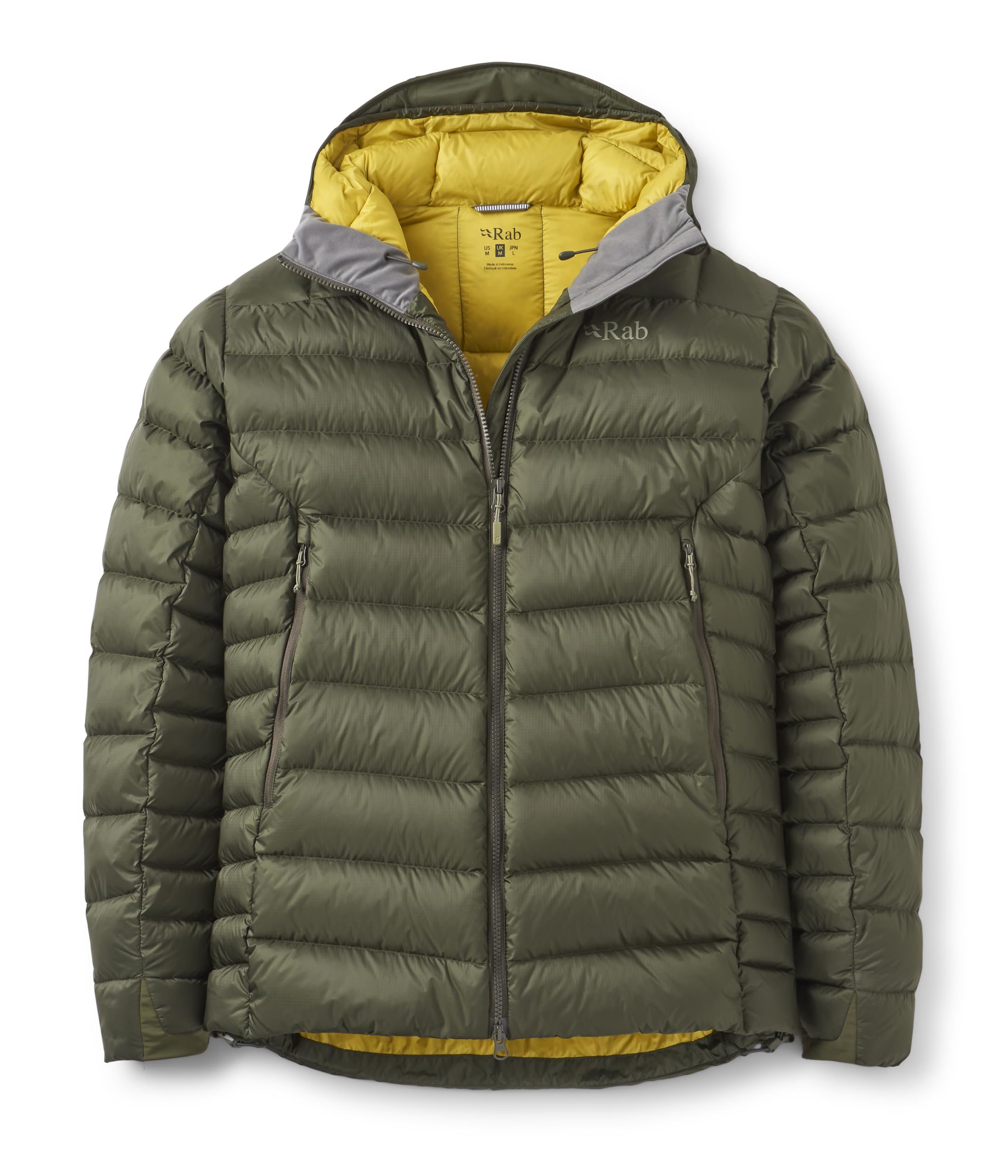
With 800-fill European goose down, the Rab Electron Pro delivers an exceptional warmth-to-weight ratio at just 1.16 pounds — critical for mountain hunters who hike miles before reaching glassing positions. The Pertex Quantum Pro outer fabric provides excellent wind resistance while remaining packable enough to stuff into a daypack when the temperature rises. Hunters confirm it stays comfortable down to 20 degrees with just a t-shirt and holds up to zero degrees with a fleece layer beneath.
The slim athletic fit layers cleanly under a hard shell without bunching, which preserves range of motion for rifle mounting or glassing. Elastic cuffs seal out drafts effectively, and the insulated hood fits under a climbing helmet or ball cap. The jacket handles static sits well — users specifically note it works better for stationary use than for high-output hiking where overheating becomes an issue.
Size Large fits a 6’1″, 190-pound frame with room for a mid-layer, but some users with broader shoulders found the fit too slim. The XL runs noticeably baggy in the torso. The left-side zipper pull takes adjustment for those used to standard right-side pulls. It’s a premium investment, but owners expect decades of use in harsh conditions.
Why it’s great
- Extremely warm for its 1.16-pound weight
- 800-fill down lofts quickly after compression
- Excellent wind resistance for exposed ridges
Good to know
- Slim fit may not suit broader shoulders
- Left-side zipper pull takes adjustment
- Too warm for active hiking in moderate temps
3. The North Face Men’s McMurdo Bomber Jacket
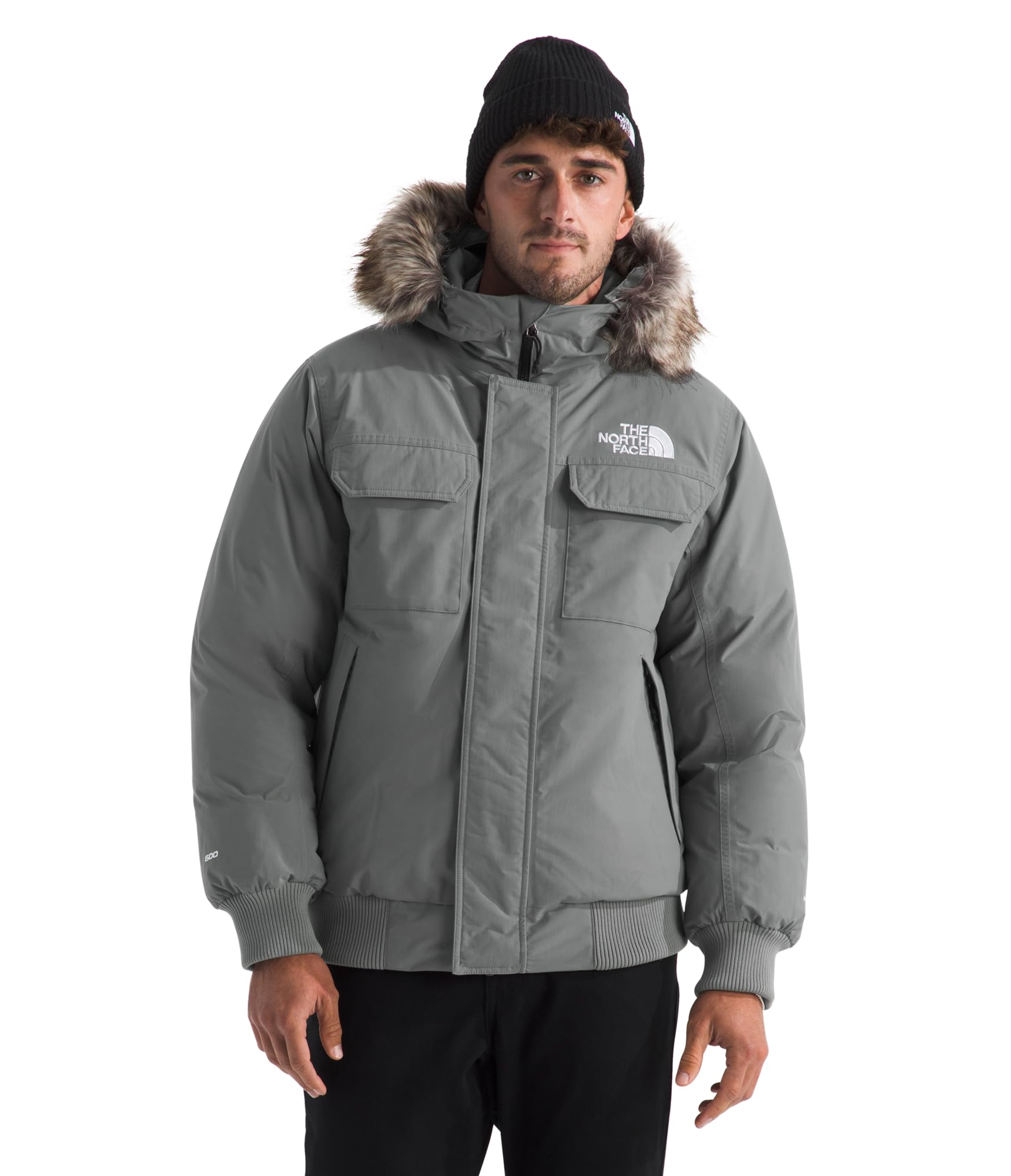
The McMurdo Bomber combines a fully waterproof shell with waterfowl down insulation, creating a jacket that handles wet snow and freezing rain without losing thermal efficiency. The bomber silhouette covers the lower back and hips during long sits on cold ground, which is a common pain point for stand hunters. The Smoked Pearl color presents a muted winter camo alternative for deer hunters who don’t need a printed pattern.
Ample pockets include fleece-lined hand warmers, chest storage, and interior document sleeves that keep keys and licenses organized. The removable faux-fur ruff blocks wind around the face without obstructing peripheral vision during glassing. Users note the jacket runs slightly large, which leaves room for a thick mid-layer without feeling restrictive through the shoulders.
At this price point, some hunters expected a removable inner layer for warmer-weather adaptability. The jacket is one solid piece — warm for its weight but not modular. The bomber cut may feel bulkier than a trim alpine jacket when packed into a daypack. The build quality is excellent, with reinforced stitching and heavy-duty zippers rated for many seasons of use.
Why it’s great
- Fully waterproof shell with waterfowl down
- Bomber cut covers hips during cold sits
- Removable ruff blocks wind effectively
Good to know
- No removable liner for warmer hunts
- Bulky when packed into a daypack
- Not available in camo prints
4. Rab Microlight Alpine 700-Fill Down Hooded Jacket
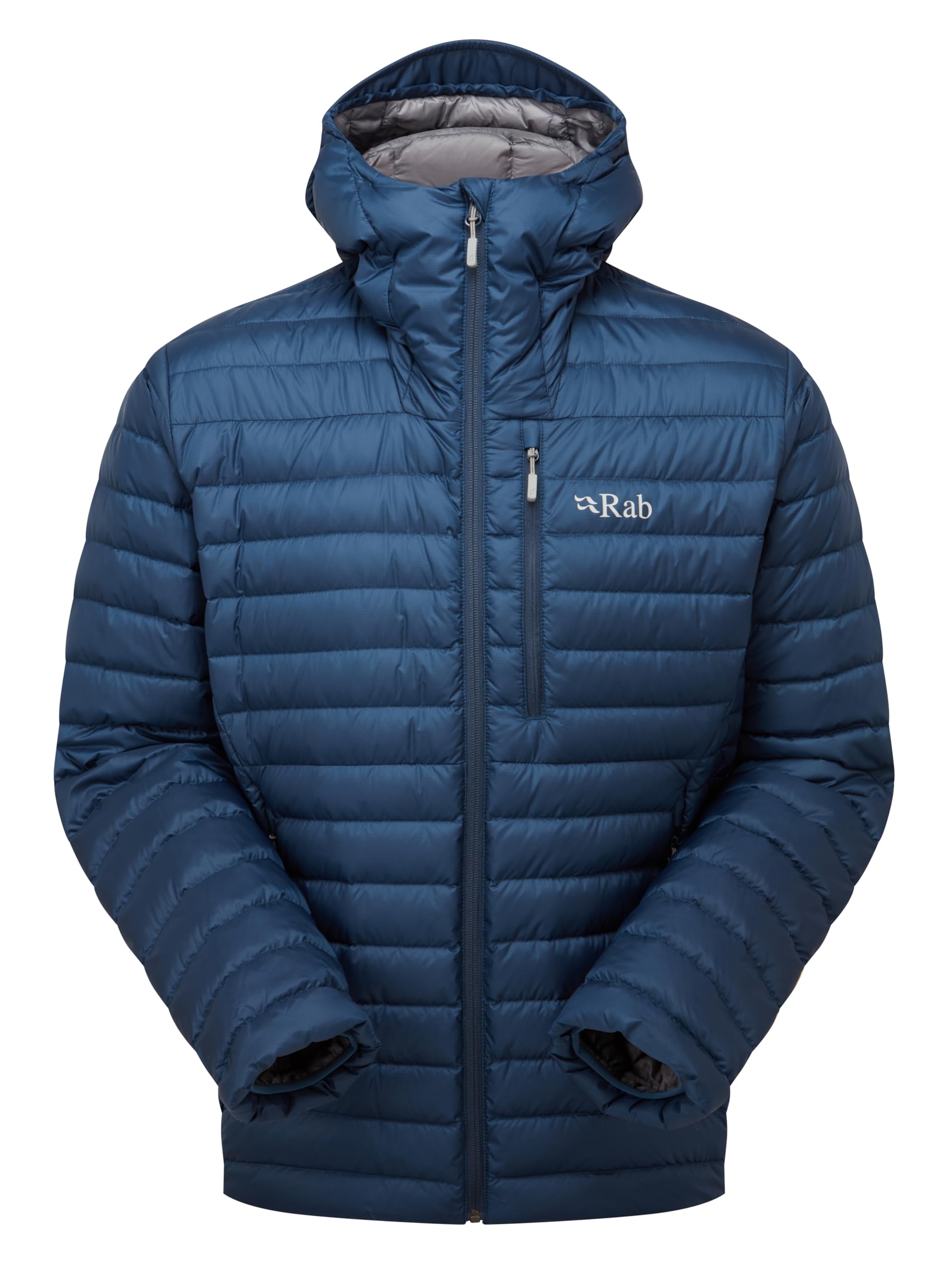
The Rab Microlight Alpine hits a sweet spot between packable weight and real warmth, using 700-fill down inside a Pertex Quantum shell that shaves ounces without compromising weather resistance. Hunters who trek into backcountry glassing positions will appreciate how small this jacket compresses in a pack while still providing reliable warmth during stops. The Tempest Blue color offers a subdued option for snow-country hunts where traditional camo stands out against white terrain.
The athletic fit layers smoothly under a shell jacket without restricting arm movement for glassing or shooting. The hood is helmet-compatible and secure in high winds, which matters on exposed ridges and mountain passes. Users report the jacket performs well in near-freezing temperatures with a fleece underneath, though it reaches its limit around 20 degrees without additional insulation.
The zipper pull is on the left side, which is common for European brands but catches American users off guard. The Large fits a 5’10”, 190-pound frame with a sweater underneath, but leaves minimal room for thicker mid-layers. The outer fabric resists light snow well but saturates in sustained rain, so this jacket works best as an insulating piece under a waterproof shell during wet hunts.
Why it’s great
- Excellent warmth-to-weight for backcountry hikes
- Packs small for stashing in a daypack
- Secure hood performs well in high winds
Good to know
- Left-side zipper pull feels unnatural
- Limited layering room in athletic fit
- Not waterproof in sustained rain
5. ArcticShield Men’s Classic Elite Parka

ArcticShield’s RETAIN heat retention technology uses a reflective layer that bounces body heat back toward the core, making this parka noticeably warmer than its insulation weight suggests. It kept hunters comfortable in 20-mph winds and temperatures in the teens during open-field sits where wind exposure is relentless. The fabric is genuinely quiet when moving — no crinkling or rasping during gear adjustments or weapon draws.
The pocket layout is well-considered for hunting use, with multiple zippered and open pockets sized to accommodate hand warmers, calls, and range finders. The double zipper at the front allows easy access to lower gear pouches without exposing the torso to cold. Users note the jacket fits quite large, which actually benefits layering — a regular Large leaves plenty of room for a thick base and mid-layer beneath.
Some hunters wish pit zips were included for dumping heat during long hikes to the stand. The jacket works best for stationary sits rather than active still-hunting where temperature regulation becomes a challenge. One user received the wrong color and kept it anyway because the jacket’s performance compensated for the mismatch.
Why it’s great
- Reflective RETAIN technology boosts warmth
- Fabric is quiet during movement
- Double zipper provides easy gear access
Good to know
- No pit zips for ventilation
- Runs large — plan for layering
- Best suited for stationary sits
6. Guide Gear Steadfast 4-in-1 Hunting Jacket Parka
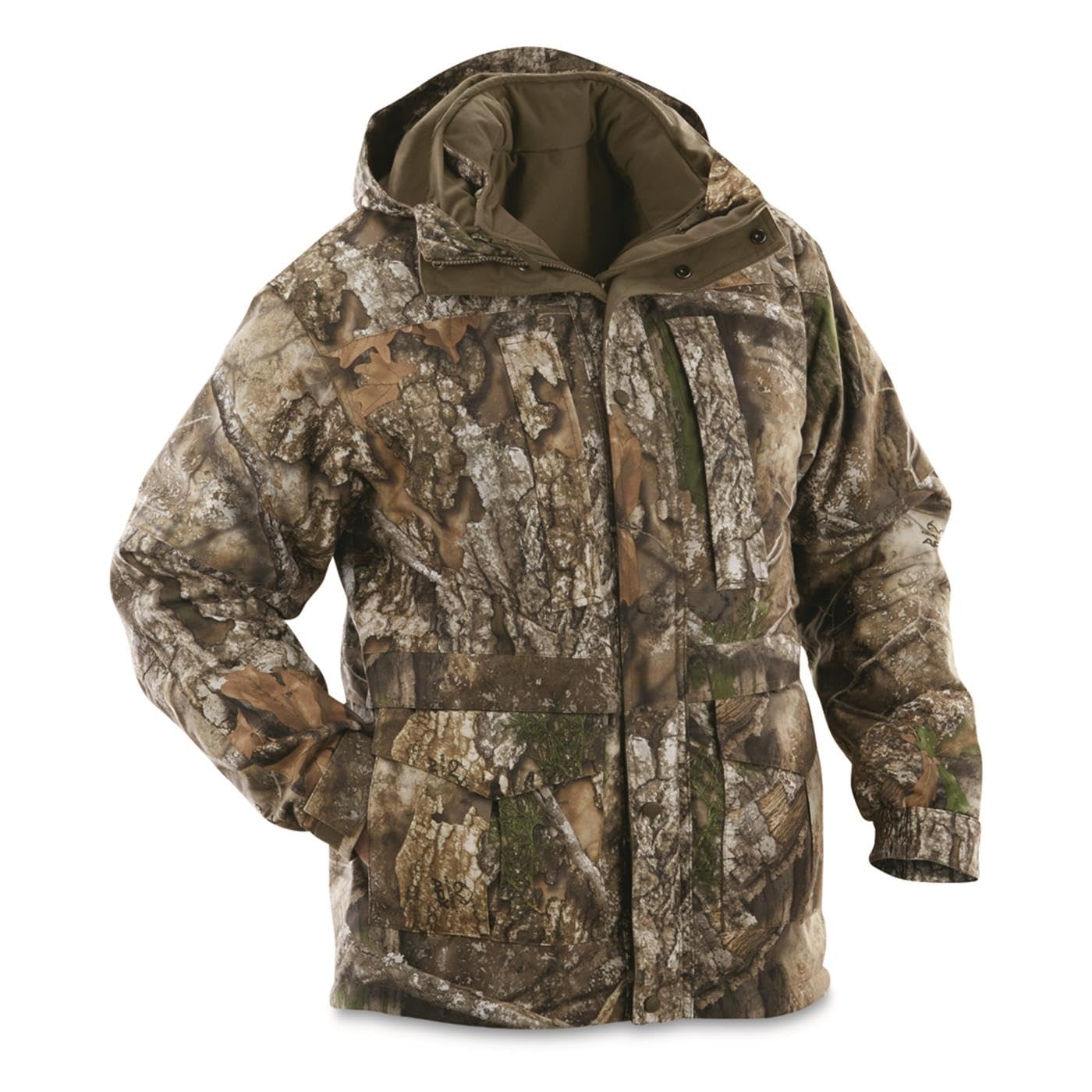
The Guide Gear Steadfast uses a 4-in-1 system with a waterproof outer shell and a Thinsulate-insulated inner liner that can be worn separately or zipped together for maximum warmth. This modular approach covers everything from early-season rain hunts in the shell to deep winter cold with both layers combined. The outer shell functions as an excellent rain and wind breaker, and the inner liner works as a standalone jacket for milder days.
Combined, the system handles subfreezing rain, sleet, and snow without compromising warmth. The hood seals well but requires an extra beanie underneath in the coldest conditions. Users describe the construction as feeling high-quality and expect many seasons of hard use. The parka is notably heavy compared to alpine-style down jackets, which is the trade-off for its weatherproof versatility.
Lower hand-warmer pockets have zippers that can rub against bare wrists — a minor comfort issue that becomes noticeable during long walks. Several users wish the jacket included internal security pockets for valuables and licenses. The heavy weight makes it less suitable for backcountry hikes where every ounce matters.
Why it’s great
- Modular 4-in-1 system adapts to seasons
- Waterproof shell handles sleet and snow
- Feels durable and well-constructed
Good to know
- Heavier than dedicated down jackets
- Zipper rubs bare wrists in lower pockets
- No internal security pockets
7. Columbia Delta Ridge II Down Jacket

The Columbia Delta Ridge II offers a lightweight down jacket that warms up quickly while remaining comfortable enough for extended wear. Hunters who need a jacket for short sits or as an insulating layer under a heavy shell will appreciate its low bulk and easy movement. The fit is trim through the body, giving it a more modern silhouette than traditional boxy hunting parkas.
Users transitioning from bargain jackets consistently note a clear step up in warmth and comfort. The down lofts evenly without cold spots, and the outer fabric resists light moisture well enough for morning hunts in frosty conditions. The jacket packs down to a modest size that fits in a daypack without crowding out other gear.
The trim fit creates tightness in the armpits for some users, restricting arm movement enough to feel like the jacket might rip during a full draw or overhead reach. This makes it a poor choice for bow hunters who need complete shoulder articulation. The jacket works best for rifle hunters or as a static-use insulator under a roomier shell.
Why it’s great
- Warms up quickly and feels comfortable
- Lightweight and easy to pack
- Clean fit for layering under a shell
Good to know
- Armholes are tight for bow hunting draws
- Trim fit limits thick mid-layer wear
- Not suited for deep cold below 20°F
8. The North Face Aconcagua 3 Down Jacket
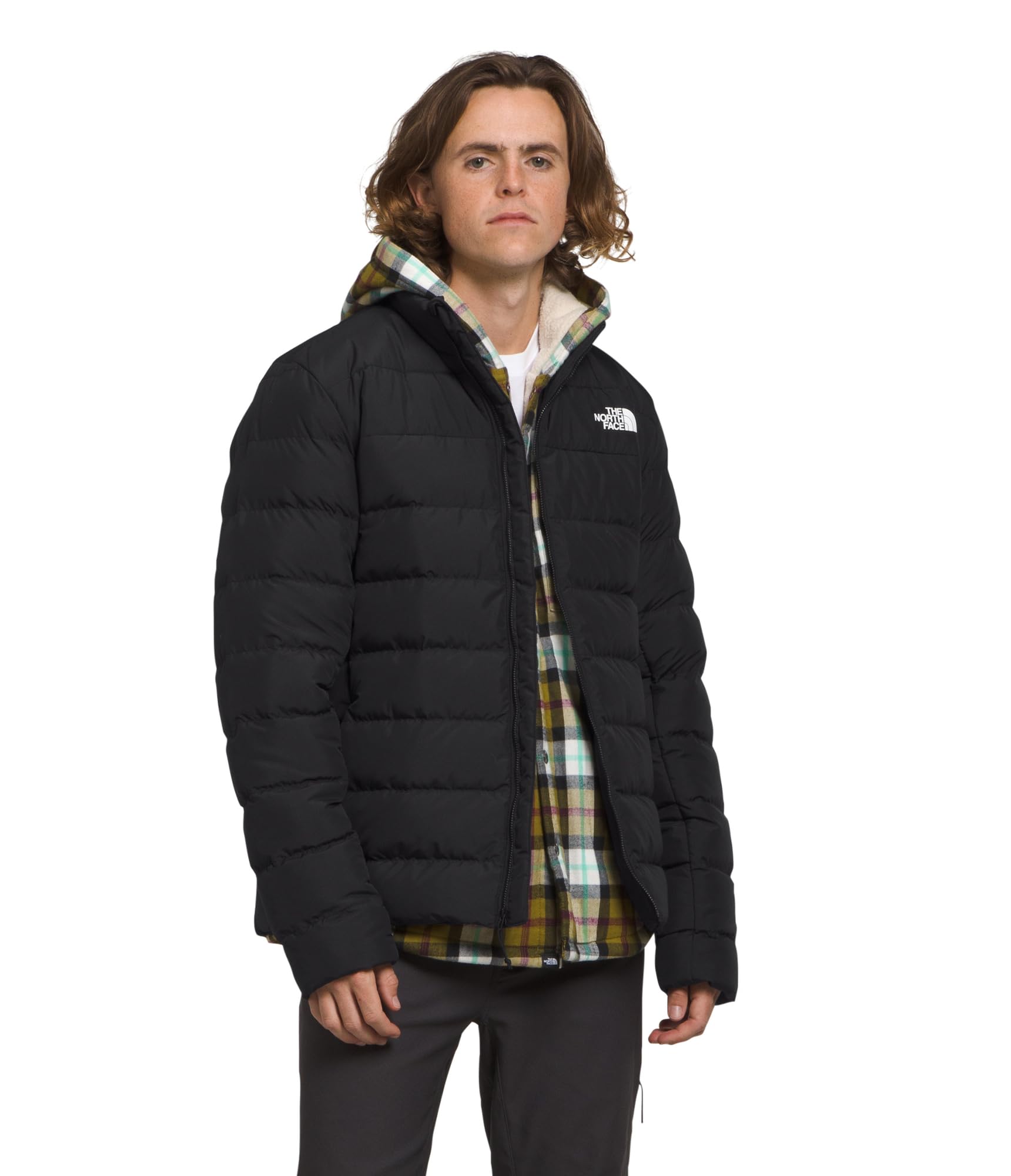
The North Face Aconcagua 3 uses 600-fill waterfowl down to deliver reliable warmth in a package that wears like a casual jacket but performs well enough for light hunting use. The wind-resistant, water-repellent finish handles the morning commute to the blind and light snow showers without issue. The teal and black color options work for hunters who don’t require full camo but want a solid earth tone that blends into tree lines.
Users describe the jacket as warm without adding the bulk of a heavy parka, making it a solid choice for still-hunting or walking between stands. The fit is true to size, and the down compresses well for storage. The jacket cleans up easily after muddy or dusty hunts, which is a practical consideration for gear that sees regular field use.
The most common complaint involves down feathers poking through the outer fabric, with the issue worsening after washing. This suggests the shell’s baffle construction could be tighter. The jacket is not designed for extreme cold or wet conditions — it works best in the 20-to-40-degree range under dry skies. Some users prefer the Terra Peak model for better feather retention.
Why it’s great
- Warm without excessive bulk
- True-to-size fit for easy ordering
- Easy to clean after field use
Good to know
- Feathers poke through the shell fabric
- Not suitable for wet or deep-cold hunts
- Feather leakage worsens after washing
9. HOT SHOT Men’s 3-in-1 Insulated Camo Hunting Parka

The HOT SHOT 3-in-1 delivers remarkable value with a removable inner down jacket and a waterproof outer shell that can be worn together or separately. The inner layer keeps you warm down to freezing on its own, and the combined system handles 20-degree temperatures without issue. Users who tried five or six different brands returned all but this one, citing its quality relative to the category-leading models at a fraction of their weight class.
The camo pattern blends well into wooded environments, and the fabric runs quieter than many budget parkas that rely on stiff outer shells. The XL fits a 6’2″, 210-pound frame with room for heavy layering underneath. The removable hood includes cinch cords that stay secure even in 50-mph wind gusts. The slippery liner makes layering easy, and the outer shell is genuinely waterproof rather than just water-resistant.
The main zipper is the weakest point — it takes effort to hook and slide up smoothly, which can be frustrating with cold fingers. The jacket lacks hand-warmer pockets, offers only one chest zip, and includes no pit vents for temperature regulation. Several users noted it runs large, so checking the size chart carefully is essential for getting the right fit.
Why it’s great
- True 3-in-1 system for temperature flexibility
- Waterproof outer shell handles wet conditions
- Quieter than most budget hunting parkas
Good to know
- Main zipper is stiff and difficult to start
- No hand-warmer pockets or pit zips
- Runs large — size down for trim fit
FAQ
Is down insulation suitable for wet hunting conditions?
How much fill power do I need for deer hunting?
Final Thoughts: The Verdict
For most hunters, the best down jacket for hunting is the SITKA Stratus because its Windstopper fleece shell provides unmatched quietness and wind protection in a package that fits the needs of both bow and rifle hunters. If your hunts take you into deep cold and high alpine terrain, the Rab Electron Pro delivers the highest warmth-to-weight ratio in this lineup. For hunters who prioritize waterproofing and want a bomber-style jacket that handles wet winters, the The North Face McMurdo Bomber provides reliable protection in a premium finish.

Mo Maruf
I created WellFizz to bridge the gap between vague wellness advice and actionable solutions. My mission is simple: to decode the research and give you practical tools you can actually use.
Beyond the data, I am a passionate traveler. I believe that stepping away from the screen to explore new environments is essential for mental clarity and physical vitality.