Our readers keep the lights on and my smoothie glass nicely filled. As an Amazon Associate, I earn from qualifying purchases.
Chronic ear infections, relentless paw licking, and that musty odor signal an internal imbalance—yeast overgrowth in dogs is a frustrating cycle driven by diet. Selecting the right food requires cutting the starches and sugars that feed Malassezia, not just swapping protein sources.
I’m Mohammad Maruf — the founder and writer behind WellFizz. My deep market research focuses on analyzing veterinary diet formulations and ingredient specifications to identify the most effective nutritional strategies for managing canine yeast problems.
After hours of poring over ingredient labels, nutritional profiles, and real owner experiences, these are the top contenders for managing yeast-prone dogs. This guide breaks down the science behind each formula to help you find the best dog food for yeast problems that targets the root cause of the imbalance.
How To Choose The Best Dog Food for Yeast Problems
Yeast thrives on carbohydrates, so the primary goal is selecting a dog food with minimal starch and sugar content. Look for formulas that list a single, novel animal protein source first and avoid ingredients like potatoes, peas, tapioca, and sweet potatoes that spike blood sugar and feed yeast.
Look for Low-Glycemic Ingredients
Avoid grains like corn, wheat, and rice, as well as high-glycemic tubers and legumes. Ideal carbohydrate sources for yeast-prone dogs include low-glycemic options like lentils, chickpeas, or carefully measured amounts of barley. The total carbohydrate percentage should be as low as possible, ideally under 20-25% on a dry matter basis.
Prioritize Single Protein Sources
Dietary sensitivities can trigger inflammation that worsens yeast overgrowth. A limited-ingredient diet with a single, novel protein—like duck, venison, or lamb—reduces the chance of an allergic reaction that disrupts the skin’s barrier and feeds the yeast cycle.
Consider Added Probiotics and Omega-3s
A healthy gut microbiome is the first line of defense against yeast. Look for formulas fortified with probiotics and prebiotic fiber to support beneficial bacteria. Omega-3 fatty acids from fish oil or flaxseed help reduce systemic inflammation and strengthen the skin barrier against irritants.
Quick Comparison
On smaller screens, swipe sideways to see the full table.
| Model | Category | Best For | Key Spec | Amazon |
|---|---|---|---|---|
| Natural Balance L.I.D. Duck & Brown Rice | Limited Ingredient | Dogs with mild sensitivities & yeast | Single protein duck, 22% crude protein | Amazon |
| Natural Balance L.I.D. Venison & Sweet Potato | Limited Ingredient | Novel protein, grain-free starter | Venison as single protein | Amazon |
| Zignature Lamb Formula | Grain-Free | Novel protein rotation diet | Probiotics added, 28% protein | Amazon |
| Farmina N&D Ancestral Grain Lamb | Premium Grain-Inclusive | Whole-body gut & skin health | Lamb #1, pumpkin for digestion | Amazon |
| Farmina N&D Pumpkin Grain-Free Lamb | Veterinary Diet | Allergy relief with grain-free | Low glycemic index, blueberries | Amazon |
| Wysong Epigen 90 Starch Free | Starch-Free | Severe yeast, highest protein needs | 0% starch, 90% meat ingredients | Amazon |
| Hill’s Prescription Diet Derm Complete | Veterinary Diet | Advanced environmental & food sensitivities | Clinically tested 82% less itching | Amazon |
In‑Depth Reviews
1. Natural Balance L.I.D. Duck & Brown Rice
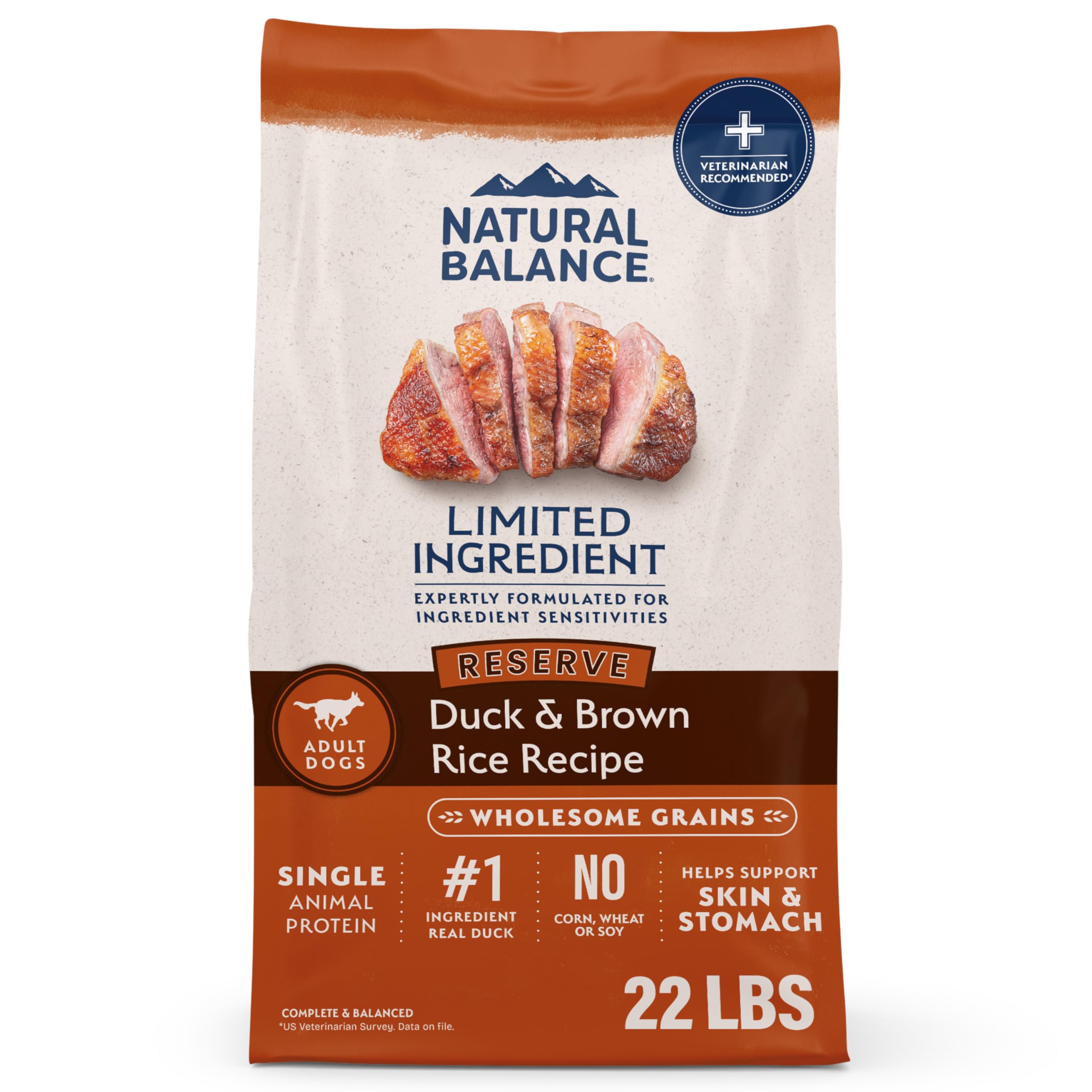
Natural Balance hits the sweet spot with this limited-ingredient formula, using duck as a single animal protein source—a novel protein many yeast-prone dogs haven’t encountered. The inclusion of brown rice provides a moderate, low-glycemic carbohydrate source that won’t spike blood sugar as aggressively as white potatoes or tapioca, helping starve the yeast rather than feed it.
Omega 3 and 6 fatty acids are balanced into the recipe to support skin barrier repair, which is crucial for dogs whose yeast overgrowth is secondary to environmental allergies. The formulation explicitly avoids chicken, corn, wheat, and soy, eliminating the top four dietary triggers that can inflame the gut and worsen yeast colonies.
Real owner reports show significant improvement in ear infections and hot spots after switching to this formula. The kibble size works for all breeds, and the 22-pound bag offers a sensible balance between quality and affordability for a limited-ingredient diet.
Why it’s great
- Single duck protein minimizes allergy triggers
- Brown rice provides low-glycemic carbs
- Omega-3s and -6s support skin healing
Good to know
- Not suitable for dogs needing grain-free diet
- Some sensitive dogs may still react to grains
2. Natural Balance L.I.D. Venison & Sweet Potato
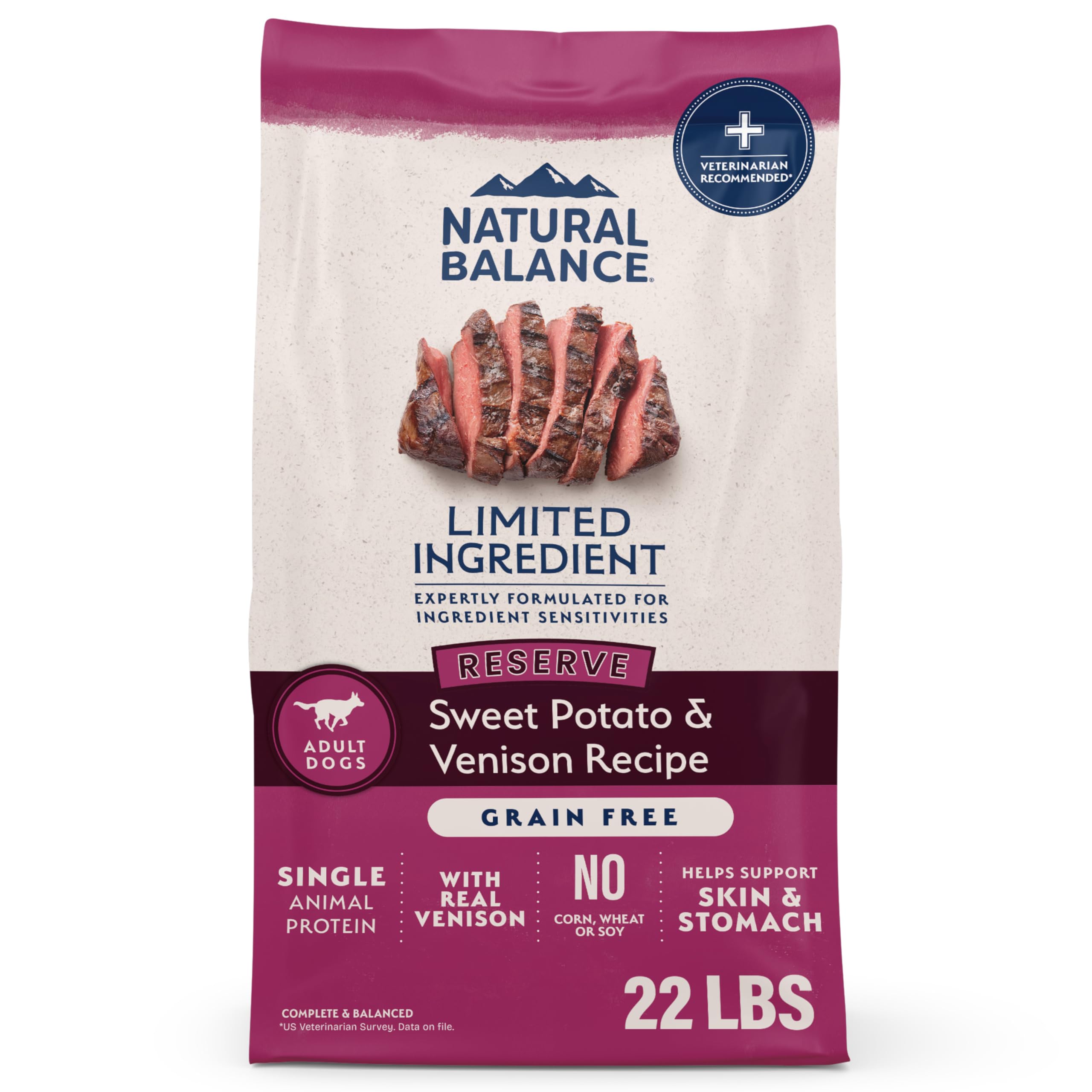
Venison offers an exceptionally novel protein source for dogs who have built sensitivities to more common meats like chicken or beef. This grain-free version from Natural Balance replaces grains with sweet potato, which provides fiber but does contain moderate starch—making it a better choice for dogs whose yeast is primarily triggered by protein allergies rather than carb content.
The formula is completely free of grain, soy, gluten, and artificial additives, and the ‘Feed with Confidence’ program tests every batch for safety, which provides extra assurance for owners dealing with a dog’s fragile digestive system. Pea protein and fish oil round out the nutritional profile, adding essential amino acids and anti-inflammatory omega-3s.
Owners report dramatic resolution of chronic bloody diarrhea and itching in French bulldogs and sensitive breeds. Be aware that some users noted inconsistency between batches, with one report of a bag causing digestive upset, so monitor your dog’s response closely during transition.
Why it’s great
- Extremely novel venison protein
- Every batch tested for safety
- Free of common allergens and fillers
Good to know
- Sweet potato may still feed yeast in some dogs
- Batch consistency has been questioned
3. Zignature Lamb Limited Ingredient Formula

Zignature builds this formula around high-quality lamb as the first ingredient, offering a lean, vitamin B12-rich protein that is less common in commercial foods. The recipe is fortified with probiotics specifically to support gut health—a direct benefit for dogs fighting yeast, since a robust microbiome is the primary barrier against fungal overgrowth.
This is a grain-free, high-protein formula with 28% protein content, which helps stabilize blood sugar and reduces the carbohydrate load that feeds yeast. The limited ingredient list includes no corn, wheat, soy, or common fillers, and the formula is available in small bites for toy breeds, making it versatile across size categories.
Owners consistently report shinier coats, reduced itching, and firmer stools after switching. The lamb flavor is palatable even for picky eaters, and at 25 pounds per bag, the value is strong for a premium limited-ingredient kibble.
Why it’s great
- Probiotics support gut microbiome balance
- High protein (28%) stabilizes blood sugar
- Lamb is a novel protein for many dogs
Good to know
- Grain-free may not suit all dogs
- Not a prescription diet for severe cases
4. Farmina N&D Ancestral Grain Lamb, Pumpkin & Blueberry

Farmina’s Ancestral Grain formula takes a whole-body approach, combining pasture-raised lamb with pumpkin and blueberries for digestive and antioxidant support. Pumpkin is a potent source of soluble fiber that helps regulate bowel movements and starve yeast by supporting beneficial bacteria, while blueberries add anthocyanins that fight systemic inflammation.
This is a grain-inclusive recipe, using spelt and oats as carbohydrate sources that have a lower glycemic impact than rice or corn. The formula is specifically designed for medium and large breeds, with added glucosamine for hip and joint support—a practical bonus for owners managing both yeast and arthritis in older dogs.
Long-term users feeding this for over three years report dogs with reduced gas, stable weight, and excellent coat condition. The kibble is less processed than many competitors, and dogs tend to need smaller portions to maintain weight, which offsets the premium cost per bag.
Why it’s great
- Pumpkin supports gut health and yeast control
- Pasture-raised protein source
- Low-glycemic ancient grains
Good to know
- Designed for medium/large breeds
- Premium price point
5. Farmina N&D Pumpkin Grain-Free Lamb & Blueberry

This grain-free variant from Farmina uses a unique vacuum coating system that preserves vitamins and nutrients longer than standard manufacturing processes—important for maintaining the efficacy of added omega fatty acids that fight skin inflammation. Lamb and blueberry again form the core, but without any grains, making it suitable for dogs that show sensitivity to spelt or oats.
The formula is classified as a veterinary diet by the manufacturer, indicating it has been formulated with a higher standard of nutritional control than standard retail kibble. Blueberries provide a low-glycemic carbohydrate source while delivering antioxidants that may reduce the oxidative stress yeast causes on the skin and gut lining.
Owners of large purebred dogs report their pets living well into their teens on this food with no health issues. Dogs with food allergies and stomach issues see resolution within weeks, and the high protein content helps maintain lean muscle mass even in senior dogs.
Why it’s great
- Vacuum coating preserves nutrient integrity
- Low-glycemic fruit instead of starchy carbs
- Veterinary diet level formulation
Good to know
- Grain-free not necessary for most dogs
- Premium cost per pound
6. Wysong Epigen 90 Starch Free

Wysong Epigen 90 is the most aggressive dietary weapon against yeast on this list: it is the first extruded dry kibble to be completely starch-free. With 90% meat ingredients and no potatoes, peas, tapioca, or grains, this formula deprives yeast of its primary fuel source—sugar—while delivering protein at levels that mimic a prey-based ancestral diet.
The formulation includes probiotics, prebiotics, enzymes, phytonutrients, and natural-form antioxidants—every component of a complete anti-inflammatory, gut-healing diet. Because it is so nutrient-dense, transition must be very slow (over 2-3 weeks) to prevent digestive upset. Owners should expect soft stool initially as the gut adjusts to the lack of carbohydrate binders.
This food is suitable for both dogs and cats, making it convenient for multi-pet households. Users report complete resolution of yeast symptoms, including chronic ear infections and paw licking, within 6 weeks of full transition. The price point is high, but the nutrient density means dogs need significantly less food per meal compared to standard kibble.
Why it’s great
- Zero starch starves yeast completely
- 90% meat for peak protein intake
- Complete gut health support package
Good to know
- Very slow transition required
- Soft stool normal during adaptation
7. Hill’s Prescription Diet Derm Complete Rice & Egg

Hill’s Derm Complete is the only prescription-strength option on this list, specifically formulated to manage both environmental and food sensitivities that manifest as skin and yeast issues. The primary protein and carbohydrate source is egg and rice—a highly digestible, low-allergen combination designed to reduce the inflammatory load on the skin’s barrier.
Clinical data shows 82% of pet parents reported less itching within weeks, and visible skin healing is documented in as little as 21 days. The formula is engineered to improve sleep quality by reducing night scratching, and the stool quality is excellent due to the highly digestible rice base. This is a veterinary diet, so a prescription is required—your vet must approve this food for your dog’s specific condition.
Owners report dramatic reductions in ear infections and the ability to stop medications like Apoquel after switching. One owner of a Chinese Pug with severe food sensitivities called it a “game changer.” The main drawback is the prescription requirement and the high price, but for dogs with complex environmental plus food sensitivities, this is the most scientifically validated option available.
Why it’s great
- Clinically proven 82% less itching
- Supports skin healing in 21 days
- Reduces dependency on allergy medications
Good to know
- Requires veterinary prescription
- Rice and egg may be allergens for some dogs
FAQ
Can grain-free dog food cure yeast infections?
How long after changing food will yeast symptoms improve?
Should I add probiotics separately even if the food has them?
Final Thoughts: The Verdict
For most users, the dog food for yeast problems winner is the Natural Balance Duck & Brown Rice because it balances a novel protein with low-glycemic carbs and skin-supporting fatty acids at a reasonable cost. If you want maximum yeast starvation with zero starch, grab the Wysong Epigen 90. And for dogs with complex environmental plus food sensitivities requiring clinical-grade intervention, nothing beats the Hill’s Prescription Diet Derm Complete.

Mo Maruf
I created WellFizz to bridge the gap between vague wellness advice and actionable solutions. My mission is simple: to decode the research and give you practical tools you can actually use.
Beyond the data, I am a passionate traveler. I believe that stepping away from the screen to explore new environments is essential for mental clarity and physical vitality.