Our readers keep the lights on and my smoothie glass nicely filled. As an Amazon Associate, I earn from qualifying purchases.
A dog scratching constantly, shaking its head, or leaving dark waxy residue in its ears points to one common culprit: a yeast overgrowth fueled by diet. The wrong carbohydrates and proteins can act as a feast for yeast, turning a minor imbalance into a cycle of chronic infections. The right bag of kibble, however, cuts off that fuel supply and lets the immune system rebalance naturally.
I’m Mohammad Maruf — the founder and writer behind WellFizz. I’ve spent weeks analyzing veterinary nutrition guidelines and ingredient labels from dozens of brands to pinpoint which formulas actually starve yeast rather than feed it, focusing on limited-ingredient profiles and novel proteins.
Whether your dog battles itchy paws, recurrent ear infections, or hotspots, finding a food that eliminates common triggers like poultry, grains, and high-starch vegetables makes all the difference. This guide breaks down the top-rated formulas to help you select the best dog food for yeast infection, backed by real ingredient science and verified owner results.
How To Choose The Best Dog Food for Yeast Infection
Yeast thrives on sugar and starch. When a dog eats kibble loaded with potatoes, peas, rice, or wheat, those carbohydrates break down into glucose, providing a steady energy source for Malassezia and Candida species. The goal of a yeast-fighting diet is to remove those fuel sources entirely while providing clean, novel proteins that reduce the inflammatory immune response. Here are the three most critical factors to consider.
Single or Limited Animal Protein
Most commercial foods use chicken as the primary protein, which is one of the top allergens for dogs. A yeast-prone dog needs a protein source it has never been exposed to—lamb, salmon, venison, or duck. A limited ingredient formula (one protein source) eliminates guesswork. If the yeast clears up, you have identified the intolerance.
Starch Profile and Glycemic Load
Even grain-free foods can be problematic if they rely on high-glycemic ingredients like white potatoes, tapioca, or chickpeas. Look for lower-starch vegetables like sweet potatoes, lentils, or peas in moderate amounts. The goal is to keep blood sugar stable, denying yeast its preferred fuel.
Probiotics and Omega-3 Support
Yeast overgrowth often signals a disrupted gut microbiome. Probiotics help reestablish beneficial bacteria, which compete with yeast for resources and crowd it out. Omega-3 fatty acids from fish oil reduce systemic inflammation, which calms the skin’s immune response and reduces itching and ear wax production.
Quick Comparison
On smaller screens, swipe sideways to see the full table.
| Model | Category | Best For | Key Spec | Amazon |
|---|---|---|---|---|
| Nulo FreeStyle Limited+ Salmon | Dry Kibble | Gut & Skin Balance | Single Salmon Protein + BC30 Probiotic | Amazon |
| Purina Pro Plan FortiFlora | Probiotic Supplement | Ear Infection Recovery | E. Faecium SF68 (1×10^8 CFU/sachet) | Amazon |
| Merrick LID Lamb & Sweet Potato | Dry Kibble | Sensitive Skin & Itch Relief | 10 Key Ingredients, Poultry Free | Amazon |
| Instinct LID Real Lamb | Dry Kibble | One Protein Simplicity | Grass-Fed Lamb + Freeze-Dried Raw Coat | Amazon |
| Geneflora Digestive Enzymes & Probiotics | Powder Supplement | Budget-Friendly Gut Reset | Prebiotic + Enzyme + Probiotic Blend | Amazon |
In‑Depth Reviews
1. Nulo FreeStyle Limited Ingredient Salmon Recipe
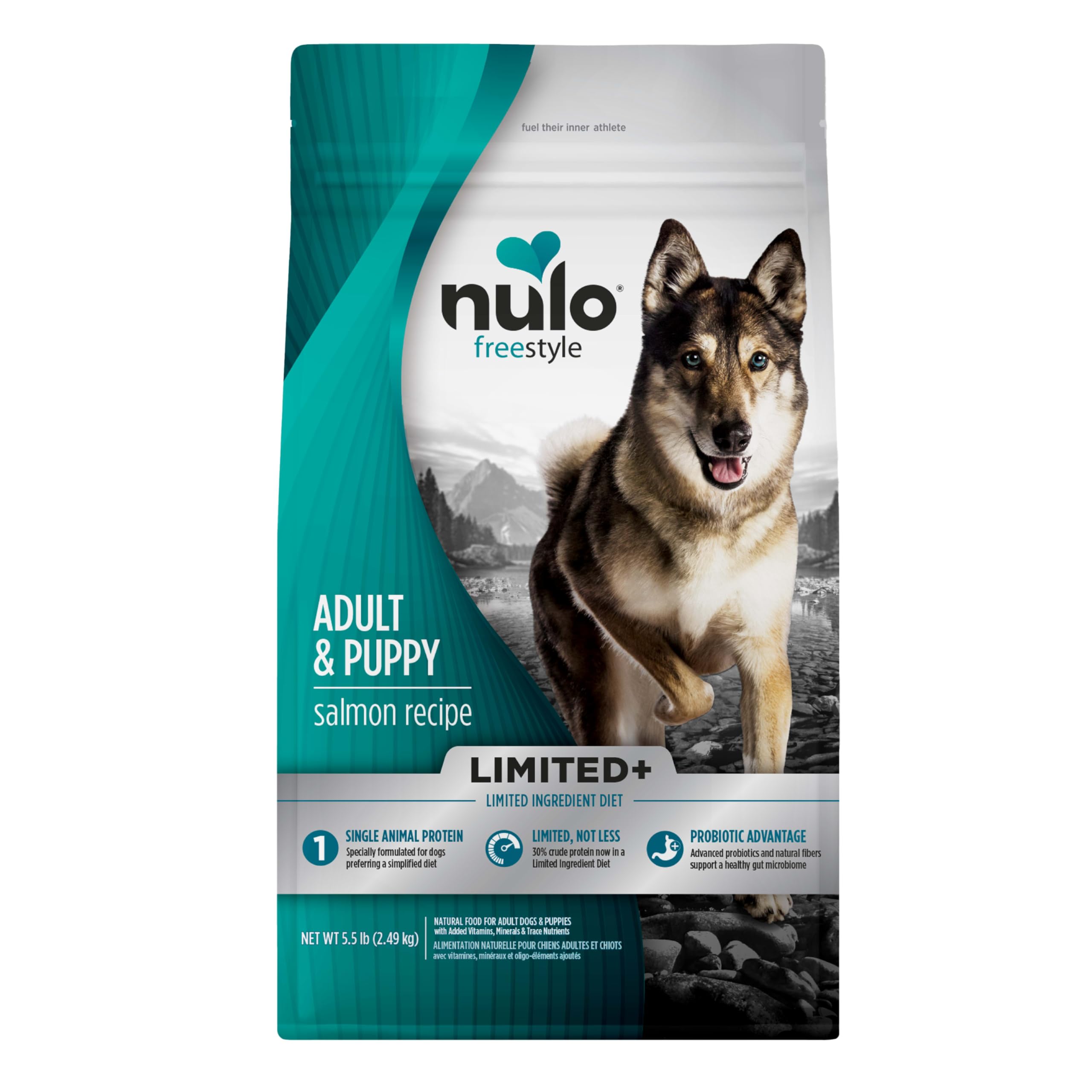
Nulo’s FreeStyle Limited+ formula is engineered precisely for yeast-sensitive dogs. It uses salmon as the sole animal protein, eliminating chicken and eggs—two common triggers. With 30% crude protein and omega-3 fatty acids from salmon oil, this kibble supports lean muscle while delivering anti-inflammatory benefits that directly calm irritated skin and reduce ear wax production.
The addition of patented BC30 probiotics sets this formula apart from typical grain-free kibbles. BC30 is a spore-forming probiotic that survives the high heat of kibble extrusion and reaches the gut alive, where it helps crowd out yeast colonies. Prebiotic fibers from wholesome vegetables further stabilize digestion, reducing the loose stools that often accompany dietary changes.
Owners report visible improvements in skin irritation, itching, and yeast odor within two to three weeks. The poultry-free guarantee removes a major variable for elimination diets, and the 5.5-pound bag size allows a trial without a massive commitment. It is a premium price point, but the ingredient transparency and clinical-level probiotic justify the cost for chronic yeast cases.
Why it’s great
- Single salmon protein eliminates poultry trigger
- BC30 probiotic survives kibble processing
- High omega-3 content soothes inflammation
- No peas, grains, corn, wheat, or soy
Good to know
- Premium cost per pound relative to standard kibble
- Some sensitive dogs may still react to salmon
2. Purina Pro Plan Veterinary Supplements FortiFlora

While not a complete food, FortiFlora is the most clinically studied probiotic for dogs with yeast-related digestive and skin issues. It delivers Enterococcus faecium SF68 at a guaranteed 1×10^8 CFU per sachet. This specific strain has been proven in veterinary trials to support immune function and reduce the incidence of diarrhea, which is often a side effect of yeast overgrowth in the gut.
Owners of dogs with chronic ear infections report that adding one sachet daily to their dog’s existing kibble cleared dark ear discharge within two weeks. The liver flavor powder is highly palatable, so picky eaters accept it without protest. It also contains antioxidants that bolster the immune system’s ability to keep yeast populations in check.
FortiFlora works best as a complement to a low-starch, limited-ingredient diet rather than a standalone fix. The 30-count box provides a month’s supply, and many owners subscribe to maintain remission. For dogs that need a gut reset alongside a diet change, this is the single most effective supplement to accelerate recovery.
Why it’s great
- Strain-specific probiotic with proven anti-diarrhea efficacy
- Clears ear yeast within two weeks per owner reports
- Vet-recommended and backed by Purina research
- Palatable powder mixes easily into any food
Good to know
- Only a supplement—must pair with yeast-safe kibble
- Higher per-dose cost compared to generic probiotics
3. Merrick Limited Ingredient Diet Lamb & Sweet Potato

Merrick’s LID Lamb and Sweet Potato recipe is built around extreme simplicity: just 10 key ingredients, with real deboned lamb as the first ingredient. This formula is entirely poultry-free, making it a safe starting point for dogs with suspected chicken or turkey allergies that manifest as yeast infections. The absence of soy, corn, wheat, dairy, and eggs further reduces immune triggers.
Sweet potato provides a moderate glycemic carbohydrate source that digests slower than white potato or tapioca, helping to keep blood sugar more stable. The inclusion of omega-6 and omega-3 fatty acids supports skin barrier repair, while glucosamine and chondroitin add joint support for older dogs who often struggle with yeast as a secondary condition.
Owner reviews highlight a dramatic reduction in ear infections and scratching within six to seven months of switching. The kibble size is suitable for medium breeds, and the formula is made in USA facilities with no artificial colors or preservatives. For a mid-range price, this delivers the cleanest protein profile in its class.
Why it’s great
- Only 10 total ingredients, poultry-free
- Deboned lamb as single protein source
- Sweet potato provides stable glycemic carbs
- Contains omega fatty acids for skin repair
Good to know
- Some dogs may react to sweet potato if starch sensitivity is high
- Not suitable for dogs with lamb-specific allergies
4. Instinct Limited Ingredient Diet Real Lamb

Instinct’s LID Real Lamb formula strips the ingredient list down to one animal protein and one vegetable, making it the most restrictive option for elimination trials. Grass-fed lamb provides a novel protein source that is less likely to trigger the immune cascades that feed yeast. The freeze-dried raw coating adds live enzymes and natural probiotics that survive minimal processing.
The kibble itself is small and dense, which aids mechanical digestion and reduces gastric upset during the transition. Owners of dogs with severe food sensitivities report that this formula eliminated goopy eyes, constant itching, and behavioral signs of discomfort within weeks. The absence of grains, gluten, soy, and artificial additives removes almost every variable that could trigger a flare.
A small percentage of users reported digestive upset with the lamb variety—likely due to undisclosed cross-contamination or a lamb sensitivity in their specific dog. For most yeast-prone dogs, however, the simplicity of this formula makes it a top candidate for a six-week elimination diet. It is priced at a mid-range premium, but the raw coating delivers nutritional density that standard kibble cannot match.
Why it’s great
- Single lamb protein, single vegetable formula
- Freeze-dried raw coating preserves natural enzymes
- Small kibble size aids easy digestion
- Eliminated chronic itching and eye discharge in severe cases
Good to know
- Some dogs may react if they have a lamb sensitivity
- Raw coating may not suit dogs with extremely sensitive stomachs
5. Geneflora Digestive Enzymes & Probiotics for Dogs

Geneflora is a powder supplement that combines probiotics, prebiotics, and digestive enzymes in a single scoop, designed to be mixed into any existing food. This makes it a budget-friendly entry point for owners who want to test whether gut imbalance is contributing to their dog’s yeast before committing to a full diet overhaul. It is flavorless, so finicky eaters accept it without fuss.
One verified owner reported that adding this supplement cleared a severe yeast infection—characterized by black ear wax—in a 4-month-old Beagle within two weeks. The enzyme component helps break down complex carbohydrates that might otherwise feed yeast, while the probiotic blend restores beneficial bacterial populations. The prebiotic fibers provide food for those bacteria, creating a self-sustaining cycle.
On the downside, the scoop size changed between batches, causing confusion about correct dosing. The product is made for dogs but also works for cats and rabbits, which may not inspire confidence in breed-specific potency. Still, for the price of a single vet visit, it offers a multi-modal approach to digestive health that addresses yeast from the inside out.
Why it’s great
- Cost-effective way to test gut-focused yeast intervention
- Three-in-one formula covers probiotics, prebiotics, and enzymes
- Quick results reported for ear yeast within two weeks
- Flavorless powder mixes into any food easily
Good to know
- Inconsistent scoop size creates dosing uncertainty
- Not a complete food—works best as a supplement
FAQ
Can a grain-free diet alone cure a yeast infection?
How fast will I see improvement after switching food?
Is chicken always bad for dogs with yeast?
Final Thoughts: The Verdict
For most users, the best dog food for yeast infection winner is the Nulo FreeStyle Limited+ Salmon because it combines a single novel protein with a clinically backed probiotic strain, all in a low-starch formulation. If you want targeted probiotic support to add to your dog’s current food, grab the Purina Pro Plan FortiFlora. And for a budget-friendly trial to see if gut imbalance is the root cause, nothing beats the Geneflora Digestive Enzymes & Probiotics.

Mo Maruf
I created WellFizz to bridge the gap between vague wellness advice and actionable solutions. My mission is simple: to decode the research and give you practical tools you can actually use.
Beyond the data, I am a passionate traveler. I believe that stepping away from the screen to explore new environments is essential for mental clarity and physical vitality.