Our readers keep the lights on and my smoothie glass nicely filled. As an Amazon Associate, I earn from qualifying purchases.
Few things spoil a beautiful face faster than the reddish-brown tracks that run from a dog’s eyes down to the muzzle. The right nutrition can stop the staining at its source.
I’m Mohammad Maruf — the founder and writer behind WellFizz. I’ve spent countless hours analyzing ingredient panels, customer feedback, and the specific nutritional pathways that either fuel or fight porphyrin oxidation, the root cause of those stubborn discolored fur patches.
After sorting through dozens of formulas and hundreds of verified buyer reports, these seven options stand as the definitive best dog food for tear stains available right now, offering clear paths to a cleaner, brighter face.
How To Choose The Best Dog Food for Tear Stains
Tear stains form when tears overflow onto the fur and the iron-rich pigment porphyrin oxidizes upon contact with air. Food ingredients — especially chicken, artificial colors, fillers, and high-carb sources — can trigger allergic tearing or increase iron intake, directly fueling the staining cycle. Choosing the right formula requires understanding which dietary levers actually break that cycle.
Limited Ingredients & Novel Proteins
Fewer ingredients mean fewer potential triggers. Dogs that stain badly often react to common proteins like chicken or beef. Switching to a single novel protein — lamb, salmon, tripe — reduces the inflammatory response that causes excessive tearing. Look for formulas that list exactly one protein source and avoid vague “meal” blends.
Avoiding Artificial Colors & Preservatives
Dyes and chemical preservatives add to the body’s detox load, which can worsen tear production and intensify stain color. Opt for foods that are naturally preserved with tocopherols (vitamin E) and contain zero artificial colors. Every formula reviewed here meets this standard.
Low-Glycemic, Grain-Free or Whole-Grain Options
Carb-heavy diets spike blood sugar, which can increase tear production in sensitive dogs. Grain-free formulas with lentils, chickpeas, or pumpkin provide steady energy without the sugar rollercoaster. For dogs that tolerate grains well, brown rice and oatmeal offer fiber without triggering reactions. The key is matching the carb source to your dog’s specific tolerance.
Omega Fatty Acids for Skin & Tear Duct Health
Essential fatty acids — particularly Omega-3 and Omega-6 — reduce systemic inflammation and support healthy tear duct function. A diet rich in salmon, flaxseed, or fish oil can thin tear secretions and improve drainage, reducing the time tears sit on the fur and oxidize. Dogs with regular Omega intake often show visibly lighter stains within two to three weeks.
Quick Comparison
On smaller screens, swipe sideways to see the full table.
| Model | Category | Best For | Key Spec | Amazon |
|---|---|---|---|---|
| N&D Farmina Lamb & Blueberry | Limited Ingredient | Novel protein, small kibble | Grass-fed lamb #1 ingredient, 30% protein | Amazon |
| ZIWI Peak Tripe & Lamb | Air-Dried | Digestive + stain support | Green tripe, 10% organ meat inclusion | Amazon |
| Blue Buffalo Salmon & Brown Rice | Chicken-Free | Chicken allergy management | Real salmon #1, Omega 3 & 6 blend | Amazon |
| Royal Canin Beauty Loaf | Wet Food | Picky eaters with stains | Biotin + B vitamins for coat | Amazon |
| Nutro Salmon & Lentils | Budget Friendly | Sensitive skin + coat | 10 key ingredients, non-GMO | Amazon |
| Eye Envy Beard Stain Remover | Topical Solution | Ongoing stain management | 8 oz spray, no bleach/peroxide | Amazon |
| IAMS Proactive Health Beef & Rice | Large Breed | Stain + joint support | Beef #1, glucosamine + chondroitin | Amazon |
In‑Depth Reviews
1. N&D Farmina Lamb & Blueberry Mini

Farmina sources fresh grass-fed lamb as the first ingredient, providing a novel protein that sidesteps the chicken reactions responsible for many tear stain cases. The recipe is completely grain-free and uses low-glycemic carbohydrates with no legumes or peas, which helps stabilize blood sugar and reduce the tearing that high-carb diets often trigger. Blueberries add a natural antioxidant boost that supports tear duct health from the inside out.
Customer reports consistently highlight how this formula resolved chronic digestive issues — runny stool, vomiting white foam, excessive grass-eating — that frequently accompany tear staining. The small kibble size works well for toy breeds and miniatures prone to staining, including Maltese, Shih Tzus, and Yorkies. The European production standards and grass-fed protein create a clean foundation that minimizes the inflammatory cascade driving porphyrin release.
While the price per pound sits at the higher end of mid-range, the quality-to-cost ratio is exceptional. Multiple buyers noted that this food eliminated the need for expensive vet visits related to allergy symptoms. For serious stain reduction, this is the benchmark formula that other limited-ingredient options measure themselves against.
Why it’s great
- Grass-fed lamb is a true novel protein for most stain-prone dogs
- Low-glycemic carbs avoid the sugar spike that worsens tearing
- Small kibble size ideal for brachycephalic breeds with staining issues
Good to know
- Higher per-bag cost than standard commercial kibble
- Some dogs may need a slow transition to avoid initial loose stool
2. ZIWI Peak Air-Dried Tripe & Lamb

ZIWI takes a fundamentally different approach to tear stain management by prioritizing gut health through green tripe and organ meats. Tripe is naturally rich in digestive enzymes and probiotics that help balance the gut microbiome — a factor directly linked to tear duct inflammation and porphyrin overflow. The air-drying process preserves the nutritional integrity of raw ingredients without the moisture loss of freeze-drying, creating a shelf-stable complete meal that closely mimics a fresh, raw diet.
Reviews from owners of dogs with chronic diarrhea and suspected allergies show remarkable turnarounds: one rescue dog with intractable loose stool achieved solid poop within 24 hours of switching. This rapid digestive normalization is critical for stain reduction because a calm, properly functioning gut produces less systemic inflammation that manifests through the eyes. The cold-washed tripe also provides natural joint support from green-lipped mussel, making it a dual-purpose formula for senior dogs dealing with both stains and mobility issues.
The strong tripe aroma that reviewers note is a signature of the fermented ingredient — it signals the presence of the very enzymes that support healthy digestion. Because this formula is so nutrient-dense, small serving sizes apply, which extends bag life compared to traditional kibble despite the higher price per pound. It works beautifully as a complete meal or a topper for dogs transitioning off inflammatory foods.
Why it’s great
- Green tripe provides probiotics that calm inflammation-driven tearing
- Air-drying retains active enzymes lost in high-heat kibble processing
- New Zealand-sourced lamb and organs are free of hormones and growth promotants
Good to know
- Tripe smell is noticeable but does not linger on dog breath
- Premium price point makes it most economical for smaller dogs
3. Blue Buffalo Salmon & Brown Rice
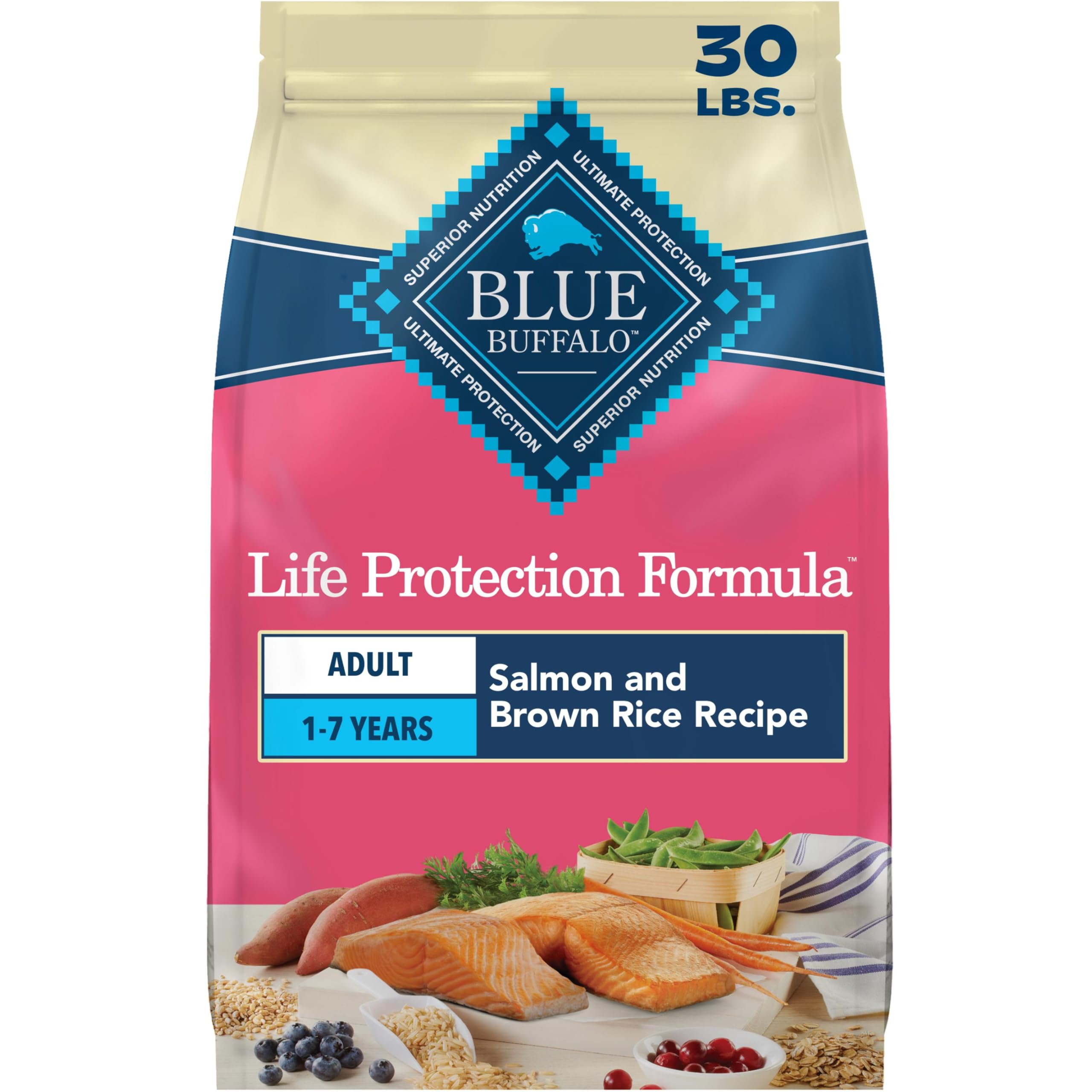
Chicken allergy is the single most common dietary trigger for tear staining, and Blue Buffalo’s salmon-first formula completely eliminates that risk. Real salmon provides a rich source of Omega-3 fatty acids that combat the inflammatory response driving excessive tearing, while Omega-6 supports healthy skin and coat condition around the eyes. The LifeSource Bits — a cold-formed blend of antioxidants, vitamins, and minerals — retain their potency better than heat-processed additives, offering sustained immune support that helps the body manage tear production.
Owners of breeds heavily prone to staining — Goldendoodles, Bichons, and white-coated terriers — report visible reductions in cheek staining and paw licking within two to three weeks. The whole-grain formula with brown rice, barley, and oatmeal provides steady energy without the blood sugar spikes associated with high-starch grain-free alternatives. The glucosamine content also supports joint health, making it a well-rounded option for adult dogs that need both stain management and mobility support.
At over thirty pounds per bag, this formula offers strong value for larger dogs that would burn through smaller premium bags too quickly. The salmon aroma is more noticeable than chicken-based foods but does not linger on the dog. Some finicky eaters may need a topper during the transition period, but the vast majority of reviews show enthusiastic acceptance once adjusted.
Why it’s great
- Salmon is a novel protein that bypasses common chicken allergies
- Whole-grain carbs support steady energy without glucose spikes
- LifeSource Bits deliver cold-formed antioxidants for immune support
Good to know
- Some dogs may need a topper during the first week of transition
- Larger bag size may be too much for single-dog households without proper storage
4. Royal Canin Adult Beauty Loaf in Sauce
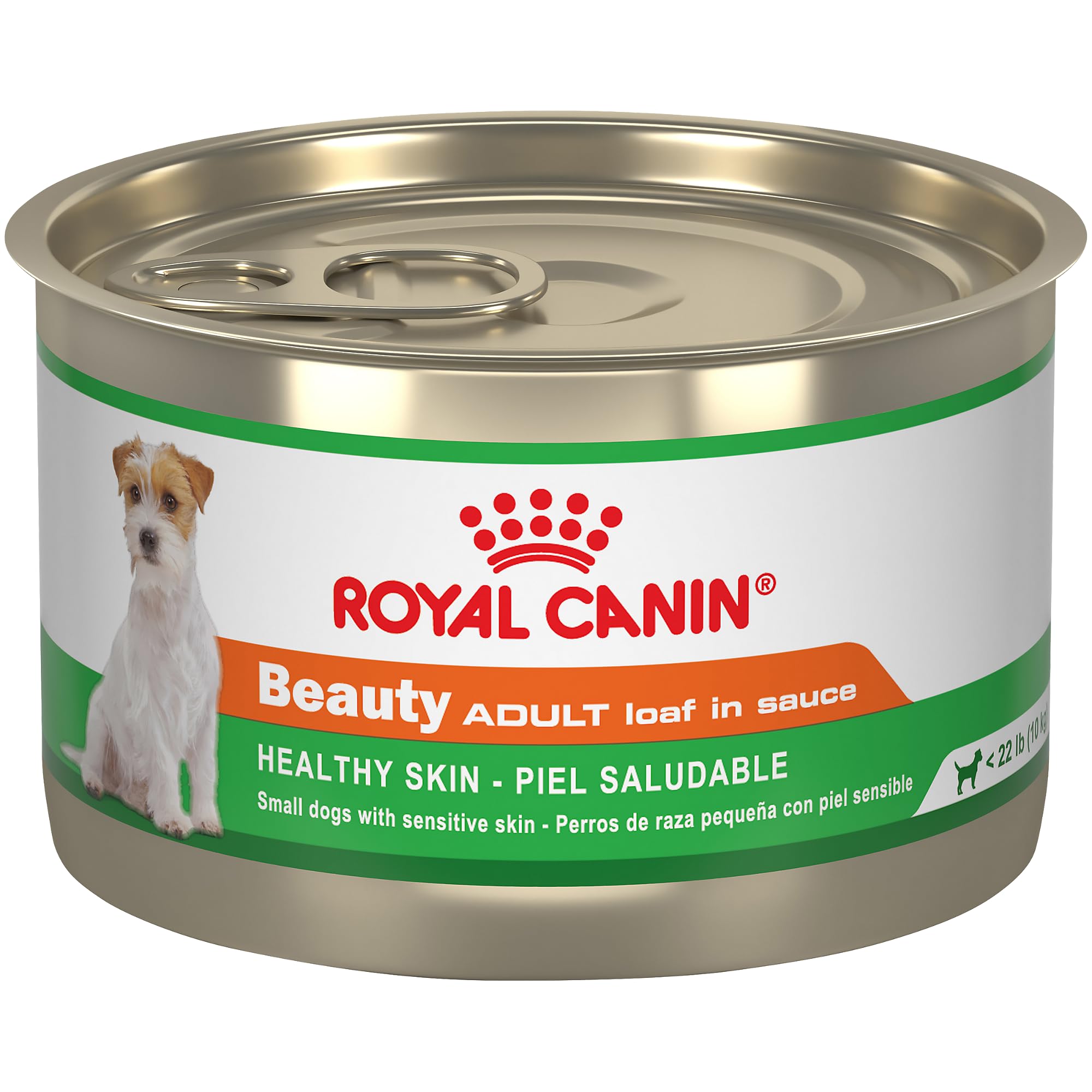
Royal Canin’s Beauty Loaf takes a targeted approach to tear stain management by focusing on skin and coat health through a high concentration of B vitamins — biotin, niacin, and riboflavin — along with zinc minerals that support hair follicle strength and reduce the brittleness that makes stained fur look worse. The wet loaf format provides high moisture content, which helps hydrate tear ducts and flush inflammatory compounds more effectively than dry kibble alone.
Reviews from owners of senior dogs and picky eaters highlight the formula’s ability to stimulate appetite in dogs that had stopped eating altogether. One 15-year-old dog that had lost interest in food and shown joint stiffness returned to normal activity within three weeks. This is particularly relevant for tear stain management because under-eating dogs can develop nutritional deficiencies that worsen tear quality and increase porphyrin concentration. The loaf-in-sauce texture also coats the mouth thoroughly, delivering the B vitamins directly to oral tissues.
The primary consideration here is format: this is a wet food in cans, which means shorter shelf life after opening and higher per-serving cost compared to dry kibble. However, for dogs with active tear staining that are also struggling with appetite or digestive issues, the moisture content and palatability often justify the trade-off. It works best as a primary meal for small dogs or as a topper for larger breeds transitioning to a stain-specific dry food.
Why it’s great
- High moisture content supports tear duct hydration and flushing
- Biotin and zinc directly strengthen fur around the eyes
- Highly palatable loaf texture appeals to picky and senior dogs
Good to know
- Wet food format requires refrigeration after opening
- Higher per-serving cost than dry kibble alternatives
5. Nutro Limited Ingredient Salmon & Lentils
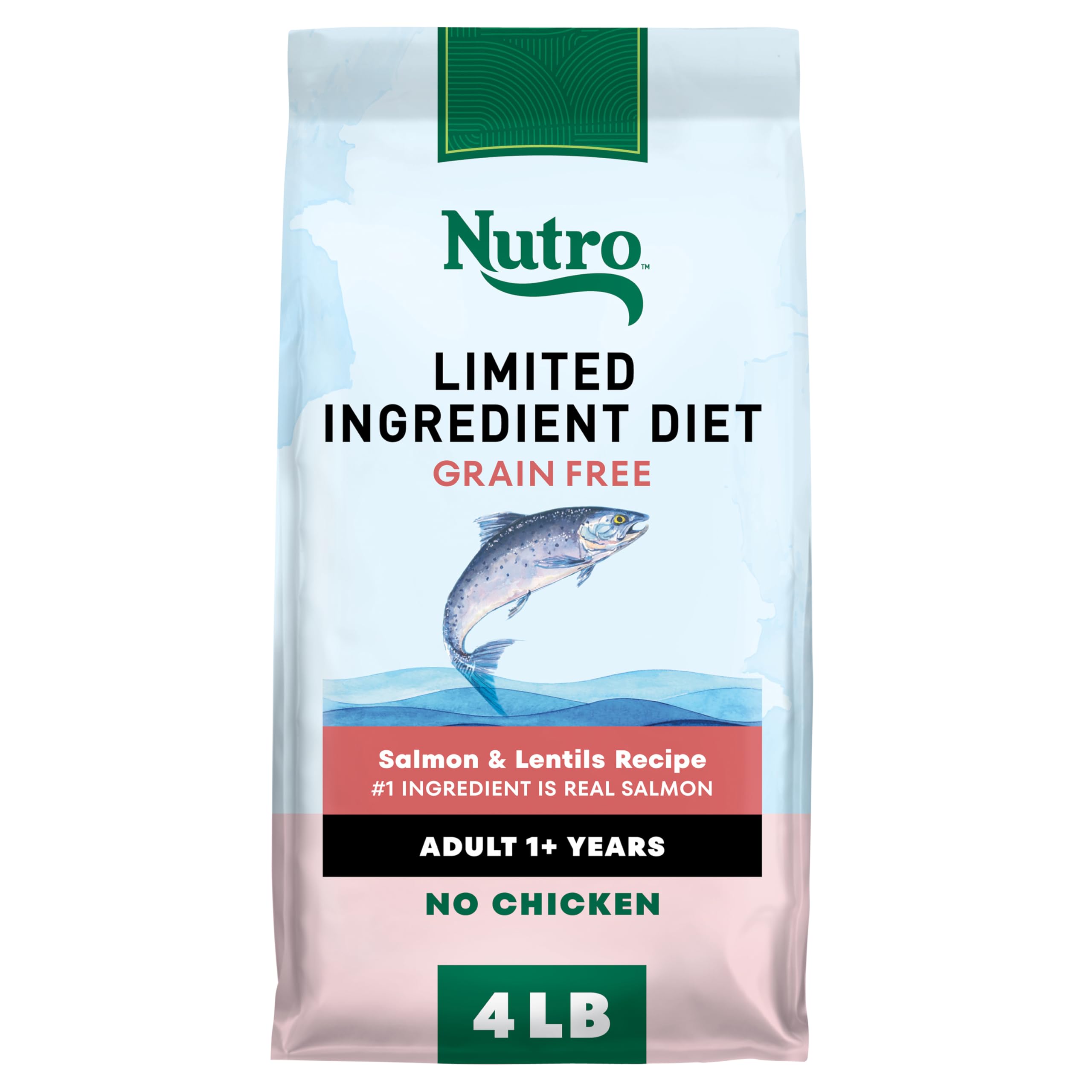
Nutro’s limited-ingredient formula keeps the total ingredient count to ten or fewer, making it an ideal diagnostic tool for owners trying to isolate what’s causing their dog’s tear stains. The salmon and lentil combination provides a single novel protein source paired with a legume-based carbohydrate that has a lower glycemic load than rice or corn. By eliminating chicken by-product meal, corn, wheat, soy, and artificial additives, this recipe creates a clean baseline that helps identify whether dietary ingredients are the driving factor behind the staining.
Verified reviews from owners whose dogs had chronic diarrhea, vomiting, ear infections, and severe itching show dramatic improvements after switching — one pit mix with noxious gas and scaly skin cleared up within weeks. These systemic health improvements directly correlate with reduced tear production, as the body stops mounting an inflammatory response that manifests through the eyes. The Omega-3 and Omega-6 fatty acids from salmon also nourish the skin directly around the tear ducts, improving the quality of the fur so stains are less noticeable even when minor tearing occurs.
At a mid-range price point that undercuts many premium limited-ingredient competitors, Nutro offers a budget-conscious entry point for owners who suspect food sensitivities but are not ready to commit to ultra-premium price brackets. The smaller four-pound bag size is actually an advantage here — it allows you to test the diet for three to four weeks without buying a large-volume commitment that might go unused if the formula doesn’t work.
Why it’s great
- Ten ingredients or fewer simplifies allergen identification
- Non-GMO salmon provides clean novel protein for stain-prone dogs
- Small bag size allows affordable testing before larger commitment
Good to know
- Feeding larger dogs long-term requires buying multiple bags
- Lentil-based carbs may cause gas in some dogs during transition
6. Eye Envy Beard Stain Remover Spray
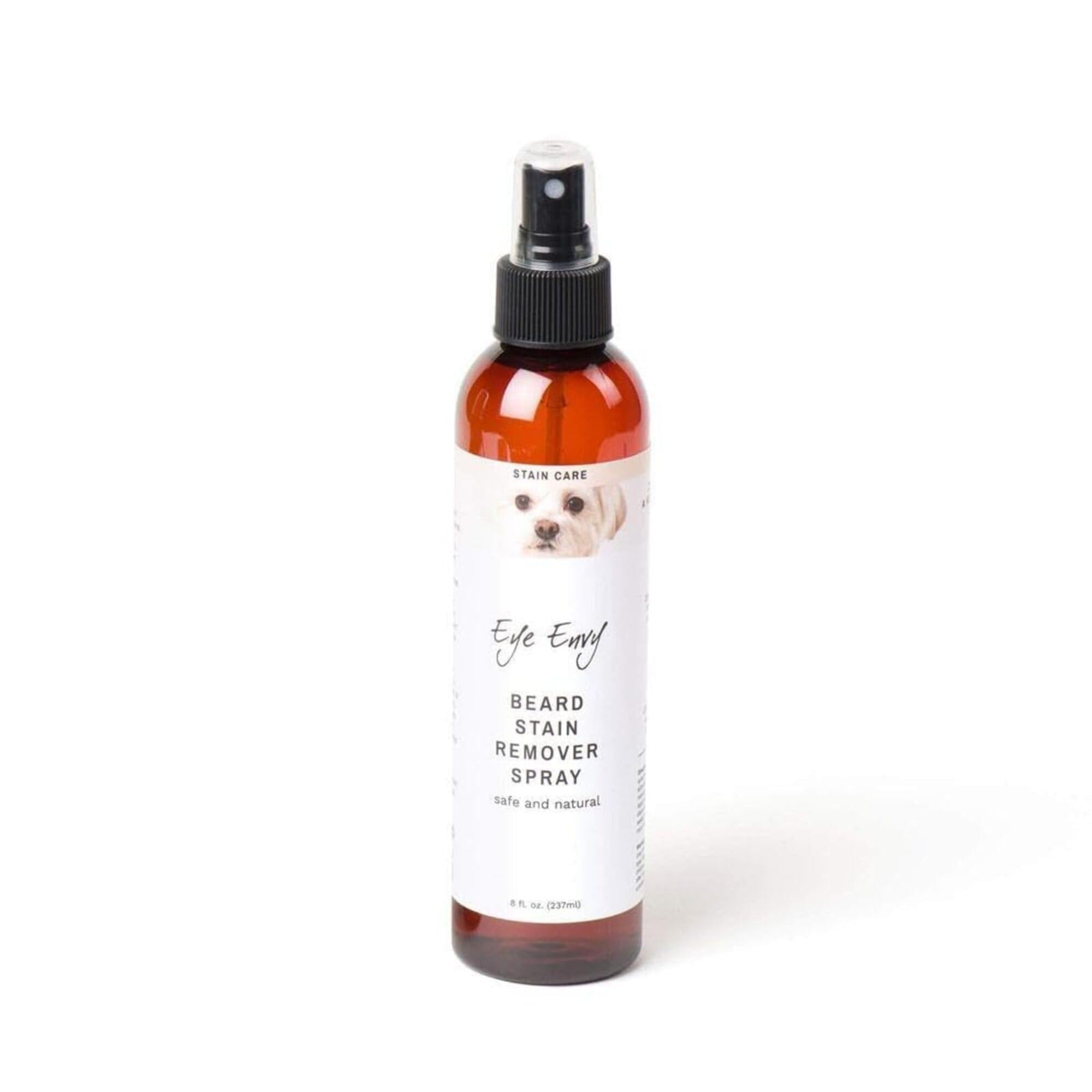
Not all stain solutions come from the food bowl. Eye Envy’s Beard Stain Remover Spray tackles the visible discoloration directly, using a natural topical formula that penetrates fur to lift the oxidized porphyrin pigments without the harsh bleaches, peroxides, or steroids that can irritate sensitive facial skin. The spray is designed for daily use on the chin, muzzle, and paw areas where saliva and tear runoff create the deepest discoloration. It also neutralizes the “wet dog” odor that often accompanies bacterial growth in constantly damp fur.
Customer reports indicate that consistent daily application yields visible stain lightening within seven to ten days, but the results are maintenance-dependent — skipping applications allows stains to return. Several reviewers who combined this spray with a dietary change to limited-ingredient or filtered-water routines saw faster and more permanent results, suggesting that the spray is most effective as part of a two-pronged strategy rather than a standalone cure. The spray is also safe for puppies and kittens, with no parabens or alcohol in the formula.
The eight-ounce bottle lasts roughly two to three months with daily use on a small to medium dog, making the per-month cost very low. Owners of breeds with heavy beard staining — Schnauzers, Maltese, Shih Tzus — report that the spray keeps their dogs’ faces show-ready between deeper cleaning sessions. It is not a replacement for identifying the root dietary cause of excessive tearing, but it is the most effective touch-up tool for managing the cosmetic fallout while you dial in the nutrition.
Why it’s great
- Natural formula lifts stains without bleaching or irritating skin
- Neutralizes odor-causing bacteria in damp beard fur
- Safe for daily use on puppies and all life stages
Good to know
- Requires consistent daily reapplication to maintain results
- Most effective when paired with dietary changes, not as a standalone fix
7. IAMS Proactive Health Beef & Rice
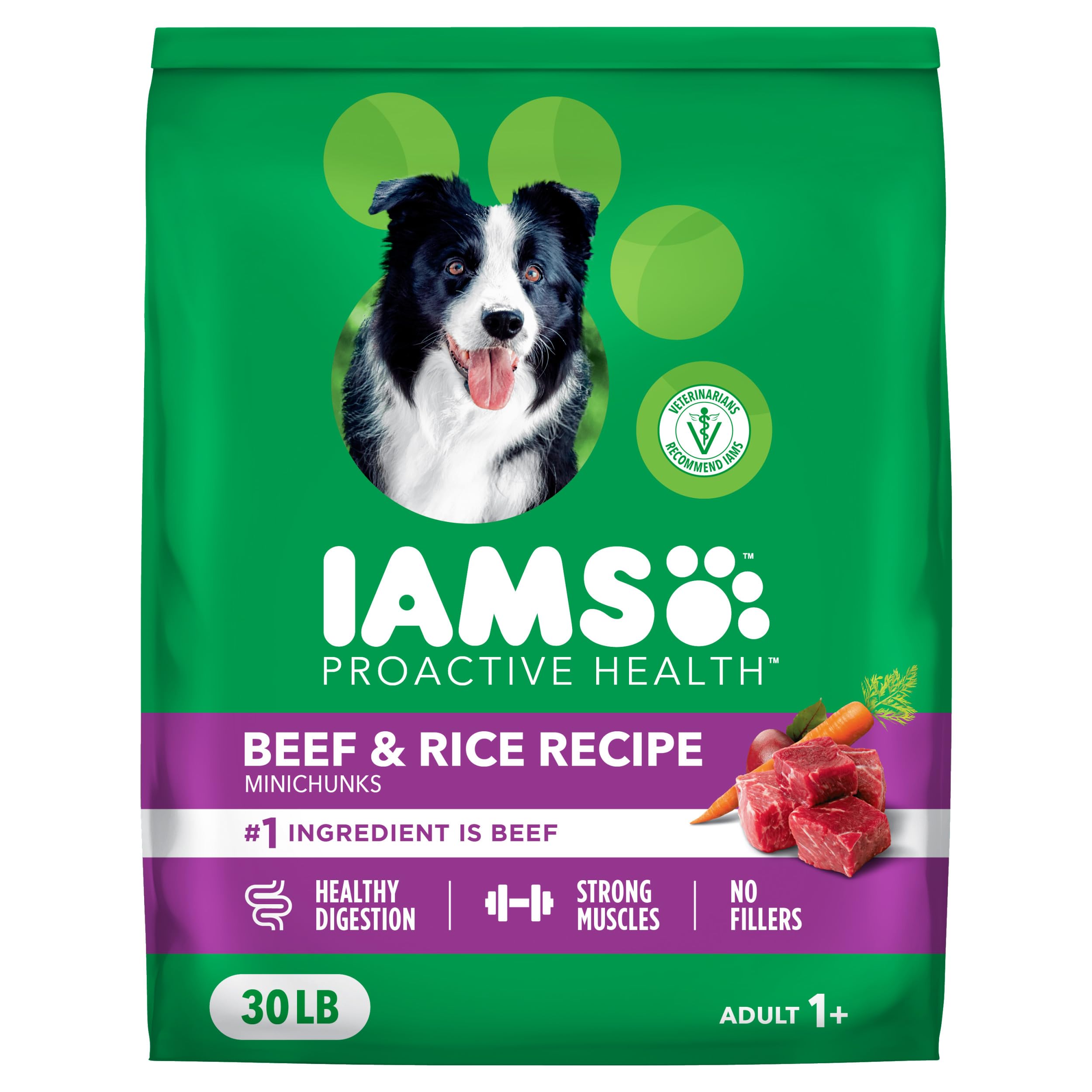
IAMS Proactive Health Beef & Rice delivers a straightforward, vet-recommended formula that prioritizes whole-body health without the premium pricing of boutique brands. Real beef is the first ingredient, providing high-quality protein for muscle maintenance, while the rice carbohydrate source is gentle on digestive systems that react poorly to corn or wheat. For dogs whose tear stains stem from environmental allergies rather than food sensitivities, this formula supports a strong immune system that can better manage the inflammatory response at the tear duct level.
Calcium levels are optimized for healthy bone development, and natural sources of glucosamine and chondroitin support joint health — a factor relevant for large breeds whose muzzle staining can worsen when they lie down frequently due to joint discomfort. The thirty-pound bag size provides exceptional value for owners of larger dogs, with one buyer reporting it lasted a full month for their sixty-pound dog. Reviews note that even smaller breeds like Yorkies accept the kibble without issue.
While this formula does include chicken by-product in the ingredient list (owners with confirmed chicken allergies should look elsewhere), it avoids artificial flavors and preservatives, meeting AAFCO standards for complete and balanced nutrition. For the many dogs whose tear stains are not caused by poultry sensitivity, this beef-and-rice base offers a cost-effective path to overall health that indirectly reduces the environmental factors contributing to staining. It is the most economical option on this list for multi-dog households or large-breed owners.
Why it’s great
- Thirty-pound bag offers the lowest per-pound cost for large dogs
- Beef provides novel protein for dogs not allergic to chicken
- Glucosamine and chondroitin support joint health in heavy breeds
Good to know
- Contains chicken by-product, not suitable for confirmed chicken allergies
- Rice carb source may have higher glycemic impact than lentil-based alternatives
FAQ
How soon after switching food will tear stains lighten?
Can filtered water alone stop tear stains?
Do grain-free diets always help with tear stains?
Why do my dog’s tears still stain after changing food?
Are there breeds that naturally stain more regardless of diet?
Final Thoughts: The Verdict
For most users, the best dog food for tear stains winner is the N&D Farmina Lamb & Blueberry Mini because it combines a novel grass-fed protein with low-glycemic carbohydrates and small kibble that stain-prone toy breeds love. If you want a formula that tackles both digestive health and staining through active enzymes, grab the ZIWI Peak Tripe & Lamb. And for chicken-sensitive dogs that need a large bag at a reasonable price, nothing beats the Blue Buffalo Salmon & Brown Rice.

Mo Maruf
I created WellFizz to bridge the gap between vague wellness advice and actionable solutions. My mission is simple: to decode the research and give you practical tools you can actually use.
Beyond the data, I am a passionate traveler. I believe that stepping away from the screen to explore new environments is essential for mental clarity and physical vitality.