Our readers keep the lights on and my smoothie glass nicely filled. As an Amazon Associate, I earn from qualifying purchases.
Specs are compiled from manufacturer listings and verified buyer reviews and can change over time — please confirm the key details on the product page before buying.
Protein-losing enteropathy (PLE) makes every meal a gamble. A dog with this condition cannot hold onto protein — it leaks through the gut wall, causing weight loss, fluid build-up, and weakness. A PLE diet requires a low-fat, highly digestible profile that standard dog food cannot provide. This guide reviews five veterinary therapeutic diets formulated to stop protein loss and improve nutrient absorption.
I’m Mohammad Maruf — the founder and writer behind WellFizz. This guide is built by comparing the manufacturers’ published specifications and the patterns across verified customer reviews, so you get each pick’s real strengths and trade-offs instead of marketing spin.
Every option here is a prescription-only veterinary diet formulated for gastrointestinal health with a low fat content, which is critical when you are searching for the ultimate dog food for protein losing enteropathy.
Our Picks at a Glance

How To Choose The Best Dog Food For Protein Losing Enteropathy
Selecting a PLE diet is about strict nutritional chemistry, not brand loyalty or fancy ingredients. Fat is the enemy here because a damaged gut cannot digest it, and undigested fat worsens the protein leak. The foods on this list are all low-fat prescriptions, but they differ in protein source (intact vs. hydrolyzed), fiber type, and calorie density. You need to match the formula to your dog’s tolerance and the severity of their condition.
Fat Content is Your #1 Filter
For a dog with PLE, the fat percentage should be the first spec you check. These diets are typically below 10% on a dry matter basis. Higher fat levels overload the lymphatic system in the gut, which is already under stress from protein loss. A low-fat guarantee is the baseline for safety, not a bonus feature.
Protein Source: Hydrolyzed vs. Intact
Hydrolyzed protein is broken down into tiny pieces (peptides) that are too small for the immune system to recognize and attack. This is ideal if your dog also has food allergies or sensitivities alongside PLE. Intact proteins, like chicken or lamb, are whole molecules that can still trigger an immune or inflammatory reaction in a sensitive gut. A hydrolyzed diet is your best bet when the triggers are unknown.
Digestibility and Absorption
These diets ensure your dog absorbs every calorie and amino acid before the food passes through. Look for formulas that emphasize “highly digestible” ingredients and added prebiotic fibers. These fibers feed the good gut bacteria, helping repair the microbiome, which is a key part of managing PLE long-term.
Calorie Density and Body Condition
Dogs with PLE are often underweight. You need a food that packs energy into every bite — a “high energy” or calorie-dense formula — so your dog recovers weight without having to eat huge volumes that stress the gut. A wet food can be easier to digest for a very sick dog, but a dry kibble often has more calories per cup.
Quick Comparison
| Model | Best For | Fat Profile | Protein Type | Form & Weight | Amazon |
|---|---|---|---|---|---|
| Hill’s i/d Wet★ Best Overall | Digestive Recovery | Low Fat (Wet) | Intact Chicken | Wet, 9.4 lbs | Amazon |
| Purina EN Low FatPancreatitis Safe | Fat Intolerance | Low Fat (Dry) | Intact, High-Quality | Dry Kibble, 6 lbs | Amazon |
| Royal Canin GI LF | Weight Control & Digestion | Low Fat (Dry) | Intact Chicken | Dry Kibble, 6.6 lbs | Amazon |
| Royal Canin GI High Energy | Underweight Dogs | Low Fat (Dry) | Intact, High-Energy | Dry Kibble, 8.8 lbs | Amazon |
| Hill’s z/d Hydrolyzed | Allergic Skin & Gut | Low Fat (Dry) | Hydrolyzed Soy | Dry Kibble, 25 lbs | Amazon |
In‑Depth Reviews
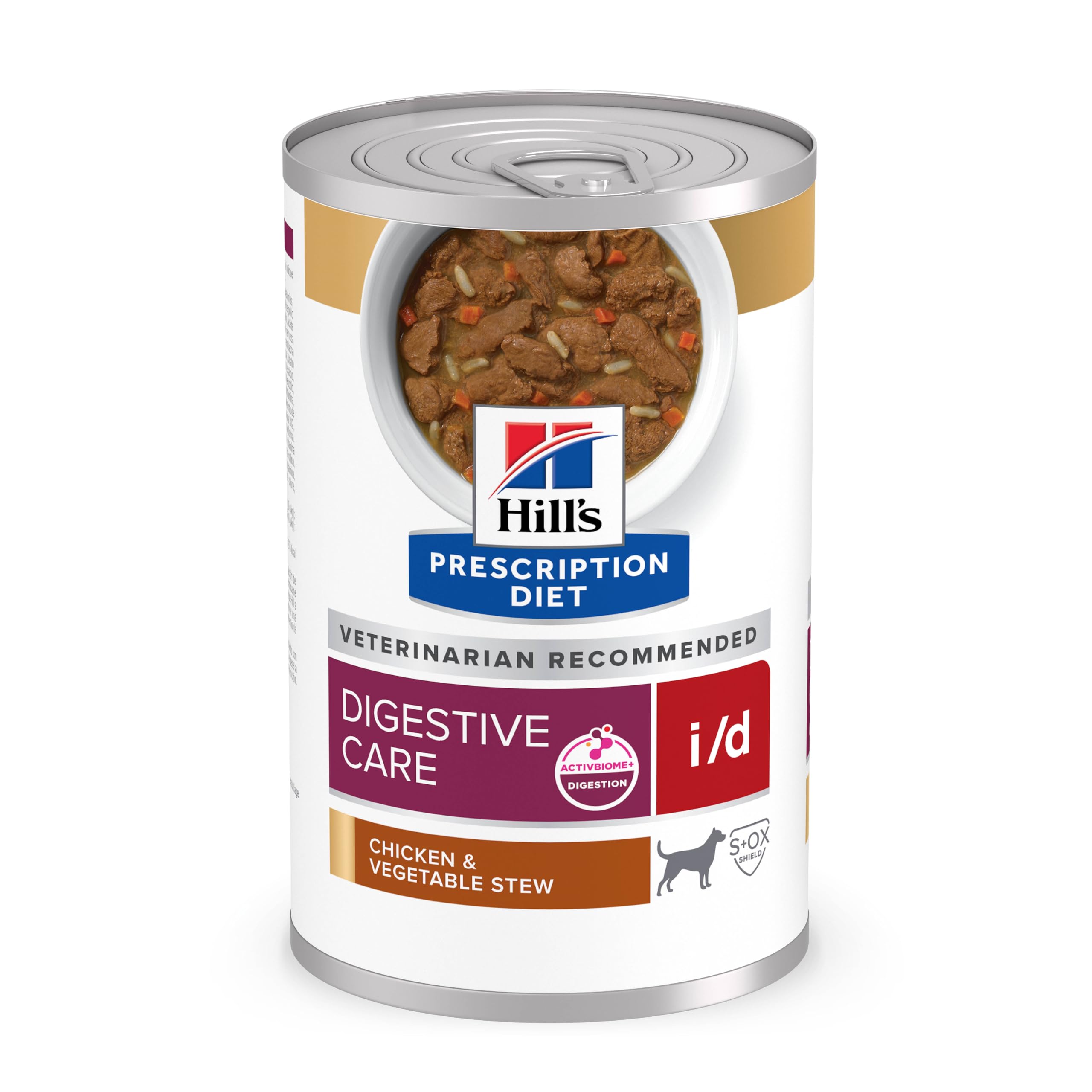
1. Hill’s Prescription Diet i/d Digestive Care Wet Dog Food
Our pick — 4.5★ from 800+ verified ratings; the strongest balance of quality and price.
The crowd-favorite wet stew that turns a sick dog’s appetite around
A dog that has been sick for two weeks — unable to eat, losing weight — needs something that is both gentle and irresistible. That is exactly the scenario the Hill’s i/d wet food handles best. Buyers report that their dogs, after being ill for up to 14 days, began eating again and gained weight back when this food was introduced. The magic is in the ActivBiome+ Digestion, a proprietary blend of prebiotic fibers that work to rapidly activate the gut microbiome. This is not just calories in a can; it is a targeted intervention for a gut that has been through trauma.
The formula is packed with high levels of B vitamins and added electrolytes, which help replace the nutrients lost during a bout of digestive upset. With omega-3 and omega-6 fatty acids, it also supports the skin and coat, which can suffer when a dog is malnourished. It is a wet food, which adds moisture and is often easier for a nauseous dog to tolerate than dry kibble. At 9.4 pounds for the 12-pack, it is significantly heavier — 57% more — than the 6-pound Purina EN bag you might also be considering.
There is one recurring hiccup worth knowing about: shipping. The cans are packed in a box that, according to some buyers, lacks adequate cushioning. Reports of dented cans — sometimes a third of a 12-pack — are common enough to be worth ordering from a pet store if that bothers you. But the food itself? That is where the consensus sits. The quality and its effect on digestive health earn the most praise by far.
What Wins Owners Over
- ActivBiome+ prebiotic blend rapidly supports gut microbiome recovery
- Wet formula is highly palatable for sick dogs with reduced appetite
- High in B vitamins and electrolytes to replace lost nutrients
What to Watch For
- Amazon packaging can lead to dented cans during transit
- Some picky dogs may refuse the Chicken & Vegetable Stew flavor
Your Dog’s Gut Recovery: Reach for this if your dog is recovering from a severe GI episode or PLE flare-up and needs an easy-to-digest, moisture-rich meal they will actually eat.
Think Twice If: Your dog has known chicken allergies — this uses intact chicken protein. For an elimination diet or full allergen avoidance, you need the hydrolyzed option instead.
2. Pro Plan Veterinary Diets Purina EN Gastroenteric Low Fat Dry Dog Food
The dry kibble that has kept elderly dogs with pancreatitis stable for years
This is the food for the long haul. For dogs with chronic fat intolerance or pancreatitis (a common companion to PLE), this Purina EN formula is a proven daily maintenance diet. The owner consensus is striking: elderly, small dogs diagnosed with pancreatitis “have not been ill since starting on this feed a year ago.” That is the kind of long-term stability you need when managing a condition that can flare up without warning.
The formula is built around a low-fat, highly digestible kibble. It includes a select prebiotic to support GI microbiome balance and is loaded with antioxidants, including a high level of vitamin E, to fend off free radicals that can damage healing gut tissue. One owner of a 12-year-old Vizsla noted that the vet recommended this as a low-fat option and the dog transitioned perfectly — “never any left” in the bowl. At 6 pounds, this is a lighter bag than the Royal Canin or Hill’s alternatives, but the 4.6-star rating across over a hundred reviews backs up its efficacy.
This pick trails the Hill’s i/d Wet in overall popularity (hundreds fewer reviews), but it holds a slightly higher star rating. The trade-off is straightforward: this is a dry kibble, which is less hydrating than wet food, so you will want to ensure your dog has constant access to fresh water. Also, the 6-pound bag runs out faster than the larger 25-pound bags, which means more frequent reordering for a multi-dog household.
Long-Term Mainstay: This is the food for the dog that has been stable for months and needs a reliable, vet-recommended dry kibble to keep fat intolerance and PLE at bay.
Match The Condition: It is ideal for concurrent pancreatitis, but if your dog is severely underweight and struggling to eat, a wet or high-energy formula might be a better first step.
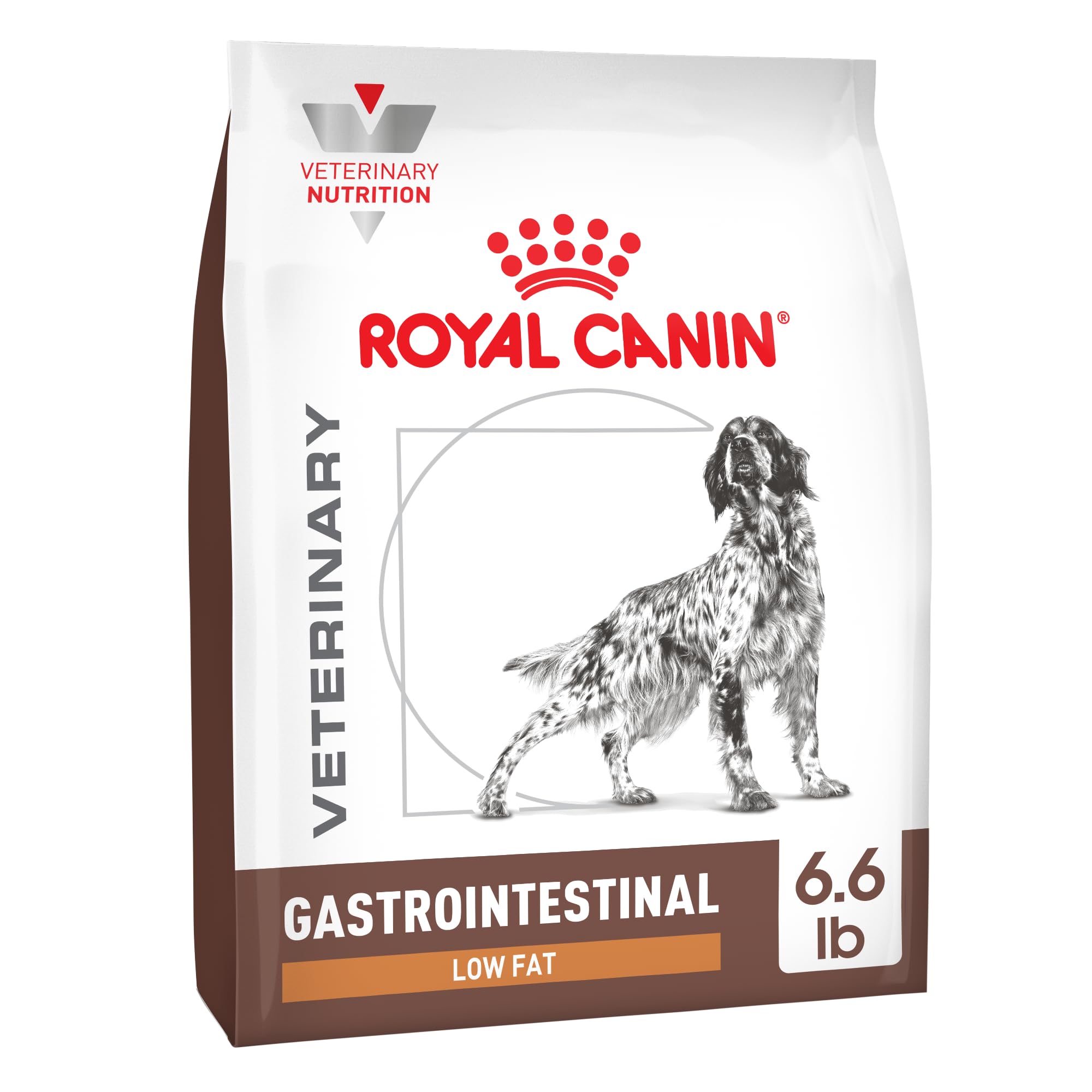
3. Royal Canin Veterinary Diet Canine Gastrointestinal LF Low Fat Dry Dog Food
The low-fat formula that eliminates diarrhea and helps a dachshund shed vet-ordered pounds
Weight control and digestive health go hand in hand for dogs with PLE. These dogs are often both under-nourished and prone to stool issues. The Royal Canin GI LF is the formula that buyers turn to for both problems. One owner of a dachshund-beagle mix reported that the dog needed to lose 10 pounds per the vet, and this food helped produce firm stools after a period of diarrhea. The formula contains a blend of dietary fibers that support healthy digestion and optimal stool quality.
This is a veterinary-exclusive, prescription-only kibble that is specifically low in fat and highly digestible. It uses prebiotics to support good bacteria in the gut, which is essential for healing a leaky gut wall caused by PLE. The texture is highly flavorful, which appeals to dogs with picky appetites. The 6.6-pound bag sits at a mid-point between the smaller Purina bag and the larger Hill’s hydrolyzed bag, making it a good starter size to see if your dog tolerates intact chicken protein.
The feedback on value is mixed. Some owners find it reasonably priced, while others note it is expensive enough to mean fewer treats for the dog. The single recurring gripes involve the cost per bag, not the formula’s effectiveness. If your dog is a chewer of the bag, be aware that the bag itself is the container — no resalable zipper is mentioned in the data.
Dual-Purpose Diet: This is the perfect pick for a dog with PLE that also needs to lose or maintain weight without sacrificing digestive stability.
Check The Protein: It uses intact chicken protein. If your dog reacts to chicken, skip this one and go for the hydrolyzed Hill’s z/d instead.
4. Royal Canin Veterinary Diet Canine Gastrointestinal High Energy Dry Dog Food

The calorie-dense kibble that picky eaters with sensitive stomachs actually finish
When a dog is underweight from PLE, every calorie counts. This Royal Canin formula delivers 14% more energy content compared to their standard Gastrointestinal Moderate Calorie food. That energy density is the entire point: your dog gets more fuel per cup, which helps them gain weight without having to eat massive portions that could upset their gut. One buyer’s dog — described as a “super picky eater with a super sensitive stomach” — started eating this product “with no problems” and consistently emptied the bowl over several days.
This is a veterinary-exclusive dry kibble that is built around highly digestible proteins and enhanced omega-3 fatty acids, including EPA and DHA. The omega-3s help reduce inflammation in the gut, which is a core mechanic for managing PLE. It also includes a fiber blend and selected prebiotics to support the gastrointestinal microbiome. At 8.8 pounds, the bag contains 37 cups of food, giving you a clear picture of how long it will last for your dog’s feeding schedule.
The 4.6-star rating is excellent, but the review count is lower than the other Royal Canin option, meaning fewer documented long-term experiences exist online. Also, this is not the Low Fat variant — it is the High Energy variant. You need to verify with your vet that the fat level is appropriate for your specific dog’s PLE severity, because high energy sometimes means slightly higher fat compared to the low-fat LF line.
For The Underweight Dog: Reach for this if your dog has a reduced appetite and needs to gain weight while still getting gentle, gut-friendly nutrition.
Confirm Fat Level: Always check the fat percentage with your vet before switching from the Low Fat Royal Canin to this High Energy version, as it might be too rich for some PLE cases.
5. Hill’s Prescription Diet z/d Low Fat Food Sensitivities Dry Dog Food

The hydrolyzed soy option that stops skin and gut reactions at the source
This is the ultimate elimination diet. If you suspect your dog’s PLE is triggered or worsened by a food allergy, the Hill’s z/d formula removes the guesswork. The protein source is hydrolyzed soy — broken down into molecules too small to trigger an immune response. The data shows that owners use this to successfully manage both skin issues and digestive signs of adverse food reactions. One owner of a 90-pound rescue pitbull with food allergies reported the dog lost about 10 pounds (which was healthy), had a shiny coat, and saw a reduction in allergy flare-ups on this diet.
The top recurring feedback is about value, and it is negative — owners find it very expensive. That is the honest trade-off for a specialized hydrolyzed diet. One owner also noted that the feeding guide on the bag suggested 6 cups a day, but their vet recommended only 2 cups with veggies for weight management, so do not rely solely on the bag’s portion recommendations. The 4.4-star rating is solid, though slightly lower than the other picks, and the review count is smaller, reflecting its niche application.
The Allergy Detective: Choose this when you have ruled out standard low-fat diets and suspect a specific protein or food component is triggering the PLE flare-ups.
Budget Reality: The cost is the single biggest barrier. It is worth discussing with your vet if a slightly cheaper, non-prescription hydrolyzed alternative (like SquarePet mentioned in reviews) is a safe step down for your dog.
Understanding the Specs
Hydrolyzed Protein
This is protein that has been broken down into very small pieces called peptides. A normal protein molecule is large enough that the immune system might recognize it and mount an allergic attack. With hydrolyzed protein, the pieces are so tiny the immune system basically ignores them. This is critical for PLE because it removes the possibility of a food allergy causing inflammation in the gut, which would worsen the protein leak. It is the safest bet when you do not know exactly what your dog is reacting to.
Low Fat (Dry Matter Basis)
For a dog with PLE, fat is the hardest nutrient to digest. The gut relies on a network of lymph vessels (lacteals) to absorb fat, but in PLE, these vessels are often damaged or blocked. Feeding a high-fat meal can overload the system, leading to vomiting, diarrhea, and a worsening of the protein loss. A “low fat” veterinary diet typically sits below 10% on a dry matter basis. This is the single most important number to look for on the bag’s guaranteed analysis.
Prebiotics and Fiber Blend
Prebiotics are types of fiber that feed the good bacteria already living in the gut. By nourishing these bacteria, you help restore a healthy balance in the microbiome, which is often disrupted in PLE. The “fiber blend” in some of these diets includes both soluble and insoluble fibers. Soluble fiber helps slow digestion and stabilize stool (fighting diarrhea), while insoluble fiber adds bulk. Together, they help create an environment where the damaged gut lining can heal.
Calorie Density (kcal/cup)
Dogs with PLE often struggle to maintain weight because they are losing calories through the gut wall. A high-calorie-dense food means your dog gets more energy from a smaller volume of food. This is important because feeding a large volume of food at once can stress the digestive tract. A diet that packs more calories per cup allows you to feed smaller, more frequent meals that are easier for the gut to process, helping your dog gain or maintain weight without overloading their system.
FAQ
Can I feed non-prescription dog food for protein losing enteropathy?
How long will it take for a dog with PLE to improve on this food?
What is the difference between Royal Canin GI Low Fat and Royal Canin GI High Energy?
Is wet or dry dog food better for protein losing enteropathy?
Why does my dog need a prescription for this food?
Can these foods cause side effects?
How much should I feed my dog with PLE?
Can I mix wet and dry food for PLE?
Is Hill’s z/d the same as Hill’s i/d?
What else can I do to help my dog with PLE besides diet?
Final Thoughts: The Verdict
For most dogs with protein losing enteropathy, the winner is the Hill’s Prescription Diet i/d Digestive Care Wet Dog Food because it combines a highly palatable, easy-to-digest wet formula with the ActivBiome+ prebiotic blend that directly targets gut microbiome recovery. If your dog has fat intolerance or concurrent pancreatitis, the Purina Pro Plan EN Low Fat Dry Dog Food offers exceptional long-term stability. And for cases where food allergies are suspected, the Hill’s z/d Hydrolyzed Dry Dog Food is the definitive choice to stop allergic reactions at their source. Always pair dietary changes with your vet’s recommendations.
How We Picked
We do not accept paid placement. Every pick is matched to a real buyer and a real use-case; we do not hands-on test units.
Sources & Methodology
Specifications: manufacturer listings and product documentation. Review insights: verified customer reviews, as of July 2026. Pricing: not shown on this page (it changes often); check the current price via the retailer link.
As an Amazon Associate, WellFizz earns from qualifying purchases. This does not affect which products we feature.
Related Guides

Mo Maruf
I created WellFizz to bridge the gap between vague wellness advice and actionable solutions. My mission is simple: to decode the research and give you practical tools you can actually use.
Beyond the data, I am a passionate traveler. I believe that stepping away from the screen to explore new environments is essential for mental clarity and physical vitality.