Our readers keep the lights on and my smoothie glass nicely filled. As an Amazon Associate, I earn from qualifying purchases.
When your dog’s bloodwork returns with elevated liver enzymes, the immediate question is what to feed them. Commercial dog foods loaded with high copper, processed proteins, and synthetic additives can worsen hepatic stress. Choosing a diet or supplement regimen that actively supports liver detoxification and cell regeneration is the single most impactful change you can make after a diagnosis.
I’m Mohammad Maruf — the founder and writer behind WellFizz. I’ve spent hundreds of hours analyzing veterinary nutrition studies and cross-referencing ingredient panels to find the most effective diets and supplements for dogs with compromised livers.
Whether you need a prescription dry food or a targeted supplement, this guide to the best dog food for elevated liver enzymes breaks down the five top-tier solutions based on real customer outcomes and measurable clinical specs.
How To Choose The Best Dog Food for Elevated Liver Enzymes
Elevated liver enzymes (ALT, ALP, AST, GGT) signal hepatic stress. Diet is the primary management tool. The right approach rests on controlling copper intake, providing bioavailable protein that doesn’t overload the liver, and including targeted nutrients like milk thistle, SAM-e, and B-vitamins.
Copper Content Above All
Copper accumulation in liver cells is a well-documented cause of chronic hepatitis in dogs, especially in breeds like Bedlington Terriers, Dobermans, and Labrador Retrievers. Look for foods specifically labeled “low copper” — often below 5 mg/kg on a dry matter basis. Veterinary prescription diets like Hill’s l/d and Royal Canin Hepatic have this built in; standard over-the-counter foods rarely do.
Protein Quality, Not Quantity
Dogs with compromised livers need highly digestible protein sources to reduce the liver’s ammonia-processing workload. Vegetable-based proteins (soy protein isolate) and egg whites are preferred. Avoid raw or high-purine meat meals that increase nitrogenous waste.
Key Hepatic Support Ingredients
Look for SAM-e (S-adenosylmethionine), an antioxidant that aids cell regeneration and glutathione production. Milk thistle (silymarin) inhibits liver inflammation and fibrosis. B-vitamin complexes support the hepatic metabolic pathway. Dandelion root acts as a bile stimulant to help flush toxins.
Quick Comparison
On smaller screens, swipe sideways to see the full table.
| Model | Category | Best For | Key Spec | Amazon |
|---|---|---|---|---|
| Royal Canin Hepatic | Prescription Dry Food | Long-Term Liver Management | Low Copper (under 5 mg/kg) | Amazon |
| Hill’s l/d Liver Care | Prescription Dry Food | Low-Copper Diet | Controlled Highly Digestible Protein | Amazon |
| maxxipaws maxxiSAMe | SAM-e Powder Supplement | Cognitive + Liver Support | 500 mg SAM-e per Scoop | Amazon |
| Vet Classics Liver Support | Chewable Supplement | Easy Dosing for Picky Dogs | Milk Thistle + Glutathione Blend | Amazon |
| Rx Vitamins Hepato Support | Capsule Supplement | Vet-Recommended Starter | 90 Count, Milk Thistle + B2 | Amazon |
In‑Depth Reviews
1. Royal Canin Veterinary Diet Canine Hepatic Adult Dry Dog Food
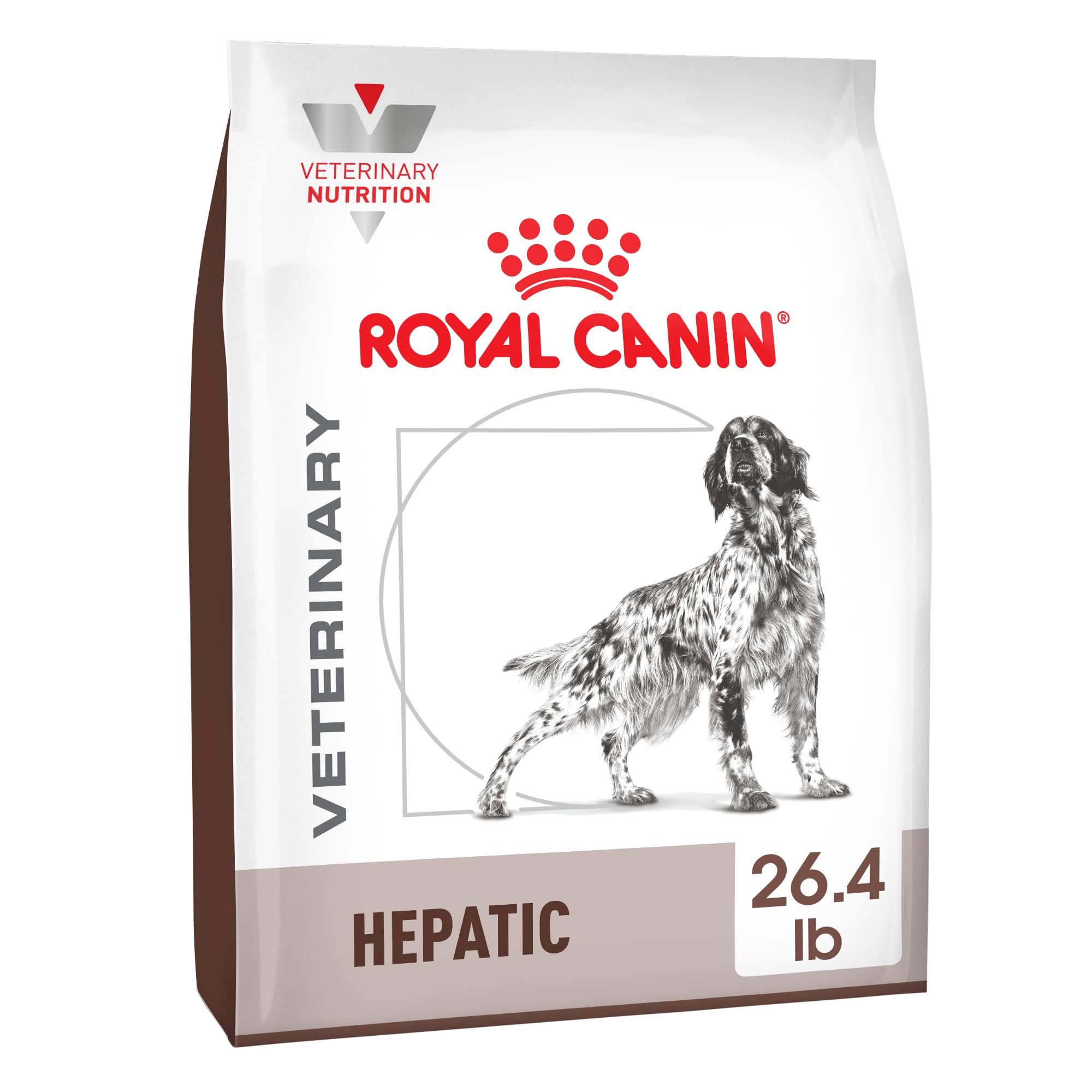
Royal Canin Hepatic sets the clinical benchmark for managing elevated liver enzymes through copper restriction. Each 26.4-pound bag delivers a precisely formulated low-copper matrix (under 5 mg/kg) that minimizes hepatic copper accumulation — the primary driver of chronic hepatitis in predisposed breeds. The protein base is highly digestible soy protein isolate, which reduces the ammonia byproduct that a compromised liver struggles to clear.
Customer results are consistent: owners of dogs with copper storage disease report stable or improved bloodwork after switching from Hill’s l/d specifically for copper content. The kibble size is medium (roughly 5-7mm) which works for most breeds, though small dogs may find the pieces large. The included prebiotics (MOS and FOS) support gastrointestinal microbiome balance, often disrupted during hepatic stress.
One real-world limitation is price variation — some customers report finding the same bag at significantly lower cost from Chewy.com, so price-watch before purchase. The food uses vegetable protein exclusively, which some dogs reject if they are accustomed to chicken or beef-based diets. A transitional mix over 7-10 days is essential to avoid food refusal.
Why it’s great
- Lowest copper level among major prescription brands
- High-quality vegetable protein reduces liver workload
- Prebiotics support digestive health during treatment
Good to know
- Kibble size may be too large for toy breeds
- Some dogs refuse the vegetable-based taste profile
2. Hill’s Prescription Diet l/d Liver Care Dry Dog Food

Hill’s l/d is the most widely prescribed veterinary diet for hepatic support in the US, and for good reason. The formulation restricts copper to minimize accumulation while delivering controlled, highly digestible protein — primarily egg-based — that reduces the liver’s nitrogen processing burden. Clinically proven antioxidants (vitamin E, beta-carotene) support immune function in dogs whose livers are under oxidative stress.
Real-world feedback from owners of dogs with liver shunts is striking: dogs that were vomiting, lethargic, and losing weight returned to normal energy and digestion within weeks of switching to l/d. The kibble is small (5-7mm), making it manageable for most breeds. The chicken flavor is generally well-accepted, though some picky eaters may need a slow transition.
One data point to note: the copper level in Hill’s l/d is higher than Royal Canin Hepatic. For dogs with confirmed copper storage disease or a known genetic predisposition (Bedlington Terrier, Doberman), the Royal Canin option may be the lower-risk choice. Hill’s l/d is better suited for general liver support where copper-specific disease is not the primary concern.
Why it’s great
- Egg-based protein is highly digestible for compromised livers
- Clinically proven antioxidant blend supports immunity
- Small kibble size suitable for most breeds
Good to know
- Copper content is higher than some competing hepatic diets
- Some picky dogs refuse the chicken flavor over time
3. maxxipaws maxxiSAMe Advanced SAM-e Powder Supplement

maxxipaws maxxiSAMe is a standout supplement for dogs where elevated liver enzymes coincide with cognitive decline — a common comorbidity in senior canines. The active ingredient, SAM-e (S-adenosylmethionine), is a methyl donor that supports glutathione production, which helps neutralize free radicals and aids liver cell regeneration. Each scoop delivers approximately 500 mg of SAM-e per 30 pounds of body weight.
Customer reports are noteworthy for their detail: a 15-year-old Chihuahua with chronic high liver enzymes showed marked improvement in circling, disorientation, and lethargy after starting maxxiSAMe, with symptoms returning when the supplement was paused. Another owner of a 10-year-old pointer reported “puppy-like” energy and alertness after two weeks. The powder format eliminates the empty-stomach requirement that makes enteric-coated SAM-e pills inconvenient — just mix it with food.
The artichoke flavor is a known aversion trigger; some dogs refuse the powder unless it is disguised in wet food, cheese, or the company’s MaxxiOmega oil. In one documented case, the product did not lower ALP levels from 1,800 to over 2,000 after months of use, though the seller provided a refund. It is not a substitute for a low-copper prescription diet but works synergistically with one.
Why it’s great
- Powder format avoids empty-stomach dosing restrictions
- Contains additional artichoke and B-vitamins for bile and metabolic support
- Dual action on liver and cognitive function in senior dogs
Good to know
- Artichoke flavor may cause food refusal in some dogs
- Not effective for all cases of extremely high liver enzymes
4. Vet Classics Liver Support Pet Health Supplement for Dogs

Vet Classics Liver Support bridges the gap between a standalone prescription diet and a targeted supplement. The soft chew formulation delivers milk thistle (silymarin), glutathione precursors, B-vitamins, and dandelion root in a chicken-flavored tablet that most dogs accept willingly. Veterinarians frequently recommend this specific blend as an adjunct to dietary changes.
Customer data shows real enzyme reduction: one owner reported that a dog’s elevated liver numbers normalized after 6 months of use, allowing the dog to continue a medication that had previously been contraindicated. The chewable format avoids the powder-dosing mess common with milk thistle supplements. For small dogs (under 15 pounds), the tablets must be broken in half to fit the recommended serving size.
There is a durability caveat: the soft chew version can harden into rock-like consistency when exposed to heat during shipping, making them nearly impossible to cut. The tablet version is more stable and recommended for warm-weather purchases. The liver scent may linger on your fingers after handling, so consider using a pill pocket or glove.
Why it’s great
- Chicken flavor makes dosing easier than unflavored capsules
- Multi-ingredient blend covers several hepatic support pathways
- Vet-recommended and backed by clinical use since 1994
Good to know
- Soft chews can harden into unmalleable lumps if shipped in heat
- Must break in half for dogs under 15 pounds
5. Rx Vitamins Hepato Support for Dogs & Cats
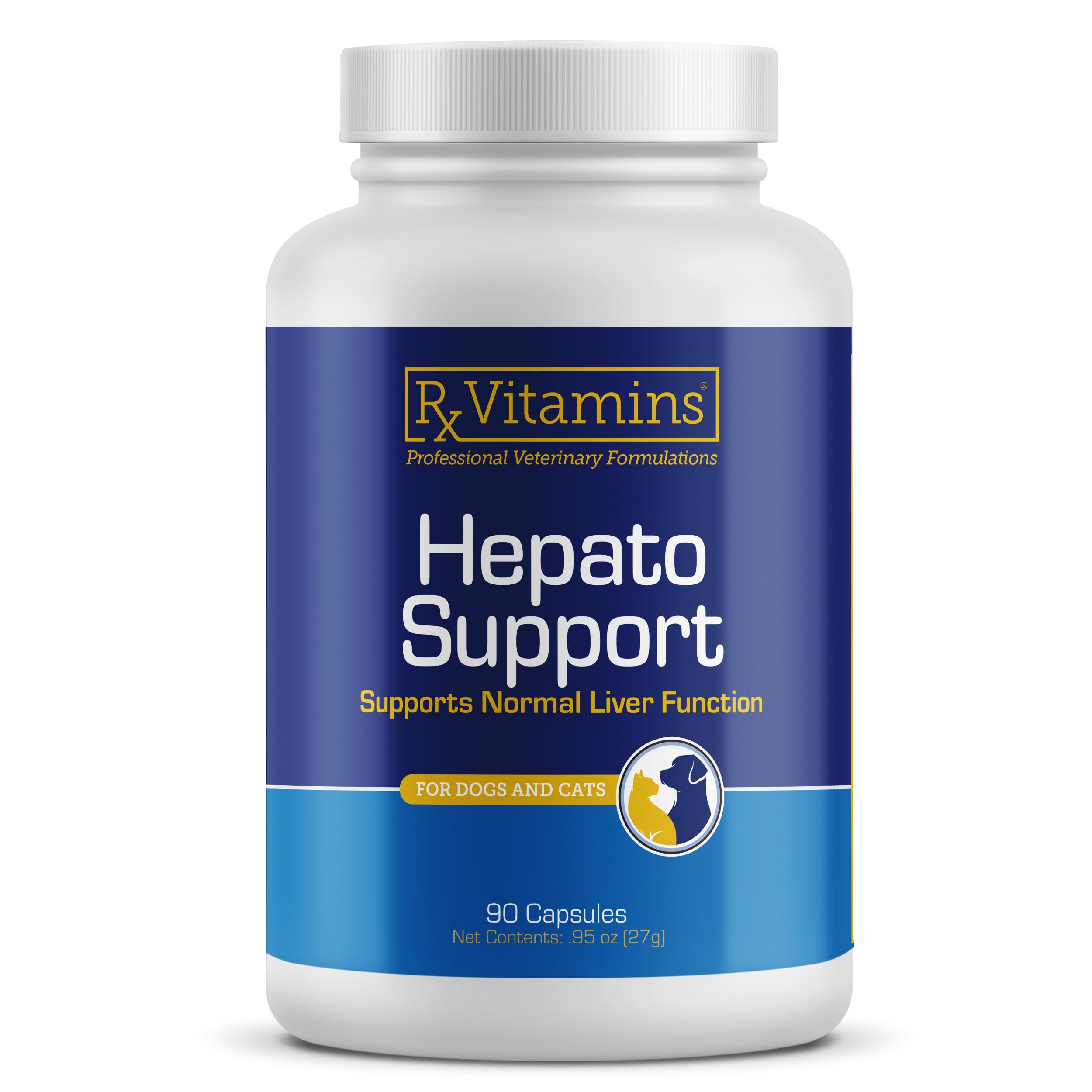
Rx Vitamins Hepato Support is the most accessible entry point for dog owners who want a vet-recommended liver supplement without a large financial commitment. The 90-count bottle of capsules delivers milk thistle extract plus vitamin B2 (riboflavin) in a simple, unflavored format that can be opened and sprinkled over food. The capsule contents are a bright yellow powder, which is normal and caused by the B-vitamin content.
Owner reports are uniformly positive for mild to moderate enzyme elevation. A Westie mix with low liver readings returned to normal after adding Hepato Support, and the owner noted the dog “feels better” with no side effects. Another owner whose dog had high liver numbers due to long-term medication saw normalization of values within weeks. The product works best when combined with a high-quality, limited-ingredient diet.
The capsule form is less convenient than a chewable — you must open each capsule and mix the powder thoroughly to avoid the dog detecting it. Some dogs may refuse the taste of the powder on dry kibble. It is also formulated for both dogs and cats, which means the dosing is generalized rather than breed-size optimized. For a senior dog on multiple medications, this is a safe and effective starting point before moving to a prescription diet.
Why it’s great
- Low-cost way to start liver support before switching diets
- Can be mixed easily with wet food or toppers
- Vet-recommended with real normalization results reported
Good to know
- Capsule format requires opening and mixing for each dose
- Yellow powder may stain bowls and fabrics
FAQ
Should I switch to a prescription diet or just add a supplement?
Can I give milk thistle and SAM-e at the same time?
How long does it take to see lower liver enzyme numbers?
Is low-copper food necessary for all dogs with elevated liver enzymes?
Final Thoughts: The Verdict
For most users, the dog food for elevated liver enzymes winner is the Royal Canin Veterinary Diet Canine Hepatic because its low-copper formulation and highly digestible vegetable protein provide the most targeted clinical management for hepatic disease. If you want a proven cognitive and liver dual-action supplement, grab the maxxipaws maxxiSAMe Powder. And for a budget-friendly entry point, nothing beats the Rx Vitamins Hepato Support capsules.

Mo Maruf
I created WellFizz to bridge the gap between vague wellness advice and actionable solutions. My mission is simple: to decode the research and give you practical tools you can actually use.
Beyond the data, I am a passionate traveler. I believe that stepping away from the screen to explore new environments is essential for mental clarity and physical vitality.