Our readers keep the lights on and my smoothie glass nicely filled. As an Amazon Associate, I earn from qualifying purchases.
Managing a dog with epilepsy often means living with the unpredictable nature of seizures, but the food bowl is one place you can take back control. The wrong ingredients—high-glycemic carbs, artificial preservatives, or allergenic proteins—can act as neurological triggers that interfere with medication and lower the seizure threshold.
I’m Mohammad Maruf — the founder and writer behind WellFizz. My research for this guide involved cross-referencing veterinary nutritional science, customer case studies, and the specific macronutrient profiles of dozens of formulas to isolate what actually supports a dog’s damaged or sensitive nervous system.
After analyzing the ingredients, feeding trials, and real-world owner feedback for the top contenders, I built this review of the very best dog food for dogs with epilepsy to help you cut through the marketing noise and find a diet that stabilizes rather than stimulates.
How To Choose The Best Dog Food for Dogs with Epilepsy
Selecting a diet for a seizure-prone dog is different from buying any other bag of kibble. You are looking for a food that will not spike blood sugar, trigger an immune response, or introduce neurotoxic preservatives. The goal is metabolic stability, not just balanced nutrition.
Low Glycemic, Starch-Free Formulas
High-glycemic carbohydrates—white rice, potatoes, tapioca, and corn—enter the bloodstream rapidly and cause insulin surges that can destabilize a seizure-prone brain. A starch-free or very-low-starch formula (below 20% carbs by dry matter) keeps blood glucose flat and may raise the seizure threshold naturally.
Hydrolyzed or Novel Proteins
Many epileptic dogs also suffer from food allergies or sensitivities that manifest as neurological irritation rather than skin symptoms. A hydrolyzed protein source (broken down into peptides too small for the immune system to recognize) eliminates that variable. If a hydrolyzed diet is not available, choose a single novel protein your dog has never eaten.
MCT Oil and Omega-3 Density
Medium-chain triglycerides (MCTs) from coconut oil produce ketones that serve as an alternative fuel for the brain, bypassing glucose metabolism disruptions. Simultaneously, a high ratio of EPA and DHA from fish oil reduces neuroinflammation and supports myelin integrity. Look for a food where these fats are intentionally added, not just present from the base meat.
Quick Comparison
On smaller screens, swipe sideways to see the full table.
| Model | Category | Best For | Key Spec | Amazon |
|---|---|---|---|---|
| Wysong Epigen 90 | Starch-Free | Ultra-low carb seizure diets | 0% starch, 90% meat ingredients | Amazon |
| Canine Caviar Special Needs | Alkaline | pH balance and low-protein sensitivity | Alkaline pH 7.1–7.4 formula | Amazon |
| Pro Plan HA Hydrolyzed (Chicken) | Hydrolyzed | Allergen-free neurological stability | Hydrolyzed protein, 25 lb bag | Amazon |
| Pro Plan HA Hydrolyzed (Vegetarian) | Hydrolyzed | IBD and multi-protein allergy | Single hydrolyzed soy protein | Amazon |
| Royal Canin Hydrolyzed Protein | Veterinary | Skin & gut sensitivities | Hydrolyzed soy, EPA+DHA | Amazon |
| Pro Plan NC NeuroCare | Neurological | Cognitive and seizure support | MCT oil, high vitamin E | Amazon |
| Nzymes Antioxidant Treats | Supplement | Seizure recovery & cellular repair | Catalase + methionine enzymes | Amazon |
In‑Depth Reviews
1. Wysong Epigen 90 Starch Free Dry Formula

Wysong Epigen 90 is the only extruded kibble on the market that achieves a true zero-starch macronutrient profile, meaning it simulates a prey-diet metabolic effect without the glycemic rollercoaster. With 90% meat ingredients including organic sources, this formula provides the ultra-low carbohydrate environment that may help maintain ketone production in dogs who do not process glucose efficiently during seizure episodes.
The inclusion of probiotics, prebiotics, enzymes, and phytonutrients addresses the gut-brain axis—a critical but often overlooked variable in canine epilepsy. Owners transitioning their dogs to this food should expect a 2- to 6-week adjustment period during which loose stool is normal as the gut microbiome shifts from starch dependence to a fat-and-protein-based energy system.
Because of how nutrient-dense this formula is, portion sizes are smaller than standard kibble, making the 20-pound bag last longer than its weight suggests. Many reviewers report using it as a meal topper or protein booster for picky epileptic dogs who need higher calorie density without more carbs.
Why it’s great
- Zero starch — eliminates glycemic seizures triggers entirely
- High probiotic load supports gut-brain health
- Suitable for all life stages
Good to know
- Slow transition is mandatory; sudden switch may cause digestive upset
- Soft stool consistency is normal during the first weeks
- Some pets need a fat topper if they require extra calories
2. Canine Caviar Special Needs Chicken & Brown Rice

Canine Caviar approaches epilepsy management from a different angle: maintaining a blood pH between 7.1 and 7.4 through an alkaline diet. The theory is that a slightly alkaline internal environment improves oxygen delivery to tissues and reduces systemic acidosis that can exacerbate neurological irritability. This limited-ingredient formula uses only one protein and one complex carbohydrate, making it a viable option for dogs who cannot tolerate high protein loads without triggering seizure activity.
Every batch is free of gluten, GMOs, tapioca, and artificial preservatives, and the Omega 3:6 ratio is calibrated to reduce general inflammation. Owners of doodles and other crossbreeds with notoriously sensitive digestion report that this food solved chronic soft stool and picky eating while providing the metabolic calmness needed alongside anticonvulsant medication.
One consistency note: some customers report that the kibble size has changed between batches, which may matter for teacup and toy breeds that struggle with larger pellets. If you have a small epileptic dog, consider crushing the kibble or mixing it with warm water to soften it before feeding.
Why it’s great
- Unique alkaline formulation may raise seizure threshold
- Limited ingredients reduce allergy-induced neurological reactions
- Low sodium and low glycemic index
Good to know
- Kibble size can vary between production runs
- Not suitable for dogs requiring very high protein intake
- Brown rice still provides some carbohydrates
3. Pro Plan Veterinary Diets HA Hydrolyzed Protein (Chicken)

Purina Pro Plan HA Hydrolyzed Protein is a veterinary-exclusive diet that uses chicken protein broken down into molecular fragments smaller than what the immune system can recognize. This is the first line of defense when an epileptic dog also suffers from inflammatory bowel disease, chronic ear infections, or skin allergies—any of which can produce enough systemic inflammation to prime the brain for seizure activity.
The single carbohydrate source keeps the glycemic load predictable, and the high digestibility ratio means fewer fermentable leftovers in the gut that could create metabolic noise. One 25-pound bag contains 126 cups of food, and the subscription pricing on Amazon brings the per-feeding cost lower than most boutique hydrolyzed brands.
Reviewers note that the kibble texture resembles puffed cereal, which some dogs find less palatable at first, but the majority accept it within a few days. The most transformative feedback comes from owners whose dogs had suffered from chronic loose stool or vomiting for years and saw complete resolution within one to two weeks on this formula alone.
Why it’s great
- Hydrolyzed chicken eliminates protein-triggered inflammation
- Single carb source keeps blood sugar stable
- Large bag size and subscription discounts
Good to know
- Requires veterinary authorization for purchase
- Kibble texture may be less appealing to some dogs
- Expensive compared to non-hydrolyzed formulas
4. Pro Plan Veterinary Diets HA Hydrolyzed Protein (Vegetarian)

When a dog with epilepsy has known allergies to chicken, beef, lamb, and fish, the Pro Plan HA Hydrolyzed Vegetarian formula becomes one of the only viable options. It uses hydrolyzed soy protein as the sole amino acid source, eliminating the possibility of any mammalian or avian protein triggering an adverse immune cascade. This is a niche but essential tool for epileptic dogs with IBD or confirmed multi-protein sensitivity.
The digestibility profile is excellent—every ingredient is selected for maximum absorption with minimal residue, reducing the gas, bloating, and abdominal discomfort that can precede or exacerbate seizure activity. Owners who have adopted blind rescue dogs with fragile digestive systems report that this food was the single intervention that finally stabilized their dog’s gut and, by extension, their neurological episodes.
There is no foul odor from the food or from the dog’s stool after digestion, which is a small but meaningful quality-of-life improvement when you are already managing the stress of seizure care. Reviewers consistently mention that their dogs eat this food readily, despite the lack of animal protein, when served with a small amount of warm water or a hydrolyzed topper.
Why it’s great
- Zero animal protein — safe for dogs with multiple protein allergies
- Single hydrolyzed carbohydrate ensures full digestion
- No unpleasant odor from food or waste
Good to know
- Veterinary prescription is required
- Not a complete protein source for highly active working dogs
- May not be palatable without a warm-water soak
5. Royal Canin Veterinary Diet Hydrolyzed Protein Adult Dry Dog Food
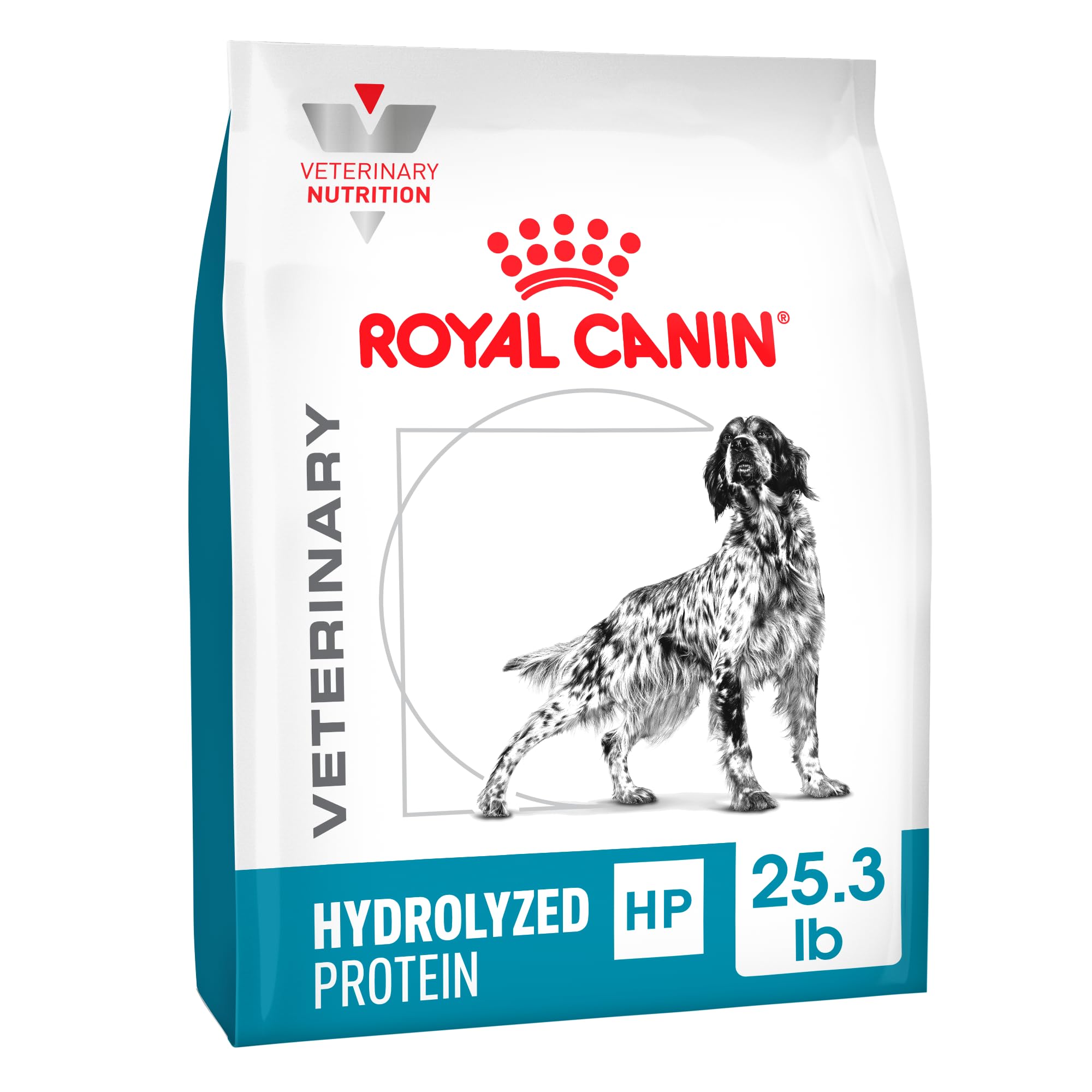
Royal Canin’s Hydrolyzed Protein formula is designed to support both the skin barrier and gastrointestinal tract simultaneously, making it a strong choice for epileptic dogs whose seizure frequency is linked to environmental allergies or inflammatory skin conditions. The hydrolyzed soy protein is composed of low molecular weight peptides that are highly digestible and less likely to trigger a mast-cell response that could ripple into the central nervous system.
This formula is fortified with EPA and DHA fatty acids at therapeutic levels—not just as a marketing bullet point but at dosages that actually reduce pro-inflammatory cytokines. Several reviewers report that after six months on this food, their dogs’ chronic ear infections resolved completely, and the owners of an XL Bully with persistent skin irritation noted visible improvement in coat quality and scratching behavior within two bags.
The 25.3-pound bag contains 126 cups of food, and the feeding guidelines are printed directly on the packaging for precise portion control. While the price per bag is higher than most grocery-store brands, the fact that a small epileptic dog may only need one to two cups per day makes the monthly cost more manageable than the sticker shock suggests.
Why it’s great
- Therapeutic EPA+DHA levels for neuroinflammation control
- Hydrolyzed soy peptides avoid common protein triggers
- Supports skin barrier integrity
Good to know
- Requires veterinary prescription
- Premium price point
- Not starch-free — contains rice
6. Pro Plan Veterinary Diets NC NeuroCare Canine Formula
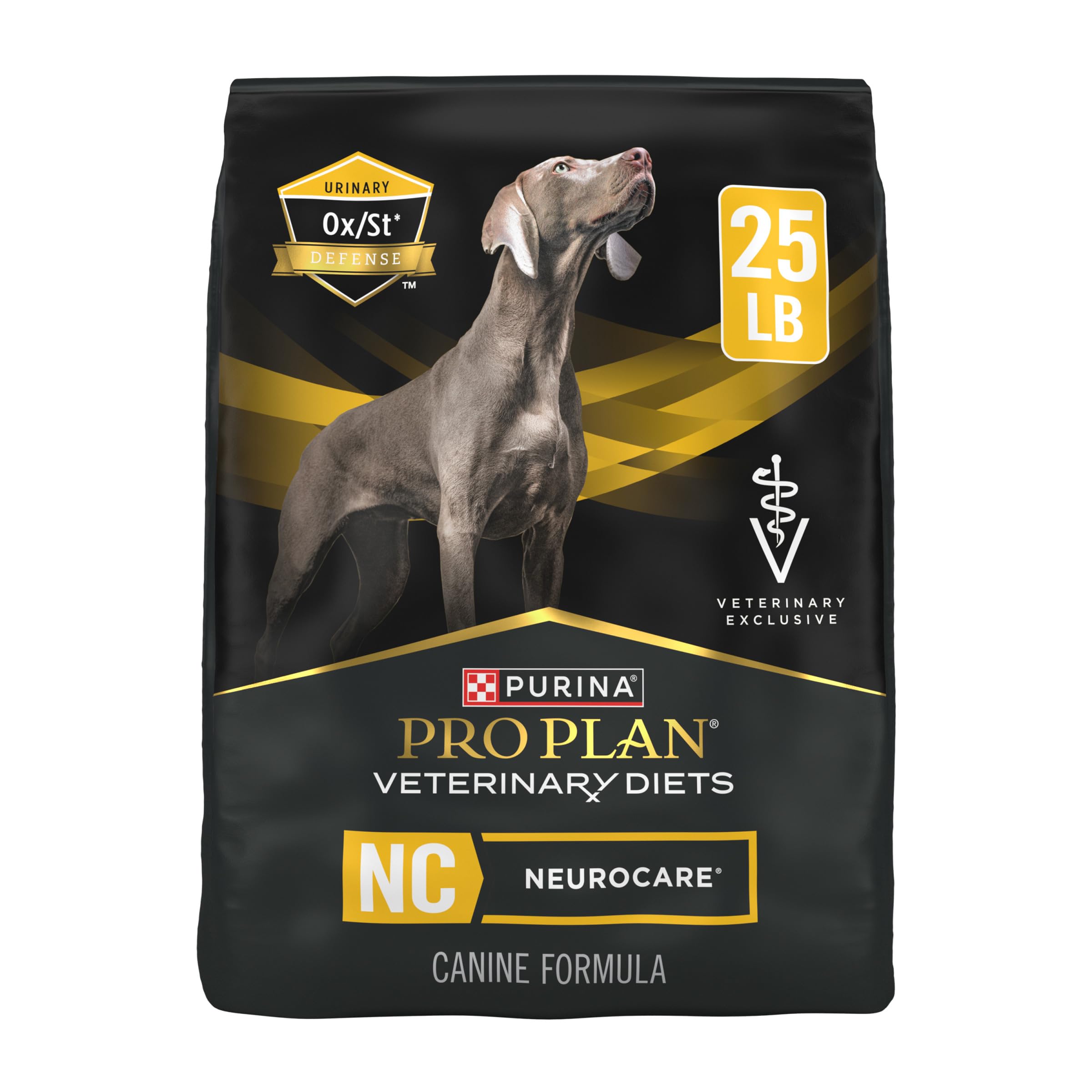
Pro Plan NC NeuroCare is the only formula in this guide that is built from the ground up for neurological health, with medium-chain triglyceride vegetable oil as a starring ingredient. MCTs are metabolized into ketones in the liver, providing an alternative energy source for the brain that does not rely on glucose transport—a mechanism that may stabilize neuronal firing in seizure-prone dogs.
The formula is enhanced with a high level of vitamin E, EPA, and DHA to support cognitive function and reduce oxidative stress in the brain. Chicken is the number one ingredient, providing real meat protein that maintains lean muscle mass without the carbohydrate load that can destabilize metabolism. One reviewer reported that a 12- to 23-year-old rescue Aussie with severe disorientation and confusion improved dramatically within two weeks on this food, with noticeable reductions in fear-based behaviors and sensory misinterpretation.
A small but important note for owners of epileptic dogs who also struggle with urinary crystal formation: NeuroCare is formulated to promote an environment unfavorable to both sterile struvite and calcium oxalate crystals, making it a dual-purpose choice for dogs facing concurrent urological and neurological issues.
Why it’s great
- MCT oil provides ketones for alternative brain fuel
- High vitamin E and omega-3s reduce neuroinflammation
- Supports urinary tract health for crystal-prone dogs
Good to know
- Veterinary prescription is required
- Some dogs find the taste less appealing
- Higher fat content may need slow introduction
7. Nzymes Antioxidant Treats for Dogs
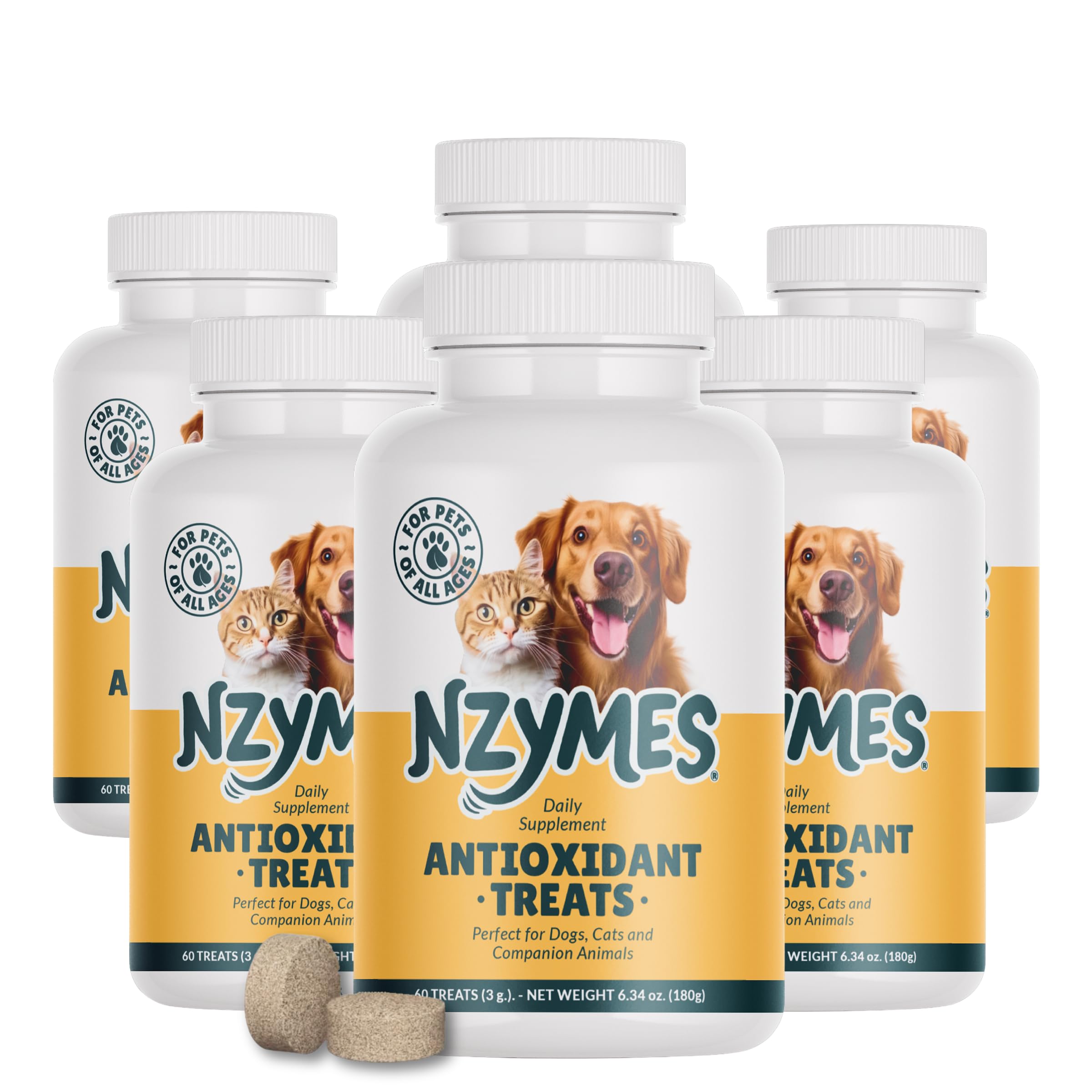
While not a complete food, Nzymes Antioxidant Treats deserve a spot in this guide because they address the oxidative stress that accumulates during and between seizure events. Each chewable tablet provides catalase and methionine, two compounds that work at the cellular level to neutralize free radicals and support mitochondrial function. For a dog whose brain is under repeated metabolic siege, this support can make the difference between a slow recovery and a faster return to baseline.
These treats are liver-flavored, so most dogs mistake them for a reward rather than a supplement. Owners of a 10-year-old Dubean with mobility and seizure issues reported that their dog showed improved movement and energy levels after starting these treats, and a Bea-Tzu who was paralyzed in the rear from a spinal injury made an 85-90 percent recovery when Nzymes was combined with physical therapy.
The jar contains 360 treats, and the recommended serving is just a few per day depending on the dog’s weight, making this a long-lasting addition to an epileptic dog’s daily regimen. If you are trying to rule out every variable before changing your dog’s primary food, adding these antioxidant treats is a lower-commitment intervention that may reduce seizure severity or post-ictal confusion.
Why it’s great
- Catalase and methionine target seizure-related oxidative damage
- Liver flavor is highly palatable for most dogs
- 360 treats per jar provides long-term value
Good to know
- Not a complete diet — must be used alongside food
- Contains soy as an active ingredient base
- Results may take several weeks to become noticeable
FAQ
Can a grain-free diet stop my dog’s seizures?
Should I switch to a prescription hydrolyzed diet even without allergies?
How long does it take to see a difference after changing my dog’s food?
Final Thoughts: The Verdict
For most users, the dog food for dogs with epilepsy winner is the Wysong Epigen 90 Starch Free because zero-starch nutrition directly removes the most common dietary trigger for seizure activity. If you want a hydrolyzed diet that also provides neurological support through MCT oil and omega-3s, grab the Pro Plan NC NeuroCare. And for a gentle, alkaline approach that works well for dogs with multiple chemical and protein sensitivities, nothing beats the Canine Caviar Special Needs Formula.

Mo Maruf
I created WellFizz to bridge the gap between vague wellness advice and actionable solutions. My mission is simple: to decode the research and give you practical tools you can actually use.
Beyond the data, I am a passionate traveler. I believe that stepping away from the screen to explore new environments is essential for mental clarity and physical vitality.