Our readers keep the lights on and my smoothie glass nicely filled. As an Amazon Associate, I earn from qualifying purchases.
Building a family tree from scratch used to mean dusty archives and dead ends. Today, a simple saliva swab can unlock a network of previously unknown cousins, half-siblings, and biological parents. The key is choosing the test with the largest database of active users who are actively looking to connect — not just a report of percentages. The database size, the relative-matching algorithm, and the privacy controls define whether you find the person you are searching for or just a list of anonymous matches.
I’m Mohammad Maruf — the founder and writer behind WellFizz. I have spent many hours analyzing genetic testing databases, comparing match-algorithm capabilities, and scrutinizing the privacy policies and laboratory accreditations behind the top at-home DNA kits.
This guide covers how to pick a test that connects you to living relatives you never knew existed. Read on for the full breakdown of the top contenders and what separates a useful match from a dead end when searching for the best dna test for finding relatives.
How To Choose The Best DNA Test For Finding Relatives
Not all DNA tests are built for the same goal. A test that offers rich ethnicity estimates may have a sparse user database, making it harder to find living relatives. When your primary objective is connecting with biological family, you must prioritize the database, the matching tools, and the privacy settings.
Database Size and Active Users
The single most important factor is the number of people who have tested with that company and opted into relative matching. The larger the database, the higher the probability that a close match — a first cousin, half-sibling, or parent — exists in the system. Tests from AncestryDNA and 23andMe boast the largest databases, often numbering in the tens of millions. Smaller niche kits may have a smaller pool, which can limit your search.
Matching Algorithm and Tools
A large database is useless if the algorithm can’t help you sort through it. Look for tests that provide a centimorgan (cM) total for each match, a chromosome browser to visualize shared DNA segments, and a tree-building tool to map relationships. Some platforms also offer a “DNA Relative Finder” or similar feature that actively suggests connections. Advanced tools like SideView technology can sort matches by parental side, which is invaluable when searching for a biological parent.
Privacy and Data Control
When you upload your DNA to find relatives, you are sharing your most personal data. The best tests give you granular control: you can choose to see matches, be seen by matches, or remain anonymous. Some platforms allow you to delete your data at any time. Check the company’s privacy policy regarding data sharing with third parties and law enforcement before you buy.
Quick Comparison
On smaller screens, swipe sideways to see the full table.
| Model | Category | Best For | Key Spec | Amazon |
|---|---|---|---|---|
| AncestryDNA + World Explorer | Premium Bundle | Building a family tree with records | 30M+ database, SideView tech | Amazon |
| AncestryDNA Basic | Mid-Range | Ethnicity + relative matching | 3600+ regions, 30M+ database | Amazon |
| 23andMe Ancestry Service | Mid-Range | DNA Relative Finder + trait reports | 4500+ regions, DNA Relative Finder | Amazon |
| 23andMe Health + Ancestry | Premium | Health insights + relative matching | FDA-authorized health, Relative Finder | Amazon |
| AffinityDNA Paternity Test | Mid-Range | Confirming direct paternity | 21 loci, AABB lab, 4-day results | Amazon |
| PaternityLab Sibling Test | Budget-Friendly | Verifying full/half siblings | 1-2 day results, lab fees included | Amazon |
| HomePaternity Grandparent Test | Budget-Friendly | Grandparent-grandchild relationship | 34 markers, 99.999%+ confidence | Amazon |
In‑Depth Reviews
1. AncestryDNA + 3-Month World Explorer Membership
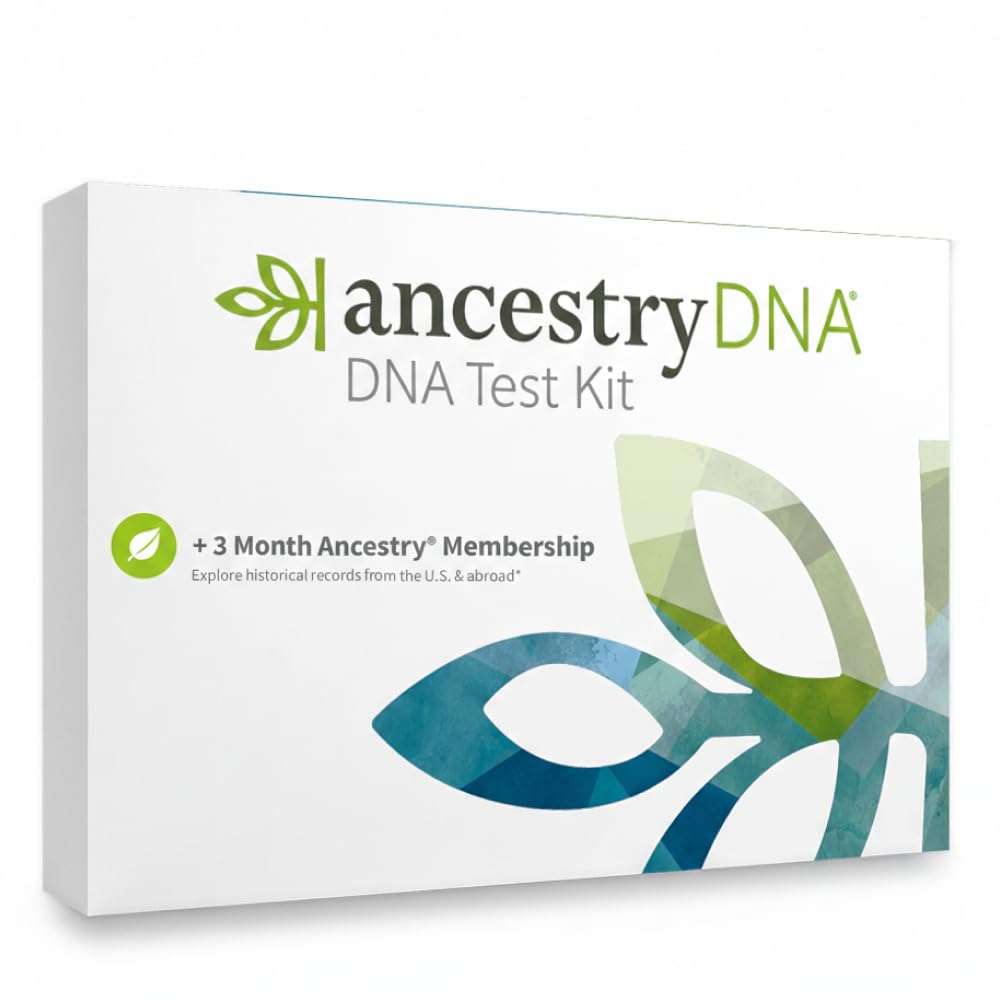
This bundle combines the largest consumer DNA database with a three-month World Explorer membership, giving you access to billions of historical records to build your family tree. The core test analyzes over 700,000 DNA markers and provides ethnicity estimates across 3,600+ regions, but the real strength for finding relatives is the database — over 30 million people have tested with Ancestry, making it the most likely place to find a close match.
SideView technology is a standout feature: it separates your DNA matches by maternal and paternal side, even without your parents testing. This is a huge time-saver when you are trying to figure out which branch of the family a new match belongs to. The three-month World Explorer subscription unlocks censuses, immigration records, and newspaper archives that help you turn a DNA match into a named ancestor.
Activation requires redeeming the membership during registration, and it converts to auto-renewal unless you cancel. The kit collects saliva via a simple tube, and results arrive in roughly six weeks. If your goal is to build a documented family tree while connecting with living relatives, this is the most complete package available.
Why it’s great
- Largest database for relative matching
- SideView sorts matches by parental side
- World Explorer membership unlocks billions of records
Good to know
- Subscription auto-renews after 3 months if not canceled
- Some advanced features require ongoing subscription
2. AncestryDNA Basic Kit
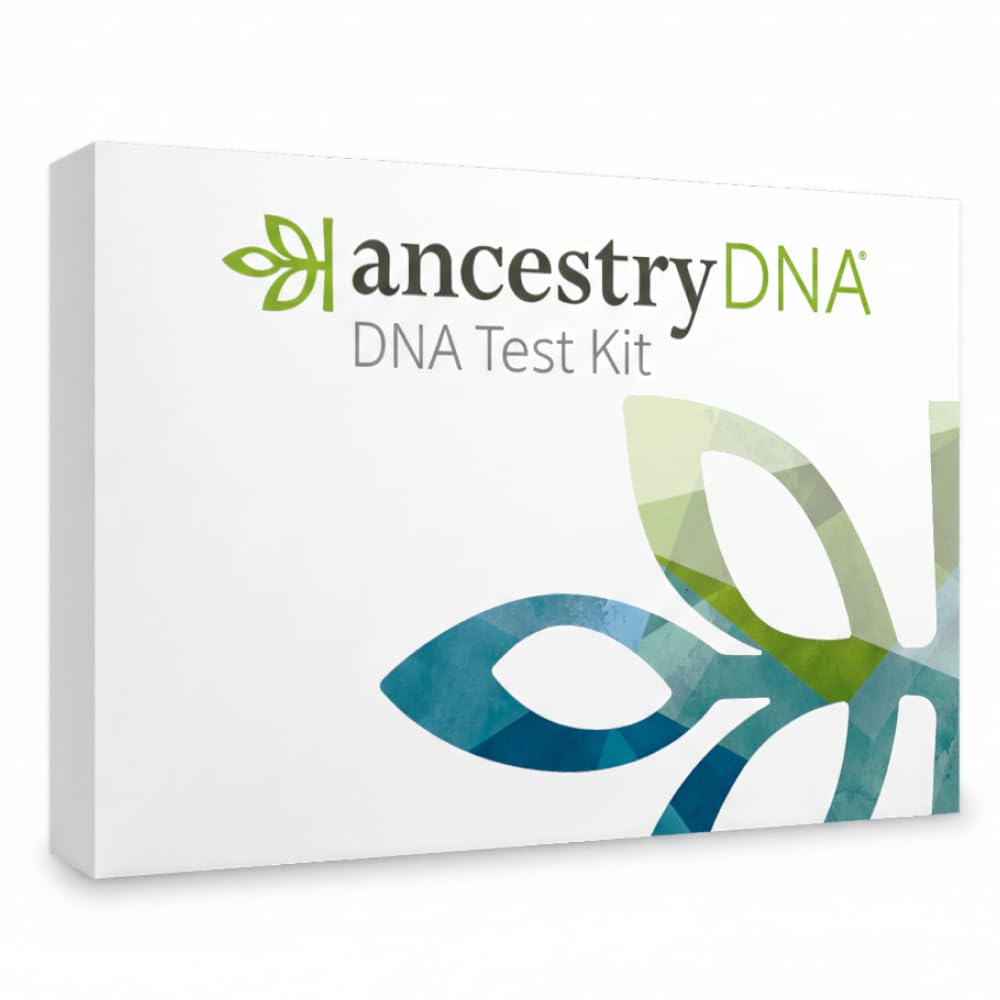
The standard AncestryDNA kit gives you everything you need for relative matching without the extra subscription cost. You get the same 700,000-marker analysis and access to the same massive database of over 30 million users. The DNA Relative Finder feature automatically lists shared matches, and SideView technology works out of the box to sort connections by parental lineage.
Ethnicity estimates cover 3,600+ geographic regions and include historical context, but the real draw is the sheer volume of potential relatives. Many users report finding second and third cousins within weeks of receiving results. The user interface is beginner-friendly, and no ongoing subscription is required to see your matches or communicate with them.
The kit uses a simple saliva collection process, and results typically arrive in four to six weeks. For buyers who want the largest possible pool of relative matches without committing to a genealogy subscription, this is the most cost-effective entry point.
Why it’s great
- Massive database for finding relatives
- SideView sorts matches without subscription
- No ongoing fees for basic matching
Good to know
- Historical records require separate subscription
- Ethnicity estimates are probabilistic, not absolute
3. 23andMe Ancestry Service
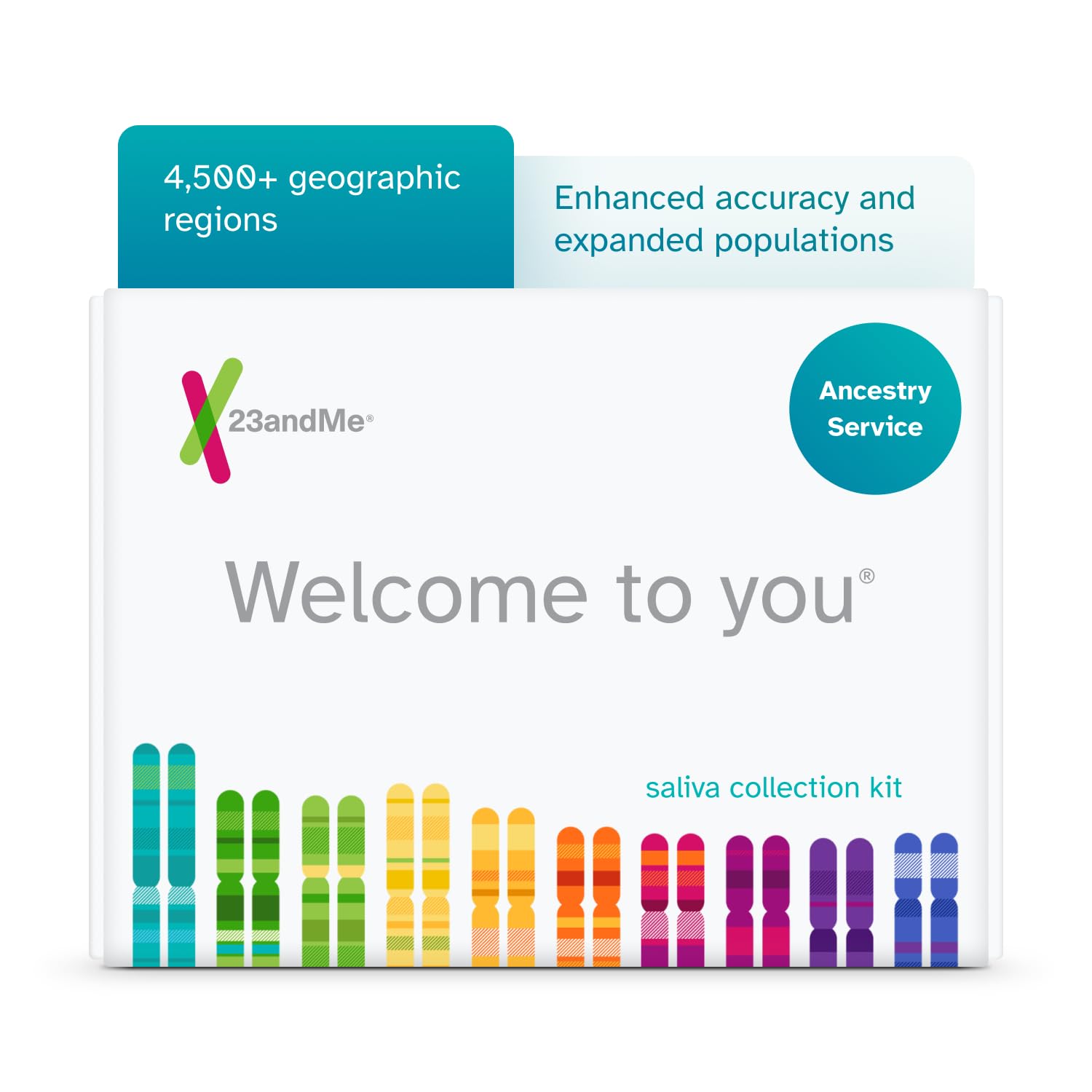
23andMe’s Ancestry Service is a strong contender, especially if you value detailed geographic breakdowns alongside relative matching. The test analyzes ancestry across 4,500+ geographic regions — sometimes down to the specific valley or village — and includes an Ancestry Timeline that estimates when your ancestors from each population lived. The DNA Relative Finder feature connects you with people who share DNA segments, and the automatic Family Tree builder visualizes those relationships.
The user database is the second largest in the industry, currently around 12 million users, which means a lower but still substantial chance of finding close relatives compared to Ancestry. Where 23andMe excels is in the quality of its trait reports — over 30 personalized reports on hair color, taste preferences, and even sleep quality add a fun layer on top of the genealogical data.
Sample collection is a simple saliva tube, and results take four to five weeks. Privacy controls are robust, allowing you to choose exactly who sees your profile and what information is shared. For users who want both a rich ancestry breakdown and a relative-finding network, this is an excellent mid-range option.
Why it’s great
- Very detailed geographic ancestry breakdown
- DNA Relative Finder with automatic family tree
- 30+ trait reports included
Good to know
- Smaller database than Ancestry for relative matching
- Results can take 4-5 weeks
4. 23andMe Health + Ancestry Service
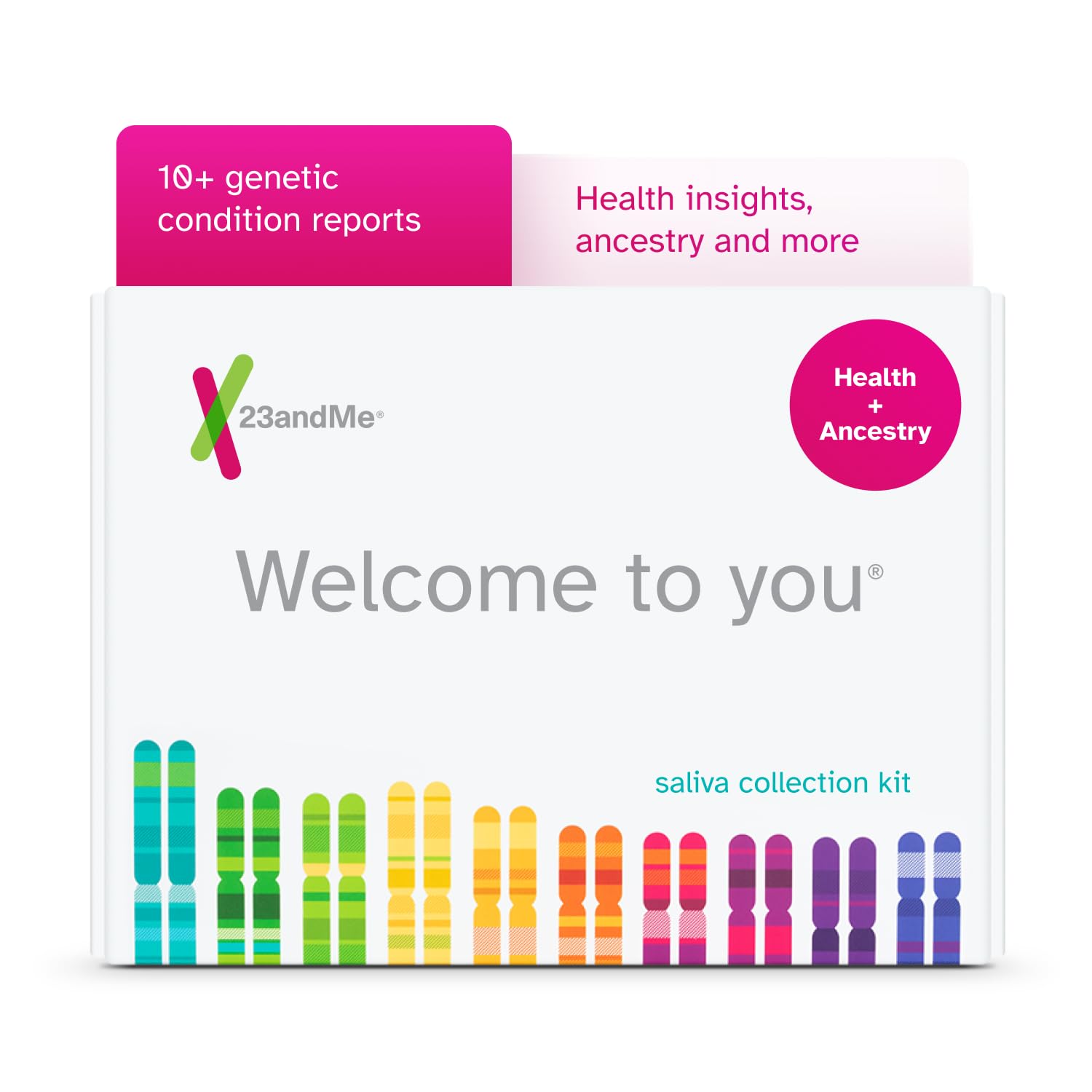
This is the premium-tier 23andMe kit that adds FDA-authorized health predisposition and carrier status reports to the full Ancestry Service. You get the same DNA Relative Finder and 4,500+ region ancestry breakdown as the basic Ancestry kit, plus over 100 personalized health insights — including reports on BRCA-related cancer risk, celiac disease predisposition, and carrier status for conditions like cystic fibrosis.
For relative finding, the database is identical to the standard 23andMe Ancestry Service, so your match pool is the same. The advantage here is the added health dimension, which can be valuable if you are using DNA not just to find relatives but also to understand inherited health risks that may run in your biological family. The kit is also FSA/HSA eligible for many users.
Privacy controls remain top-tier, with encrypted data storage and granular sharing permissions. Results take four to five weeks. If your primary goal is relative matching alone, the standard Ancestry kit is a better value. But if you want the most complete genetic picture — including health risks — this is the most comprehensive single test.
Why it’s great
- FDA-authorized health reports included
- DNA Relative Finder with large database
- FSA/HSA eligible
Good to know
- Health reports may require careful counseling
- Premium price for health features you may not need
5. AffinityDNA Paternity Test Kit

If you need to confirm a direct biological relationship — paternity, specifically — this kit offers a straightforward, all-inclusive solution. It tests 21 genetic loci at an ISO/IEC 17025:2005 and AABB accredited laboratory, delivering results by email within four business days of sample receipt. The kit includes everything: six sterile mouth swabs, consent forms, a prepaid return envelope, and step-by-step instructions.
This test is designed for a single, direct question: Is this man the biological father of this child? It does not connect you to a broader relative network or provide ethnicity estimates. The test includes all lab fees upfront — no hidden charges after purchase — and the kit ships in a discreet plain envelope.
Customer experiences vary on turnaround time, with some reporting the full process from mailing to results takes closer to two weeks. The test is not available to New York State residents due to state regulations. If your goal is a legally admissible paternity result, this is a solid choice, but it lacks the database-driven matching of the larger platforms.
Why it’s great
- AABB-accredited lab with 21 loci
- All lab fees included, no hidden costs
- Results in 4 business days after lab receipt
Good to know
- No relative database or ethnicity reports
- Turnaround can be up to 2 weeks total
- Cannot ship to New York State
6. PaternityLab DNA Sibling Test

When you already suspect a sibling relationship and need scientific confirmation, this kit delivers the fastest turnaround in the group. PaternityLab processes samples within one to two days of receipt at the lab, and all shipping and lab fees are included in the purchase price. The test analyzes cheek swabs from two individuals to determine the probability of a full or half-sibling relationship.
Customers report high satisfaction with the speed and clarity of the results. One user confirmed a 99.39% probability of half-siblings, and others noted excellent communication throughout the process — the lab notifies you when samples arrive and when testing begins. The kit is simple to use, with self-explanatory instructions and a prepaid return envelope.
This test is laser-focused on sibling verification only. There is no broader database, no ethnicity breakdown, and no relative-matching network. It is an excellent tool for confirming a specific relationship, but it will not help you discover unknown cousins or build a family tree. If you need a fast, reliable answer to the sibling question, this is a strong budget-friendly option.
Why it’s great
- Fastest results: 1-2 days after lab receipt
- All fees included in purchase
- Excellent customer communication
Good to know
- Only tests sibling relationships
- No ethnicity or database features
7. HomePaternity Grandparent DNA Test

This test is designed for a very specific scenario: verifying whether a grandparent is biologically related to a child when the alleged father is unavailable. It analyzes up to 34 genetic markers, providing confidence levels typically above 99.999%. The kit includes materials for three tested parties — either one child and two grandparents, or one child, one grandparent, and one mother.
Results are available within five business days after the lab receives your samples, and you can view them in a secure online portal. The test is run twice in a lab with over six certifications, ensuring high accuracy. The kit uses simple cheek swabs and a prepaid USPS return envelope.
Some users report that the advertised 1-2 day turnaround can stretch to a week or more in practice. Also, the return envelope is not waterproof, which poses a risk to sample integrity in wet conditions. Like other targeted relationship tests, this lacks a relative database or ethnicity features. It is a reliable tool for a specific genealogical question, but not for broad relative discovery.
Why it’s great
- 34 markers for high confidence (99.999%+)
- Tests up to 3 individuals in one kit
- Fast results in 5 business days
Good to know
- Turnaround can sometimes exceed advertised time
- Return envelope not waterproof; handle with care
- Not available to New York State residents
FAQ
Which DNA test has the largest database for finding relatives?
Can I upload my raw DNA data from one company to another relative-matching service?
How do privacy controls work for DNA relative matching?
What does a centimorgan (cM) number tell me about a relative match?
Final Thoughts: The Verdict
For most users, the best dna test for finding relatives winner is the AncestryDNA + 3-Month World Explorer Membership because it combines the largest relative-matching database with SideView technology and billions of historical records. If you want the same massive database without the subscription commitment, grab the AncestryDNA Basic Kit. And for a blend of detailed ancestry breakdown and a solid relative-matching network with fun trait reports, nothing beats the 23andMe Ancestry Service.

Mo Maruf
I created WellFizz to bridge the gap between vague wellness advice and actionable solutions. My mission is simple: to decode the research and give you practical tools you can actually use.
Beyond the data, I am a passionate traveler. I believe that stepping away from the screen to explore new environments is essential for mental clarity and physical vitality.