Our readers keep the lights on and my smoothie glass nicely filled. As an Amazon Associate, I earn from qualifying purchases.
The sun beats through your windows, baking your car’s interior and fading the upholstery. A professional installation offers a solution, but the labor cost often doubles the price of the film itself. That’s exactly where the best DIY window tint steps in, giving you the heat rejection and privacy of a pro-grade job from your own driveway.
I’m Mohammad Maruf — the founder and writer behind WellFizz. I’ve spent hundreds of hours researching installation techniques, adhesive technologies, and thermal rejection data to analyze which films actually deliver on their claims for the at-home installer.
This guide breaks down the top ceramic and carbon films on the market, helping you choose the right VLT percentage and material for your vehicle. Whether you need to block UV rays or create a one-way privacy shield, read on for the honest details on the best diy window tint available right now.
How To Choose The Best DIY Window Tint
Picking the right film isn’t just about the darkest shade. You need to balance heat rejection, visibility, and your state’s legal limits. The three factors below will guide your decision without overwhelming you with technical jargon.
Film Material: Ceramic vs Carbon vs Dyed
Ceramic films use nano-ceramic particles to block infrared heat without interfering with radio or GPS signals. They offer the best heat rejection and are usually scratch-resistant. Carbon films are a step down in performance but still block UV rays effectively and don’t fade over time. Dyed films are the cheapest but absorb heat rather than reflecting it, which can lead to window damage in extreme climates. For a durable DIY project, ceramic is the clear winner.
VLT Percentage and Your State Laws
VLT stands for Visible Light Transmission — the lower the number, the darker the tint. A 5% VLT is a limo blackout, while 35% is a common legal limit for front side windows in many states. Always check your local regulations before buying. Picking the wrong VLT can mean expensive tickets and a forced removal. Most beginners find 35% VLT to be a safe, comfortable starting point that still provides decent privacy and glare reduction.
Film Thickness and Adhesive Quality
Thicker films (around 2 mils) are easier to handle because they resist creasing and tearing during the squegee process. A high-quality adhesive ensures the film cures smoothly without silvering or edge peeling. Lower-end films often use a weaker adhesive that can fail on complex rear windows. Look for terms like “5-layer construction” and “stable adhesive” in the product description to gauge durability.
Quick Comparison
On smaller screens, swipe sideways to see the full table.
| Model | Category | Best For | Key Spec | Amazon |
|---|---|---|---|---|
| PAMAGOO 35% VLT | Ceramic | Balanced UV block & scratch resistance | 5-layer ceramic, 95% UV block | Amazon |
| ARANA 20% VLT 20ft | Ceramic | Strong privacy & heat rejection | Nano ceramic, 99% UV block | Amazon |
| IAQWE 35% VLT | Ceramic | Value-oriented heat insulation | 5-layer safety film, anti-shatter | Amazon |
| ARANA 35% VLT 30ft | Ceramic | Longer roll for large vehicles | Nano ceramic, 30ft length | Amazon |
| LuxeShade Carbon 15% | Carbon/Polyester | Budget-friendly long roll for pros | Carbon nano, 100ft length | Amazon |
In‑Depth Reviews
1. PAMAGOO 35% VLT Ceramic Window Tint

The PAMAGOO 35% VLT film uses a 5-layer nano ceramic construction that resists scratches far better than standard dyed films. At 20 inches by 20 feet, the roll offers enough coverage for two side windows on most sedans, with a slight bluish tint that reviewers note looks clean and modern on the car.
Installation feedback highlights the thicker film as easier to manipulate without creasing, though peeling back the liner to expose the adhesive takes some patience. Once applied, the adhesive cures well with minimal bubbles, and the 95% UV rejection keeps the cabin noticeably cooler during summer drives.
The manufacturer backs this with a 12-month support window. For a mid-range ceramic film that balances heat rejection, scratch resistance, and a straightforward installation process, this is the most complete package for a first-time DIY installer.
Why it’s great
- Thick 5-layer film is forgiving during squeegee
- High scratch resistance for daily cleaning
- Strong UV and infrared rejection
Good to know
- Liner can be tricky to separate from adhesive
- Some users report slight blue hue in direct sun
2. ARANA 20% VLT Ceramic Window Tint
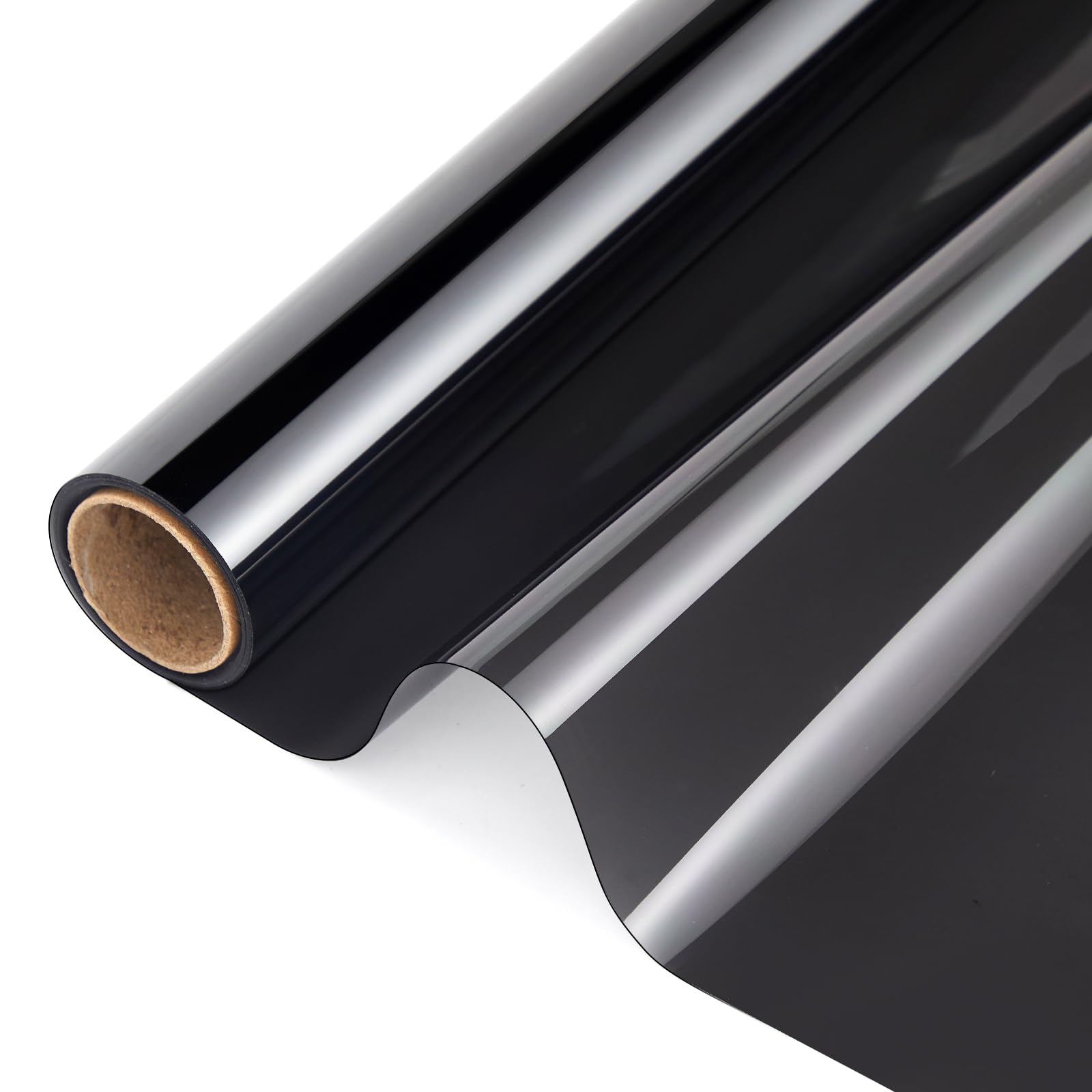
ARANA’s 20% VLT ceramic film provides a strong daytime privacy shield while retaining enough outward visibility for safe driving. The nano ceramic construction blocks 99% of UVA and UVB rays, which effectively protects interior upholstery from fading and reduces the load on your car’s air conditioning.
Reviewers consistently mention the film’s thickness as a double-edged sword — the material is durable and sticks firmly without peeling, but it demands a generous application of soapy water and a heat gun for curved windows. Beginners may need a few practice attempts on smaller panes before tackling the rear glass.
The 20% VLT level sits in a sweet spot: dark enough for privacy but still legal in many states for rear windows. ARANA provides 18 months of support, giving you a solid safety net while you perfect your technique on this durable, effective film.
Why it’s great
- Excellent UV protection at 99%
- Strong adhesion resists peeling and bubbling
- Good balance of privacy and outward clarity
Good to know
- Thick film requires heat gun for curves
- Best suited for experienced DIY installers
3. IAQWE 35% VLT Ceramic Window Tint
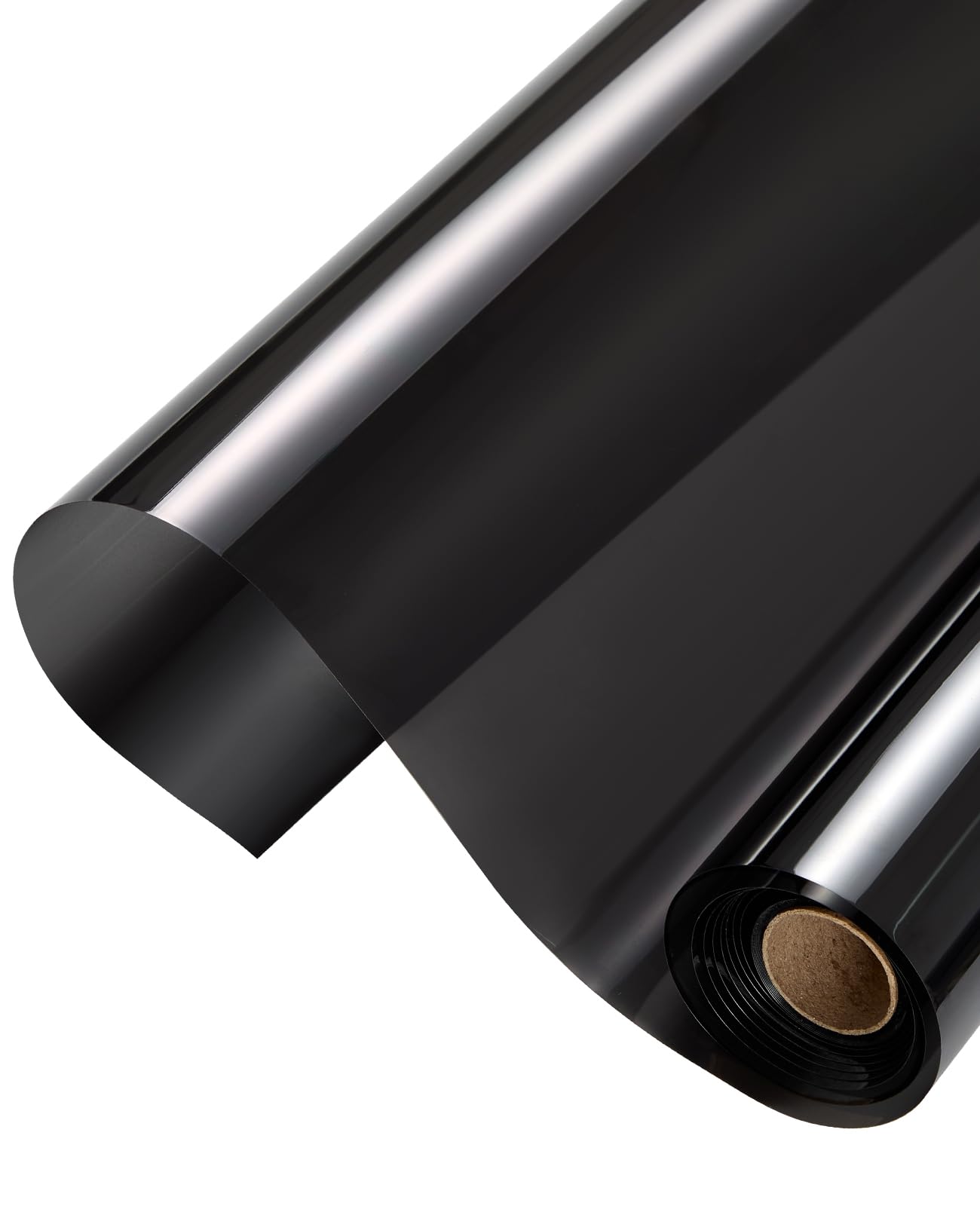
The IAQWE 35% VLT film adds a shatterproof layer that holds glass together on impact — a nice safety bonus for families or daily commuters. The 5-layer construction uses nano ceramic particles to reduce infrared heat, keeping the cabin cooler even when parked in direct sunlight for extended periods.
Installation reviews are mixed: some users found the film easy to cut and apply with a sharp blade, while others noted the thinner material tears if the squeegee angle is wrong. A heat gun is recommended for rear windows with severe curves. The bubble-free adhesive helps beginners get smoother results on flat side windows.
With a price that undercuts many competitors while still offering genuine ceramic heat rejection, this film is a strong value choice. Just be prepared for a slightly thinner feel than premium options, and take your time on the first install to avoid frustration.
Why it’s great
- Shatterproof design adds safety in accidents
- Effective heat rejection for the price
- Available in multiple VLT options
Good to know
- Thinner film tears easily with dull blades
- Adhesive is weaker than premium brands
4. ARANA 35% VLT 30ft Ceramic Window Tint
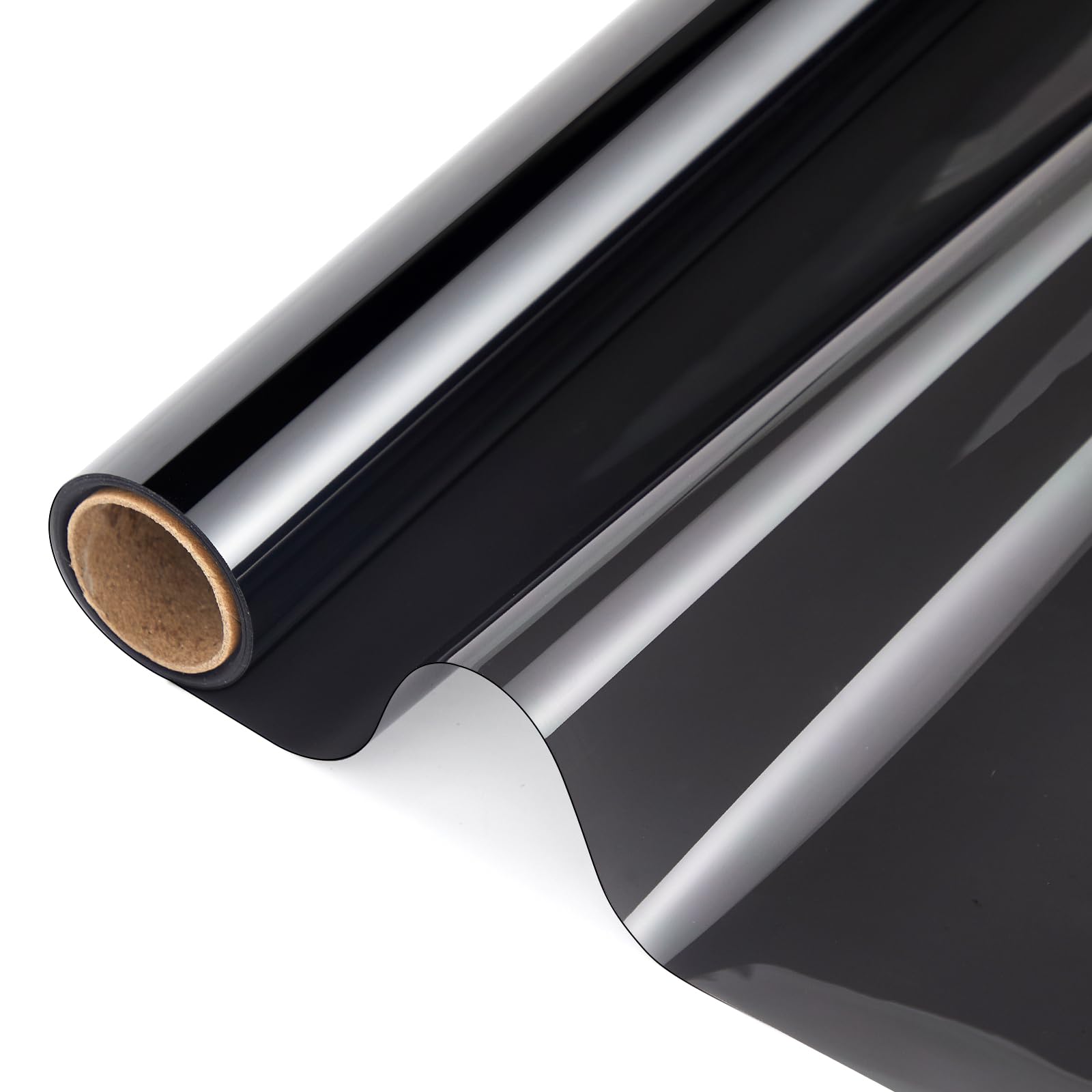
This ARANA variant extends the beloved ceramic formula to a 30-foot roll, making it an ideal match for SUVs, vans, and trucks with larger rear windows. The 35% VLT keeps you within legal limits for front side windows in most states while still providing solid daytime privacy and glare reduction.
Like its 20-foot sibling, this film uses a stable adhesive that holds firm through car washes without edge lifting. Users report that the material responds well to heat shrinking, allowing for a clean fit on complex curves like those found on hatchbacks and minivans. A heat gun and thorough cleaning are still prerequisites for professional-looking results.
The longer roll addresses a common pain point for DIYers who run out of film halfway through a project. With 18 months of manufacturer support and a durable nano ceramic build, this is the go-to choice for larger vehicles needing comprehensive UV and heat protection.
Why it’s great
- 30ft roll covers larger vehicles in one buy
- Heat-shrinkable for complex window curves
- Weak signal interference with GPS/phone
Good to know
- Requires heat gun and practice for best results
- Darker VLT options may be illegal for front windows
5. LuxeShade 15% Premium Carbon Window Tint
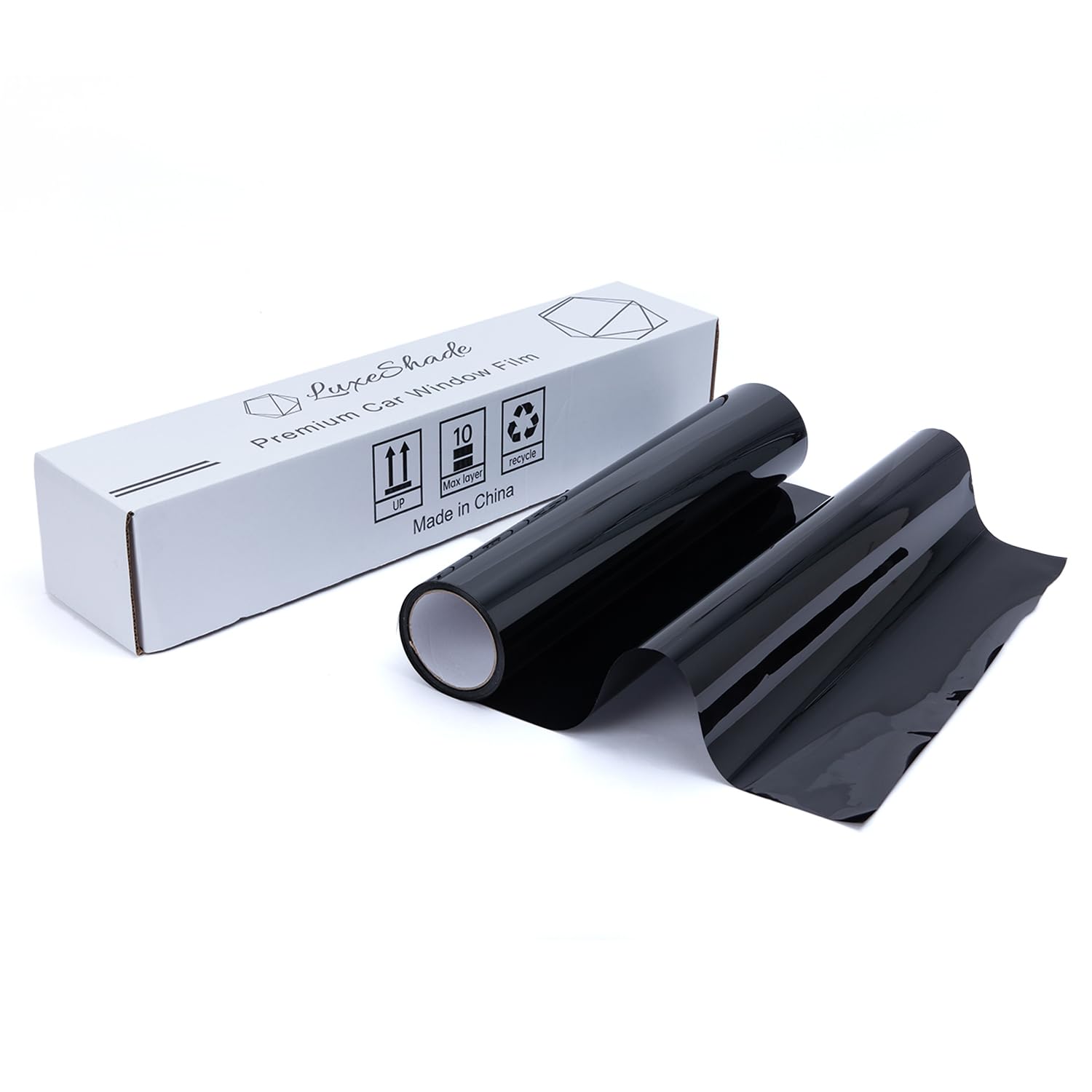
The LuxeShade 15% VLT film delivers a massive 100-foot roll at an entry-level price point, making it perfect for those who plan to tint multiple vehicles or large home windows. The carbon nano technology blocks heat without the higher cost of ceramic, though the material is a static-cling installation rather than a standard adhesive film.
Users describe the film as a sturdy 2-ply polyester that’s easy to cut and apply with basic tools. The 15% VLT provides a strong blackout effect that enhances privacy, but it’s important to note this darkness is illegal for front side windows in most states. Reviewers recommend it primarily for rear windows and cargo areas.
The biggest trade-off here is the static-cling method: it’s easier to remove and reapply, but it won’t offer the same long-term durability as ceramic films with permanent adhesives. For a cost-effective way to cover a lot of glass quickly, this roll is hard to beat.
Why it’s great
- 100ft roll covers multiple cars or home windows
- Static cling allows easy removal and replacement
- Carbon technology blocks heat effectively
Good to know
- Static cling less durable than adhesive films
- 15% VLT is illegal for front windows in most states
FAQ
Can I install window tint on my car myself without professional training?
What VLT percentage should I choose for my front side windows?
How long does DIY window tint last before needing replacement?
Final Thoughts: The Verdict
For most users, the best diy window tint winner is the PAMAGOO 35% VLT because its 5-layer ceramic build balances scratch resistance, UV rejection, and forgiving installation thickness at a fair price. If you want maximum privacy with a durable ceramic film, grab the ARANA 20% VLT 20ft. And for covering a large SUV or van on a budget, nothing beats the bulk value of the LuxeShade Carbon 100ft roll.

Mo Maruf
I created WellFizz to bridge the gap between vague wellness advice and actionable solutions. My mission is simple: to decode the research and give you practical tools you can actually use.
Beyond the data, I am a passionate traveler. I believe that stepping away from the screen to explore new environments is essential for mental clarity and physical vitality.