Our readers keep the lights on and my smoothie glass nicely filled. As an Amazon Associate, I earn from qualifying purchases.
Diver ducks don’t whistle or quack like mallards—they produce a distinct, rolling “brrrrr” that travels across open water and demands a call built for that exact frequency. A wrong note sends bluebills and canvasbacks flaring before they ever see your decoys.
I’m Mohammad Maruf — the founder and writer behind WellFizz. After spending hours dissecting the reed timbre, air resistance, and toneboard geometry of the top diver-specific calls on the market, I’ve narrowed down which models actually deliver the low, guttural roll that diver species answer to.
Whether you’re set up over a deep-water spread or working a diver hole on a big lake, finding the right tool defines your season. That’s the focus of this guide to the best diver duck call.
How To Choose The Best Diver Duck Call
Diver calling is a different game than puddle duck hunting. The sounds are lower in pitch, faster in cadence, and rely on a guttural roll that a typical mallard double-reed simply can’t produce cleanly. Here are the three factors that separate a diver-specific call from a general-purpose call that will leave you silent at the wrong moment.
Reed Type and Toneboard Design
A diver call needs a toneboard channel and reed tension that allow for rapid, low-pitched vibrations. Single-reed designs generally offer the crispest “brrrrr” with less air, but double-reed models like the Double Nasty can produce a raspier texture that sounds more natural to educated diver flocks. Look for a call marketed as “diver-specific” rather than a mallard call modified for low notes—it will have a wider bore and a steeper toneboard ramp.
Moisture Management in Wet Conditions
Diver hunting often happens in rain, sleet, or fog over open water. A call that sticks when wet is useless mid-spread. Polycarbonate calls like the Echo Trash Talker and Buck Gardner models with Spit-Tech toneboards shed moisture faster than bare acrylic or wood. If you hunt in consistently wet environments, a polycarbonate body with a textured toneboard is the difference between calling confidently and spending your morning blowing a wet reed.
Volume Control and Air Requirement
Diver ducks can be hundreds of yards away on open water, then suddenly finish tight over the decoys. The best diver calls offer a removable plug or adjustable exhaust barrel so you can go from a loud hail call to a soft, intimate chatter without switching calls. Models with a plug-in barrel—like the Haydel’s DC-14—let you dial back the volume when birds are committed without losing the low-end roll that keeps them锁定.
Quick Comparison
On smaller screens, swipe sideways to see the full table.
| Model | Category | Best For | Key Spec | Amazon |
|---|---|---|---|---|
| Haydel’s DC-14 | Single Reed | True diver “brrrrr” sound | Removable plug for volume control | Amazon |
| Buck Gardner Double Nasty (BGC) | Double Reed | Raspy texture for educated birds | Spit-Tech toneboard resists sticking | Amazon |
| Duck Commander Classic | Double Reed Wood | Timber and shallow water diver work | Friction-fit all-wood construction | Amazon |
| Echo Poly Trash Talker | Double Reed | Beginner-friendly hail calls | 0.19 lb lightweight polycarbonate | Amazon |
| Buck Gardner Double Nasty (Camo Green) | Double Reed | Polycarbonate durability on a budget | Low air requirement, versatile range | Amazon |
In‑Depth Reviews
1. Haydel’s Game Calls DC-14 Diver Duck Call

The DC-14 is purpose-built for diver species—not a mallard call repurposed with a lower pitch. Its single-reed setup produces the authentic rolling “brrrrr” that redheads, bluebills, scaup, and canvasbacks use for communication on open water. The removable plug in the exhaust barrel gives you on-the-fly volume control, letting you go from a loud hail across a 200-yard spread to a soft, intimate chatter when birds are circling your blocks.
Weighing just 0.1 pounds, it’s one of the lightest diver-specific calls on the market, which matters when you’re hanging a lanyard with multiple calls. The smooth bore and minimal air resistance mean you can run it for hours without fatigue, even in cold weather. Several users report turning and finishing ducks within their first few hunts, which speaks to how intuitive the call’s natural cadence is.
It’s not a call for mallard-style quacks or feeding chatter—it stays locked into the guttural diver register. If you primarily hunt puddle ducks on timber holes, this may feel limited. But for anyone running a diver spread on big water, the DC-14 delivers the exact sound profile that separates a successful morning from a silent one.
Why it’s great
- True diver-specific “brrrrr” that canvasbacks respond to
- Removable barrel plug for instant volume adjustment
- Extremely low air requirement; easy to blow for hours
Good to know
- Does not produce standard mallard quacks or feeding chatter
- Single reed may feel limited for hunters who want multiple sounds
2. Buck Gardner BGC Double Nasty Duck Call – Camo/Smoke

The BGC Double Nasty brings a J-frame double reed design with Buck Gardner’s proprietary Spit-Tech toneboard, which actively resists reed sticking when the call gets wet—a common failure point for many double reeds in rain or foggy conditions. The result is a loud, raspy mallard sound that, while not specifically marketed as a diver call, produces the low, guttural texture that diver hunters need for finishing birds in open water.
Its polycarbonate body with camo/smoke finish is lightweight and durable, and the gunmetal band adds a touch of quality without adding meaningful weight. The double reed gives you more tonal versatility than a single-reed diver call—you can throw in feeding chatter and greeting calls when you’re mixing species in a spread that includes both divers and puddle ducks. It’s a hybrid that works well in a mixed-species lanyard.
Some users note that the call runs slightly higher-pitched than pure diver calls out of the box. But with practice, you can drop the pitch by adjusting your air pressure, and the raspy edge actually helps when birds have heard too many clean, sterile calls. It’s not the absolute lowest “brrrrr” on this list, but it’s the most versatile if your season includes both bluebills and mallards.
Why it’s great
- Spit-Tech toneboard prevents sticking in wet conditions
- Raspy double reed works for both divers and mallards
- Lightweight polycarbonate holds up season after season
Good to know
- Higher pitch than dedicated diver calls; requires air control to deepen
- Feeding chatter tone is not as crisp as some dedicated mallard calls
3. Duck Commander Classic Commander Double Reed Call
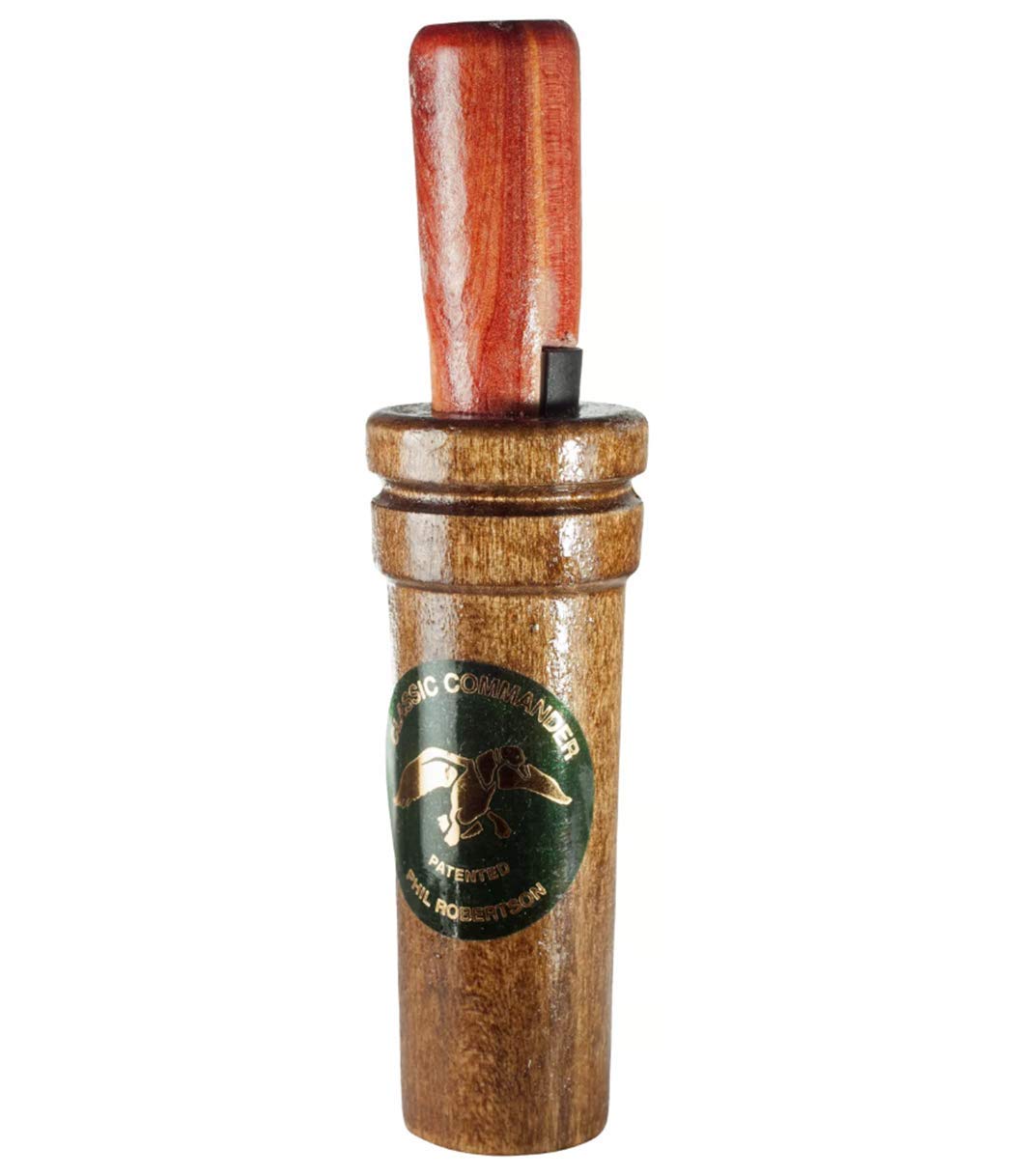
The Classic Commander carries the original Phil Robertson design—a 4-piece all-wood construction with a patented friction-fit double reed system that requires no tuning. Every call is unique because of natural wood variations, giving it a low, nasally, raspy sound that cuts through timber and shallow-water diver holes alike. It’s the call that made Duck Commander famous, and its tonal profile is ideal for redheads and canvasbacks that feed in flooded timber and shallow flats.
Construction is simple: the reed sits between two wood pieces held in place by the barrel’s friction fit, so there are no wedges, O-rings, or screws to lose in the blind. That same simplicity means the call can be played with very little air—Phil’s original goal was to make a call anyone could blow effectively. The wood barrel warms up in your hand on cold mornings, which is a comfort advantage over polycarbonate, but it also means the call can change pitch slightly as the wood absorbs moisture from your breath.
It’s not the loudest call for open-water hail situations—its strength is intimate, low-volume work when birds are close. The included DVD is hit-or-miss in the package, and some units arrive with a tight wedge that needs careful handling to avoid cracking the barrel. Still, for the hunter who wants a piece of waterfowl history that actually works on diver ducks in timber and shallow water, this call delivers an authentic, warm sound that modern plastics can’t replicate.
Why it’s great
- Original Phil Robertson design with proven low, raspy double reed tone
- Friction-fit system means no parts to lose or tune
- Warm wood feel and natural acoustic warmth in cold conditions
Good to know
- Wood can absorb moisture and shift pitch during extended hunts
- Not as loud as polycarbonate calls for long-distance hail work
4. Echo Poly Trash Talker Double Reed Duck Call – Bourbon
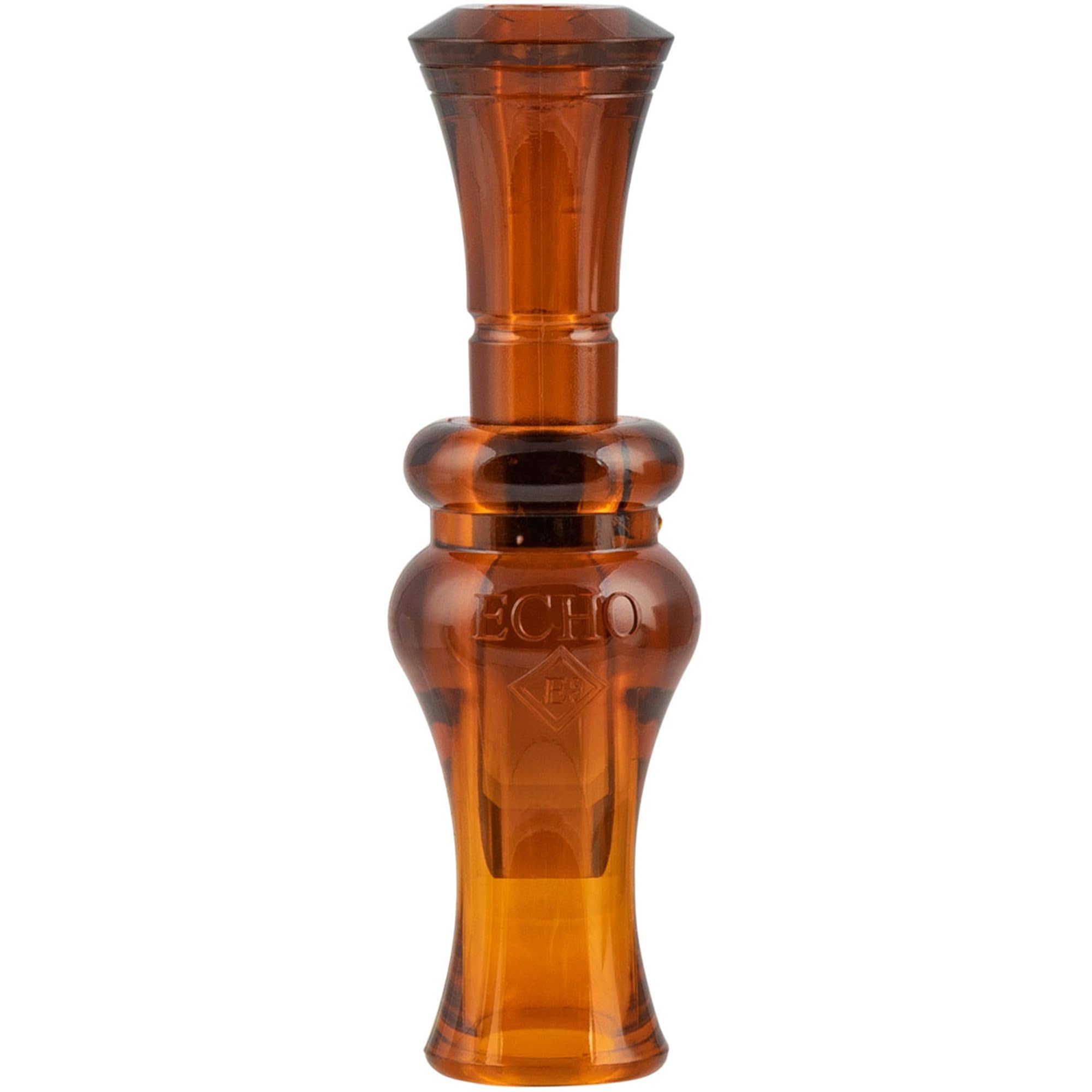
The Echo Poly Trash Talker is a double reed call built for beginners who want a wide range of sounds without fighting a stiff reed. It uses very little air to produce a loud hail call that carries across open water, yet can be dialed back to a soft, raspy quack for close-range work. The bourbon color polycarbonate body is tough and resists cracking if dropped on a boat deck or frozen marsh floor.
At 0.19 pounds, it’s one of the lightest calls in this lineup, making it an easy addition to a lanyard that already carries a diver-specific call. The double reed gives you more tonal options than a single reed, so you can practice feeding chatter and greeting calls that work on both divers and mallards. User reviews consistently note that it’s crisp-sounding and easy to blow—multiple hunters mention teaching their kids or grandkids to call with this exact model.
The trade-off is that this call is designed as a general-purpose double reed, not a dedicated diver call. The “brrrrr” sound is present but not as pronounced as the Haydel’s DC-14. If you’re a diver specialist who needs the exact guttural roll for canvasbacks, you may find the Trash Talker a bit too versatile and not low enough. But for the hunter building a mixed-species spread and learning to call, it’s a forgiving, affordable entry point that won’t frustrate you.
Why it’s great
- Very low air requirement; ideal for new callers
- Lightweight polycarbonate that survives drops and wet conditions
- Versatile double reed produces hail and soft quack
Good to know
- Not a true diver-specific call; “brrrrr” roll is less defined
- Double reed can stick when wet in freezing weather
5. Buck Gardner Double Nasty Poly Double Reed Duck Call – Camo Green
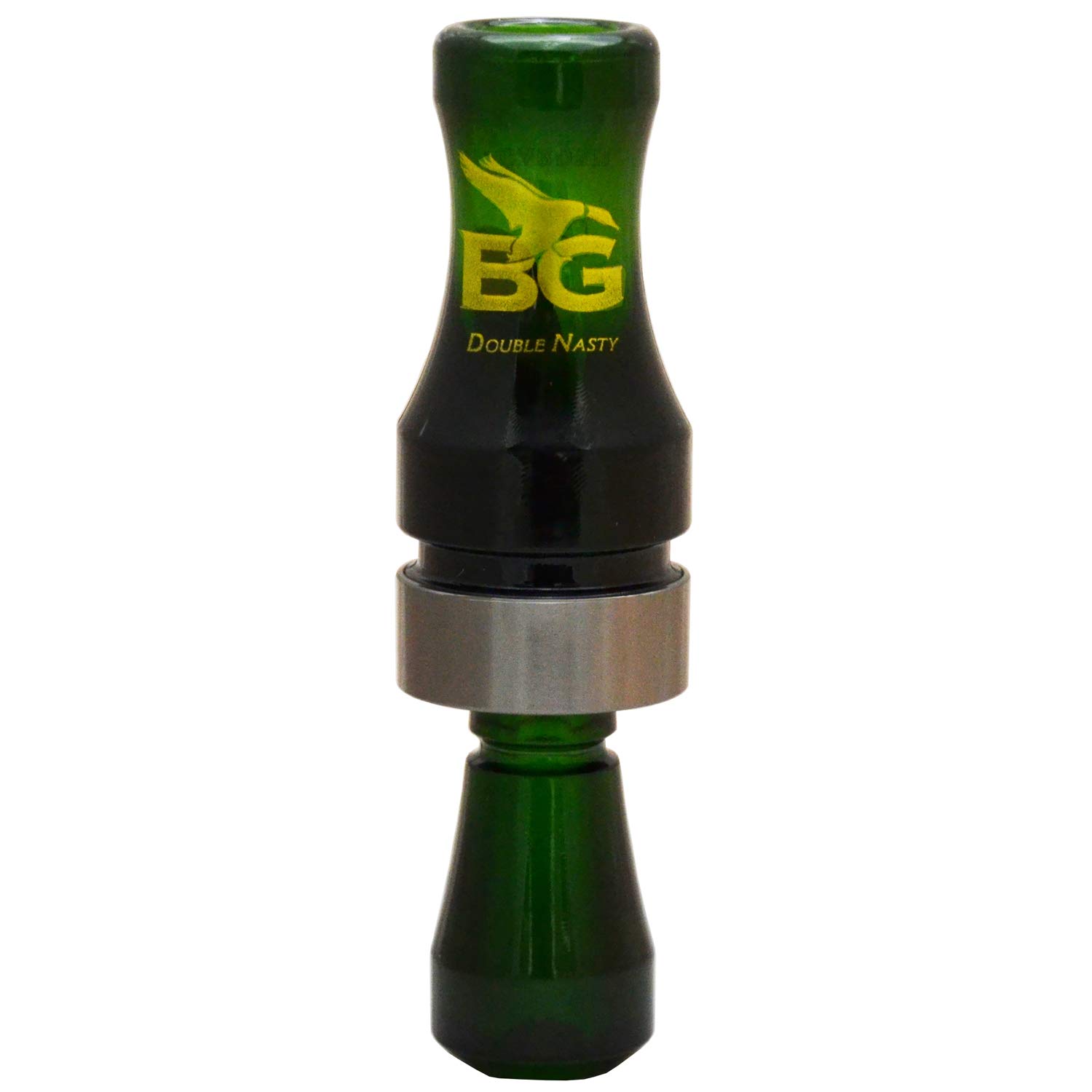
This is the same Double Nasty double reed design as the BGC version but in a simpler camo green polycarbonate body without the Spit-Tech toneboard or gunmetal band. It’s the entry-level pick from Buck Gardner, and for the price, it delivers a surprisingly realistic sound with very little air required—users consistently report attracting ducks on their first outing, even with no prior calling experience.
The polycarbonate material is durable enough for rough handling in a boat or blind, and the camo finish helps it blend into your gear. The double reed gives you the same raspy texture that works for both mallard and diver hunting, though you’ll need to control your air pressure more carefully than with a dedicated diver call to get the low-end “brrrrr” for bluebills. It’s a good call to keep as a backup or to hand off to a hunting partner who’s just learning the ropes.
The main difference from the BGC version is the toneboard. This model lacks the Spit-Tech design, so it’s more prone to reed sticking in wet weather—a known issue with basic double reeds in cold rain. A quick blow-through or a tap on the barrel usually clears it, but it’s something to plan for on wet hunts. If you mostly hunt dry fields or calm days over water, this call is an outstanding value. For serious wet-weather diver work, the BGC version with Spit-Tech is worth the small step up.
Why it’s great
- Very easy to blow; great for beginners and teaching new hunters
- Durable polycarbonate that won’t crack from drops
- Realistic, raspy double reed texture at a low entry point
Good to know
- No Spit-Tech toneboard; reeds can stick when wet in freezing temps
- Not a true diver-specific call; “brrrrr” roll less pronounced
FAQ
Can I use a mallard call for diver ducks?
Why does my double reed call stick when wet?
How do I produce the “brrrrr” roll for bluebills and canvasbacks?
Final Thoughts: The Verdict
For most users, the best diver duck call winner is the Haydel’s DC-14 because it’s purpose-built for the exact “brrrrr” sound that canvasbacks, bluebills, and redheads respond to, with a removable plug for volume control and an extremely low air requirement that keeps you calling all morning. If you want a raspy double reed that also works on mallards in mixed-species spreads, grab the Buck Gardner BGC Double Nasty with its Spit-Tech toneboard. And for the heritage hunter who wants warm wood acoustics for shallow-water diver work, nothing beats the Duck Commander Classic Commander.

Mo Maruf
I created WellFizz to bridge the gap between vague wellness advice and actionable solutions. My mission is simple: to decode the research and give you practical tools you can actually use.
Beyond the data, I am a passionate traveler. I believe that stepping away from the screen to explore new environments is essential for mental clarity and physical vitality.