Our readers keep the lights on and my smoothie glass nicely filled. As an Amazon Associate, I earn from qualifying purchases.
A distance spike is a precise tool that trades cushioning for propulsion, using a stiff plate and aggressive stud layout to minimize ground contact time over 800m to 10k races. The wrong pair can bleed tenths of a second through wasted energy transfer, while the right midfoot chassis and spike configuration make each stride feel snappy and locked in.
I’m Mohammad Maruf — the founder and writer behind WellFizz. I’ve spent hundreds of hours digging into plate geometry, spike compatibility, and outsole durometer data to separate the spikes that actually improve race times from the lookalikes that just add weight.
Whether you’re chasing a PR in the 1600m or grinding through a muddy cross-country course, this guide cuts through the noise to deliver the best distance spikes that earn their slot in your rotation.
How To Choose The Best Distance Spikes
Selecting the right distance spike goes beyond brand loyalty — you need to match the plate stiffness, spike pattern, and upper lockdown to your specific racing surface and foot mechanics.
Plate Material and Midfoot Stiffness
Distance events reward a plate that bends at the forefoot to store energy during the toe-off phase but stays rigid through the midfoot to prevent arch collapse. Nylon plates offer more compliance for beginners or grass courses, while carbon-infused nylon or full carbon-fiber plates demand a strong ankle and deliver higher energy return on synthetic tracks. Midfoot shanks — plastic or carbon — also control how much the shoe twists during cornering.
Spike Configuration: Pin Count and Length
Spikes are categorized by the number of pin receptacles (typically 4, 6, or 8) and the pin length (standard 1/4-inch for tracks, 3/8-inch or 1/2-inch for grass/mud). A 6-pin layout with removable pyramid pins offers the best balance of grip and ground penetration for 800m through 5k on dry turf. For wet cross-country courses, an 8-pin design with longer bladed pins prevents slipping on off-camber sections.
Stack Height and Drop Profile
Distance spikes typically have a 4mm to 8mm heel-to-toe drop, with lower drops favoring midfoot and forefoot strikers. Forefoot stack heights generally range from 12mm to 18mm — thinner stacks create better ground feel but less cushioning over longer races. A midfoot striker targeting 5k and 10k should look for a spike with a drop around 6mm and an 8mm layer of EVA or foam under the heel to reduce impact loading on each stride.
Quick Comparison
On smaller screens, swipe sideways to see the full table.
| Model | Category | Best For | Key Spec | Amazon |
|---|---|---|---|---|
| Nike ZoomX Dragonfly | Premium | 1600m–3200m on synthetic tracks | ZoomX foam + full-length nylon plate | Amazon |
| Adidas Adizero Distancestar | Premium | 800m–3000m, tight curves | Lightstrike foam + carbon-infused nylon plate | Amazon |
| ASICS Hyper MD 8 | Mid-Range | 400m–800m, midfoot strikers | SpEVA midsole + 6-pin spike plate | Amazon |
| Nike Zoom Mamba 6 | Premium | Distance training & racing on grass | Nylon plate + 8-pin removable spike system | Amazon |
| Nike Rival Multi-Event | Mid-Range | Multi-event versatility (sprints & distance) | Flex-groove plate + 7-pin configuration | Amazon |
| Brooks Draft XC | Budget | High school cross-country training | Spikeless rubber outsole for grass | Amazon |
| Nike Zoom Rival XC 6 | Budget | Entry-level cross-country racing | Multi-surface rubber outsole + 6-pin plate | Amazon |
In‑Depth Reviews
1. Nike ZoomX Dragonfly

The ZoomX Dragonfly pairs a full-length nylon plate with Nike’s softest foam midsole to create a spike that feels both propulsive and forgiving over 1600m and 3200m repeats. The plate flexes aggressively at toe-off but stays rigid across the arch, which helps midfoot strikers maintain energy return without overloading the calf. Reviewers note the breathable mesh upper wraps the foot snugly, and the spike plate delivers consistent grip on synthetic ovals.
At roughly 5.5 ounces in a size 9, this is one of the lightest distance-specific spikes in its tier, and the ZoomX foam absorbs impact better than traditional EVA-based midsoles. Users report that the fit runs true to size and the shoe accommodates medium-width feet best. Some athletes note that the spike-pin receptacle count (five per shoe) is lower than competitors, which matters less on tracks but could limit traction on slick turf.
Several buyers mentioned the shoe arrived with missing spikes or a damaged box, though the spike pins themselves are standard 1/4-inch and easily replaced. The upper holds up well through a full season of training and racing, and the foam does not pack out noticeably within 200 miles. It is a top contender for any distance runner who wants a direct connection between foot and track.
Why it’s great
- ZoomX foam provides exceptional energy return without bottoming out
- Full-length nylon plate supports efficient toe-off for midfoot strikers
- Breathable, one-piece upper reduces weight to roughly 5.5 oz
Good to know
- Five-pin configuration limits traction on soft grass courses
- Some shipments missing spikes or arriving in damaged packaging
- Not ideal for runners with wide feet
2. Adidas Adizero Distancestar
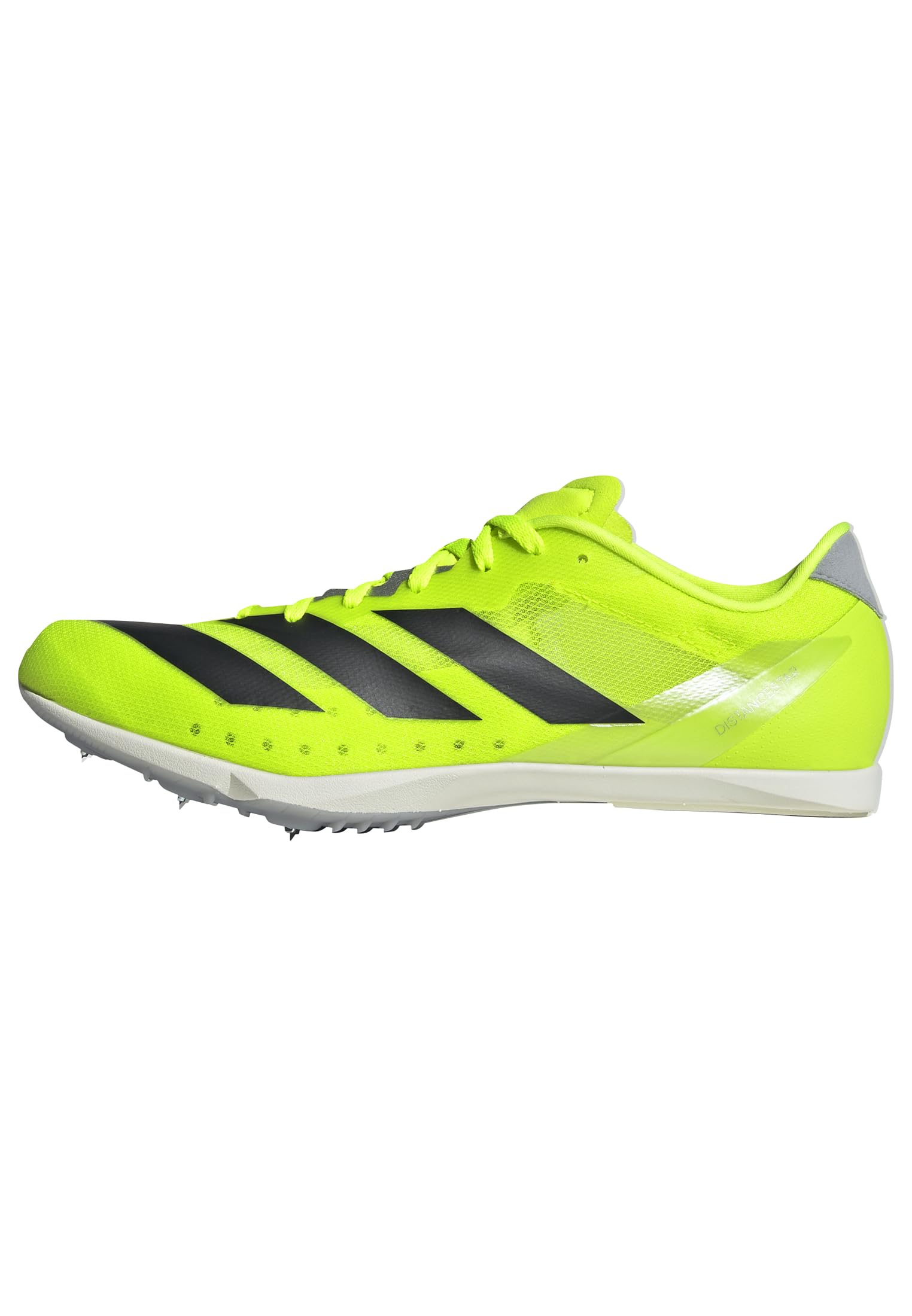
The Adizero Distancestar uses a carbon-infused nylon plate embedded in a Lightstrike foam midsole to deliver a responsive ride that feels stable through tight turns on 200m banked tracks. The plate runs full-length and has noticeable snap at the forefoot, while the heel-toe drop sits around 6mm to favor midfoot and forefoot strikers over longer races. Reviewers consistently mention the shoe feels lightweight and fast, with solid grip from the six-pin spike configuration.
The upper is a thin mesh with minimal overlays, which keeps the shoe around 5.9 ounces but reduces structure for runners who prefer a more locked-down heel fit. The spike plate uses standard pyramid pins, and the receptacles are recessed enough to avoid catching on loose gravel during warm-ups. Several buyers noted the shoe fits true to size and works well for both 800m and 3000m racing.
A small number of users flagged that the Lightstrike foam feels stiffer than the ZoomX used in competing models, which could reduce comfort on very smooth tracks. The outsole rubber under the heel is minimal, so runners who heel-strike heavily may wear through it faster. Overall, this is a solid premium option for distance racers who prioritize plate stiffness and cornering stability over plush cushioning.
Why it’s great
- Carbon-infused nylon plate delivers noticeable snap at toe-off
- Lightstrike foam offers a firm, responsive platform for tight turns
- Six-pin spike configuration provides reliable grip on synthetic tracks
Good to know
- Foam midsole feels stiffer than some competitors
- Minimal heel rubber reduces durability for heel-strikers
- Upper lacks volume for wide-foot athletes
3. ASICS Hyper MD 8
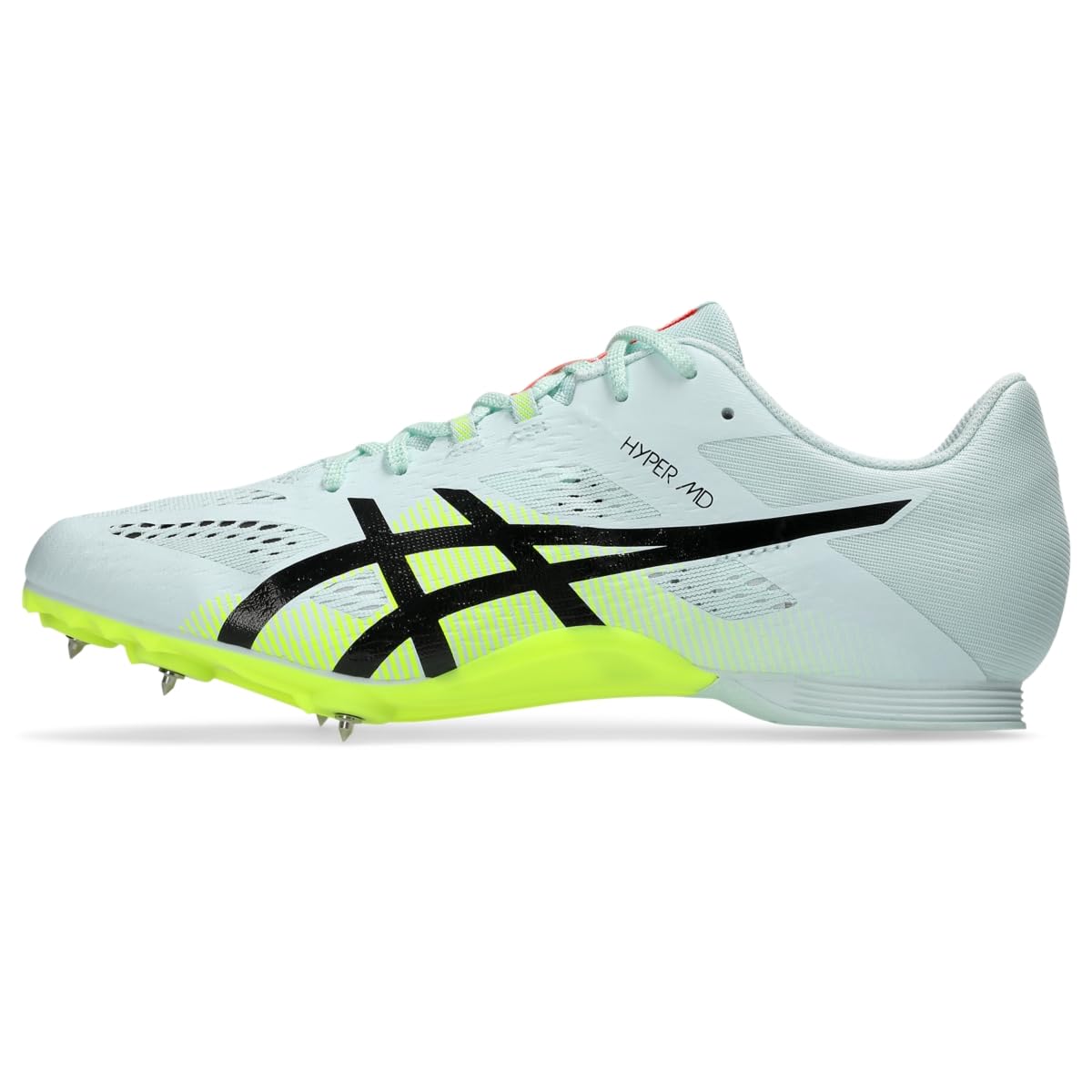
The ASICS Hyper MD 8 uses a SpEVA midsole — ASICS’s proprietary EVA blend — paired with a 6-pin spike plate to create a stable platform for 400m to 800m events. The midsole is firmer than the ZoomX or Lightstrike foams found in premium spikes, which translates to direct ground feel and fast transition through the toe-off phase. Reviewers say the shoe fits true to size, with a structured heel counter that locks the rearfoot in place during aggressive push-offs.
The spike plate extends under the forefoot only, so the midfoot and heel rely on the SpEVA foam for cushioning. This keeps the weight around 6.2 ounces in a size 9, slightly heavier than the Dragonfly but with a wider forefoot platform for better lateral stability on banked curves. Several parents of middle-school and high school athletes mentioned their kids found the Hyper MD 8 comfortable right out of the box with no break-in period needed.
The outsole rubber under the heel is thin, making this shoe less suitable for runners who land heavily on their heel over longer distances. The spike pins included are standard 1/4-inch, but the receptacles can also accept 3/8-inch pins for grass meets. For a mid-range spike that balances weight, structure, and price, the Hyper MD 8 is a reliable workhorse for young distance athletes.
Why it’s great
- SpEVA midsole gives firm ground feel for fast transition
- Structured heel counter locks rearfoot during push-off
- Wider forefoot platform improves stability on banked curves
Good to know
- Heel cushioning is minimal for heavy heel-strikers
- Foam is firmer than premium competitors
- Weight sits slightly above 6 oz for the model
4. Nike Zoom Mamba 6

The Zoom Mamba 6 uses an 8-pin spike plate with a nylon chassis to deliver the traction and stability needed for grass-course cross-country racing. The higher pin count and deeper recessed receptacles allow runners to swap in longer 3/8-inch pins without the outsoles bottoming out on soft turf. Reviewers describe the fit as true to size and the upper as comfortable for daily wear, with enough flex in the nylon plate to handle uneven terrain without feeling jarring.
The midfoot is reinforced by a nylon shank that prevents the shoe from twisting during off-camber landings, making it a strong choice for courses with sharp turns and elevation changes. The shoe weighs roughly 6.8 ounces in a size 9, heavier than track-specific spikes due to the larger spike plate and thicker mesh upper. Several high school athletes reported that the Mamba 6 held up through a full season of muddy races without delamination or spike-receptacle damage.
Some buyers noted the shoe does not come with extra spike pins, so you will need to purchase 3/8-inch pins separately for grass courses. The heel-to-toe drop sits around 8mm, higher than most distance spikes, which may feel unnatural for runners accustomed to a lower drop. For cross-country athletes who race primarily on grass and need reliable footing in wet conditions, the Mamba 6 is a strong premium option.
Why it’s great
- 8-pin spike plate provides exceptional traction on soft grass
- Nylon shank prevents twisting on uneven terrain
- Durable upper withstands muddy race conditions
Good to know
- Does not include spare spike pins
- 8mm drop may feel high for midfoot strikers
- Heavier than track-specific spikes at ~6.8 oz
5. Nike Rival Multi-Event Spikes

The Nike Rival Multi-Event spikes use a flex-groove plate with seven spike receptacles to create a versatile platform that works for both sprint events and distance races. The plate is made from a flexible nylon that bends through the forefoot but maintains enough stiffness for efficient toe-off on synthetic tracks. Reviewers mention the shoe fits true to size, and the lightweight mesh upper keeps the shoe comfortable for all-day meets.
The outsole uses a rubber compound with flex grooves that provide some grip even without pins installed, which is useful for warm-ups on hard surfaces. The spike configuration can accept standard 1/4-inch pins or longer 3/8-inch pins for grass events, giving athletes flexibility depending on meet conditions. Several users reported that the shoe comes with a drawstring bag and extra spikes, adding value for teams that need to store spikes between races.
A few customers experienced screw-in spikes loosening after a few races, which required retightening or replacement. The heel area lacks significant cushioning, so heavy heel-strikers may notice more impact on longer runs. For athletes who compete in both sprints and distance events and want one shoe that handles both, the Rival Multi-Event is a practical budget-friendly choice.
Why it’s great
- Flex-groove outsole provides grip even without pins
- 7-pin configuration accommodates short and long pins
- Comes with drawstring bag and extra spike pins
Good to know
- Screw-in spikes may loosen after several races
- Heel cushioning is minimal for distance events
- Plate flexibility limits energy return for advanced athletes
6. Brooks Draft XC Spikeless
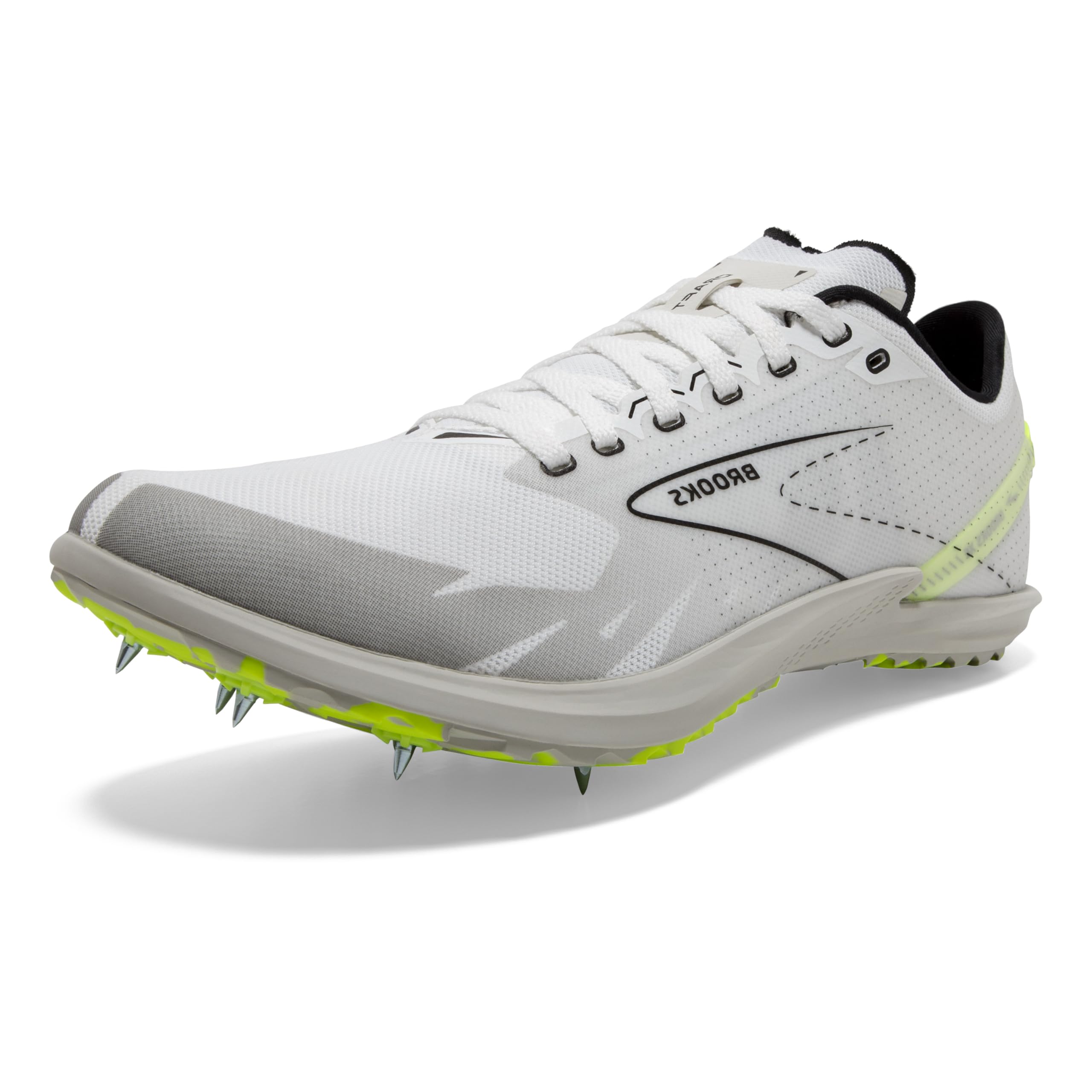
The Brooks Draft XC is a spikeless cross-country shoe that uses a multi-directional rubber outsole with shallow lugs to provide traction on grass without requiring removable spike pins. This eliminates the ongoing cost of replacing pins and makes the shoe legal for meets with spike-length restrictions. Reviewers consistently note the shoe fits true to size and offers a comfortable, supportive ride straight out of the box.
The upper uses a breathable mesh with synthetic overlays that add structure without adding significant weight, keeping the shoe around 7.3 ounces in a size 9. The midsole uses Brooks’s BioMoGo foam, which provides more cushioning than most budget spikes and makes the Draft XC a good option for high school athletes who want a single shoe for training and racing. Several parents mentioned their sons wore the shoes for an entire cross-country season and they still held up for track season.
The spikeless outsole lacks the aggressive bite of a traditional spike plate, so it can slip on wet grass or muddy downhill sections. The drop sits around 10mm, which is high for a distance spike and may feel clunky for runners accustomed to lower profiles. For athletes who race mainly on dry grass or hard-packed trails and want a low-maintenance shoe with no pins to manage, the Draft XC is a solid entry-level pick.
Why it’s great
- Spikeless design eliminates the need to replace pins
- BioMoGo foam provides better cushioning than budget spikes
- Fit is supportive and true to size with no break-in period
Good to know
- Outsole traction is limited on wet or muddy surfaces
- 10mm drop is higher than typical distance spikes
- Heavier than track-specific spikes at ~7.3 oz
7. Nike Zoom Rival XC 6
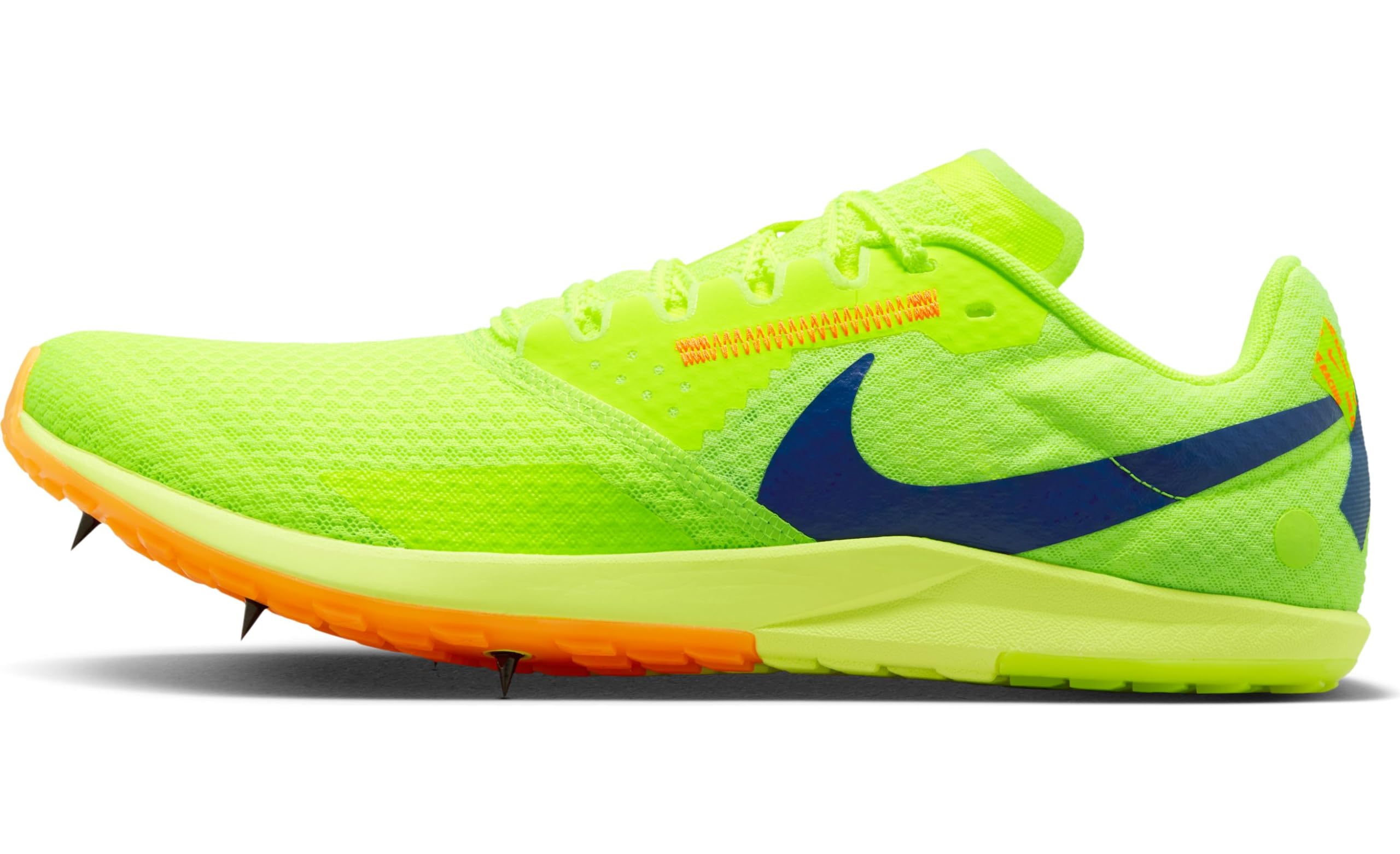
The Zoom Rival XC 6 uses a multi-surface rubber outsole with six spike receptacles to provide a budget-friendly entry into cross-country racing. The plate is made from a flexible nylon that bends easily through the forefoot, making the shoe forgiving for beginner runners who are still developing their foot strike. Several high school athletes reported that the Rival XC 6 felt comfortable for both short races and longer training runs, with no blisters or hot spots.
The upper is a standard mesh with a padded collar that provides moderate lockdown without being too tight. The shoe weighs around 7.5 ounces in a size 9, putting it on the heavier side for distance spikes but acceptable for recreational racers. The spike receptacles accept standard 1/4-inch pins, and the rubber outsole has shallow lugs that provide some grip even when spikes are not installed.
Some buyers received units with sand or debris in the bag, and a few noted that spike pins were missing on arrival. The heel cushioning is thin, so runners who land heavily on their heel may feel impact after 2 miles. For young athletes who need a functional cross-country spike at a low budget without sacrificing basic traction, the Rival XC 6 gets the job done.
Why it’s great
- Flexible nylon plate is forgiving for developing runners
- Rubber outsole lugs provide grip even without spike pins
- Padded collar improves comfort during longer training runs
Good to know
- Heavier than most distance spikes at ~7.5 oz
- Quality control issues with debris or missing pins in package
- Heel cushioning is minimal for distance events
FAQ
How many spike pins do I need for cross-country vs track racing?
Can I use sprint spikes for distance races without losing performance?
How do I know if a distance spike fits my foot type?
Final Thoughts: The Verdict
For most users, the best distance spikes winner is the Nike ZoomX Dragonfly because its combination of ZoomX foam and a responsive nylon plate delivers the best balance of weight, energy return, and comfort for 1600m through 3200m races. If you want maximum traction on grass courses and are willing to trade a little weight for an eight-pin spike plate, grab the Nike Zoom Mamba 6. And for a budget-friendly entry that still offers a six-pin plate and durable upper, nothing beats the Brooks Draft XC Spikeless for cross-country training and racing.

Mo Maruf
I created WellFizz to bridge the gap between vague wellness advice and actionable solutions. My mission is simple: to decode the research and give you practical tools you can actually use.
Beyond the data, I am a passionate traveler. I believe that stepping away from the screen to explore new environments is essential for mental clarity and physical vitality.