Our readers keep the lights on and my smoothie glass nicely filled. As an Amazon Associate, I earn from qualifying purchases.
The difference between finishing a long run feeling strong and limping for two days often comes down to the four ounces of foam and rubber between your foot and the pavement. Distance running demands a shoe that balances impact absorption with enough energy return to keep turnover efficient mile after mile. The wrong choice amplifies fatigue and invites overuse injuries that sideline training for weeks.
I’m Mohammad Maruf — the founder and writer behind WellFizz. I’ve spent hundreds of hours combing through customer feedback, material specifications, and real-world performance reports to isolate what truly separates a smart distance shoe from a marketing experiment.
This guide breaks down nine models across cushioning levels, platform widths, and ride feels so you can match your gait and goal to the right pair. Here is my take on the best distance running shoe for every type of runner and budget tier.
How To Choose The Best Distance Running Shoe
Distance running shoes are purpose-built to handle repetitive impact through the gait cycle for extended durations. Unlike a lightweight trainer you grab for a 5K, a distance shoe must prioritize sustained cushioning, stable platform geometry, and outsole durability that doesn’t degrade halfway through a marathon block. Start by matching the shoe’s character to your primary use case.
Stack Height and Foam Composition
Stack height — the amount of midsole material between your foot and the ground — directly dictates how much impact force reaches your joints. Shoes with more than 35mm of stack in the heel tend to feel plush and forgiving on pavement. Below 30mm, you start trading cushion for ground feel and a lower, more stable ride. The foam compound matters just as much. Supercritical foams like PEBA or nitrogen-infused EVA offer better energy return than standard EVA without adding weight. If you log most miles on concrete, prioritize higher stack paired with a resilient foam.
Platform Width and Stability Features
A narrow platform under a thick stack of foam can feel tippy, especially when fatigue sets in. Look for a wider forefoot and heel base if you tend to land off-center or have a history of ankle rolls. Some brands integrate a medial post, a firmer density foam on the arch side, to correct overpronation. Others rely on a wider stance and a guidance line carved into the outsole. For neutral runners, a wide platform delivers confidence without the aggressive correction of a stability shoe.
Outsole Rubber and Mileage Lifespan
Distance shoes eat miles quickly. Check whether the outsole uses blown rubber, carbon rubber, or a thin foam layer. Carbon rubber, often placed in high-wear heel zones, significantly extends the shoe’s usable life. Blown rubber feels softer and offers better wet grip but may go smooth before the midsole loses its bounce. If you expect to push a shoe past 400 miles, look for a rubber layout that covers the heel strike zone and the forefoot contact area without leaving large exposed midsole sections.
Quick Comparison
On smaller screens, swipe sideways to see the full table.
| Model | Category | Best For | Key Spec | Amazon |
|---|---|---|---|---|
| ASICS SUPERBLAST 2 | Neutral | Daily training & marathon pace | Turbocharged midsole with 45mm stack | Amazon |
| ASICS Gel-Nimbus 28 | Neutral | High-mileage plush comfort | Rearfoot Gel insert + PureGEL | Amazon |
| Brooks Glycerin Max | Neutral | All-day wear & max cushion | DNA Tuned midsole, 42mm stack | Amazon |
| Saucony Endorphin Pro 4 | Carbon Plate | Race day & speed work | Carbon fiber plate + PWRRUN PB foam | Amazon |
| New Balance Fresh Foam X More V5 | Neutral | Wide foot & max stability | Fresh Foam X, 38mm stack | Amazon |
| Brooks Cascadia 19 | Trail | Technical trail & ultramarathon | TrailTack outsole, Pivot Post system | Amazon |
| New Balance FuelCell Rebel V5 | Neutral | Medium distance tempo runs | FuelCell foam, 34mm stack | Amazon |
| Brooks Launch 11 | Neutral | Budget-friendly daily trainer | BioMoGo DNA midsole, 28mm stack | Amazon |
| Mizuno Wave Sky 8 | Neutral | Entry-level plush road running | XPOP midsole foam + Wave plate | Amazon |
In‑Depth Reviews
1. ASICS SUPERBLAST 2
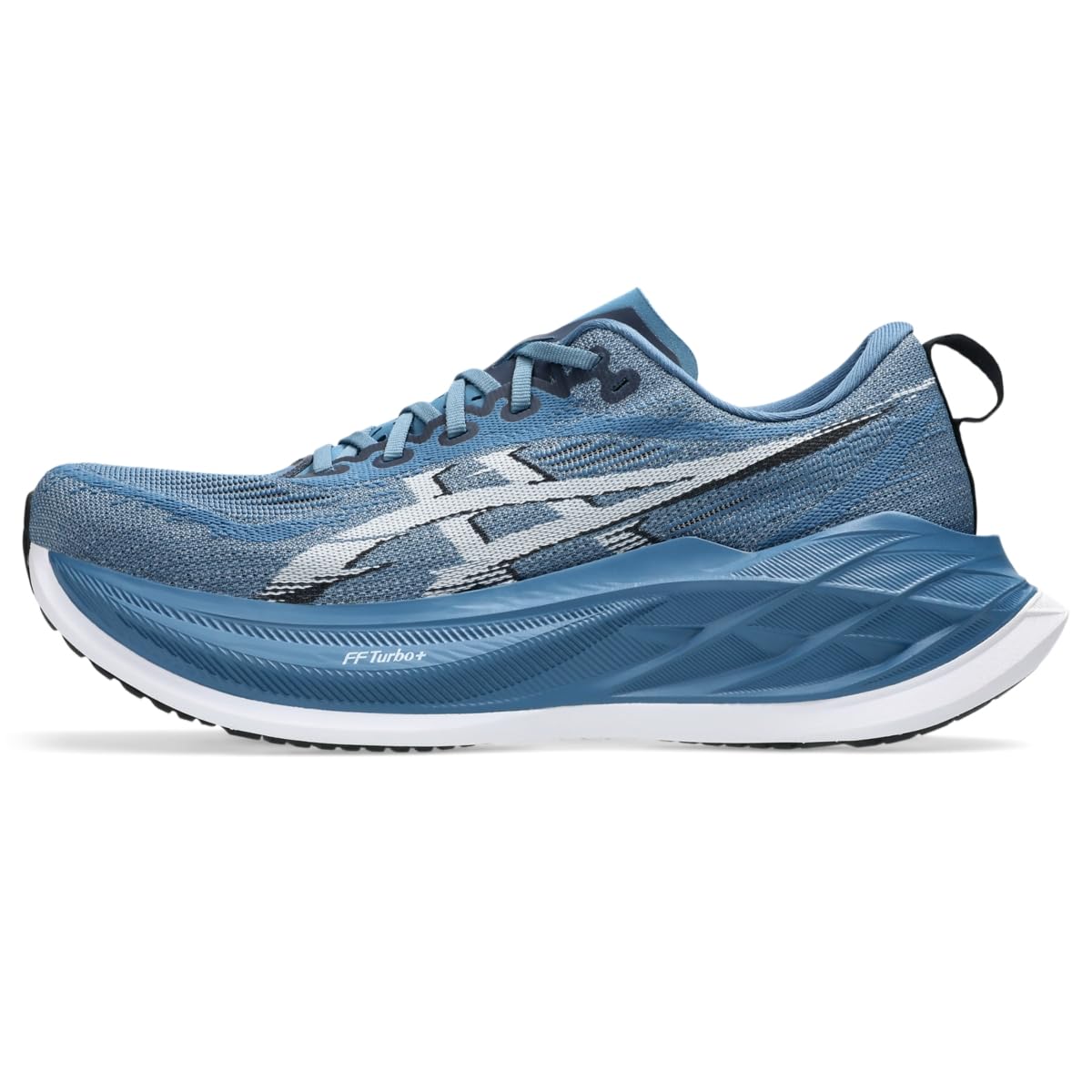
The SUPERBLAST 2 hits the sweet spot between pillowy cushion and propulsive bounce better than anything else in this lineup. Its midsole uses a lightweight supercritical foam that delivers a soft landing without the dead, bottomed-out feeling that plagues many max-cushion models. Reviewers consistently mention zero ankle-roll concern even with a 45mm stack, thanks to a wide heel base that keeps the platform stable when fatigue sets in on long runs.
Heavier runners, particularly those around 155 lbs and above, report that the foam holds its resilience across double-digit miles without turning mushy. The toe box offers enough room for natural splay, and many users note the shoe needs no break-in period — it feels dialed straight from the box. For pace versatility, the SUPERBLAST 2 handles everything from slow recovery jogs to marathon-goal pace without forcing your foot into a rigid rocker motion.
The only real trade-off is the price sits at the higher end of the mid-range tier, though the durability of the outsole rubber and the longevity of the foam make the per-mile cost reasonable. If you want one shoe that can do 90 percent of your weekly mileage, this is the pick.
Why it’s great
- Exceptional energy return paired with soft landing
- Stable platform rarely wobbles even at slow paces
- Zero break-in required out of the box
Good to know
- Premium mid-range pricing may stretch a tight budget
- Some runners may want more ground feel for very technical trails
2. ASICS Gel-Nimbus 28
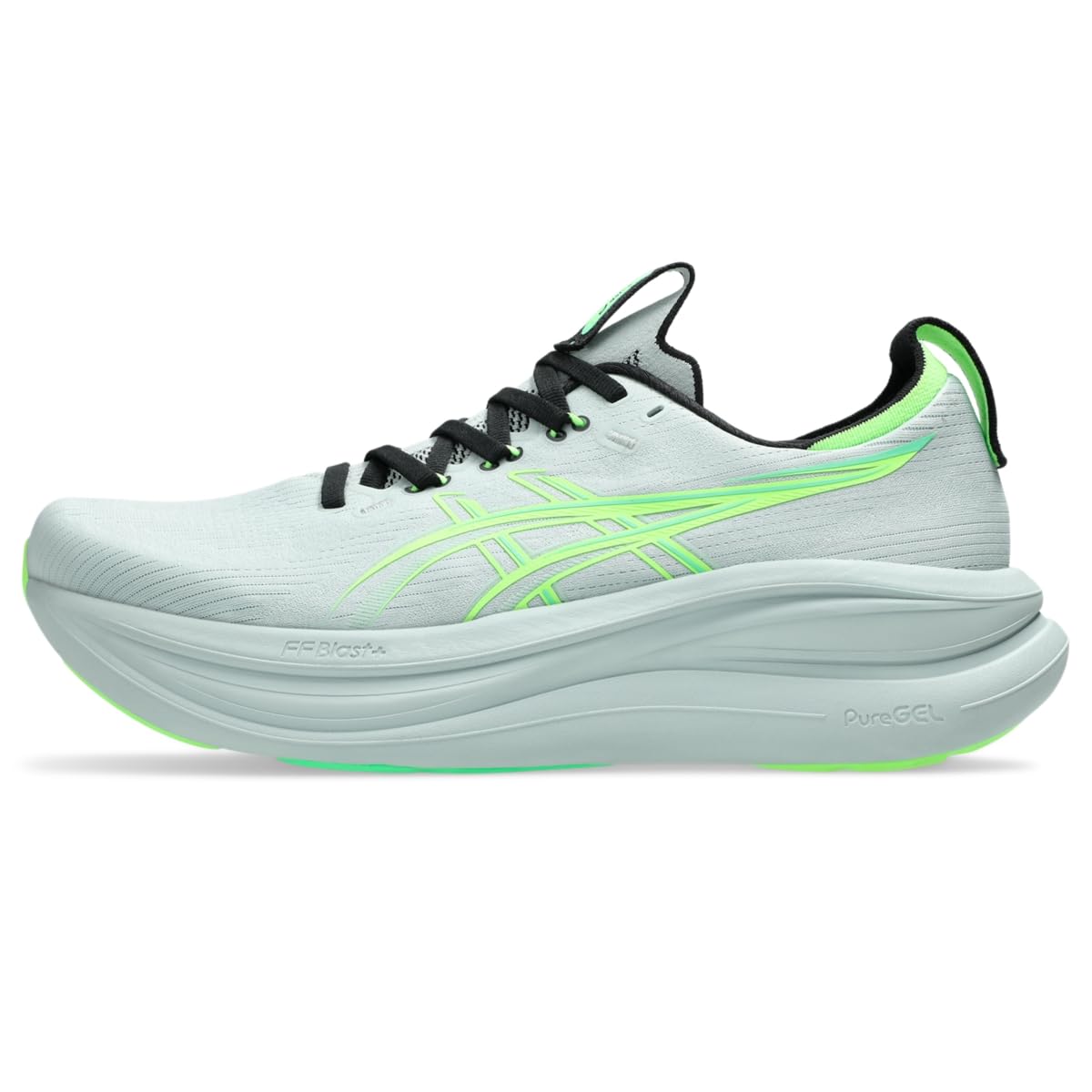
The Gel-Nimbus 28 represents the premium end of neutral cushioning. ASICS incorporated a new PureGEL insert in the rearfoot that absorbs impact more effectively than previous iterations, and reviewers coming off knee surgery or dealing with joint pain report this shoe allowed them to resume running without sharp pain. The upper feels high-quality and the grip on wet pavement draws consistent praise.
However, multiple users note that the sizing runs small and narrow compared to previous Nimbus models. A runner who wore an 11 wide in the Nimbus 26 found they needed an 11.5 extra-wide in the 28. The arch support is adequate for neutral feet, but some reviewers with high arches add a solid insert for more structure. The foam feels extremely light, noticeably lighter than many competitors in the same stack range.
If your priority is maximum impact protection for high weekly mileage and you have either narrow or wide feet (and can dial in the size), this shoe delivers a buttery ride that makes hard pavement feel like a track surface. Just budget extra time for a size exchange if you’re between widths.
Why it’s great
- Exceptional heel impact absorption aids injury recovery
- Remarkably lightweight for a high-stack trainer
- Excellent wet-surface grip outsole
Good to know
- Runs small and narrow — order up or go wide
- Higher price point in the premium tier
3. Brooks Glycerin Max

Brooks aimed the Glycerin Max squarely at runners who want the softest possible landing without feeling like they’re wading through mud. The DNA Tuned midsole uses different densities in the heel and forefoot — softer under the heel for initial impact, firmer toward the toe for a smoother toe-off. Reviewers with plantar fasciitis report that foot pain stopped after switching to this model, and the rocking chair sole shape encourages a natural forward roll.
The trade-off comes in weight and versatility. At a 42mm stack, this is a heavy shoe for standing around or walking long distances through an airport. Several users note it feels too bulky for walking or speed work and works best as a pure running shoe for steady-state miles. The wide toe box accommodates toe splay well, and the upper is machine-washable without degrading — a practical bonus for sweaty training blocks.
For the runner who logs most miles on pavement and wants a single shoe for both long runs and easy days, the Glycerin Max delivers a consistent, quiet ride without any break-in period. Just keep it reserved for running rather than all-day casual wear.
Why it’s great
- Dual-density DNA Tuned foam softens heel strike
- Wide toe box reduces hot spots on long runs
- Machine-washable upper holds up to repeated cleaning
Good to know
- Not ideal for walking or all-day standing due to weight
- Large stack may feel unstable at quick turns
4. Saucony Endorphin Pro 4
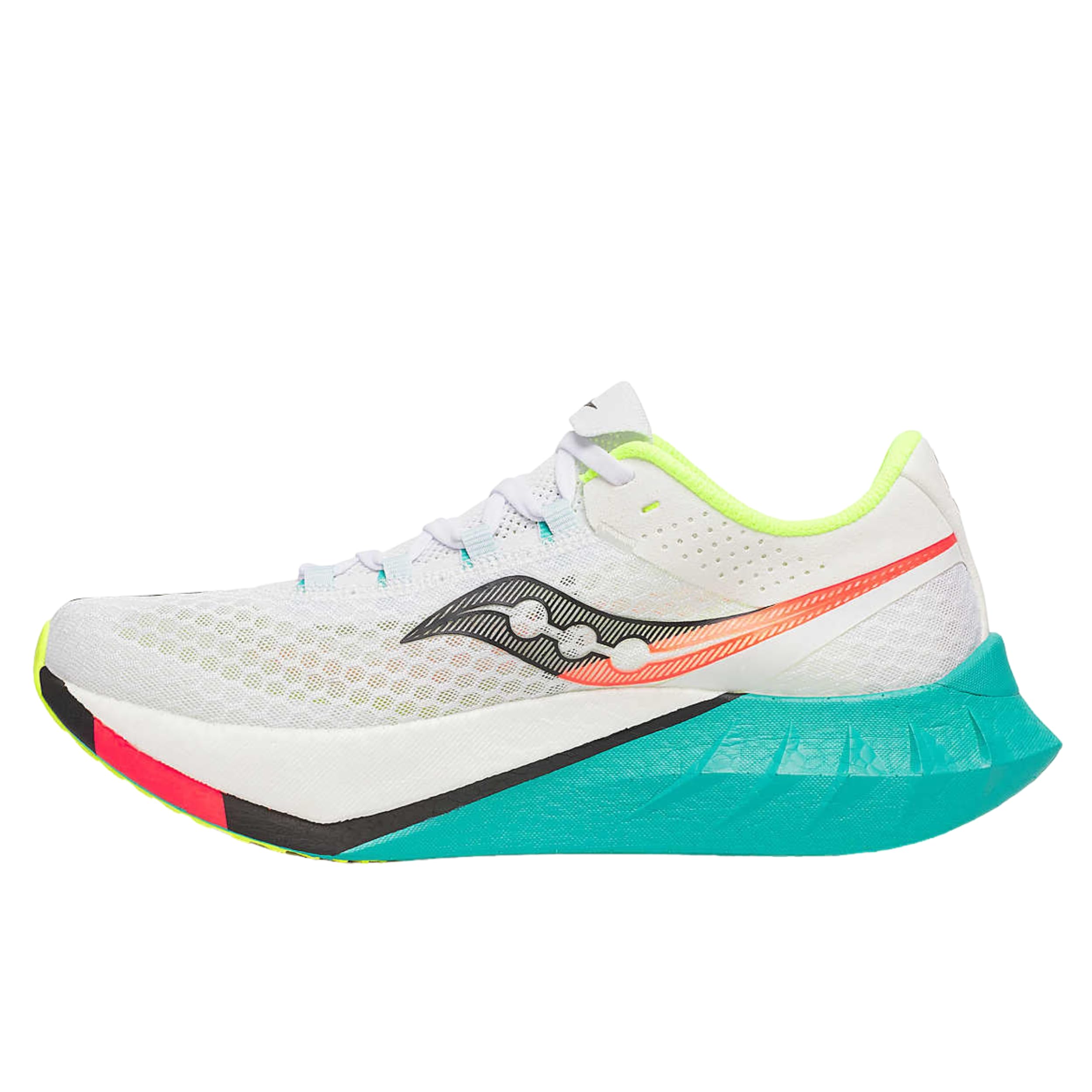
The Endorphin Pro 4 is a dedicated race-day shoe built around a carbon fiber plate sandwiched between PWRRUN PB foam. Its purpose is to maximize energy return at faster paces, and reviewers confirm it delivers a bouncy, propulsive feel that rewards efficient form. Multiple users describe it as extremely light and true to size without any heel slippage, and seasoned Saucony buyers place it among the best the brand has ever produced.
Durability reports are strong for a carbon-plated trainer — several reviewers log 200 to 400 miles before the foam starts to lose its snap. The heel wing tips, an aesthetic design element, may erode or peel off before the rest of the shoe wears out, but this appears cosmetic rather than structural. Some runners wish Saucony offered more subtle colorways instead of the current flashy palette.
If you have a marathon or half-marathon on the calendar and want a shoe that cuts seconds per mile without sacrificing comfort, the Endorphin Pro 4 justifies its premium price through race-ready performance. It is less suited as a daily trainer for slow recovery runs where the carbon plate feels too aggressive.
Why it’s great
- Carbon plate and PWRRUN PB foam deliver high energy return
- Lightweight, secure fit with no heel slip
- Surprisingly durable foam lasts through multiple race cycles
Good to know
- Heel wing tips can wear off cosmetically
- Not ideal for easy recovery or slow daily miles
5. New Balance Fresh Foam X More V5

The Fresh Foam X More V5 is designed for runners who need a wide platform and a soft ride without sacrificing stability. Its 38mm stack sits firmly in the max-cushion category, but the wider forefoot and heel base prevent the instability that sometimes accompanies thick midsoles. Reviewers with lymphedema, sciatica, and pronation issues all report that this shoe provides the support they need without corrective posting.
The Fresh Foam X compound is noticeably softer than standard EVA, yet it maintains enough structure to prevent the foot from sinking in and losing alignment. Users who bought multiple pairs note the shoe runs true to size in both standard and wide widths, and the knit upper breathes well during warm-weather runs. The white colorway gets dirty quickly, but the upper material is durable enough to survive regular cleaning.
This shoe is best suited for runners with medium to wide feet who prioritize stability and softness over speed. It works well for long, slow miles and recovery runs where comfort takes priority over pace.
Why it’s great
- Wide platform provides excellent stability without posts
- Soft Fresh Foam X reduces joint impact on pavement
- True-to-size fit with wide width options
Good to know
- Light color upper shows dirt fast
- Not a performance shoe for tempo or interval work
6. Brooks Cascadia 19
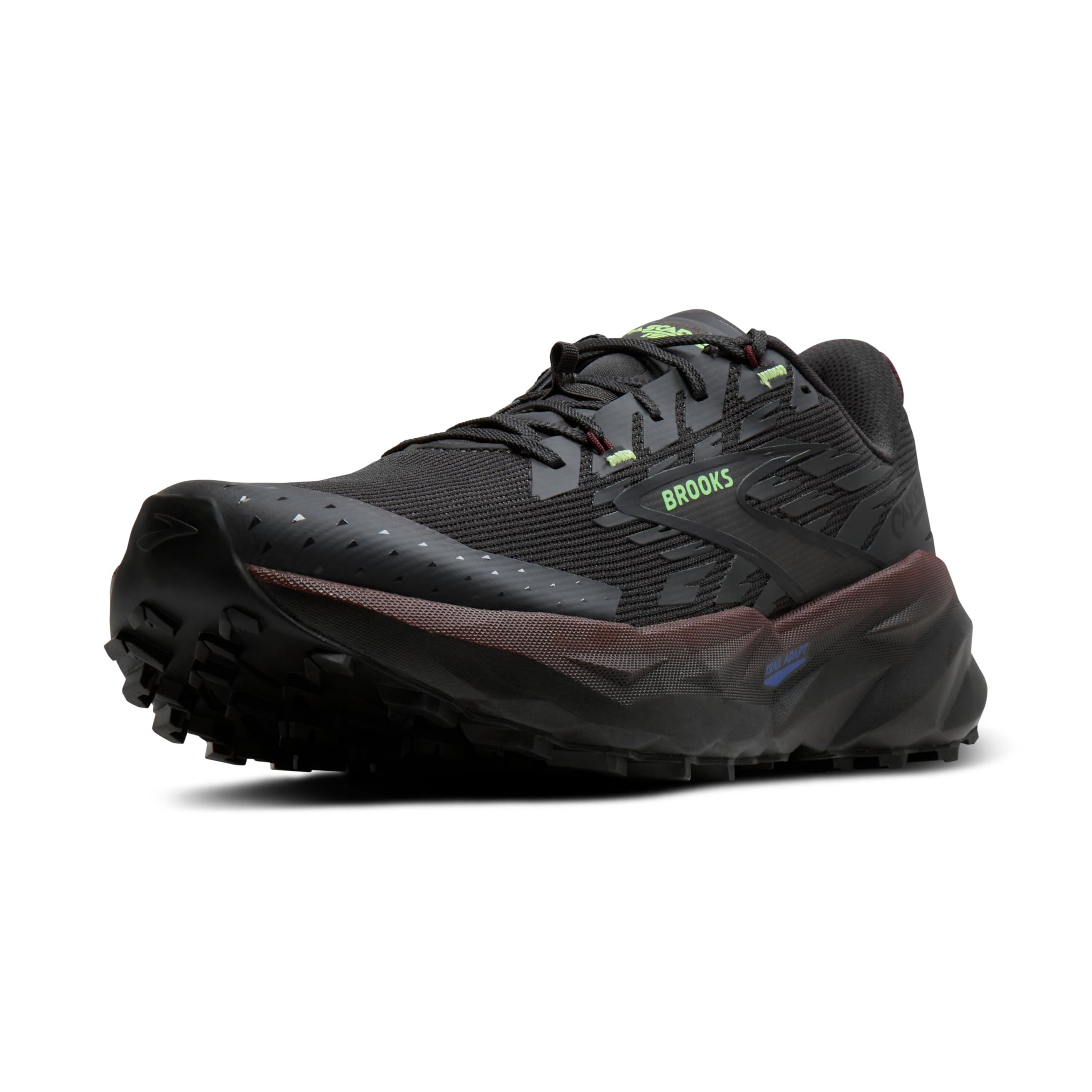
The Cascadia 19 is Brooks’ answer to the trail runner who wants a stable, comfortable platform for technical terrain without the stiffness of a traditional hiking boot. Its TrailTack rubber outsole provides consistent grip on dry rock and loose dirt, and the Pivot Post system at the heel allows the foot to move naturally over uneven ground while preventing ankle rolls. One reviewer completed a 50K race in these shoes and reported the cushioning remained comfortable through the full distance.
A key detail is the fit: Brooks’ standard sizing holds true across the Cascadia line, but some users found the wide version too spacious and switched to medium for a more secure hold around the midfoot. The lugs are adequate for most trail conditions, though reviewers tackling very steep or muddy terrain wished for more aggressive tread. Arch support is above average for a trail shoe, and the toe bumper offers decent protection against root stubs.
If your training includes trail miles alongside road work, the Cascadia 19 bridges both worlds well. It is not the fastest shoe on singletrack, but its comfort over ultra distances and its platform stability make it a top choice for runners who spend hours on their feet in variable terrain.
Why it’s great
- Excellent stability prevents ankle rolling on technical trails
- Comfortable cushioning holds up for ultra distances
- True-to-size Brooks fit with multiple width options
Good to know
- Lugs could be more aggressive for steep or muddy climbs
- Wide version may feel too loose for some foot shapes
7. New Balance FuelCell Rebel V5
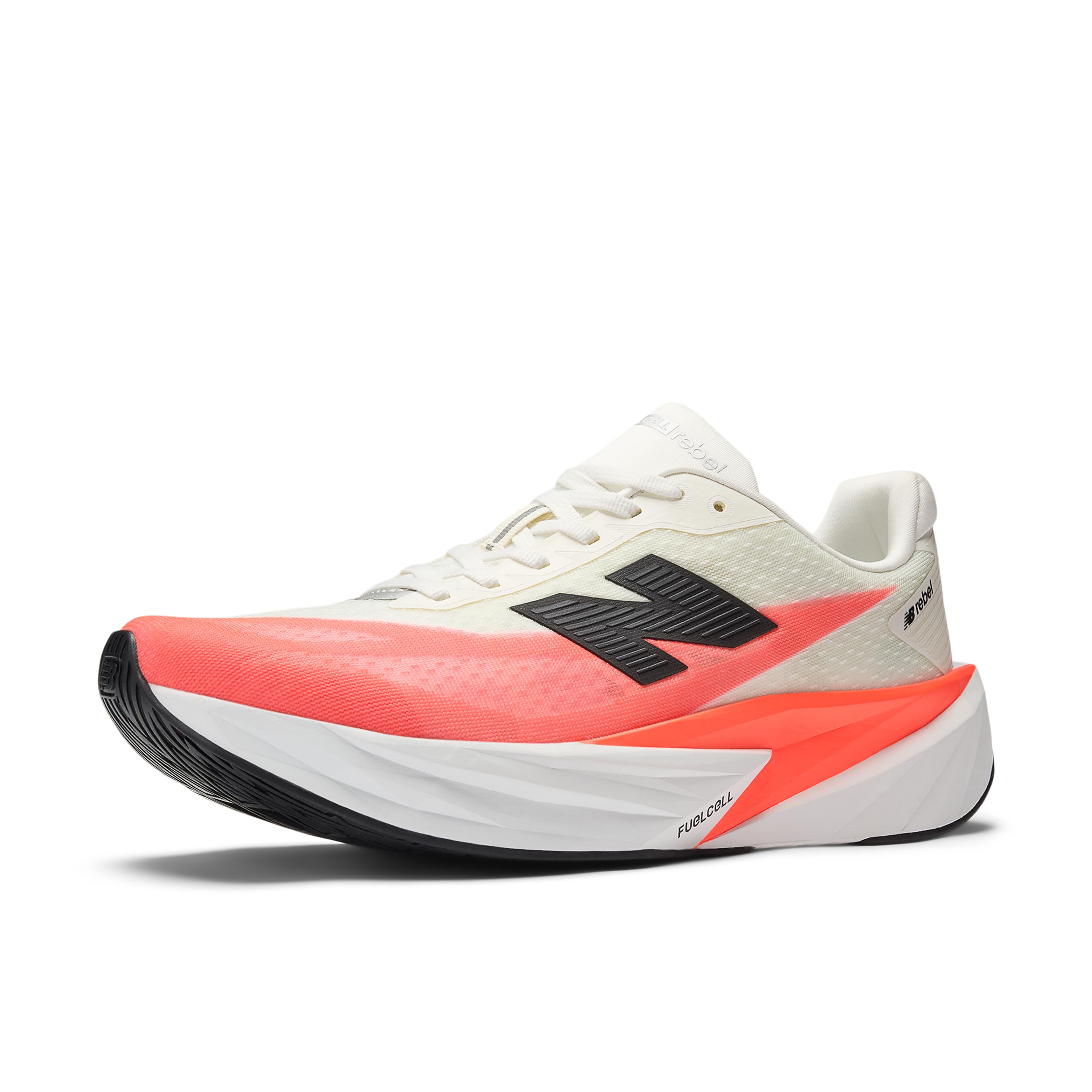
The FuelCell Rebel V5 sits in a versatile middle ground between a lightweight trainer and a max-cushion cruiser. Its 34mm stack delivers noticeable cushioning without sacrificing ground feel, and the FuelCell foam offers a springy, responsive ride that reviewers describe as ideal for medium-distance tempo runs in the 6-to-9-mile range. The upper breathes well and the fit runs true to size, though the tongue sits snug and may require a few wears to soften up.
Durability feedback is mixed but fair for this mid-range price point. The rubber outsole shows visible wear around the 75-to-100-mile mark, though the foam and upper remain functional well past 150 miles. Heavier runners note that the cushioning absorbs shock effectively but delivers moderate energy return — it’s comfortable rather than propulsive. The higher-than-expected stack still offers decent ground feel thanks to a well-tuned midsole shape.
The Rebel V5 is a smart pick for the runner looking for a do-it-all shoe that leans toward faster efforts without being specialized. It handles daily miles, tempo runs, and even shorter races without the weight penalty of a max-cushion trainer.
Why it’s great
- Responsive FuelCell foam works well for tempo runs
- Lightweight and breathable upper for warm conditions
- Versatile enough for both daily training and faster sessions
Good to know
- Outsole rubber wears quicker than premium competitors
- Snug tongue may need a short break-in period
8. Brooks Launch 11
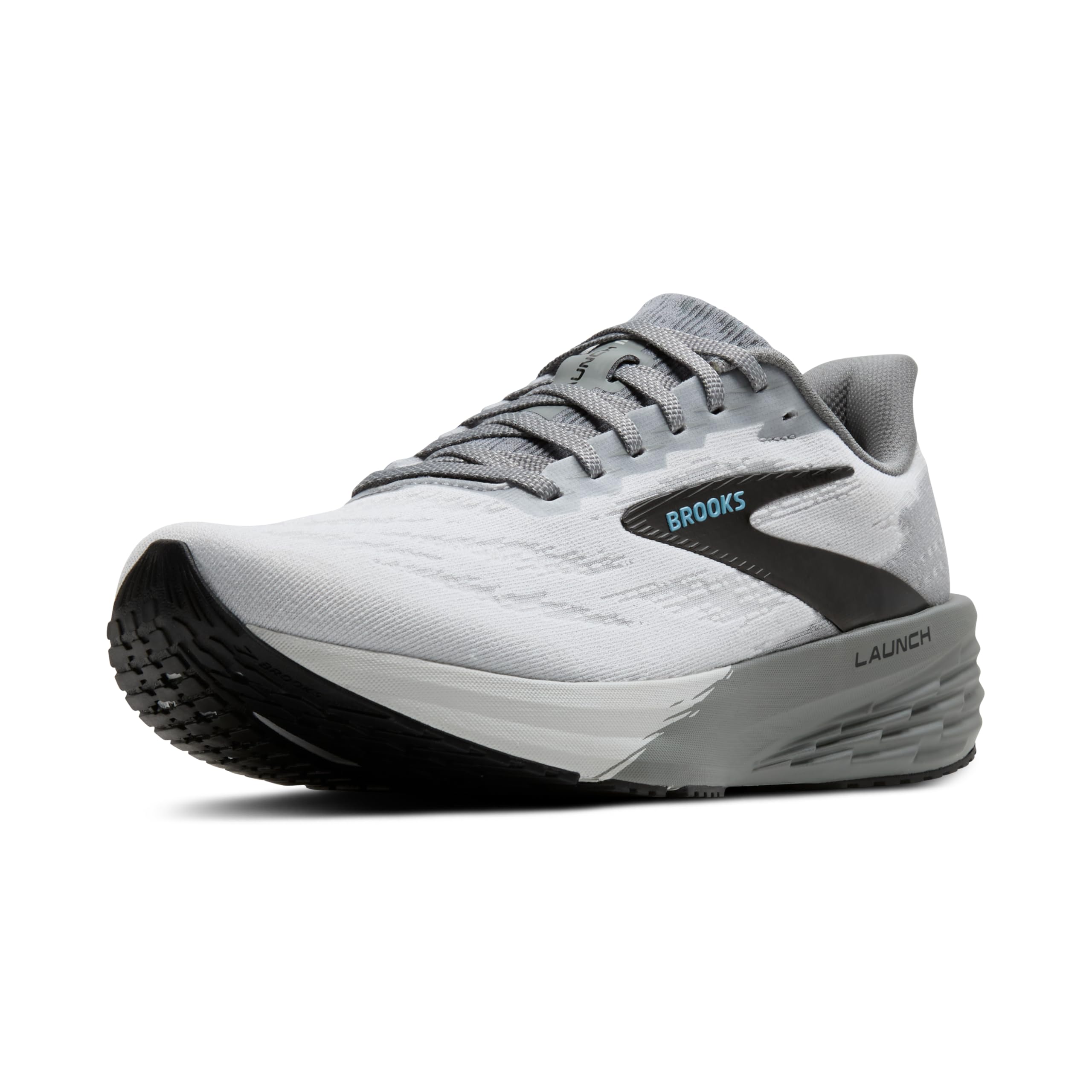
The Brooks Launch 11 proves that a lower stack height can still deliver distance-friendly comfort if the foam is right. Its BioMoGo DNA midsole adapts to your stride and provides a balanced ride that reviewers find comfortable for 2-to-10-mile runs without causing foot fatigue. The wide toe box is a standout feature — runners needing more forefoot space report that this model accommodates them without feeling sloppy at the heel.
Multiple users praise the outsole grip on wet pavement and the lightweight, breathable upper that holds up well to regular use. The fit runs slightly small according to several reviewers, so ordering half a size up is a safe move if you’re between sizes. The 28mm stack means you get more ground feel and less impact protection than the max-cushion options, so heavier runners or those with joint concerns may want a plusher model.
For the budget-conscious distance runner who wants a reliable, no-nonsense daily trainer from a trusted brand, the Launch 11 delivers consistent performance without flashy tech that drives up the price. It suits shorter-to-medium distance training better than 20-mile marathons.
Why it’s great
- Wide toe box fits comfortably without heel slip
- BioMoGo DNA foam provides adaptive, balanced cushioning
- Outsole grip holds well on wet roads
Good to know
- Runs slightly small — consider half size up
- Lower stack offers less impact protection for heavy runners
9. Mizuno Wave Sky 8
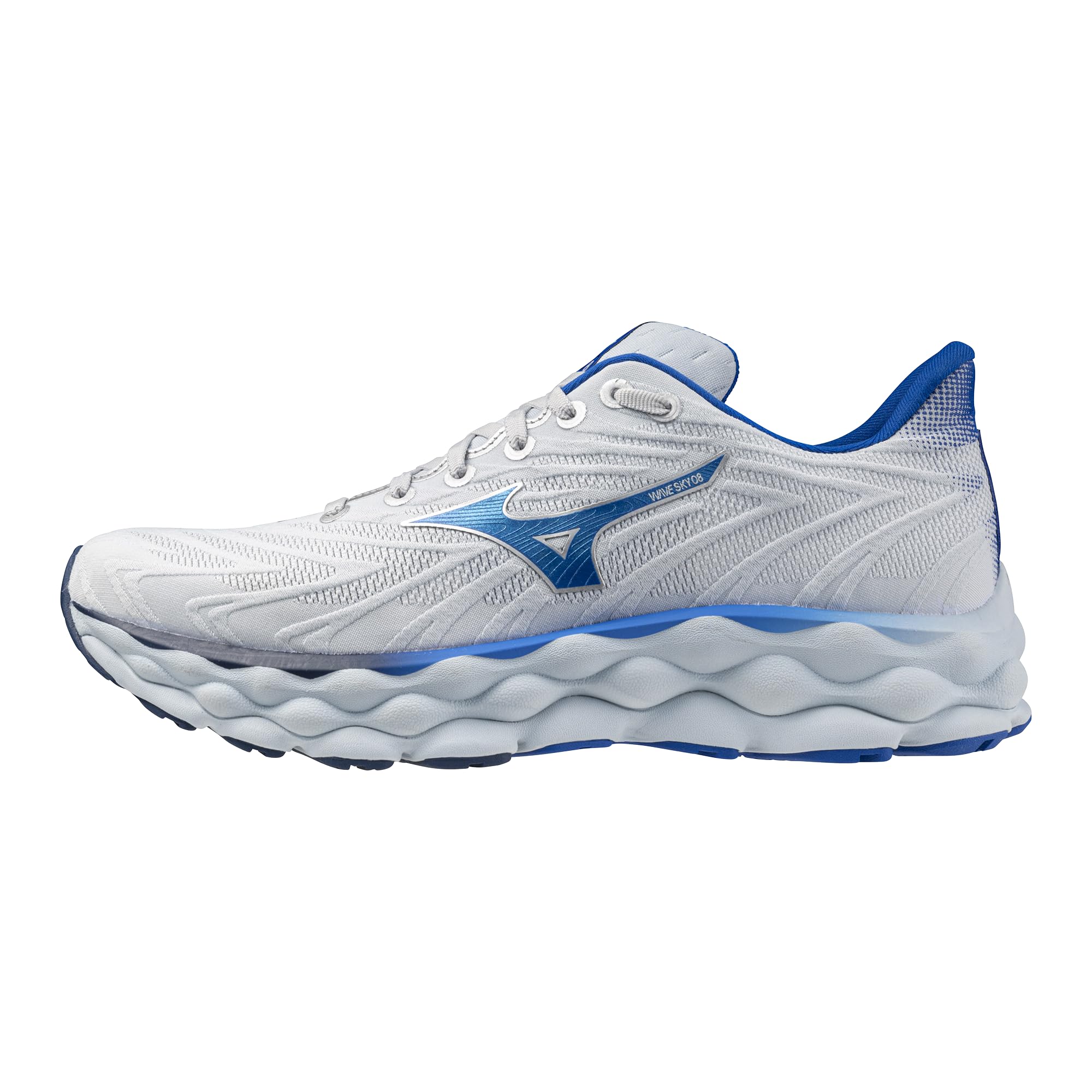
Mizuno’s Wave Sky 8 uses a unique combination of XPOP foam and a Wave plate to create a cushioned ride that feels noticeably light on the foot. Reviewers describe the effect as walking on a “light cushion of air” that reduces joint pain significantly compared to stiffer budget brands. The upper is comfortable and true to size, and multiple users report buying repeat pairs — a strong signal of satisfaction over the long term.
The catch emerges when you push beyond easy pavement miles. Several reviewers note that the shoe lacks lateral support and stability for uneven outdoor surfaces, where the cushioning can feel bottomed out for runners over 180 lbs. It shines best as a pure road or treadmill shoe for recovery runs and everyday comfort. The long-term durability of the midsole is an open question based on early feedback, but the initial experience is overwhelmingly positive for impact absorption.
If you’re looking for an entry into the premium cushioning world without paying the top-tier price, the Wave Sky 8 offers a lightweight, comfortable ride for shorter-to-medium distance road runs. Just keep it on smooth surfaces and away from technical terrain.
Why it’s great
- Extremely lightweight feel with noticeable shock absorption
- True-to-size fit with comfortable upper
- Dramatically reduces joint pain for many runners
Good to know
- Lacks lateral support for uneven outdoor terrain
- Cushioning may bottom out for heavier runners
FAQ
How many miles should a distance running shoe last?
What is the ideal heel-to-toe drop for marathon training?
Should I choose a neutral or stability shoe for long distances?
Final Thoughts: The Verdict
For most users, the best distance running shoe winner is the ASICS SUPERBLAST 2 because it combines a high 45mm stack with a turbocharged foam that delivers soft impact absorption and responsive energy return without the weight premium of a super-shoe. If you want maximum plushness with a rockered ride for recovery and long steady miles, grab the Brooks Glycerin Max. And for a budget-conscious daily trainer that still delivers reliable comfort, nothing beats the Brooks Launch 11.

Mo Maruf
I created WellFizz to bridge the gap between vague wellness advice and actionable solutions. My mission is simple: to decode the research and give you practical tools you can actually use.
Beyond the data, I am a passionate traveler. I believe that stepping away from the screen to explore new environments is essential for mental clarity and physical vitality.