Our readers keep the lights on and my smoothie glass nicely filled. As an Amazon Associate, I earn from qualifying purchases.
The frustration is universal: you plant a climbing rose, envisioning a wall of romantic blooms, only to watch black spot strip the leaves by August. The difference between a labor-intensive vertical garden and a low-maintenance one comes down to genetics, not luck. Breeders have spent decades selecting for resistance, and the market now offers own-root climbers that shrug off rust, mildew, and black spot without a weekly spray schedule.
I’m Mohammad Maruf — the founder and writer behind WellFizz. My approach to this guide involved cross-referencing USDA hardiness zone performance, customer-reported disease history, and the root-stock type for each variety to separate genuinely resilient genetics from marketing claims.
This guide focuses on seven varieties that earned their reputation for health and vigor in real gardens, helping you narrow down the best disease resistant climbing roses for your trellis, arbor, or fence line without guesswork.
How To Choose The Best Disease Resistant Climbing Roses
Not all climbing roses are bred with the same immune system. When a variety is described as disease resistant, the claim usually refers to its genetic tolerance to black spot, powdery mildew, and rust — the three fungal threats that shorten a rose’s lifespan and strip its foliage. The first decision is between own-root and grafted stock. Own-root plants grow from a cutting of the original variety, so the entire plant carries the same disease resistance. Grafted plants join a resistant rootstock to a top variety, which can suffer from rootstock suckers that lack the desired traits.
Evaluate Mature Size Against Your Structure
A climbing rose that reaches 12 feet demands a different support than one topping out at 7 feet. Measure your trellis or arbor height before choosing. Varieties in the 10- to 12-foot range suit tall fences and archways, while compact climbers around 6 to 7 feet work on shorter pillars or cottage-style arbors. Overcrowding a small frame with a vigorous climber leads to poor airflow and invites the very diseases you are trying to avoid.
Match Bloom Cycle to Your Maintenance Tolerance
Continuous bloomers produce flowers from spring through fall, which means more deadheading and spent-petal cleanup. Recurrent or flush bloomers throw a heavy spring flush followed by scattered summer flowers — less work, but a shorter peak show. Disease-resistant varieties often come from modern breeding programs that prioritize reblooming without sacrificing health. If you want low effort and long color, choose a variety labeled as continual blooming and own-root.
Quick Comparison
On smaller screens, swipe sideways to see the full table.
| Model | Category | Best For | Key Spec | Amazon |
|---|---|---|---|---|
| Pretty in Pink Eden | Premium | Best Overall | Mature Height 12 ft | Amazon |
| Red Eden Climbing | Premium | Vigorous Coverage | Mature Width 10 ft | Amazon |
| Heirloom Eden Climber | Premium | Large Walls | Mature Height 10 ft | Amazon |
| Heirloom Florentina | Mid-Range | Fragrant Blooms | Height 7 ft x Width 3 ft | Amazon |
| Sunbelt Plum Perfect | Mid-Range | Compact Spaces | Mature Height 3 ft | Amazon |
| Parfuma Earth Angel | Premium | Intense Fragrance | Height 5 ft x Width 4 ft | Amazon |
| Rise Up Ringo | Mid-Range | Entry-Level Value | Mature Height 36 in | Amazon |
In‑Depth Reviews
1. Pretty in Pink Eden Climbing Rose
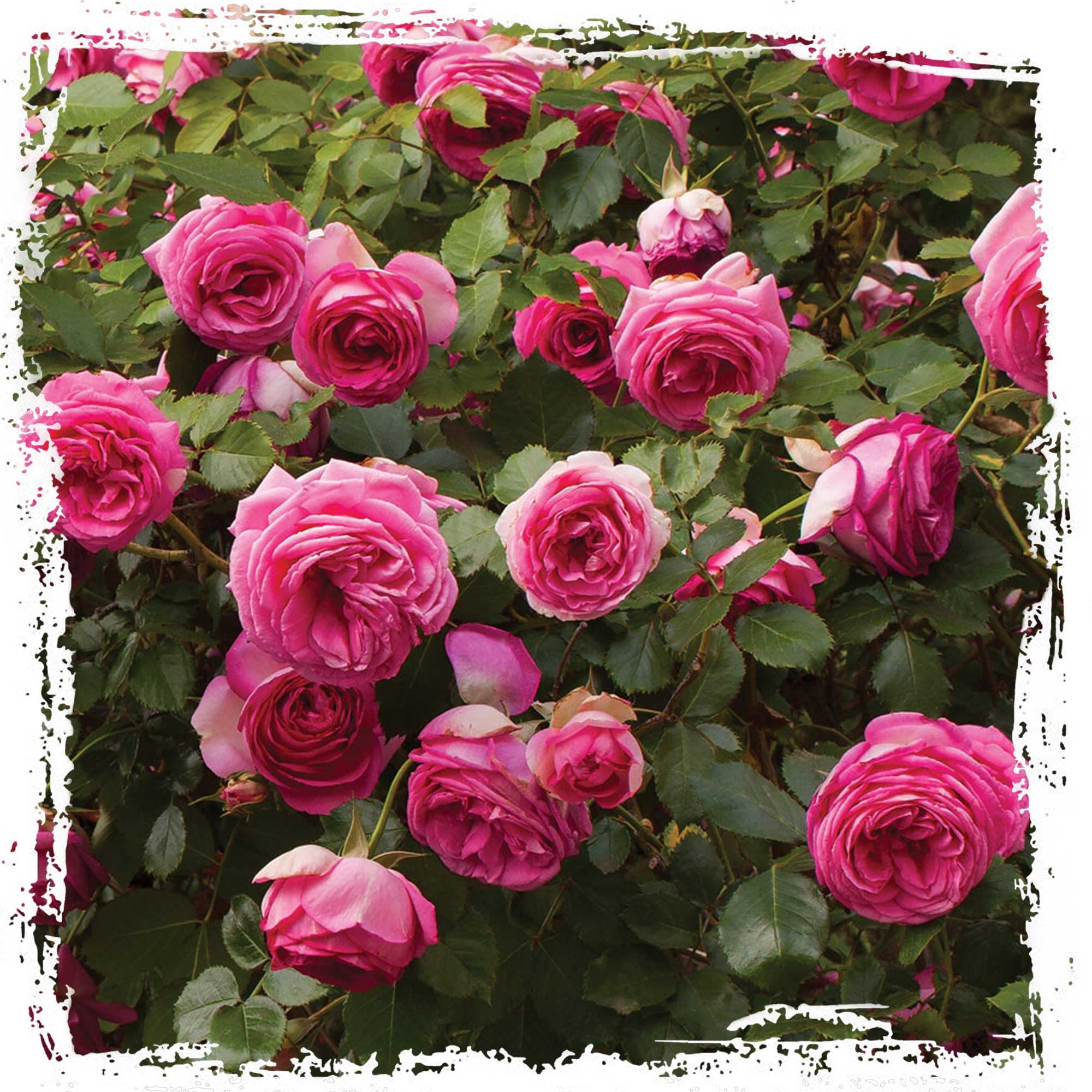
This Romantica series climber reaches a full 12 feet tall and 7 feet wide, making it a true statement piece for a tall trellis or large arbor. The double hot-pink flowers carry 70 to 80 petals each and rebloom repeatedly throughout the growing season. Own-root genetics mean every cane shares the same disease-resistant profile, and the fast-start fertilizer included in the fiber pot gives new plantings a strong head start.
Customer reports confirm it survived a harsh winter buried under four feet of snow at 6,200 feet elevation, emerging bushy and vigorous the following spring. The fragrance increases as the plant establishes, and the extended bloom time keeps color visible from spring through fall. It thrives in zones 5 through 9 and prefers full sun with loam soil and regular watering.
Gardeners looking for a low-maintenance climber that covers a large vertical area without constant spraying will appreciate the consistent health reports. The own-root system eliminates rootstock sucker issues, and the heavy petal count offers a classic old-rose appearance without the typical disease susceptibility of heritage varieties.
Why it’s great
- Own-root construction ensures uniform disease resistance across all canes
- Extended bloom time provides color from spring through first frost
- Survives cold winters with reliable regrowth
Good to know
- Requires a strong support structure due to mature size and weight
- May take a full season to establish before vigorous blooming starts
2. Red Eden Climbing Rose
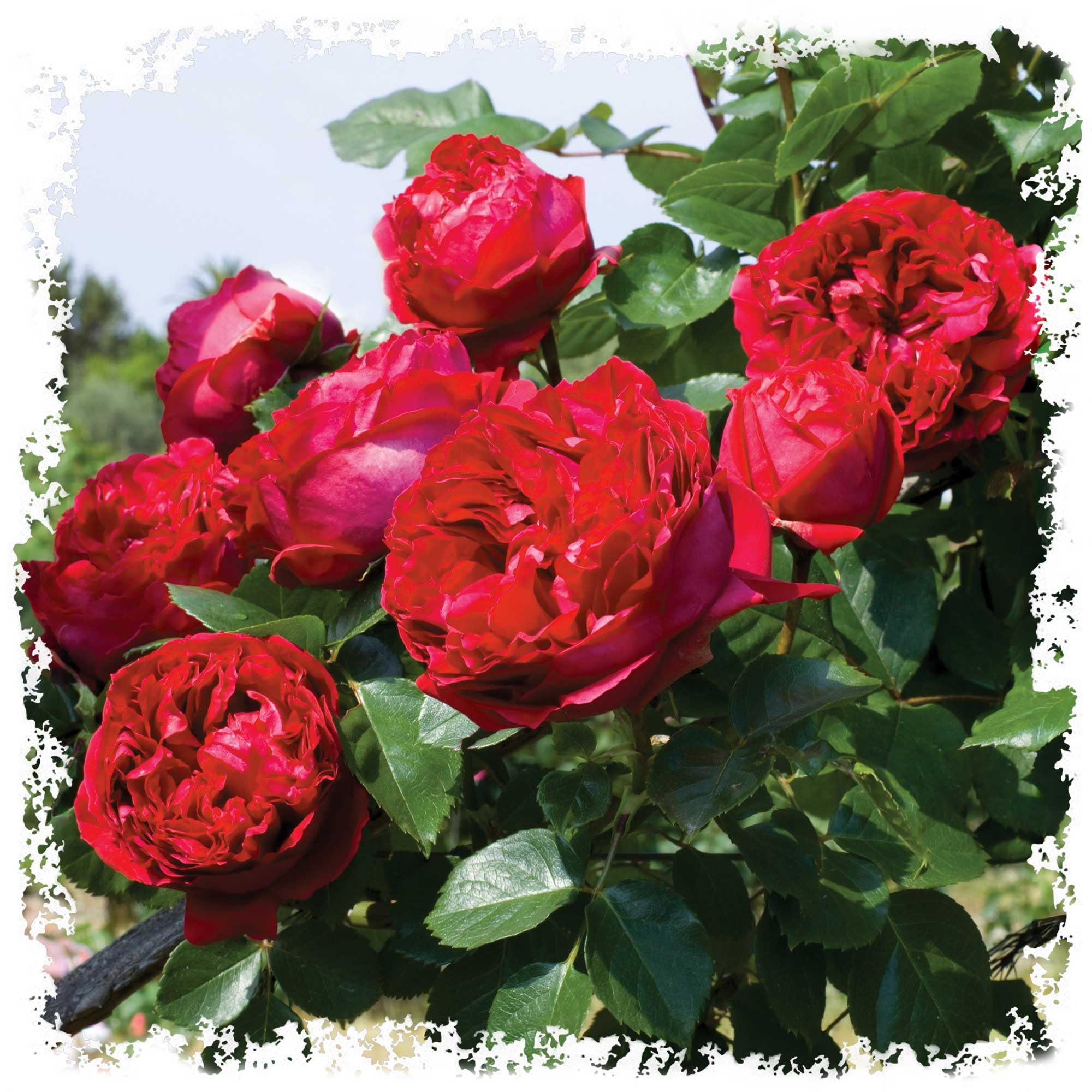
The red cousin of the Pretty in Pink Eden, this climber pushes the boundaries further with a 10- to 12-foot height and an impressive 8- to 10-foot spread. Its old-English rose fragrance and reblooming red flowers make it a favorite for covering wide fences or paired archways. The own-root construction ensures the same disease-resistant advantages as its pink counterpart, with an extended bloom period that lasts from spring into fall.
One customer reported seeing new growth within 48 hours of planting and full blooms by month three, while another noted that it outperformed Don Juan and New Dawn in height and bloom count even with less direct sunlight. The moderately fragrant flowers are reminiscent of classic English garden roses, adding a sensory layer to the visual coverage.
Gardeners planning to dress a large wall or need a wide-spreading climber will appreciate the mature width. The fiber pot with embedded fertilizer simplifies transplanting, and the semi-dormant shipping method reduces transplant shock. It thrives in zones 5 through 9 with full sun exposure and regular watering.
Why it’s great
- Spreads up to 10 feet wide for rapid wall or fence coverage
- Own-root construction delivers uniform disease resistance
- Old-English rose fragrance intensifies as plant matures
Good to know
- Demands a large support structure due to substantial width
- Initial blooms may appear smaller until plant establishes fully
3. Heirloom Eden Climber
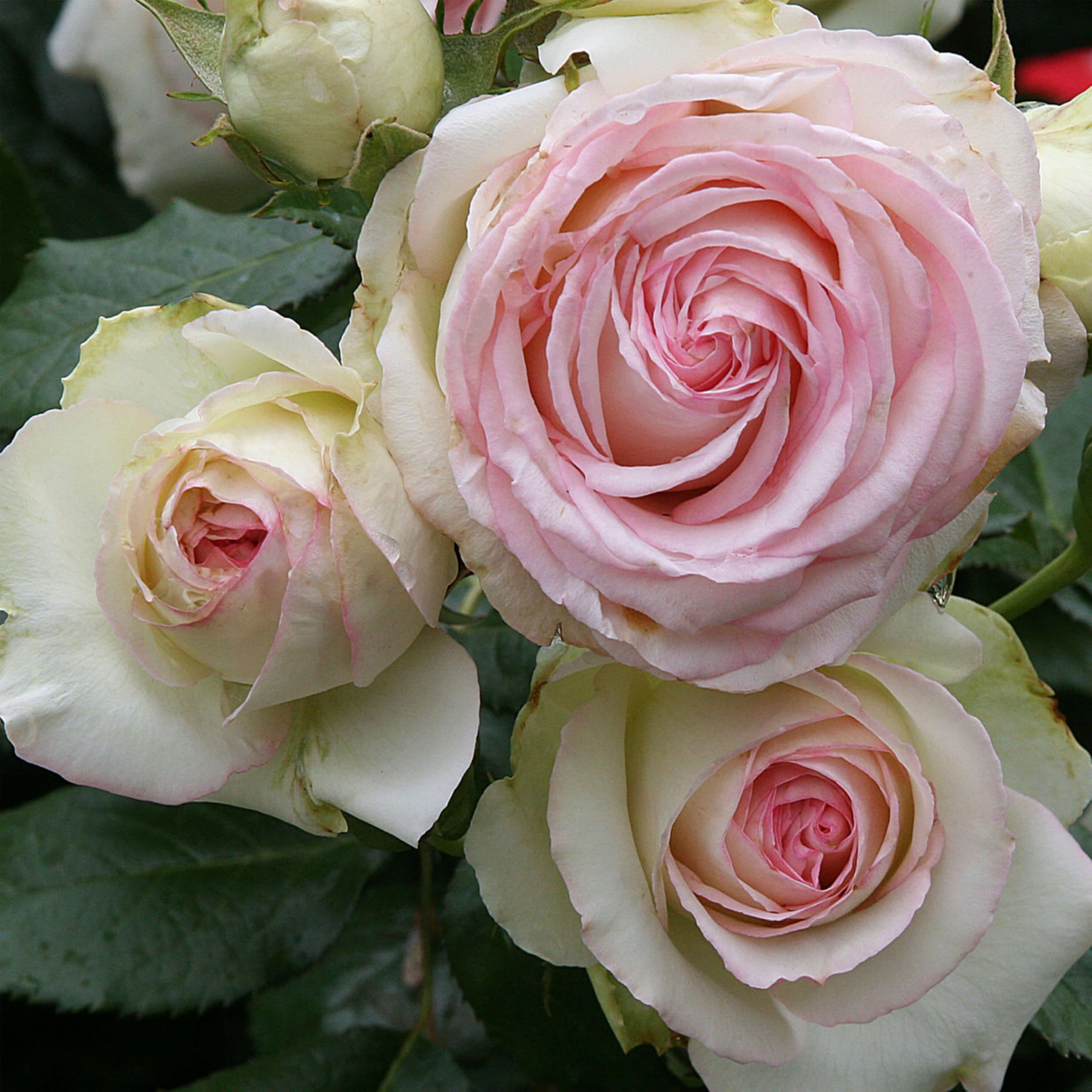
This Heirloom Roses offering reaches 10 feet tall with a 6-foot spread, slotting between the compact and giant climbers. It ships as a live own-root plant in a 1-gallon container with rich soil, arriving 12 to 15 inches tall. The repeat blooming habit produces flowers in flushes throughout the season, and the lightly fragrant blooms match the classic Eden color palette.
Customer feedback highlights fast growth in challenging climates — one gardener in West Texas reported buds within three weeks despite strong winds, while a buyer in New Mexico noted that the plant leafed out after just one week on a north-facing patio. The hardiness range covers zones 5 through 10, giving it one of the widest adaptability windows among the options reviewed.
This climber suits gardeners who want the Eden look in a tall, vigorous form but prefer a slightly more compact spread than the Red Eden. The own-root genetics eliminate rootstock issues, and the moderate watering needs align with standard rose care routines. The accompanying planting instructions are detailed, reducing the learning curve for first-time rose growers.
Why it’s great
- Vigorous growth in diverse climates from Texas to New Mexico
- Own-root structure ensures consistent disease resistance
- Quick establishment with visible new growth within one week
Good to know
- Hardiness zone warranty requires avoiding granular fertilizer
- Some buyers reported slower recovery after first winter
4. Heirloom Florentina Climbing Rose
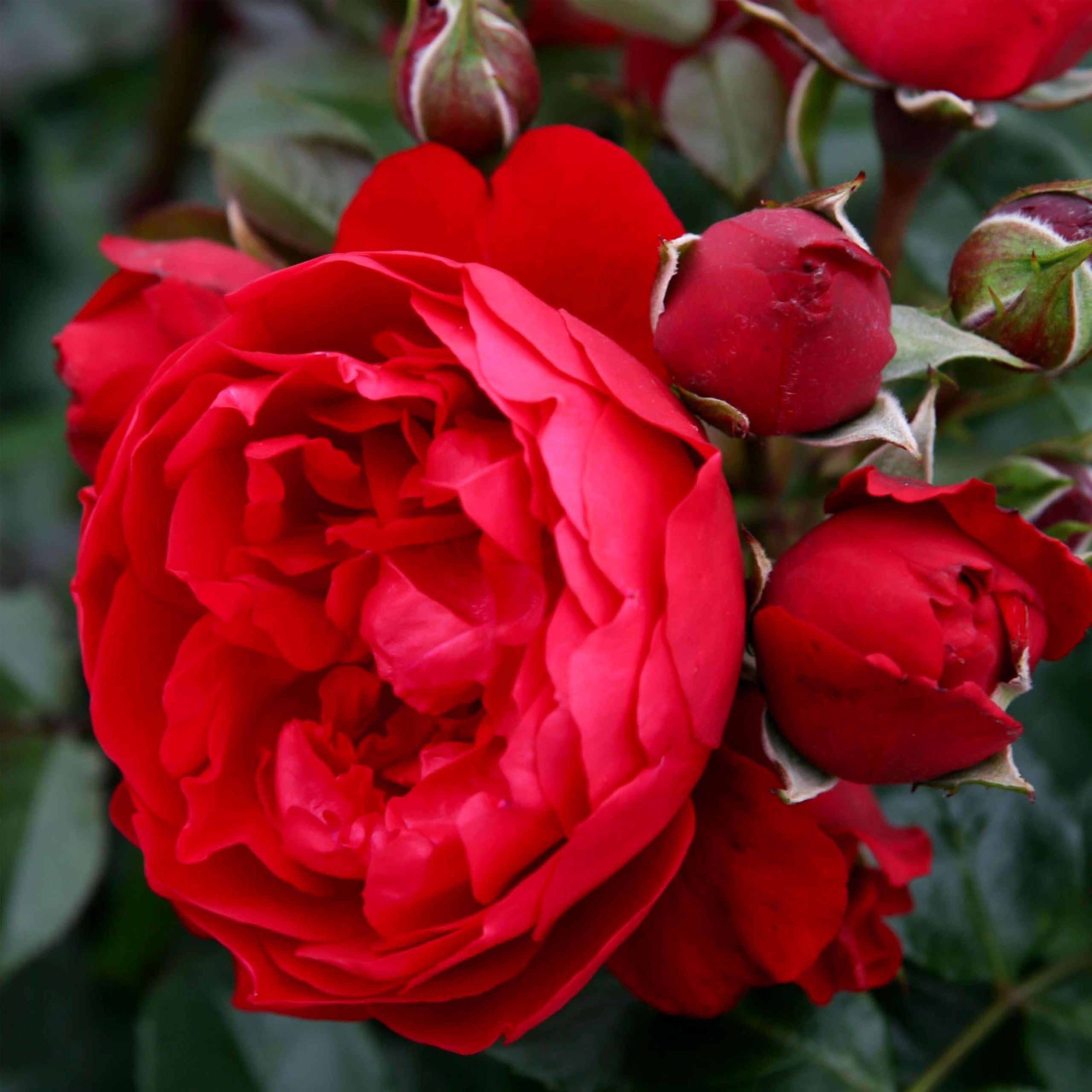
Florentina from Heirloom Roses brings a moderately fragrant, continual-blooming profile to a manageable 7-foot height with a 3-foot spread. This is an excellent choice for shorter trellises and cottage-style arbors where a full-size 12-foot climber would overpower the structure. The live own-root plant ships in a 1-gallon container and is suitable for zones 5 through 10.
One customer described it as “the roses from Snow White movie,” noting that the plant thrived on a wall for years. Another reviewer reported that Florentina outperformed Don Juan and New Dawn in height and bloom count with less sun, and confirmed no black spot presence after four years of growth. The plant arrives 12 to 15 inches tall and may be partially defoliated for shipping, but establishes rapidly in full sun with sandy soil.
This variety is well suited for gardeners who want reliable disease resistance in a compact climbing form. The continual blooming habit keeps color coming from spring through fall without the extended gaps that flush bloomers produce. The moderate fragrance adds presence without being overwhelming in a small garden.
Why it’s great
- Proven black spot resistance in long-term multi-year gardens
- Compact 7-foot height fits smaller trellises and arbors
- Outperforms classic climbers like Don Juan in bloom count
Good to know
- Some customers reported poor customer service on replacements
- Fertilizer warranty voids if granular rose food is used
5. Sunbelt Plum Perfect Floribunda
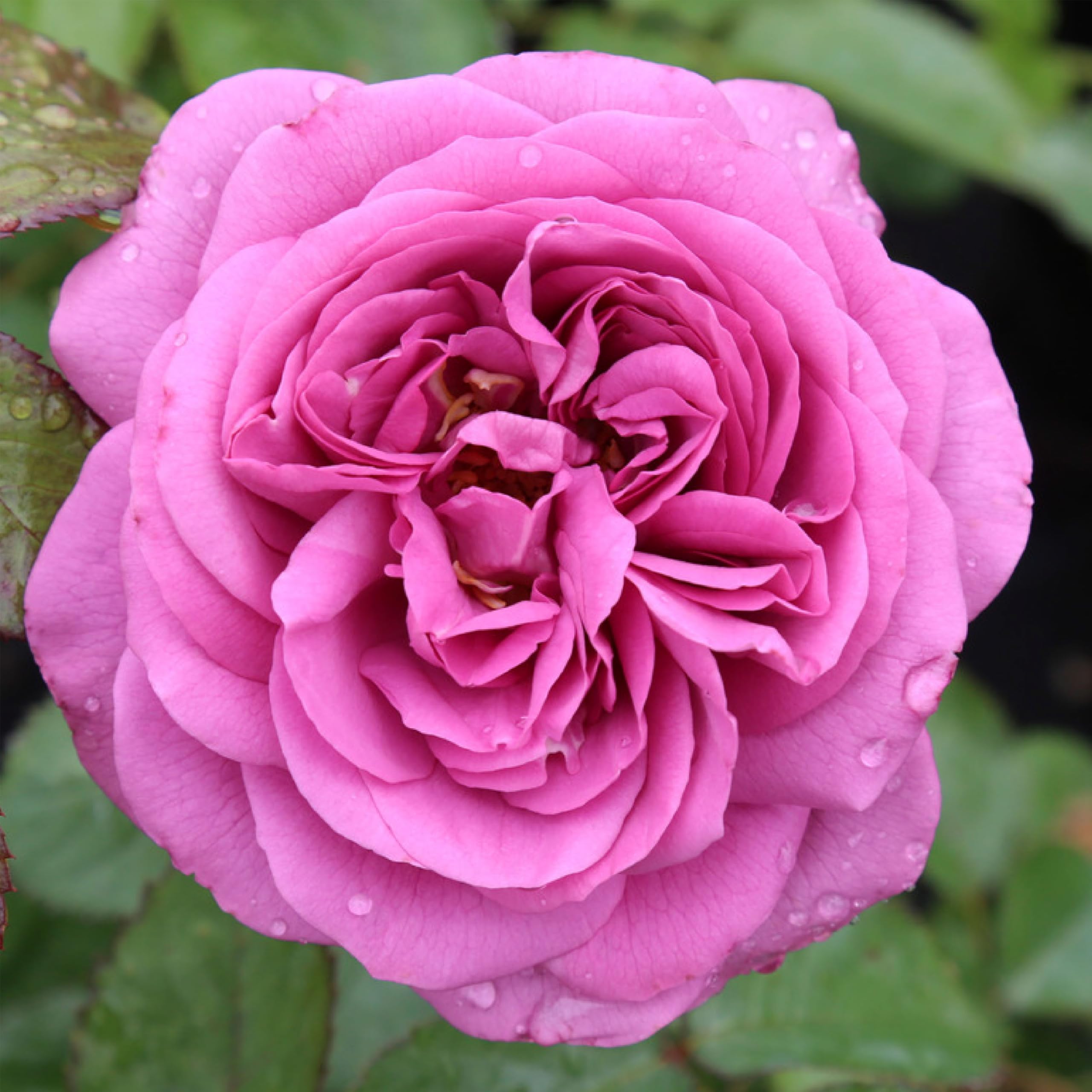
Sunbelt Plum Perfect breaks from the traditional climber mold with a compact 3-foot height and 3-foot spread, making it one of the few disease-resistant roses suited for large containers and small-space gardening. Despite the smaller stature, it is a continual bloomer that produces flowers from spring through fall. The own-root genetics and Sunbelt series breeding prioritize heat tolerance and disease resistance, which is ideal for southern gardens.
A customer in a warmer zone noted that the plant arrived healthy and produced vibrant blooms within 30 days, though the color leaned more fuchsia than the deep plum pictured. Another buyer appreciated that the compact size allowed placement on a patio where full-size climbers would be impractical. The light fragrance is noticeable but not overbearing, making it a good choice near seating areas.
Floribunda roses typically produce clusters of smaller blooms rather than single large flowers, and Plum Perfect follows that pattern. Gardeners looking for a disease-resistant option that does not require a trellis will value this variety. It thrives in zones 5 through 9 with sandy soil and moderate watering.
Why it’s great
- Compact size works beautifully in containers and small spaces
- Sunbelt breeding delivers heat and disease tolerance
- Continual bloom cycle provides season-long color
Good to know
- Flower color may differ from online photos under real lighting
- Mature size is too small for covering tall structures
6. Parfuma Earth Angel Floribunda
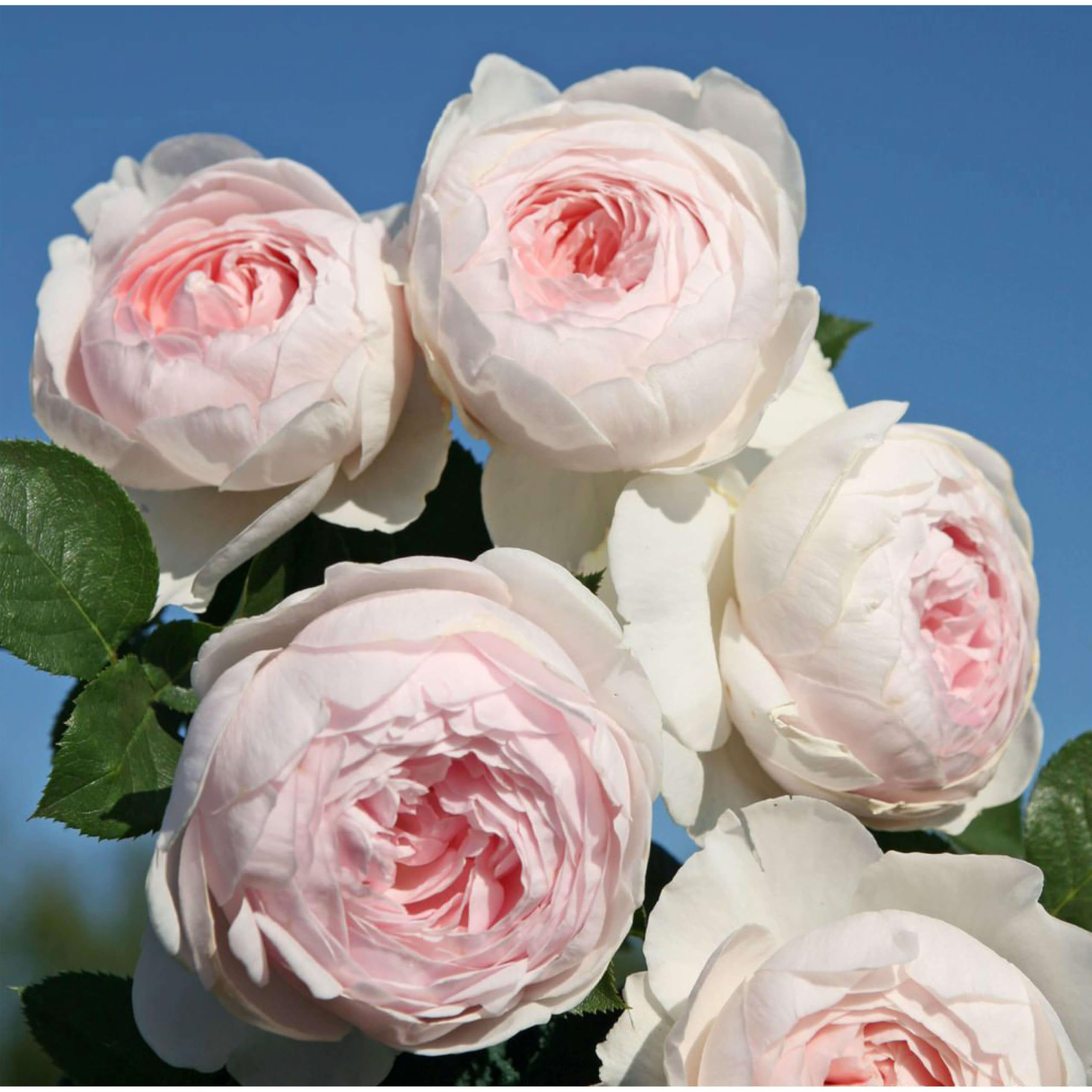
Parfuma Earth Angel shifts focus from climbing height to fragrance intensity. This floribunda reaches 5 feet tall with a 4-foot spread, placing it in the lower-climber range. The exceptionally fragrant flowers bloom continually from spring through fall, and the own-root construction ensures resistance traits carry through the entire plant. It is rated for zones 5 through 9.
Customers report blooms within a month of planting and praise the strong, sweet scent that fills a small garden. One buyer in zone 9 noted excellent packaging and easy planting, while another appreciated the seller’s responsiveness in replacing a defective rose. The compact size makes it suitable for low trellises, pillars, or as a standalone specimen plant.
Gardeners who prioritize scent over vertical reach will find Earth Angel an excellent fit. The continual blooming habit and own-root disease resistance keep maintenance low, though the smaller stature means it will not cover a large wall. Sandy soil and full sun deliver the best performance, and moderate watering is sufficient once established.
Why it’s great
- Exceptional fragrance stands out among disease-resistant options
- Continual blooming cycle extends the seasonal show
- Own-root genetics prevent rootstock suckering
Good to know
- Maximum height of 5 feet cannot cover tall trellises
- Occasional reports of plants failing to establish despite correct care
7. Rise Up Ringo Climbing Rose

Rise Up Ringo is the entry-level option that does not compromise on disease resistance. It reaches a mature height of 36 to 60 inches with a 24- to 36-inch spread, placing it in the compact climber category. The double golden yellow flowers with a bright red eye create a striking two-tone effect, blooming from spring through fall. It is hardy in zones 4 through 9, giving it the widest cold tolerance range of any option reviewed.
Customer feedback emphasizes the excellent shipping condition — one buyer described the plant as “much better quality than in stores” — and rapid growth after planting. Another noted the plant doubled in size within two months. The low-maintenance label is accurate: this shrub requires only regular watering, full sun to partial shade, and basic spacing of 24 inches between plants.
For budget-conscious gardeners who still want disease-resistant genetics, Rise Up Ringo delivers reliable performance without the premium price tag. The deciduous foliage means it will lose leaves in winter and regrow in spring, which aligns with standard rose care. It performs well in containers, landscapes, and as an accent plant against shorter fences.
Why it’s great
- Exceptional cold hardiness down to zone 4
- Distinctive two-tone bloom color adds visual interest
- Fast growth and healthy arrival reported by multiple buyers
Good to know
- Some plants arrived alive but slow to bloom in first season
- Compact height limits use on tall structures
FAQ
What does disease resistant mean for climbing roses?
How often should I water a new disease resistant climbing rose?
Final Thoughts: The Verdict
For most users, the best disease resistant climbing roses winner is the Pretty in Pink Eden Climbing Rose because it combines own-root genetics, a 12-foot mature height, 70- to 80-petal blooms, and proven winter hardiness into a single reliable package. If you want the widest coverage for a large fence or wall, grab the Red Eden Climbing Rose. And for compact spaces or container gardening, nothing beats the Sunbelt Plum Perfect Floribunda.

Mo Maruf
I created WellFizz to bridge the gap between vague wellness advice and actionable solutions. My mission is simple: to decode the research and give you practical tools you can actually use.
Beyond the data, I am a passionate traveler. I believe that stepping away from the screen to explore new environments is essential for mental clarity and physical vitality.