Our readers keep the lights on and my smoothie glass nicely filled. As an Amazon Associate, I earn from qualifying purchases.
Choosing a single camera that delivers exceptional stills and high-quality video without compromise is the central challenge of hybrid shooting. Whether you are a content creator juggling vlogs and portraits, or a filmmaker needing a second body for B-roll, the right camera balances sensor resolution, frame rates, autofocus reliability, and codec depth within a single chassis.
I’m Mohammad Maruf — the founder and writer behind WellFizz. For this guide, I analyzed dozens of hours of user feedback and cross-referenced every key spec from sensor readout speeds to bit-depth and stabilization grades across the current hybrid camera market.
This research cuts through the noise to present the top options for anyone searching for the best digital camera for video and photos in a single, decisive match.
How To Choose The Best Digital Camera For Video And Photos
Hybrid cameras demand a delicate balance between the fast readout speeds needed for high-frame-rate video and the dynamic range required for detailed stills. Focusing on a few critical areas can prevent the common mistake of buying a body that excels at only one side of the equation.
Sensor Type and Resolution
Full-frame sensors offer superior low-light performance and shallower depth of field for both video and photos, but they require larger, more expensive lenses. APS-C sensors provide a lighter kit and a 1.5x crop factor that extends telephoto reach, often at a lower body price. The sweet spot for hybrid use sits between 20 and 33 megapixels — enough resolution for large prints and cropping without creating excessive file sizes or overheating issues during 4K recording.
Autofocus System
Phase-detection autofocus with AI-based subject recognition is essential. Look for systems that track human, animal, and vehicle subjects reliably in both photo and video modes. Cross-type AF points improve accuracy in low contrast scenes, while eye-tracking for humans and animals directly impacts keeper rates in portraiture and wildlife shooting. The coverage percentage across the frame dictates how well the camera can track subjects toward the edges.
Video Capabilities and Recording Limits
4K at 60 fps with 10-bit internal recording is the current baseline for professional hybrid work. Oversampled 4K from a higher sensor resolution delivers sharper detail. Unlimited recording time, enabled by effective heat management, separates serious workhorses from casual cameras. Log profiles like V-Log, C-Log, and S-Log preserve highlight and shadow detail for color grading, while high bit rates (over 100 Mbps) reduce compression artifacts.
Image Stabilization
In-body image stabilization (IBIS) is a major advantage for handheld video work, allowing smooth footage without a gimbal in many scenarios. Stabilization rated at 5 stops or higher makes a noticeable difference when shooting at slower shutter speeds for low-light stills. Cameras without IBIS rely entirely on optically stabilized lenses, which limits the system’s overall effectiveness.
Lens Ecosystem and Ergonomics
The camera body is only the beginning. A robust lens lineup with affordable native primes and zooms makes the system viable over time. Consider battery life ratings, the quality of the electronic viewfinder, and whether the body has dual card slots for backup recording during paid shoots. Weather sealing adds confidence when shooting outdoors.
Quick Comparison
On smaller screens, swipe sideways to see the full table.
| Model | Category | Best For | Key Spec | Amazon |
|---|---|---|---|---|
| Sony Alpha 7 V | Premium | AI Autofocus & High Burst | 33 MP Sensor, 30 fps, 4K 120p | Amazon |
| Nikon Z 8 | Pro Hybrid | 8K Video & 45 MP Stills | 45.7 MP, 8K 60p, 4K 120p | Amazon |
| Canon EOS R8 | Full-Frame Entry | Lightweight & C-Log3 | 24.2 MP, 4K 60p, 6K Oversampled | Amazon |
| Panasonic LUMIX S5IIX | Video-Centric | ProRes RAW & Streaming | 24.2 MP, 5.8K ProRes, Unlimited Video | Amazon |
| Sony a7 III | Standard Full-Frame | Battery Life & Value | 24.2 MP, 4K, 693 AF Points | Amazon |
| Canon EOS R5 | High-Resolution | 45 MP Detail & 8K RAW | 45 MP, 8K, 20 fps Electronic | Amazon |
| Panasonic LUMIX GH5M2 | Micro Four Thirds | Unlimited 10-Bit Video | 20.3 MP, 4K 60p 4:2:2 10-Bit | Amazon |
| Nikon D7500 | DSLR Value | Optical Viewfinder & Lens Options | 20.9 MP, 4K, 51 AF Points | Amazon |
| Nikon Z50 II | Compact APS-C | Travel & Built-in Presets | 20.9 MP, 4K 60p, 31 Presets | Amazon |
| Sony ILCE6100KB | Mirrorless Value | Compact & Fast AF | 24.2 MP, 4K, 0.02 sec AF | Amazon |
| Nikon COOLPIX P950 | Superzoom Bridge | Extreme Telephoto Reach | 16 MP, 4K, 83x Zoom | Amazon |
In‑Depth Reviews
1. Sony Alpha 7 V
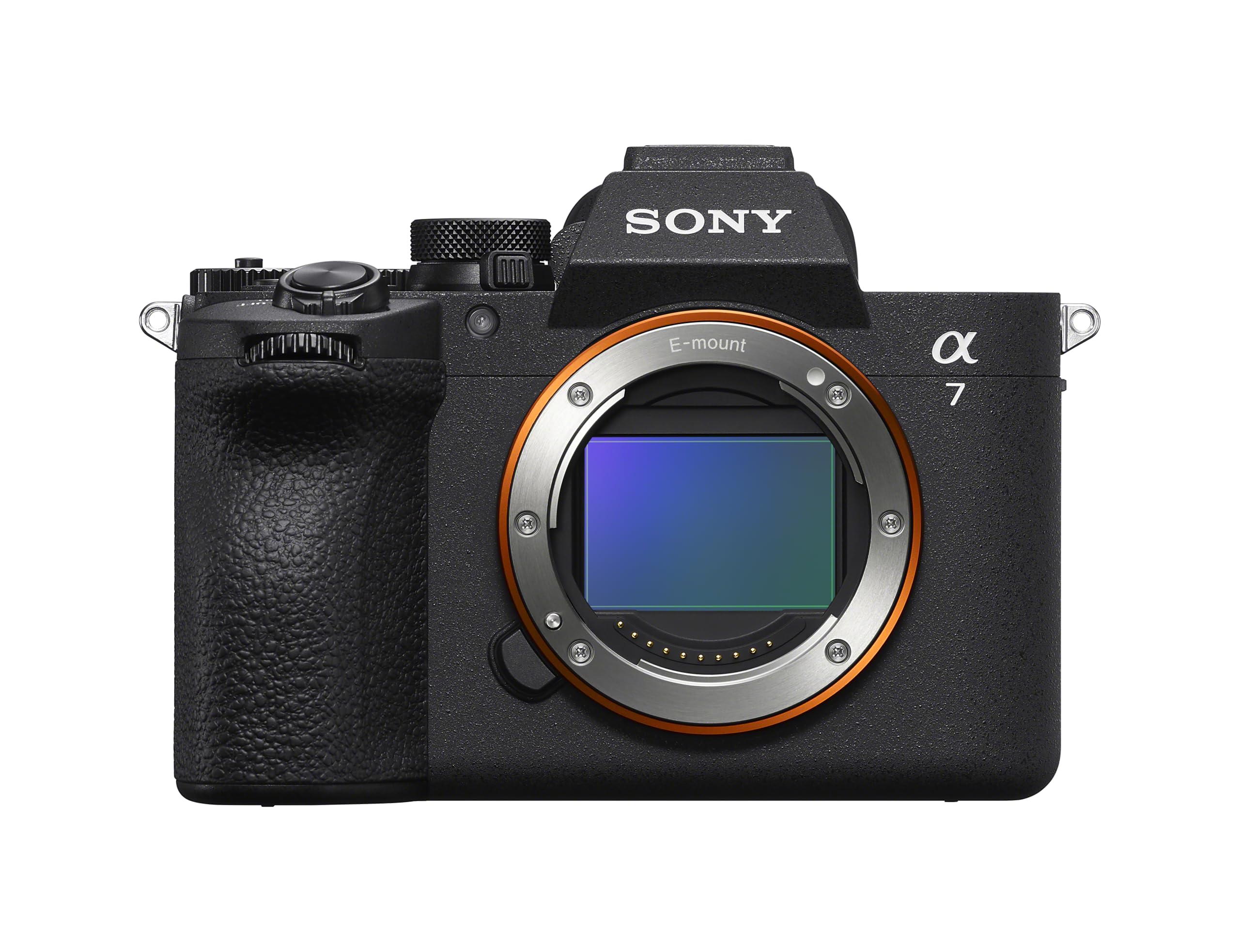
The Sony Alpha 7 V sets a new benchmark for hybrid cameras with its partially stacked 33 MP Exmor RS sensor. The readout speed is approximately 4.5 times faster than the a7 IV, enabling blackout-free bursts at 30 fps with full AF/AE tracking. The BIONZ XR2 processor brings AI-based Real-time Recognition AF that improves subject identification by 30 percent over the previous generation, covering humans, animals, birds, and even insects.
Video capabilities are equally advanced, with 4K 120p recording and up to 16 stops of dynamic range. The 5-axis in-body stabilization delivers up to 7.5 stops of correction at the center, making handheld shooting reliable even at telephoto lengths. The 33-megapixel resolution strikes a practical balance between high detail and manageable file sizes for hybrid workflows.
The camera includes two USB-C ports for simultaneous charging and data transfer, and the menu system has been refined for faster navigation. The electronic shutter reaches 1/16000 second, giving silent shooting options in sensitive environments. For photographers and filmmakers who need a single body that excels across both disciplines, this is the current standard.
Why it’s great
- 30 fps blackout-free burst with full autofocus tracking
- Up to 16 stops of dynamic range for grading flexibility
- Advanced AI subject recognition including insects
- Excellent in-body stabilization rated at 7.5 stops
Good to know
- Requires extra batteries for extended video sessions
- Learning curve for users new to Sony menus
2. Nikon Z 8

The Nikon Z 8 packs the stacked 45.7 MP sensor and EXPEED 7 processor from the flagship Z9 into a body that echoes the ergonomics of the D850. The autofocus system uses deep-learning algorithms to detect and track nine distinct subject types — people, dogs, cats, birds, cars, bikes, motorcycles, trains, and planes — with sensitivity down to -9 EV. This makes it one of the most capable wildlife and action hybrid bodies available.
Internal recording reaches 8K at 60p and 4K at 120p, supporting 12-bit N-RAW and ProRes RAW formats. The shutterless design enables continuous shooting at 20 fps in RAW and up to 120 fps in JPEG, all with full autofocus. The body is weather-sealed and shares the EN-EL15c battery system with other Nikon Z cameras, simplifying gear management for existing Nikon users.
Video autofocus reliability has improved significantly with firmware updates, particularly when paired with native Z-mount lenses. The camera also includes built-in skin softening and portrait impression balance features for polished out-of-camera portraits. Professionals who need the highest resolution and frame rates in a relatively compact body will find few compromises here.
Why it’s great
- 45.7 MP stacked sensor for exceptional detail and speed
- Internal 8K 60p and 4K 120p in advanced codecs
- Deep-learning AF tracks nine subject types
- 20 fps RAW and up to 120 fps JPEG bursts
Good to know
- Power-hungry; requires multiple batteries for long shoots
- CFexpress Type B cards are expensive
3. Canon EOS R8

The Canon EOS R8 delivers the core imaging engine of the R6 Mark II at a lower price point, making full-frame hybrid shooting more accessible. The 24.2 MP CMOS sensor with DIGIC X processor produces uncropped 4K video oversampled from a 6K readout, resulting in noticeably sharper detail than typical 4K. The Dual Pixel CMOS AF II covers 100 percent of the frame with 1,053 AF zones, and deep-learning technology detects people, animals, and vehicles.
At 461 grams for the body alone, this is Canon’s lightest full-frame RF-mount camera. The vari-angle 1.62-million-dot LCD and 0.39-inch OLED EVF with a 120 fps refresh rate support flexible shooting angles. Canon Log 3 and HDR PQ are available for video grading, and the camera supports UVC/UAC for direct webcam streaming without additional hardware.
The trade-offs are the single SD card slot and the smaller LP-E17 battery, which delivers approximately 500 shots or one hour of video. A grip extension battery pack solves the power concern for longer shoots. For anyone entering the RF system who needs professional image quality without the bulk, this body is a strong foundation.
Why it’s great
- 6K oversampled 4K video for superior sharpness
- Lightest Canon full-frame body at 461 grams
- Dual Pixel CMOS AF II with 100% frame coverage
- Canon Log 3 and direct webcam support
Good to know
- Single SD card slot limits backup options
- Small battery requires spares for extended use
4. Panasonic LUMIX S5IIX
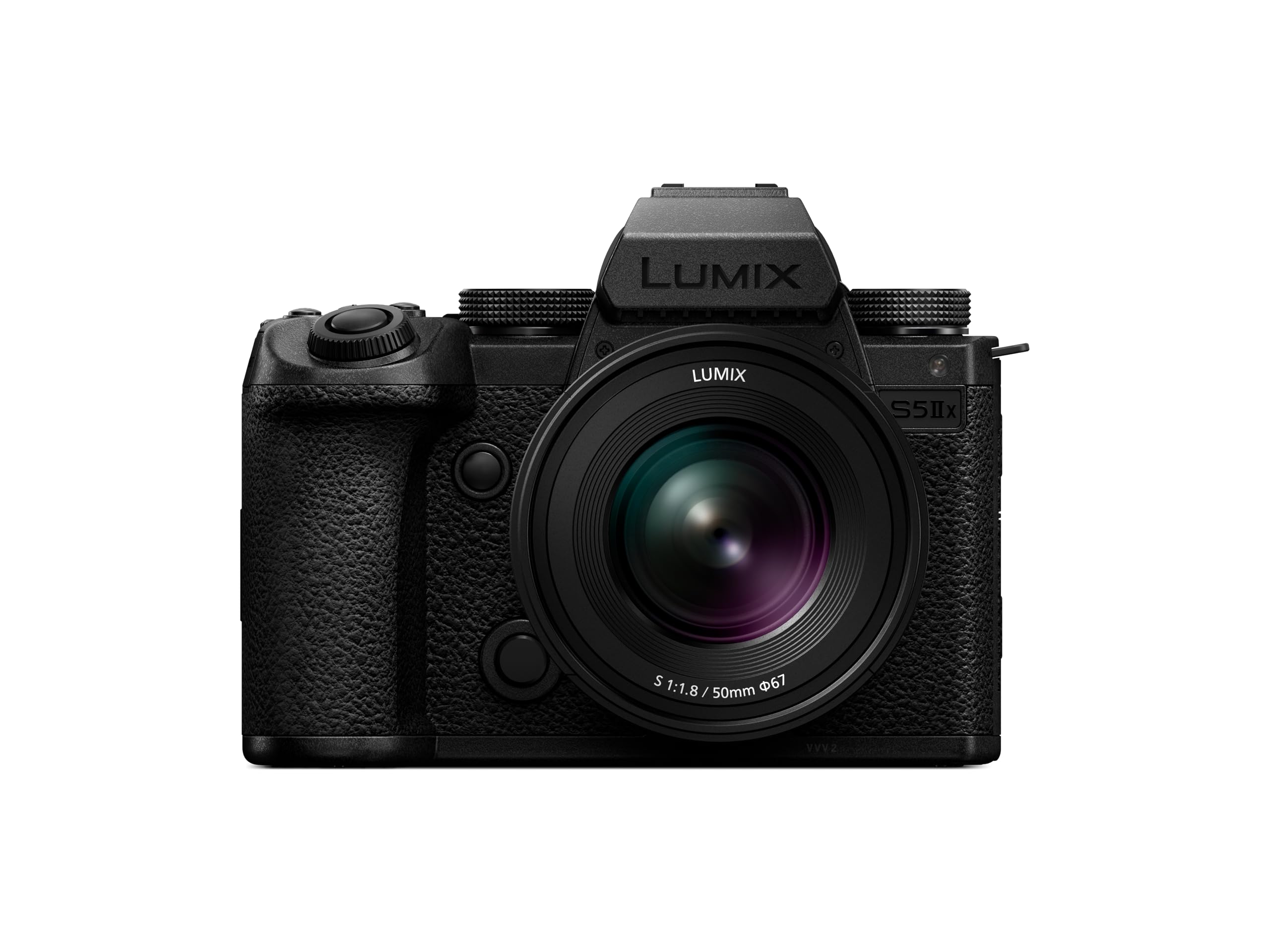
The Panasonic LUMIX S5IIX is built around unrestricted video recording, using a small internal fan and high-efficiency heat sink to prevent overheating during long takes. The 24.2 MP full-frame CMOS sensor captures 5.8K ProRes internally and supports RAW output over HDMI. The Phase Hybrid Autofocus system finally brings reliable continuous AF to Lumix full-frame bodies, addressing a historical weakness.
Active I.S. provides enhanced stabilization for walking shots, reducing the need for a gimbal in many run-and-gun scenarios. The camera supports both wired and wireless IP streaming, making it a practical choice for live production. The 14-plus stop V-Log/V-Gamut capture preserves extensive highlight and shadow detail for color grading.
The S5IIX comes as a kit with the 20-60mm f/3.5-5.6 and 50mm f/1.8 lenses, providing immediate coverage from wide to standard focal lengths. The L-mount alliance with Leica and Sigma offers a growing selection of native lenses. For video-first creators who also need capable stills, this package offers exceptional value per dollar.
Why it’s great
- Unlimited video recording with active fan cooling
- 5.8K ProRes internal recording and RAW over HDMI
- Reliable Phase Hybrid Autofocus system
- Includes two quality kit lenses for immediate use
Good to know
- Firmware updates may alter advertised streaming features
- L-mount lens selection is smaller than Sony or Canon
5. Sony a7 III

The Sony a7 III remains a compelling choice years after its launch, thanks to the 24.2 MP back-illuminated full-frame sensor paired with a 693-point phase-detection AF system covering 93 percent of the frame. The 15-stop dynamic range and 14-bit uncompressed RAW files deliver stills that still compete with newer cameras. The 10 fps burst rate with silent or mechanical shutter is adequate for most action and event work.
The NP-FZ100 battery provides approximately 710 shots per charge, which remains one of the best ratings in the mirrorless category. The 4K video output is detailed and clean, though it lacks the oversampling or higher frame rates of newer models. The camera includes S-Log profiles for color grading and supports slow-motion recording at 1080p.
The kit lens, a 28-70mm f/3.5-5.6, is functional for starting out but many users quickly upgrade to primes or f/2.8 zooms. The menu system is denser than modern Sony cameras, but the core shooting experience is proven and reliable. For users on a moderate budget who prioritize battery life and a mature lens ecosystem, this body holds up remarkably well.
Why it’s great
- Outstanding battery life at 710 shots per charge
- 693 phase-detection AF points with 93% coverage
- 15-stop dynamic range in 14-bit RAW
- Mature E-mount lens ecosystem with many price points
Good to know
- 4K video lacks oversampling and higher frame rates
- Menu system is complex compared to newer models
6. Canon EOS R5

The Canon EOS R5 pushes resolution boundaries with a 45-megapixel stacked back-illuminated full-frame CMOS sensor and DIGIC X processor. It records 8K RAW internally at up to 30 fps and 4K at up to 120 fps, making it one of the most video-capable stills cameras on the market. The Dual Pixel CMOS AF II system includes 1,053 AF points covering 100 percent of the frame, with Eye Control AF that lets you select focus points by looking at them through the viewfinder.
The 5-axis IBIS provides rock-steady handheld stabilization for both video and stills, enabling sharp images at slower shutter speeds. The mechanical shutter fires at 12 fps, while the electronic shutter reaches 20 fps with full autofocus tracking. The body is weather-sealed and built around a comfortable grip that balances well with larger RF-mount telephoto lenses.
Early concerns about overheating during 8K recording have been mitigated through firmware updates, and real-world usage generally allows for extended recording times without failure. The 45-megapixel files give immense cropping flexibility for landscape and wildlife photographers. For users who need the highest possible resolution alongside professional video features, the R5 remains a reference standard.
Why it’s great
- 45 MP sensor with internal 8K RAW recording
- Eye Control AF for instinctive focus point selection
- 20 fps electronic shutter with full AF tracking
- Rock-steady IBIS for handheld low-light shooting
Good to know
- High-resolution files require fast storage and large cards
- Battery life is lower than larger Canon bodies
7. Panasonic LUMIX GH5M2

The Panasonic LUMIX GH5M2 refines the iconic GH5 formula with unlimited C4K 60p recording in 4:2:2 10-bit, a feature that was previously mutually exclusive in the original model. The Micro Four Thirds sensor delivers 20.3 megapixels with a 6.5-stop advanced image stabilization system that makes handheld video remarkably stable. The magnesium alloy body is splash-resistant, dust-resistant, and freezeproof down to -10 degrees Celsius.
Live streaming is now built-in, supporting both wired and wireless connections without requiring additional hardware. USB Power Delivery allows continuous operation during long streaming sessions. The dual SD memory card slots support relay recording for uninterrupted capture, a critical feature for event videographers.
Color presets including V-LogL, Cinelike D2 and V2, and the L.ClassicNeo style provide extensive creative options straight out of camera. The autofocus has improved with native lenses, though contrast-detect AF can still hunt in challenging lighting. For serious videographers who value unlimited high-bit-rate recording in a rugged, compact body, this is a specialist tool that excels.
Why it’s great
- Unlimited C4K 60p recording in 4:2:2 10-bit
- 6.5-stop IBIS for stable handheld video
- Built-in wired and wireless live streaming
- Rugged weather-sealed and freezeproof body
Good to know
- Contrast-detect AF can struggle in low contrast scenes
- Sensor size limits low-light performance vs full-frame
8. Nikon D7500 with 18-140mm Lens

The Nikon D7500 continues to prove that DSLRs still have a place in the hybrid market. The 20.9 MP DX-format sensor is derived from the flagship D500, delivering class-leading image quality, a wide ISO range, and a metering system that handles challenging lighting consistently. The 51-point AF system with 15 cross-type sensors and group-area AF pairs with up to 8 fps continuous shooting for reliable action capture.
The 3.2-inch tilting touchscreen LCD provides flexible framing, and the optical viewfinder offers a bright, lag-free experience that many still photographers prefer. 4K UHD video recording includes stereo sound, power aperture control, and automatic ISO during video recording, plus a 4K time-lapse mode built directly into the camera.
The included AF-S DX NIKKOR 18-140mm f/3.5-5.6G ED VR lens provides a versatile 27-210mm equivalent range in a single optic. Weather resistance adds durability for outdoor shooting. The battery life easily exceeds 950 shots per charge, an advantage that mirrorless cameras still struggle to match. For users who prefer the optical viewfinder and want a rugged, affordable kit with deep lens support, this remains a smart choice.
Why it’s great
- D500-derived sensor with excellent image quality
- Optical viewfinder with zero lag and long battery life
- Versatile 18-140mm lens covers most general situations
- Weather-sealed body for outdoor reliability
Good to know
- DSLR form factor is larger and heavier than mirrorless
- 4K video lacks oversampling and high frame rates
9. Nikon Z50 II with Two Lenses

The Nikon Z50 II targets users who want to step beyond smartphone photography without carrying heavy gear. The 20.9 MP DX-format sensor is several times larger than a typical phone sensor, capturing lifelike colors and detail from dawn to dusk. The compact body fits into small bags easily, making it a strong travel companion.
The camera includes 31 built-in Picture Control presets that can be previewed in real time as you shoot. Custom presets can be downloaded from Nikon Imaging Cloud, and the dedicated Picture Control button makes switching quick. Autofocus automatically detects and tracks nine distinct subjects including dogs, cats, birds, and vehicles, with dedicated bird and airplane modes.
Video recording reaches 4K UHD at 60p with in-camera Full HD 120p slow motion and built-in electronic VR. The kit includes the NIKKOR Z DX 16-50mm f/3.5-6.3 VR and the 50-250mm f/4.5-6.3 VR lenses, covering wide-angle to telephoto ranges. Wireless photo sharing via SnapBridge is seamless. For beginners and travelers seeking creative flexibility in a lightweight system, this kit offers immediate results.
Why it’s great
- 31 built-in color presets for instant creative looks
- Two-lens kit covers wide to telephoto ranges
- Lightweight and compact for easy travel packing
- Subject detection for animals, birds, and vehicles
Good to know
- Menus require some learning time for new users
- Not optimized for advanced video production
10. Sony ILCE6100KB Alpha 6100

The Sony Alpha 6100 delivers the same lightning-fast 0.02-second autofocus and Real-time Eye Tracking found in Sony’s higher-end cameras, packed into a compact APS-C body. The 24.2 MP Exmor CMOS sensor with front-end LSI supports an ISO range up to 51,200, producing clean images in modest lighting. The 11 fps continuous shooting at full resolution with AF/AE tracking handles fast-moving subjects like children and pets reliably.
4K video is recorded using 2.4x oversampling with full pixel readout and no pixel binning, resulting in sharp, detailed footage. The 180-degree tiltable 3-inch touchscreen LCD is designed for vlogging, allowing easy self-framing. A built-in microphone jack supports external audio for improved sound quality.
The kit includes the E PZ 16-50mm power zoom lens in a compact form factor that remains pocketable. While the body lacks in-body stabilization, the kit lens includes Optical SteadyShot. For new creators building a lightweight system on a moderate budget, this body provides autofocus performance that rivals much more expensive cameras.
Why it’s great
- 0.02-second autofocus with Real-time Eye Tracking
- Oversampled 4K video with full pixel readout
- Compact body and lens for easy portability
- 180-degree tiltable screen for vlogging
Good to know
- No in-body stabilization; relies on lens stabilization
- Smaller sensor limits background blur vs full-frame
11. Nikon COOLPIX P950

The Nikon COOLPIX P950 serves a unique purpose that no interchangeable lens camera can match without enormous expense: an 83x optical zoom reaching an equivalent 2000mm focal length. This makes it the go-to camera for birdwatchers, lunar photographers, and anyone who needs to capture distant subjects without carrying a heavy telephoto lens. The Dual Detect Optical Vibration Reduction stabilizes the long reach for handheld shooting.
The 16 MP sensor records 4K UHD video at 30p, and the built-in Bird and Moon modes optimize settings specifically for those difficult subjects. The rotating LCD screen allows discreet shooting from various angles. The macro mode focuses as close as 1 cm, enabling detailed close-ups of flowers and insects.
Autofocus can occasionally struggle with birds in flight at maximum zoom, but the manual focus wheel on the left side of the lens provides quick override. The camera supports RAW format for greater editing flexibility. For the specific use case of extreme reach without carrying multiple kilograms of gear, this superzoom offers an unmatched price-to-reach ratio.
Why it’s great
- 83x optical zoom reaches 2000mm equivalent focal length
- Dual Detect image stabilization for handheld telephoto
- Dedicated Bird and Moon scene modes
- 1 cm macro mode for close-up detail work
Good to know
- Small 1/2.3-inch sensor limits image quality in low light
- Autofocus can hunt on fast-moving subjects at full zoom
FAQ
Is full-frame necessary for video and photos, or is APS-C enough?
Why do some 4K videos look sharper than others on paper identical cameras?
How important is IBIS for hybrid shooting compared to lens stabilization?
What video frame rates and resolutions define a modern professional hybrid camera?
Final Thoughts: The Verdict
For most users, the best digital camera for video and photos winner is the Sony Alpha 7 V because it delivers lightning-fast readout speeds, AI-powered autofocus, and a versatile 33 MP sensor that balances stills resolution with high-quality 4K 120p video. If you need uncompromising video longevity and ProRes workflows, grab the Panasonic LUMIX S5IIX. And for those seeking the highest stills resolution alongside 8K video capability, nothing beats the Canon EOS R5.

Mo Maruf
I created WellFizz to bridge the gap between vague wellness advice and actionable solutions. My mission is simple: to decode the research and give you practical tools you can actually use.
Beyond the data, I am a passionate traveler. I believe that stepping away from the screen to explore new environments is essential for mental clarity and physical vitality.