Our readers keep the lights on and my smoothie glass nicely filled. As an Amazon Associate, I earn from qualifying purchases.
The challenge with cloth diapering isn’t the laundry — it’s finding a diaper cream that protects your baby’s delicate skin without destroying the absorbency of your expensive diapers. Many parents give up on cloth entirely after one ruined insert from a petroleum-based ointment that won’t wash out. You need a barrier that works with your system, not against it.
I’m Mohammad Maruf — the founder and writer behind WellFizz. I’ve analyzed countless product formulations, ingredient safety data, and real-world feedback from cloth-diapering parents to identify the creams that balance effective rash prevention with fabric-safe washability.
This guide breaks down five top-rated options that protect your baby without compromising your diaper investment. Whether you need heavy-duty zinc or a gentle daily balm, you’ll find the best diaper cream for cloth diapers that fits your family’s routine.
How To Choose The Best Diaper Cream For Cloth Diapers
Not all diaper creams are equal when you’re using cloth. The wrong formula leaves a greasy residue that traps bacteria, reduces absorbency, and voids your diaper warranty. Here’s what matters most.
Ingredient Base: Petroleum vs. Plant-Based
Petrolatum and mineral oil are the primary enemies of cloth diapers. These ingredients bond to natural fibers and require extreme heat or harsh detergents to remove — if they come out at all. Plant-based carriers like sunflower oil, shea butter, and beeswax rinse clean in a standard hot wash cycle without leaving a coating behind. Always scan the first three ingredients; if they end in “-um” or “-eum” like petrolatum, it’s a risk.
Zinc Oxide Dosage and Washability
Zinc oxide is the active barrier ingredient that prevents rash-causing moisture from touching the skin. Higher percentages (20-40%) work better for active rashes but leave a white residue that requires a good pre-rinse on diapers. Lower concentrations or herbal-only formulas are gentler on laundry but may not be enough for overnight or severe irritation. Know your baby’s sensitivity level before choosing your concentration.
Certifications That Actually Matter
USDA Organic, EWG Verified, and Leaping Bunny certifications indicate the product avoids synthetic preservatives, fragrances, and questionable emulsifiers that can irritate sensitive skin and create washout problems. For cloth-diaper use, EWG Verified is especially helpful because it confirms the formula contains no ingredients flagged for aquatic toxicity or resistance to biodegradation — both critical when residue goes down the drain with diaper laundry.
Quick Comparison
On smaller screens, swipe sideways to see the full table.
| Model | Category | Best For | Key Spec | Amazon |
|---|---|---|---|---|
| La Petite Creme | Liniment Lotion | Daily use with cloth wipes | USDA Organic formula | Amazon |
| Badger Baby Diaper Cream | Zinc Oxide | Active rash treatment | 4 simple ingredients | Amazon |
| Motherlove Everyday Balm | Herbal Balm | Gentle daily moisture | USDA Organic balm | Amazon |
| Aquaphor Baby Healing Ointment | Petrolatum Base | Healing mature rashes | 41% petrolatum content | Amazon |
| Ora’s Amazing Herbal Salve | Herbal Salve | Multipurpose newborn care | EWG Verified ingredients | Amazon |
In‑Depth Reviews
1. La Petite Creme French Premium Liniment
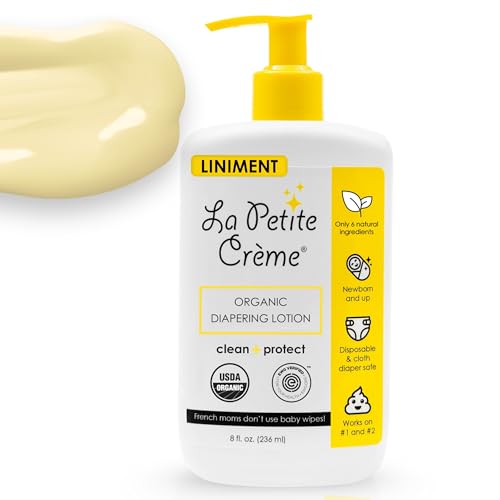
This French-inspired liniment lotion functions as a diaper cream, skin cleanser, and moisturizer all in one. Instead of layering a thick paste onto the skin, you apply a thin, spreadable lotion that coats the skin with organic oils. It eliminates the need for traditional wet wipes — you dab a cotton pad with the lotion and wipe clean without water, then seal with another thin layer. Babies whose parents switch to this routine often see zero diaper rash incidents from day one.
The formula is USDA Organic and EWG Verified, meaning every ingredient meets strict purity standards and the lotion washes out of cloth diapers without residue. It contains no petrolatum, no zinc oxide, and no synthetic fragrance. The texture is light enough to use at every change without buildup, and multiple long-term users report using it exclusively for the entire diaper stage without needing a separate treatment cream. The 8-ounce bottle lasts significantly longer than traditional ointments because you use so little per change.
A single caveat: this is a preventive daily system, not a high-zinc treatment. If your baby develops a stubborn red rash, you may still need a dedicated zinc cream for spot treatment. The cost per ounce is on the higher side, but the fact that it replaces both wipes and cream makes the overall diaper budget more efficient. It is also a popular adult-use product for perianal irritation, adding versatility beyond the nursery.
Why it’s great
- Replaces both wipes and cream in one routine
- USDA Organic and EWG Verified with clean rinse-out from cloth
- Light texture prevents buildup on cotton and hemp inserts
Good to know
- Premium pricing per ounce reflects the certification quality
- No zinc oxide means moderate rashes need a secondary cream
- Requires switching to a wipe-alternative method like cotton pads
2. Badger Baby Diaper Rash Cream
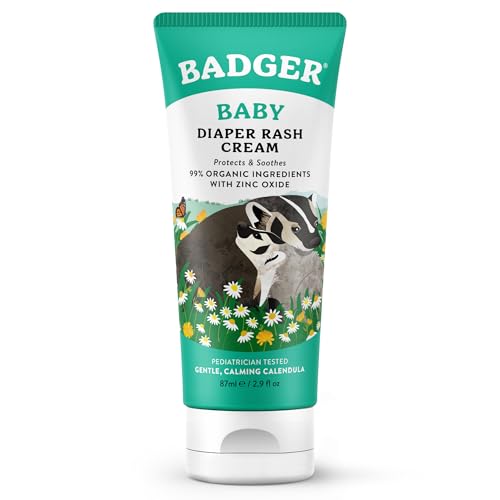
Badger’s formula strips the ingredient list down to just four components: mineral zinc oxide, organic sunflower oil, organic beeswax, and vitamin E. That’s it. No fillers, no emulsifiers, no synthetic thickeners. The zinc oxide provides a strong physical barrier against wetness, while the beeswax helps the cream adhere to the skin without migrating onto the diaper fabric. Parents dealing with a raw, angry rash report seeing visible improvement within 24 hours — often healing overnight what other creams couldn’t touch in a week.
The sunflower oil base is critical for cloth-diaper compatibility. Unlike coconut oil, which can leave a greasy film that requires extra detergent, sunflower oil is a lighter carrier that rinses away clean in standard hot water cycles. The beeswax creates a semisolid texture that stays put on the bottom instead of soaking into the diaper fibers. This cream also contains no fragrance, making it suitable for newborns with known skin sensitivities or eczema-prone skin.
The tradeoff is application effort. The consistency is thicker than petroleum-based pastes, so you have to warm it between your fingers before spreading. A little goes a long way, but the small tube size means moderate-to-heavy users repurchase monthly. Also, the 2.9-ounce container is packed tightly; expect to scrape the sides toward the end. For parents who prioritize ingredient minimalism and rapid healing, this is the strongest option.
Why it’s great
- Ultra-clean four-ingredient formula with no synthetic additives
- Zinc oxide and beeswax barrier stays put on skin, not on diapers
- Sunflower oil base rinses clean from cloth without hot pre-wash
Good to know
- Thick texture requires warming before application
- Small tube size runs out quickly with heavy daily use
- Zinc can leave white residue if over-applied
3. Motherlove Everyday Baby Balm
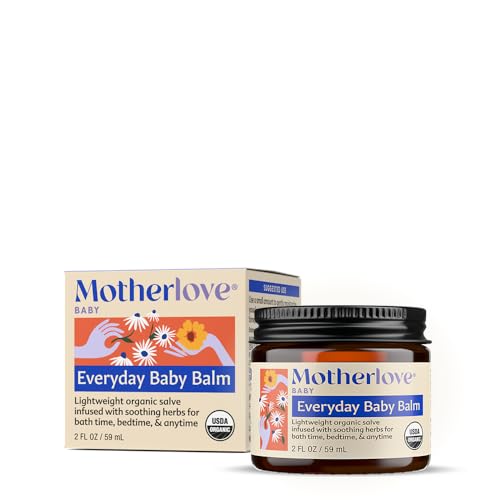
Motherlove’s balm is a plant-based moisturizer intended for everyday use rather than acute rash treatment. It combines organic sunflower oil, shea butter, beeswax, and three herbal infusions — chamomile, calendula, and marshmallow root — to soothe dryness and prevent irritation before it starts. The balm absorbs into the skin more readily than a pure wax base, leaving the surface soft rather than greasy, which improves cloth-diaper washability since less product stays on the surface to rinse out.
The formula is USDA Certified Organic and Leaping Bunny Certified for cruelty-free production. The manufacturing facility runs on solar power with zero waste, which appeals to parents prioritizing environmental impact. Many users report that this balm clears baby acne and mild redness within days, and it doubles as a general body moisturizer for dry patches, chapped cheeks, and crawling knees. The texture is thick but spreads easily once body heat softens it.
Because it contains no zinc oxide, it is not effective against established rashes — it is strictly a preventive moisturizer and mild soother. The 2-ounce jar looks small, but users consistently note that a tiny dab covers large areas, lasting weeks of daily use. The glass jar is recyclable, though some parents prefer tube packaging for hygienic finger-free application. For a daily all-over balm that keeps cloth diapers residue-free, this is the best budget-friendly option.
Why it’s great
- Absorbs quickly with minimal greasy residue on diaper fabric
- Herbal infusion (calendula, chamomile) soothes mild irritation on contact
- USDA Organic and produced in a zero-waste facility
Good to know
- No zinc oxide limits effectiveness against active, weepy rashes
- Glass jar packaging less hygienic than squeeze tubes
- Price per ounce moderate for herbal balm category
4. Aquaphor Baby Healing Ointment
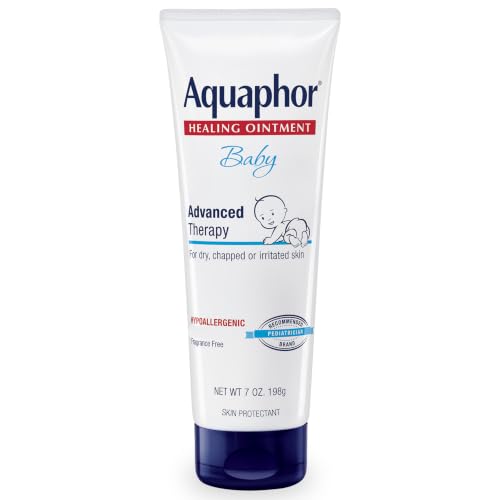
Aquaphor is the most widely recognized diaper ointment on the market, and for good reason — its 41% petrolatum base combined with panthenol, glycerin, and bisabolol creates an unmatched occlusive barrier that heals chapped, irritated skin fast. For cloth diaper parents, this creates a dilemma: petrolatum is notoriously difficult to wash out of natural fibers, often requiring a hot pre-wash with strong detergent and still leaving a residue that builds up over time. It works brilliantly on the skin but aggressively against your diaper investment.
Many parents still use it for emergency healing when nothing else works. The tube format is more hygienic than a tub, and the ointment is fragrance-free, preservative-free, and dermatologist-tested. A single application overnight can take a bright red bottom back to pink by morning. It also serves as an all-purpose skin protectant for dry hands, chapped lips, and minor scrapes, making it a medicine-cabinet staple even outside of diapering.
If you choose this for severe rashes, use a disposable liner inside the cloth diaper to prevent direct contact. Some parents pre-treat the diaper area with a liner, apply Aquaphor, then switch back to their cloth-safe cream once the rash clears. It is also one of the most budget-friendly options per ounce among the creams reviewed here. Just be aware that long-term use on cloth without a barrier will reduce absorbency noticeably after several washes.
Why it’s great
- Clinically proven to heal severe rashes overnight
- Tube format is hygienic and easy to dispense one-handed
- Extremely versatile for dry skin, chapped lips, and minor cuts
Good to know
- Petrolatum base is difficult to wash out of cloth diapers
- Requires a disposable liner to protect diaper absorbency
- Greasy texture can transfer to clothing if over-applied
5. Ora’s Amazing Herbal Newborn Salve

Ora’s Newborn Salve is EWG Verified and specifically marketed as cloth-diaper safe, backed by the manufacturer’s own testing with cloth-diapering families. The formula relies on organic calendula, licorice root, and cold-pressed castor oil instead of zinc oxide or petrolatum. The texture is smooth like an ointment but without the slimy feel of petroleum, and it absorbs into the skin quickly enough that very little residue transfers to the diaper. It is designed for multiple uses — diaper rash, drool rash, baby acne, cradle cap, and even infant massage.
The ingredient safety is exceptional: paraben-free, tallow-free, talc-free, corn-free, grain-free, gluten-free, and synthetic fragrance-free. The salve comes in a glass jar rather than plastic, and the company is a woman-owned, small family business that manufactures in New Jersey. Many parents report using the same jar across multiple children — one user noted a single jar lasted over four years across three kids. For adult users, it also helps with eczema on hands and legs, reducing the need for zinc oxide creams.
The cost per ounce is the highest of any product in this guide, and the glass jar packaging means you must use a clean spatula or finger each time to avoid contaminating the product. It also has no zinc oxide, so it is best for prevention and mild irritation rather than full-blown rash treatment. The salve excels as a daily all-purpose balm for newborns with extremely sensitive skin who react to even gentle zinc formulations. If your infant has multiple skin concerns beyond just diaper rash, this single product covers them all.
Why it’s great
- EWG Verified with the cleanest ingredient profile in this guide
- Works for diaper rash, baby acne, cradle cap, and eczema
- Cloth-diaper safe with minimal residue after washing
Good to know
- Highest per-ounce cost among reviewed products
- Glass jar packaging less travel-friendly and requires clean application
- No zinc oxide limits use to prevention and very mild rashes
FAQ
Can I use any diaper cream with cloth diapers if I use a liner?
How do I remove zinc oxide residue from cloth diaper inserts?
Is coconut oil safe as a cloth-diaper cream?
Final Thoughts: The Verdict
For most families, the best diaper cream for cloth diapers winner is the La Petite Creme French Liniment because it replaces wipes, prevents rashes, and washes clean from cloth without any residue or stripping routine. If your baby is prone to stubborn red rashes, grab the Badger Baby Diaper Cream for its minimalist zinc formula that heals fast without clogging your diapers. And for an all-purpose newborn balm that handles acne, drool rash, and dry patches alongside diaper protection, nothing beats the Ora’s Amazing Herbal Newborn Salve.

Mo Maruf
I created WellFizz to bridge the gap between vague wellness advice and actionable solutions. My mission is simple: to decode the research and give you practical tools you can actually use.
Beyond the data, I am a passionate traveler. I believe that stepping away from the screen to explore new environments is essential for mental clarity and physical vitality.