Our readers keep the lights on and my smoothie glass nicely filled. As an Amazon Associate, I earn from qualifying purchases.
Heart Rate Variability (HRV) is one of the most insightful metrics for understanding your nervous system, recovery, and overall readiness. But capturing it accurately requires a device that can measure the tiny milliseconds between heartbeats — a spec most basic fitness trackers get wrong. This guide breaks down the top-rated monitors, chest straps, and wearables that deliver clinical-grade HRV data so you can train smarter and rest deeper.
I’m Mohammad Maruf — the founder and writer behind WellFizz. I’ve spent hundreds of hours analyzing the sensor technologies, algorithm accuracy, and third-party validation studies behind the top HRV hardware on the market to separate the signal from the noise.
Whether you’re an athlete optimizing recovery or someone tracking stress and sleep, finding the right device for hrv means matching your lifestyle with a sensor that can reliably capture R-R intervals down to the millisecond.
How To Choose The Best Device For HRV
Choosing an HRV device isn’t about brand loyalty — it’s about matching sensor type, data output, and wearability to your specific use case. Here are the key factors that separate good HRV data from unreliable noise.
Sensor Technology: ECG vs Optical
The gold standard for HRV is an electrocardiogram (ECG) sensor, typically found in chest straps. These measure the heart’s electrical activity directly, capturing R-R intervals with millisecond precision. Optical sensors (photoplethysmography or PPG) use light to detect blood volume changes in the wrist or finger. While convenient, PPG is more prone to motion artifact and can introduce timing errors that degrade HRV accuracy during exercise or sleep.
Data Output and Third-Party App Support
If you plan to analyze HRV in dedicated apps like Elite HRV, HRV4Training, or Kubios, you need a device that broadcasts raw R-R interval data over Bluetooth or ANT+. Some devices lock data behind a subscription paywall or only display summary metrics. Look for devices that allow CSV/JSON export of raw inter-beat intervals for maximum analytical flexibility.
Wear Form Factor and Battery Life
Chest straps offer the highest accuracy but can be less comfortable for all-day or overnight wear. Wrist-based wearables (rings, bands, watches) trade some precision for 24/7 convenience. Consider your primary HRV use case: morning readiness checks can work with a chest strap, while continuous stress and sleep HRV tracking benefits from a comfortable wearable that you never take off.
Quick Comparison
On smaller screens, swipe sideways to see the full table.
| Model | Category | Best For | Key Spec | Amazon |
|---|---|---|---|---|
| Polar H10 | Chest Strap | Clinical-grade HRV accuracy | ECG accuracy within 2ms | Amazon |
| Garmin HRM 600 | Chest Strap | Garmin ecosystem + running dynamics | Rechargeable, 2-month battery | Amazon |
| WHOOP 5.0 | Wrist Band | 24/7 recovery & strain tracking | 14+ day battery, screenless | Amazon |
| KardiaMobile Card | ECG Card | On-demand medical-grade EKG | FDA-cleared, 30-sec EKG | Amazon |
| Garmin Index Sleep | Sleep Band | Night-time HRV & sleep stages | Upper-arm worn, 7-day battery | Amazon |
| ELENVA Smart Ring | Smart Ring | Discreet 24/7 health monitoring | Vibration alerts, 5ATM | Amazon |
| SOUYIE Smart Bracelet | Fitness Band | Budget-friendly all-day tracking | 20-day battery, no subscription | Amazon |
In‑Depth Reviews
1. Polar H10 Heart Rate Monitor
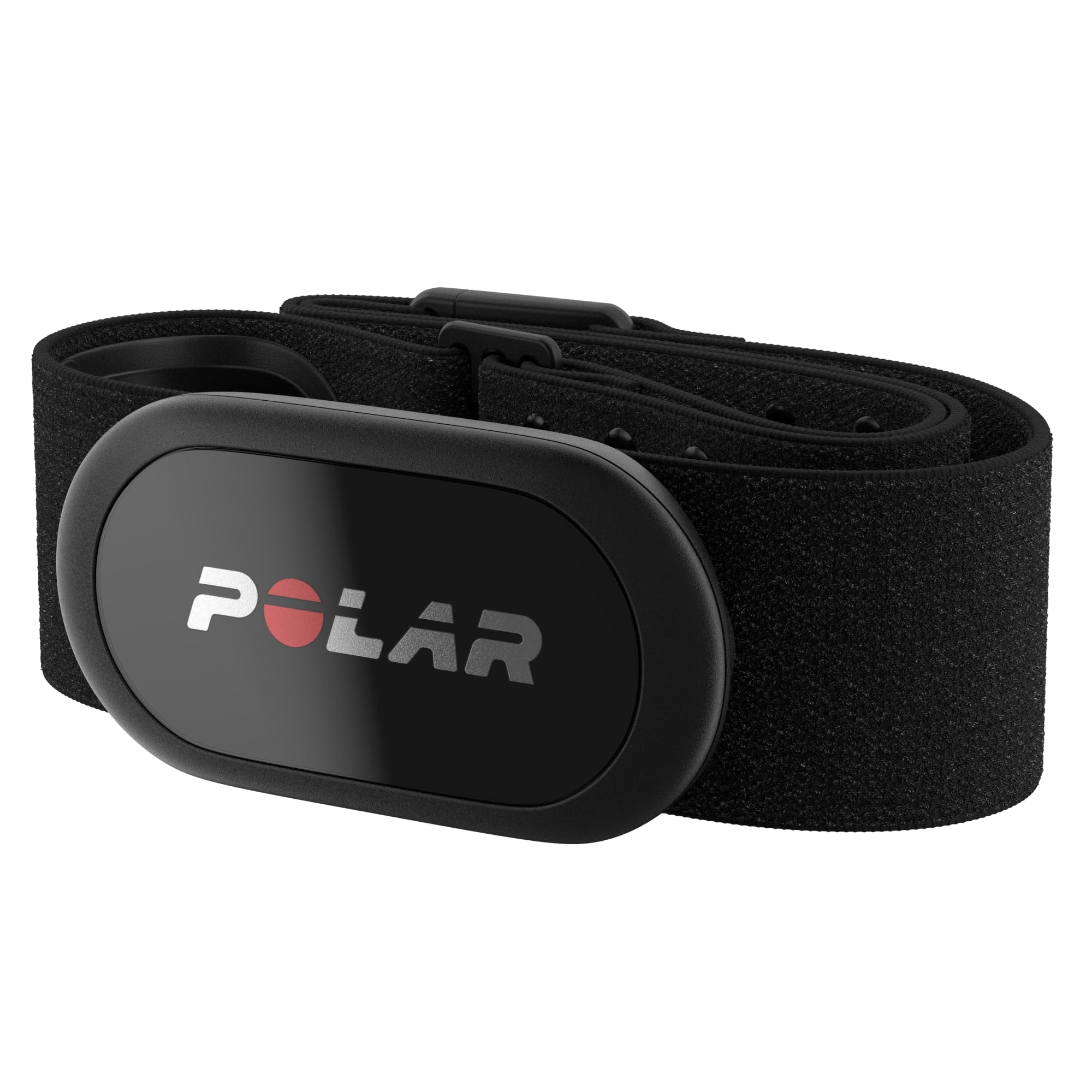
The Polar H10 is widely cited as the most accurate heart rate sensor Polar has ever made, and for HRV enthusiasts, that claim holds water. Its ECG-based chest strap captures R-R intervals with a reported accuracy within 2 milliseconds — a critical spec for reliable HRV time-domain analysis like RMSSD and SDNN. The sensor supports simultaneous Bluetooth and ANT+ connections, so you can broadcast to a smartwatch and a third-party HRV app like Elite HRV or HRV4Training at the same time.
Comfort is a legitimate concern with chest straps, but the Polar Pro Chest Strap uses silicone dots and a soft fabric blend (71% polyester, 29% spandex) to stay in place without chafing. The battery lasts roughly 400 hours on a single CR2025 coin cell, and the unit is fully waterproof down to 30 meters. For structured morning readiness checks or lab-grade workout HRV, this is the device researchers and coaches turn to.
The main downside is that the soft strap can degrade over months of heavy use, causing erratic readings until replaced. Some users also report connectivity issues after a year, though the sensor pod itself remains reliable. The H10 lacks onboard memory for more than one workout, so you need to keep your phone or watch nearby during recording.
Why it’s great
- ECG accuracy within 2ms for precise HRV
- Dual Bluetooth and ANT+ for multi-device streaming
- 400-hour battery life with easy CR2025 replacement
Good to know
- Strap may require replacement after months of heavy use
- Onboard memory limited to one workout session
- Intermittent connectivity issues reported after extended use
2. Garmin HRM 600

The Garmin HRM 600 is a premium chest strap built for athletes who want both HRV data and advanced running metrics. It uses the same ECG sensor technology as the Polar H10 but adds running dynamics like stride length, vertical oscillation, and ground contact time balance when paired with a compatible Garmin watch. The rechargeable lithium-ion battery lasts up to two months, eliminating the hassle of coin cell replacements.
One standout feature is standalone recording — during activities where you can’t wear a watch (team sports, some gym sessions), the HRM 600 stores heart rate, calories, and even pace/distance for indoor track runs directly in the module. This data syncs to the Garmin Connect app afterward. For swimmers, the strap stores accurate heart rate data underwater and syncs once you’re out.
The HRM 600 is overkill for casual users, and its premium price reflects that. The strap sizing can be confusing (the M-XL fits approximately a 33-inch chest), and the advanced running metrics only work within Garmin’s ecosystem. If you don’t own a Garmin watch, you lose many of the differentiating features.
Why it’s great
- Rechargeable battery with 2-month life, sealed against moisture
- Standalone recording for watch-free workouts
- Accurate HRV data with advanced running dynamics
Good to know
- Advanced features require a Garmin smartwatch
- Higher price point than most chest straps
- Sizing can be confusing for larger chests
3. WHOOP 5.0 Activity Tracker
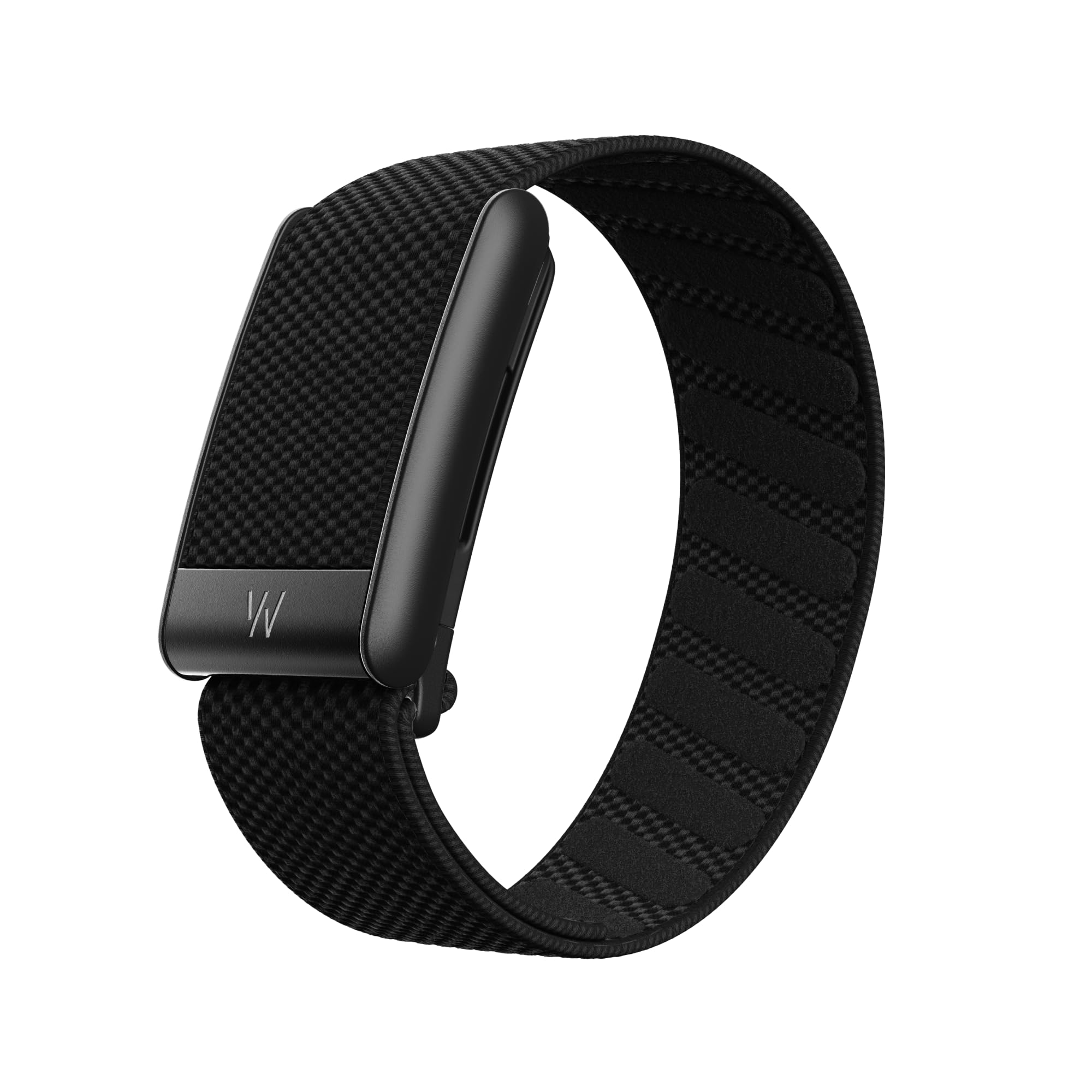
WHOOP 5.0 has become the gold standard for 24/7 HRV monitoring among serious athletes and biohackers. It uses a multi-wavelength optical sensor worn on the wrist (or bicep) and processes over 140 metrics through WHOOP AI to deliver daily Strain, Recovery, and Sleep scores. The screenless design means zero distractions and minimal bulk, making it comfortable for round-the-clock wear — critical for overnight HRV readings.
The battery life is a genuine highlight: up to 14 days on a single charge, with the included Wireless PowerPack allowing on-the-go top-ups. The device captures HRV every second of every day, and the WHOOP Journal lets you tag 300+ behaviors (caffeine, alcohol, training time, stress events) to see exactly how each habit impacts your Recovery score. For menstrual cycle tracking, WHOOP uses overnight HRV and skin temperature shifts for ovulation estimates.
The biggest caveat is the mandatory 12-month membership — the device itself is bundled with a subscription. Some users report heart rate inaccuracy during high-intensity workouts (20+ bpm off compared to chest straps), which can throw off HRV-derived Strain scores. Customer support experiences are mixed, and the hardware feels less premium than its price suggests.
Why it’s great
- 24/7 HRV tracking with deep recovery analytics
- 14+ day battery life with wireless charging pack
- Extensive habit tracking with WHOOP Journal
Good to know
- Requires ongoing subscription membership
- HR accuracy can drift during intense exercise
- Hardware feel may not justify the premium tier
4. KardiaMobile Card EKG Monitor
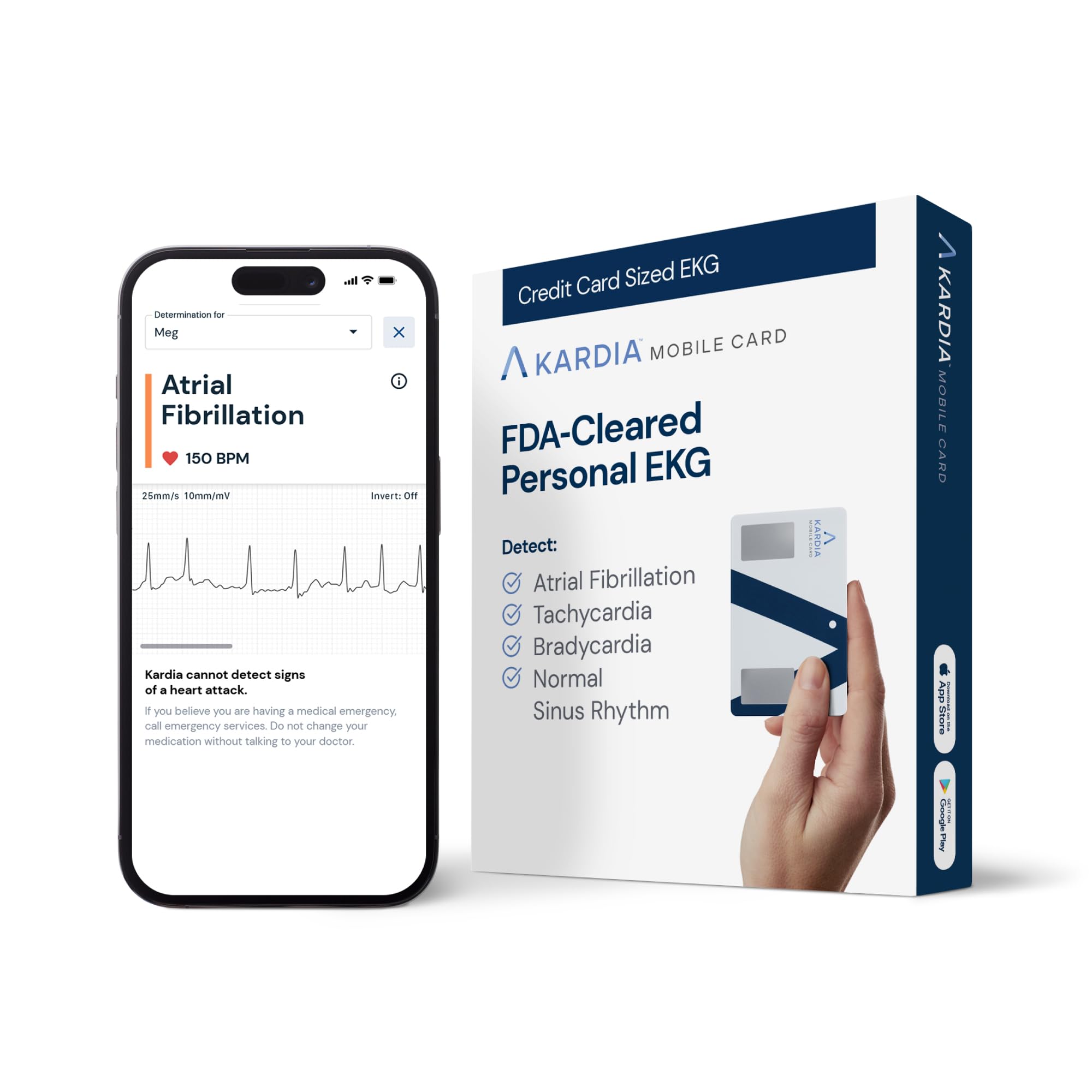
The KardiaMobile Card is a credit-card-sized FDA-cleared EKG device that captures a medical-grade single-lead ECG in 30 seconds. While not a continuous HRV monitor, it is the most reliable tool for on-demand rhythm checking and spot HRV measurement. Simply place your fingers on the two sensors, and the free Kardia app records, saves, and shares EKGs with your healthcare provider — no subscription required for basic detection.
It detects AFib, Bradycardia, Tachycardia, and Normal Sinus Rhythm, and is the #1 cardiologist-recommended personal EKG brand. The built-in battery lasts for a minimum of 2,000 EKGs, and the card automatically shuts off after 10 seconds of inactivity. At just 7.4 grams, it truly slides into a wallet or pocket, making it the most portable option for anyone who wants instant HRV data without wearing anything.
The KardiaMobile Card is not tested for use with pacemakers or ICDs, and it does not check for heart attacks. Some users report aggressive prompts to subscribe to the optional KardiaCare membership for additional detection features, which can feel like a bait-and-switch if you weren’t expecting it. The on/off button’s short timeout (10 seconds) also means you need to maintain steady finger contact or the session aborts.
Why it’s great
- FDA-cleared medical-grade EKG in a credit-card form
- No subscription needed for core arrhythmia detection
- Portable and always available for spot HRV checks
Good to know
- Not for continuous HRV monitoring — on-demand only
- Short 10-second timeout can abort readings
- Optional subscription feels pushed on some users
5. Garmin Index Sleep Monitor

The Garmin Index Sleep Monitor is a dedicated sleep band worn on the upper arm, designed for users who want overnight HRV and sleep stage data without the bulk of a chest strap. It uses optical sensors (Pulse Ox) and skin temperature tracking to estimate sleep stages, breathing variations, and HRV metrics. The band is lightweight and breathable — most users report forgetting they’re wearing it within minutes.
Battery life reaches up to 7 nights, and the smart wake alarm vibrates gently to wake you at the optimal point in your sleep cycle. For women, the advanced women’s health tracking uses skin temperature to improve period predictions and ovulation estimates. Data syncs to the Garmin Connect app, and if you wear a compatible Garmin watch during the day, your HRV data from both devices merges for a fuller picture.
Accuracy is a mixed bag — while HRV and SpO2 readings at 1-minute intervals are more granular than Oura Ring’s 15-minute intervals, sleep stage detection (deep vs light) can be unreliable compared to other devices. Syncing issues are the most common complaint, with some users reporting missed nights of data or needing to force sync manually. Battery life is also shorter than many wrist wearables at 4-5 days between charges in practice.
Why it’s great
- Comfortable upper-arm design for undisturbed sleep
- 1-minute HRV and SpO2 intervals — more granular than many rings
- Smart wake alarm vibrates at optimal sleep phase
Good to know
- Sleep stage detection can mismatch with other devices
- Syncing issues can cause missed overnight data
- Battery life averages 4-5 days in real use
6. ELENVA Smart Ring
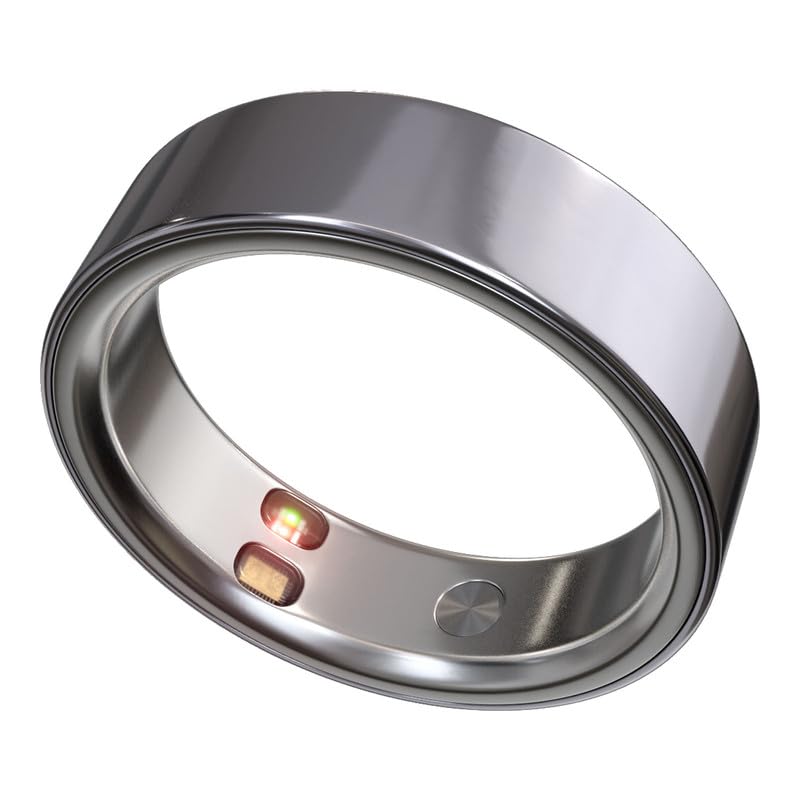
The ELENVA Smart Ring is one of the few smart rings on the market that includes a built-in vibration motor for silent alerts, making it a genuinely discreet 24/7 health companion. It tracks heart rate, SpO2, body temperature, sleep stages (light, deep, REM, awake), and HRV for real-time stress and fatigue index reporting.
For HRV use, the ring provides daily mood reports, stress index, and fatigue index based on HRV analysis. It also supports multi-sport activity tracking (10+ activities) with post-activity HRV analysis that suggests optimal rest periods. The energy-efficient ARM processor delivers 2-5 days of battery life from a 90-minute magnetic charge, and data exports in CSV/JSON format for third-party analysis — no cloud storage required.
While the vibration alerts are unique, the ring’s optical sensor is inherently less accurate than a chest strap for raw HRV during movement. Some users find the 2-5 day battery life short compared to dedicated fitness bands, and the app experience can feel less polished than bigger brands. The ring is best suited for casual 24/7 HRV trend watching rather than clinical-grade spot measurements.
Why it’s great
- Exclusive vibration motor for silent alerts and gentle wake-ups
- CSV/JSON data export with local-only storage
- 5ATM waterproof and durable 316L stainless steel build
Good to know
- Optical sensor less accurate than chest straps for HRV
- Battery life varies between 2-5 days
- App experience is less refined than major brands
7. SOUYIE Smart Bracelet
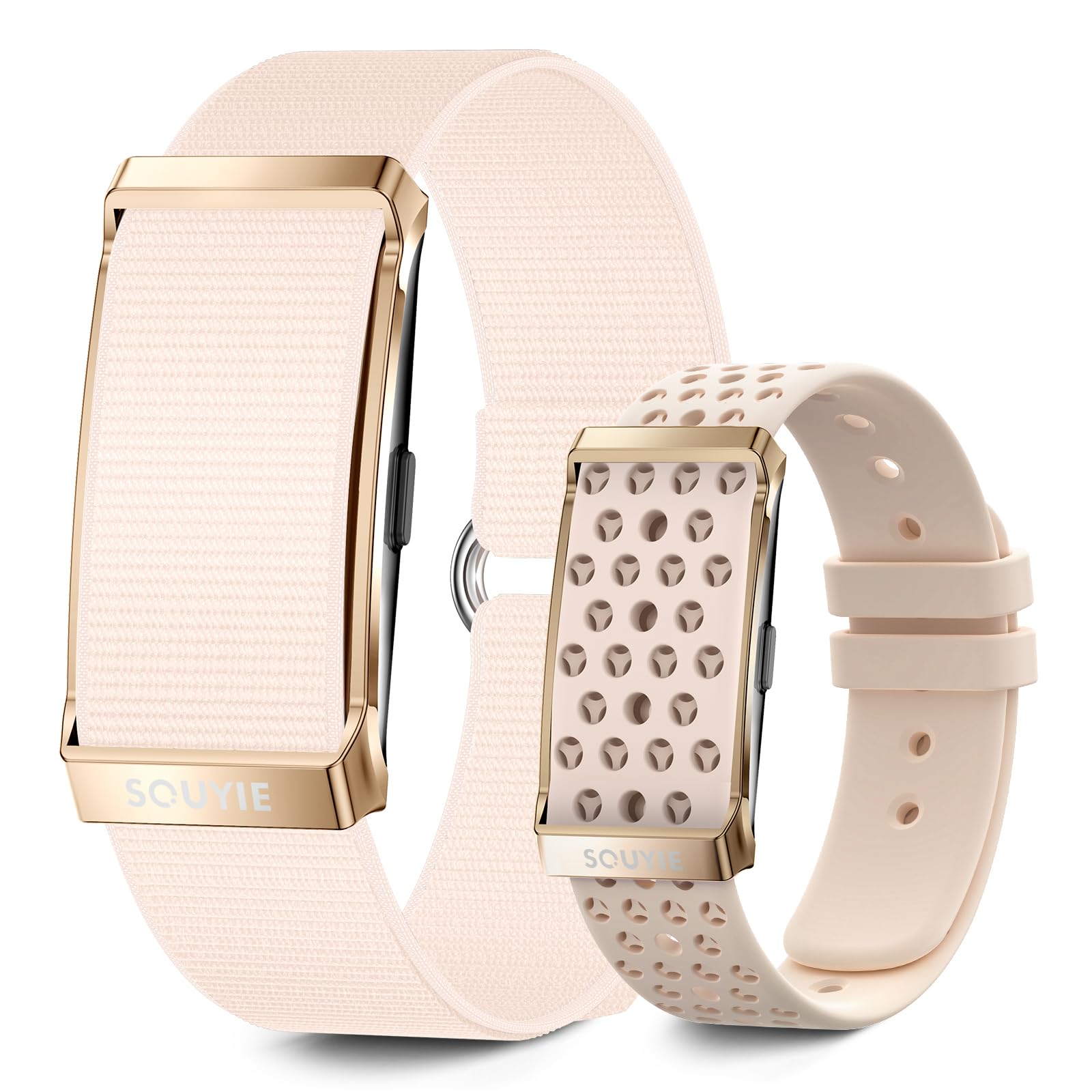
The SOUYIE Smart Bracelet is a budget-friendly entry point for anyone curious about tracking HRV without a significant investment. It offers 24/7 continuous monitoring of heart rate, blood pressure, blood oxygen, HRV, and stress levels through a minimalist screenless design. The companion app (100% free — no subscriptions) provides detailed trends and analysis reports, including HRV-based stress insights.
Battery life is the standout feature here — up to 20-30 days on a single charge, with a 15-minute quick charge that can last for days. The device includes two bands (silicone and nylon) and weighs just 18.4 grams, making it barely noticeable for all-day and all-night wear. For daytime naps and nighttime sleep, the upgraded sleep algorithm tracks light, deep, and REM stages alongside HRV trends.
Accuracy is the trade-off at this price point. Some users report the step counter stops working after a week, and sleep stage detection can be unreliable compared to dedicated sleep trackers. The 1 ATM water resistance means you can handle hand washing and rain, but not swimming or showers. The HRV and stress data are useful for spotting general trends rather than precise daily readiness scoring.
Why it’s great
- Exceptional 20-30 day battery life
- Completely free app with no subscription fees
- Ultra-lightweight and comfortable for 24/7 wear
Good to know
- Optical sensor accuracy is limited — trends only
- Step tracking and sleep detection can be unreliable
- 1ATM rating means no swimming or shower use
FAQ
Can I use a wrist-based fitness tracker for accurate HRV readings?
How often should I measure my HRV for meaningful data?
Do I need a subscription to access full HRV data from these devices?
Final Thoughts: The Verdict
For most users, the device for hrv winner is the Polar H10 because its ECG-grade accuracy within 2ms and dual Bluetooth/ANT+ connectivity make it the most versatile tool for serious HRV analysis across any app. If you want seamless integration with the Garmin ecosystem plus advanced running dynamics, grab the Garmin HRM 600. And for 24/7 recovery monitoring with zero screen distractions, nothing beats the WHOOP 5.0.

Mo Maruf
I created WellFizz to bridge the gap between vague wellness advice and actionable solutions. My mission is simple: to decode the research and give you practical tools you can actually use.
Beyond the data, I am a passionate traveler. I believe that stepping away from the screen to explore new environments is essential for mental clarity and physical vitality.