Our readers keep the lights on and my smoothie glass nicely filled. As an Amazon Associate, I earn from qualifying purchases.
Deer move on their schedule, not yours. A trail camera that misses the shot, burns through batteries, or delivers grainy night images turns scouting into guesswork. The difference between a productive season and a frustrating one often comes down to the trigger speed, resolution, and power system of the camera you stake out.
I’m Mohammad Maruf — the founder and writer behind WellFizz. I’ve spent hundreds of hours analyzing trail camera specifications, battery chemistry, sensor response times, and real-world user data to separate the gear that delivers from the gear that disappoints.
Whether you’re tracking a mature buck on public land or monitoring a food plot behind the house, choosing the right tool matters. This guide breaks down the specs and tradeoffs to help you find the best deer trail camera for your exact setup and budget.
How To Choose The Best Deer Trail Camera
A great trail camera balances image quality, power autonomy, and connectivity in a way that matches your specific scouting pattern. A camera that works perfectly on a power-line cut in Texas may frustrate you on a shaded creek bed in Michigan. Understanding where you’ll deploy it narrows the field fast.
Trigger Speed and Detection Zone
Trigger speed is the single most decisive performance spec for deer. A camera that fires in 0.2 seconds can catch a walking buck in frame; a 0.5-second camera often catches an empty tail. Multi-sensor designs (center plus side sensors) widen the detection zone so animals moving laterally don’t slip past unfilmed. Look for sub-0.3-second trigger times and 80-to-100-foot detection ranges for serious scouting.
Connectivity: Cellular, WiFi, or Standalone
Cellular cameras send images directly to your phone via LTE, which eliminates the need to physically visit the camera — critical for remote properties or pressure-sensitive deer. The tradeoff is a monthly data plan (typically to per month). WiFi cameras let you preview images on-site without removing the SD card but require you to walk within roughly 50 feet of the unit. Standalone cameras (no connectivity) are the simplest and cheapest option but force you to pull the card and review footage later. Choose based on how often you can check your camera and how much intrusion you want to risk.
Night Vision Technology and Flash Type
Two infrared flash types dominate the market. Low-glow (850nm) LEDs cast a faint red glow that most deer tolerate but some older bucks may notice over time. No-glow (940nm) LEDs are invisible to game but typically have shorter effective range and slightly less contrast at the edges. Advertised night vision distances (often 80 to 100 feet) are usually measured under ideal conditions — expect usable clarity at about 60 to 70 percent of the listed number in real woods.
Power Strategy: Solar, Lithium, or Alkaline
Battery longevity is the second biggest pain point after missed shots. Lithium AA batteries perform far better in cold weather than alkaline and are worth the premium for winter deployments. Integrated solar panels can keep internal rechargeable batteries topped off during daylight months, but in deep shade or below the canopy, solar alone won’t sustain a busy camera. The most reliable setups pair a solar panel with a high-capacity rechargeable battery pack or lithium AAs as backup.
Quick Comparison
On smaller screens, swipe sideways to see the full table.
| Model | Category | Best For | Key Spec | Amazon |
|---|---|---|---|---|
| Tactacam Reveal X 3.0 | Cellular | Remote, no-card scouting | Multi-carrier LTE, 4K photo, sub-0.5s trigger | Amazon |
| TACTACAM Reveal X PRO | Cellular | GPS-tracked property monitoring | Integrated GPS, 96-ft flash range, Verizon+AT&T | Amazon |
| Moultrie Edge 2 Pro | Cellular | Land management with AI filtering | 40MP photo, 1440p video, AI false-trigger elimination | Amazon |
| XTU 4K 64MP Solar | Solar WiFi | Off-grid food plot monitoring | 0.2s trigger, 4K video, 65-ft IR, solar recharge | Amazon |
| Meidase P70 2-Pack | Standalone | Budget-conscious multi-point setups | 0.1s trigger, 64MP, no-glow 100-ft IR | Amazon |
| Misstech 4K UHD Solar | Solar WiFi | Entry-level solar with no monthly fee | 64MP photo, 4K video, 0.1s trigger, app control | Amazon |
| Assark Solar Trail Camera | Solar WiFi | First solar camera on a budget | 48MP photo, 0.2s trigger, 32GB SD included | Amazon |
In‑Depth Reviews
1. Tactacam Reveal X 3.0 Cellular Trail Camera
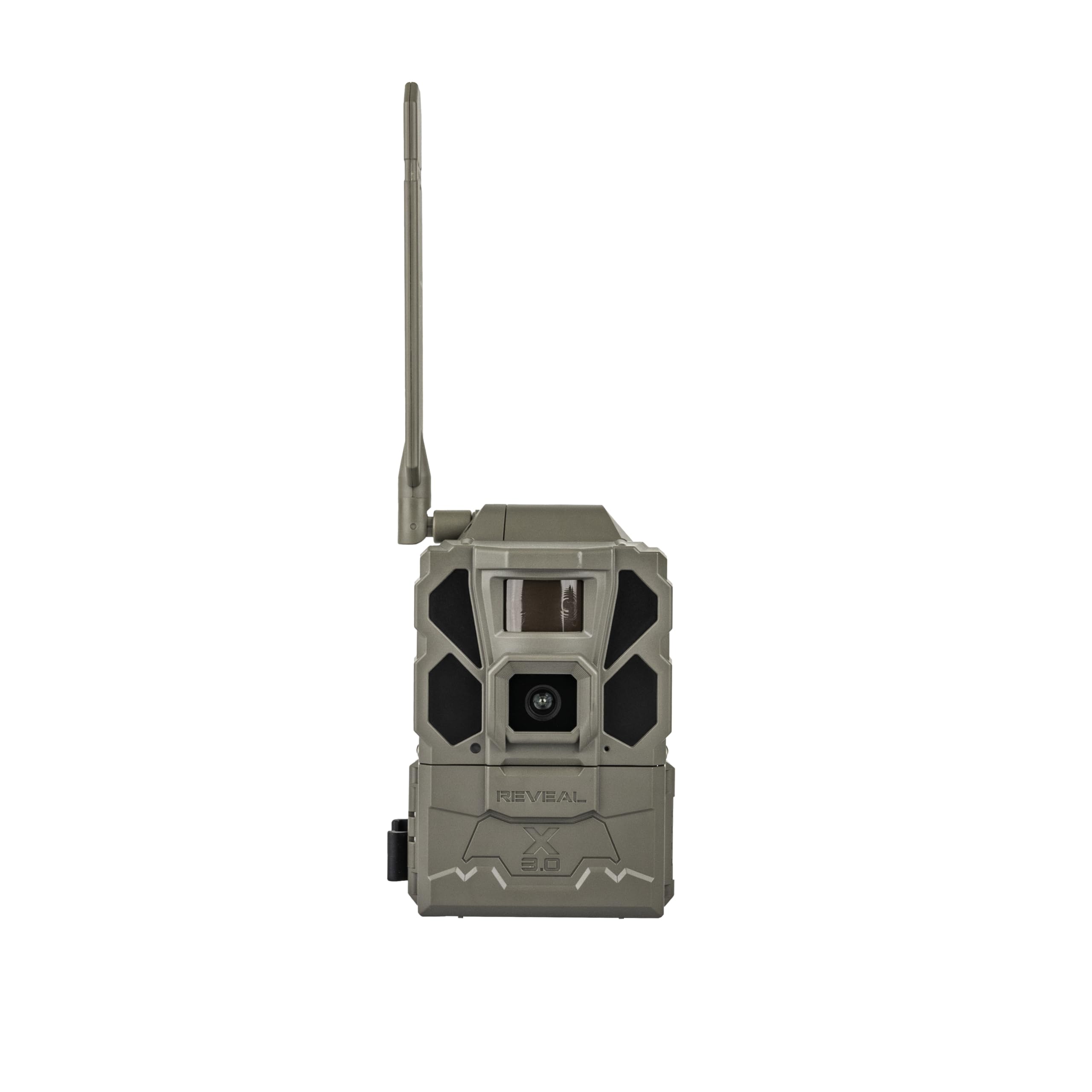
The Tactacam Reveal X 3.0 is the gold standard for cellular trail cameras in the premium tier. Its auto-connect SIM grabs the strongest LTE signal between AT&T and Verizon without any manual swapping, so you don’t land a dead zone because the wrong carrier’s SIM was in the slot. The built-in storage eliminates the need for an SD card entirely — photos go straight to the cloud and your phone. Battery life is class-leading, with independent tests showing six-plus months on a set of lithium AAs, and pairing it with the optional lithium cartridge extends that well beyond a season.
Image quality is strong for a cellular camera: 4K photos and 1080p video with smooth frame rates. The sub-half-second trigger with a three-shot burst mode gives you multiple chances to catch a buck that’s moving fast, and the 60-degree field of view covers typical trail width well. The REVEAL app is intuitive, allowing remote setting changes and live camera health checks. Setup takes under ten minutes with the pre-installed antenna and SIM.
The downside is that it requires a data plan — typically to per month depending on photo frequency and resolution — so the total cost of ownership exceeds the upfront price. It also runs on 12 AA batteries, and while battery life is excellent, heavy video transmission can drain them faster than standard photo-only plans. The low-glow IR flash is visible to sharp-eyed deer if they’re within close range repeatedly.
Why it’s great
- No SD card required — built-in storage and cloud backup
- Auto-connects to strongest carrier (Verizon or AT&T)
- Excellent battery life with lithium cartridge option
Good to know
- Requires monthly cellular data plan
- Low-glow flash visible at very close range
- Video transmission uses more power than photos
2. TACTACAM Reveal X PRO Cellular Trail Camera
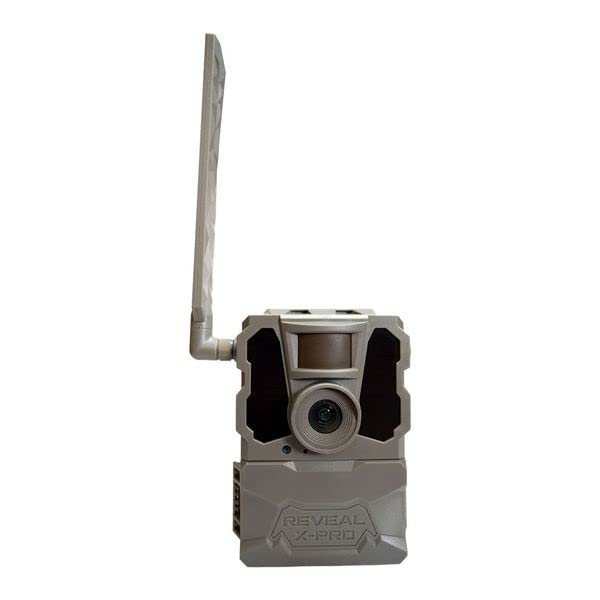
The Reveal X PRO adds integrated GPS tracking and a built-in LCD screen for on-camera photo review and programming — two features the standard X 3.0 lacks. If you manage multiple cameras across large private land, the GPS pin in the app prevents the “which tree did I strap this to” confusion that wastes daylight. The no-glow IR technology is genuinely invisible to game, making it ideal for high-pressure properties where deer have learned to avoid the faint red glow of 850nm LEDs.
Image capture tops out at 16 megapixels, which is lower than the X 3.0’s 4K stills, but the tradeoff is faster transmission and better battery efficiency in Hybrid Mode. The combination of Verizon and AT&T SIMs (both included) lets you choose the better carrier for your spot. The 96-foot flash and detection range is among the longest in this class, and the lightning-fast trigger nearly eliminates empty frames. The REVEAL app works identically across both models, so switching between them is seamless.
The 16MP resolution means you won’t get the same crop-ability as the X 3.0’s 4K photos — fine for presence detection, less ideal if you need to zoom in on antler details. It requires 12 AA batteries, and standard alkalines drain noticeably faster than lithium. The LCD screen, while useful, adds bulk and consumes additional battery when used frequently. Cellular plans cost the same as the X 3.0, so total cost of ownership is similar.
Why it’s great
- Integrated GPS pin for camera location tracking
- No-glow 940nm IR flash is invisible to deer
- Built-in LCD screen for on-site photo review
Good to know
- Only 16MP stills — less detail for zooming
- LCD screen and GPS draw extra battery
- Requires cellular plan and 12 AA batteries
3. Moultrie Edge 2 Pro Cellular Trail Camera

The Moultrie Edge 2 Pro distinguishes itself with AI-based false trigger elimination that filters out swaying grass, temperature shifts, and non-target animals before they ever send you a notification. For landowners tired of 200 “windy grass” alerts per day, this feature cuts the noise dramatically. It also integrates directly with the onX Hunt app, placing your camera photos on your scouting maps — a powerful tool for hunters who plan their sits around terrain features.
Photo resolution hits 40 megapixels with 1440p video recorded with HD audio, giving you clear situational footage that includes the sound of footsteps and antler rattles. The Live Aim function provides a real-time camera preview on your smartphone so you can frame your shot perfectly without hiking back and forth. The no-glow flash avoids spooking deer, and the 100-foot detection range covers most trail widths and food plot edges. Built-in 8GB storage plus unlimited cloud backup means you never need to buy an SD card.
The downside is purely operational: the Edge 2 Pro requires 16 AA batteries or a separate rechargeable battery pack/solar panel. Battery draw is higher than the Tactacam X 3.0, especially with frequent video transmissions. Data plans start at per month, which is slightly above the entry-level Tactacam pricing. Some users report that the app interface is less streamlined than the REVEAL app, requiring a few extra taps to adjust settings.
Why it’s great
- AI eliminates false triggers from wind and non-target animals
- Integrates with onX Hunt app for map-based scouting
- Built-in 8GB memory plus unlimited cloud backup
Good to know
- Requires 16 AA batteries — higher power draw
- Data plans start at per month
- App interface less intuitive than some competitors
4. XTU 4K 64MP Solar Trail Camera
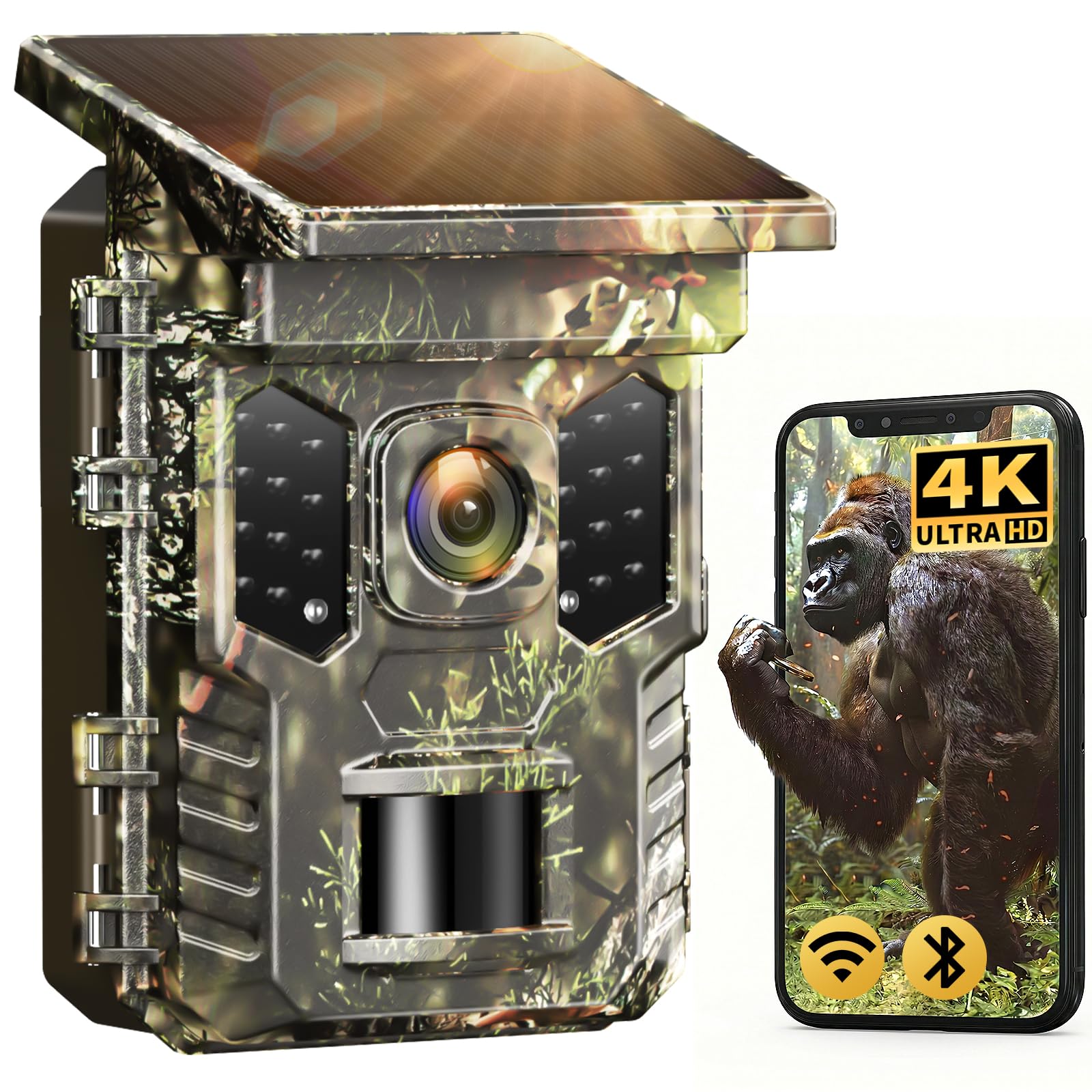
The XTU 4K 64MP Solar camera hits an impressive balance of resolution, speed, and power autonomy for the mid-range price. Its 0.2-second trigger speed and 70-foot detection zone catch deer reliably on trails and food plots, and the 4K video with 64MP stills give you plenty of cropping headroom for antler analysis. The integrated solar panel and internal rechargeable battery keep the camera running through extended deployments, and USB-C charging and DC 6V input provide backup options for fixed setups at cabins or gates.
Night vision uses dual 850nm low-glow LEDs with a claimed 65-foot range, and in practice it delivers usable image detail out to about 45 feet — enough for trail monitoring and small food plots. The built-in WiFi (with a roughly 49-foot range) lets you preview and download images on-site through the TrailCamGO app without removing the SD card, saving time during checks. The IP66 waterproof housing has held up well in rain and snow based on field reports, and the camouflage-green body blends into woody edges effectively.
The primary weakness is quality control: multiple user reports describe units arriving with SD card read errors or refusing to capture photos entirely within the first two weeks. The night image quality, while adequate, shows visible grain at the edges compared to premium cellular cameras. The solar panel performs well in direct sun but struggles to maintain full charge under a dense canopy, so it’s best suited for food plots and powerline cuts rather than deep woods. No SD card is included.
Why it’s great
- Excellent 4K video and 64MP still resolution
- 0.2s trigger speed catches walking deer reliably
- Solar + USB-C + DC backup charging options
Good to know
- Quality control can be inconsistent
- Night vision graininess at edges
- Solar struggles under dense canopy
5. Meidase 2 Pack (Non-Cellular) Trail Camera P70
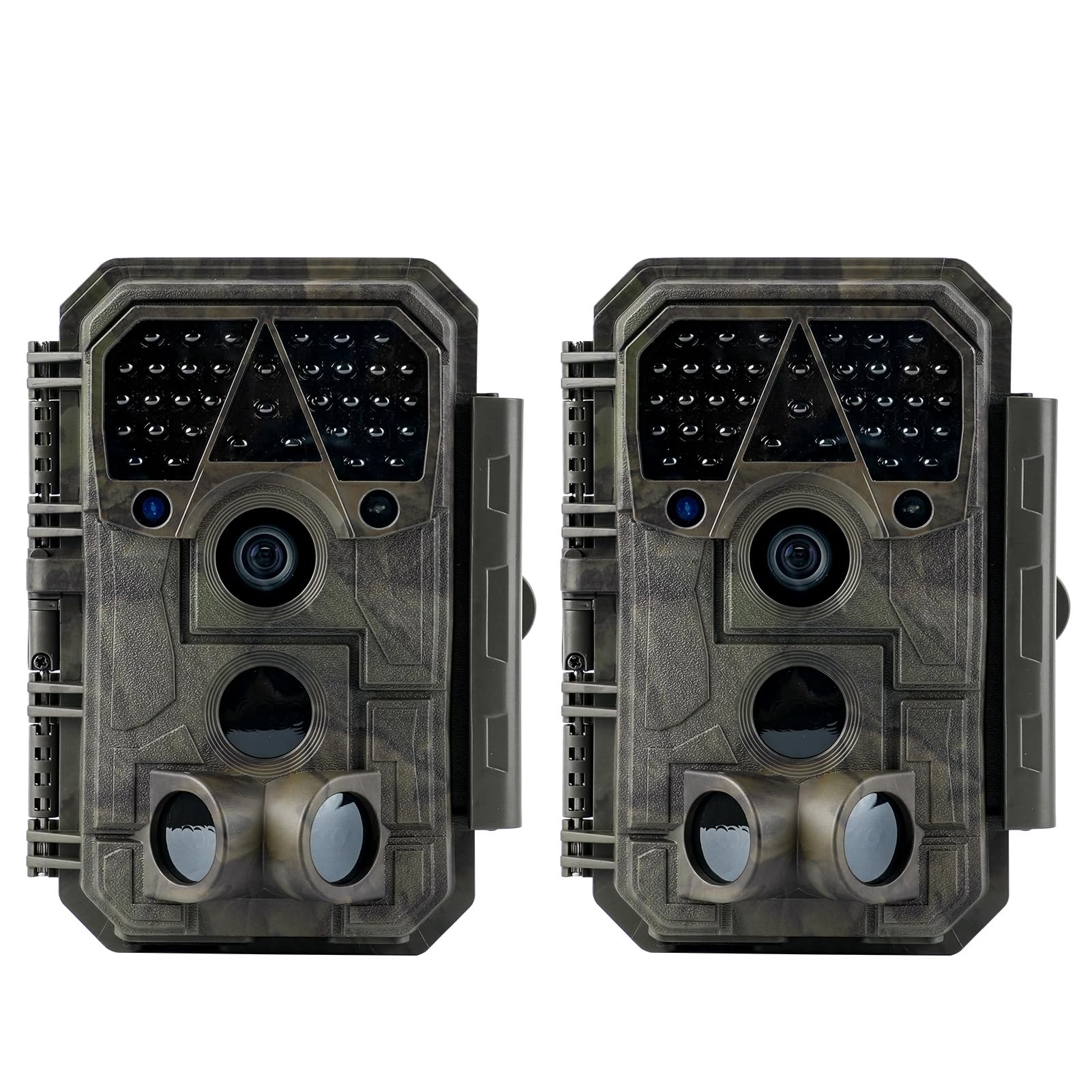
The Meidase P70 2-Pack offers the fastest trigger speed in this lineup at 0.1 seconds, paired with a three-sensor detection array (center plus two side sensors) that catches deer moving laterally across trails — a common failure point for single-sensor cameras. Non-cellular and non-WiFi, these are pure standalone cameras with a 2.4-inch color display and physical buttons for menu navigation, which some hunters actually prefer for their simplicity and reliability in the field. No connectivity means no monthly fees, no app pairing, and no signal issues.
Image quality is strong for the standalone class: 64MP stills and 1296p HD video with H.264 compression that keeps file sizes manageable without sacrificing detail. The no-glow 940nm IR LEDs provide invisible illumination up to 100 feet in ideal conditions, and the f/1.6 aperture lens captures more light than typical budget cameras, resulting in brighter night images with less noise. The MP4 and MOV file formats play on any device without conversion headaches.
The tradeoffs are clear: no remote image access means you must physically pull the SD card (not included) to see what the camera captured. The 2-pack pricing keeps the per-camera cost low, but each unit requires 8 AA batteries (16 total), and alkaline batteries drain quickly in cold weather — plan on Energizer Lithium from day one. The lack of solar integration means you’ll be swapping batteries several times per season in high-traffic areas. The time/date resets each time you change batteries, which is a minor but recurring annoyance.
Why it’s great
- Blazing 0.1s trigger with side-sensor detection
- No-glow 940nm IR invisible to deer up to 100 ft
- Two cameras for the price — excellent multi-point value
Good to know
- No WiFi, no cellular — requires SD card pulls
- Battery resets time/date on each change
- Works best with Energizer Lithium AA batteries
6. Misstech 4K UHD Solar Trail Camera
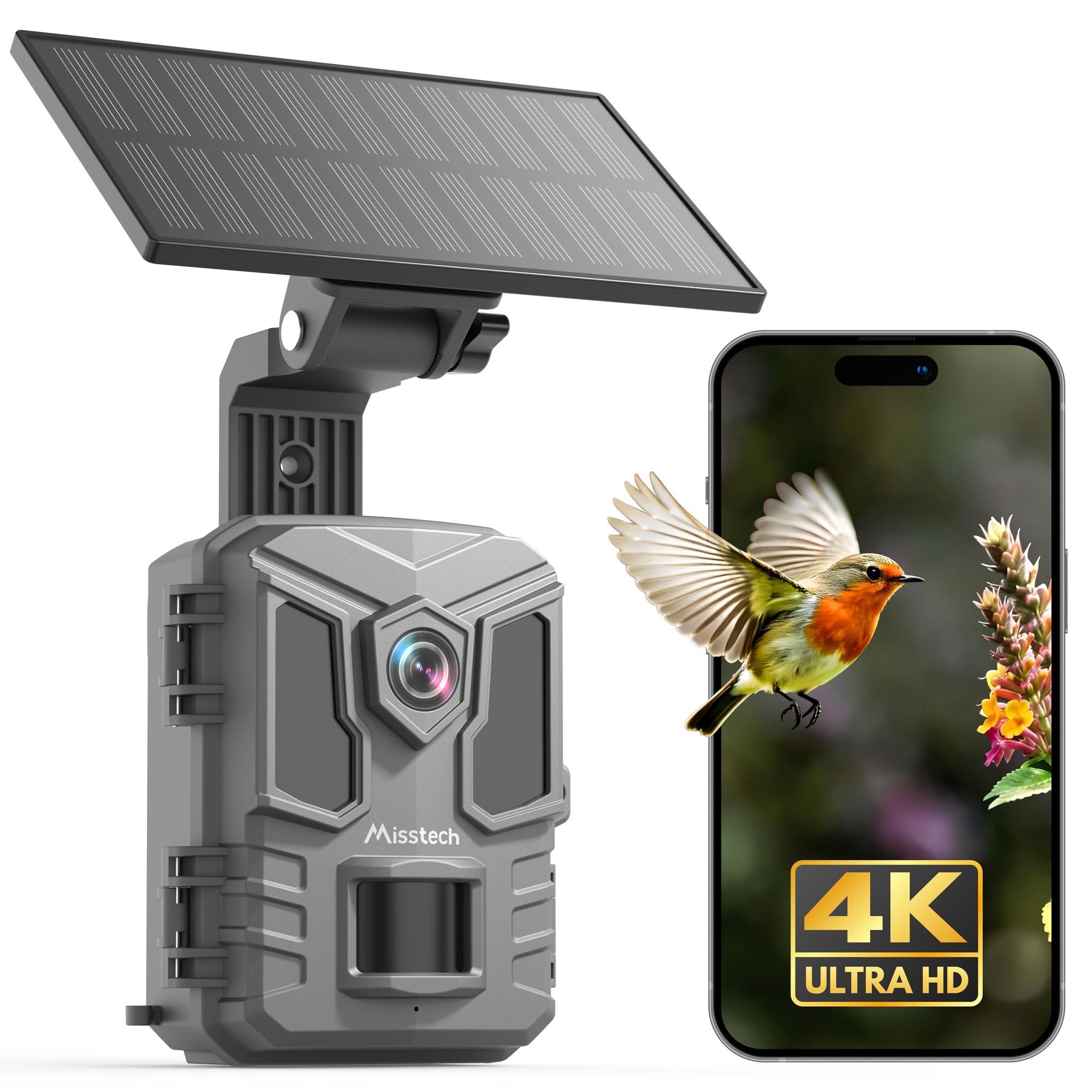
The Misstech 4K UHD Solar camera delivers strong entry-level features for anyone wanting solar-powered operation without a cellular subscription. Its built-in rechargeable battery and solar panel maintain charge surprisingly well in partial sun, and the internal battery alone lasted several days of heavy recording in testing. The 64MP photo and 4K video resolution with an f/1.6 aperture lens produce sharp daytime images and respectable low-light detail, especially considering the price point.
The Trailcam Go app provides local WiFi preview and download over 30 to 50 meters in open areas, letting you check captures from your truck or blind without disturbing the camera. The app also logs moon phase, temperature, and time on every image — useful for patterning deer movement to weather fronts and lunar cycles. The MapPin feature lets you drop a GPS location in the app so you can find the camera again on a later visit. An 8GB SD card is included, and storage is expandable to 128GB.
The main weak point is connection range consistency. Some users report Bluetooth and WiFi only work within a few feet, which defeats the purpose of app-based previewing. The 30-second video recording limit with a 5 to 10 second pause between triggers means you may miss extended action at a scrape or mineral lick. The solar panel, while effective in sun, charges slowly in overcast conditions. Overall, it’s a capable entry-level solar camera but not a substitute for cellular remote access.
Why it’s great
- No monthly fees — local WiFi preview free
- 4K video and 64MP photos with good daytime clarity
- App logs moon phase, temperature, and time stamp
Good to know
- WiFi range inconsistent across units
- 30-second video limit with pause between triggers
- Solar charges slowly in overcast conditions
7. Assark Solar Trail Camera 48MP

The Assark Solar Trail Camera is the most budget-friendly option that still includes WiFi and Bluetooth app connectivity, making it a solid entry point for new users who want to preview images from their phone without paying a cent in monthly fees. The 48MP photos and 1080p video at 30fps are adequate for daytime identification of bucks and does, and the included 32GB micro SD card means you don’t need to buy storage separately — a rare convenience at this price tier.
The solar panel and internal rechargeable battery work well together; multiple users report the battery staying at 100 percent even after weeks of continuous operation in partly cloudy conditions. The 0.2-second trigger speed catches most passing deer, though the PIR sensor is strongest within 10 yards and weakens noticeably beyond that — expect it to miss slow-moving animals at 15 to 20 yards. The IP66 waterproofing has held up through rain and snow, and the ability to set a target zone helps reduce false triggers from swaying branches. The TrialCam Go app provides basic image preview and download within a roughly 45-foot range.
Night vision is the biggest compromise here. The 850nm low-glow LEDs provide useful illumination only out to about 15 to 18 feet, which limits the camera to tight trails and feeder setups. Beyond that range, images are dark and muddy. The one-piece rubber cover over the ports is inconvenient when the solar cable is plugged in, as it can’t seal fully. The WiFi range is adequate but the app lacks full landscape mode on tablets. For the price and the included SD card, it’s a capable first camera, but serious hunters will want better night reach.
Why it’s great
- Includes a 32GB micro SD card in the box
- Solar panel keeps battery at 100% in partial sun
- WiFi and Bluetooth app preview without monthly fees
Good to know
- Night vision range limited to ~15-18 feet
- Sensor weakens significantly beyond 10 yards
- One-piece rubber cover inconvenient with solar cable
FAQ
What trigger speed do I need to catch a walking deer?
Is a cellular trail camera worth the monthly fee?
Should I use low-glow or no-glow night vision for deer?
How much SD card storage do I need for a deer trail camera?
Do solar trail cameras work in the shade or under tree canopy?
Final Thoughts: The Verdict
For most hunters, the best deer trail camera winner is the Tactacam Reveal X 3.0 because it combines the fastest cellular auto-connect, no-SD-card storage, and class-leading battery life in one package that works out of the box in under 10 minutes. If you want invisible no-glow flash and integrated GPS tracking for property security, grab the TACTACAM Reveal X PRO. And for the best multi-camera value without monthly fees, nothing beats the Meidase P70 2-Pack with its 0.1-second trigger and excellent no-glow night vision.

Mo Maruf
I created WellFizz to bridge the gap between vague wellness advice and actionable solutions. My mission is simple: to decode the research and give you practical tools you can actually use.
Beyond the data, I am a passionate traveler. I believe that stepping away from the screen to explore new environments is essential for mental clarity and physical vitality.