Our readers keep the lights on and my smoothie glass nicely filled. As an Amazon Associate, I earn from qualifying purchases.
Watching deer turn your carefully planted flower beds into a buffet is one of the most disheartening experiences a gardener faces. The solution isn’t building a fortress or spraying foul-smelling repellants every week—it’s selecting annuals that deer naturally avoid, saving your garden’s color and your sanity.
I’m Mohammad Maruf — the founder and writer behind WellFizz. After countless hours of analyzing seed mix compositions, germination rates, and real-world feedback from gardeners tackling high deer pressure, I’ve built this guide around what actually works.
The right seed mix transforms a grazing problem into a vibrant display. This guide reveals the best deer resistant annuals that keep your garden intact while supporting a thriving ecosystem of pollinators.
How To Choose The Best Deer Resistant Annuals
Choosing deer resistant annuals isn’t about finding a magic bullet—it’s about understanding how plant chemistry, texture, and scent influence browsing behavior. Deer are opportunistic feeders, but they consistently avoid plants with strong fragrances, fuzzy or leathery leaves, and those containing bitter alkaloids or latex sap. The most effective mixes layer multiple species with these traits, creating a garden that is both visually appealing and biologically unappealing to hungry deer.
Seed Mix Composition: The Right Species Matter
A quality deer resistant mix should include proven species like Zinnia, Marigold, Snapdragon, and certain types of Salvia. These plants contain compounds that deer find distasteful. Avoid generic “wildflower” blends that may include clover or peas—plants deer actively seek out. Look for mixes that specifically list their components, so you know exactly what’s going into your garden.
Germination Rate and Establishment Success
Annual seeds need to germinate quickly and establish strong roots before deer pressure peaks. Check customer feedback for real-world germination tales. Mixes that require minimal watering once established are ideal for low-maintenance gardeners, while those needing consistent moisture may demand more attention but can produce denser, more vibrant blooms.
Coverage Area and Seed Density
Not all seed packets are created equal. A single pound of seed can cover anywhere from 500 to over 5,000 square feet, depending on the mix’s density and seed size. For small gardens or borders, a quarter-pound bag might suffice, while larger meadows or fence lines call for bulk pounds. Match the coverage to your space to avoid overspending or under-planting.
Quick Comparison
On smaller screens, swipe sideways to see the full table.
| Model | Category | Best For | Key Spec | Amazon |
|---|---|---|---|---|
| Outsidepride Deer Proof Mix | Premium Mix | Proven deer resistance with Lupine & Foxglove | 1 lb coverage, partial shade tolerant | Amazon |
| Ferry-Morse Wildflower Mix | Premium Bulk | Massive coverage for large areas | Covers up to 5,752 sq. ft. | Amazon |
| Park Seed Deer Resistant Mix | Mid-Range | Specialized deer resistant blend with easy germination | 1/4 lb, spring to summer bloom | Amazon |
| Beauty Beyond Belief Wildflower Mix | Budget-Friendly | Drought tolerant & pollinator attracting | 4 oz covers 375+ sq. ft. | Amazon |
| Evolved Harvest 7 Card Stud | Specialty Mix | Deer food plots (not ornamental) | 10 lb bag, full season forage | Amazon |
In‑Depth Reviews
1. Outsidepride Deer Proof Wildflower Seed Mix
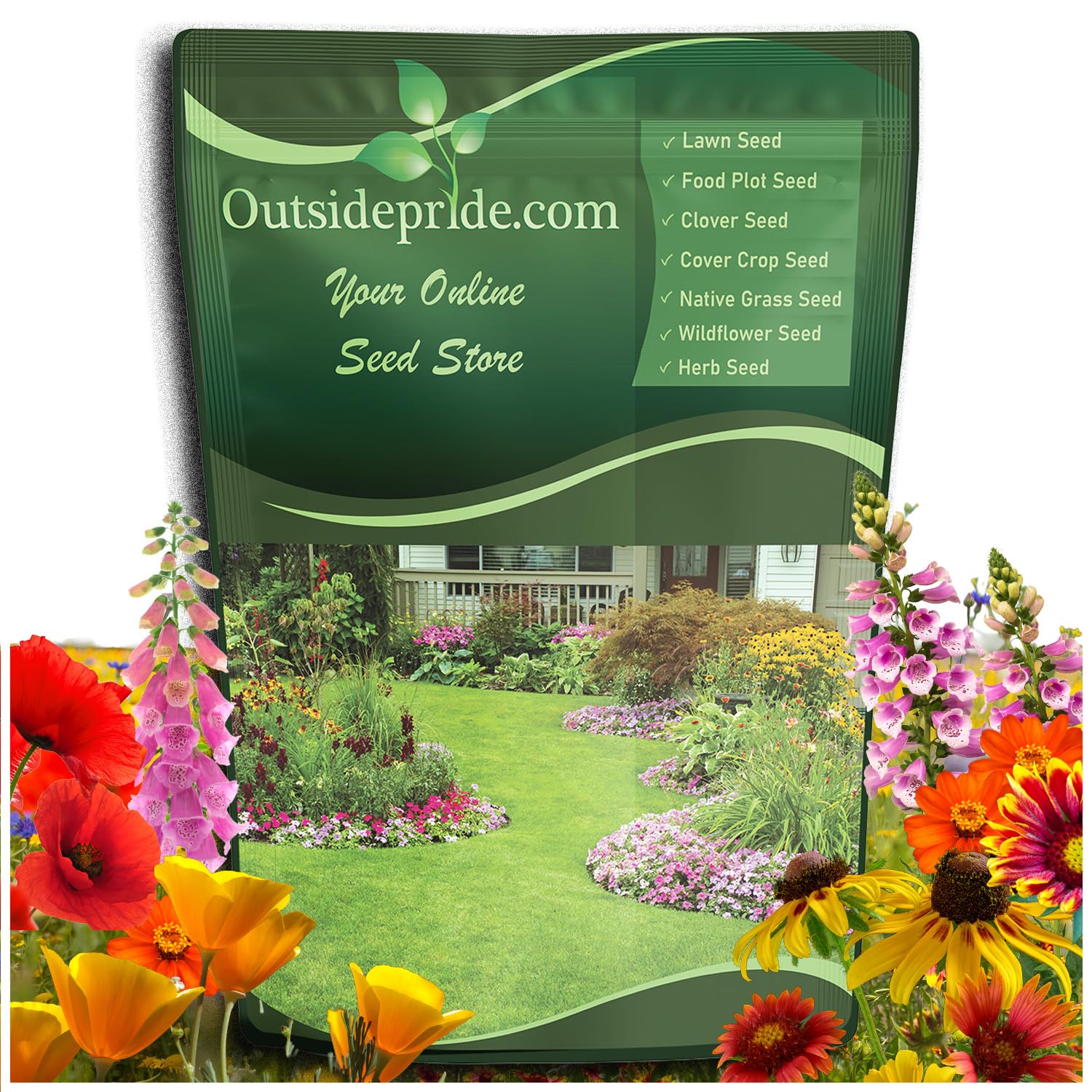
This mix is built specifically for areas with high deer traffic, combining Lupine, Foxglove, Blanketflower, and Zinnia—species known for their unpalatable foliage and bitter taste. Gardeners consistently report that deer avoid these plants even when other vegetation is stripped bare. The blend is drought-tolerant and thrives in partial shade, making it versatile for tricky garden spots with limited sun exposure.
At a full pound, you get enough seed to cover a substantial meadow or border area. The expected bloom period runs from spring through fall, providing continuous color that attracts butterflies and bees without inviting unwanted four-legged visitors. One customer noted it saved their peach trees from deer damage entirely.
Some users mention slower germination than expected—this is normal for mixes containing larger seeds like Lupine. Patience during the first few weeks pays off with a resilient, deer-resistant display that reseeds itself in subsequent seasons. The GMO-free composition adds confidence for organic gardeners.
Why it’s great
- Proven deer resistance with Lupine and Foxglove core species
- Drought tolerant once established, needs little watering
- Attracts pollinators while repelling deer
Good to know
- Some seeds have slower germination; patience required
- Higher price point compared to basic wildflower mixes
2. Ferry-Morse Wildflower Seeds Mix
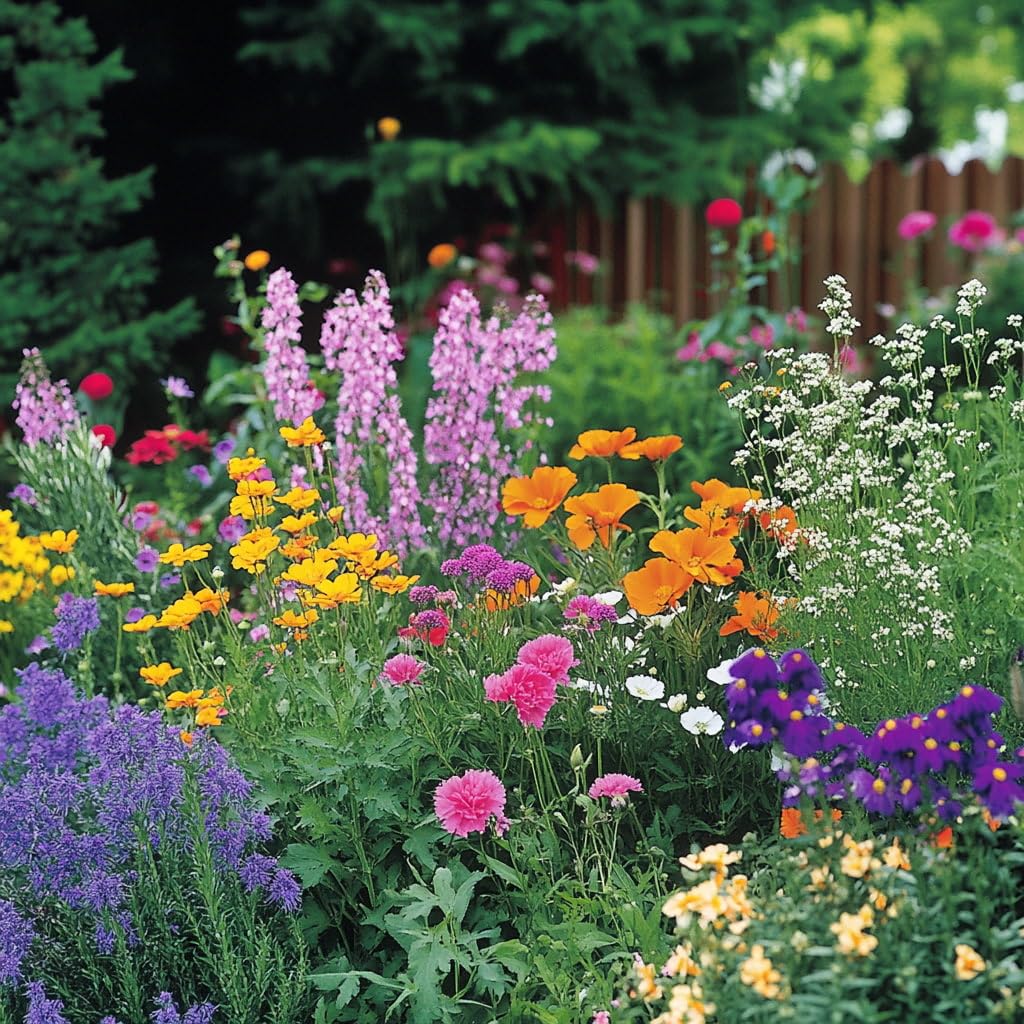
Ferry-Morse’s deer resistant mix is a heavyweight contender for large-scale projects, covering up to 5,752 square feet per pound. With an estimated 530,000 to 570,000 seeds in each bag, you’re getting tremendous volume for bulk planting along fence lines, in meadows, or across vacant lots. The mix includes both annual and perennial species that bloom from spring through fall.
Customer feedback highlights rapid germination—some users reported 100% sprouting within 10-14 days in full sun with regular watering. The plants reach heights between six and 48 inches, creating layered visual interest. A zone 9 gardener in Oregon noted excellent early results with the cardboard and compost method, achieving 8-10 inch sprouts quickly.
One concern raised by multiple reviewers is the presence of filler grass seed in the mix, which dilutes the flower density if you’re aiming for a pure wildflower meadow. For those wanting a naturalized field rather than a formal garden, this may not be an issue. Still, it’s worth considering if you need maximum flower coverage per square foot.
Why it’s great
- Exceptional coverage for large areas at economical seed count
- Fast germination in 10-14 days with proper watering
- Diverse species height range from 6 to 48 inches
Good to know
- Contains filler grass seed that reduces pure flower density
- Needs full sun and regular watering for best results
3. Park Seed Deer Resistant Mix
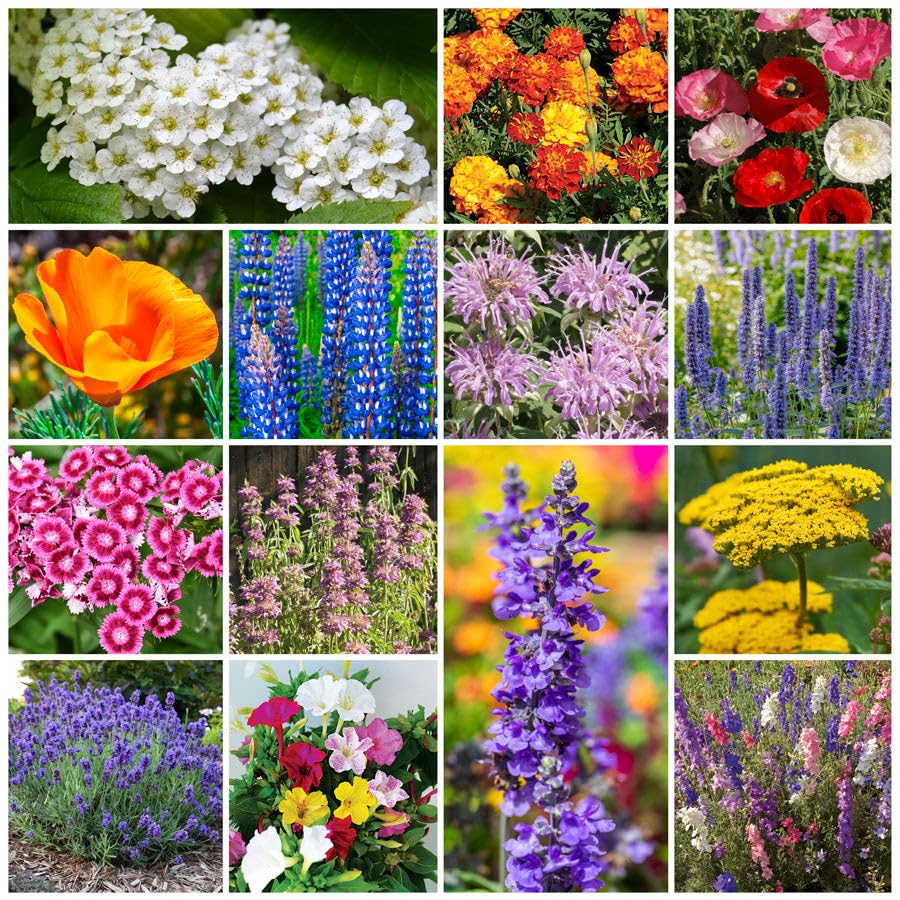
Park Seed is a trusted name in horticulture, and their Deer Resistant Mix reflects decades of seed expertise. This quarter-pound blend is designed for minimal intervention, making it ideal for beginner gardeners or those who want a quick, low-maintenance solution. The mix is specifically formulated to reduce browsing damage while delivering vibrant color that supports bees and butterflies.
Germination is notably quick—one verified buyer in East Tennessee reported sprouts within three days after the last frost. The mix is best planted in full sun with regular watering until established. It’s well-suited for flower beds, borders, and small wildflower meadows, bringing season-long charm to compact spaces. The reseeding nature of many included annuals means you may see volunteers return next year.
A minor drawback is that some users found the mix to be heavily weighted toward mini zinnias, reducing species diversity compared to larger blends. A small number of customers reported poor germination in certain garden zones, suggesting results can vary with local soil and weather conditions. Overall, it’s a solid entry point for testing deer resistance without a large investment.
Why it’s great
- Very quick germination, often within 3-5 days
- Low-maintenance once established
- Ideal for small gardens and borders
Good to know
- Mix leans heavily toward zinnias, less species variety
- Not drought tolerant; needs consistent watering
4. Beauty Beyond Belief Drought Tolerant Wildflower Mix

Beauty Beyond Belief brings over 30 years of seed expertise to this drought-resistant blend, designed for xeric gardens and dryland conditions. While the mix is not explicitly marketed as deer resistant, its composition of heat-tolerant, strongly scented annuals and perennials naturally deters browsing. The open-pollinated, non-GMO seeds are sourced from a trusted family business in business since 1985.
This 4-ounce packet covers over 375 square feet, making it a budget-friendly option for covering moderate-sized areas. The blend includes bachelor buttons and other pollinator favorites that attract honey bees, native bees, butterflies, and hummingbirds. One reviewer moving from the Pacific Northwest to a drought area was delighted with the results, noting plentiful colors and excellent value.
Some customers reported that the seeds took a full year to really establish and bloom, requiring patience in the first season. A small number of users experienced total failure with no blooms, which can happen with any seed mix if soil preparation or watering conditions aren’t ideal. For those in USDA zones 2-9 looking for a low-cost, drought-tolerant option that also offers deer resistance, this is a strong contender.
Why it’s great
- Excellent drought tolerance for xeric gardens
- Attracts diverse pollinators including hummingbirds
- Family-owned business with decades of seed quality
Good to know
- May take a full season to establish and bloom
- Not specifically formulated as deer resistant mix
5. Evolved Harvest 7 Card Stud Adaptive Food Plot Seed
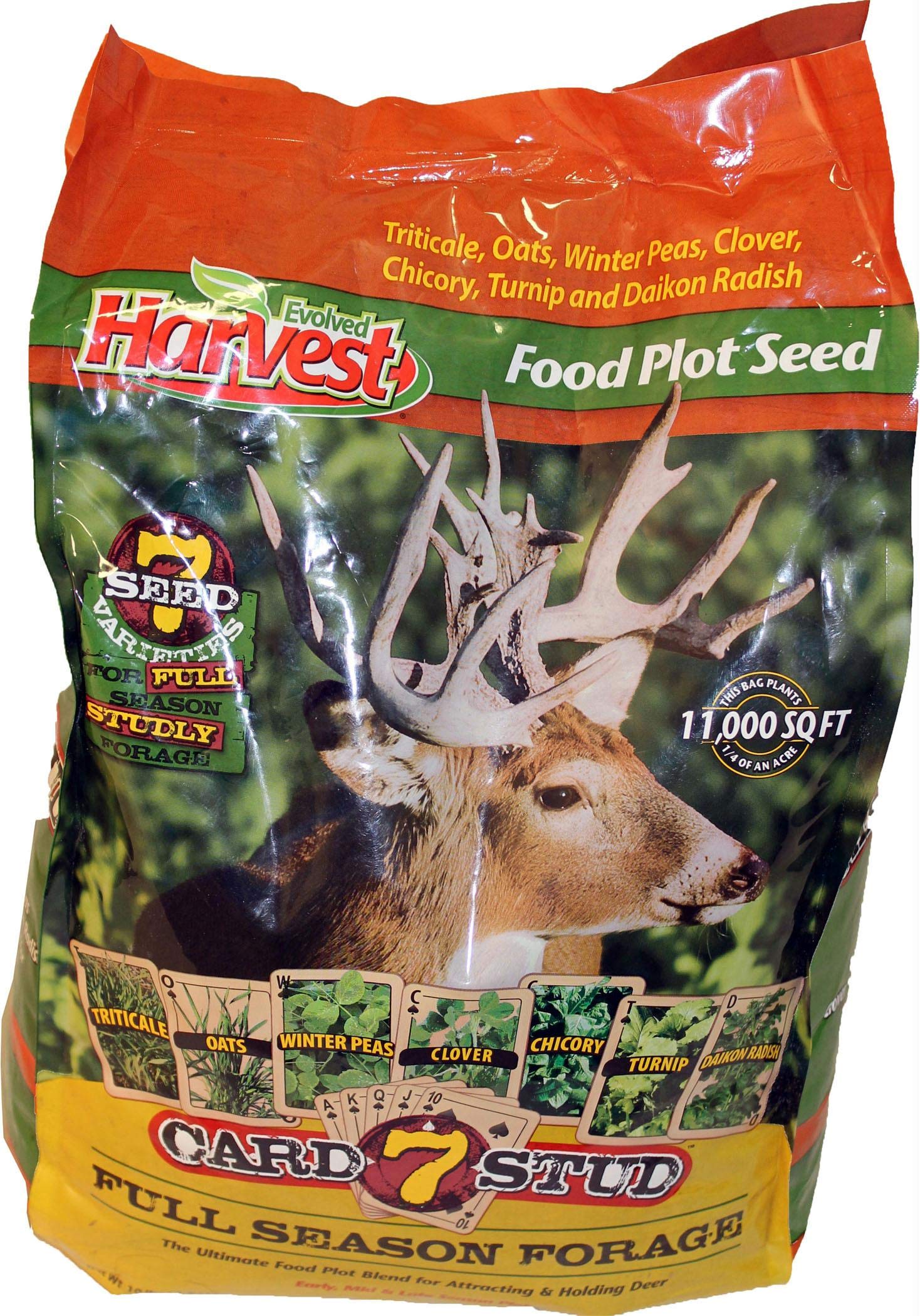
This product flips the script—it’s designed to attract deer, not repel them. The Evolved Harvest 7 Card Stud is a food plot blend formulated for hunters and wildlife managers who want to draw and hold deer on their property. The mix includes triticale, oats, winter peas, clover, chicory, turnip, and radishes, creating a high-protein, mineral-rich forage that deer find irresistible.
The 10-pound bag provides substantial coverage for food plots, and users report good germination and rapid establishment. One reviewer noted that Evolved products consistently perform well for the price, with deer retention of 130-180 class bucks after continuous use. The blend covers early, mid, and late season needs, making it valuable for year-round herd management.
Be aware that this is not an ornamental garden mix—it’s a deliberate deer attractant. Some bags arrived with packaging damage during shipping, though the seeds themselves remained usable. A few customers experienced lower-than-expected germination rates, with around 5/8 of the planted seed emerging. This product is best reserved for those actively managing deer populations, not for flower garden aesthetics.
Why it’s great
- Full season forage covering early to late needs
- High protein and mineral content supports herd health
- Proven track record for retaining deer on property
Good to know
- Designed to attract deer, not repel them
- Some reports of inconsistent germination rates
FAQ
Are deer resistant annuals truly deer proof?
What annuals do deer hate the most?
How do I plant deer resistant annual seeds for best results?
Final Thoughts: The Verdict
For most users, the best deer resistant annuals winner is the Outsidepride Deer Proof Wildflower Seed Mix because its Lupine and Foxglove core provides proven, reliable deer avoidance in a drought-tolerant, pollinator-friendly package. If you want massive coverage for a large property or fence line, grab the Ferry-Morse Wildflower Mix. And for a budget-friendly entry point with strong drought tolerance, nothing beats the Beauty Beyond Belief mix.

Mo Maruf
I created WellFizz to bridge the gap between vague wellness advice and actionable solutions. My mission is simple: to decode the research and give you practical tools you can actually use.
Beyond the data, I am a passionate traveler. I believe that stepping away from the screen to explore new environments is essential for mental clarity and physical vitality.