Our readers keep the lights on and my smoothie glass nicely filled. As an Amazon Associate, I earn from qualifying purchases.
You wake up, coffee in hand, ready to admire your garden—only to find your prized blooms chewed to the ground, hoof prints stamped into the soil, and a family of deer staring at you from across the lawn like they own the place. They do own the buffet, and your garden is the main course, unless you stock it with plants they simply refuse to eat.
I’m Mohammad Maruf — the founder and writer behind WellFizz. I’ve spent hundreds of hours cross-referencing nursery data, USDA hardiness zone maps, and real buyer reports to separate the truly deer-proof varieties from plants that deer “might” avoid (which is just wishful thinking).
This guide covers a short, battle-tested list of resilient shrubs, perennials, and groundcovers that deer actively skip. Whether you need a tall privacy screen, a flowering border, or a tough groundcover that thrives in shade, you will find the best deer proof plants to build a garden that stays intact all season long.
How To Choose The Best Deer Proof Plants
Deer are opportunistic eaters, but they are also picky. They have a well-documented hierarchy of preference based on leaf texture, scent, and toxicity. Before buying, ignore the generic “deer resistant” claim and check these three concrete factors.
Leaf Texture and Scent Are Your First Defense
Deer dislike fuzzy, hairy, or prickly leaves. They also avoid strongly aromatic foliage—lavender scents, bitter saps, and resinous oils. Plants like Lamium (dead nettle) produce a smell deer find offensive, while sedums have thick, waxy leaves that deer find unpalatable. Before buying any plant, rub a leaf between your fingers. If it feels fuzzy, sticky, or smells pungent, it is almost certainly deer-proof.
Hardiness Zone and Sun Exposure
A plant that thrives in dry, full-sun Texas will die in wet, shady Seattle—and a dead plant is not deer-proof. Match each plant’s USDA zone range to your local climate. For example, Spirea grows reliably in zones 4–9, while Nandina prefers zones 6–10. Ignoring zone boundaries is the fastest way to waste money on plants that never establish.
Growth Habit and Coverage Speed
Decide whether you need a fast-spreading groundcover, a moderate-height shrub, or a tall statement piece. Groundcovers like Sedum mats cover bare soil quickly and suppress weeds, while shrubs like Bridal Wreath Spirea create a dense, arching privacy hedge. Slow-growing varieties like Obsession Nandina require patience but reward you with year-round color.
Quick Comparison
On smaller screens, swipe sideways to see the full table.
| Model | Category | Best For | Key Spec | Amazon |
|---|---|---|---|---|
| Sedum Groundcover Mat | Groundcover | Low-maintenance coverage | 10 x 20 inch live mat | Amazon |
| Bridal Wreath Spirea | Flowering Shrub | Cascading white blooms | 1 Gallon pot, zones 4-9 | Amazon |
| Obsession Nandina | Evergreen Shrub | Year-round foliage color | 2 Gal., 48 inch height | Amazon |
| Beacon Silver Lamium | Groundcover Perennial | Shade under trees | 8 inch tall, zones 4-9 | Amazon |
| Canna Musifolia | Bulb/Perennial | Tall tropical accent | 3-5 eye per bulb | Amazon |
In‑Depth Reviews
1. Sedum Groundcover Mat

The Sedum Groundcover Mat is a 10-by-20-inch live tile packed with multiple succulent species. Its waxy, fleshy leaves are the exact texture deer avoid—they dislike chewing through the rubbery, water-storing tissue. The mat is drought-tolerant and heat-tolerant, thriving in zones 3–9, so it works across a huge climatic range.
Buyers report that even after shipping delays of over a week, nearly every plant survived and rooted quickly. The biodegradable growing pad shrinks during transit; letting roots scab for a day before planting improves success. The mix includes variegated pieces and earthy tones, making it suitable for living walls, green roofs, or traditional garden beds.
Because it is pet-friendly and non-toxic, this mat suits homes with cats and dogs. One buyer noted that even tiny “crumbs” broken off during handling rooted and grew independently. For covering large bare patches with a deer-proof carpet, this is the fastest and most reliable option.
Why it’s great
- Fast coverage from a single mat
- Hardy in zones 3–9
- Non-toxic to pets
Good to know
- Some deliveries show inconsistent variety
- Needs moderate watering until established
2. Bridal Wreath Spirea
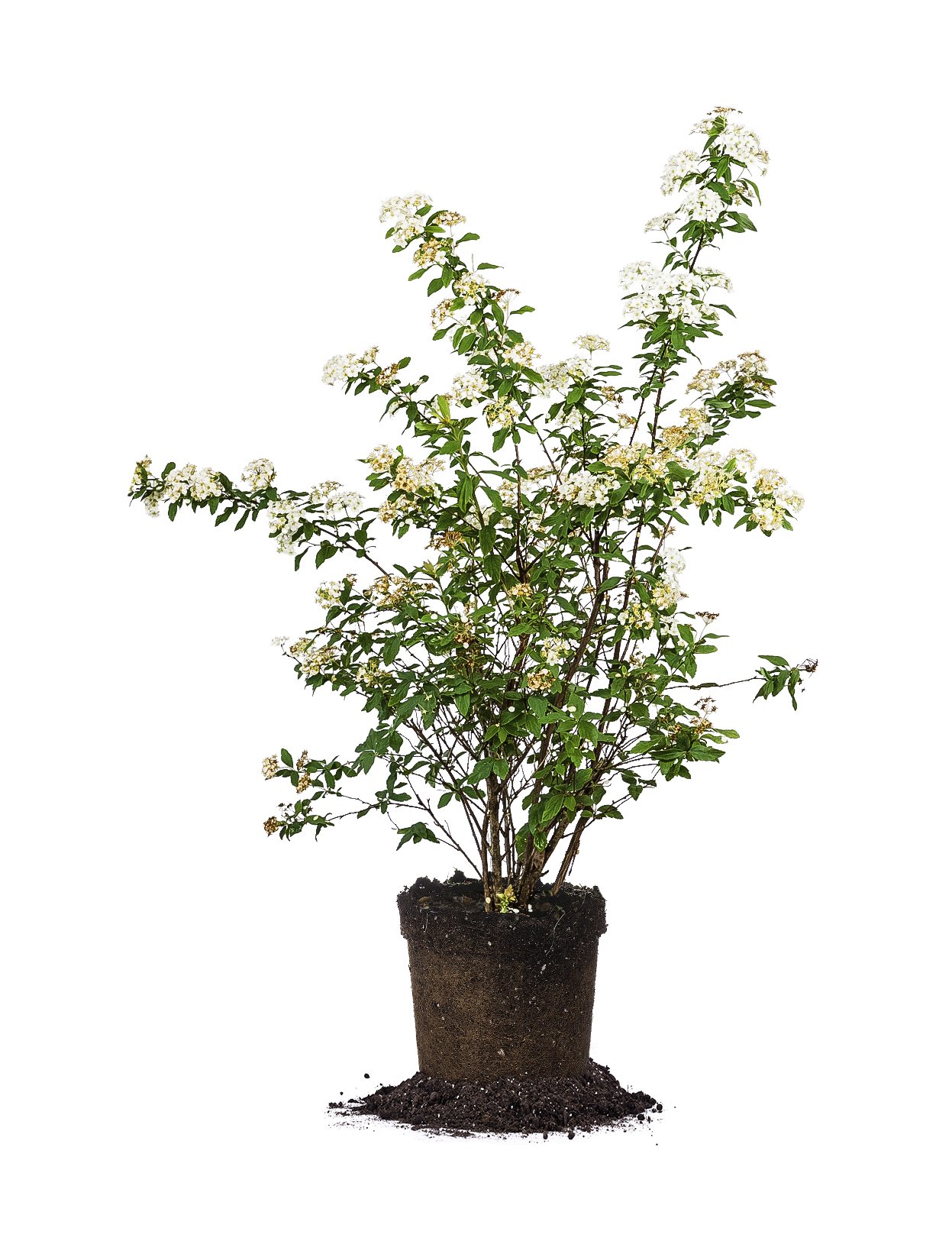
The Bridal Wreath Spirea is a deciduous flowering shrub that produces cascading double white blooms in spring, then transitions to striking red and orange fall foliage. Deer consistently avoid it due to its bitter, astringent sap and fine-textured leaves. It grows well in zones 4–9, tolerating a range of planting sites and resisting common diseases like powdery mildew and root rot.
Buyers praise its vigorous health upon arrival, even when boxes arrive slightly crushed. One reviewer watched their dog run into the young shrub, breaking a branch, only to see the plant recover and continue growing. The root system establishes quickly, with users reporting 6 inches of new growth by the end of the first summer.
Spirea works as a specimen planting, privacy hedge, or border accent. Light pruning after blooming promotes regrowth. Because it attracts butterflies and bees while repelling deer, it is an excellent choice for ecologically-minded gardeners who want multi-season beauty.
Why it’s great
- Dense, arching growth habit
- Double white spring blooms
- Resistant to common diseases
Good to know
- Packaging could be sturdier for shipping
- Loses leaves in winter (deciduous)
3. Obsession Nandina

The Southern Living Obsession Nandina is a slow-growing, non-flowering shrub that delivers multicolored foliage—green, red, and bronze—year-round. It reaches a mature height of 48 inches, making it a solid mid-level privacy plant. Nandina contains compounds that are mildly toxic to browsing animals, which is exactly why deer leave it alone.
Buyers consistently report that plants arrive healthy, with moist soil and vibrant leaves, even after shipping across long distances like from North Carolina to Oregon. The packaging keeps soil intact inside the canister. One reviewer noted that their delivery person damaged the box, bending stems, but the plant recovered with care. It is perennial in zones 6–10 and requires water twice per week until established, then only once per week.
Because it has no blossoms, it will not attract bees or butterflies. That makes it ideal for allergy-sensitive gardeners or anyone who wants a quiet, low-maintenance backdrop without mess. The slow growth rate means you can trust it to stay neatly in place for years.
Why it’s great
- Year-round colorful foliage
- Very low water needs after establishment
- Stays compact and tidy
Good to know
- Slow growing; needs patience
- Can lose leaves in harsh winter
4. Beacon Silver Lamium
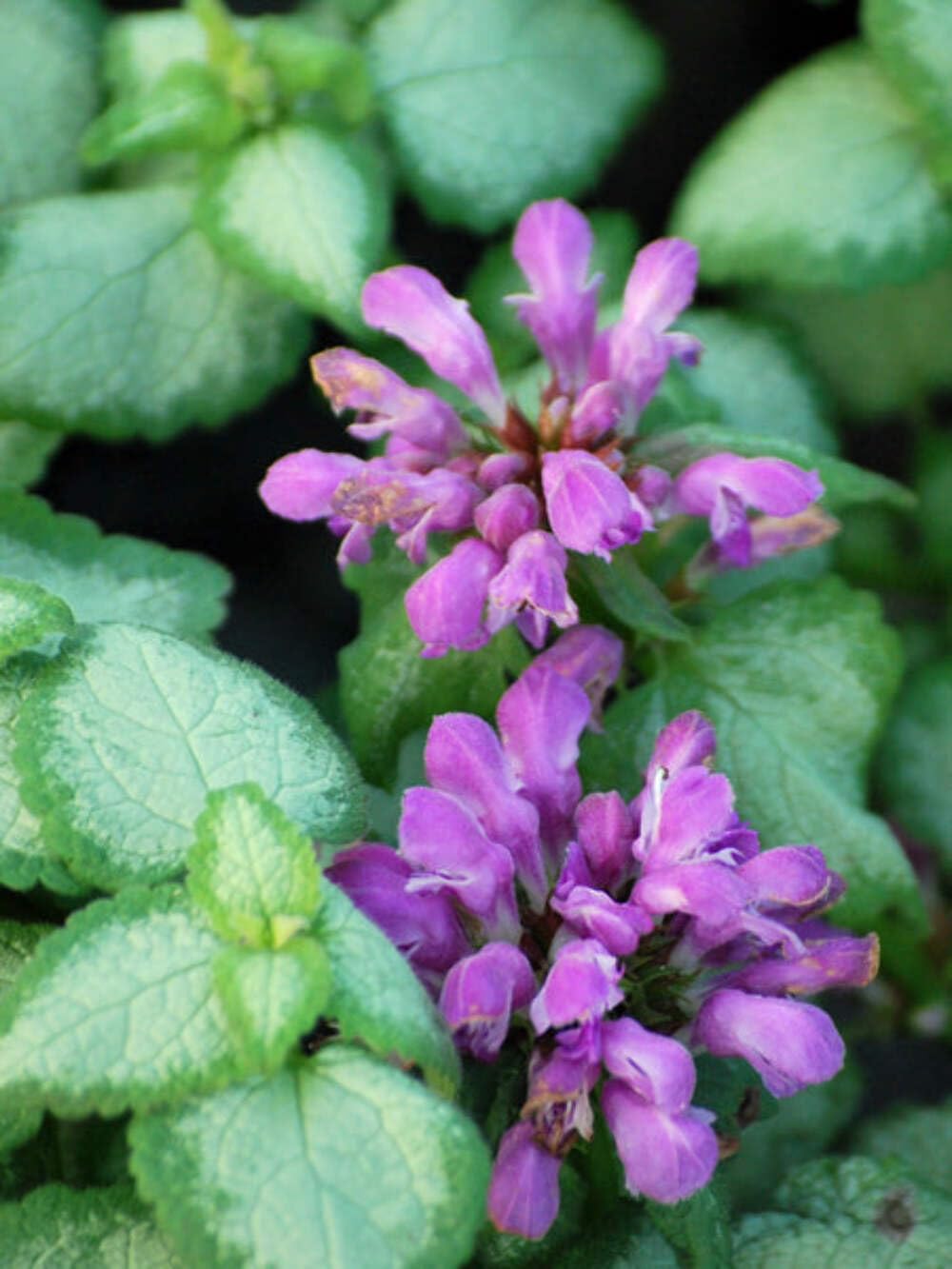
Beacon Silver Lamium, commonly called dead nettle, is a low-growing perennial groundcover that thrives in partial to full shade. Its metallic silver leaves are edged in green and grow only 8 inches tall, forming a dense mat that suppresses weeds. Deer avoid it because of its mildly fuzzy leaf texture and a faint lavender-like scent that many browsing animals find offensive.
Buyers consistently report that plants arrive well-packaged, with soil intact and foliage healthy. One reviewer noted their plant thrived during heavy rain that killed other planters. The pink blooms appear from April through July, attracting butterflies and ladybugs while remaining unappealing to deer and rabbits. The foliage turns bronze in fall for extra seasonal interest.
This is the best option for problematic shady spots under trees where grass refuses to grow. It is rabbit-resistant, deer-resistant, and low maintenance after establishment. One buyer specifically mentioned successful growth in a spot where every other groundcover failed.
Why it’s great
- Excellent for deep shade
- Attracts pollinators, not deer
- Fast-spreading, weed-suppressing mat
Good to know
- Prefers more shade than other varieties
- Needs moderate moisture to establish
5. Canna Musifolia Bulbs

Canna Musifolia, also known as the giant canna or banana-leaved canna, produces huge, broad leaves that create a bold tropical look. Its thick, fibrous foliage is unpalatable to deer, and the plants contain bitter alkaloids that browsers avoid. The bulbs arrive as 3–5 eye divisions in a bag and sprout quickly—one buyer reported visible growth within 4 days of planting.
Buyers from Horn Canna Farm consistently rate these bulbs as superior to competitors, noting they are larger, moister, and more vigorous than dried-out offerings from other suppliers. The corms arrive in damp soil ready to plant. Canna Musifolia grows best in full sun with moderate watering, blooming in summer with green foliage that can reach impressive heights.
This is a budget-friendly way to add tall, dramatic structure to a garden bed without worrying about deer damage. One buyer used 10-10-10 soil, mulch, and Miracle-Gro with watering every other day, producing 5 extra stalks per bulb. The three-count bag provides enough stock for a small tropical corner.
Why it’s great
- Fast sprouting—visible growth in days
- Very large, high-quality bulbs
- Dramatic tropical appearance
Good to know
- Needs full sun to thrive
- Requires regular watering in peak summer
FAQ
Will deer eat plants labeled “deer resistant”?
How long does it take for a deer-proof shrub to establish?
Final Thoughts: The Verdict
For most users, the best deer proof plants winner is the Sedum Groundcover Mat because it covers ground fast, requires almost no maintenance, and deer cannot stand its waxy texture. If you want cascading white blooms that attract pollinators, grab the Bridal Wreath Spirea. And for deep shade under trees where nothing else survives, nothing beats the Beacon Silver Lamium.

Mo Maruf
I created WellFizz to bridge the gap between vague wellness advice and actionable solutions. My mission is simple: to decode the research and give you practical tools you can actually use.
Beyond the data, I am a passionate traveler. I believe that stepping away from the screen to explore new environments is essential for mental clarity and physical vitality.