Our readers keep the lights on and my smoothie glass nicely filled. As an Amazon Associate, I earn from qualifying purchases.
Driving through unplowed side streets or a mountain pass during a blizzard demands a tire that digs in rather than skates over the top. The difference between a controlled stop and a white-knuckle slide comes down to tread compound, sipe density, and the certified three-peak mountain snowflake rating stamped into the sidewall. A dedicated winter tire changes the geometry of how your vehicle meets the road, using softer rubber that stays pliable in freezing temperatures and aggressive block edges that shear through packed snow.
I’m Mohammad Maruf — the founder and writer behind WellFizz. I’ve spent months analyzing tread depth measurements, load ratings, and customer traction reports across dozens of winter tire models to isolate the ones that genuinely improve stopping distance and cornering grip in deep snow.
Whether you drive a compact sedan through lake-effect bands or a heavy SUV over unmaintained forest roads, finding the right set of best deep snow tires means matching rubber formulation and void ratio to your specific winter driving reality.
How To Choose The Best Deep Snow Tires
Selecting the right snow tire goes beyond picking any set with an aggressive tread. The rubber compound, void ratio, and certification level determine whether you stop predictably on packed snow or wash out at the first hint of black ice. Focus on these three areas before making a purchase.
Three-Peak Mountain Snowflake Certification
Look for the 3PMSF symbol molded into the sidewall. This rating means the tire meets specific snow traction criteria set by the Rubber Manufacturers Association. Tires without this mark are all-season designs that lack the tread compound flexibility and void depth required for severe snow. Every tire in this guide carries the 3PMSF symbol or is designed specifically for winter use.
Tread Depth and Sipe Density
Deeper tread channels evacuate slush and snow faster, reducing the risk of hydroplaning on wet ice. Look for starting tread depths of 12/32nds or more. Dense siping — the thin slits across each tread block — creates additional biting edges that grip hard-packed snow and ice. Tires with 3D serrated siping tend to hold their edge better as the tread wears.
Load Range and Speed Rating
Heavier vehicles like SUVs and trucks need tires with an XL or E load range to handle the weight without excessive sidewall flex. Speed ratings like S, T, or Q indicate the maximum safe speed for sustained highway driving. Slower speed ratings often use softer rubber compounds that provide better cold-weather grip at the cost of higher wear under high-speed cruising.
Quick Comparison
On smaller screens, swipe sideways to see the full table.
| Model | Category | Best For | Key Spec | Amazon |
|---|---|---|---|---|
| Bridgestone Blizzak DM-V2 | Premium | SUVs requiring ice bite | Multi-Cell compound, 15% more block edges | Amazon |
| Yokohama GEOMT G003 | Premium | Off-road deep snow | 18/32nds tread depth, sidewall armor | Amazon |
| Cooper Discoverer Snow Claw | Premium | Trucks on packed snow | Snow Groove Technology, 12.5/32nds | Amazon |
| General Tire Altimax Arctic 12 | Mid-Range | Studdable winter traction | Studdable, 12/32nds tread depth | Amazon |
| Cooper Discoverer True North | Mid-Range | Highway commuters in slush | 3PMSF certified, XL load range | Amazon |
| Forceum MT-08 Plus | Mid-Range | Light trucks in mud and snow | E load range, 67 lbs weight | Amazon |
| NEXEN Winguard Winspike 3 | Mid-Range | Cars on ice and packed snow | Studdable, 3PMSF certified | Amazon |
| Sumitomo Ice Edge | Budget-Friendly | Mid-size SUVs on a budget | 3D serrated siping, 13/32nds | Amazon |
| Firestone Winterforce 2 | Budget-Friendly | Economy sedans in snow | Directional tread, 12/32nds | Amazon |
In-Depth Reviews
1. Bridgestone Blizzak DM-V2

The Blizzak DM-V2 earns its reputation through a next-generation Multi-Cell compound that actively wicks water away from the ice surface. This chemical interaction between rubber and frozen road gives it a measurable advantage in braking distance on glare ice. The redesigned contact patch distributes pressure evenly, which improves stability when the tire is loaded during cornering maneuvers on snow-covered highways.
Bridgestone increased the number of block edges by 15 percent compared to the previous generation, boosting the tire’s snow-shearing force. That translates to better acceleration out of deep ruts and more predictable steering response when the front tires are plowing through unplowed lots. Users in Alaska and northern Minnesota report zero hesitation on steep, snow-packed inclines without requiring studs.
The DM-V2 carries the 3PMSF certification and an XL load range, making it suitable for heavier crossovers and SUVs. Owners note that the tire remains quiet at highway speeds for a winter model, with only a minor hum on dry pavement. The main trade-off is that the soft compound wears faster on warm spring roads, so seasonal swapping is essential.
Why it’s great
- Exceptional ice and snow stopping power without studs
- 15 percent more block edges for improved snow shearing
- Quiet ride for a dedicated winter tire
Good to know
- Soft compound wears quickly on dry asphalt above freezing
- Premium pricing reflects the advanced compound technology
2. Yokohama GEOMT G003

The Yokohama GEOMT G003 is built for drivers who encounter deep snow far from paved roads. Its GEO-SHIELD technology wraps the sidewall with reinforced armor that resists cuts from ice crust and sharp rocks. The tread starts at a massive 18/32nds, which gives it exceptional void depth for self-clearing packed snow from the contact patch.
Wide, flat tread blocks distribute driving pressure evenly across the footprint, prolonging tread life even under heavy load. The optimized void ratio and dense siping improve braking distance on slick surfaces while also allowing the tire to bite into loose snow during acceleration. A 65,000-mile treadwear warranty backs the construction for drivers who keep them on year-round.
Users in North Idaho report three years of extreme daily off-road use with the G003, noting that the tires remained functional even after the tread wore bald. The ride quality on pavement is surprisingly smooth for a mud-terrain design, with minimal road noise at highway speeds. It carries the 3PMSF certification and an E load range for heavy-duty truck applications.
Why it’s great
- Exceptional 18/32nds tread depth for deep snow bite
- Reinforced sidewall armor for off-road protection
- 65,000-mile treadwear warranty included
Good to know
- Heavy tire at over 60 pounds each
- Q speed rating limits sustained high-speed cruising
3. Cooper Discoverer Snow Claw

Cooper’s Snow Groove Technology sets the Discoverer Snow Claw apart from conventional winter tires. Small teeth molded into the grooves trap snow against the tread, using that captured snow as additional biting material for traction against packed surfaces. This design mimics the way studded tires work without the added road noise or pavement damage.
The tread compound stays flexible in subzero temperatures, maintaining grip when the thermometer drops below zero. At 12.5/32nds of starting tread depth, the Snow Claw provides solid void volume for evacuating slush at highway speeds. The tire is pinned for studs, giving drivers in extreme ice conditions the option to add metal studs without replacing the tire.
Drivers of heavy trucks like the Chevrolet 2500 HD report multiple seasons of reliable performance, with one owner noting they have purchased several sets over the years. The 3PMSF certification and XL load range make it a strong fit for full-size pickups and SUVs that carry heavy loads through winter commutes.
Why it’s great
- Snow Groove Technology uses trapped snow for extra bite
- Pinned for optional studs on extreme ice
- Flexible tread compound in subzero temperatures
Good to know
- Non-directional tread limits some evacuations in deep slush
- Premium tier pricing
4. General Tire Altimax Arctic 12

The Altimax Arctic 12 strikes a strong balance between winter performance and warranty protection. General backs this tire with a 45-day trial period and 72 months of limited treadwear coverage, which reduces risk for first-time winter tire buyers. The directional tread pattern channels water and slush away from the contact zone, reducing hydroplaning potential on wet ice.
Precise steering response on dry roads makes this tire feel more planted than many winter models that sacrifice dry handling for snow grip. The studdable design allows drivers in areas with persistent ice to add metal studs for additional bite. Owners report a measurable reduction in stopping distance compared to all-season tires, with one driver noting their Saturn Aura stopped drastically shorter in the first snowfall.
Multiple users have reported minimal tread wear after 1,200 miles and smooth highway operation up to 80 mph. The load capacity of 1,929 pounds per tire at 103T rating makes it suitable for mid-size sedans and crossovers. The slight bounce in ride quality is common among winter tires with stiffer sidewalls.
Why it’s great
- Excellent braking performance on wet and snowy roads
- 45-day trial and 72-month treadwear coverage
- Studdable for extreme ice conditions
Good to know
- Slightly bouncier ride compared to all-season tires
- Susceptible to minor road noise at highway speeds
5. Cooper Discoverer True North

The Discoverer True North focuses on highway commuters who face slush, black ice, and packed snow on their daily drive. The tread design prioritizes short stopping distances on snow while maintaining exceptionally low noise levels for a winter tire. Cooper’s standard limited warranty backs the construction for drivers who want a reliable set for multiple seasons.
One owner in Minnesota reported getting 60,000 miles from a previous set on a Honda Civic, noting that the True North approaches winter tire performance while wearing like a regular passenger tire. The XL load range adds sidewall stiffness for cars that carry heavier loads without compromising straight-line stability. The 3PMSF certification confirms its capability in severe snow conditions.
Drivers praise the tire’s grip on icy and slushy roads, with several noting zero fishtailing during aggressive maneuvers. The tire fits cars, SUVs, and pickup trucks in the 215/55R16XL size, with a load capacity of 1,609 pounds per tire. Some users find the noise level acceptable for a winter tire, though it is slightly louder than an all-season at highway speeds.
Why it’s great
- Shortest stopping distance in snow among mid-range options
- Exceptionally quiet tread pattern for highway use
- Long tread life approaching all-season mileage
Good to know
- Slightly louder than all-season tires on dry roads
- Limited size availability for larger trucks
6. Forceum MT-08 Plus

The Forceum MT-08 Plus is a mud-terrain tire that handles deep snow better than most all-terrain alternatives. Its open tread pattern with wide shoulder grooves self-clears packed mud and snow, maintaining consistent bite in loose conditions. Large knobbly blocks with deep grooves provide extra purchase in rugged terrain where snow covers rocks and ruts.
The E load range supports heavy light trucks like the Ford Ranger and Chevrolet Silverado, with a load capacity of 2,601 pounds per tire. The tough rubber compound resists cuts, chips, and punctures from buried debris hidden under snow. Drivers report surprisingly quiet highway operation for a mud-terrain tire, with minimal noise at 70 mph.
Owners mention that the tire rides smoothly despite its aggressive appearance, with one diesel truck driver noting the engine noise drowns out any tire hum. The 33×12.50R20 size fits lifted trucks with proper clearance. Mileage longevity remains unproven in long-term use, but the low entry point makes it an attractive option for drivers who need off-road capability combined with snow performance.
Why it’s great
- Self-cleaning tread pattern for mud and snow
- E load range for heavy truck applications
- Quiet on-road ride for a mud-terrain tire
Good to know
- Not 3PMSF certified for severe snow
- Long-term tread life is unverified
7. NEXEN Winguard Winspike 3
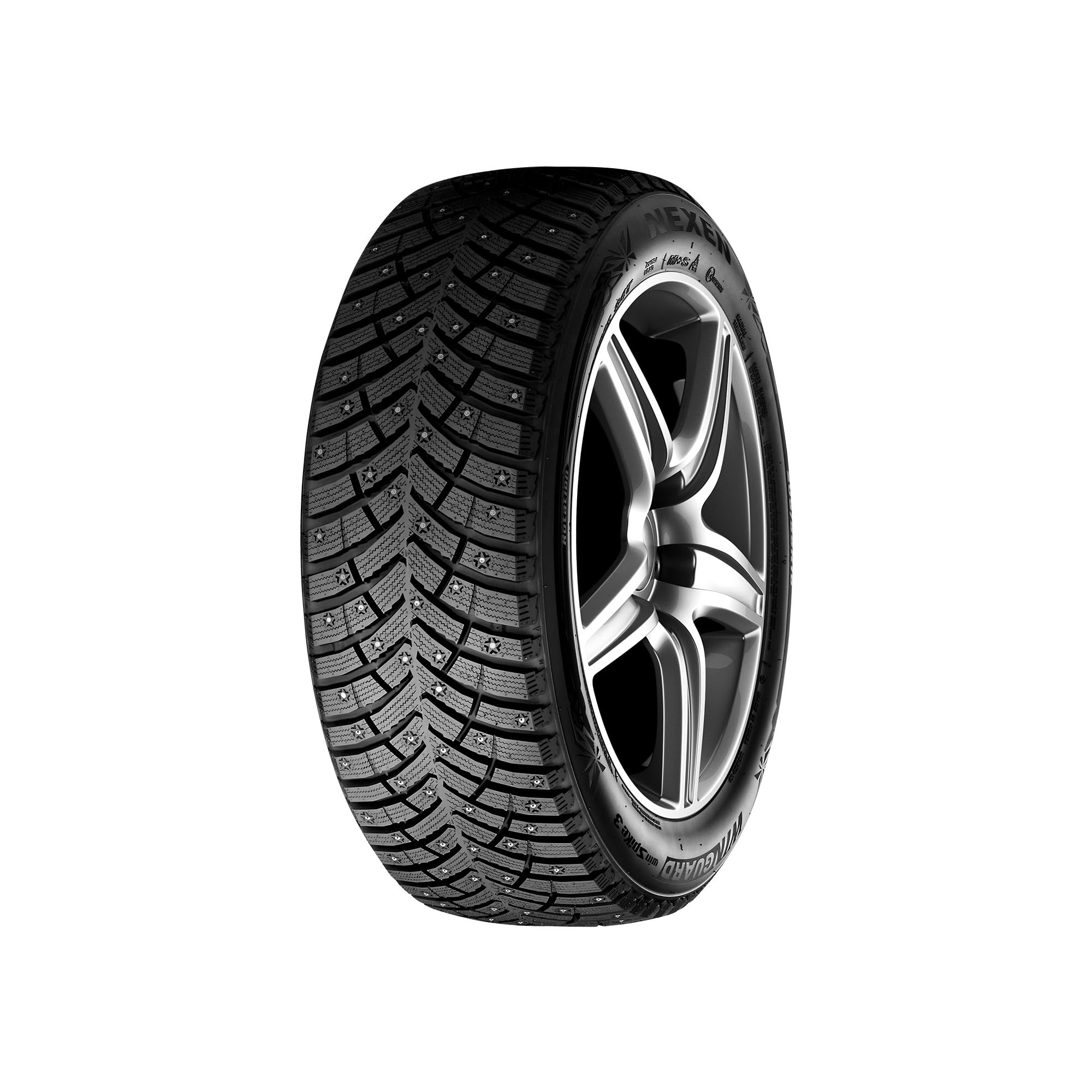
The Winguard Winspike 3 from NEXEN packs dense siping and deep directional grooves into a studdable package that handles ice and packed snow with confidence. The 3PMSF certification confirms its ability in severe winter conditions, while the optional TSMI #12 studs provide extra bite for drivers who navigate solid ice regularly. NEXEN backs the tire with a 36-month roadside assistance program as part of its Total Coverage Warranty.
Directional tread channels evacuate water and slush efficiently, reducing hydroplaning risk during wet snow events. Owners in Colorado report driving at 9,000 feet elevation without needing studs, noting excellent grip on ice with a front-wheel-drive Passat. The tire balances well at 80 mph and remains quiet enough for daily commutes.
Some users have reported rare defect issues involving mysterious flat tires, though the majority of feedback across 225/45R17 applications is overwhelmingly positive. One rural postal carrier in Michigan drives confidently on all terrain without ever installing the included studs. The 91T load rating supports compact and mid-size cars effectively.
Why it’s great
- Strong ice traction without requiring studs
- 36-month roadside assistance included
- Great high-speed balance up to 80 mph
Good to know
- Occasional defect reports from some batches
- SL load range limits heavy vehicle applications
8. Sumitomo Ice Edge

The Sumitomo Ice Edge brings 3PMSF certification and 3D serrated siping to a budget-friendly package. The triangular center tread blocks expand the contact footprint on the road, improving stability during cornering on snow-covered surfaces. Starting tread depth of 13/32nds provides solid void volume for evacuating slush at highway speeds.
The specially formulated tread compound stays flexible in low temperatures, maintaining grip when the pavement drops into single digits. Wide, serrated tread channels enhance snow grip and speed evacuation of slush and ice from the contact patch. The optimized stud pin distribution allows drivers to add studs for maximum winter performance in icy regions.
Owners report that the tires handle wet conditions beautifully and produce minimal noise increase over all-season tires. One Honda Odyssey owner noted the tire actually makes the van look slightly more rugged up front. The 103T load rating supports mid-size SUVs like the Toyota Highlander and Honda Pilot without sagging under load.
Why it’s great
- Excellent wet and snow traction for the price
- 13/32nds starting tread depth for deep snow
- Quiet running for a winter tire
Good to know
- Limited to lighter SUVs and cars
- Shipping delays can occur with some carriers
9. Firestone Winterforce 2

The Winterforce 2 from Firestone delivers dependable winter traction at an accessible entry point. The directional tread design channels snow and slush away from the contact zone, reducing the chance of hydroplaning on wet ice. A 12/32nds starting tread depth provides adequate void depth for moderate snow conditions up to six to eight inches.
The 91S load rating supports compact sedans like the VW Jetta and Toyota Corolla effectively, with a load capacity of 1,356 pounds per tire. Owners report world-of-difference improvement in snow traction compared to all-season tires, with one delivery driver covering 4,000 miles per month through winter conditions. The tire does produce slightly more road noise than premium competitors, but fuel economy remains largely unchanged.
Some users have reported sidewall blowouts within three months of use, so careful installation and pressure monitoring are recommended. The lack of a flat replacement warranty or free rotation program means buyers assume more risk compared to dealer-purchased tires. For drivers on a tight budget who prioritize snow grip over long-term warranty coverage, the Winterforce 2 provides functional winter mobility.
Why it’s great
- Affordable entry into dedicated winter tires
- Noticeable improvement in snow traction over all-seasons
- Directional tread evacuates slush effectively
Good to know
- Some reports of sidewall durability issues
- No flat replacement or rotation warranty included
FAQ
Can I run deep snow tires year-round to save money?
What is the difference between studdable and studless winter tires?
How many seasons should a set of deep snow tires last?
Final Thoughts: The Verdict
For most users, the best deep snow tires winner is the Bridgestone Blizzak DM-V2 because its Multi-Cell compound and increased block edges deliver the highest ice and snow grip in a package that remains quiet and stable on dry highways. If you want rugged off-road deep snow capability with sidewall armor and massive 18/32nds tread depth, grab the Yokohama GEOMT G003. And for a budget-friendly entry into winter driving that still carries the 3PMSF certification, nothing beats the Sumitomo Ice Edge.

Mo Maruf
I created WellFizz to bridge the gap between vague wellness advice and actionable solutions. My mission is simple: to decode the research and give you practical tools you can actually use.
Beyond the data, I am a passionate traveler. I believe that stepping away from the screen to explore new environments is essential for mental clarity and physical vitality.