Our readers keep the lights on and my smoothie glass nicely filled. As an Amazon Associate, I earn from qualifying purchases.
The challenge with a deck is that it sits in a microclimate—baking in full sun one moment, hit by a rain gust the next, and often confined to a pot where soil dries out fast. Finding the right plants for that environment means filtering out anything that demands fussy watering schedules or specific soil chemistry. You need options that can handle the heat reflected off the deck boards and still deliver visual impact from spring through fall.
I’m Mohammad Maruf — the founder and writer behind WellFizz. I’ve analyzed dozens of hardy shrub varieties, flowering perennials, and low-maintenance foliage options to compile this guide focused on real-world survivability and curb appeal for container and border deck planting.
After reviewing customer feedback and growth patterns across multiple climate zones, I’ve narrowed the field to five dependable choices that consistently perform. These are the best deck plants for creating an inviting outdoor space without constant upkeep.
How To Choose The Best Deck Plants
Deck planting is fundamentally container gardening with higher stakes — limited root space, amplified temperature swings, and often full-sun exposure that bakes soil. The first filter is sunlight: measure how many direct hours your deck gets. Full-sun plants need at least six hours, while part-shade varieties like New Guinea Impatiens prefer morning sun with afternoon relief. Watering frequency is the second critical factor. Plants in porous terracotta or fabric pots lose moisture faster than those in glazed ceramic or plastic, so match your plant’s drought tolerance to your willingness to water. A drought-tolerant Texas Sage or low-water Nandina can forgive a missed day; a moisture-loving Impatiens cannot.
Hardiness Zone and Winter Survivability
Perennial deck plants must survive your local winter, either in-ground near the deck or in containers that can be moved to a protected area. Check the USDA zone rating: the Coral Drift Rose handles zones 4-11, while the Obsession Nandina is comfortable in zones 6-10. If your deck plants stay in pots year-round, be aware that roots freeze faster than in-ground soil. For cold climates, choose plants rated at least one zone colder than your location, or plan to overwinter containers in an unheated garage. Faux plants bypass this entirely, offering consistent greenery without any seasonal vulnerability.
Growth Habit and Mature Size
A dwarf or compact growth habit prevents your deck from being overrun by a single plant. The Coral Drift Rose tops out at 1-2 feet tall with a 2-3 foot spread, making it ideal for edging or low borders. The Obsession Nandina reaches about 4 feet tall at maturity, suitable as a vertical accent or privacy screen in a large pot. Consider the plant’s final footprint before buying — a small nursery pot can become a 3-foot-wide shrub within two growing seasons. For immediate impact without long-term size surprises, the Ammyoo artificial grass and shrubs provide instant fullness at a fixed size.
Quick Comparison
On smaller screens, swipe sideways to see the full table.
| Model | Category | Best For | Key Spec | Amazon |
|---|---|---|---|---|
| Coral Drift Rose | Perennial Shrub | Low-growing groundcover color | Mature height 1-2 ft | Amazon |
| Obsession Nandina | Evergreen Shrub | Vertical accent with year-round foliage | USDA zones 6-10 | Amazon |
| 1G Silverado Sage | Drought-Tolerant Perennial | Full-sun, low-water containers | 1 gallon nursery pot | Amazon |
| New Guinea Impatiens | Flowering Annual | Shade-tolerant seasonal color | 3 plants per pack | Amazon |
| Ammyoo Faux Grass | Artificial | Zero-maintenance greenery | 12 bundles per pack | Amazon |
In‑Depth Reviews
1. Coral Drift Rose

The Coral Drift Rose is the closest you can get to a guaranteed showstopper for deck borders and edging. This live 1-gallon shrub produces blushing coral-colored petals continuously from spring through fall, with a low-growing, groundcover-like habit that stays tidy—mature height barely reaches 1-2 feet while spreading 2-3 feet wide. It arrives with rose food included, and the dark green foliage spreads linear to the soil, creating an even, brightly-colored carpet that softens hard deck edges.
What sets this rose apart is its resilience across four seasons. It is both drought-tolerant and winter hardy, surviving temperatures below 25 degrees according to verified customer reports. One reviewer noted their bush thrived for three years through snow and still bloomed reliably. The main caveat is that a 1-gallon pot is smaller than the 3-gallon version—one experienced grower wished they had sized up for a more established root system and bushier initial appearance.
Planting success depends on giving it at least six hours of direct sunlight, daily watering until established, and a weed-free area with a hole 1.5 times the width of the pot. If you can manage that, expect blooms within six weeks. For a low-maintenance perennial that delivers high visual impact across multiple seasons, this is the premium choice for any deck.
Why it’s great
- Blooms spring through fall with minimal deadheading
- Drought-tolerant and winter hardy through zone 4
- Compact size stays under 2 feet tall
Good to know
- 1-gallon size is smaller than 3-gallon for same price tier
- Not fully resistant to black spot fungus in humid climates
- Packaging can result in broken stems during shipping
2. Southern Living 2 Gal. Obsession Nandina Shrub

The Obsession Nandina from Southern Living offers something rare in deck plants: reliable leaf color transformation across all four seasons without needing a single flower. This 2-gallon shrub pushes foliage that shifts from bright green in spring to red and burgundy tones by fall, maintaining vibrant color through winter. It tops out around 4 feet tall, making it a strong vertical accent for larger pots or as a backdrop against a railing. With no blossoms to deadhead, maintenance is genuinely minimal—water twice per week until established, then once per week.
Customer feedback confirms the Nandina arrives healthy and well-packaged, with moist soil and intact root systems even on cross-country shipments. One reviewer received their shrubs from North Carolina to Oregon in perfect condition, noting better value than local nursery prices. The plant is rated for USDA zones 6-10 and performs in full sun to part shade, giving flexibility for decks that get inconsistent light. The tradeoff is that it is a slow-growing non-flowering shrub—impatient gardeners may want something that fills in faster.
Be aware that the delivery person can damage the pot if the box is handled roughly. Several customers reported torn boxes, smashed nursery pots, and bent stems upon arrival. If your local carrier isn’t gentle, this risk is worth noting. Once planted, however, the Nandina requires almost no input and delivers reliable color even through winter dormancy.
Why it’s great
- Year-round foliage color without any blooms to maintain
- Large 2-gallon size gives a more mature start
- Low water needs once established
Good to know
- Slow growth habit may not fill space immediately
- Foliage can drop in extreme winter cold
- Packaging vulnerable to carrier mishandling
3. 1G Silverado Sage Plant
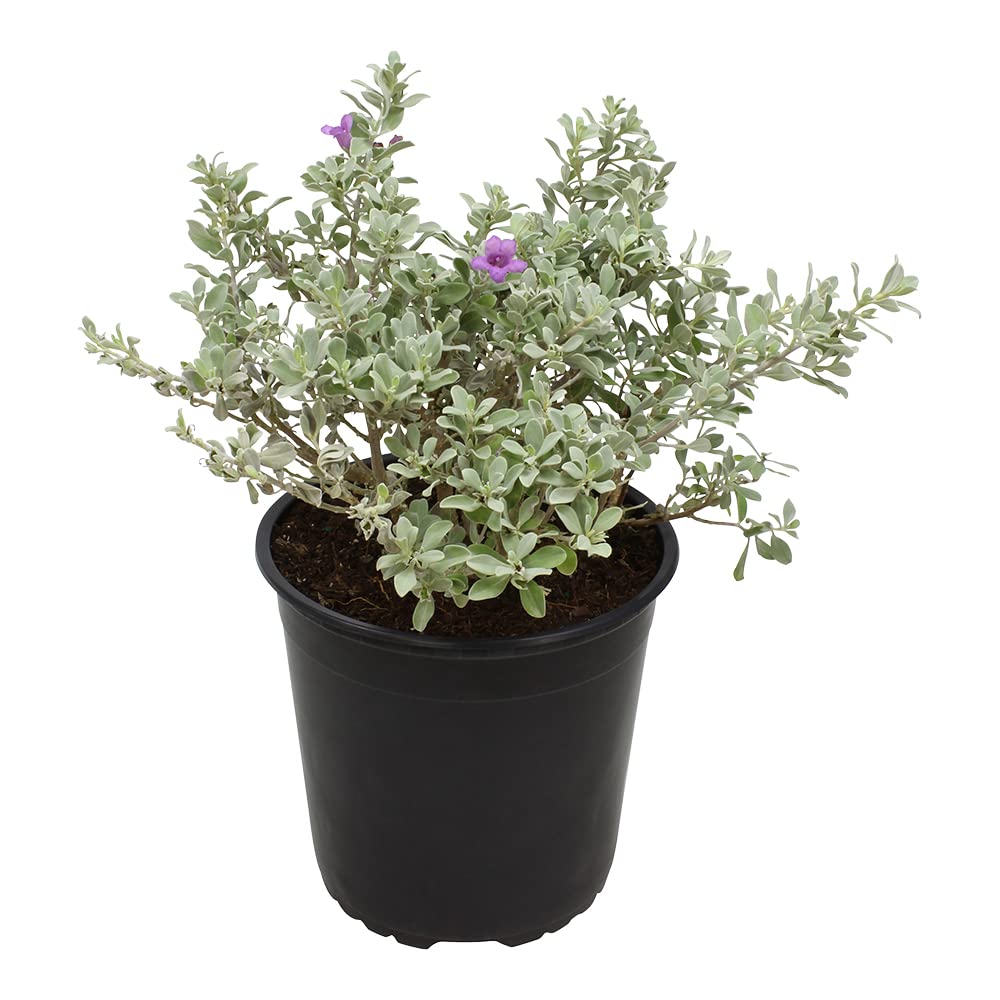
For decks that bake in intense sunlight with minimal shade, the Silverado Texas Sage from Plants for Pets is nearly indestructible. This cold-hardy perennial arrives in a 1-gallon nursery pot, ready to be transplanted into a decorative container or garden bed. It thrives as a full-sun plant, making it ideal for south-facing decks where other options would scorch. The silvery-green foliage and delicate purple blooms add soft contrast against dark wood or composite decking, and the drought tolerance means you can skip a watering day without consequence.
Customer reviews consistently highlight the plant’s health upon arrival. One verified buyer described their sage as “beautiful, large, and well started,” with another praising the packaging that kept the soil moist and the root system intact. In Arizona full sun, the plant reportedly thrived in a large outdoor pot without showing stress. The primary limitation is zone hardiness—several reviewers in colder climates noted it may struggle in zone 5b deep winter, so this is best suited to warmer decks or containers that can be moved to shelter in freezing weather.
The sage also attracts local pollinators, adding ecological value to your deck garden. A portion of each purchase goes toward helping shelter animals, which is a nice bonus. If your deck gets relentless sun and you want a low-fuss plant that still offers seasonal blooms, this sage is a budget-friendly workhorse.
Why it’s great
- Exceptional drought tolerance for hot, full-sun decks
- Attractive silvery foliage with purple blooms
- Arrives healthy with minimal transplant shock
Good to know
- May not survive harsh winters below zone 5b
- Box can arrive crushed from courier handling
- Requires moderate watering until fully established
4. Live Flowering New Guinea Impatiens (3-Pack)
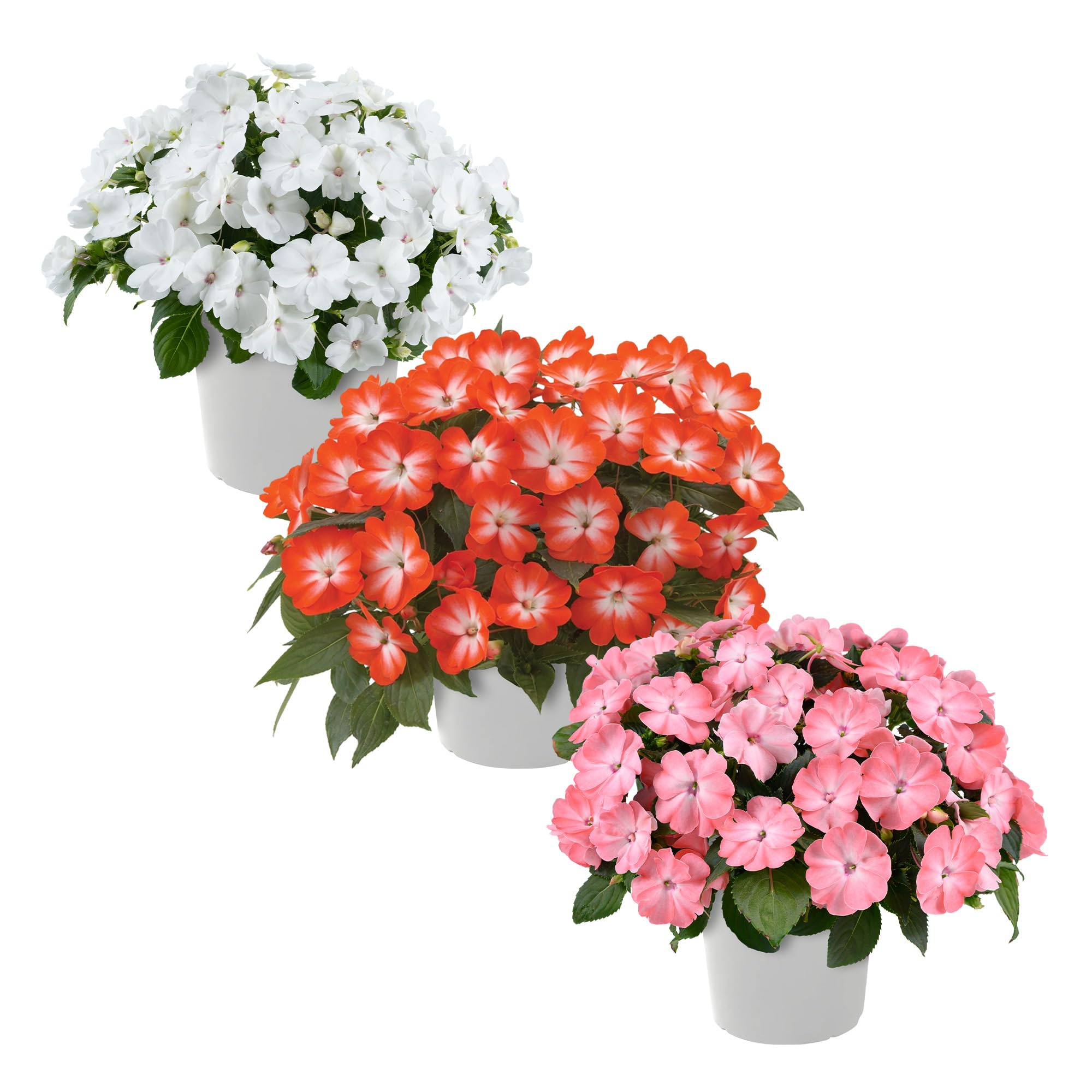
If your deck is shaded for most of the afternoon, the New Guinea Impatiens from The Three Company is the most reliable flowering option for that environment. This 3-pack of assorted colors delivers heart-shaped petals in vibrant shades, growing up to 18 inches tall with a 9-inch spread. They prefer morning sun and afternoon shade, which matches the typical light pattern on covered or north-facing decks. The fun fact adds a conversation starter—these are called “Touch-Me-Nots” because their seeds shoot out up to 20 feet when touched.
Reviews are split, which is important to note. Many customers received beautiful, healthy plants with small buds that thrived after potting. One reviewer reported “absolutely beautiful and healthy with lovely blossoms” and planned to reorder. However, several negative reviews describe plants arriving with mushy leaves, stem damage, or nearly all foliage fallen off. This inconsistency suggests the shipping experience varies significantly depending on the carrier and local weather during transit. If you order these, inspect them immediately and contact the seller if they arrive distressed.
These are annuals, meaning they complete their lifecycle in one season and won’t return next year. For a deck that needs dependable color through spring and summer without a long-term commitment, they are ideal. Just be prepared to replant annually, and consider a backup plan if your shipment arrives in poor condition.
Why it’s great
- Excellent bloom production in partial shade conditions
- Three plants per pack for fuller arrangements
- Low maintenance for beginner gardeners
Good to know
- Shipping can result in damaged or dying plants
- Annual lifecycle—must be replanted each season
- Sensitive to overwatering and root rot
5. Ammyoo Artificial Faux Plants (12-Pack)
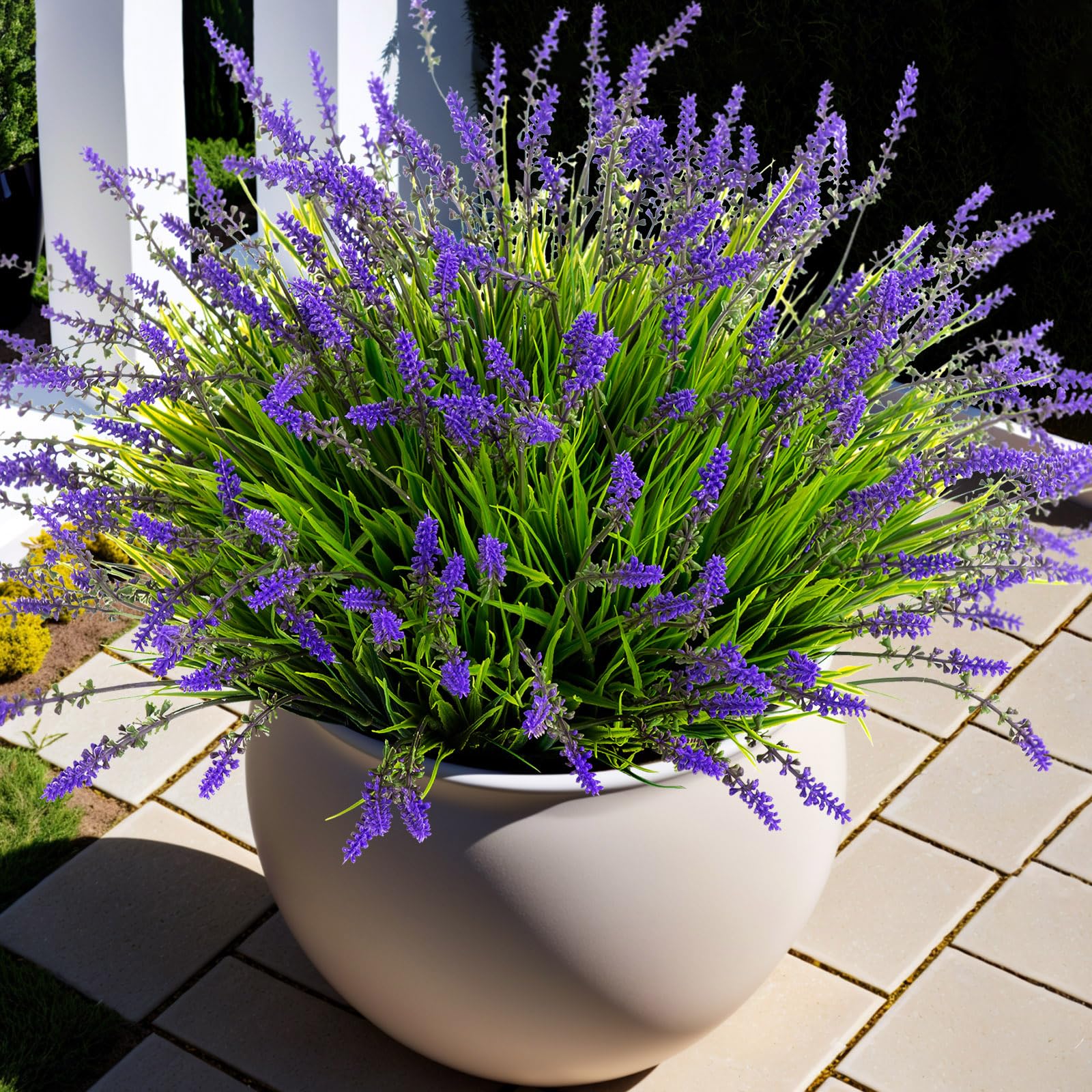
For deck owners who want greenery without any watering, pruning, or replacement cycle, the Ammyoo artificial monkey grass offers a convincing alternative. This 12-bundle pack provides dense plastic foliage that stands about 17 inches tall, with 7 branches per bundle. The stems are adjustable—you can bend and arrange them to create a natural shape. The UV-resistant material is designed to withstand outdoor sun without fading, making this a practical choice for decks where live plants have historically died due to inconsistent care or harsh exposure.
Customer feedback is overwhelmingly positive, with reviewers praising the realistic appearance and color pop. One buyer noted they look “realistic especially mixed with authentic plants,” while another appreciated that “they don’t have to be watered.” The 12-bundle count is generous—one verified customer used two bundles to fill two planters completely. The main drawback is that up close, the plastic material is detectable, as one reviewer candidly noted. This matters most for front-facing, high-traffic decks where guests might examine the plants closely.
These are ideal for renters, frequent travelers, or anyone who has killed every live plant they’ve touched. The weather-resistant construction means they survive rain, sun, and wind without any degradation. For a deck that needs consistent greenery in hard-to-reach planters or areas with no natural light, this is the most dependable option in the list.
Why it’s great
- Requires zero water, sunlight, or ongoing care
- UV and weather resistant for outdoor longevity
- 12 bundles per pack provide excellent coverage
Good to know
- Plastic texture is visible on close inspection
- Cannot provide ecological benefits for pollinators
- Stems may need reshaping after heavy rain or wind
FAQ
Can I plant deck perennials directly into ground beds next to the deck?
How often should I water deck plants in containers during hot summer months?
Will artificial deck plants fade or degrade in direct sun over time?
Final Thoughts: The Verdict
For most users, the best deck plants winner is the Coral Drift Rose because it crosses the best balance of continuous bloom, winter hardiness, and compact size for containers or edging. If you want year-round foliage without any bloom maintenance, grab the Obsession Nandina. And for a deck that gets punishing full sun with no room for watering schedule slips, nothing beats the Silverado Sage for pure survivability and texture.

Mo Maruf
I created WellFizz to bridge the gap between vague wellness advice and actionable solutions. My mission is simple: to decode the research and give you practical tools you can actually use.
Beyond the data, I am a passionate traveler. I believe that stepping away from the screen to explore new environments is essential for mental clarity and physical vitality.