Our readers keep the lights on and my smoothie glass nicely filled. As an Amazon Associate, I earn from qualifying purchases.
Deadlifting in cushioned running shoes is the single biggest mistake you can make on the platform. Every millimeter of foam compression saps force transfer from your legs to the bar, leaving pounds on the floor. A purpose-built deadlift shoe eliminates that energy leak by providing a rigid, non-compressible platform that keeps your foot flat and stable under maximal load.
I’m Mohammad Maruf — the founder and writer behind WellFizz. I specialize in analyzing the mechanical specs, sole composition, and heel geometry of strength-training footwear to help lifters choose the right tool for their specific movement goals.
Whether you pull sumo or conventional, the right shoe transforms your setup and drive. This guide covers the best deadlift shoes across every budget, from flat-soled minimalist options to heeled Olympic-lifting hybrids.
How To Choose The Best Deadlift Shoes
The best deadlift shoe does one thing above all else: it keeps your foot completely flat and stable under load. Unlike squatting, where an elevated heel can aid depth, deadlifting demands a low or zero heel height and a sole that refuses to compress. Below are the three critical specifications to evaluate.
Heel Height and Stack
Most deadlift-specific shoes have a heel height of zero to six millimeters. A zero-drop sole places your foot in its natural position, maximizing hamstring engagement and keeping your center of gravity balanced over mid-foot. Anything above a 12-millimeter heel pitch can shift your weight too far forward during the pull, reducing force output and increasing lower-back strain.
Sole Composition and Rigidity
The outsole of a deadlift shoe must be made from a non-compressible material, typically dense rubber or TPU. Squishy EVA midsoles absorb the force you generate against the floor. Look for a hard, flat outsole with minimal flex — a shoe that bends easily in your hands will waste energy during a maximal-effort pull.
Toe-Box Shape and Upper Construction
A wide toe box allows your toes to splay naturally, creating a wider base of support during setup. Shoes with tapered toes force the foot into a narrower position, reducing stability. The upper material should be durable leather or reinforced mesh that resists stretching under lateral tension, especially if you use straps or hook grip.
Quick Comparison
On smaller screens, swipe sideways to see the full table.
| Model | Category | Best For | Key Spec | Amazon |
|---|---|---|---|---|
| adidas Adipower 3 | Premium | Heeled pulls & squats | 21mm TPU heel | Amazon |
| Otomix Carbonite Ultimate | Premium | HIIT & heavy pulls | Zero-drop rubber sole | Amazon |
| Reebok Legacy Lifter | Premium | Olympic lifting hybrid | 0.75″ wooden heel | Amazon |
| Nike Men’s Sports | Mid-Range | Casual gym & direction change | Slim air pocket sole | Amazon |
| Under Armour TriBase 6 | Mid-Range | CrossFit & deadlift | Flat, wide rubber sole | Amazon |
| adidas Powerlift 5 | Mid-Range | Beginner squat & pull | 15mm heel wedge | Amazon |
| Reebok Nanoflex TR 2.0 | Mid-Range | Wide-foot home gym | Low-profile rubber outsole | Amazon |
| FLUX ADAPT Runner | Mid-Range | Barefoot-style pulling | Zero-drop, flexible sole | Amazon |
| Nordic Lifting VENJA | Budget | Stable entry-level lifting | Moderate heel & firm sole | Amazon |
In‑Depth Reviews
1. adidas Adipower Weightlifting III
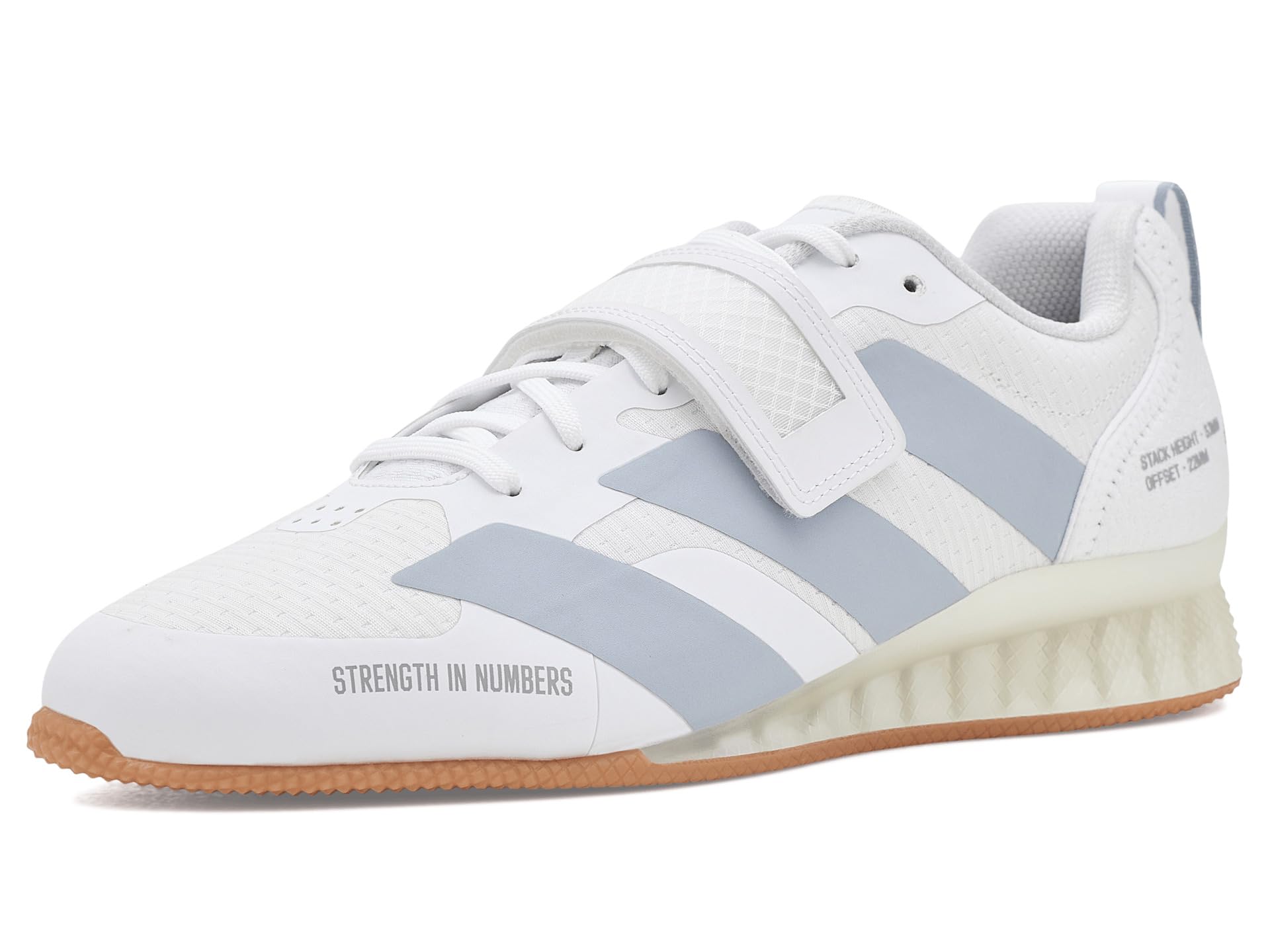
The adidas Adipower Weightlifting III sits at the top of the premium tier for a reason: its 21-millimeter TPU heel is absolutely non-compressible, providing a rock-solid base for both squats and deadlifts. The rubber outsole grips aggressively on any gym flooring, and the Velcro strap locks the mid-foot down without pinching.
Customer feedback consistently highlights how the elevated heel aids lifters with poor ankle mobility during squats while still maintaining enough rigidity for conventional pulling. Multiple reviewers report that the shoe fit their wide feet well — a rarity in heeled weightlifting footwear. The upper is stiff and durable, resisting stretch over months of heavy use.
This is not a shoe for walking around or light cardio. The stiff construction makes it purpose-built for maximal effort on the platform. If you are confident in a heeled shoe and want the most stable foundation available, the Adipower III justifies its premium position in this guide.
Why it’s great
- Non-compressible TPU heel transfers every watt of force
- Adjustable strap locks foot securely for lateral stability
- Durable outsole material resists wear from heavy use
Good to know
- Not suitable for walking, jogging, or any cardio
- Narrow toe box may feel tight for lifters with very wide feet
- Premium price places it at the top of the budget spectrum
2. Otomix Carbonite Ultimate Trainer

The Otomix Carbonite Ultimate Trainer has been a staple in serious gyms for decades. Its zero-drop rubber sole provides maximum ground feel for deadlifts while remaining flexible enough for dynamic movements like box jumps and HIIT circuits. The leather upper is remarkably durable, with multiple reviews citing a lifespan of seven years or more.
This shoe is unique because it does not require a separate pair for pulling and conditioning. Lifters report excellent stability under 450-pound squats and snatch-grip deadlifts, yet the shoe is comfortable enough for treadmill walks and leg presses. The padded tongue is a refined upgrade that improves comfort without adding noticeable stack height.
The main drawback is sizing: the shoe runs half a size small, so ordering up is recommended. While the upfront cost is significant, the longevity per dollar spent makes this a smart investment for anyone who trains five or more days per week.
Why it’s great
- Zero-drop rubber sole delivers direct ground feedback for deadlifting
- Leather construction lasts years with regular heavy use
- Versatile enough for HIIT, lifting, and light cardio
Good to know
- Runs half a size small; order up accordingly
- Premium first-cost requires longer-term commitment
- Limited color options compared to mainstream brands
3. Reebok Legacy Lifter
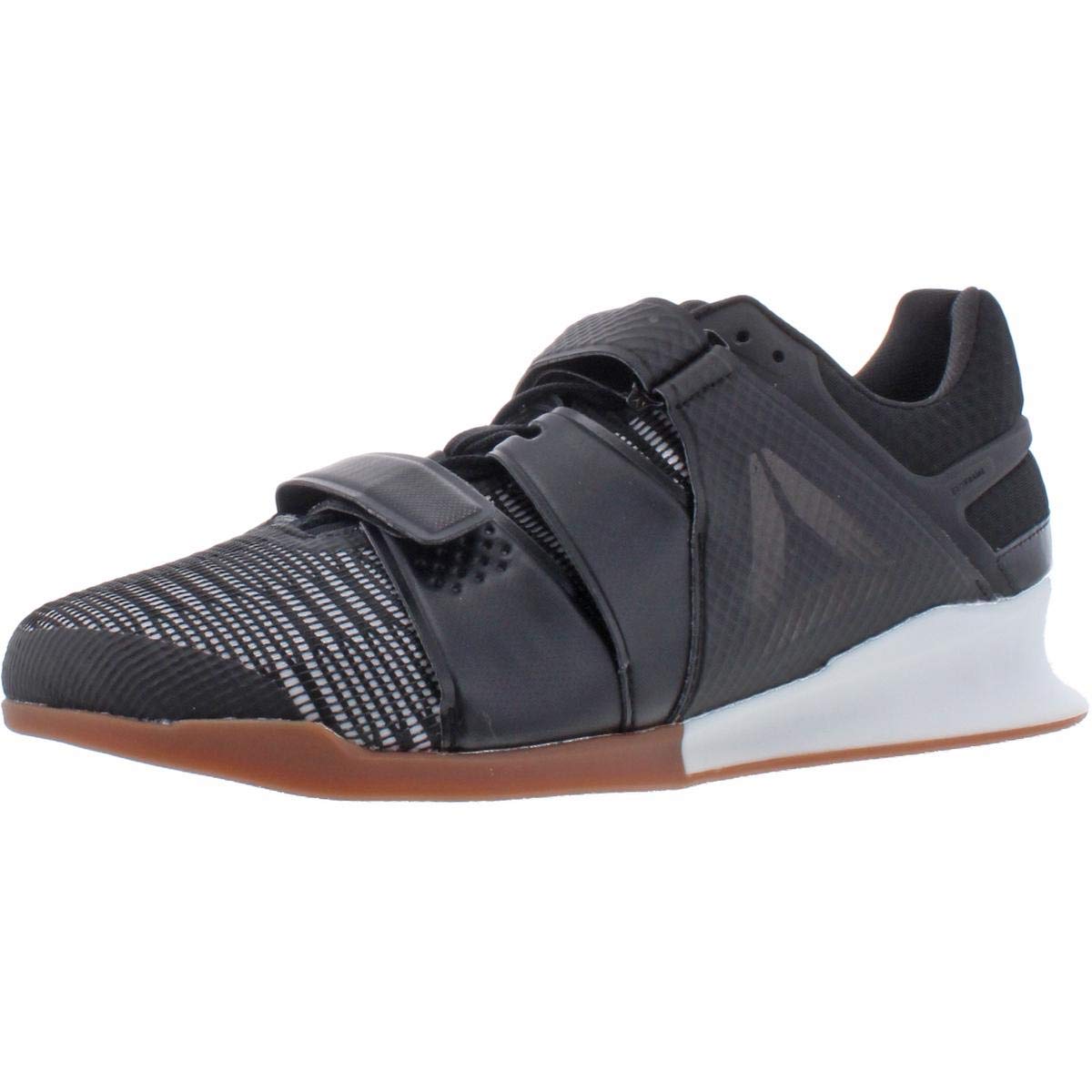
The Reebok Legacy Lifter splits the difference between a dedicated squat shoe and a deadlift-friendly platform. Its 0.75-inch wooden heel provides the dorsiflexion assistance Olympic lifters need for snatches and jerks, yet the solid construction keeps the foot grounded enough for conventional deadlifts — especially if you pull with a more upright torso.
Reviewers consistently praise the locked-in feel of the full leather upper and the adjustable straps that eliminate any forefoot lift during the pull. The shoe is heavy, which adds stability but also makes it a poor choice for CrossFit metcons or any movement that requires agility. Multiple lifters with wide feet (up to 4E) report a comfortable fit after a brief break-in period.
If you train both squats and deadlifts in the same session and prefer a single pair of shoes that can do both at a high level, the Legacy Lifter is your best option. It is not an entry-level shoe — its weight and stiffness demand a certain level of lifting proficiency.
Why it’s great
- Wooden heel provides stable, non-compressible elevation
- Leather upper and straps keep the foot locked in place
- One of the widest toe boxes among heeled lifting shoes
Good to know
- Significant weight makes it unsuitable for dynamic training
- Heel height may push some pullers too far forward
- Plain aesthetics on the all-black version
4. Nike Men’s Sports Shoes
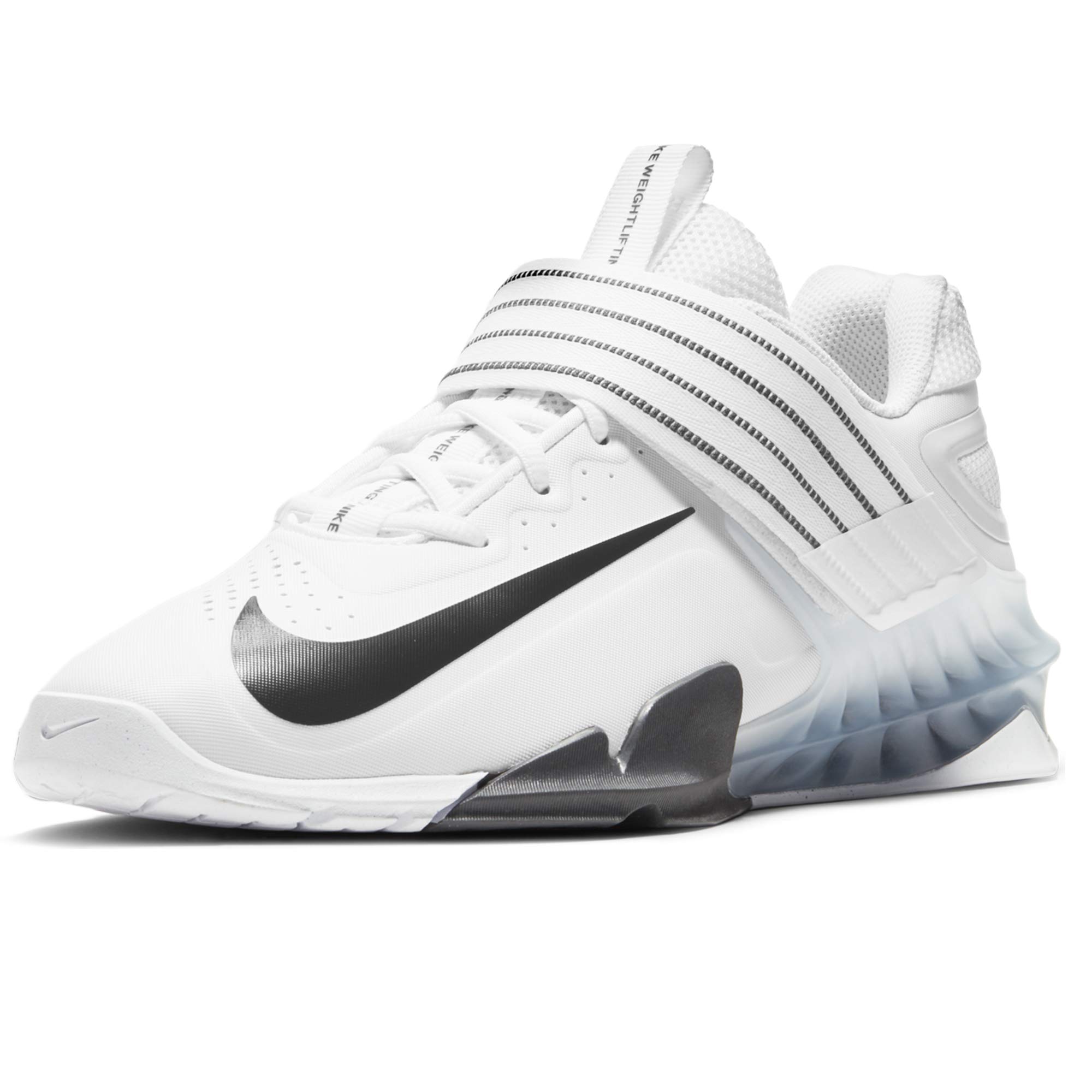
This Nike training shoe offers a slim, low-profile sole that sits closer to the ground than typical cross-trainers. The firm air pocket construction provides stable direction-change support, making it a solid choice for lifters who also do agility drills or shuttle runs. The glow-in-the-dark reflective elements are a bonus for early morning or evening training sessions.
Users highlight the precise stitching and overall build quality, noting that the shoe holds up well for adolescents who outgrow it before wearing it out. The fit is narrow through the mid-foot, which provides a snug feel for agility but may be restrictive for lifters with wider feet who need toe splay during heavy pulls.
While not a pure deadlift shoe, the low stack height and rigid air pockets make it a better option than standard running shoes for the platform. It works best as a gym generalist rather than a dedicated pulling specialist.
Why it’s great
- Low-profile sole improves ground feel versus cushioned trainers
- Reflective upper adds visibility for outdoor training
- Durable construction exceeds typical gym-shoe longevity
Good to know
- Narrow fit does not accommodate natural toe splay
- Air pocket sole still compresses more than a solid TPU or rubber block
- More suited for general gym work than dedicated deadlifting
5. Under Armour Men’s TriBase Reign 6
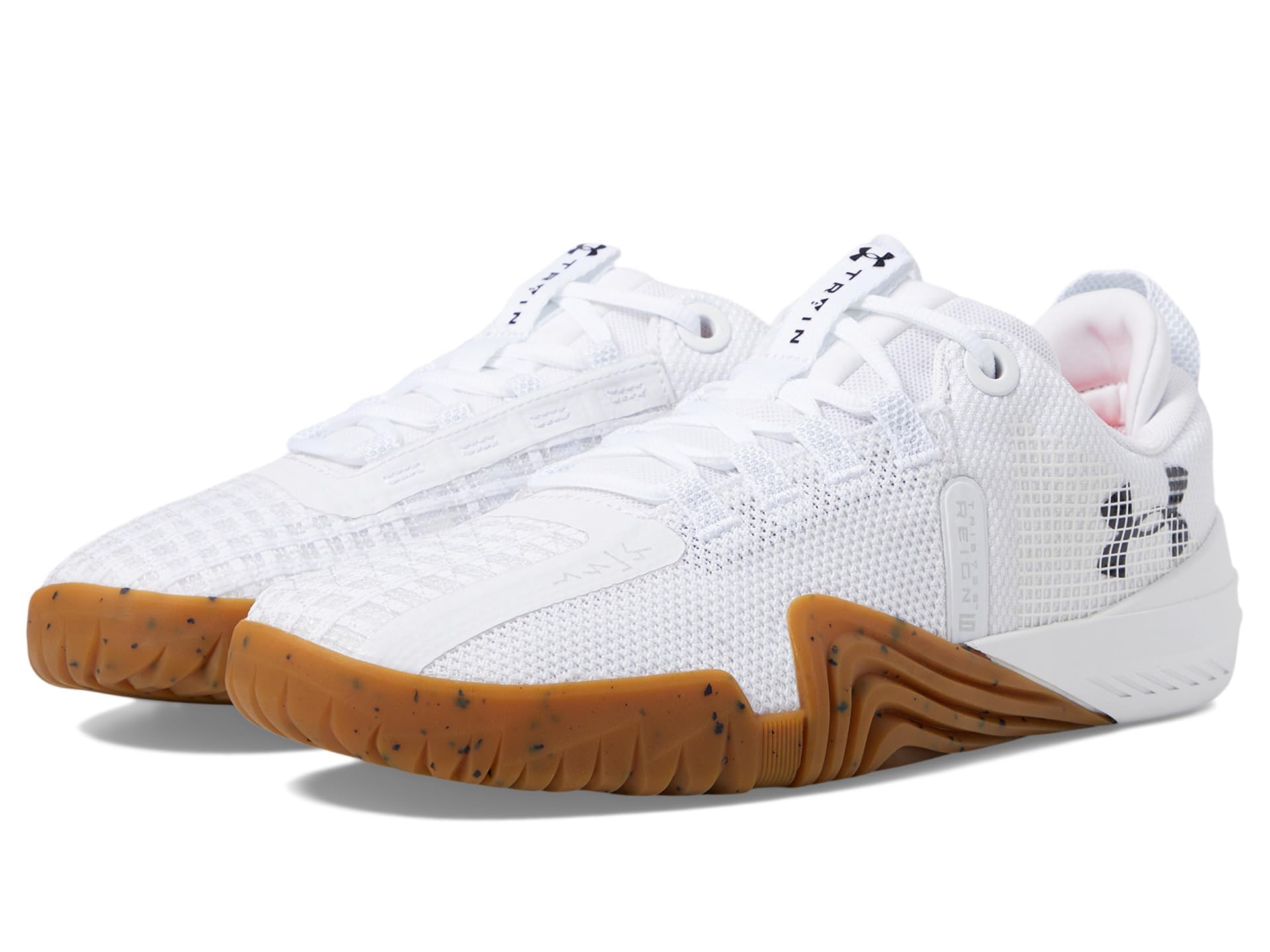
The Under Armour TriBase Reign 6 is a cross-training shoe that punches well above its price tier for deadlifting. Its flat, wide rubber sole offers excellent ground contact, and the wide toe box allows your foot to spread naturally during setup — a feature usually reserved for more expensive minimalist shoes. The upper is light and flexible, breaking in after about five sessions.
Multiple reviewers with flat, wide feet report that the TriBase Reign 6 eliminates the ankle pain they experienced in traditional running shoes. The shoe is stable enough for heavy squats and deadlifts while remaining soft enough for incline treadmill walks and box jumps. Several users noted that ordering half a size down yields a truer fit due to the minimalist design.
If you want one shoe that can handle a full strength-and-conditioning session without compromising on deadlift performance, the TriBase Reign 6 offers the best balance of quality and affordability in the mid-range segment.
Why it’s great
- Flat, wide sole provides a stable base for pulling
- Generous toe box allows natural foot splay
- Versatile enough for lifting, jumping, and short runs
Good to know
- Light color options show dirt quickly
- Initial stiffness requires a brief break-in period
- Minimalist design may feel too thin for some users
6. adidas Powerlift 5
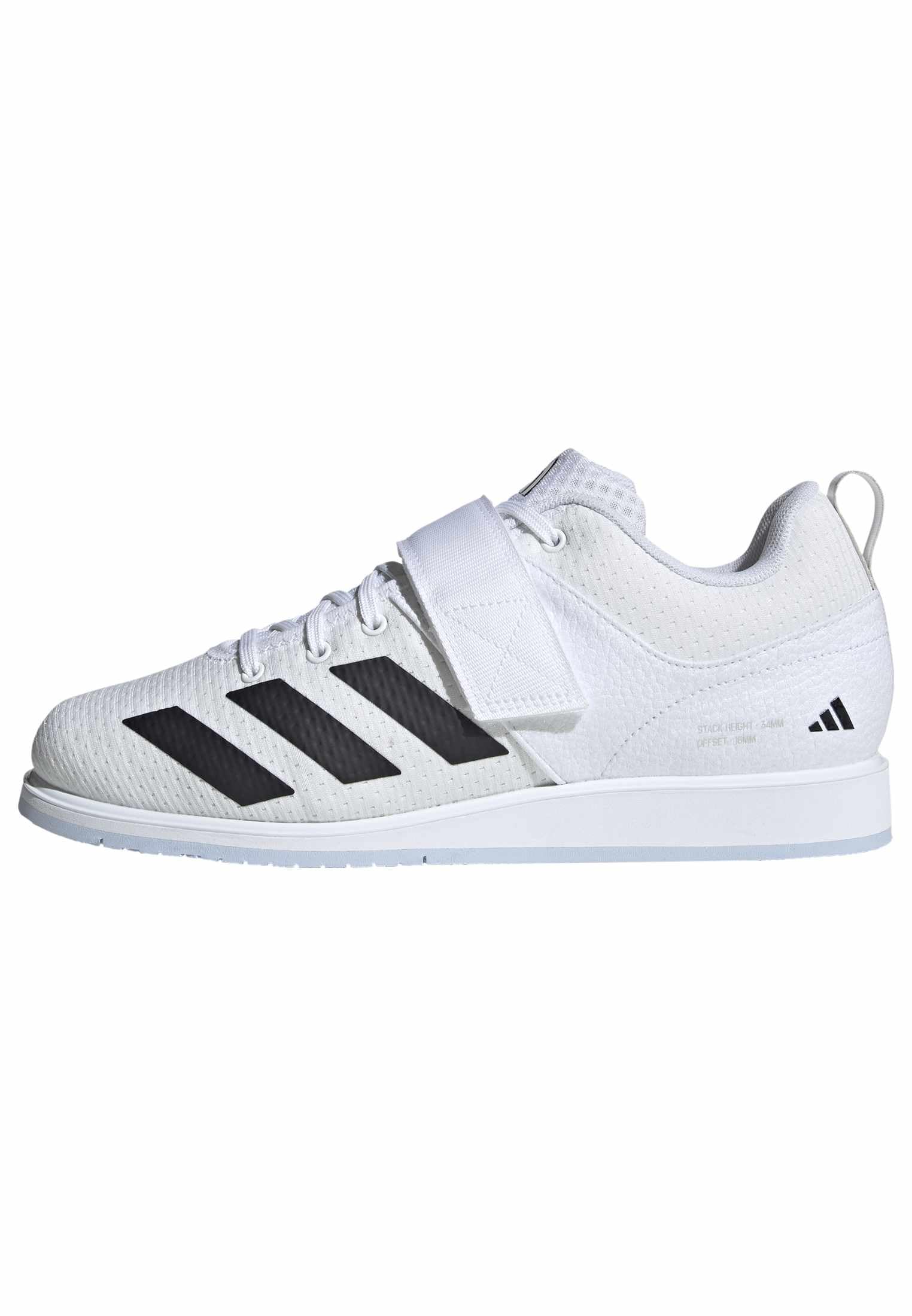
The adidas Powerlift 5 is the entry point into the world of heeled weightlifting shoes. Its 15-millimeter heel wedge is lower than the Adipower’s but still provides enough elevation to help beginners achieve proper squat depth and torso angle. The sole is stiffer than a typical gym trainer, offering noticeable stability gains over running shoes.
Customer feedback is clear: the Powerlift 5 eliminates knee pain for lifters transitioning from flat shoes, and the heel improves glute and quad activation during squats. The toe box runs narrow, which is the most common complaint. Several reviewers recommend ordering half a size up to avoid pinching in the forefoot, especially for lifters with wider feet.
This shoe is a fantastic starting point for anyone curious about heeled lifting footwear. It provides real performance benefits at a mid-range cost, but its narrow fit means it is not the best choice for dedicated deadlift specialists who prefer a wide, flat platform.
Why it’s great
- Lower heel wedge eases the transition to lifted shoes
- Noticeably stiffer sole than standard cross-trainers
- Immediate improvement in squat stability and form
Good to know
- Narrow toe box is not friendly for wide feet
- Heel height can shift center of gravity during deadlifts
- Less durable upper than premium-tier competitors
7. Reebok Nanoflex TR 2.0
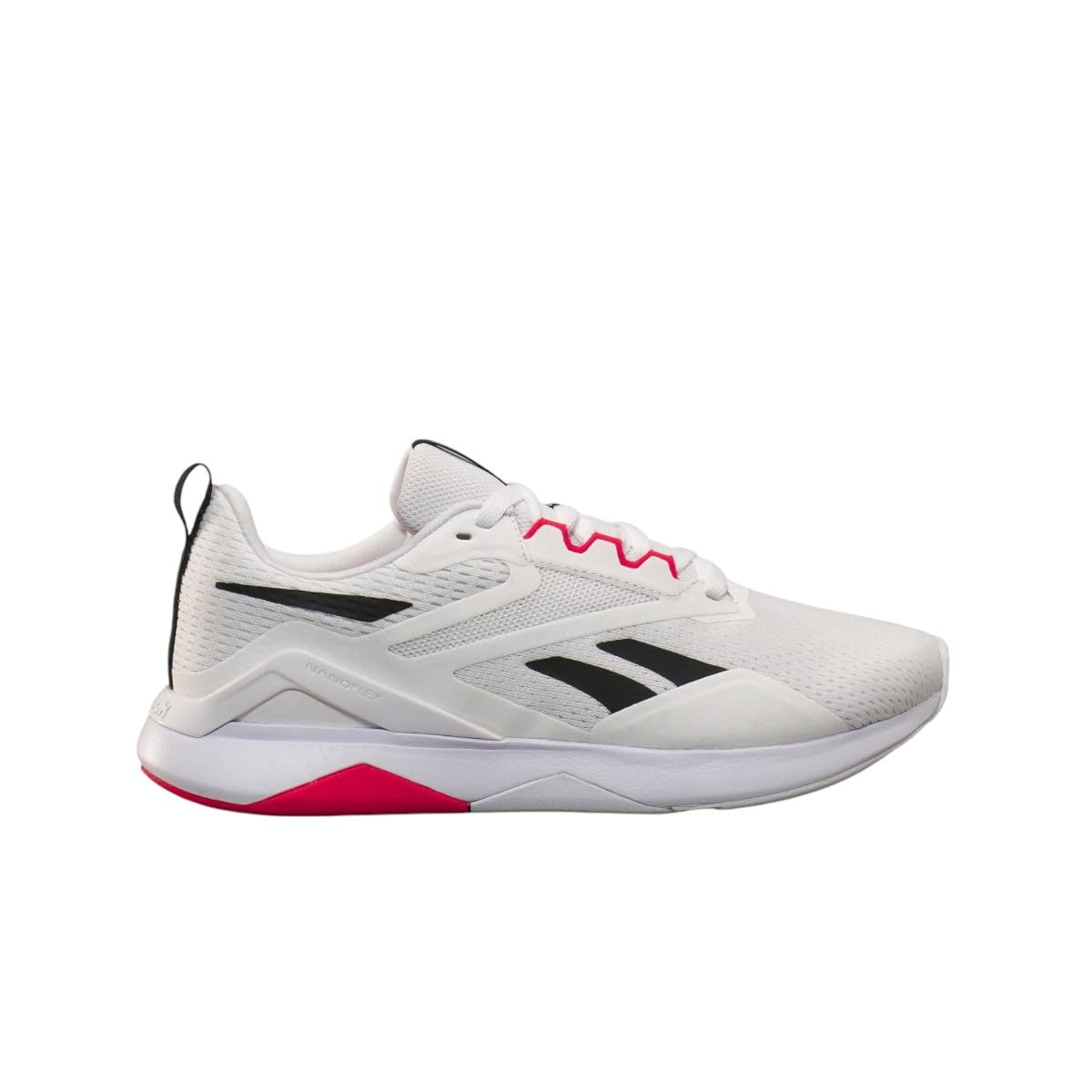
The Reebok Nanoflex TR 2.0 is a versatile cross-training shoe built with a low-profile rubber outsole that works well for deadlifts. Its wide toe box is one of the roomiest in this guide, making it a top choice for lifters who need extra space to splay their toes during heavy pulls. The shoe feels stable out of the box with no break-in required.
Reviewers consistently mention that the Nanoflex fits wide feet comfortably, even with custom insoles. The shoe is lightweight and works for bodyweight exercises, dumbbell work, and light cardio. The lacing system uses sleeves instead of traditional eyelets, which some users found fiddly and the laces excessively long.
This is not a pure deadlift shoe — the outsole has more flex than a solid TPU block — but it is an excellent budget-friendly option for home gym users who want one pair of shoes that can handle everything from pulls to lunges to jump rope.
Why it’s great
- Wide toe box accommodates natural foot splay
- Comfortable straight out of the box with no break-in
- Versatile enough for full home-gym workouts
Good to know
- Outsole flexes more than dedicated deadlift shoes
- Lacing system uses sleeves instead of eyelets
- Laces are excessively long and may need trimming
8. FLUX ADAPT Runner
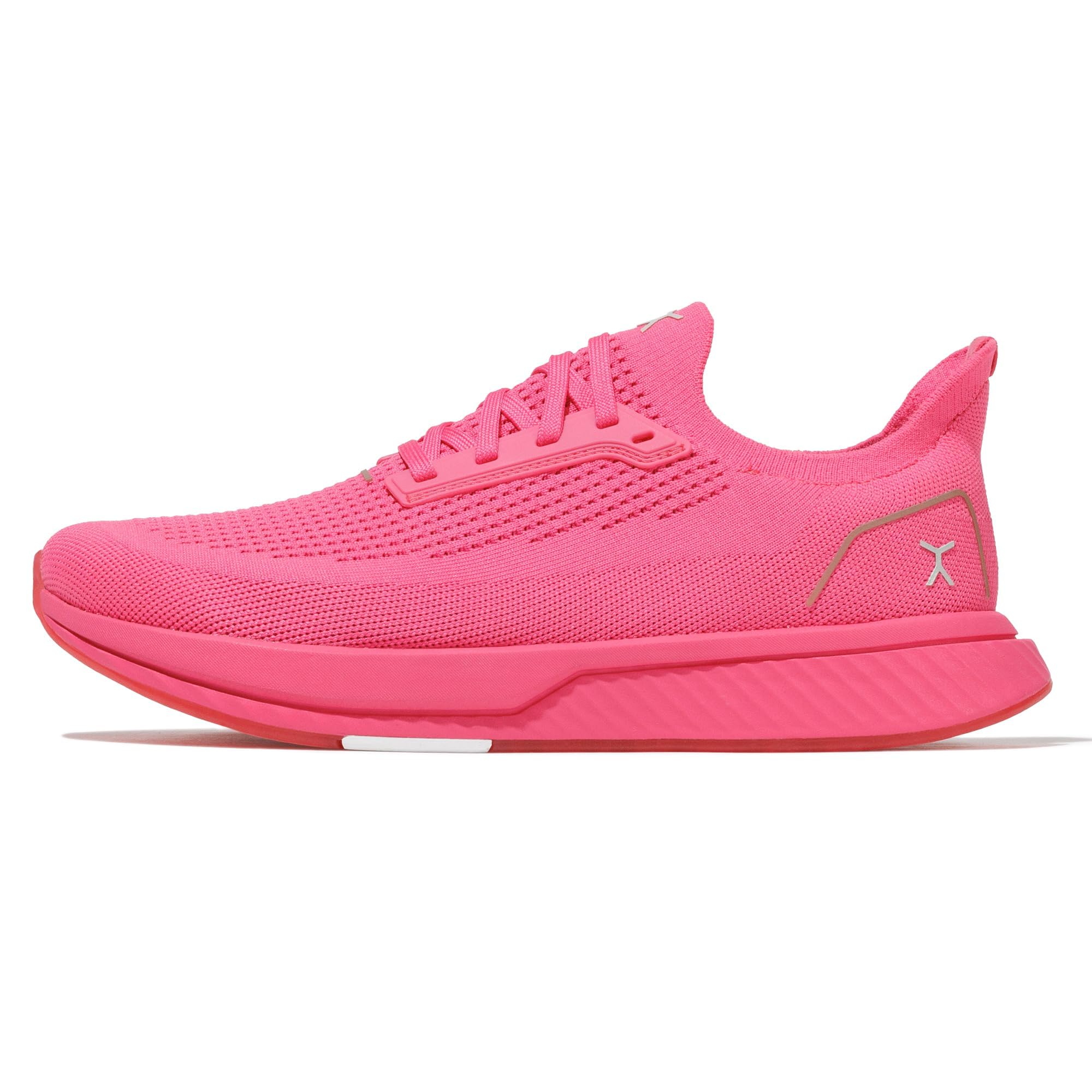
The FLUX ADAPT Runner is a minimalist barefoot shoe that has gained traction among deadlift purists. Its zero-drop sole places the foot in a completely flat, natural position, maximizing hamstring engagement during the pull. The wide toe box allows the metatarsals to spread, creating a wider base of support for heavier loads.
Customer reviews from lifters with flat feet and post-surgery ankles report that the ADAPT Runner eliminates foot and knee pain that other shoes caused. The sole is extremely flexible, which some deadlifters prefer for maximum ground feel, but others find it offers less rigidity than a dedicated TPU-soled lifting shoe. The sole can separate at the heel under heavy lateral stress, as noted by a reviewer who wore them for painting work.
This is a niche pick for lifters who want the sensation of pulling in bare feet with minimal material between foot and floor. It works well for deadlifts but offers less lateral stability for squats and dynamic movements.
Why it’s great
- Zero-drop sole places foot in natural pulling position
- Wide toe box allows full toe splay for base stability
- Ideal for lifters with flat feet or ankle mobility issues
Good to know
- Flexible sole offers less rigidity than solid lifting shoes
- Heel separation reported under high-stress lateral use
- Runs small; recommend ordering half a size up
9. Nordic Lifting VENJA

The Nordic Lifting VENJA is the most accessible entry in this guide, offering a moderate heel elevation and a surprisingly wide toe box for its price tier. The forefoot is more flexible than premium lifting shoes, which makes it comfortable for walking around the gym between sets, but it still provides noticeably better stability than standard sneakers.
Users consistently describe the VENJA as a “great value” shoe that fits true to size and offers enough room for toe spread. The fit is snug through the mid-foot without being restrictive. Multiple reviewers reported using these shoes for months with no signs of premature wear, and several said the shoe outperforms the Adidas Powerlift in terms of overall comfort and fit.
The VENJA is best suited for lifters who want a dedicated lifting shoe without spending at the premium end. It handles squats, deadlifts, and overhead press with confidence. If your goals are primarily strength-based and budget is a primary concern, this is the smartest place to start.
Why it’s great
- Wide toe box for its price tier
- Comfortable for walking between sets without sacrificing stability
- True-to-size fit with no break-in required
Good to know
- Forefoot flex is higher than premium lifting shoes
- Moderate heel may still be too much for pure deadlifters
- Limited color and style options
FAQ
Can I deadlift in running shoes without injury risk?
What is the ideal heel height for conventional deadlifts?
Should I buy a heeled lifting shoe for both squats and deadlifts?
Final Thoughts: The Verdict
For most users, the best deadlift shoes winner is the adidas Adipower Weightlifting III because it delivers the most stable, non-compressible platform available in a heeled shoe, making it ideal for lifters who pull with an upright torso or train squat and deadlift in the same session. If you want a flat, zero-drop sole for dedicated conventional deadlifting, grab the Otomix Carbonite Ultimate Trainer. And for a budget-friendly entry into proper lifting footwear that still offers a wide toe box and solid stability, nothing beats the Nordic Lifting VENJA.

Mo Maruf
I created WellFizz to bridge the gap between vague wellness advice and actionable solutions. My mission is simple: to decode the research and give you practical tools you can actually use.
Beyond the data, I am a passionate traveler. I believe that stepping away from the screen to explore new environments is essential for mental clarity and physical vitality.