Our readers keep the lights on and my smoothie glass nicely filled. As an Amazon Associate, I earn from qualifying purchases.
If your heels are compressing mid-rep and your foundation feels like a marshmallow, you’re losing power before the bar even breaks the floor. Standard running or cross-training shoes are built for motion absorption, not for the raw, uncompromising stability a heavy squat or deadlift demands, which is why switching to a shoe with a fixed, non-compressible sole is the single most impactful change for anyone chasing real numbers.
I’m Mohammad Maruf — the founder and writer behind WellFizz. My buying guides are built on analyzing the specific hardware specs, material choices, and athlete feedback that separate a performance tool from a fashion statement, especially when every millimeter of heel height and midfoot rigidity affects your kinesthetic chain.
This guide dissects nine dedicated pairs so you can confidently choose the best deadlift and squat shoes for your foot shape, lifting style, and budget without wasting reps on the wrong platform.
How To Choose The Best Deadlift And Squat Shoes
Your choice comes down to two fundamental needs: a flat, solid platform for deadlifts and a stable, elevated heel for squats. No single shoe is perfect for both, so you must decide which lift takes priority or if a balanced cross-trainer fits your routine.
Sole Rigidity & Heel Height
The midsole must be non-compressible. A squishy sole absorbs energy and introduces lateral rock during heavy loads. For squats, a 0.6-inch to 0.75-inch heel creates the ankle dorsiflexion needed for depth. For deadlifts, you want zero drop and the thinnest sole possible to maximize ground force transfer.
Upper Construction & Foot Lockdown
Leather, synthetic mesh, or knitted uppers offer different levels of stretch and support. A dual-strap or Velcro system helps lock the midfoot if you perform Olympic lifts. For wide feet, look for brands like Altra or Reebok’s Nano line that offer a generous toe box and avoid the tapered pinch common in pure lifting shoes.
Durability & Use Case
Dedicated weightlifting shoes are stiff and uncomfortable for walking. If you need a shoe that can handle a quick jog, burpees, or rowing intervals, a cross-training hybrid like the TriBase Reign 6 preserves platform stability while adding enough forefoot flexibility for dynamic movement.
Quick Comparison
On smaller screens, swipe sideways to see the full table.
| Model | Category | Best For | Key Spec | Amazon |
|---|---|---|---|---|
| Reebok Legacy Lifter | Premium Oly Shoe | Olympic lifting & deep squats | 0.75″ wooden heel, leather upper | Amazon |
| Nike Metcon 10 | Cross-Training | Heavy lifting & HIIT | Rope-ready outsole, React foam heel | Amazon |
| Reebok Nano X5 | Cross-Training | Flat-based weight training | Non-flexible flat sole, wide toe box | Amazon |
| ALTRA Solstice XT 3 | Zero-Drop Cross Trainer | Natural foot position lifts | Zero drop, wide toe box, minimal stack | Amazon |
| Under Armour TriBase Reign 6 | Cross-Training | Budget-friendly versatility | Flexible forefoot, wide toe box | Amazon |
| Adidas Adipower 3 | Professional Oly Shoe | High-heel squat stability | Elevated heel, non-compressible sole | Amazon |
| Reebok Nano Zero | Barefoot Style | Ultra-flat deadlift feel | Stiff sole, wide toe box, zero drop | Amazon |
| Adidas Powerlift 5 (B0F4WYTJJP) | Entry-Level Oly Shoe | Beginners needing heel elevation | Low heel, supportive upper | Amazon |
| Adidas Powerlift 5 (B0DK7RS8YS) | Entry-Level Oly Shoe | Heel-curious squatters | Low heel, stable sole, good traction | Amazon |
In‑Depth Reviews
1. Reebok Legacy Lifter
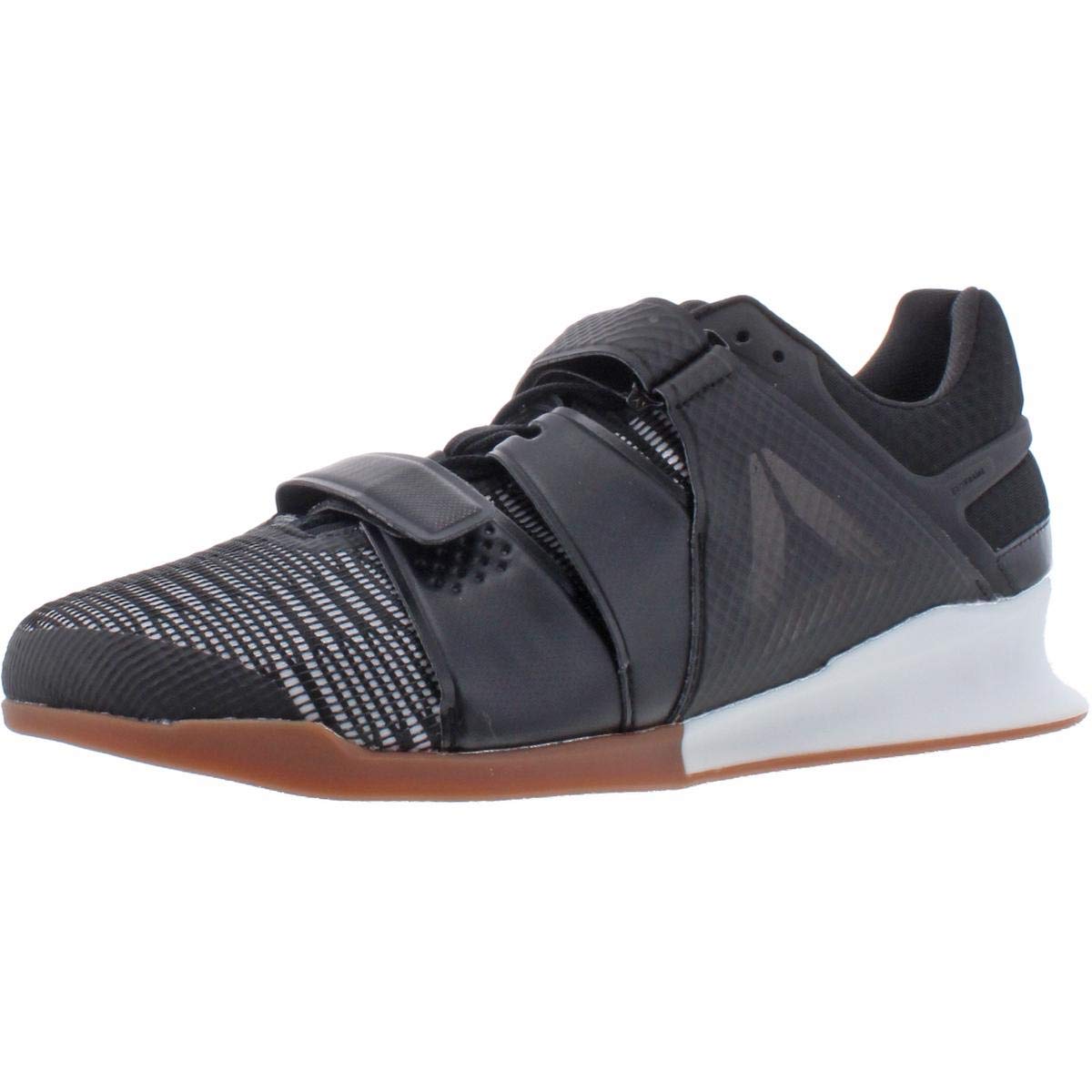
The Legacy Lifter is the gold standard for any lifter whose primary concern is an unshakeable foundation under a heavy squat or a clean snatch. Its 0.75-inch wooden heel provides the precise ankle dorsiflexion needed to reach depth without butt-wink, and the full-grain leather upper molds to your foot for a locked-in fit that synthetic shoes cannot match. The dual-strap system (top Velcro and bottom forefoot strap) is especially useful for lifters with thinner feet who struggle to fill out a standard shoe.
At roughly one and a quarter pounds per shoe, these are intentionally heavy — that mass contributes to the grounded feel that makes your entire foot feel connected to the platform. Reviewers consistently report that the Legacy Lifter eliminates lower back pain during squats and improves shoulder press stability. The forefoot strap solves the common problem of the front of the foot lifting during the catch phase of a snatch.
This shoe is not designed for CrossFit or casual gym walks — walking in them feels like wearing dress heels. The durability is exceptional, with users reporting over six months of heavy use without significant wear. If you compete in Olympic lifting or prioritize squats above all, this is the shoe that rewards your investment with every rep.
Why it’s great
- Wooden heel eliminates compression for consistent depth
- Adjustable forefoot strap locks thin feet in place
- Leather upper molds for a custom fit over time
Good to know
- Very stiff and heavy, poor for walking
- High price point for casual lifters
2. Nike Metcon 10
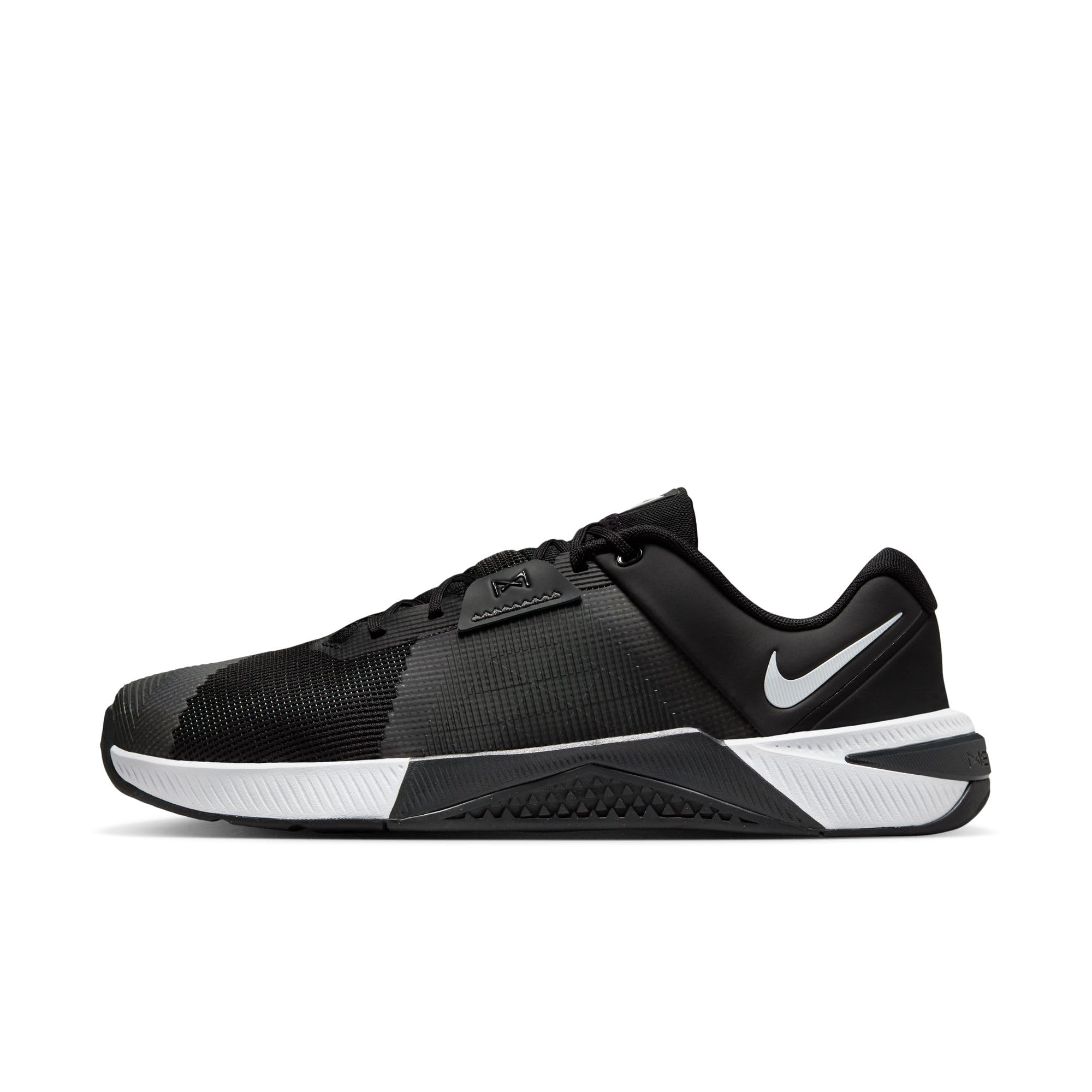
The Metcon series has been the benchmark for CrossFit trainers, and the 10th iteration refines the formula with a rope-ready outsole that handles rope climbs without fraying the rubber. The heel features a React foam insert that delivers firm, responsive cushioning for box jumps and short runs while keeping the platform stable enough for moderate squat loads. The wide forefoot base provides lateral stability during lunges and split squats.
Where the Metcon 10 truly shines is its versatility — you can squat, deadlift, run a 400-meter sprint, and then hit the rower without changing shoes. The upper is breathable mesh with targeted overlays that prevent stretch during heavy pulls. Users with narrow to medium feet will find the fit secure and true to size, though wide-footed lifters may prefer the Nano line.
The trade-off is that the React foam introduces a small degree of compression that pure lifting shoes avoid. If your max squat is north of 400 pounds, this slight give may feel unstable. But for the vast majority of CrossFitters and general strength athletes, the Metcon 10 is the most balanced shoe on this list.
Why it’s great
- Versatile for lifting, running, and rope climbs
- Breathable upper with secure lockdown
- Durable outsole resists wear
Good to know
- Heel foam compresses slightly under heavy loads
- Narrow fit works best for medium feet
3. Reebok Nano X5
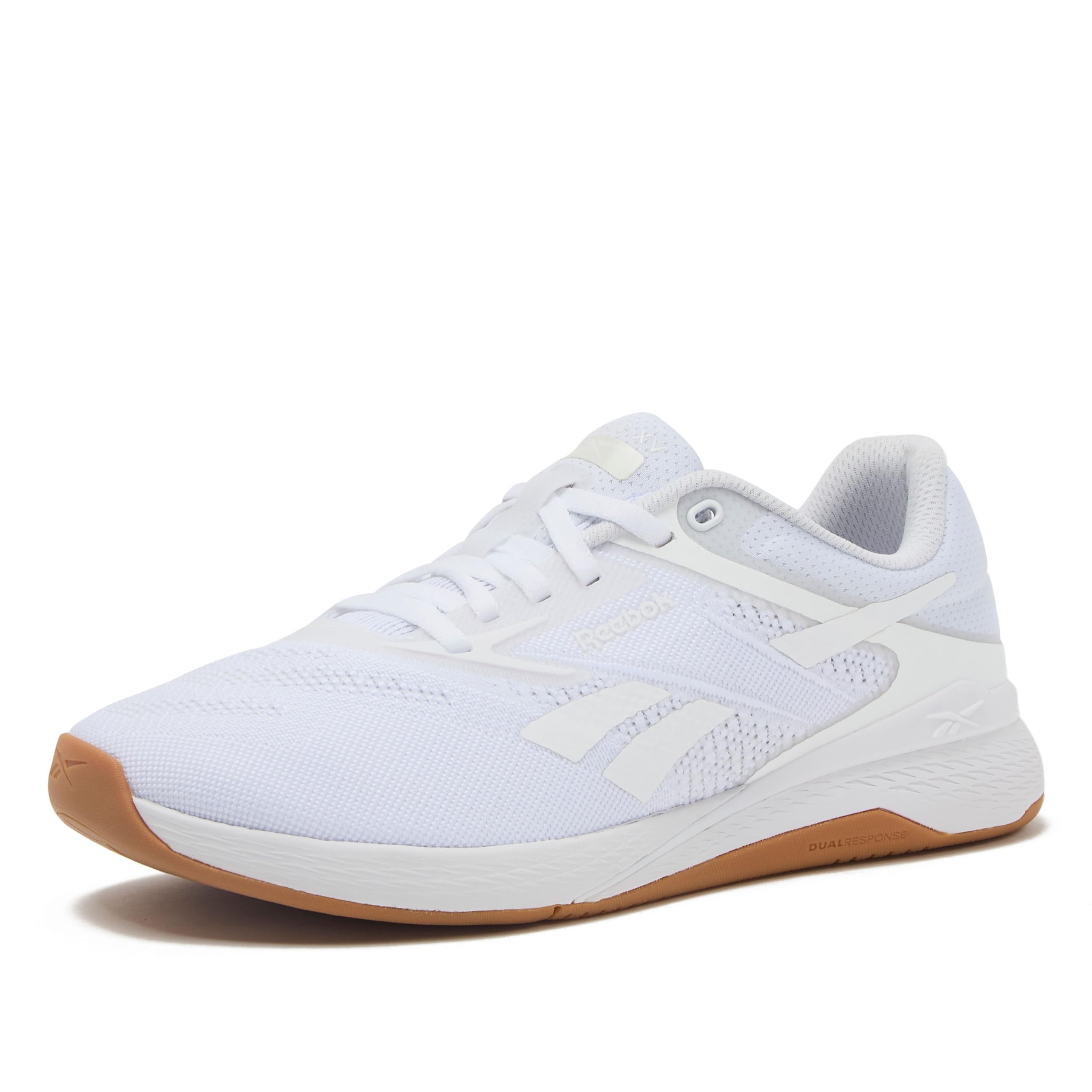
The Nano X5 is Reebok’s answer for lifters who want a flat, non-flexible sole that eliminates the rocking sensation common in softer trainers. Reviewers report that this sole design immediately resolved balance issues during split squats and provided superior arch support for those managing plantar fasciitis. The wide toe box allows natural toe splay, which enhances your contact patch with the floor during deadlifts.
Unlike pure lifting shoes, the Nano X5 retains enough forefoot flexibility to handle treadmill walking, stairs, and light cardio without feeling like you’re attached to a board. The upper is a breathable knit with a secure midfoot wrap, though users with narrow ankles note a slight looseness that can be tightened with the lace system. Many customers describe it as the most comfortable gym shoe they’ve owned.
The main critique comes from those with extremely narrow feet who find the fit too generous. Additionally, the patent-finish upper on some colorways attracts fingerprints. For any lifter doing a mix of strength and conditioning, the Nano X5 offers the best compromise between platform stability and all-day wearability.
Why it’s great
- Flat, non-flexible sole for rock-solid squat base
- Wide toe box improves floor contact
- Good arch support for plantar fasciitis
Good to know
- Runs large; may need to size down
- Narrow feet may experience heel slip
4. ALTRA Solstice XT 3

The Solstice XT 3 is for lifters who prioritize a natural foot position over everything else. With a zero-drop platform and Altra’s signature FootShape toe box, your toes are free to splay naturally, which directly translates to better balance and proprioception during deadlifts and single-leg work. The minimal stack height (very thin midsole) puts your foot as close to the ground as possible.
Users who have worn the Solstice XT 3 for over two months in a CrossFit setting report excellent durability — the upper holds up to rope climbs and the outsole maintains grip on rubber gym floors. The zero-drop geometry forces your calves and achilles to work through a full range of motion, making it an excellent choice for lifters recovering from ankle injuries or those who prefer a barefoot-style feedback loop.
Where it falls short is heavy Olympic lifting — the complete lack of heel elevation means you need exceptional ankle mobility to squat to depth. It also lacks the lateral rigidity of a dedicated squat shoe, so max-effort squats may feel slightly less planted. If your routine is deadlift-dominant or you do a lot of unilateral work, this shoe is a standout.
Why it’s great
- Zero-drop and wide toe box for natural movement
- Excellent ground feel for deadlift feedback
- Durable construction for gym wear
Good to know
- No heel elevation limits squat depth for some
- Less lateral stability for heavy squats
5. Under Armour TriBase Reign 6
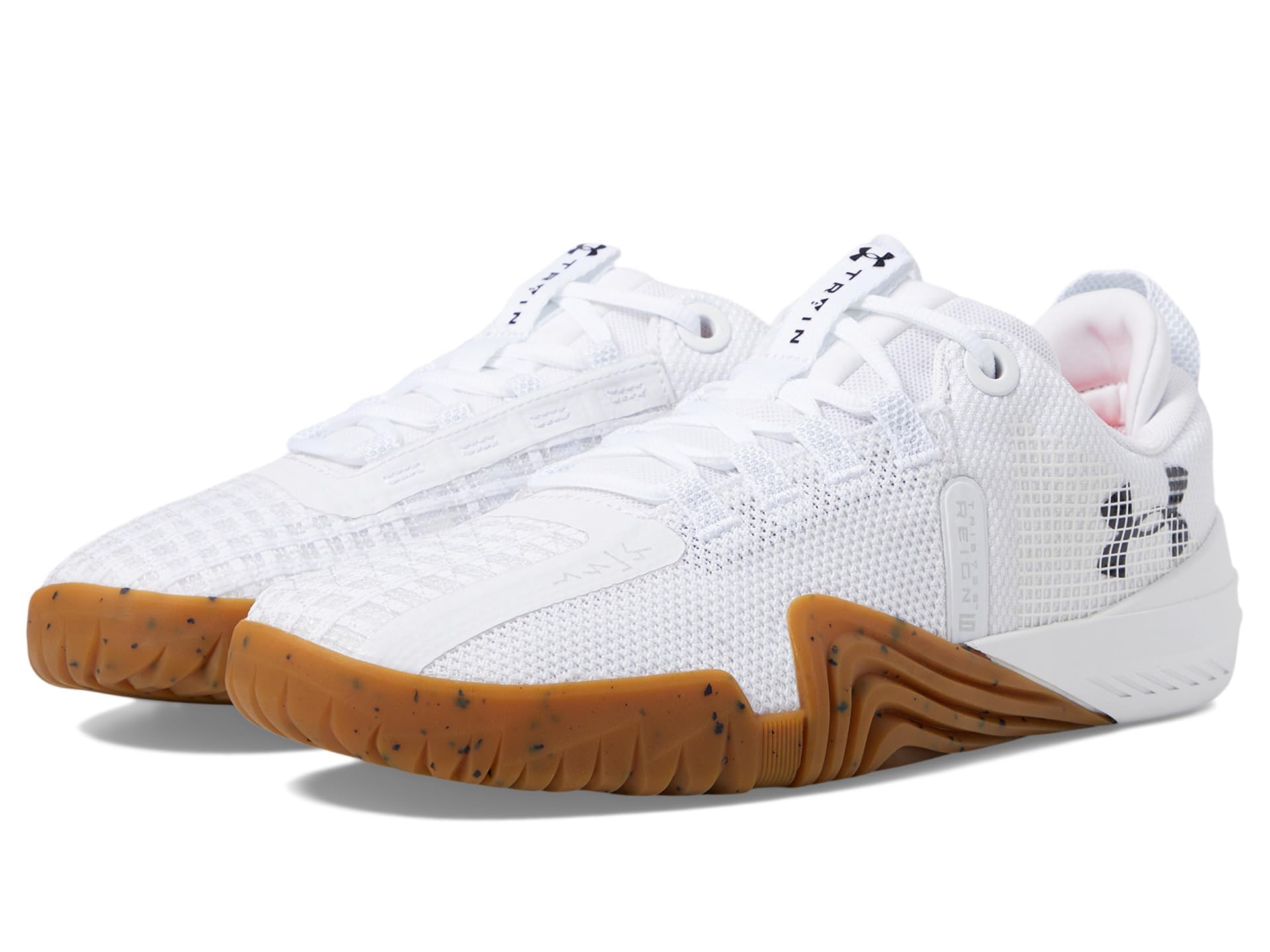
The TriBase Reign 6 is Under Armour’s best attempt at a versatile cross-trainer that doesn’t break the bank. It features a wide toe box and a flat, stable base that performs well for both squats and deadlifts, while the forefoot flexibility allows for comfortable sprinting, jumping, and incline treadmill work. Many users describe it as a more affordable alternative to the Metcon or Nano lines without sacrificing performance.
One of the most praised features is the elimination of ankle pain and heel slippage during dynamic movement. The rounded heel design provides a stable base for heavy lifts, and the flexible forefoot allows your toes to grip the floor naturally. The shoe runs slightly large, so many recommend going half a size down from your standard sneaker size.
On the downside, the white colorways are notoriously hard to keep clean, and some users report the shoe feels slightly heavy compared to dedicated lifting shoes. The TriBase layout is also not ideal for extreme loads — if your squat is above 500 pounds, you may feel the sole compress slightly. For everyone else, this is the budget-friendly king.
Why it’s great
- Excellent value with premium cross-trainer features
- Wide toe box accommodates toe spacers
- Flexible enough for running and HIIT
Good to know
- Slightly heavier than pure lifting shoes
- White colorways show dirt easily
6. Adidas Adipower 3
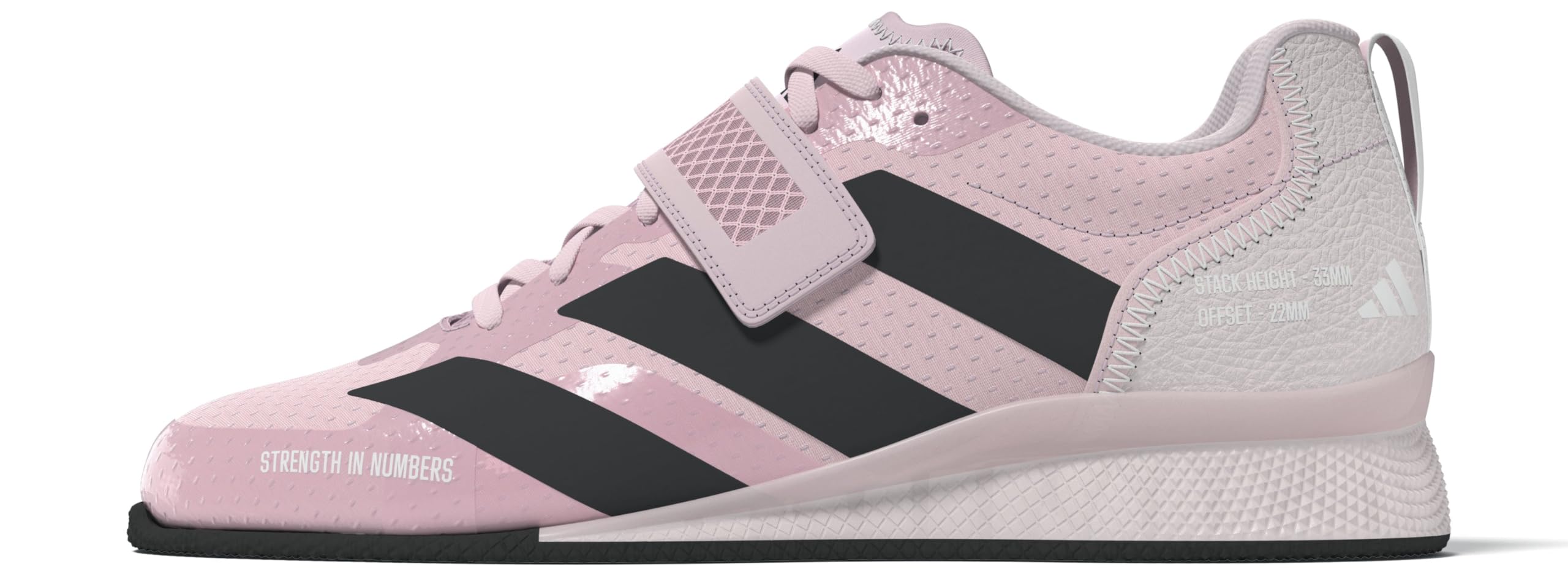
The Adipower 3 is a dedicated weightlifting shoe built for lifters who need a pronounced heel elevation (roughly 0.7 inches) to achieve proper squat depth without ankle compromise. The sole is completely non-compressible, meaning zero energy loss during the drive phase. The upper combines a supportive synthetic leather with a secure lace-and-Velcro closure system that locks the midfoot in place.
Users with poor ankle mobility report this shoe as a “game changer” for their squat form, allowing them to hit depth without forward lean. The outsole pattern has been updated from previous versions to provide better grip on dusty gym floors and is easier to clean. The build quality is professional-grade, with reinforced stitching and a sturdy heel cup that resists breakdown.
The Adipower 3 is not comfortable for walking and has a narrow toe box that can pinch after extended wear. If you have wide feet, the lack of forefoot space may make these unwearable. This is strictly a tool for squat days and Olympic lifting — do not buy it for CrossFit or general training.
Why it’s great
- High-quality, non-compressible sole for heavy loads
- Elevated heel aids ankle mobility
- Durable build with reinforced stitching
Good to know
- Very narrow toe box, not for wide feet
- Uncomfortable for standing or walking
7. Reebok Nano Zero
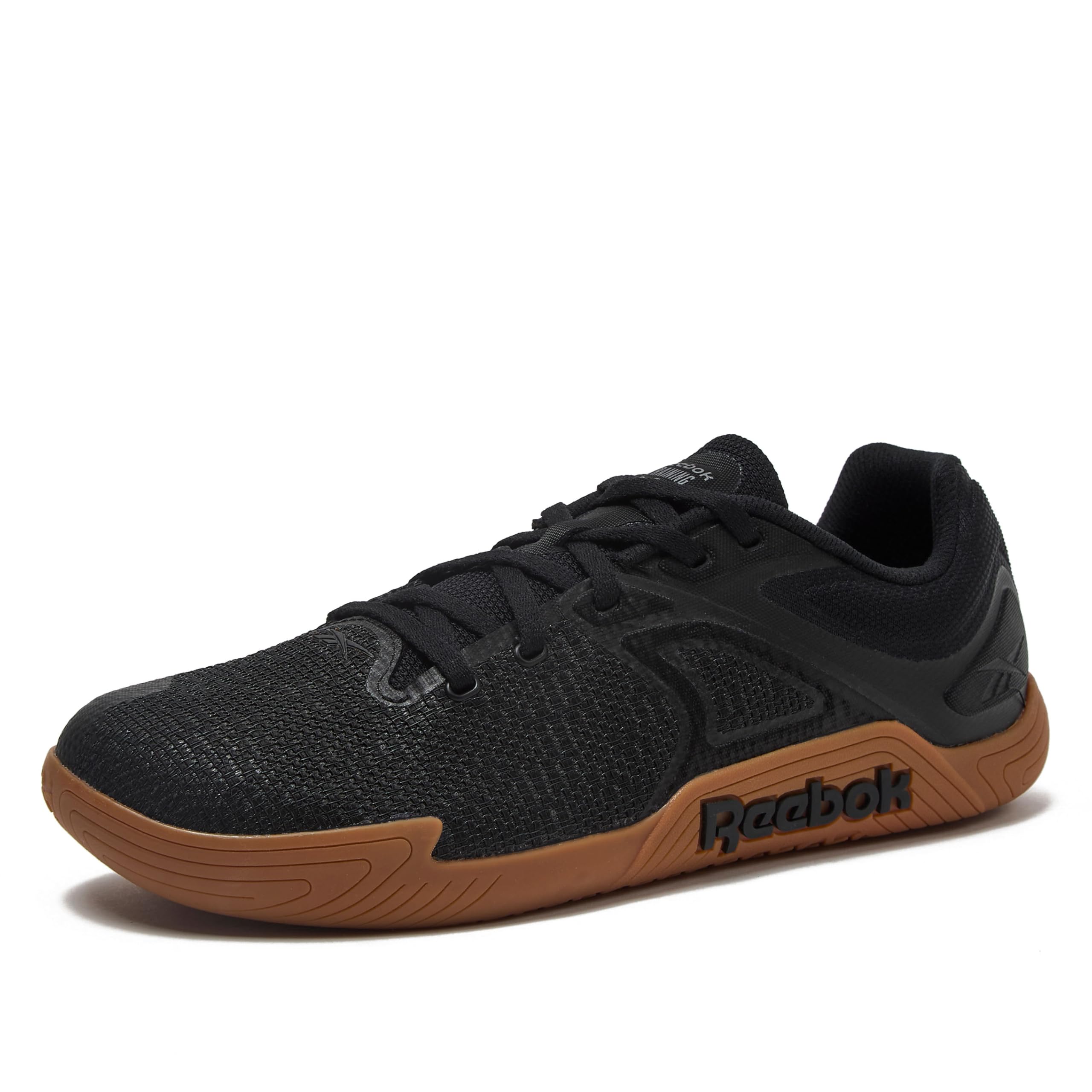
The Nano Zero is a minimalist lifting shoe designed for deadlift specialists and lifters who want the maximum ground feel possible. It offers a zero-drop platform with a completely flat, stiff sole that provides no cushioning — exactly what you need for precise force transfer during heavy pulls. The wide toe box gives your toes room to splay, improving your balance and connection to the floor.
Reviewers praise the Nano Zero for its lightweight construction and comfortable fit for wide-footed athletes. The breathable mesh upper keeps feet cool during long sessions, and the rubber outsole provides reliable traction on rubber gym mats. Unlike traditional lifting shoes, these can be worn for light walking without immediate discomfort, though they are still too stiff for running.
The critical trade-off is the complete absence of heel elevation. If you squat with a moderate stance and have good ankle mobility, you can still squat in these, but most lifters will find them limiting for front squats or Olympic lifts. The shoe also lacks the midfoot strap found on pure lifters, so the lockdown is less secure for dynamic movements.
Why it’s great
- Maximum ground feel for deadlift power transfer
- Wide toe box accommodates natural foot shape
- Lightweight and breathable
Good to know
- No heel elevation limits squat depth
- Lacks midfoot strap for secure lockdown
8. Adidas Powerlift 5 (Premium Option)
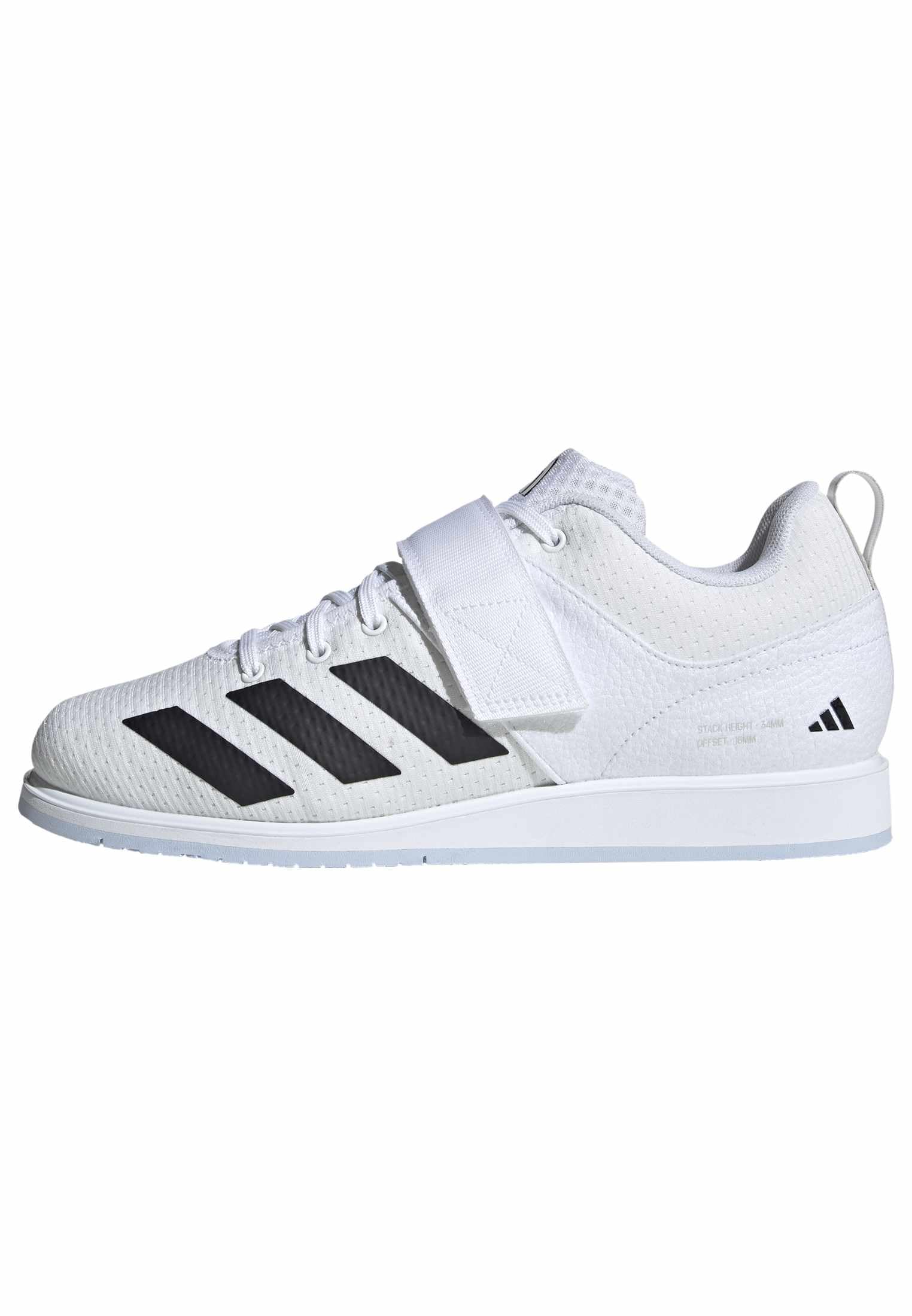
The higher-priced Powerlift 5 variant delivers the same low-heel platform that makes the Powerlift line a favorite among lifters transitioning from running shoes to dedicated gear. The heel is noticeably lower than the Adipower (about 0.4 inches), which makes this shoe more forgiving for lifters with aging knees or those who want a gentle introduction to heel elevation. The sole is rigid and non-compressible, giving you immediate feedback on form improvements.
Users consistently report that the Powerlift 5 eliminates knee and lower back strain by improving squat alignment and quad activation. The lace closure with a single Velcro strap provides adequate midfoot hold, though the toe box is narrow — several reviewers recommend ordering half a size up for wider feet. The overall build quality is solid, with the upper holding up to repeated use.
This shoe is not ideal for deadlifts due to the slight heel elevation, which can shift your center of gravity forward during the pull. It also lacks the dual-strap system of premium lifters, so the fit may not feel as locked-in for very heavy loads. It is, however, an excellent entry point for any lifter trying a raised heel for the first time.
Why it’s great
- Low heel is gentle on knees and joints
- Noticeably improves squat alignment
- Stable, non-compressible sole
Good to know
- Narrow toe box; may need to size up
- Heel height makes deadlifts less ideal
9. Adidas Powerlift 5 (Budget Option)
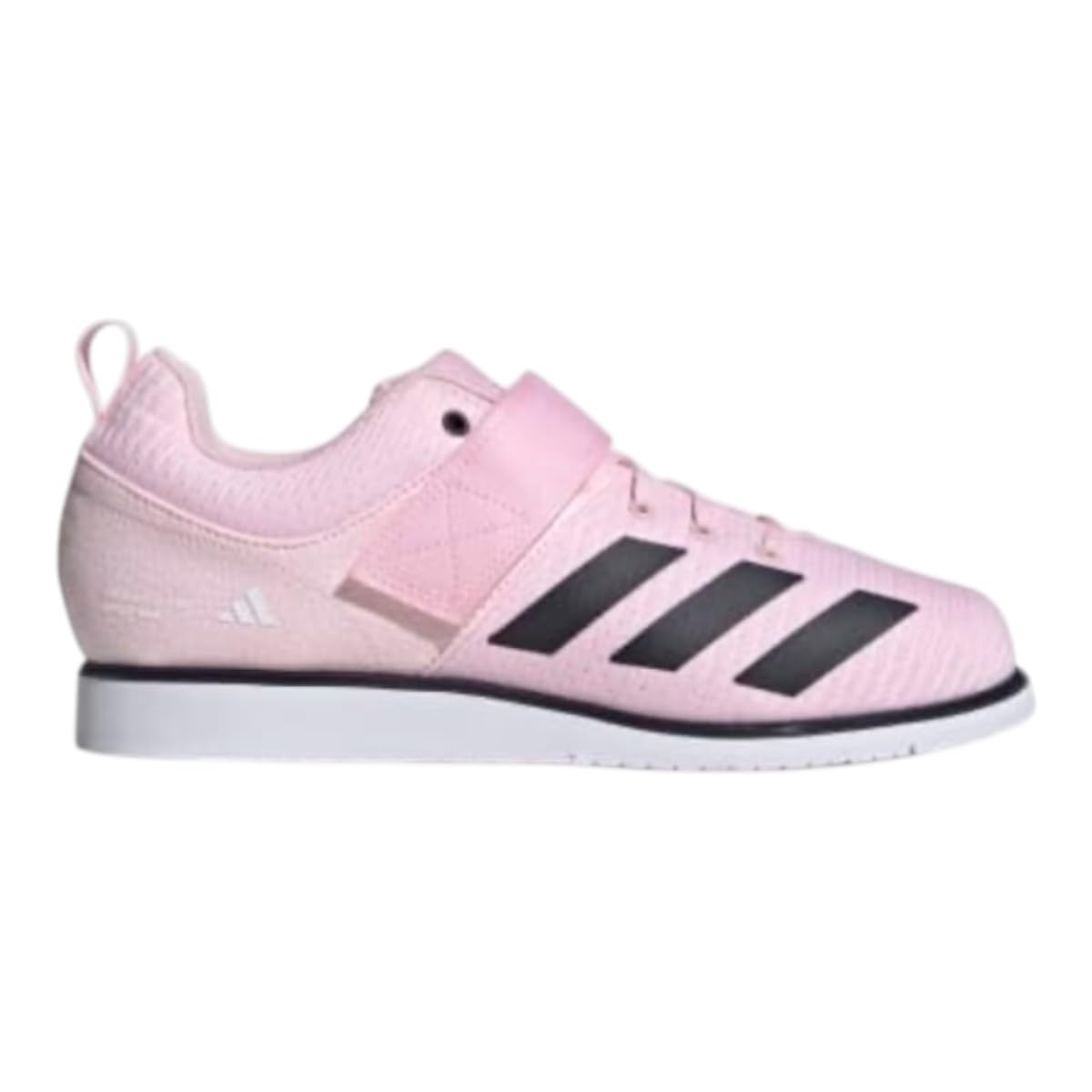
The budget-tier Powerlift 5 is nearly identical in design to its higher-priced sibling, offering the same low-heel platform and rigid sole at a more accessible entry point. It is the most popular starter lifting shoe for a reason: the low heel (around 0.4 inches) provides enough elevation to improve squat depth without the dramatic angle of the Adipower line. The lace closure with a single Velcro strap secures the midfoot adequately for most lifters.
Users transitioning from running shoes describe this shoe as a “game changer” for heavy squats, noting immediate improvements in form, better power transfer, and reduced knee/back strain. The sole provides excellent traction on gym floors, and the overall comfort is surprisingly good for a dedicated lifting shoe. Many users with wider feet report that the midfoot feels slightly tight, but the shoe remains functional for moderate loads.
The main limitations are the narrow toe box, which can cause discomfort during long sessions, and the low heel, which may not provide enough ramp for lifters with very poor ankle mobility. The Velcro strap is functional but not as robust as the dual-strap system on premium shoes. For the entry-level price, this is the most cost-effective way to experience the benefits of a raised heel for squats.
Why it’s great
- Affordable entry into dedicated lifting shoes
- Noticeably improves squat form and depth
- Comfortable, stable sole with good traction
Good to know
- Narrow toe box, not ideal for wide feet
- Low heel may not suit severe mobility limits
FAQ
Can I use the same shoe for both squats and deadlifts?
How much heel elevation do I need for squats?
Will lifting shoes help with knee pain?
Do I need a wide toe box for deadlifts?
Final Thoughts: The Verdict
For most users, the deadlift and squat shoes winner is the Reebok Nano X5 because it provides a flat, non-flexible sole for deadlifts, a wide toe box for stability, and enough flexibility for accessory work, making it the most versatile pick for mixed-gym routines. If you want a professional-grade squat tool with a wooden heel for Olympic lifting, grab the Reebok Legacy Lifter. And for maximum deadlift ground feel on a budget, nothing beats the Reebok Nano Zero.

Mo Maruf
I created WellFizz to bridge the gap between vague wellness advice and actionable solutions. My mission is simple: to decode the research and give you practical tools you can actually use.
Beyond the data, I am a passionate traveler. I believe that stepping away from the screen to explore new environments is essential for mental clarity and physical vitality.