Our readers keep the lights on and my smoothie glass nicely filled. As an Amazon Associate, I earn from qualifying purchases.
A daypack designed for a woman’s frame isn’t a marketing gimmick — it’s the difference between a hike that feels effortless and one that leaves you sore by mile three. Shoulder straps curved to avoid the chest, a hipbelt that sits on the hip crest rather than the waist, and a torso length that matches your proportions all change how the load transfers from your back to your legs. Get this wrong, and even a 10-liter pack wears heavy.
I’m Mohammad Maruf — the founder and writer behind WellFizz. I’ve spent dozens of hours cross-referencing load lifters, sternum strap placement, and hydration bladder compatibility to find the packs that actually fit women’s anatomy, not just scaled-down men’s designs.
Whether you’re commuting through the city or hitting a ridge line trail, the right gear starts with a properly fitted daypack for women that balances storage, breathability, and weight distribution without compromise.
How To Choose The Best Daypacks For Women
Women’s daypacks address a fundamental geometry difference: shorter torso lengths, narrower shoulder width, and a hipbelt shaped to sit on the iliac crest rather than sliding up over the belly. Ignoring these differences leads to pressure points, shoulder fatigue, and instability on uneven terrain.
Torso Length and Hipbelt Fit
A pack that fits your torso length (measured from the C7 vertebra to your iliac crest) places 70-80% of the load on your hips, where your strongest skeletal structure can carry it. Women’s-specific packs typically offer torso ranges from 14 to 18 inches, with extended sizes for longer or shorter builds. The hipbelt should wrap snugly around your hipbones, not your waist — if the belt rides up when tightened, the torso length is too short.
Suspension and Back Panel Ventilation
Daypacks under 30 liters rely on foam framesheets or wire loops to keep the pack from sagging away from your back. Look for an AirScape-style mesh or a tensioned mesh trampoline back panel that creates an air gap between your spine and the pack fabric. This gap cuts sweat accumulation dramatically on humid climbs and prevents wet-out shirts during summer hikes.
Hydration Compatibility vs. Bottle Pockets
Some women prefer a 2- or 3-liter bladder inside a dedicated sleeve with a sternum-strap hose clip, while others want two deep side pockets that hold a 1-liter Smartwater bottle for quick access without stopping. The best packs give you both options — a bladder sleeve and usable bottle pockets that don’t compress when the main compartment is full.
Quick Comparison
On smaller screens, swipe sideways to see the full table.
| Model | Category | Best For | Key Spec | Amazon |
|---|---|---|---|---|
| Osprey Tempest 20L | Technical Daypack | Serious day hikes with heavy loads | AirScape breathable backpanel; 20L | Amazon |
| Eddie Bauer Adventurer 30L | Hybrid Commuter/Trail | Commute + day hikes with laptop | StormRepel WR finish; 30L | Amazon |
| The North Face Vault | Everyday Laptop | School, work, light trail use | FlexVent suspension; 27L | Amazon |
| Water Buffalo Sherpa 22L | Hydration Focused | Mid-distance hikes with 2L bladder | Waterproof zippers; 22L | Amazon |
| IX INOXTO 26L | All-in-One Value | Budget-friendly all-day adventure | 3L bladder + rain cover; 26L | Amazon |
| NOOLA Hydration 25L | Lightweight Starter | Short hikes and trail running | Detachable phone pocket; 25L | Amazon |
| Osprey Ultralight Stuff Pack | Ultralight Travel | Day trips from a hotel base | Collapsible to palm size; 18L | Amazon |
In‑Depth Reviews
1. Osprey Tempest 20L Women’s Hiking Backpack
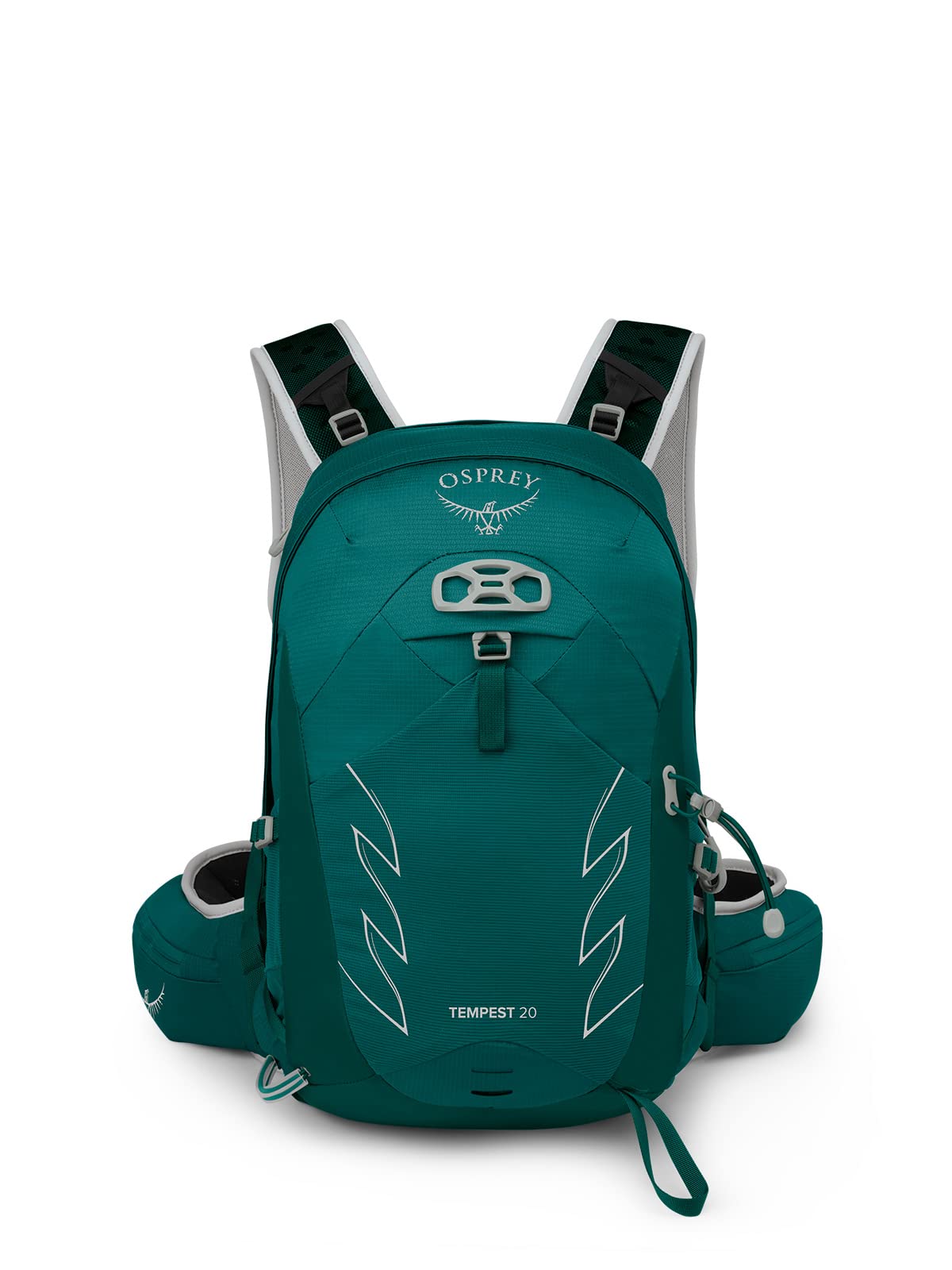
The Tempest 20L is the gold standard for women’s daypacks because it starts from the BioStretch harness and builds upward. The injection-molded AirScape back panel contours closely to the spine while maintaining an air channel that actually reduces sweat, and the extended-fit hipbelt wraps around hip crests up to 70 inches, keeping the load locked to your body on rocky descents. The dual side mesh pockets are deep enough for 1L bottles without ejecting them when you bend over.
At 20 liters, this pack forces disciplined packing — you get one main compartment with panel-loading access, a zippered lid pocket, two waist pockets, and a helmet attachment loop. The hydration sleeve fits a 2L bladder snugly (a 3L is a tight squeeze), and the sternum strap includes a magnetic whistle for emergency signaling. Testers reported excellent weight distribution even when carrying 15 lbs of water and gear on multi-day summit pushes.
Some users noted that accessing the waist belt pockets requires unbuckling the belt, and the bladder sleeve lacks a secondary hanger loop. The rounded waist pockets barely hold a Samsung S21 in a slim case. But for technical terrain where fit matters more than feature count, this pack delivers the best load transfer at under 1.5 lbs.
Why it’s great
- Excellent torso-specific fit with extended hipbelt range
- AirScape back panel reduces sweat significantly on warm days
- High-quality YKK zippers and durable 100D/210D nylon
Good to know
- Waist belt pockets are small and require belt removal to access
- Bladder sleeve is tight for 3L bladders
- Limited internal organization compared to urban packs
2. Eddie Bauer Women’s Adventurer 30L Backpack

The Adventurer 30L bridges the gap between a commuter laptop pack and a trail-ready daypack better than almost anything at this size. Its StormRepel DWR finish sheds light rain without a cover, and the FreeCool Air back panel uses a suspended mesh that keeps airflow moving even when the bag is stuffed with a lunch bag, change of clothes, and a 15-inch laptop. The straps are cut to a woman’s shoulder contour — narrower and curved — so they don’t slide off the deltoids on steep sections.
Internal organization is robust: a fleece-lined sunglasses pocket, two stretch-mesh side pockets, a front stash pocket with daisy chain, and a padded laptop compartment with side access that doesn’t require emptying the main compartment. The 30L volume handles overnight gear if you pack efficiently, and the hipbelt is padded enough to shift weight but removable if you only use it for light commuting. The dark plum colorway is subdued enough for an office.
Downsides include a scratchy feel on the shoulder strap webbing and a fit that runs slightly tall for shorter torsos under 16 inches. The side-access laptop zipper is on the left side only, which bothers some right-handed users. Still, for the woman who wants one bag for the workweek and weekend summit, this is the most versatile pick in the premium tier.
Why it’s great
- Excellent organization with laptop side-access and fleece-lined pocket
- StormRepel finish handles unexpected rain showers well
- Comfortable women-specific straps distribute weight across a 30L load
Good to know
- Straps can feel scratchy against bare skin in warm weather
- Side-access laptop pocket is left-side only
- Runs tall for shorter torsos under 16 inches
3. The North Face Women’s Vault Everyday Laptop Backpack
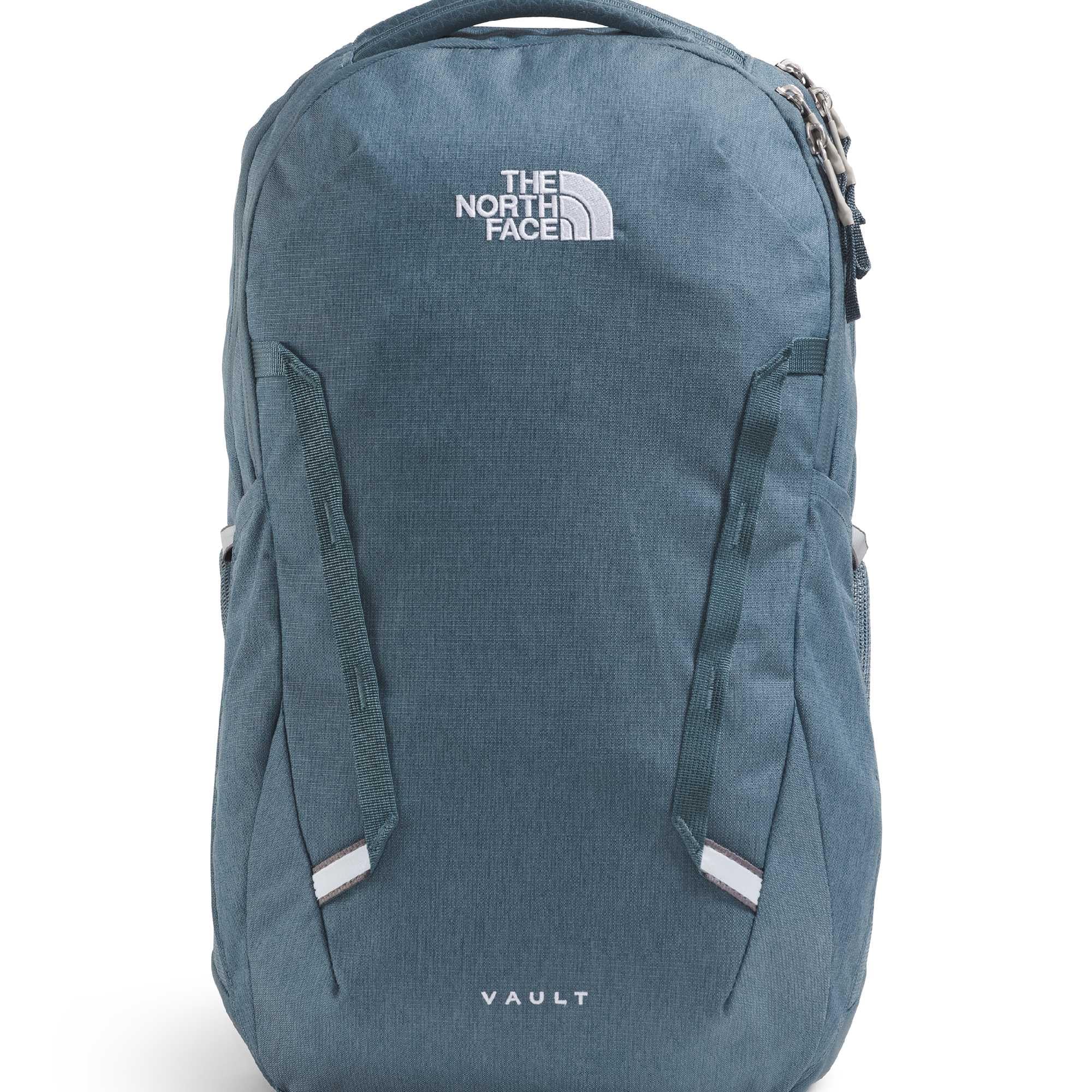
The Vault is the pack you grab when you need a self-standing, water-repellent bag that slides into a locker and looks clean at a coffee shop. FlexVent suspension — endorsed by the American Chiropractic Association — uses injection-molded shoulder straps with a padded mesh back panel and a breathable lumbar pad. At 27 liters, the main compartment swallows a 15-inch laptop plus a tablet in the fleece-lined sleeve, and the front compartment includes a key clip and zip pockets for pens and chargers.
External bottle pockets fit 1L Nalgene bottles without bulging into the main compartment, and the daisy chain on the front lets you clip on a bike light or carabiner. The granite grey heather fabric resists visible dirt well, though lighter colors show trail dust quickly. The sternum strap is adjustable and removable, and the top grab handles are reinforced for quick overhead bin access.
User feedback consistently highlights the Vault’s durability under heavy textbook loads, but the back panel foam adds weight — nearly 1 lb 11 oz empty. The front pocket bulges awkwardly when stuffed, and the lack of a dedicated hydration sleeve makes this a poor choice for serious trail use. It’s built for pavement, not ridgelines.
Why it’s great
- ACA-endorsed FlexVent suspension reduces shoulder strain with heavy laptops
- Sturdy self-standing structure for easy loading and unloading
- Deep bottle pockets fit 1L bottles without spill risk
Good to know
- Heavier than typical daypacks at 1 lb 11 oz empty
- Not hydration bladder compatible out of the box
- Front pocket bulges when overstuffed, reducing clean silhouette
4. Water Buffalo Sherpa 22L Hydration Backpack

The Sherpa 22L focuses on the essentials: a BPA-free 2-liter bladder with a wide-mouth opening, six organized pockets, and waterproof zipper liners that keep gear dry during creek crossings. The hipbelt and adjustable sternum strap lock the pack down against your body, minimizing bounce even when trail running, and the trekking pole holders on the side keep your hands free for steep scrambles. The 150D ripstop polyester plus 420D jacquard nylon base handles abrasion from rock slabs well.
The shoulder strap includes a phone sleeve that fits most 7-inch devices, and the side compression straps let you cinch down a light load. Testers on 5- to 10-mile hikes reported solid comfort with 8-10 lbs of gear, and the waterproof zippers held up through heavy drizzle without needing the rain cover. The bladder tube is routed through a center loop, so it doesn’t snag on brush.
Where the Sherpa cuts corners is the bladder itself — several users recommend replacing it with a wide-mouth bladder from a premium brand because the included bite valve is stiff and the tube lacks insulation. The hipbelt pockets are also missing, so sunscreen and chapstick end up in the main compartment. For the price, the pack body is excellent; the bladder is a bonus.
Why it’s great
- Waterproof zipper liners and robust fabric for wet conditions
- Secure trekking pole holders and side compression straps
- Low-profile 22L size with comfortable load control for moderate hikes
Good to know
- Included 2L bladder has a stiff bite valve and no tube insulation
- No hipbelt pockets for small items like sunscreen
- Bladder is difficult to clean thoroughly due to narrow opening
5. IX INOXTO 26L/40L Hiking Backpack
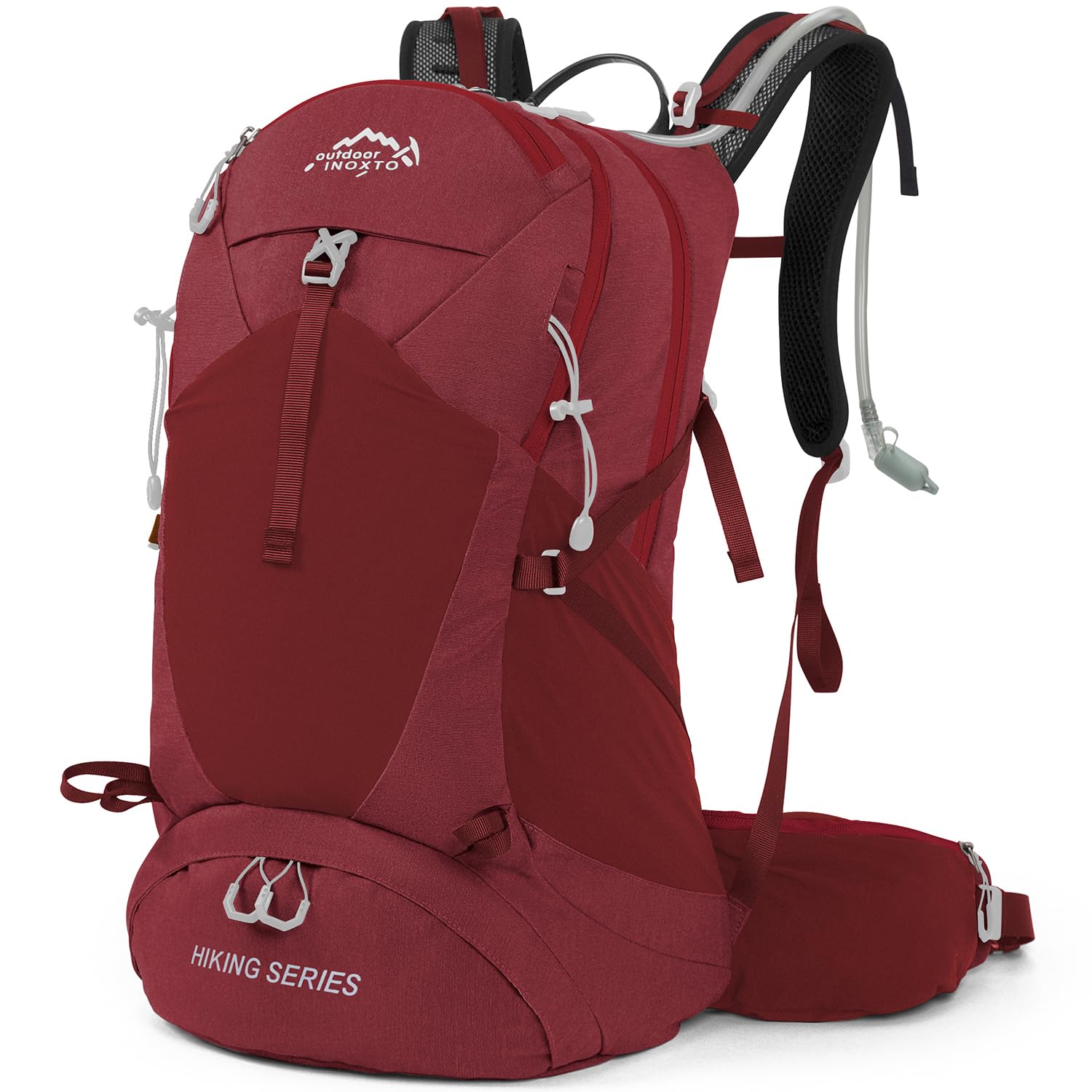
IX INOXTO packs features that usually cost double: a 3-liter TPU bladder with a double leak-proof seal, a steel frame that transfers weight to the hips, a waterproof rain cover, and a separate bottom compartment for wet shoes or a sleeping bag. The 3D touch suspension system uses a mesh back panel with a visible air gap, and the shoulder straps are S-shaped to follow a woman’s torso line without pinching the neck. At 2.2 pounds, it’s heavier than ultralight options but feels stable under load.
The pocket layout is generous: two hip pockets, two side mesh pockets, a top zippered pocket, a front vertical zip, and a bottom compartment with internal access. The 26L version is ideal for single-day hikes with rain gear and snacks, while the 40L stretches into overnight capacity. The included rain cover is stowed in its own bottom pouch and deploys without removing the pack. The hose port is positioned on the left shoulder strap, which is standard but doesn’t suit everyone.
Some users received units that appeared previously returned, and the steel frame can feel stiff against very short torsos. The expandable bottom compartment occasionally allows small items to shift out of reach. For the combination of bladder, frame, and dedicated compartments, however, this is the best spec-per-dollar package in the mid-range.
Why it’s great
- Steel frame suspension significantly improves load transfer to hips
- 3L TPU bladder is leak-proof, odor-free, and easy to clean with wide mouth
- Bottom compartment is excellent for separating wet or dirty gear
Good to know
- Some units have shipped with signs of prior use
- Steel frame is stiff and less comfortable for very short torso lengths
- Bottom expandable pocket can allow small items to shift out
6. NOOLA Hydration Backpack with 3L Water Bladder
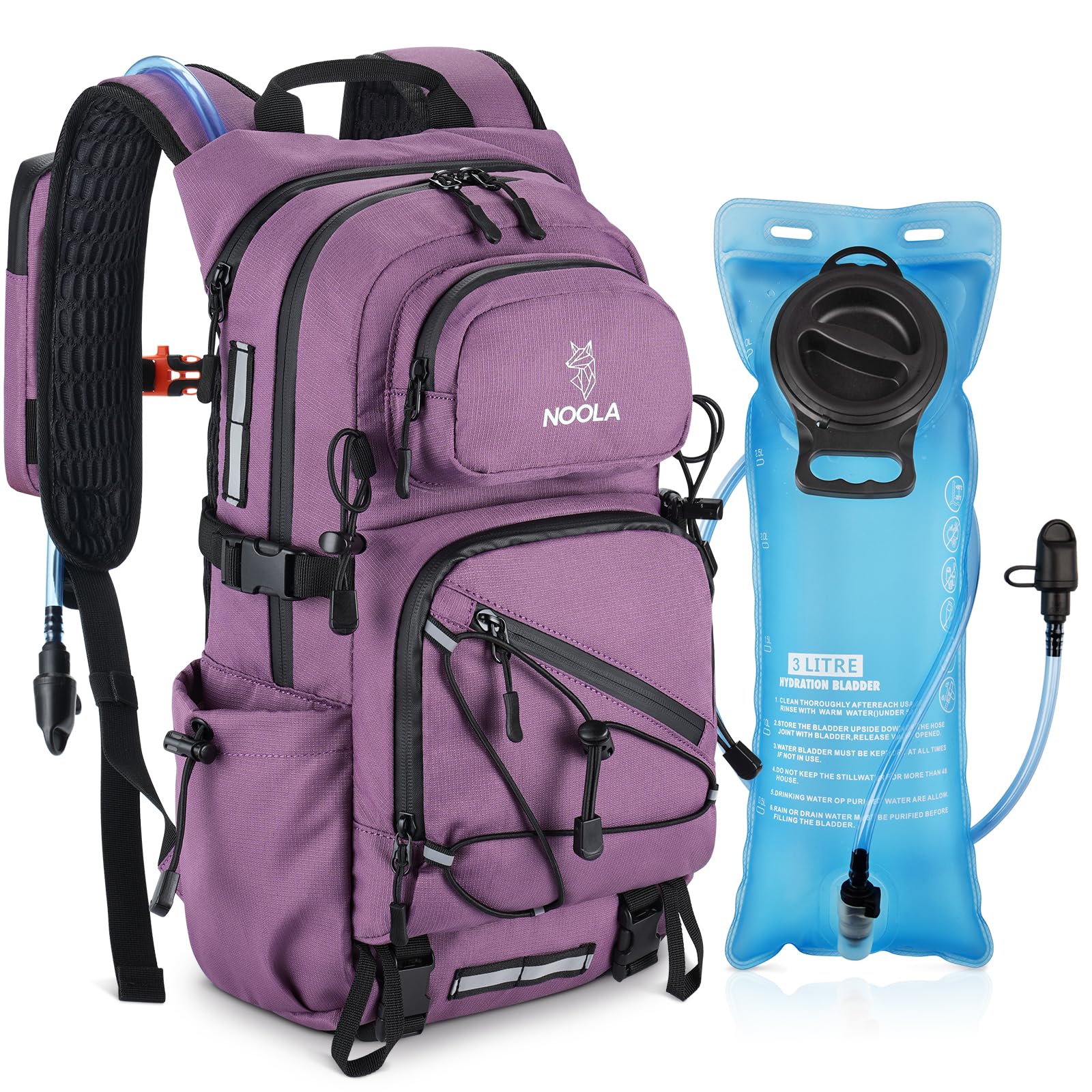
The NOOLA 25L hits a sweet spot for beginners who want a hydration system without overspending. The 3-liter TPU bladder is BPA-free with a 3.5-inch wide mouth that accepts ice cubes easily, and the included rain cover is stitched into a dedicated bottom pocket so it’s always on hand. The pack body is made of high-density ripstop polyester with reflective strips and an integrated emergency whistle on the sternum buckle — small details that add safety margins for solo hiking.
Nine functional divider pockets across five zipper compartments give this pack an organizational depth unusual at this price point. The detachable phone pocket on the shoulder strap holds a 7-inch phone and rotates to stay flat against the strap, and the trekking pole holders are elastic loops with tension adjusters. The back panel is lined with ventilated mesh cushioning, and the shoulder straps are thickened and widened to spread lighter loads comfortably.
On longer hikes with 15+ pounds of gear, testers noted uneven weight distribution and shoulder strain because the chest straps don’t lock the load tightly enough. The hipbelt is more of a stabilizer than a true load-bearing waist belt. For 3- to 5-mile day hikes with light gear, this pack works beautifully; for all-day rugged terrain, consider trading up to a framed option.
Why it’s great
- 3-liter wide-mouth TPU bladder is easy to fill, clean, and add ice to
- Nine pockets across five compartments provide excellent small-item organization
- Rain cover, whistle, and reflective strips included at no extra cost
Good to know
- Chest straps don’t lock the load effectively above 15 lbs
- Hipbelt serves as a stabilizer, not a weight-bearing belt
- Weight distribution becomes uneven on longer, steeper hikes
7. Osprey Ultralight Collapsible Stuff Pack 18L

The Osprey Stuff Pack is not for carrying a full hiking load — it’s for stashing inside a carry-on and deploying as a day pack once you land. The 40D high-tenacity recycled nylon packs down to roughly the size of a clenched fist and weighs just 0.33 pounds. The padded mesh shoulder straps are surprisingly comfortable for an ultralight pack, and the breathable back panel prevents that sweaty T-shirt feeling during city walking tours.
At 18 liters, capacity is limited to a light jacket, water bottle, camera, and a few snacks. The dual stretch side pockets are generous, and the internal key clip is a nice touch for this weight class. The sternum strap includes the same emergency whistle found on Osprey’s full-size packs, and YKK zippers with reinforced pulls provide durability far beyond the pack’s price point. The top pocket doubles as the stuff sack, which keeps everything self-contained.
The biggest drawback is the lack of a quick-access exterior pocket — you have to open the main compartment to grab your phone or passport. The pack is also spineless, so oddly shaped items create awkward bulges against your back. For its intended use — a supplementary travel bag for day expeditions — it’s the lightest, most packable option available from a brand with a lifetime warranty.
Why it’s great
- Folds into its own pocket to palm size for easy luggage storage
- Bluesign-certified 40D recycled nylon with excellent tear strength
- YKK zippers and emergency whistle are durable at ultralight weight
Good to know
- No exterior quick-access pocket for phone or passport
- Spineless design creates awkward bulges with irregular items
- 18L capacity limits gear to ultralight day-use only
FAQ
What size daypack should a woman look for day hiking?
Is a women’s specific daypack really different from a unisex pack?
Should I choose a hydration bladder or bottle pockets?
Final Thoughts: The Verdict
For most users, the daypack for women winner is the Osprey Tempest 20L because its BioStretch harness and AirScape back panel deliver the best fit-to-load ratio at this size, making technical terrain feel stable and controlled. If you want a pack that handles both the office and the trail without compromise, grab the Eddie Bauer Adventurer 30L. And for budget-conscious hikers who still want a bladder, rain cover, and frame support in one kit, nothing beats the IX INOXTO 26L.

Mo Maruf
I created WellFizz to bridge the gap between vague wellness advice and actionable solutions. My mission is simple: to decode the research and give you practical tools you can actually use.
Beyond the data, I am a passionate traveler. I believe that stepping away from the screen to explore new environments is essential for mental clarity and physical vitality.