Our readers keep the lights on and my smoothie glass nicely filled. As an Amazon Associate, I earn from qualifying purchases.
The wrong day hiking boot turns a ridge-line escape into a foot-blistering grind. Between the waterproof membrane that bakes your feet and the stiff shank that fights your ankle, finding the pair that disappears under you is a real test. The market is flooded with budget splits and overbuilt tanks; a true day hiker needs a boot that handles mud, rock, scree, and stream crossings without adding a pound of unnecessary baggage to each step.
I’m Mohammad Maruf — the founder and writer behind WellFizz. To build this guide, I cross-referenced hundreds of verified customer reports, analyzed sole compounds, midsole densities, and membrane technologies to separate genuine all-day performers from marketing-heavy duds.
Whether you value a barely-there feel after ten miles or a rugged platform that laughs at talus, the right pair for your weekend mission is out there. This breakdown of the best day hiking boots will help you match your trail style to the correct construction without wasting a single dollar on features you do not need.
How To Choose The Best Day Hiking Boots
Day hiking demands a boot that is light enough to forget, supportive enough to protect on uneven ground, and grippy enough to handle wet rock and loose scree. The wrong choice here — either overbuilt or under-supported — directly translates to foot fatigue or worse, an ankle roll. Focus on these four pillars to narrow the field.
Waterproof vs Breathable Balance
A day hiker often transitions from a creek crossing to a dry ridgeline. Full waterproof boots use a membrane like Gore-Tex or B-DRY that blocks external water but also traps internal moisture. If your typical terrain is dry, dusty singletrack, a well-ventilated non-waterproof boot breathes better and dries faster. For wet grass, morning dew, and puddle hopping, the membrane is worth the trade-off in heat retention.
Midsole Density and Cushion
Day hiking rarely carries a heavy overnight pack, so you do not need a stiff mountaineering shank. Look for an EVA midsole with moderate density — too soft and you bottom out on sharp rocks, too firm and you feel every pebble. A rock plate under the forefoot helps spread pressure across talus fields without adding the rigidity of a full-length shank.
Tread Pattern and Rubber Compound
Lug depth defines grip in mud and loose soil, while the rubber compound determines friction on wet rock. Deeper, wider-spaced lugs clear mud efficiently but can feel clunky on pavement. Shallower, tightly packed lugs with sticky rubber (like Vibram Megagrip) excel on smooth, wet surfaces. Day hikers benefit from a hybrid pattern — moderate depth with a sticky rubber edge for wet crossings.
Last Width and Toe Box Volume
Your foot swells after hours of hiking, especially on descents. A narrow toe box crushes toes against the front, causing black toenails and blister rub on the pinky. Many brands offer wide options or naturally generous lasts. If you have a high-volume foot or wide forefoot, prioritize models known for a roomy toe box and skip break-in periods by choosing a half-size up in narrow fits.
Quick Comparison
On smaller screens, swipe sideways to see the full table.
| Model | Category | Best For | Key Spec | Amazon |
|---|---|---|---|---|
| Merrell Speed Strike 2 Mid Waterproof | Mid Waterproof | Lightweight all-day comfort | 2 lb per pair, Gore-Tex membrane | Amazon |
| KEEN Hightrail Mid Waterproof | Mid Waterproof | Roomy toe box for wide feet | KEEN.DRY membrane, rubber toe cap | Amazon |
| Columbia Konos TRS Outdry | Waterproof Mid | Zero break-in + traction on wet ground | Outdry membrane, Omni-Grip outsole | Amazon |
| Timberland White Ledge Mid Waterproof | Classic Mid Waterproof | Budget durability for varied terrain | 1.1 lb per pair, seam-sealed waterproof | Amazon |
| Oboz Bridger Mid B-DRY | Supportive Mid B-DRY | Orthotic-ready support + stability | B-DRY membrane, O Fit insole | Amazon |
| Under Armour Hovr Dawn 2.0 Waterproof | Cushioned Waterproof Mid | Maximum underfoot cushion + energy return | HOVR foam midsole, UA waterproof membrane | Amazon |
| North Face Hedgehog 3 Mid Waterproof | Supportive Leather Mid | Durable leather build + quiet walking | Ripstop leather upper, rubber outsole | Amazon |
| Orthofeet Ridgewood Waterproof Leather | Orthopedic Waterproof Mid | Plantar fasciitis & wide-foot relief | Orthotic insoles, multi-width sizing | Amazon |
| Merrell Moab 3 Women’s | Versatile Mid GTX | Premium all-day traction + 4E wide fit | Vibram TC5+ outsole, Gore-Tex option | Amazon |
In-Depth Reviews
1. Merrell Women’s Speed Strike 2 Mid Waterproof
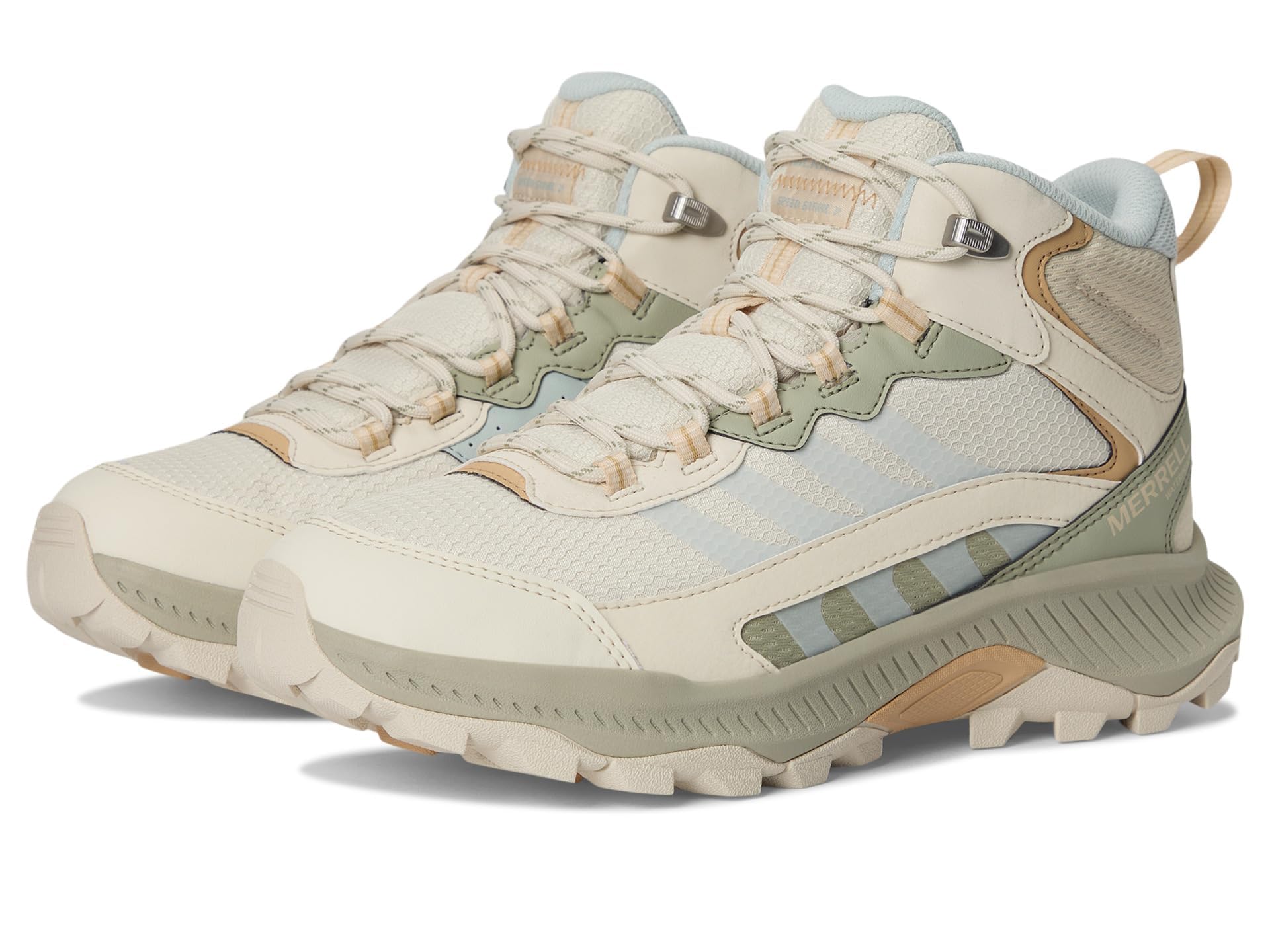
The Speed Strike 2 lands at the sweet spot of day-hiking performance. At roughly 2 pounds per pair, it feels more like a trail runner than a traditional boot, yet the mid-cut collar provides enough ankle support for uneven terrain. The Gore-Tex membrane keeps your feet bone-dry through stream crossings and morning dew while remaining more breathable than many budget membranes — several users report comfortable 8+ hour days with no swamp foot buildup.
The Vibram outsole uses a multi-directional lug pattern that bites well on smooth rocks and loose gravel. The EVA midsole offers a firm yet forgiving cushion that does not collapse under moderate loads. The medium-volume last fits a standard to slightly narrow foot best, though the padded tongue and collar lock the heel effectively to prevent blisters on descents. A minor quirk: the tongue can bunch up if not seated flat before lacing.
Multiple verified users report zero break-in period and no foot pain after long days that include rocky climbs and long pavement approaches. The combination of low weight, proven Gore-Tex, and balanced cushion makes this the most versatile day-hiking boot for women who want one pair for everything from flat greenways to technical ridge walks.
Why it’s great
- Exceptionally lightweight for a mid waterproof boot
- Gore-Tex breathes better than most proprietary membranes
- Out-of-box comfort with no break-in reported by most users
- Aggressive Vibram sole handles mixed terrain confidently
Good to know
- Tongue must sit flat to avoid pressure point on the instep
- Laces tend to loosen easily; a double knot is recommended
- Best suited for narrow-to-medium width feet
- Some users with wide forefeet reported pinky toe blisters
2. KEEN Men’s Hightrail Mid Waterproof Hiking Boots
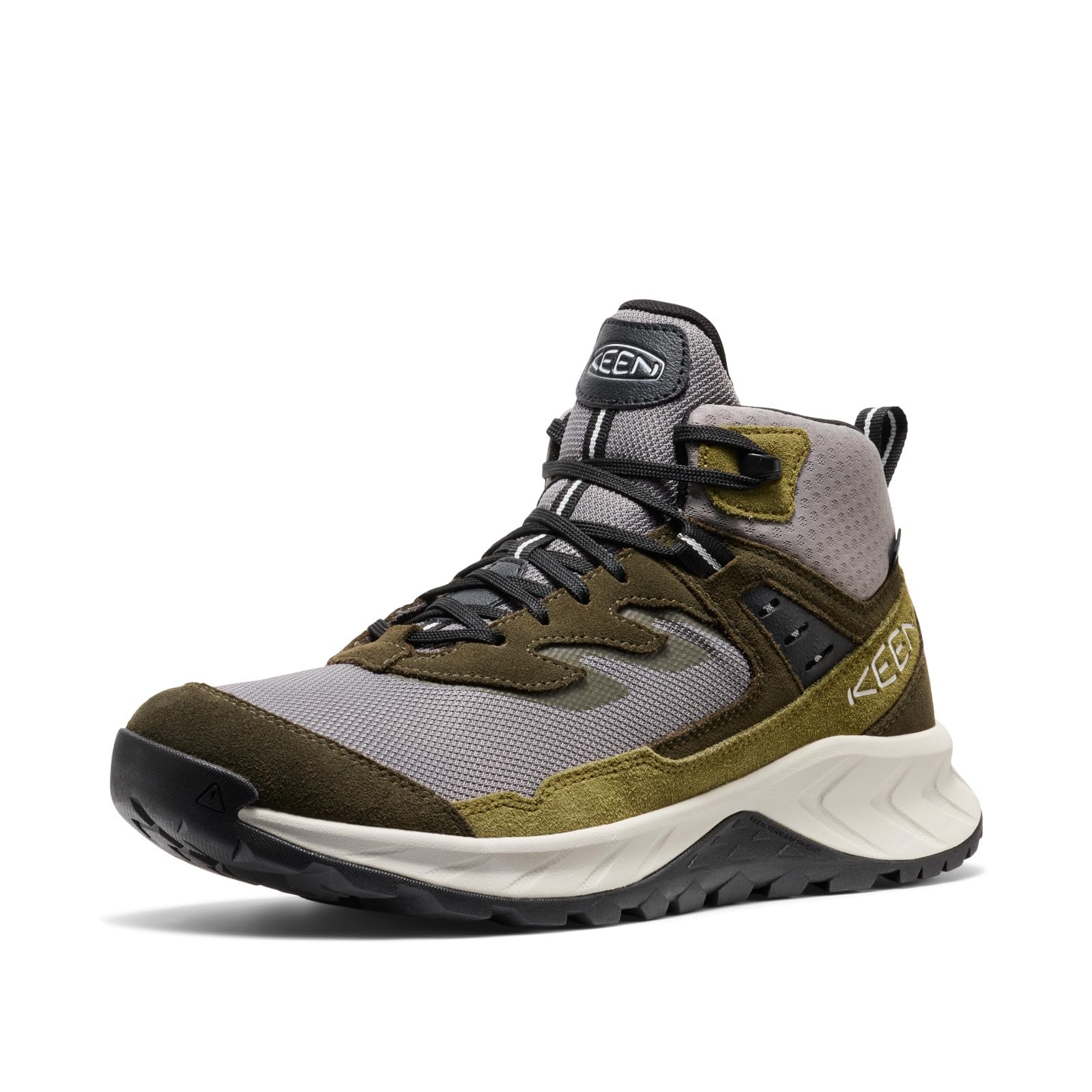
The KEEN Hightrail Mid brings the brand’s famously generous toe box to a modern day-hiking platform. The KEEN.DRY membrane is highly effective against standing water and heavy rain, and the rubber toe cap protects against rock stubs that would otherwise shred a mesh boot. A large-guy (6’5″, 285 lbs) test user reported excellent support and no fatigue after 30 miles, which speaks to the midsole’s density and chassis stiffness despite the boot’s relatively light feel.
The tread is a hybrid design: moderate-depth lugs spaced widely enough to shed mud, with a smooth perimeter edge for stable contact on pavement. The upper is a mix of leather and textile that manages to feel breathable for a waterproof boot, though some users noted slight discomfort on long descents — likely due to the toe box shape pushing toes forward. Sizing runs true to length, but the natural width accommodates thick wool socks easily.
One buyer used these for an alpine trail in Switzerland through boot-deep snow and ice. The boots kept feet warm with crew socks and felt secure even on steep side hills. The only traction concern was on pure ice, which is typical of any non-crampon boot. For day hikes involving stream crossings, mud, and variable terrain, the Hightrail’s durability and fit stability make it a top contender.
Why it’s great
- Generous toe box fits wide feet and thick socks comfortably
- Rubber toe cap adds significant durability and protection
- True-to-size length with minimal break-in required
- Stable platform supports heavier hikers without bottoming out
Good to know
- Can feel slightly long for standard-width feet at true size
- Downhill traction on pure ice is inadequate (no micro-spikes)
- Some users felt discomfort on long descents
- Not as breathable as non-waterproof trail runners in hot weather
3. Columbia Konos TRS Outdry
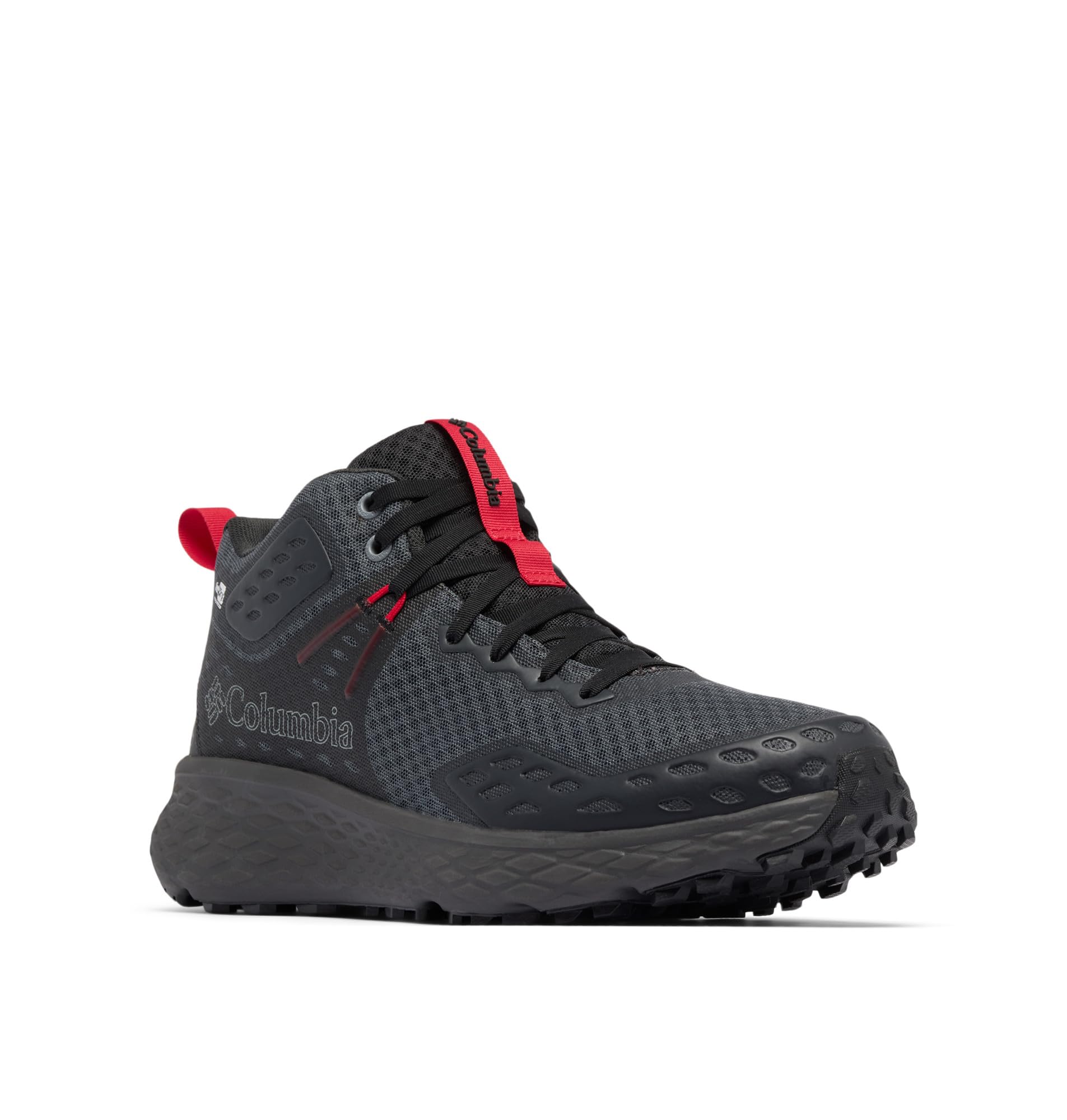
The Konos TRS Outdry punches above its price point with Columbia’s proprietary Outdry membrane — a direct-bonded waterproof layer that does not rely on a separate bootie. This design reduces water seepage through stitch holes and keeps the boot lighter than traditional membrane constructions. The Omni-Grip outsole uses a chevron lug pattern with sticky rubber that delivers surprisingly good traction on wet rock and steep grass.
Users consistently report out-of-box comfort with no break-in, even for a 300-pound hiker who completed a 20-mile day without a single blister. The medium-volume fit is slightly wider than average, which works well for mild bunions and wider forefeet. A roomy toe box allows toe splay on descents. The cushion is medium-density — not plush like a running shoe but protective enough for rocky trails.
The only consistent complaint is squeaking — the Outdry membrane and insole combination can produce loud squeaks on smooth floors. This is purely a cosmetic issue with no impact on trail performance. The boot also runs slightly warm in hot conditions, an expected trade-off of the fully waterproof membrane. For hikers who prioritize immediate comfort and reliable waterproofing without spending premium money, the Konos is a standout.
Why it’s great
- Advanced Outdry membrane blocks water effectively
- High-traction Omni-Grip outsole performs on wet rock
- Out-of-box comfort with zero reported break-in period
- Roomy toe box accommodates bunions and wider feet
Good to know
- Loud squeaking on indoor or smooth surfaces
- Runs warmer than non-waterproof boots on hot days
- Not suitable for heavy mountaineering loads
- Some users felt the arch support was moderate, not aggressive
4. Timberland Men’s White Ledge Mid Waterproof Hiking Boots

It uses a seam-sealed waterproof construction with a full-grain leather and mesh upper — a proven if not fancy combination. The sole is a Timberland proprietary rubber with moderate-depth lugs that handle dirt, gravel, grass, and snow well, though it struggles on slick algae-covered rock.
At roughly 2.2 pounds per pair, it is heavier than modern competitors, but the structure is forgiving — the mid-height collar uses flexible material that avoids shin and ankle rub. The toe box is notably large, which is a boon for high-volume feet but may require a half-size down for those with narrow feet. Multiple users report excellent durability after a year of daily wear, with the sole remaining intact through pavement, field, and trail miles.
Waterproofing requires maintenance: the leather needs regular treatment with mink oil or a wax-based product to stay effective. Without treatment, the leather will absorb water. This boot is best for the budget-conscious hiker who does not mind a little heavier weight and prefers a classic, durable silhouette that can handle everything from casual walks to moderate day hikes. One user received a scuffed left boot, suggesting quality control on packaging can be inconsistent.
Why it’s great
- Extremely durable construction with full-grain leather upper
- Large toe box works well for high-volume and wide feet
- Excellent value for a multi-terrain boot with long lifespan
- Good grip on rock, gravel, and snow (not on wet algae)
Good to know
- Heavier than modern day-hiking boots at over 2 lb per pair
- Leather requires regular waterproofing treatment
- Not suitable for high-ankle support on technical terrain
- Amazon packaging may result in scuffed or used-looking boots
5. Oboz Women’s Bridger Mid B-DRY Hiking Boot
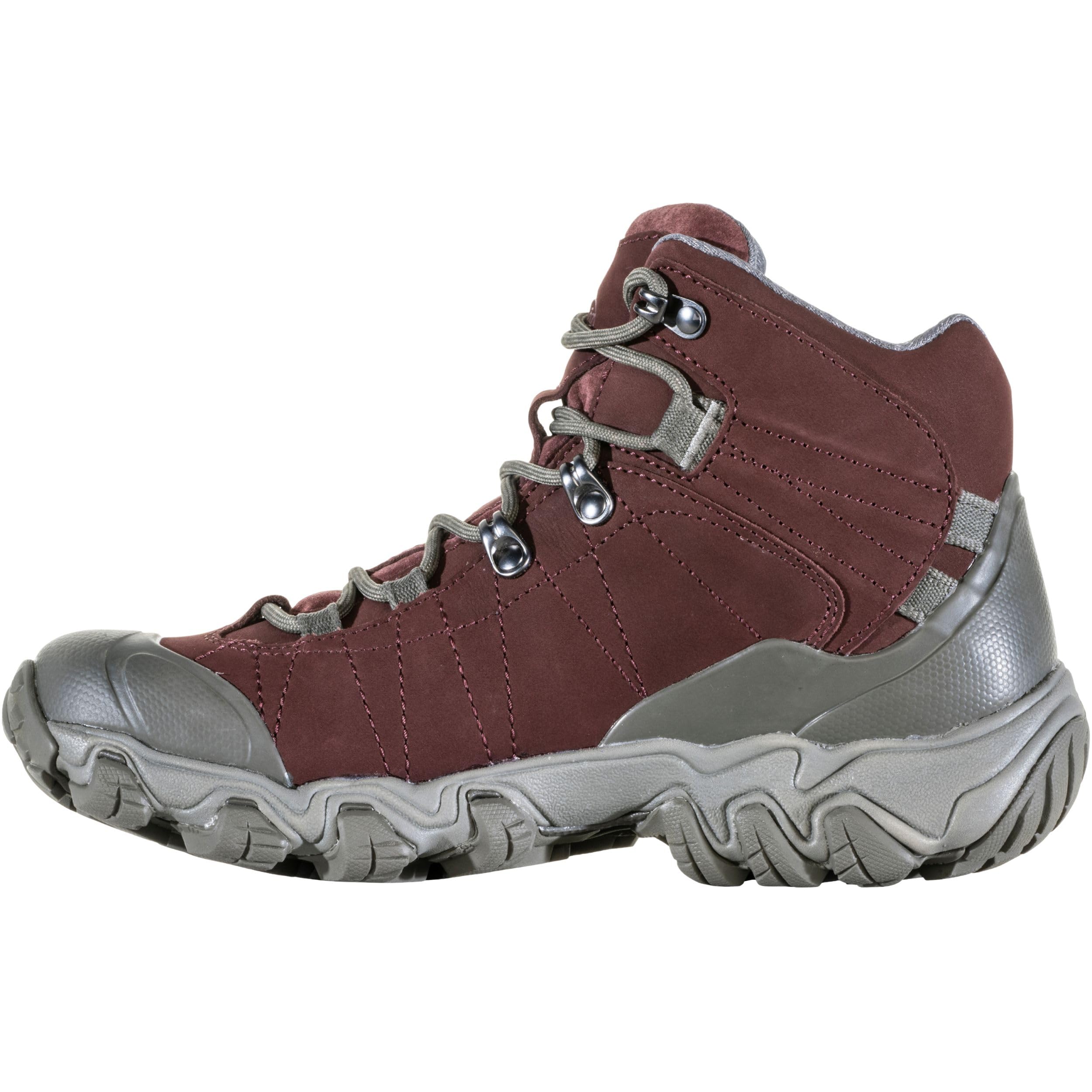
The Oboz Bridger Mid is a favorite among users with foot pain, particularly plantar fasciitis and high arches. The O Fit insole is removable but provides robust arch support and heel cupping out of the box — a feature many hikers appreciate compared to the flat insoles found in most brands. The B-DRY membrane is breathable enough for moderate activity, though the leather upper does require periodic treatment to maintain full waterproof performance.
The last is notably narrow, especially in the midfoot and heel. Oboz explicitly recommends ordering a wide width and possibly a half-size up, and experienced users echo this advice. The toe box is surprisingly roomy for a narrow-lasted boot, allowing toe splay even in the wide version. The deep-lug outsole gives reliable traction on loose dirt and mud, and the reinforced toe and heel add durability for rocky terrain.
One repeat buyer notes that when you find a boot that fits your foot perfectly, you buy another pair before the manufacturer changes the design — that is the level of loyalty the Bridger inspires. However, users with wider feet who ignored the wide-width advice reported severe toe pain after long days. The boot excels for narrow to medium feet needing arch support and stability over moderate trails and even 12-hour work shifts on concrete.
Why it’s great
- Excellent built-in arch support for plantar fasciitis relief
- Deep tread and reinforced toe/heel for durability
- Roomier toe box than typical narrow lasts
- Proven long-term durability — many users buy repeat pairs
Good to know
- Runs narrow; wide width is strongly recommended for most users
- Leather upper soaks water without regular treatment
- Some users reported toe rubbing after extended wear
- Made in Vietnam — some feel the price is high for the origin
6. Under Armour Hovr Dawn 2.0 Boots
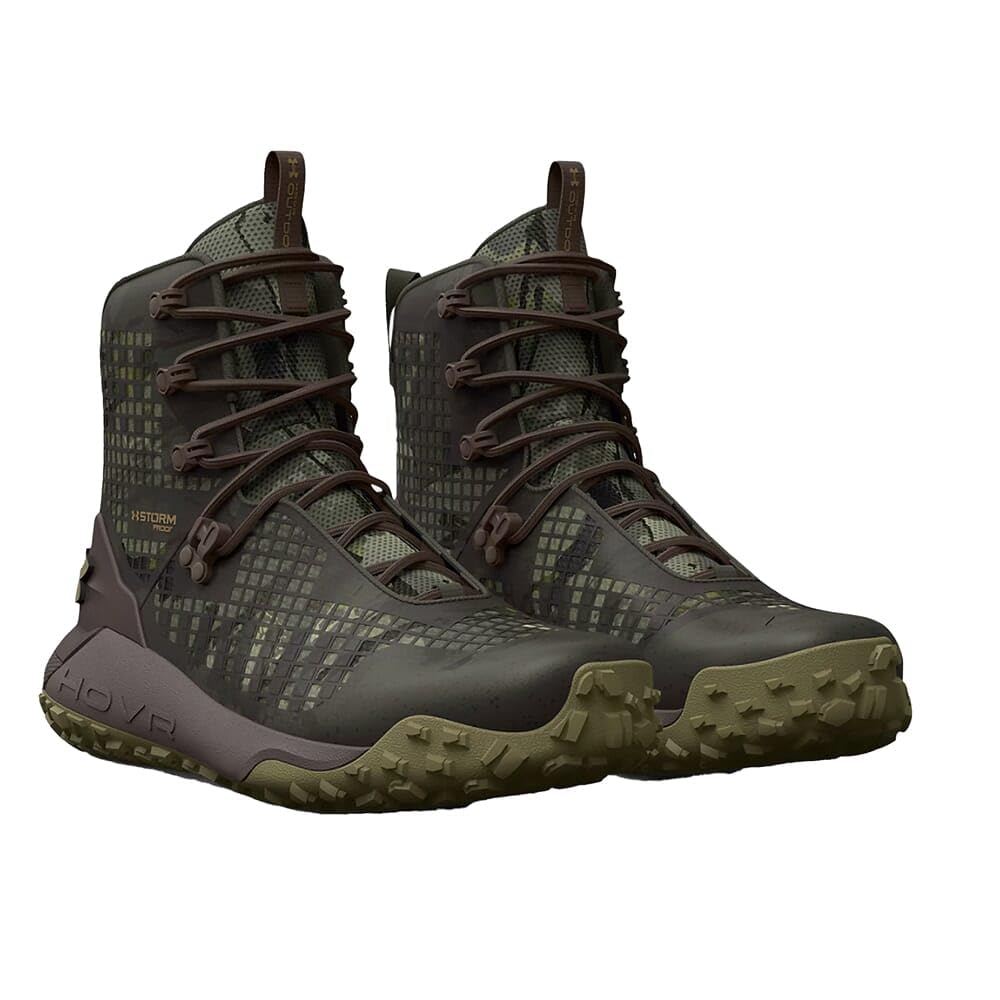
The Hovr Dawn 2.0 takes Under Armour’s running-shoe cushion technology and adapts it to a hiking boot. The HOVR foam midsole provides a noticeable energy-return feel that reduces leg fatigue on long, flat approaches and pavement sections. The UA waterproof membrane is effective against stream splashes and light rain, though it is not as breathable as Gore-Tex — users report it running warm in hot conditions.
The aggressive tread pattern uses deep, widely spaced lugs that excel in mud and loose soil, making this a strong choice for hunters and off-trail hikers. The ankle collar is sculpted for mobility while still providing good stability on side slopes. One user noted that after a week of heavy use on rocks and sand, the sole began to show tattering and partial separation — a durability concern that suggests this boot is best for moderate use rather than daily abuse.
Several verified buyers bought the Hovr Dawn specifically for hunting, highlighting the quiet upper material and ease of pulling on in low light. The true-to-size fit works for standard-width feet. For day hikers who prioritize a plush, energetic ride underfoot and do not plan to thrash them on technical talus, the Hovr Dawn offers a genuinely cushioned experience that is rare in the mid-boot category.
Why it’s great
- HOVR foam delivers noticeable energy return and cushion
- Aggressive tread is excellent for mud and loose terrain
- Lightweight for a mid waterproof boot
- Comfortable out of the box with zero break-in
Good to know
- Durability concerns — sole can separate under extreme use
- Runs warm; breathability is limited in hot weather
- Laces are difficult to clip securely
- Not ideal for technical rock terrain due to sole durability
7. The North Face Men’s Hedgehog 3 Mid Waterproof Hiking Boot
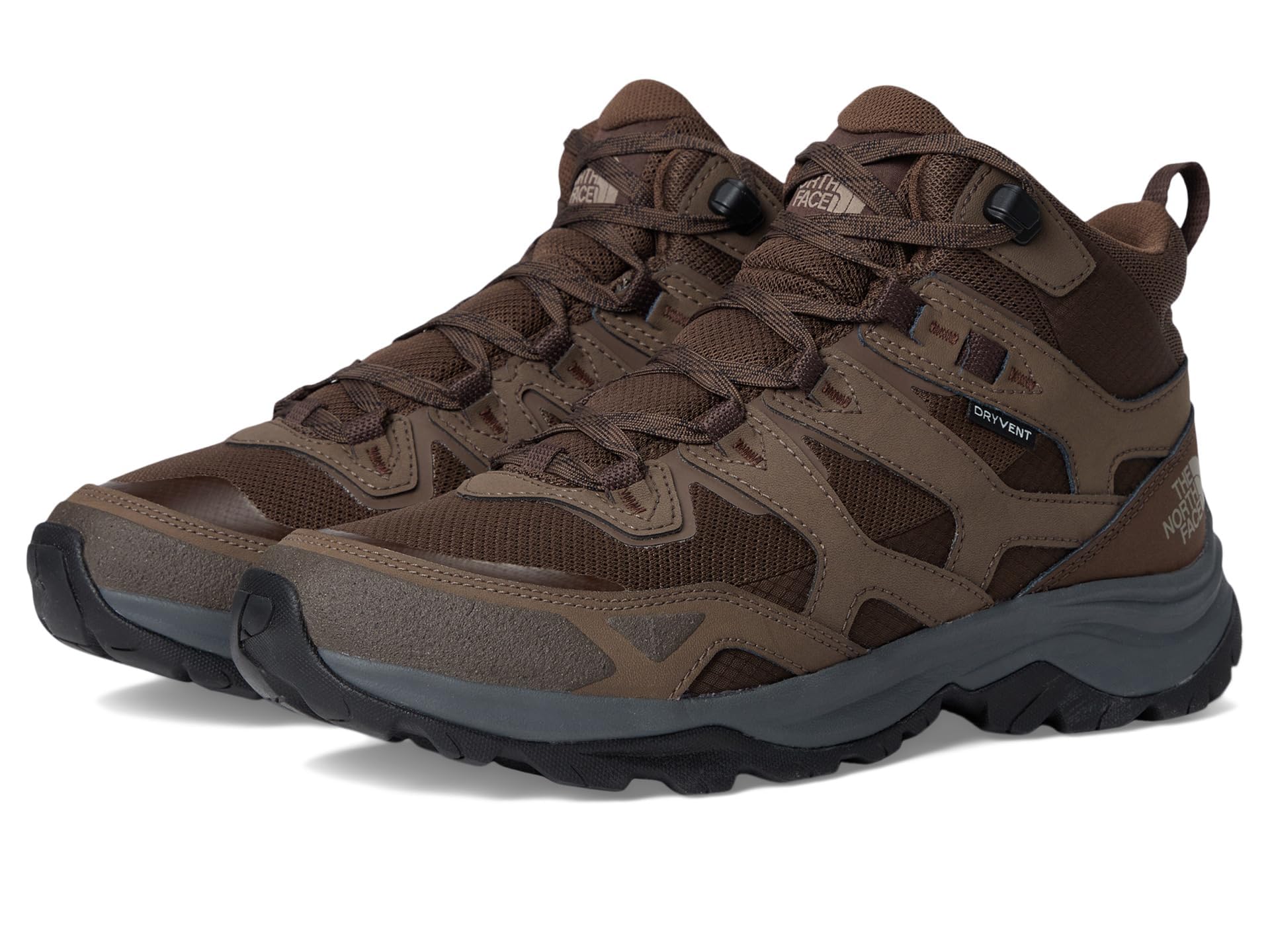
The Hedgehog 3 returns to a more traditional construction with a ripstop leather upper that promises better abrasion resistance than mesh-heavy competitors. The rubber outsole uses a multi-directional lug pattern designed for traction on mixed surfaces — dirt, grass, and gravel. The mid-cut height provides a good balance of ankle support without restricting natural movement.
Users report a near-perfect fit at true size for standard-width feet, with one reviewer noting that going a half-size up works well for those who prefer more toe room. The boots are described as quiet on pavement and concrete, with minimal noise even during fast walking — a subtle benefit lost on most hiking boots. The break-in period is minimal to none, with one user wearing them for a full work week straight out of the box without discomfort.
Build quality matches the North Face reputation. The materials feel substantial, and the stitching is clean. The boot does not feel heavy on the foot despite the leather components. Some users have noted that the fit is not overly generous in the toe box, so wide-footed hikers should consider sizing up. For day hikers who want a premium, classic look with proven durability and a comfortable, quiet ride, the Hedgehog 3 is a solid mid-range play.
Why it’s great
- Ripstop leather upper is highly durable and abrasion-resistant
- Quiet walking on pavement and concrete
- Minimal break-in time reported by most users
- Excellent fit consistency with North Face sizing
Good to know
- Toe box is not particularly wide — size up for wide feet
- Lacks aggressive tread for deep mud or loose scree
- Higher price point without Vibram or Gore-Tex branding
- Some reports of early sole wear on abrasive surfaces
8. Orthofeet Men’s Orthopedic Ridgewood Waterproof Leather Hiking Boot

The Orthofeet Ridgewood is built specifically for people with foot conditions — primarily plantar fasciitis, flat feet, and severe bunions. The insole system includes multiple layers of cushion and arch support, plus a removable adjustment insert for fine-tuning fit. The waterproof leather upper is effective: one spouse reported that her husband wore these through water and never got his feet wet, and after seven months the boots still look nearly new.
The last is notably roomy — wide enough that some users with standard feet found the boot too voluminous. This is a deliberate design to allow for custom orthotics or thick insoles. The outsole uses a moderate-depth tread pattern that works on dirt trails, grass, and gravel but is not aggressive enough for loose, steep terrain. The midsole is stiffer than typical hiking boots, providing excellent arch support for those who need it but less trail feel for technical foot placements.
A very specific note: the waterproof membrane can trap moisture, leading to athlete’s foot in users prone to hyperhidrosis. One user who wore them daily as a plumber reported the boots wear out quickly under heavy work use. The primary audience is day hikers with diagnosed foot pain — the Ridgewood is a medical device first and a hiking boot second. For those who simply want a lightweight day hiker without foot issues, other options will be more comfortable.
Why it’s great
- Excellent orthotic support that cures plantar fasciitis for many users
- Very roomy toe box and multi-width sizing available
- Effective waterproof leather upper with long-lasting seal
- Includes extra insoles for fine-tuning fit
Good to know
- Too wide and loose for standard-width feet without insoles
- Waterproof membrane can trap sweat and cause fungal issues
- Outsole lacks aggressive grip for technical terrain
- Wears quickly under heavy daily work use (e.g., plumbing)
9. Merrell Women’s Moab 3

The Moab 3 is the latest iteration of Merrell’s most popular hiker, and the formula shows why it has lasted. The Vibram TC5+ outsole offers aggressive, multi-directional lugs that bite hard into loose dirt and scree. The upper is a mix of leather and mesh that provides durability without excessive weight. The midsole uses Merrell’s Air Cushion in the heel for impact absorption on descents.
Fit is a strong point: the Moab 3 is available in a true 4E wide width that accommodates high-volume feet better than 90% of competitors. One user with wide feet reported zero break-in needed, comfortable stability for miles, and bone-dry feet after two days of rain when paired with the optional Gore-Tex version. The standard non-GTX model uses a less expensive waterproof membrane that some users report leaking — so budget-conscious buyers should pay the extra for the Gore-Tex version if they plan to hike in wet conditions.
The tread is noticeably thick and designed to last. The outsole wraps slightly up at the toe and heel for protection against rock strikes. Sizing runs about a half-size small — most users recommend going up half a size from your normal shoe size. For day hikers who want a proven, rugged platform with a wide fit and aggressive traction, the Moab 3 is the benchmark. The premium price reflects the quality of materials and the long-term durability that justifies it.
Why it’s great
- Vibram TC5+ outsole provides exceptional grip on loose terrain
- True 4E wide fit available for high-volume feet
- Thick, durable construction with protective toe and heel wraps
- Gore-Tex version is fully waterproof in sustained rain
Good to know
- Runs half a size small — order up
- Non-GTX version has reported membrane leaks
- Heavier than minimalist hikers at around 2.5 lb per pair
- Premium price point for a day hiker with standard width options
FAQ
Do I need break-in time for day hiking boots?
Should I size up for day hiking boots?
When should I choose a mid-cut over a low-cut hiking boot?
Final Thoughts: The Verdict
For most users, the best day hiking boots winner is the Merrell Women’s Speed Strike 2 Mid Waterproof because it offers the best balance of low weight, Gore-Tex reliability, and Vibram traction at a fair price — a true day-hiking specialist. If you want maximum cushion and energy return for long, flat approaches, grab the Under Armour Hovr Dawn 2.0. And for serious foot pain or need for a true wide fit, nothing beats the Orthofeet Ridgewood or the Merrell Moab 3 in 4E width, respectively.

Mo Maruf
I created WellFizz to bridge the gap between vague wellness advice and actionable solutions. My mission is simple: to decode the research and give you practical tools you can actually use.
Beyond the data, I am a passionate traveler. I believe that stepping away from the screen to explore new environments is essential for mental clarity and physical vitality.