Our readers keep the lights on and my smoothie glass nicely filled. As an Amazon Associate, I earn from qualifying purchases.
When your iron levels dip, the craving for dark chocolate isn’t just a passing whim — it’s your body signaling for a mineral-dense, flavonoid-rich source of energy. The right bar delivers a meaningful amount of dietary iron per serving, but the wrong one is just a sugary treat with little nutritional payoff.
I’m Mohammad Maruf — the founder and writer behind WellFizz. I’ve sifted through dozens of cocoa percentages, ingredient lists, and third-party test results to separate bars that genuinely support iron levels from those that merely taste rich.
After comparing cocoa solids, additive profiles, and mineral density across leading brands, I landed on the five bars that actually move the needle. This is the definitive guide to best dark chocolate for iron deficiency buyers who want real nutritional impact without sacrificing flavor.
How To Choose The Best Dark Chocolate For Iron Deficiency
Not all dark chocolate is created equal when your goal is boosting iron intake. The mineral content of a bar depends on the cocoa percentage, the origin of the beans, and the processing method. Bars with 70% cocoa or higher generally deliver more iron per ounce, but additives like milk solids, excessive sugar, or emulsifiers can interfere with absorption. Start by reading the percentage on the wrapper, then scan the ingredient list for anything that dilutes the cocoa.
Cocoa Percentage and Iron Density
Iron in dark chocolate comes directly from the cocoa solids. A bar labeled 72% cacao will contain roughly 3 to 4 milligrams of iron per 30-gram serving, which is about 20% of the daily recommended intake for an adult woman. Bars below 60% cocoa offer significantly less iron and more sugar, making them poor candidates for addressing deficiency. For maximum mineral density, look for 70% or higher.
Avoiding Absorption Blockers
Calcium and dairy proteins can hinder non-heme iron absorption — the type found in plant foods like cocoa. Bars that contain milk powder, cream, or butterfat may taste smoother but reduce the bioavailability of the iron present. Stick to dairy-free, vegan formulations whenever possible. Similarly, heavily alkalized or “Dutch-processed” cocoa can lower both flavonoid content and overall mineral retention, so stone-ground or minimally processed bars are superior.
Serving Size Consistency
A single 1-ounce piece of 70% or higher dark chocolate yields roughly 2.5 milligrams of iron. That number drops if the bar is split into smaller pieces or if the manufacturer uses puffed rice, nuts, or fruit that displaces cocoa solids. For a reliable iron boost, choose whole bars with no added fillers and portion out your serving based on the cocoa weight — not the total bar weight.
Quick Comparison
On smaller screens, swipe sideways to see the full table.
| Model | Category | Best For | Key Spec | Amazon |
|---|---|---|---|---|
| Trader Joe’s 72% Belgian | Mid-Range | Daily iron maintenance | 72% cacao, 3-pack 1.65 oz bars | Amazon |
| Bouchard Probiotic Dark | Premium | Gut health plus iron | 72% cacao, 1 billion probiotics/piece | Amazon |
| Milkboy 72% Swiss | Mid-Range | Clean ingredients | 72% cocoa, dairy-free, Rainforest Alliance | Amazon |
| Taza Super Dark Disc | Mid-Range | Low heavy metals | Stone ground, 2.7 oz disc | Amazon |
| Raaka 100% Cacao | Premium | Maximum iron per gram | 100% cacao, unsweetened, 3-pack | Amazon |
In‑Depth Reviews
1. Trader Joe’s 72% Cacao Belgian Dark Chocolate Bars
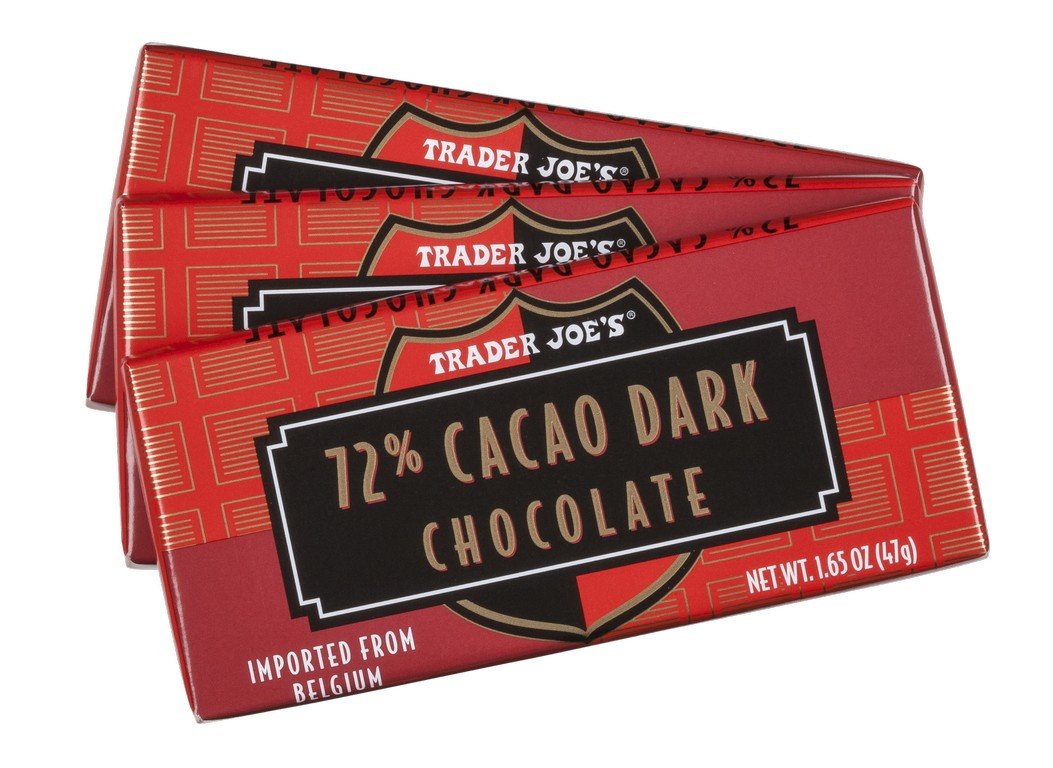
This three-pack of individually wrapped 1.65-ounce bars offers the sweet spot of 72% Belgian cacao with no dairy, no artificial additives, and a clean ingredient deck that prioritizes mineral density. Each bar delivers a reliable iron contribution per serving without the sugar overload found in lower-percentage chocolates. The texture is smooth yet firm, and the flavor profile leans toward balanced bitterness with subtle fruit undertones from the Belgian beans.
Customer feedback consistently notes that these bars satisfy chocolate cravings with fewer calories than comparable options, making them practical for daily consumption. The 3-pack format also helps with portion control since each bar is meant to be eaten over several sittings rather than devoured in one go. Independent reviews highlight the absence of bitterness typically associated with higher cacao percentages, which is a common barrier for people new to iron-focused dark chocolate.
Because Trader Joe’s sources from Belgium and uses a 72% formulation, the iron content per 30-gram serving sits around 3.5 milligrams, putting it squarely in the useful range for someone trying to improve their iron status through diet. The lack of soy lecithin or milk solids means fewer absorption blockers are present, allowing the non-heme iron from the cocoa to work more effectively.
Why it’s great
- Smooth, approachable 72% flavor perfect for daily eating
- No dairy, soy, or artificial preservatives
- Individually wrapped bars support portion control
Good to know
- Bars are smaller than standard 3-ounce sizes
- Some buyers find the per-ounce cost higher than bulk options
2. Bouchard Probiotic Dark Belgian Chocolate (72% Cacao)
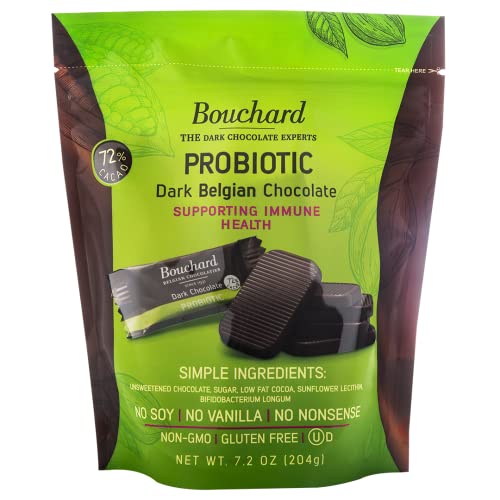
Bouchard takes a unique angle by baking 1 billion live probiotics into each 6-gram piece of 72% Belgian dark chocolate, combining iron-rich cocoa solids with gut health support. The ridges on each piece are engineered to maximize surface area against your taste buds, delivering a more intense cocoa flavor per bite. This is not a gimmick — the probiotic strain used is designed to survive shelf storage and stomach acid, so you get a functional benefit alongside the mineral content.
User reviews consistently praise the quality of the Belgian chocolate itself, with many noting that the flavor rivals premium bars that cost significantly more per ounce. The resealable bag packaging keeps the individually wrapped pieces fresh and makes it easy to grab a precise serving throughout the day. Several long-term buyers mention using these as a post-meal treat that satisfies sweet cravings while contributing to both iron and digestive health.
With 72% cacao, each piece delivers roughly 2 milligrams of iron, and the probiotic addition may actually improve iron absorption indirectly by supporting a healthy gut microbiome. The absence of soy, vanilla, and artificial nonsense keeps the ingredient list short and trustworthy. This is the best option for anyone who wants to address iron deficiency while also nurturing their digestive system.
Why it’s great
- Probiotic support may aid nutrient absorption
- Individually wrapped pieces for portion control
- Rich, authentic Belgian chocolate flavor
Good to know
- Higher price per ounce than standard bars
- Some users report no noticeable probiotic effect
3. Milkboy Swiss Chocolates Dark Chocolate 72% Cocoa
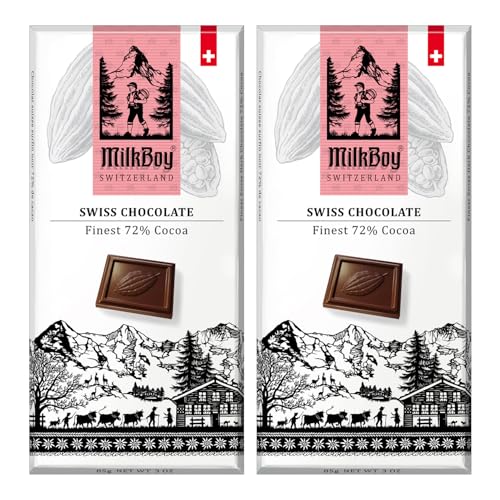
Milkboy brings a century-old Swiss heritage to a 72% cocoa formulation that is dairy-free, vegan, gluten-free, and certified by the Rainforest Alliance. The cocoa mass, sugar, cocoa butter, and vanilla pods are the only ingredients, meaning no emulsifiers or fillers dilute the iron content. Each 3-ounce bar is embossed with hand-carved designs, adding a tactile dimension that reinforces the craft approach.
Reviews consistently describe the flavor as rich and satisfying without turning bitter, which is a common complaint with bars at this cacao percentage. Several customers noted that even those who usually prefer milk chocolate found this bar approachable, making it a good gateway for increasing daily iron intake. The packaging, created by a Swiss paper-cut artist, also makes this bar suitable for gifting to someone you know is watching their iron levels.
The 72% cocoa content puts the iron per 30-gram serving in the 3 to 4 milligram range, and the absence of dairy eliminates the calcium competition that can reduce iron absorption. The Rainforest Alliance certification also means the cocoa is sustainably sourced, which matters for buyers who think beyond their own health to the broader supply chain.
Why it’s great
- Clean, short ingredient list with no dairy
- Rainforest Alliance certified sustainable cocoa
- Smooth flavor profile that avoids bitterness
Good to know
- May melt during shipping in hot climates
- Smaller 3-ounce bar size per unit
4. Taza Chocolates Disc Chocolate Super Dark
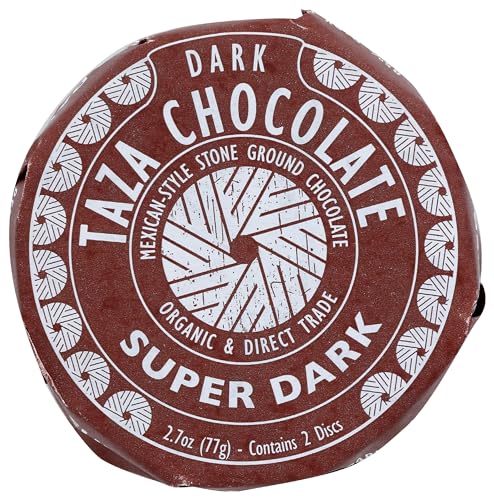
Taza’s stone-ground approach produces a disc-shaped chocolate with a uniquely gritty texture that signals minimal processing — and minimal loss of the minerals naturally present in the cacao bean. This super dark disc is ground between granite millstones, a method that retains more of the bean’s original composition compared to commercial conching and refining processes. The result is a chocolate that tastes unapologetically of pure cacao, with no slippery mouthfeel from excessive cocoa butter or emulsifiers.
Customer reviews frequently mention the lower heavy metal content of Taza chocolate compared to other dark chocolate brands, which is a legitimate concern for anyone eating multiple servings per week specifically for iron. The stone grinding process also preserves more of the bean’s polyphenols, which may support better absorption of the iron present. Users describe the flavor as demisweet and smooth, despite the rustic texture, making it suitable for both snacking and cooking.
Each 2.7-ounce disc provides a concentrated source of iron from the high cocoa solids, and the full-bodied flavor means a smaller serving satisfies the craving faster. For buyers who prioritize both iron density and low contaminant exposure, Taza is the clear choice among affordable options.
Why it’s great
- Stone ground for minimal processing and mineral retention
- Lower reported levels of cadmium and lead
- Unique texture and robust cacao flavor
Good to know
- Gritty texture is not for everyone
- Small disc format may feel less familiar than bars
5. Raaka 100% Dark Chocolate Bars
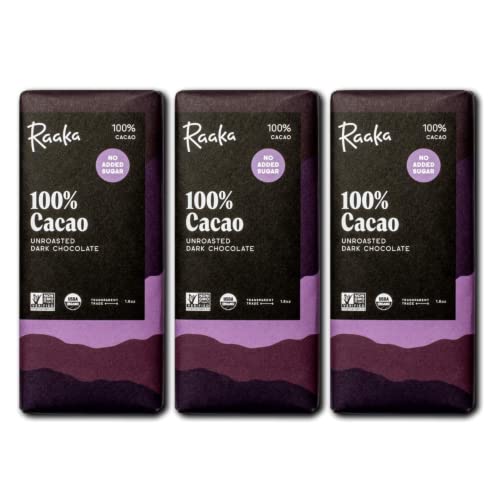
Raaka’s 100% cacao bar is the purest expression of iron density in this lineup — no sugar, no sweeteners, no emulsifiers, just organic cocoa beans and organic cocoa butter. At this percentage, a 30-gram serving delivers approximately 6 to 7 milligrams of iron, which is roughly 40% of the daily recommended intake for adult women. This is the bar for those who are serious about using dark chocolate as a functional iron source rather than a dessert.
The flavor is intensely bitter and fruity, thanks to Raaka’s use of unroasted cacao beans that preserve the bean’s natural acidity and floral notes. It is not for casual snacking — several reviews describe it as akin to eating baking chocolate, and some find it unpalatable without a sweetener. But for the buyer whose primary goal is maximizing iron per gram while avoiding sugar, this bar is unmatched. The 3-pack gift box packaging also makes it a thoughtful present for someone managing anemia.
Because it is vegan, soy-free, gluten-free, nut-free, and keto-friendly, Raaka fits almost any dietary restriction. The unroasted bean process also retains higher levels of flavonoids and polyphenols compared to conventionally roasted chocolate, providing antioxidant benefits alongside the iron. Just be prepared for a very adult chocolate experience.
Why it’s great
- Highest iron density of any bar on this list
- Zero sugar, keto-friendly
- Unroasted beans preserve flavonoids and nutrients
Good to know
- Extremely bitter flavor not suitable for everyone
- Some find the taste closer to baking chocolate than candy
FAQ
How much dark chocolate should I eat daily for iron deficiency?
Does the cacao percentage guarantee more iron per bar?
Is dairy-free dark chocolate better for iron absorption?
Final Thoughts: The Verdict
For most users, the best dark chocolate for iron deficiency winner is the Trader Joe’s 72% Belgian Dark Chocolate because it balances iron density with an approachable flavor that makes daily consumption realistic. If you want probiotic support that may aid nutrient absorption, grab the Bouchard Probiotic Dark Belgian Chocolate. And for maximum iron per gram with zero sugar, nothing beats the Raaka 100% Cacao Bar.

Mo Maruf
I created WellFizz to bridge the gap between vague wellness advice and actionable solutions. My mission is simple: to decode the research and give you practical tools you can actually use.
Beyond the data, I am a passionate traveler. I believe that stepping away from the screen to explore new environments is essential for mental clarity and physical vitality.