Our readers keep the lights on and my smoothie glass nicely filled. As an Amazon Associate, I earn from qualifying purchases.
The first dance heel you buy shouldn’t leave you limping off the floor after one class. Beginners often reach for style first and discover too late that an unstable heel, a slippery sole, or a tight toe box can kill the joy of learning before the first spin is over. A dancer’s foundation starts at her feet, and the wrong shoe can create bad habits, limit your range of motion, and add unnecessary strain to your ankles and knees.
I’m Mohammad Maruf — the founder and writer behind WellFizz. I’ve spent countless hours researching the construction, sole materials, and heel dimensions that define a true beginner-friendly dance heel versus a fashion pump that only looks the part.
This guide breaks down the specific features, fit strategies, and performance specs that separate a supportive practice shoe from a painful mistake, so you can confidently choose the best dance heels for beginners and focus on what matters: learning to move with grace and confidence.
How To Choose The Best Dance Heels For Beginners
A beginner’s dance heel needs to prioritize stability and comfort over height or flash. The wrong choice can lead to frustration, foot pain, and even injury before your first routine is memorized. Here are the three most critical factors to evaluate before you click buy.
Heel Height and Your Learning Curve
A heel between 1.5 and 2 inches is the safest and most forgiving range for a newcomer. A higher heel shifts your center of gravity forward and forces your calves to work harder, which can make basic turns and weight transfers feel unstable. A heel that is too low — anything flat or under an inch — often lacks the arch support a dancer needs to maintain proper posture through footwork. Beginners should look for a mid-height block or flared heel that provides a broad base of contact with the floor, rather than a stiletto that can catch or wobble.
Sole Material and Floor Feel
The sole is the single most performance-critical spec in a dance heel. Suede soles are the standard in ballroom and Latin because they offer a controlled slide across wood floors, allowing you to pivot without catching. Synthetic or rubber soles, by contrast, can grip too aggressively, making smooth turns difficult and sometimes pulling on the floor. For beginners who are still learning to shift their weight, a suede or split-sole design provides the best compromise between slide and control. If you are dancing on a carpeted surface, a leather or synthetic sole may be preferable, as suede can wear down quickly on rough textures.
Strap Design and Foot Lock
A secure strap system keeps your foot from sliding forward inside the shoe, which is the primary cause of toe cramping and lost balance during a turn. An ankle strap is generally more secure than a thin T-strap for beginners, as it wraps higher around the ankle and reduces lateral wobble. Adjustable buckle closures allow you to tighten exactly where you need support, accommodating narrow or slightly wider feet without the shoe feeling loose. Avoid slip-on pumps or heel styles without a strap until you have built enough ankle strength to hold your foot in place independently.
Quick Comparison
On smaller screens, swipe sideways to see the full table.
| Model | Category | Best For | Key Spec | Amazon |
|---|---|---|---|---|
| RoseMoli 1920s Glitter Pump | Character Pump | All-day wear in class | Suede sole with suede insole | Amazon |
| Stelle T-Strap 2.5″ Heel | T-Strap | Wide feet needing room | 2.5″ heel, flexible sole | Amazon |
| Linodes Character Shoe | Character Shoe | Long rehearsals | 1.55″ mid heel, PU leather | Amazon |
| Stelle 1.5″ Character Shoe | Character Shoe | Theatrical performances | 1.5″ heel, ankle strap | Amazon |
| Capezio Turning Pointe 55 | Pirouette Shoe | Pom and jazz practice | Split sole, lightweight | Amazon |
| Dynadans Character Shoe | Character Shoe | Musical theater | 1.5″ ankle strap, suede sole | Amazon |
| Yokala Practice Sandal | Sandal Heel | Social Latin dancing | 1.5″ flared heel, buckle closure | Amazon |
In-Depth Reviews
1. RoseMoli 1920s Glitter Pump

The RoseMoli pump stands out for its smart blend of vintage style and beginner-focused engineering. The suede sole provides the controlled slide that dancers need for pivots and turns, while the non-removable suede insole adds a layer of cushion that makes all-day wear realistic — a rare combo at this tier. The adjustable ankle strap includes a buckle that fits narrow ankles without requiring extra holes, which solves a common frustration for dancers with slim feet.
Multiple verified buyers confirm the fit runs true to size, and the closed-toe design protects toes during group practice. The glitter finish is a visual bonus, though a few users noted the gold color includes red and green glitter flakes that can look slightly uneven in direct light. The suede on the bottom wears predictably with heavy use, but for a beginner attending weekly classes, this shoe offers an unusually refined combination of comfort and performance.
One buyer received a pair that appeared previously used, which suggests Amazon’s inventory management can mix returns into the stock. However, the overwhelming majority of feedback emphasizes the shoe’s comfort, true fit, and suitability for both rehearsal and performance. For a beginner who wants a heel that feels broken-in from the first wear, this is the strongest all-rounder in the list.
Why it’s great
- Suede sole and insole provide genuine dance-floor slide and cushion
- Adjustable buckle fits narrow ankles without slipping
- True-to-size fit confirmed across multiple reviews
Good to know
- Glitter finish has slight color inconsistency between batches
- Quality control may occasionally ship worn returns
- Color listed as black can appear more like navy blue
2. Stelle T-Strap 2.5″ Heel
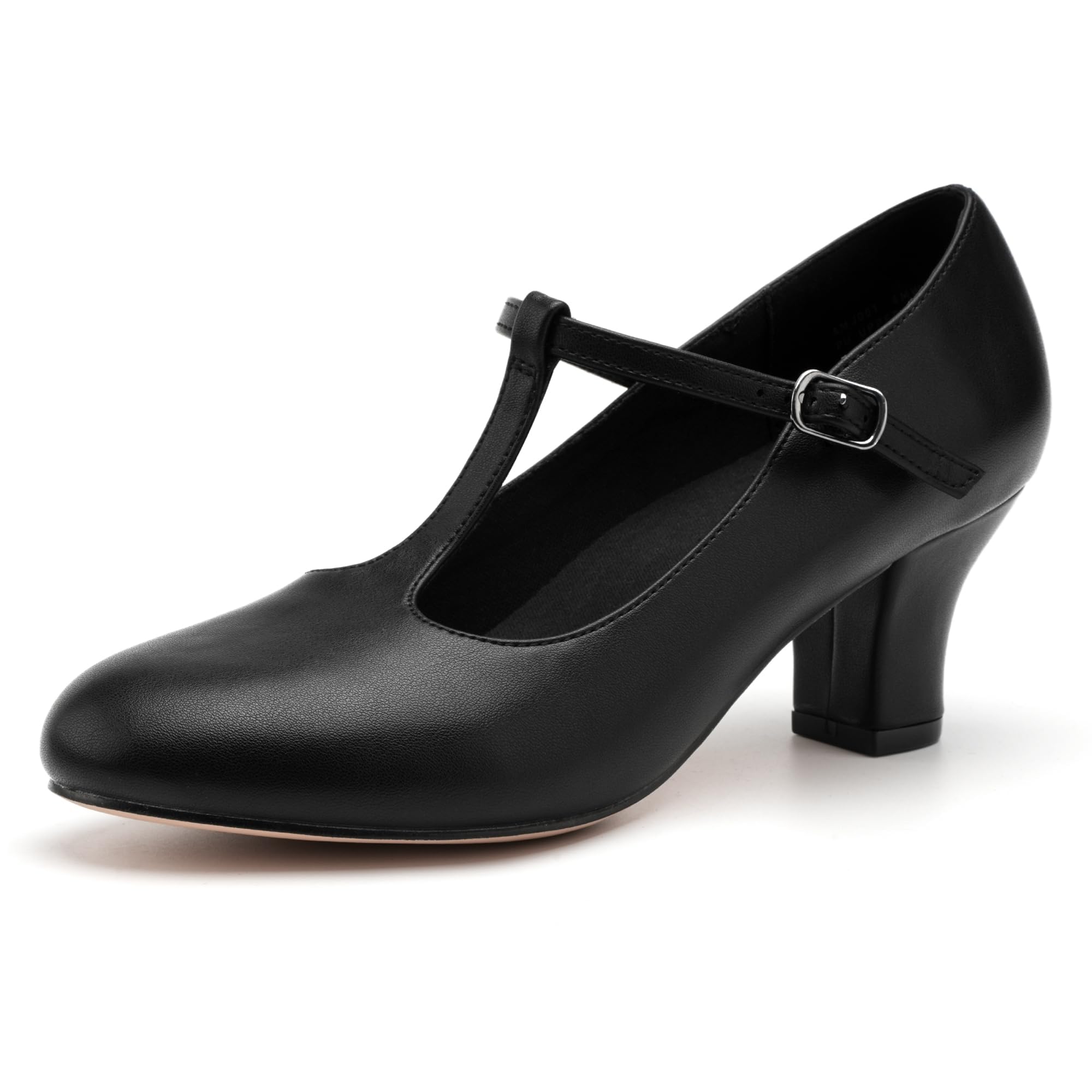
Stelle’s T-strap heel pushes the beginner-friendly height boundary to 2.5 inches, which is higher than the usual recommendation, but the design compensates with a stable heel base and a flexible sole that does not lock the foot into a rigid position. Users with wide feet — a demographic often overlooked in dance heels — reported that the shoe accommodates their width without pinching, and several reviewers noted they did not need to size up as they typically do with other brands.
The construction held up well after four months of weekly classes, with no separation at the sole or strap. One reviewer described the shoe as “sturdy yet flexible,” which points to a well-calibrated balance between support and freedom of movement. The suede or synthetic sole finish provides enough slip for basic turns while still offering grip for floor work.
A small number of wearers noted that the 2.5-inch height took a little time to adjust to, especially during weight shifts. For a beginner who has already taken a few weeks of classes and feels ready to move from a lower heel, this shoe offers a safe progression without sacrificing comfort. The T-strap secures the foot well, though the thin strap may not suit every ankle shape.
Why it’s great
- Excellent fit for wide feet without needing to size up
- Durable build that holds up through months of weekly use
- Flexible sole allows natural foot articulation
Good to know
- 2.5″ height may feel tall for absolute beginners
- T-strap can feel less secure for very narrow feet
- Some may need to exchange size for optimal fit
3. Linodes Character Shoe
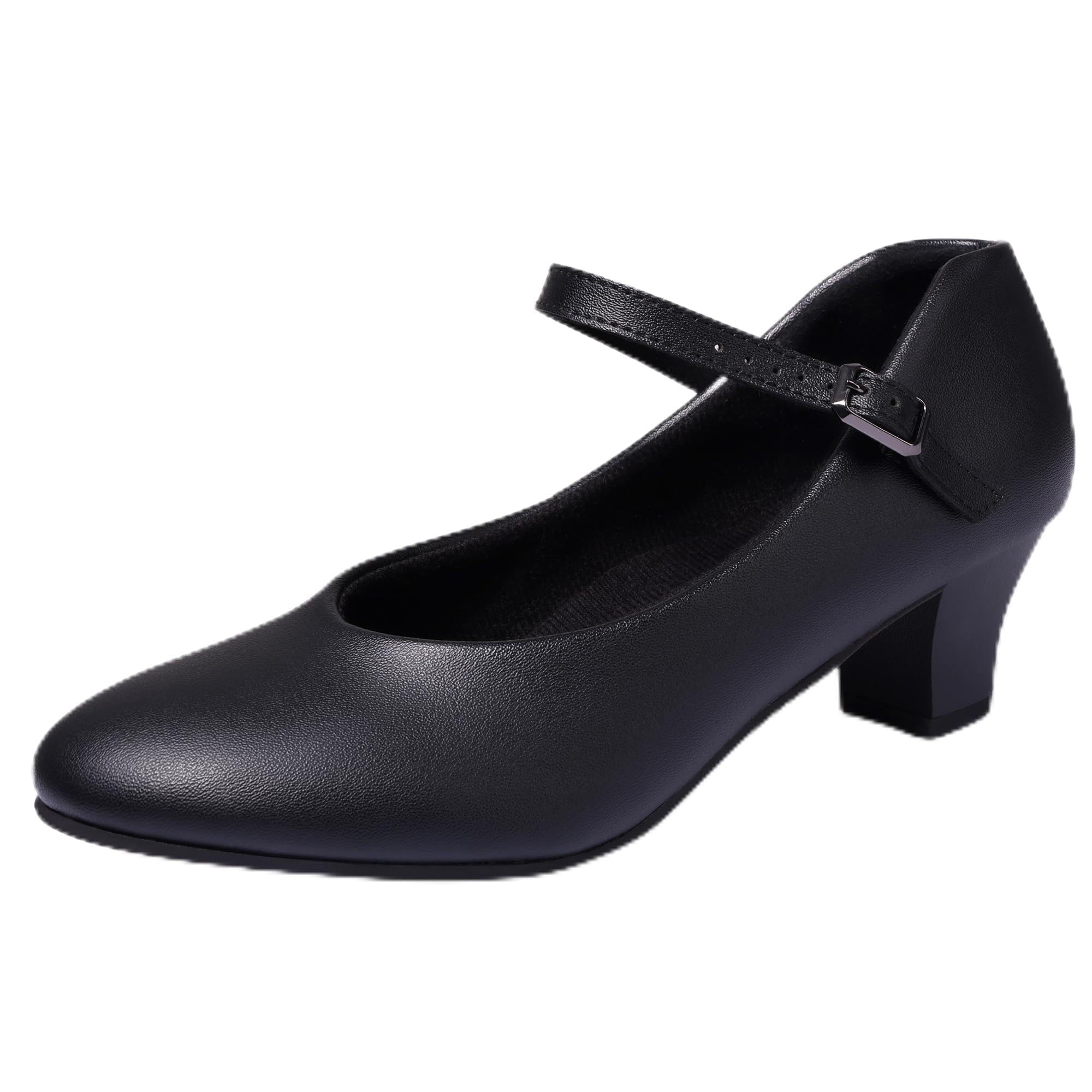
Linodes delivers a straightforward character shoe built for long rehearsals and stage performances. The 1.55-inch mid heel is the sweet spot for a beginner — low enough to maintain stability, high enough to provide the slight arch support needed for proper dance posture. The PU leather upper gives a polished, stage-ready look without the high cost of genuine leather, and the closed-toe design protects the foot during intense group choreography.
Reviewers consistently praised the shoe for its true-to-size fit and comfort during extended wear. One user wore the shoe throughout a high school play and later repurposed them for church performances, which suggests the PU upper can handle regular use without cracking or peeling. The ankle strap with buckle closure locks the foot securely, and the stain-resistant coating is a practical bonus for dancers who spend long hours in the studio.
A small number of buyers found the shoe slightly too big despite ordering their regular size, which points to a minor inconsistency in the sizing chart. Additionally, the PU leather is less breathable than fabric or suede, so dancers with sweaty feet may want to wear thin socks or use foot powder during longer sessions. For a budget-conscious beginner who needs one pair for both studio and stage, this is a reliable, no-nonsense choice.
Why it’s great
- Comfortable and true to size for most foot shapes
- Stain-resistant PU leather is easy to clean
- Versatile enough for both rehearsals and performances
Good to know
- Sizing may run slightly large for some users
- PU leather offers limited breathability
- Not ideal for very sweaty feet without extra measures
4. Stelle 1.5″ Character Shoe
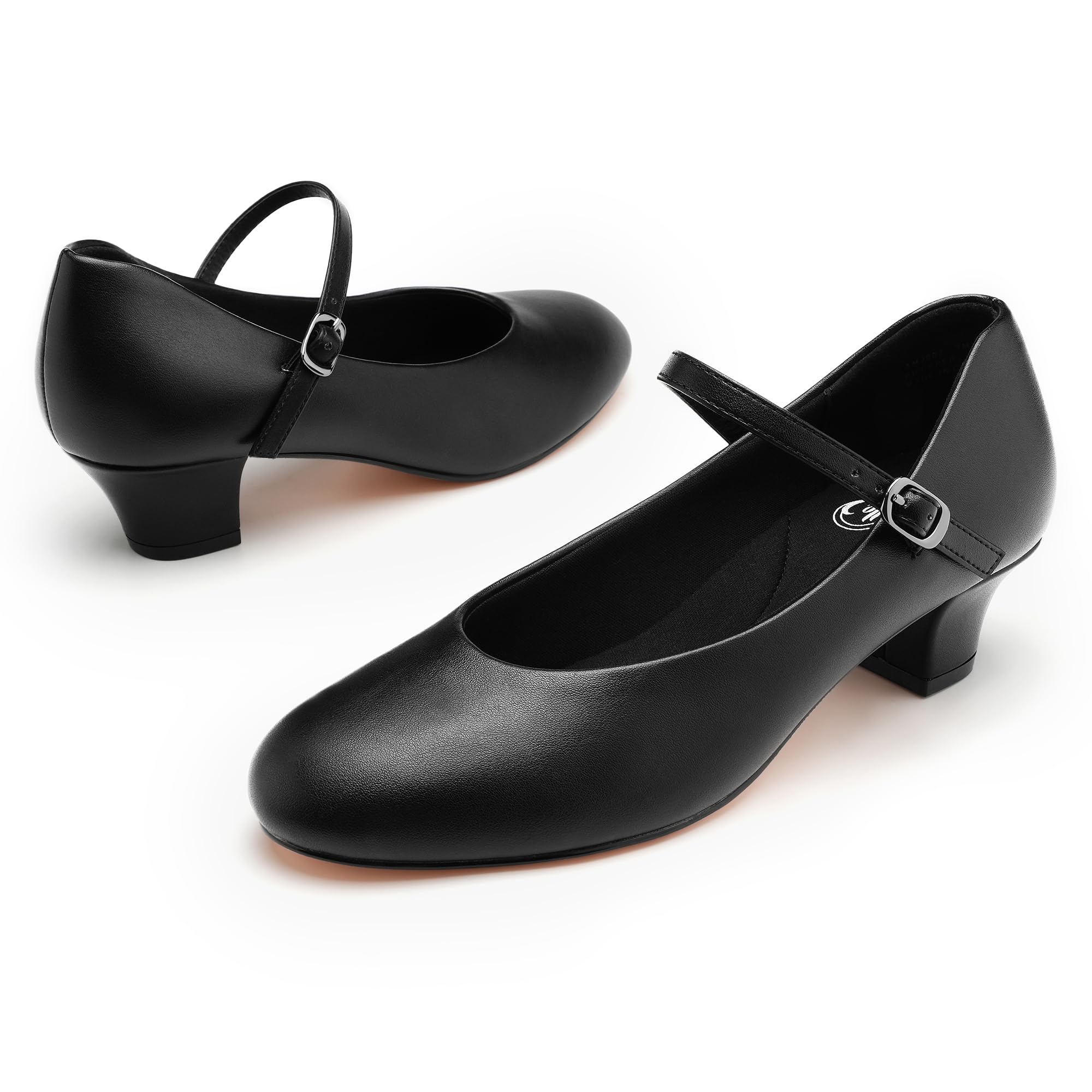
Stelle’s 1.5-inch character shoe is a crowd-pleaser for community theater and group dance classes. The heel height is conservative enough for a newcomer, yet the shoe retains a clean, classic silhouette that looks professional on stage. The ankle strap provides a secure hold, and the overall build feels solid for the price point. Buyers consistently noted that the shoe required no break-in period, which is a major win for anyone who needs to wear them straight out of the box for a rehearsal.
The fit is reported as true to size, though one reviewer with wider feet mentioned that the toe box can feel slightly squished after extended wear. This suggests the shoe may be a better fit for narrow to medium-width feet. The sole material is a standard dance-floor synthetic that offers moderate slide — not quite as smooth as suede, but adequate for beginner-level turns and basic footwork.
Durability feedback is positive overall, with users reporting no structural issues after multiple performances. The price point places this in the budget-friendly zone, making it a low-risk first purchase. Beginners who are still deciding whether they want to commit to a more expensive suede-sole model will find this a reliable starting point that doesn’t compromise on comfort.
Why it’s great
- No break-in required — comfortable from the first wear
- Clean, classic look suitable for stage performances
- True-to-size fit for most medium-width feet
Good to know
- Toe box can feel tight for wider feet
- Synthetic sole is less slippery than suede for turns
- May not suit dancers with very high arches
5. Capezio Turning Pointe 55

Capezio is a trusted name in dance, and the Turning Pointe 55 delivers the brand’s hallmark durability in an ultra-lightweight package. At just 0.7 ounces, these shoes feel barely there on the foot, which allows a beginner to focus on footwork without the distraction of heavy gear. The split sole design provides excellent arch definition and allows the foot to flex naturally through the metatarsal, which is critical for smooth weight transfers in jazz and pom routines.
Parents of young dancers reported that the shoes lasted through daily practice sessions for 6 to 9 months before needing replacement, which is a strong lifespan for an entry-level shoe. The sizing runs true for medium-width feet, with a woman’s size 10.5 fitting generously in the toe area. The elastics are reinforced and held up through repeated stretching, a common failure point in cheaper alternatives.
One minor drawback is the shoe’s specific design purpose — it is optimized for pirouettes and jazz, not for ballroom or Latin heel work. The sole provides good slide for spinning but less grip for lateral movements. A buyer intending to use these for social ballroom may find the lack of heel height limiting. For a beginner focused on pom, jazz, or modern dance, however, the Turning Pointe 55 is the lightest and most durable option available.
Why it’s great
- Extremely lightweight at just 0.7 ounces
- Split sole allows natural foot articulation
- Reinforced elastics last through daily practice
Good to know
- Best for jazz and pom, not ballroom or Latin
- Limited heel height may not suit all dance styles
- Fits medium width best; not ideal for wide feet
6. Dynadans Character Shoe

The Dynadans character shoe is a popular pick in the musical theater community, where comfort under stage lights and quick costume changes are daily realities. The 1.5-inch ankle-strap design offers a classic character shoe profile that blends seamlessly into period costumes and modern ensembles alike. Several reviewers with wider feet — including a size 7.5 wide — reported that the shoe fit like a glove without requiring a size adjustment, which is a strong endorsement for its inclusive sizing.
That said, durability feedback is mixed. The front of the shoe also showed visible wear after a short period, suggesting the upper material is not built for high-frequency competitive use.
For a beginner who is just starting musical theater classes and needs a functional, comfortable shoe at a low price point, the Dynadans still delivers strong value. The comfortable fit and flattering silhouette outweigh the durability trade-offs for a student who is not dancing five days a week. If your schedule involves daily rehearsals, you may want to budget for a replacement pair within a few months.
Why it’s great
- Fits wide feet well without sizing up
- Flattering silhouette for stage and theater
- Comfortable for extended wear during rehearsals
Good to know
- Elastic can wear out within a month for daily users
- Soles can feel sticky, limiting smooth turns
- Upper material shows wear quickly with heavy use
7. Yokala Practice Sandal
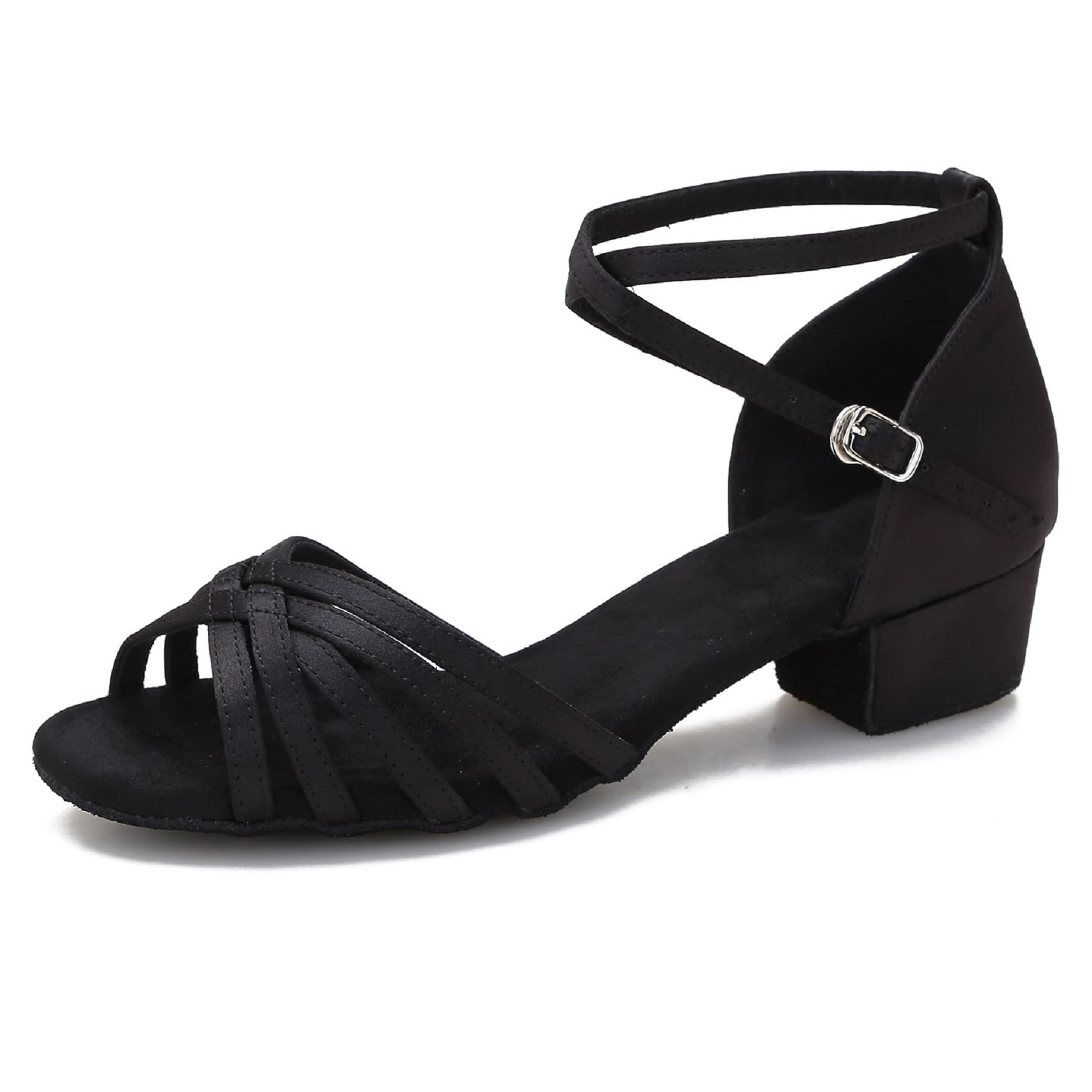
Yokala’s practice sandal is the only open-toe option on this list, and it fills a specific niche for beginners who are learning Latin, salsa, or belly dancing. The 1.5-inch flared heel provides more surface area in contact with the floor than a stiletto, which directly translates to better stability for someone still developing their balance. The buckle closure is described as easy to operate, which matters during quick shoe changes at social dance events.
Buyers consistently praised the comfort and secure fit. One user, taller and seeking a heel that felt elegant without adding excessive height, found the Yokala sandal to be the perfect balance of “chic and supportive.” The flared heel construction prevents the ankle from over-pronating during lateral movements, a common issue with narrower heels. The shoe also works well for belly dance performances, where foot articulation and visual line are important.
The sandal design means there is less material to hold the foot in place compared to a closed-toe shoe, so dancers with very narrow heels may need to tighten the buckle fully or add a heel grip. Additionally, the open-toe format offers less protection for the toes during group classes where foot traffic is high. For a beginner who prefers an airy feel and is focused on Latin or social dancing, the Yokala sandal is the most specialized and comfortable choice available.
Why it’s great
- Flared heel offers excellent beginner stability
- Easy buckle closure for quick changes
- Comfortable and supportive for Latin and belly dance
Good to know
- Open-toe design offers less toe protection
- May need a heel grip for very narrow ankles
- Not ideal for heavy-traffic group classes
FAQ
Should a beginner start with a 1.5 inch or 2 inch dance heel?
Can I wear regular fashion heels for a beginner dance class?
How tight should a beginner dance heel fit around the ankle?
Final Thoughts: The Verdict
For most users, the best dance heels for beginners winner is the RoseMoli 1920s Glitter Pump because it combines a genuine suede sole with all-day comfort and a secure ankle strap at a compelling value point. If you want more room for wide feet, grab the Stelle T-Strap 2.5″ Heel. And for a lightweight, jazz-focused shoe that feels like a second skin, nothing beats the Capezio Turning Pointe 55.

Mo Maruf
I created WellFizz to bridge the gap between vague wellness advice and actionable solutions. My mission is simple: to decode the research and give you practical tools you can actually use.
Beyond the data, I am a passionate traveler. I believe that stepping away from the screen to explore new environments is essential for mental clarity and physical vitality.