Our readers keep the lights on and my smoothie glass nicely filled. As an Amazon Associate, I earn from qualifying purchases.
A home dance floor has to solve two things at once: give you enough grip to turn and slide without slipping, and enough cushion to absorb the shock from jumps and footwork so your joints don’t pay for it later. The typical living room carpet or basement concrete does neither well—carpet grabs your shoes and kills rotation, while hard surfaces send impact straight up your shins. That tension between traction and forgiveness is what separates a dedicated dance floor from any old mat.
I’m Mohammad Maruf — the founder and writer behind WellFizz. I research home fitness and performance flooring by cross-referencing material density, surface friction ratings, and real user wear patterns across hundreds of hours of spec analysis.
Whether you are outfitting a basement studio for ballet practice or laying down a tap surface for your child’s weekly lessons, finding the right dance floor for home means balancing proper slip control with enough padding to protect both your floors and your body during extended practice sessions.
How To Choose The Best Dance Floor For Home
Selecting a home dance floor comes down to matching the surface type to your specific dance style. Ballet and contemporary dancers need a smooth, low-friction vinyl surface (often called Marley flooring) that allows controlled slides and pivots. Tap dancers require a harder surface that produces clear sound without deadening the footwork. For general fitness dancing, hip-hop, or Zumba, a cushioned interlocking foam tile with a non-slip texture provides the best balance of grip and impact absorption.
Surface Material and Traction
The top layer determines how your feet interact with the floor. Vinyl Marley surfaces offer a consistent medium-fast floor speed with a matte finish that reduces glare and provides controlled slip—ideal for turns and glides. EVA foam tiles with printed wood grain or rubber tops give more grip but less slide, making them better suited for high-impact cardio dance or kids’ play-dance areas. Rubber-top tiles add durability and moisture resistance but can feel tacky under hard-soled dance shoes.
Thickness, Density, and Joint Protection
Thickness directly affects how much shock your knees and ankles absorb. For low-impact styles like ballet barre work or stretching, a 3/8-inch tile provides adequate cushion. For high-impact routines involving jumps, leaps, or tap, look for at least 1/2-inch thickness in high-density EVA foam. Premium hybrid mats with a rubber top over EVA foam (around 0.6 inches) offer the best of both worlds: a durable walking surface with deep shock absorption underneath. Keep in mind that overly thick foam can make turns feel unstable, so dancers who prioritize rotation should favor thinner vinyl rolls over thick tiles.
Portability and Installation
Home dance floors fall into two categories: permanent installations and portable setups. Interlocking puzzle tiles can be installed in minutes without tools and reconfigured or moved as needed. Vinyl rolls require more upfront effort to lay flat but provide a seamless surface ideal for serious practice. If you plan to take your floor to competitions or performances, look for reversible vinyl rolls with carry straps or compact turn boards with integrated handles. Budget-friendly tiles work well for semi-permanent home setups where you do not need to tear down after every session.
Quick Comparison
On smaller screens, swipe sideways to see the full table.
| Model | Category | Best For | Key Spec | Amazon |
|---|---|---|---|---|
| ProStep Reversible Marley Roll | Roll-Out Vinyl | Ballet, Contemporary, Jazz | 1.2mm matte vinyl, 52.5 sq ft | Amazon |
| PRAISUN Rubber Top Mats | Hybrid Rubber/EVA | High-Impact Dance, HIIT | 0.6″ rubber + EVA foam, 48 sq ft | Amazon |
| innhom Large Exercise Mat | PVC Roll-Out Mat | Zumba, Cardio, Floor Workouts | 7mm thick, 60 sq ft | Amazon |
| VersaStep Interlocking Tiles | Vinyl over Polypropylene | Tap, Ballroom, Ballet | 3/8″ vinyl, 20 sq ft | Amazon |
| BalanceFrom Puzzle Mat | EVA Interlocking Foam | Kid’s Play-Dance, Stretching | 1/2″ thick EVA, 144 sq ft | Amazon |
| Our Modern Space 24-Pack | EVA Interlocking Foam | Home Gym Dance, Play Area | 0.4″ high-density EVA, 96 sq ft | Amazon |
| Sorbus Wood Grain Tiles | PE Foam Printed | Decorative Practice Space | 3/8″ foam, 96 sq ft | Amazon |
| Home Aesthetics Printed Foam | EVA Foam Printed | Trade Show, Light Dance | 3/8″ printed EVA, 100 sq ft | Amazon |
| Dancing Disc Professional Marley | Portable Turn Board | Travel, Turn Practice | 24″ Marley disc with handle | Amazon |
In‑Depth Reviews
1. ProStep Reversible Marley Dance Floor Roll
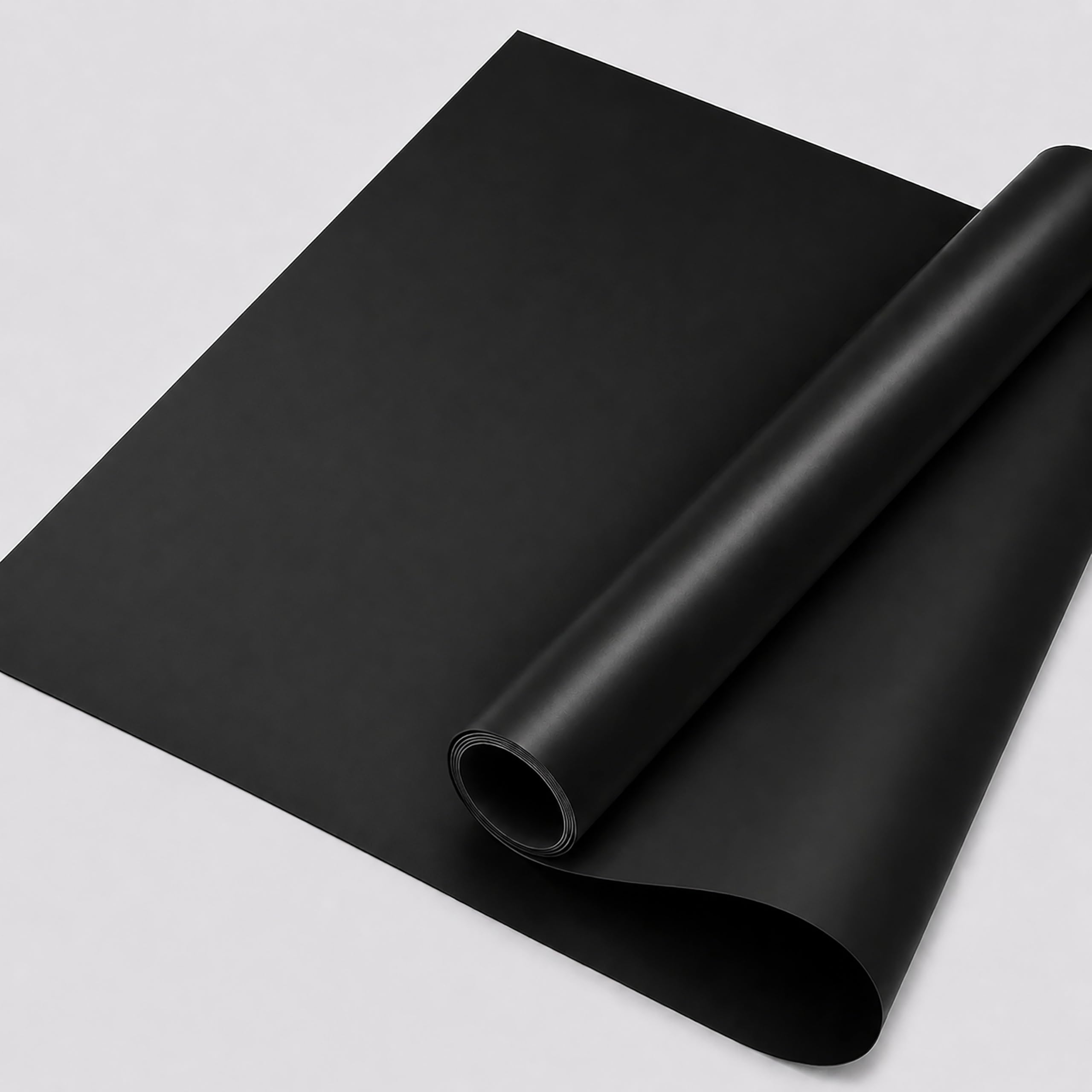
The ProStep roll is the closest you can get to a professional studio floor without a permanent installation. Its 1.2mm matte vinyl provides that specific controlled-slip feel that ballet, modern, and jazz dancers rely on for turns and floor work—not too slick, not too grippy. The reversible design (black on both sides) doubles the usable life and keeps the surface consistent even after rolling and unrolling for travel. At 52.5 square feet per roll, it covers a respectable practice area for solo or duo work.
Dancers who need a smooth, seam-free surface will appreciate that the vinyl lays flat without bubbles or ripples. The low-reflection finish cuts down on overhead light glare, which matters when you are spotting turns under basement or garage lighting. Many users report that the floor holds up well under weekly practice and survives being rolled up and moved between sessions without creasing or cracking. The 3-year manufacturing warranty adds confidence for semi-professional use.
This is not a cushioned floor—at 1.2mm, it provides minimal impact absorption, so you will want to install it over a sprung subfloor if you do heavy jumps. It is also not designed for tap shoes, which will damage the vinyl surface. For soft-shoe styles like ballet, contemporary, or lyrical, the ProStep delivers the authentic studio feel without the studio rental fee.
Why it’s great
- Authentic Marley surface with ideal controlled-slip for turns and glides
- Reversible black-on-black design extends lifespan and hides scuffs
- Rolls up for easy portability and storage between sessions
Good to know
- Very thin (1.2mm) — requires a flat subfloor for joint protection
- Not compatible with hard-soled tap shoes
- Must be cut carefully with a razor for a perfect fit
2. PRAISUN Rubber Top Gym Flooring Mats
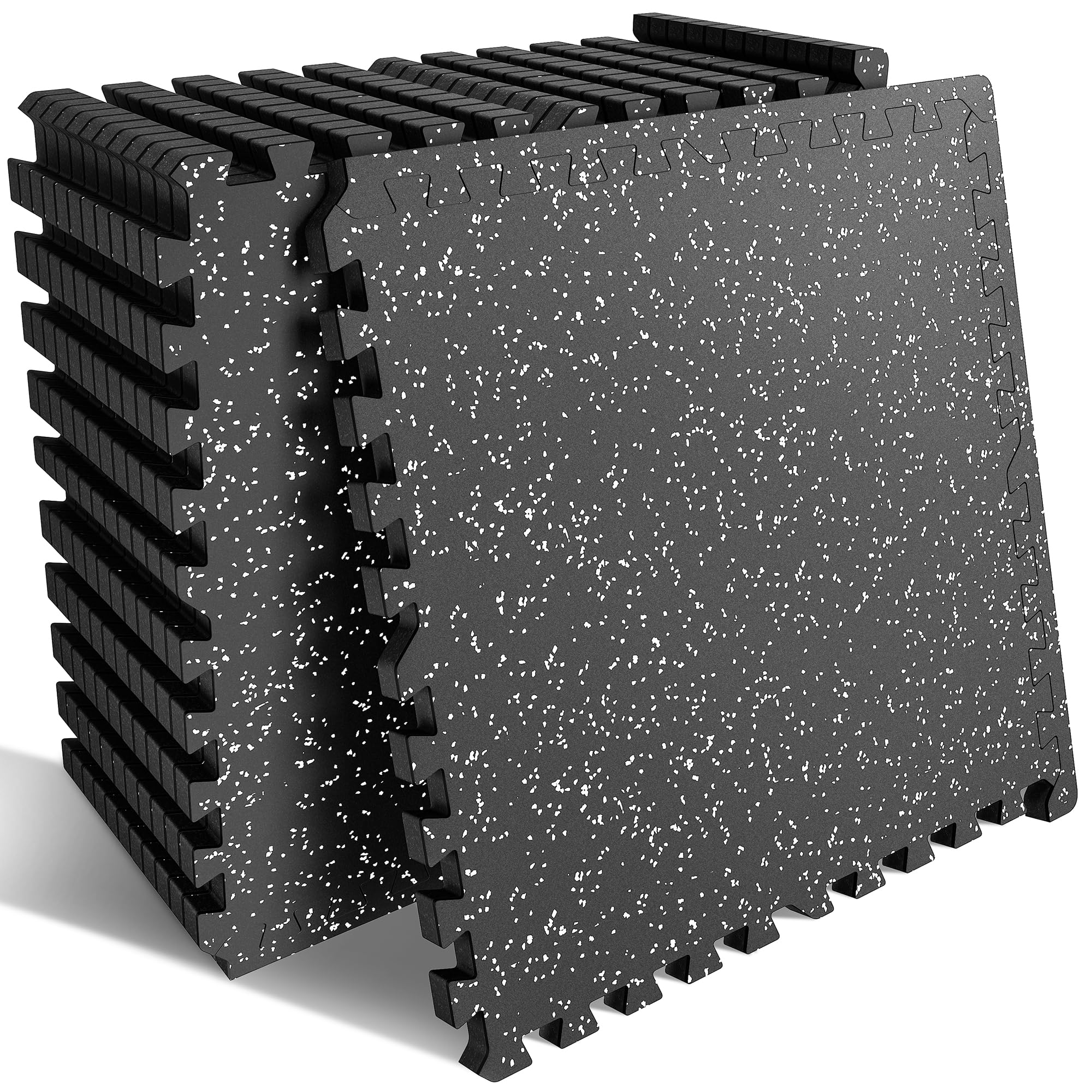
The PRAISUN mats bridge the gap between gym flooring and dance surface with a three-layer construction that few competitors match. The top layer is textured rubber that provides excellent grip for sweaty workouts and high-impact dance styles like hip-hop and cardio fusion. Beneath that sits a high-strength adhesive layer bonding to a 0.6-inch high-density EVA foam base that absorbs shock from jumps and stomps without bottoming out. The result is a floor that feels stable underfoot but forgiving on the knees.
Each tile measures 24 by 24 inches and uses a puzzle-style interlocking edge that snaps together securely. The set covers 48 square feet across 12 tiles, which is enough for a dedicated practice zone in a garage or basement. Users consistently note that the rubber surface resists moisture and wipes clean easily, and any initial off-gassing odor dissipates within a few days of use. The black and gray color scheme also hides dirt better than lighter options.
The rubber top is heavier and denser than pure EVA foam, so these tiles are less portable than foam-only options. They also produce more friction than a vinyl Marley floor, making them less suitable for genres that require sliding or pivoting. For high-impact dance cardio, Zumba, or kids’ dance parties, however, the combination of grip and cushion is tough to beat.
Why it’s great
- Three-layer rubber-and-EVA construction absorbs high-impact shock effectively
- Textured rubber top stays grippy even when wet from sweat
- Water-resistant surface is easy to wipe down after sweaty sessions
Good to know
- Heavier than standard foam tiles — harder to move once installed
- Rubber surface may feel too tacky for dancers who need controlled slide
- Initial rubber smell requires a few days to air out
3. innhom Large Exercise Mat 10×6
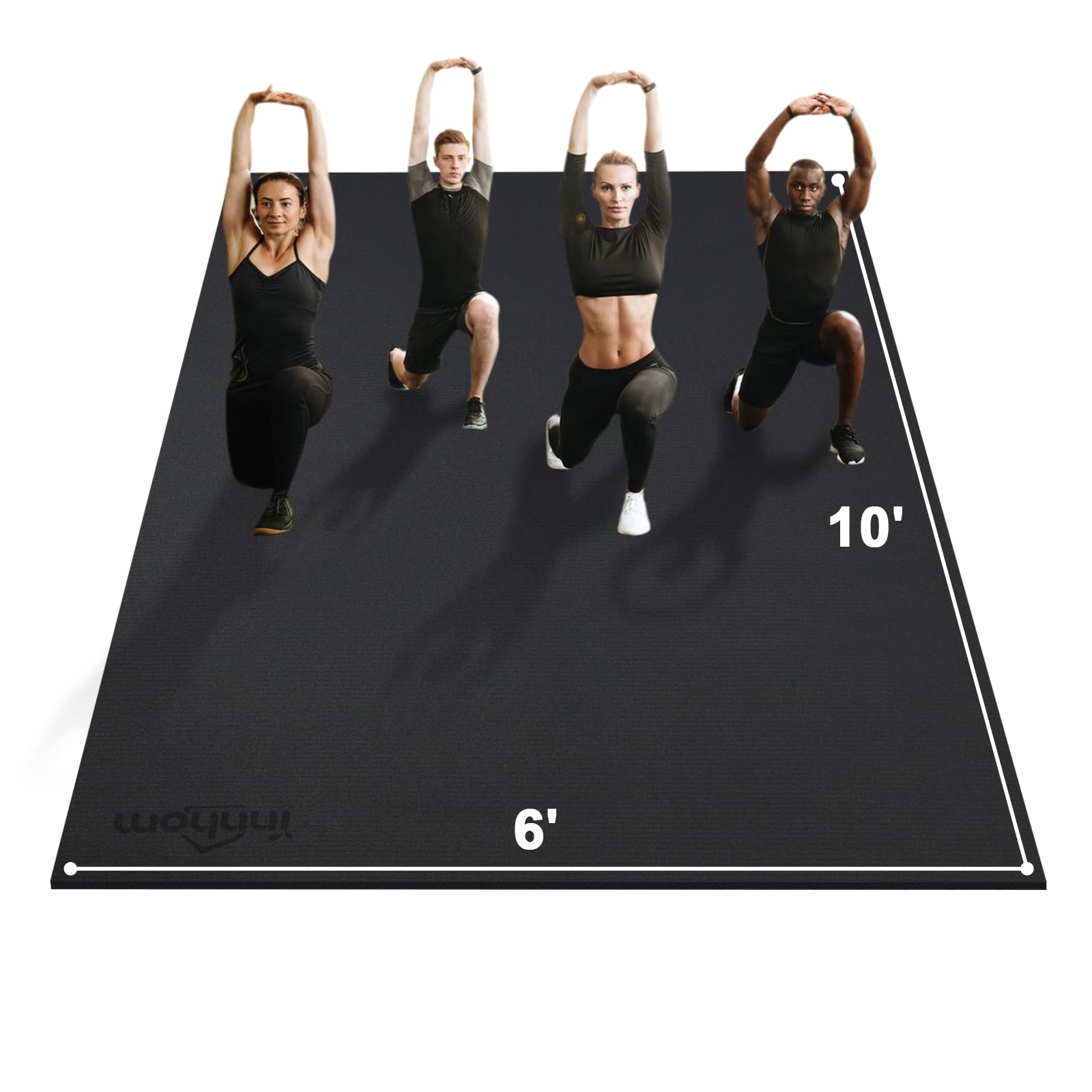
The innhom mat solves one of the biggest frustrations with home dance floors: coverage. At 10 feet by 6 feet, it provides 60 square feet of continuous, seam-free surface that fits most living rooms, basements, or garage spaces. The 7mm thickness strikes a careful balance—thick enough to dampen impact from jumps and protect underlying floors, but thin enough that you do not feel unstable during pivots or directional changes. The PVC material is dense and resilient, bouncing back after heavy use without permanent indentations.
The bottom surface uses a circle-pattern texture that grips standard flooring types like hardwood, tile, and concrete without sliding around. The top surface has a subtle texture that provides adequate traction for Zumba, cardio dance, and floor exercises without grabbing your shoes too aggressively. The mat comes with three straps and a carry bag, so you can roll it up for storage or transport. The 31-pound weight helps it stay flat and prevents curling at the edges during dynamic movement.
The closed-cell PVC surface is waterproof, which means sweat and spills bead up rather than soaking in. Cleaning is straightforward with a damp cloth or mild soap. Some users report that the mat measures slightly shorter than advertised (9 feet instead of 10), so measure your space carefully before ordering. The lack of interlocking sections also means you cannot expand the coverage area—you get exactly the size you buy.
Why it’s great
- Large 60 sq ft seamless surface ideal for full-range dance routines
- 7mm thickness cushions joints without sacrificing stability for turns
- Waterproof closed-cell PVC resists sweat and wipes clean easily
Good to know
- Some units run 1 foot shorter than the listed dimensions
- PVC surface can be slightly harder to clean than EVA foam
- Cannot be expanded — you are locked into the initial size
4. VersaStep Interlocking Dance Floor Tiles
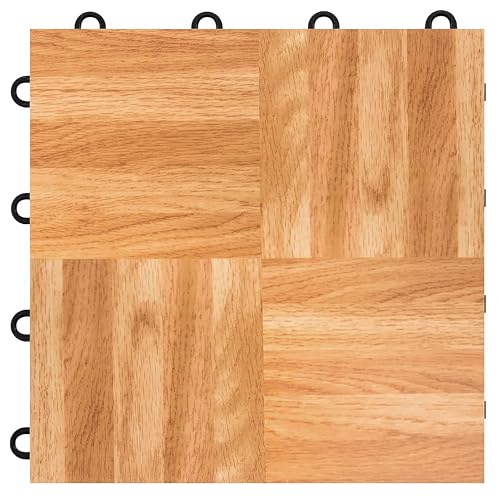
The VersaStep tiles are purpose-built for dancers who need a hard, responsive surface for precise footwork. Each 12 by 12 inch tile combines a rigid polypropylene base with an adhered vinyl top, creating a stable platform that supports tap, ballet, ballroom, and Irish dance. The vinyl surface provides a consistent friction level—slicker than typical household flooring but less slippery than a pure Marley sheet—which helps dancers execute turns and slides with control.
Assembly requires no glue or tools; the tiles snap together using loop-style edges that create tight seams. Users recommend using a rubber mallet to ensure the connections are fully seated, especially for larger setups. The 3/8-inch thickness is similar to professional stage flooring, offering enough rigidity to produce clean tap sounds without excessive bounce. The set covers 20 square feet (20 tiles), which accommodates a single dancer for practice or two dancers for partner work in a compact space.
The VersaStep is not designed for cushioned comfort—there is no foam layer, so impact from jumps transfers directly to the subfloor. For best results, install the tiles over a flat, hard surface like concrete or plywood. Over carpet, the tiles may flex and cause seams to separate. Some customers have also reported that the interlocking loops on edge tiles can break during shipping if the packaging is insufficient, so inspect all pieces upon arrival.
Why it’s great
- Rigid vinyl-over-polypropylene surface delivers clean tap sounds
- Snap-together assembly requires no glue or tools
- Provides consistent friction for turns and precise footwork
Good to know
- No cushioning layer — hard on joints for high-impact routines
- Edge loops can break during shipping if packaging is inadequate
- Needs a flat hard subfloor; not recommended directly over carpet
5. BalanceFrom Puzzle Exercise Mat

The BalanceFrom mat offers the largest coverage area in this guide at 144 square feet spread across 36 tiles. For a home dance floor, that means you can cover an entire basement room or garage bay without piecing together multiple sets. The 1/2-inch thick high-density EVA foam provides substantial cushioning for floor work, stretching, and low-impact dance styles. The double-sided non-slip surfaces keep the mat anchored to the floor and prevent your feet from sliding during dynamic movements.
Each tile measures approximately 23.6 inches square and connects via puzzle-style interlocking edges. The set includes 72 end borders, giving you clean edges on all sides of your installation. Users consistently praise the ease of assembly and the mat’s ability to dampen sound—several reviews mention using it to reduce noise from kids dancing and drumming in upstairs rooms. The moisture-resistant surface cleans quickly with soap and water, which matters for sweaty dance sessions.
At 30 pounds total for the full set, the BalanceFrom is lightweight enough to reconfigure or move between rooms. The foam surface, however, does generate more friction than vinyl, so dancers who need to slide or turn may find the surface grabby. Some users also report that the tiles can separate slightly under heavy lateral movement, especially on smooth subfloors. The grey color hides dust better than black but shows scuffs from shoes more readily.
Why it’s great
- Massive 144 sq ft coverage covers an entire room in one kit
- 1/2-inch high-density foam cushions joints and dampens sound
- Double-sided non-slip surface keeps mats stable during movement
Good to know
- EVA foam creates more friction than vinyl — less ideal for turns
- Tiles can separate under aggressive lateral movement
- Some initial odor that dissipates over a few days
6. Our Modern Space 24-Pack Interlocking Foam Tiles

The Our Modern Space tiles deliver a budget-friendly entry point for home dance flooring without cutting corners on thickness. Each tile measures 24 by 24 inches with a 0.4-inch thickness, and the 24-pack covers 96 square feet. The high-density EVA foam provides noticeable cushioning that reduces knee and back strain during floor-based dance routines. Users report that the tiles snap together smoothly and stay connected during moderate activity.
The black color is practical for hiding dirt and scuffs, and the solid pattern means you can mix and match additional sets without worrying about print alignment. The tiles are lightweight enough to rearrange as needed, and several reviewers note they work well as a base layer under area rugs for a softer dance surface. The non-toxic certification (BPA-free, phthalate-free) makes it a safe choice for children’s play-dance areas.
The EVA surface also tends to slide on smooth hardwood or tile subfloors—a rug pad or double-sided tape underneath can solve this. For light dance practice, stretching, or kids’ ballet, the Our Modern Space tiles offer an affordable way to create a dedicated dance zone.
Why it’s great
- Budget-friendly price per square foot for large coverage areas
- 0.4-inch high-density EVA provides good cushioning for floor work
- Non-toxic materials are safe for children’s play-dance areas
Good to know
- Thinner than premium options — less shock absorption for jumps
- Foam slides on smooth subfloors without additional grip layer
- Black color shows dust and pet hair quickly
7. Sorbus Wood Grain Floor Tiles
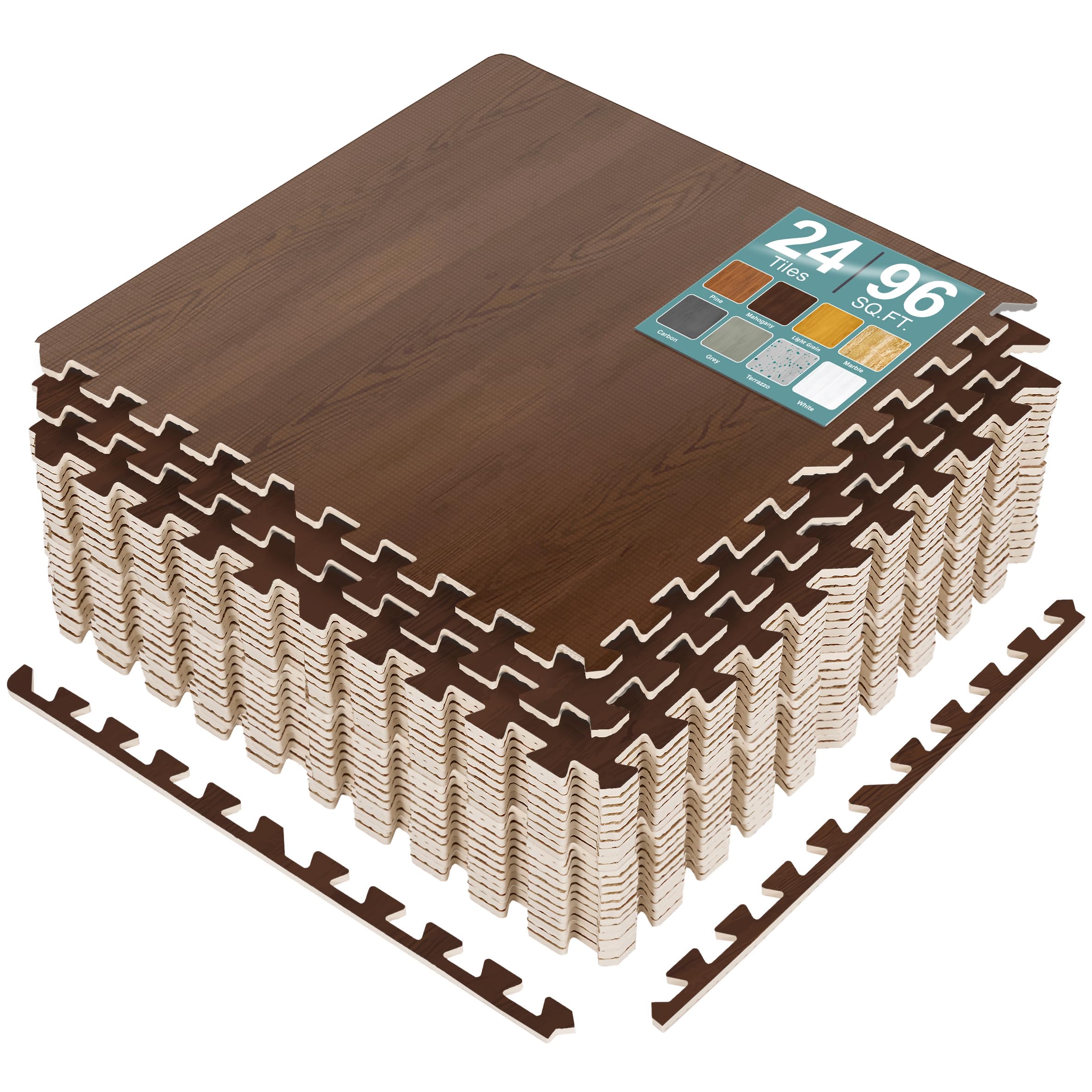
The Sorbus tiles appeal to homeowners who want a dance floor that blends with existing decor rather than standing out as gym equipment. The printed foam surface features a mahogany wood grain pattern that mimics real hardwood from a distance, making it suitable for living rooms, dens, or multi-use basements. Each tile measures 24 by 24 inches with a 3/8-inch thickness, and the 24-tile set covers 96 square feet. The PE foam material provides a soft, cushioned feel underfoot.
Installation is straightforward with the jigsaw-style interlocking edges, and the set includes detachable border pieces that give a finished look along the perimeter. Users appreciate that the tiles are waterproof and non-absorbent, so spills from drinks or sweat do not cause swelling or staining. The lightweight construction (each tile is easy to carry) means you can reconfigure the layout or take the floor down for storage.
The printed surface is less durable than solid EVA or rubber. Sharp objects like chair legs, high heels, or pet nails can leave permanent dents or scratches. The 3/8-inch thickness is also on the thinner side, providing limited impact protection for high-intensity dance. For light dance practice, yoga, or as a decorative play surface for kids, the Sorbus tiles deliver style on a budget—but they will not hold up to heavy daily use.
Why it’s great
- Mahogany wood grain print blends with home decor
- Waterproof and non-absorbent material handles spills easily
- Detachable border pieces create a finished professional look
Good to know
- Printed surface scratches and dents more easily than solid foam
- 3/8-inch thickness provides minimal shock absorption for jumps
- Not suitable for heavy daily dance practice or high heels
8. Home Aesthetics Printed Foam Tiles

The Home Aesthetics tiles offer a stylish alternative to basic black mats with a Sea Haze grey wood grain pattern that works well in modern interiors. The 25-tile set covers 100 square feet at 3/8-inch thickness, and each tile includes two border pieces for trimming the edges. The EVA foam material is BPA-free and phthalate-free, making it safe for children’s spaces. Users consistently note that the printed surface looks convincingly like real wood from a few feet away.
These tiles excel in low-impact environments like trade show booths, yoga studios, and children’s play-dance areas. The interlocking edges create a secure connection that stays flat under normal foot traffic. Reviewers who used the tiles for vendor events report that the surface held up well under hundreds of visitors without visible wear. The water-resistant coating makes cleanup straightforward—just wipe with a damp cloth.
The printed film layer is the weak point. Chair casters, dropped weights, and aggressive dance moves can cause the print to scratch or peel. Some users report that the tiles develop permanent dents after only a few minutes of pressure from furniture. For serious dance practice involving jumps, slides, or tap work, the durability limitations become apparent. These are best viewed as a decorative cushioned floor for light, recreational dance use.
Why it’s great
- Sea Haze grey wood grain pattern fits modern home aesthetics
- 100 sq ft coverage with included border pieces for clean edges
- Non-toxic EVA foam is safe for children’s play areas
Good to know
- Printed surface scratches and dents easily under pressure
- Not designed for high-impact dance or heavy equipment
- Returns can be expensive due to the size and weight of the set
9. Dancing Disc Professional Marley Competition Floor
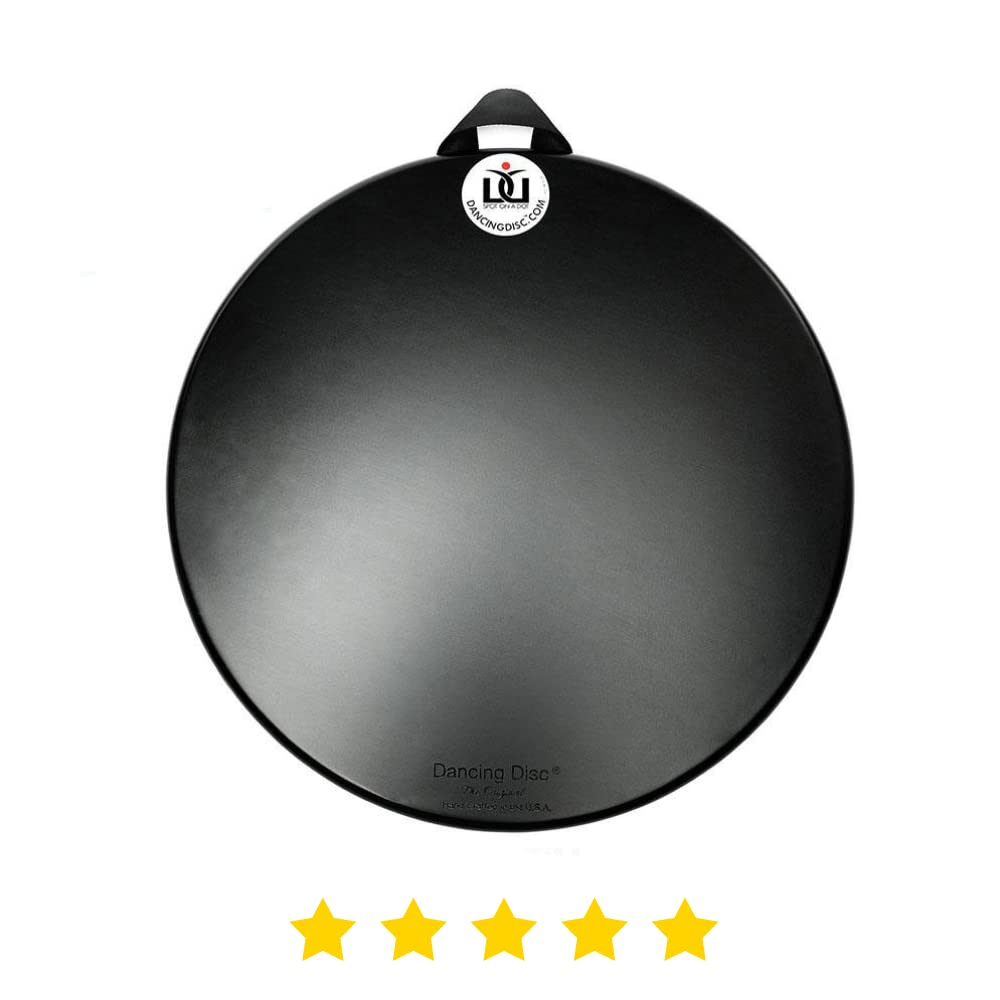
The Dancing Disc is not a full room floor—it is a specialized 24-inch Marley turn board designed for dancers who need a reliable practice surface on the go. The premium Marley material provides the same controlled-slip surface used in professional competitions, allowing dancers to practice pirouettes, fouettés, and other turning steps on any subfloor. The board features a tapered edge that reduces tripping hazards, and the ultra-strong four-panel seat belt handle makes it easy to carry to rehearsals, competitions, or grandparents’ houses.
This product is handcrafted in the USA and built to withstand years of use. The 1-year warranty and the quality of the Marley material suggest a lifespan that extends well past that period. Dancers who struggle with turning on carpet or uneven surfaces will find that the Dancing Disc provides the consistent platform needed to build muscle memory. The 24-inch diameter offers enough space for a full turn without feeling cramped.
The Dancing Disc is not a substitute for a full practice floor. It only supports stationary turning practice—you cannot use it for traveling steps, floor work, or partnered dancing. The Marley surface can also scratch hardwood floors if debris gets trapped underneath, so keep the subfloor clean. For the serious dancer who needs to practice turns anywhere, the Dancing Disc is a small investment that solves a specific problem well.
Why it’s great
- Professional-grade Marley surface with controlled slip for turns
- Ultra-strong carrying handle makes it truly portable
- Handcrafted in the USA with durable construction
Good to know
- Only 24 inches — suitable for stationary turn practice only
- Can scratch hardwood if debris is trapped underneath
- Not a full dance floor; does not support traveling steps or floor work
FAQ
Can I use interlocking foam tiles for ballet turns?
What thickness do I need for tap dancing at home?
How do I clean and maintain a vinyl Marley dance floor?
Can I install a home dance floor over carpet?
How many square feet do I need for a home dance practice area?
Final Thoughts: The Verdict
For most users, the dance floor for home winner is the ProStep Reversible Marley Roll because it delivers the authentic controlled-slip surface that ballet, contemporary, and jazz dancers need, plus the portability to set up and pack down as your schedule demands. If you want maximum impact protection for high-energy cardio dance and Zumba, grab the PRAISUN Rubber Top Mats for their three-layer rubber-and-foam construction. And for serious tap dancers who need a rigid, responsive surface, nothing beats the VersaStep Interlocking Tiles.

Mo Maruf
I created WellFizz to bridge the gap between vague wellness advice and actionable solutions. My mission is simple: to decode the research and give you practical tools you can actually use.
Beyond the data, I am a passionate traveler. I believe that stepping away from the screen to explore new environments is essential for mental clarity and physical vitality.