Our readers keep the lights on and my smoothie glass nicely filled. As an Amazon Associate, I earn from qualifying purchases.
Dahlias are heavy feeders that demand a precise balance of nutrients to produce those dinner-plate-sized blooms rather than towering stalks of green leaves. The wrong fertilizer pushes foliage growth at the expense of flowers, leaving you with a tall, leafy plant and a handful of mediocre blossoms.
I’m Mohammad Maruf — the founder and writer behind WellFizz. I’ve analyzed dozens of fertilizer formulations to understand exactly which NPK ratios, micronutrient profiles, and application methods deliver the density, color, and volume dahlia growers actually chase.
This guide breaks down the specific formulations that shift energy from leaf production into flower development, helping you choose the best dahlia fertilizer for your garden’s unique soil conditions and bloom goals.
How To Choose The Best Dahlia Fertilizer
Dahlias are not like your average perennial. They pull massive amounts of nutrients from the soil from midsummer until the first hard frost. Choosing the right fertilizer means understanding what your dahlias actually need at each growth stage and matching that to the product’s NPK numbers and release mechanism.
Focus on the Middle Number (Phosphorus)
The NPK ratio on any fertilizer bag tells the story. For dahlias, the middle number — phosphorus — is the most critical for flower production. A ratio like 2-6-4 or 0-0-60 shifts the plant’s energy toward bud formation and bloom development. High first numbers (nitrogen) produce lush green leaves and weak stems, which is the opposite of what a show-quality dahlia grower wants. Look for a phosphorus number that equals or exceeds the nitrogen number in the formulation.
Potassium for Stem Strength and Bloom Longevity
The third number — potassium — supports root development, stem rigidity, and the plant’s ability to transport water and nutrients. Dahlias with adequate potassium produce thicker stems that hold heavy blooms upright without staking. Potassium also improves the plant’s resistance to powdery mildew and other common fungal issues. Products with a higher K number relative to N are generally better suited for the flowering stage.
Release Speed and Application Frequency
Granular slow-release fertilizers like FoxFarm Happy Frog feed the soil microbes and release nutrients gradually over weeks, which works well for pre-planting soil amendment. Liquid fertilizers such as Neptune’s Harvest deliver nutrients immediately to the root zone and are ideal for weekly feeding during the main growing and blooming window. Dahlia growers who want precise control over feeding schedules typically prefer liquid concentrates, while those who want a set-and-forget approach lean toward granular options.
Quick Comparison
On smaller screens, swipe sideways to see the full table.
| Model | Category | Best For | Key Spec | Amazon |
|---|---|---|---|---|
| Neptune’s Harvest Rose & Flowering | Liquid Organic | Weekly feeding for maximum blooms | NPK 2-6-4 with calcium | Amazon |
| Great Big Roses and Flowers Booster | Liquid Activator | Reviving tired or non-blooming plants | 70 chelated trace minerals | Amazon |
| FoxFarm Happy Frog All Purpose | Granular Organic | Soil preparation and slow-release feeding | NPK 6-4-5 with microbes | Amazon |
| Fertilome All Purpose 20-20-20 | Water Soluble | Balanced general feeding for young plants | NPK 20-20-20 fast release | Amazon |
| Cz Garden Muriate of Potash 0-0-60 | Potassium Supplement | Boosting K levels in custom mixes | 99% soluble potash | Amazon |
In‑Depth Reviews
1. Neptune’s Harvest Rose & Flowering Fertilizer (2-6-4)
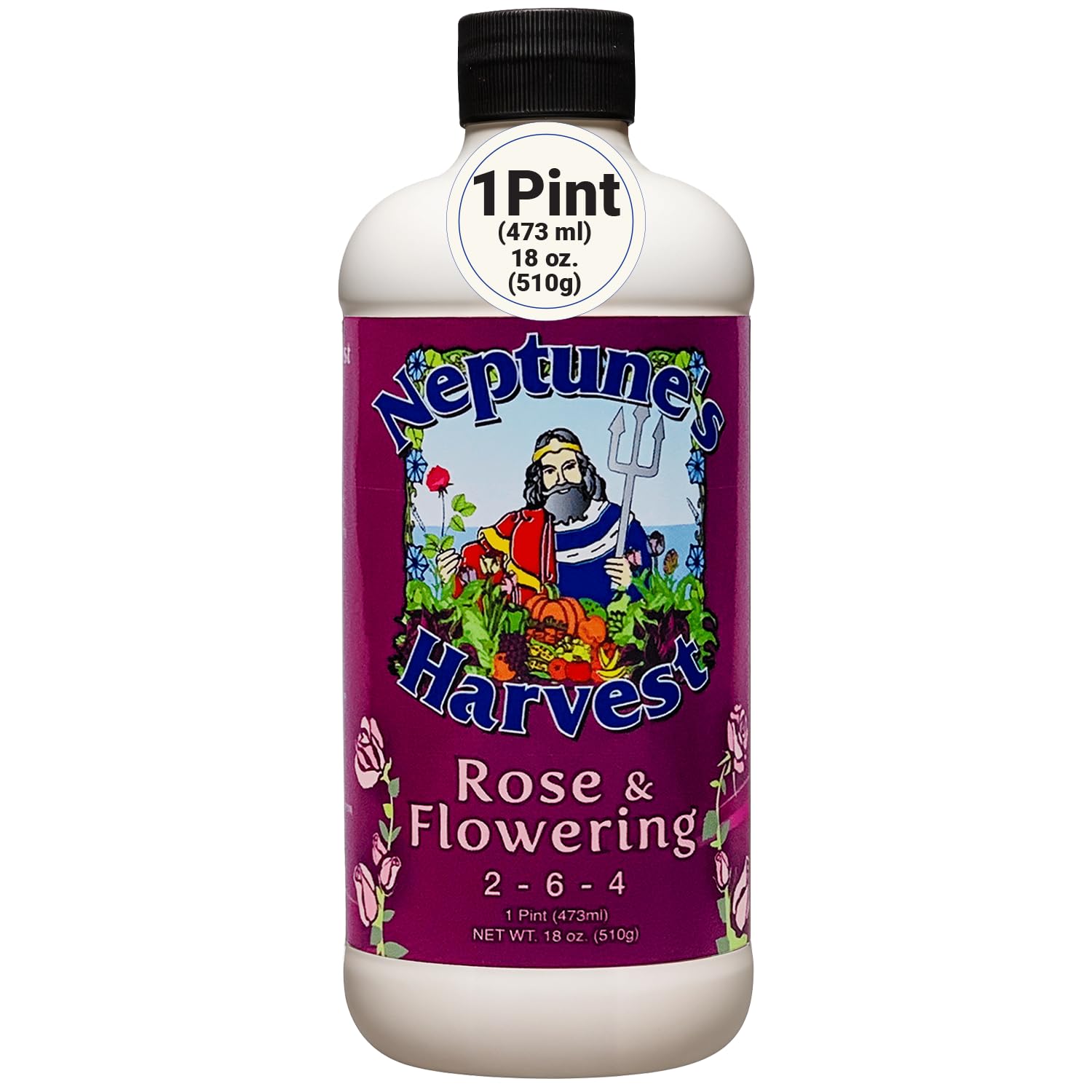
This liquid concentrate hits the perfect NPK ratio for dahlias at 2-6-4, keeping foliage modest while pushing energy directly into bud and bloom development. The formula includes cold-processed fish, seaweed, molasses, humic acids, and liquid calcium, which raises brix levels in the plant tissue — an often-overlooked factor that naturally deters aphids and thrips without spraying.
Gardeners report visible improvement in flower density and stem strength within two weeks of switching to this feed. The calcium content is a hidden advantage for dahlia tubers stored over winter, as it improves cell wall structure and reduces rot risk. Mixing one ounce per gallon of water and applying weekly during the growing season produces consistent, large blooms from July through the first frost.
The only real friction point is the smell — it carries a strong fish-oil odor during application. The scent dissipates once the soil dries, but indoor mixing or storage requires ventilation. The pint bottle concentrates into 16 gallons of feed, making it a cost-effective option for a full dahlia bed.
Why it’s great
- Ideal 2-6-4 ratio targets bloom production
- Calcium and humic acids improve tuber storage quality
- Organic ingredients safe for pollinators and soil biology
Good to know
- Strong fish-based odor during mixing
- Requires weekly application for best results
2. Great Big Roses and Flowers Liquid Fertilizer Booster
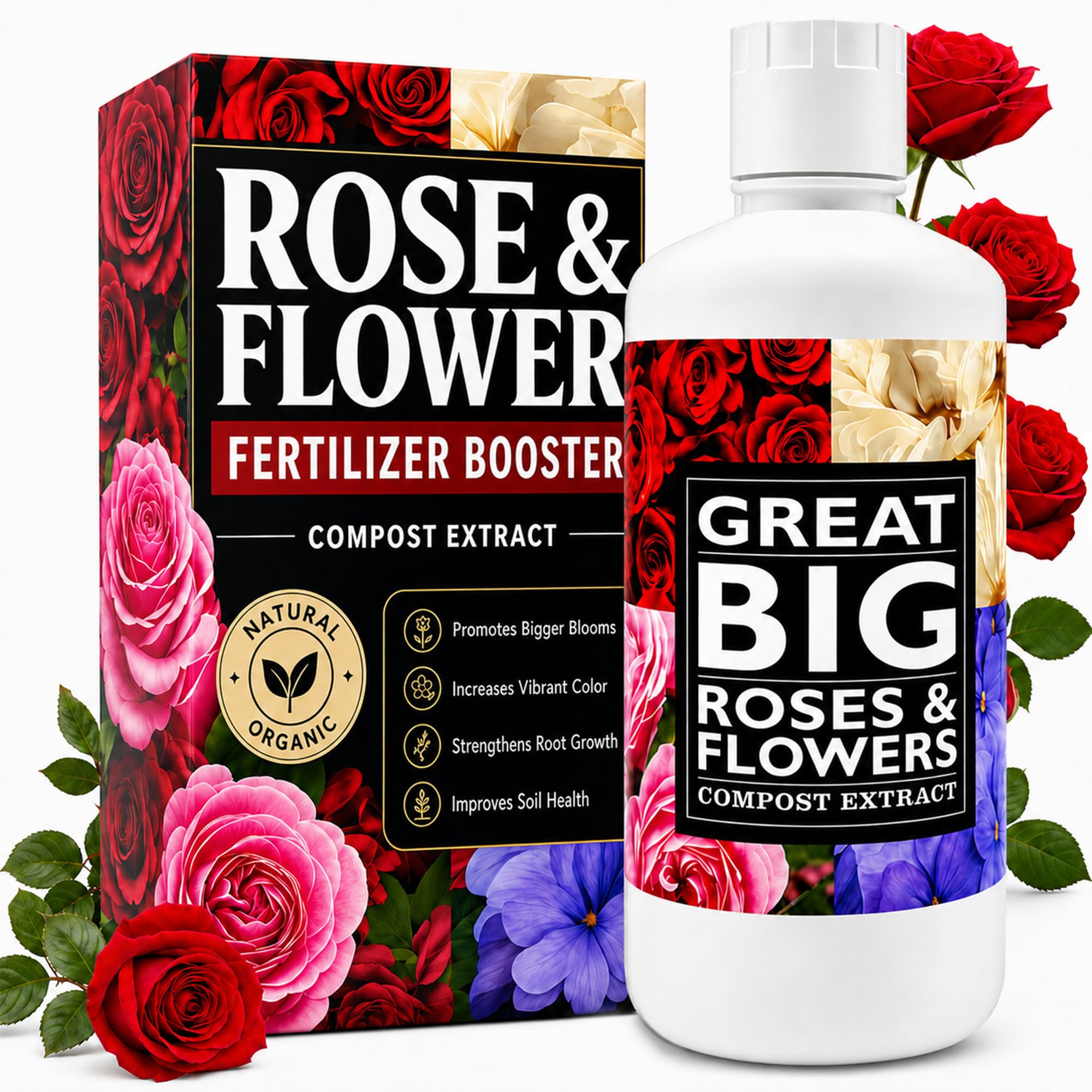
This formula takes a different approach than standard NPK fertilizers. Instead of just supplying macronutrients, it delivers humic acids, seaweed extract, and over 70 chelated trace minerals that unlock nutrients already locked in the soil. For dahlias that have stopped blooming or produce small, pale flowers, this booster reactivates the root zone’s ability to absorb phosphorus and potassium that existing fertilizers failed to make available.
The 32-ounce bottle concentrates into 8 gallons of feed, with each application covering a full growing season for most home gardens. Gardeners consistently report that dahlia bushes that had not bloomed in years produced large, vibrant flowers within three to four weeks of the first treatment. The formula works alongside other organic amendments like bone meal or fish emulsion without causing nutrient lockout.
The bottle design is a point of frustration — the wide mouth makes measuring the concentrate into a watering can messy, and the product is concentrated enough that spills feel wasteful. The cost per ounce is higher than standard liquid fertilizers, but the results on stubborn or nutrient-depleted soil justify the premium for many dahlia enthusiasts.
Why it’s great
- Unlocks existing soil nutrients for immediate bloom response
- 74 chelated minerals address micronutrient deficiencies
- One bottle covers an entire growing season
Good to know
- Wide bottle mouth makes measuring messy
- Higher per-application cost than standard liquid feeds
3. FoxFarm Happy Frog All Purpose Fertilizer (6-4-5)

FoxFarm’s Happy Frog line is built around active soil microbes and mycorrhizal fungi that form symbiotic relationships with dahlia roots. The 6-4-5 NPK ratio is higher in nitrogen than ideal for peak bloom, but this product shines as a pre-planting soil amendment rather than a mid-season bloom booster. Work a few handfuls into the planting hole before setting tubers, and the microbes will colonize the root zone for the entire growing season.
Gardeners who use Happy Frog as part of their initial soil mix consistently report explosive root growth and thick, sturdy stalks that support heavy blooms without cages or excessive staking. The OMRI listing means the ingredients are certified for organic production, which matters for growers who prioritize soil health over synthetic shortcuts. The 4-pound bag covers roughly 40 square feet of garden bed at the recommended application rate.
The organic composition produces a strong manure-like smell that can be unpleasant when working with it indoors or in enclosed spaces. Over-application can lead to white mold forming on the soil surface if the granules are not mixed in thoroughly. This product works best when treated as a foundation feed, with a liquid bloom booster added once buds begin forming in mid-summer.
Why it’s great
- Beneficial soil microbes improve long-term root health
- OMRI certified for organic gardens
- Slow-release format feeds for weeks without reapplication
Good to know
- Strong manure odor during handling
- Nitrogen content slightly high for bloom stage
4. Fertilome All Purpose Water Soluble Plant Food (20-20-20)

The 20-20-20 ratio is not ideal for mature blooming dahlias, but this product has a specific role in the dahlia feeding calendar. Use it during the early vegetative stage when plants are building leaf mass and establishing stems after transplanting. The balanced NPK provides even nutrition that supports rapid green growth without creating the nitrogen overload that later suppresses flowering.
Fertilome dissolves completely in water and can be applied as a soil drench or foliar spray. The foliar application delivers nutrients directly through leaf stomata, which is useful when soil temperatures drop or when root uptake is compromised by compacted soil. Gardeners report that a single foliar feed in early June produces visibly greener, wider leaves within three days, giving young dahlias the energy reserves they need for the bloom push later in the season.
The high salt index of synthetic 20-20-20 means it can burn roots if over-applied. Stick to the recommended one to two teaspoons per gallon and avoid using this formulation once flower buds begin forming. Switching to a low-nitrogen bloom fertilizer at the first sign of buds prevents the lush foliage that competes with flower production.
Why it’s great
- Ideal for early-season vegetative growth
- Works as both soil drench and foliar spray
- Dissolves completely with no residue
Good to know
- Too much nitrogen for bloom stage use
- High salt content requires careful measuring
5. Cz Garden Muriate of Potash 0-0-60

This is not a standalone dahlia fertilizer — it is a precision potassium supplement for growers who custom-blend their own NPK ratios. The 0-0-60 formulation delivers highly concentrated potassium without adding nitrogen or phosphorus, which lets you correct potassium deficiencies without throwing your bloom-stage ratio off balance. Dahlia growers who test their soil and find potassium levels below 150 ppm benefit directly from adding this to their feeding regimen.
The granules dissolve readily in water and can be applied through drip irrigation or mixed into a liquid feed solution. Gardeners who combine this with a balanced organic base fertilizer report thicker stems, larger bloom heads, and flowers that hold their color longer in hot weather. The resealable pouch keeps the hygroscopic granules dry between uses, which matters because potassium chloride absorbs moisture from the air and can clump if not sealed properly.
Muriate of potash is a mined mineral salt, and over-application can raise soil chloride levels to the point of damaging root hairs. Use this product only when a soil test confirms potassium deficiency, and never exceed rates above one tablespoon per gallon of water for established plants. This is a specialist tool for serious growers, not a general-purpose feed.
Why it’s great
- Pure potassium for precision soil correction
- Resealable pouch keeps granules dry and fresh
- Highly water-soluble for liquid feed systems
Good to know
- Requires soil testing for safe dosage
- Chloride content can damage roots if over-applied
FAQ
Should I stop feeding dahlias once they start blooming?
Can I use tomato fertilizer on my dahlias?
Why are my dahlias producing leaves but no flowers?
Final Thoughts: The Verdict
For most users, the best dahlia fertilizer winner is the Neptune’s Harvest Rose & Flowering (2-6-4) because its NPK ratio is perfectly calibrated for bloom production and the calcium content improves tuber health for next season. If you want a product that revives non-blooming plants and unlocks nutrients in depleted soil, grab the Great Big Roses and Flowers Booster. And for soil preparation that builds strong root systems and thick stems from the start, nothing beats the FoxFarm Happy Frog All Purpose worked into the planting bed before tubers go in.

Mo Maruf
I created WellFizz to bridge the gap between vague wellness advice and actionable solutions. My mission is simple: to decode the research and give you practical tools you can actually use.
Beyond the data, I am a passionate traveler. I believe that stepping away from the screen to explore new environments is essential for mental clarity and physical vitality.