Our readers keep the lights on and my smoothie glass nicely filled. As an Amazon Associate, I earn from qualifying purchases.
Nothing kills a century ride or a weekend bikepacking trip faster than the wrong saddle. Numbness, chafing, and sit bone soreness start creeping in around mile 20, turning what should be pure joy into a battle against discomfort. The fix isn’t more padding or a softer seat — it’s finding a saddle with the correct width, pressure relief channel, and shell flex for your unique riding position and anatomy.
I’m Mohammad Maruf — the founder and writer behind WellFizz. I’ve spent hundreds of hours dissecting saddle designs, analyzing pressure-mapping data, and comparing rail materials across the biggest brands in cycling.
Whether you log long weekend miles or commute 30+ minutes daily, the right seat transforms your entire experience. This guide cuts through the marketing noise to help you find the best cycling saddles for long rides for your body and your bike.
How To Choose The Best Cycling Saddles For Long Rides
Buying a saddle for all-day riding starts with understanding that your sit bones, not your soft tissue, should carry the load. The saddle’s width must match the spacing of your ischial tuberosities — a measurement most bike shops can take in 30 seconds. A saddle that is too narrow lets your sit bones fall off the edge, putting pressure on the perineum. One that is too wide causes chafing on the inner thighs. The right width creates a stable platform that transmits pedal force without digging in.
Pressure Relief Channels and Cutouts
A deep central channel or cutout reduces soft tissue compression by creating a void where the perineum sits. This keeps blood flowing to the genital area, preventing the numbness many cyclists fear. Not all channels are equal — some are shallow cosmetic grooves while others are full-length, open slots that allow the padding to expand into the gap. Look for designs that run at least two‑thirds of the saddle’s length, especially if you ride in a more aggressive forward lean.
Rail Material and Shell Flex
Steel rails are heavy but durable and cheap; chromoly rails offer a better strength-to-weight ratio; titanium rails save grams but cost more. The shell material — nylon composite versus carbon fiber — controls how much the saddle flexes under load. A shell with some flex acts as a secondary suspension, dampening road chatter without the weight of elastomers. Stiffer shells transfer more power but can feel harsh on rough pavement during six‑hour rides.
Padding Density vs. Thickness
Thick, plush foam feels good in the showroom but compresses into a hard slab after 20 minutes of sustained pressure, causing pressure points. High‑density foam or gel pads — often 10–15mm thin — distribute weight across the entire sit bone area. Look for dual‑density construction where a firm base supports the bones while a softer top layer handles micro‑vibrations. For long rides, density beats thickness every time.
Quick Comparison
On smaller screens, swipe sideways to see the full table.
| Model | Category | Best For | Key Spec | Amazon |
|---|---|---|---|---|
| SQlab 6OX Ergowave Active | Premium | Perineal pressure relief | 14–16cm width range, 72% perineal relief | Amazon |
| Brooks England B67 | Premium | Upright touring comfort | Leather + coil spring suspension | Amazon |
| Prologo Dimension T4.0 | Premium | Lightweight endurance road | 245x143mm, 219g, chromoly rails | Amazon |
| Ergon SMC Sport Gel (Women’s) | Mid-Range | All-day MTB/gravel comfort | Orthopedic foam + gel pads, CroMo rails | Amazon |
| Serfas RX Saddle | Mid-Range | E-bike and upright recreational | Split saddle with gel padding, twin-bar flex | Amazon |
| Selle Italia S 5 Superflow | Mid-Range | Road riding on a budget | 255x160mm, 325g, gel pad + Superflow cutout | Amazon |
| WTB Pure Mountain Bike Seat | Budget | Short-to-medium trail rides | DNAx foam, 345g, steel rails | Amazon |
In‑Depth Reviews
1. SQlab 6OX Ergowave Active
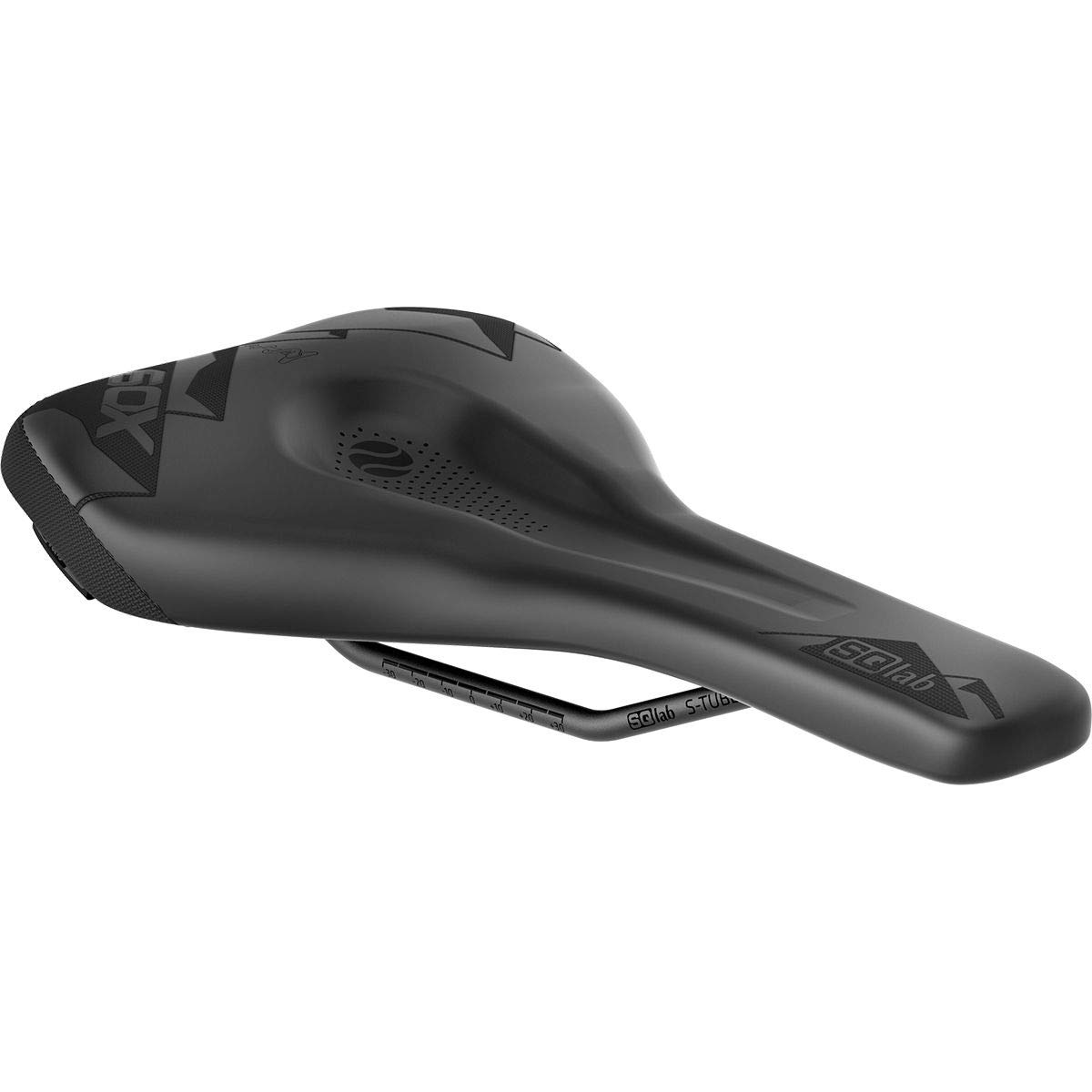
SQlab’s 6OX Ergowave Active is the most scientifically engineered saddle in this lineup. It uses a step-saddle concept that tilts the rear section slightly upward to lock the rider into a stable position while keeping the nose low for steep climbs. The Ergowave shell flexes with each pedal stroke, reducing impact forces on the perineum by up to 72% compared to traditional flat shells. Available in four width sizes (13, 14, 15, and 16cm), it accepts that sit bone spacing varies dramatically between riders — a feature most competitors ignore.
The gel pad is thin but high-density, so it supports the sit bones without bottoming out after an hour. Ride data from SQlab’s pressure mapping shows the channel creates a genuine pressure void — not just a cosmetic groove. Riders report completing 100‑mile days like the White Rim Trail without numbness or chafing. The unisex design and three included elastomers (tuned to rider weight) add customizable compliance that few saddles at any price offer.
At a touch under 290g with a 110kg weight capacity, the 6OX is light enough for XC racing but built for the endurance crowd. The plastic base is stiff laterally but tuned to flex vertically at the rear, so every bump is damped before it reaches your spine. For the long‑distance rider who wants numbers to back up comfort claims, this saddle is the definitive choice.
Why it’s great
- Four width options ensure precise sit bone fit
- 72% perineal pressure reduction via shell flex + channel
- Interchangeable elastomers tune ride to rider weight
Good to know
- Premium price pushes it out of budget territory
- Plastic shell feels less premium than carbon alternatives
2. Brooks England B67 Leather Bike Saddle with Suspension Springs

The Brooks B67 is a living legend in the touring world. Handmade in England from vegetable‑tanned leather, this saddle uses a wider rear section and classic coil springs to deliver suspension that no foam or gel can replicate. The leather hammock effect — where the hide stretches between the rivets and molds to your sit bones over time — creates a custom fit that improves with miles. After a 300‑mile break‑in period, the saddle becomes a perfect negative imprint of your anatomy.
The B67 is designed exclusively for upright riding positions, meaning it shines on city bikes, cruisers, flat‑bar tourers, and vintage road builds. Tilt the nose up about 5 degrees to let the springs work, and the saddle absorbs potholes and washboard gravel without transmitting shock to your lower back. Multiple riders report riding 30+ miles in regular jeans — no padded shorts needed — because the leather and spring combo handles vibration better than modern synthetic designs.
At 2.9 pounds (1.3kg), the B67 is the heaviest saddle here, and it requires regular Proofide treatment and a waterproof cover if you ride in rain. The single‑rail system also needs a micro‑adjust seatpost, but the trade‑off is a saddle that can last decades. If you value craftsmanship and are willing to invest in a break‑in process, this saddle delivers unmatched long‑term comfort for upright cyclists.
Why it’s great
- Leather molds to rider’s sit bones over time
- Coil springs provide true suspension on rough surfaces
- Handmade craftsmanship with decades of longevity
Good to know
- Requires lengthy break‑in period (300+ miles)
- Only suitable for upright riding positions
- Heavy at 2.9 pounds compared to modern saddles
3. Prologo Dimension T4.0 Saddle

The Prologo Dimension T4.0 balances weight, comfort, and pressure relief in a way that very few 220‑gram saddles achieve. Its wide, full‑length PAS channel runs from the rear to within inches of the nose, reducing soft‑tissue compression by creating a physical void under the perineum. The T4.0 uses a chromoly rail and a microfibre cover over light foam padding — a combination that is firm enough for power transfer but forgiving enough for six‑hour road rides.
Prologo designed this saddle as a unisex model with a slightly curved rear and flat midsection to accommodate both forward‑leaning road cyclists and more upright gravel riders. The shell is nylon composite with a tuned flex zone at the rear that absorbs road buzz without feeling mushy. Multiple long‑distance riders report zero numbness on rides exceeding 100 kilometers, especially when paired with a forward‑leaning position that engages the full channel.
The 245x143mm size is on the narrower side, so it works best for riders with sit bone spacing between 100 and 120mm. The lightweight construction makes it ideal for race‑day setups or anyone looking to shave grams without sacrificing all‑day comfort. It’s a premium performer that proves you don’t need thick foam to stay comfortable on long rides.
Why it’s great
- Featherweight 219g without sacrificing support
- Deep, full‑length PAS channel relieves perineal pressure
- Shell flex absorbs road buzz on rough pavement
Good to know
- Narrow width (143mm) limits sit bone compatibility
- Light foam padding may feel too firm for some riders
4. Ergon Women’s SMC Sport Gel Saddle
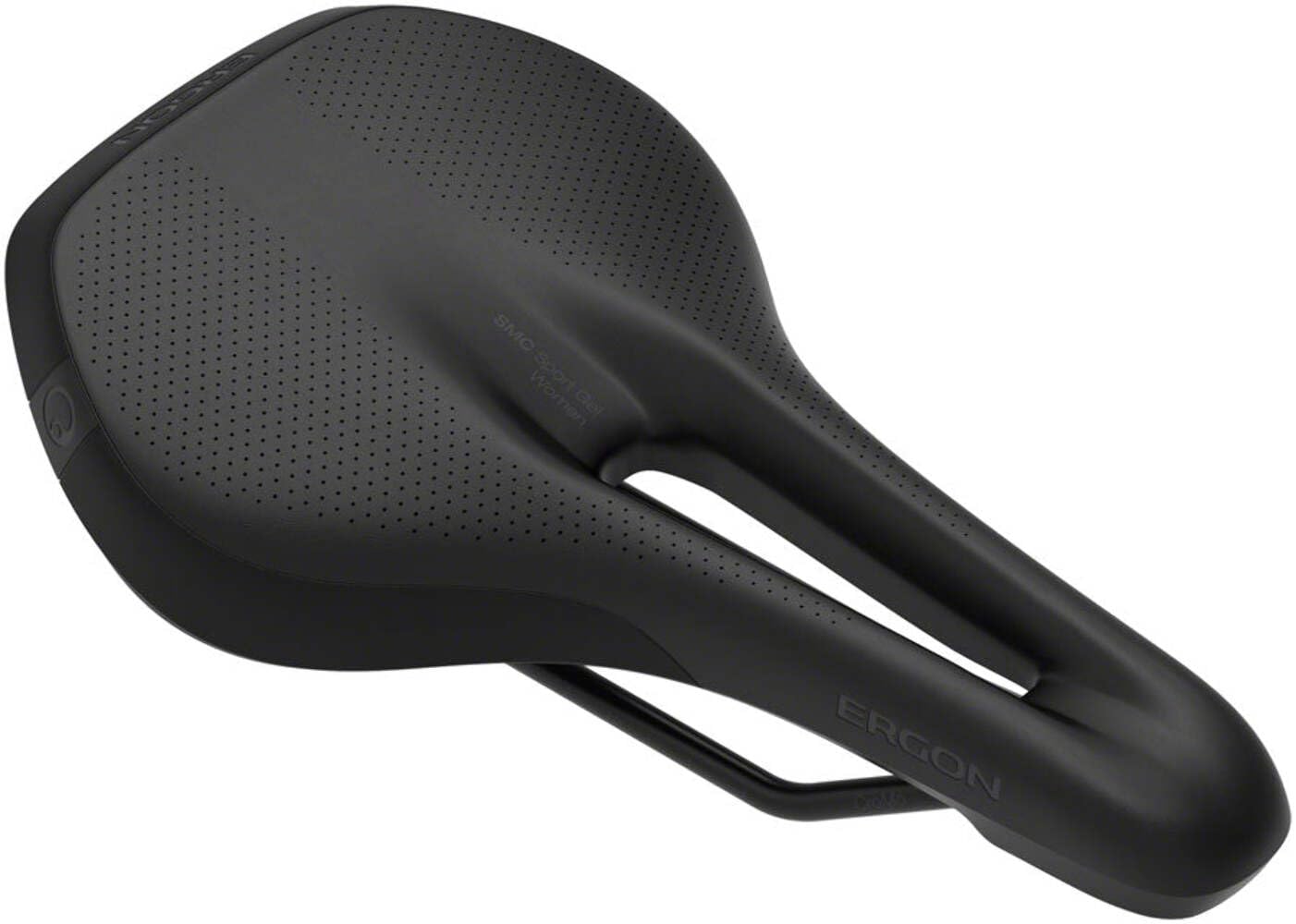
Ergon’s SMC Sport Gel is designed around female pelvic anatomy, with a wider rear section to support broader sit bones and a contoured nose that narrows to prevent inner‑thigh chafing. The combination of orthopedic comfort foam and integrated gel pads creates a dual‑density platform that supports the sit bones while the gel zones absorb vibration in the soft‑tissue area. Riders report zero numbness on four‑hour gravel rides after moving from narrower, unisex saddles.
The nylon composite shell has a tuned flex zone at the rear that allows the saddle to move with the rider’s hips during pedaling, reducing shear forces on the sit bones. The pressure‑relief channel is recessed rather than an open cutout, which prevents debris ingress on mountain bike trails while still providing effective perineal decompression. Ergon’s orthopedic foam is noticeably firmer than budget gel saddles, yet testers consistently describe it as “forgiving for all‑day use.”
At 420g, it is heavier than many performance saddles, but the extra weight comes from the generous 50mm of foam — welcome on 2+ hour MTB or gravel rides where every pedal stroke pounds the saddle. The CroMo rails are robust enough for larger riders (the saddle holds up well for 240‑pound cyclists). For women who ride multiple hours in the saddle without padded shorts, the SMC Sport Gel is a serious upgrade.
Why it’s great
- Gel + orthopedic foam dual‑density eliminates hot spots
- Women‑specific shape prevents inner‑thigh chafing
- Durable CroMo rails handle heavy loads
Good to know
- Heavier than unisex competition at 420g
- Gel zones may soften over time with heavy use
5. Serfas RX Saddle Road Bicycle Mountain Bike Seat

The Serfas RX stands out for its split‑saddle design — two independent lobes connected by a flexible bridge that allow each sit bone to move independently. This reduces chafing and pressure on the perineum because the saddle adapts to the rider’s pelvic rotation rather than forcing the body to conform to a rigid platform. The twin‑bar flex system adds a secondary suspension layer that dampens road chatter, making it a favorite among e‑bike riders and recreational cyclists who ride in an upright position.
The gel padding is generous without being overly plush — riders report that the RX eliminates numbness and tailbone pain even on 30+ mile rides. The vinyl cover is waterproof and wipes clean easily, which matters for commuters who ride in wet conditions. The 10.35‑inch length and 6.92‑inch width are large enough to support bigger riders while still allowing unrestricted leg movement for pedaling.
The split design does require careful fore‑aft adjustment: if the lobes are positioned too far forward, the soft tissue bridge can create pressure. Once dialed in, however, this saddle offers comfort that rivals models costing twice as much, making it an outstanding value for mid‑range buyers.
Why it’s great
- Split lobes move independently with pelvic rotation
- Twin‑bar flex system absorbs significant road vibration
- Waterproof vinyl cover is ideal for commuters
Good to know
- Requires careful fore‑aft positioning to avoid soft tissue pressure
- Vinyl cover can feel sticky in hot weather without proper shorts
6. Selle Italia S 5 Superflow Saddle

Selle Italia’s S 5 Superflow brings Italian saddle engineering to the mid‑range with a deep anatomical cutout that reduces perineal pressure effectively. The gel pad is positioned strategically around the cutout edges rather than spread evenly across the saddle, so the sit bones sink into dense gel while the soft‑tissue zone stays pressure‑free. Riders who upgraded from cheap stock saddles report immediate relief from “ass pain” even on 100‑mile weeks, with one reviewer noting the S 5 outperformed a 170‑dollar premium saddle in long‑ride comfort.
The Fec Alloy rails are light and durable, and the 255x160mm dimensions place it on the wider side — ideal for recreational riders with broader sit bones. The Soft‑Tek cover is grippy enough to prevent sliding forward on descents but smooth enough to avoid chafing through bib shorts. At 325g, it’s not a weight‑weenie saddle, but the added grams come from a shell that includes some flex to absorb micro‑vibrations on chip‑seal roads.
Where this saddle shines is price‑to‑performance. It delivers the central relief design and gel comfort that premium models tout, but at a fraction of the cost. The minimal cushion profile can feel firm to riders accustomed to plush gel boat seats, but for those who understand that density beats thickness on long rides, the S 5 Superflow is a smart budget pick that doesn’t compromise on the features that actually matter for all‑day comfort.
Why it’s great
- Deep Superflow cutout provides genuine perineal relief
- Firm gel density supports sit bones without bottoming out
- Italian brand quality at a budget‑friendly price point
Good to know
- Minimal padding feels firm to new riders
- Grippy cover may cause friction with casual shorts
7. WTB Pure Mountain Bike Seat (Saddle)
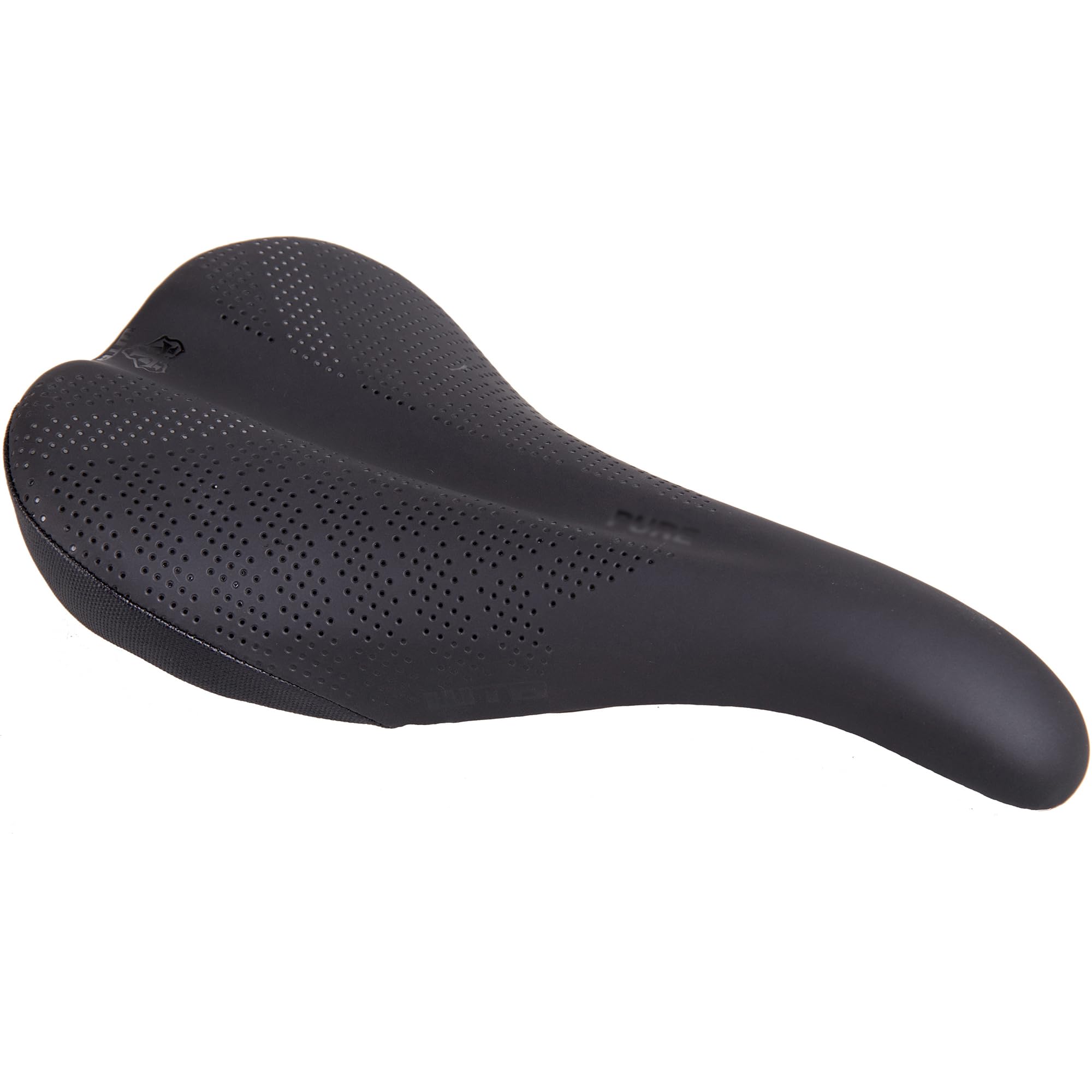
The WTB Pure is the entry‑level benchmark for mountain bikers and bikepackers who want extra padding without the weight of a full gel saddle. Its classic drop‑nose shape and extra‑thick DNAx foam (about 1/4 inch more padding than WTB’s Volt model) make it a comfortable choice for short‑to‑medium trail rides and casual commuting. The shell includes a Comfort Zone cutout that allows the padding to push through the base for additional soft‑tissue relief.
The Love Channel relief groove runs down the top center of the saddle, reducing perineal pressure on the mid‑numbness zone. Several riders praise the Pure for improving blood flow on 30‑minute mountain bike climbs compared to harder stock saddles. The steel rails are basic but durable, and the microfibre cover holds up well against mud and abrasion. The 345g weight is respectable for a padded mountain saddle.
The Pure has a trade‑off that experienced riders note: the extra padding that feels great on short rides can cause chafing on rides over two hours because the foam creates friction during extended pedal strokes. For bikepackers and all‑day endurance riders, WTB’s own Volt or other firmer, narrower options may be better. But for the rider who does mostly one‑hour trail loops or uses the bike for casual paved paths, this saddle delivers comfort and durability at the lowest entry price in this guide.
Why it’s great
- Thick DNAx foam offers plusher comfort than most saddles
- Love Channel relief reduces soft tissue pressure on climbs
- Steel rails are durable and hold up to MTB abuse
Good to know
- Thick padding can cause chafing on rides over two hours
- Heavier than performance‑oriented options
FAQ
How do I know if my saddle width matches my sit bones?
Is a gel saddle better than foam for long rides?
Can I ride without padded shorts with these saddles?
Why does my current saddle cause numbness even though it has a cutout?
Final Thoughts: The Verdict
For most riders, the best cycling saddles for long rides winner is the SQlab 6OX Ergowave Active because its four width options, 72% perineal pressure reduction, and interchangeable elastomers make it the most adaptable saddle for endurance riding. If you want classic leather comfort with spring suspension, grab the Brooks England B67. And for a lightweight race‑ready saddle that still delivers all‑day relief, nothing beats the Prologo Dimension T4.0.

Mo Maruf
I created WellFizz to bridge the gap between vague wellness advice and actionable solutions. My mission is simple: to decode the research and give you practical tools you can actually use.
Beyond the data, I am a passionate traveler. I believe that stepping away from the screen to explore new environments is essential for mental clarity and physical vitality.